6 Tips to Organization Home Office with a Guest Room
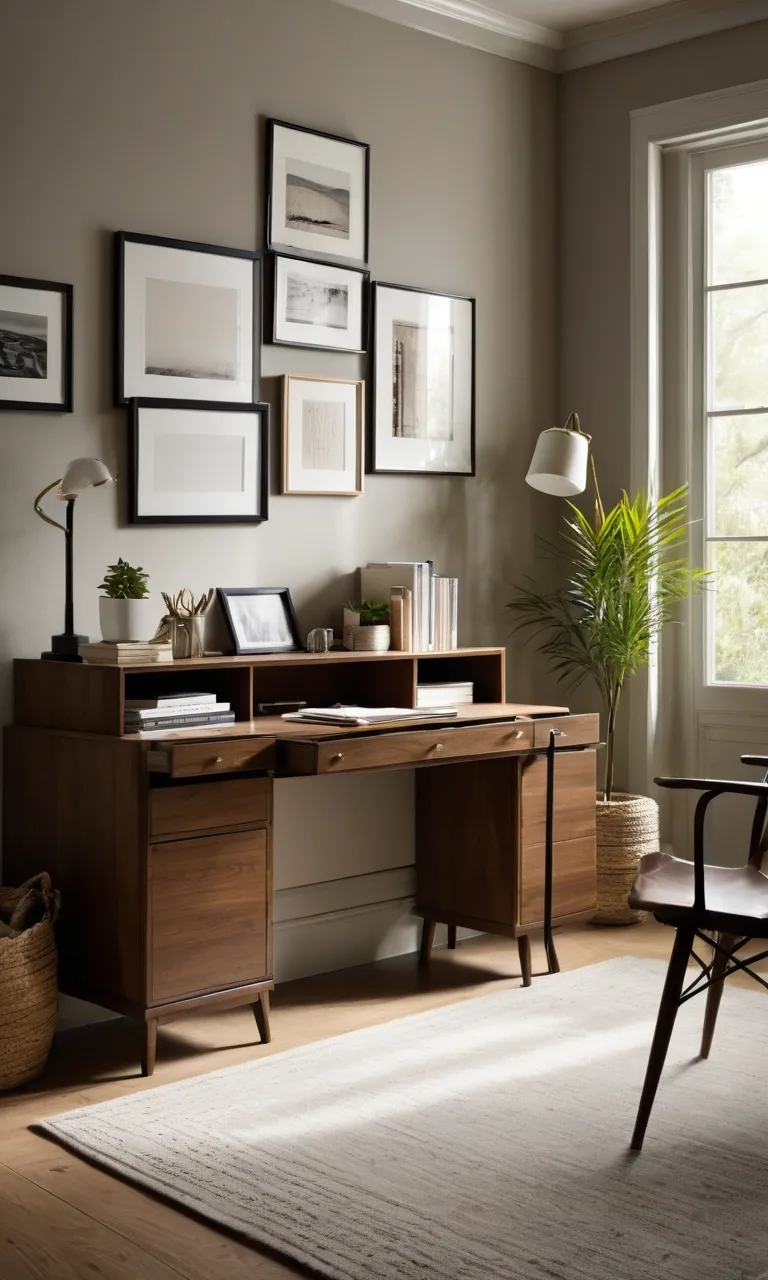
Combining a home office with a guest bedroom is a practical way to make the most of limited space. However, without a thoughtful setup, your workspace can become crowded with bedding, office equipment, paperwork, and everyday essentials. The room should support productive work during the day while offering visitors a comfortable place to relax and sleep.
The good news is that you don't need a large room or an expensive renovation to achieve both goals. With smart furniture choices, designated storage areas, and a flexible layout, you can create a multipurpose room that feels organized and welcoming. These six tips will help you balance professional needs with guest comfort.
Why does Your Home Office with a Guest Room Become Cluttered?
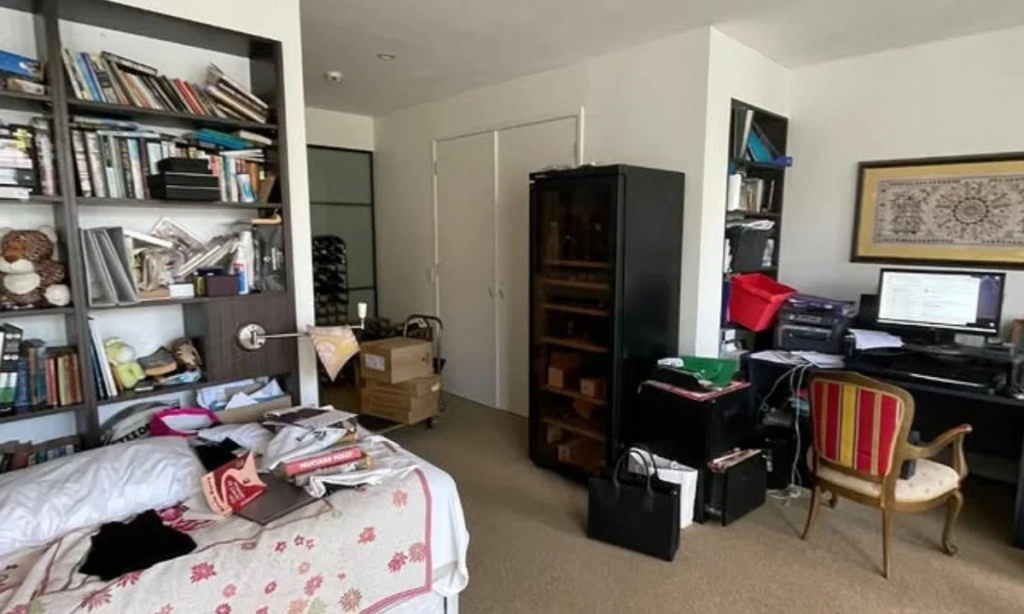
A combined office and guest bedroom often becomes disorganized because two different activities compete for the same space. Your office needs a desk, computer, stationery, charging cables, and somewhere to store important documents. Meanwhile, your guest bedroom requires sleeping arrangements, fresh linens, pillows, and space for visitors to keep their belongings.
When these items lack designated storage locations, they gradually spread throughout the room. Work documents might end up on the bedside table, while extra blankets occupy valuable desk space. Even a reasonably sized room can feel uncomfortable when furniture and personal belongings interrupt the available walking space.
Another common problem is failing to plan for the room's changing purpose. A setup that works well during the workweek might not be suitable when someone comes to stay overnight.
The most effective solution is to establish a clear organization system before purchasing additional storage products. Identify which items you use every day, which belongings can be stored out of sight, and how quickly you need to convert the office into a guest-friendly environment. A room designed around these needs will be easier to maintain and more enjoyable to use.
1. Divide the Room into Clear Zones
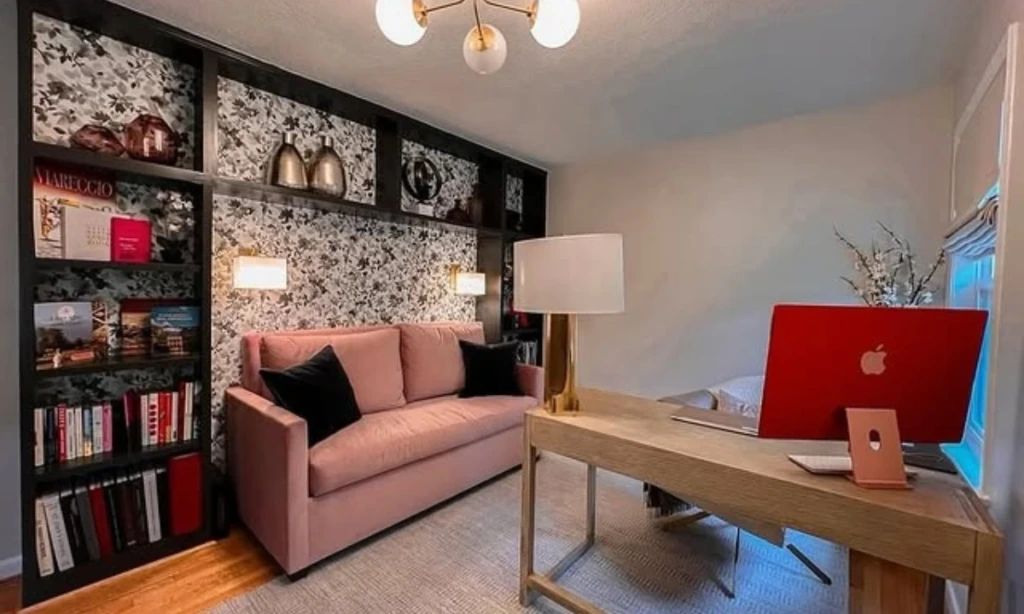
Creating separate work and sleeping areas is one of the easiest ways to make a multipurpose room feel organized. You don't necessarily need a partition or a separate entrance. Instead, use furniture placement and small decorative details to give each area a distinct purpose.
Position your desk near a window when possible to benefit from natural light. Place the bed or sleeper sofa in another part of the room where visitors can rest without feeling surrounded by office equipment. Make sure both areas have enough clearance for comfortable movement.
You can define these zones with a small rug beneath the desk, a bookcase between the workspace and sleeping area, or a curtain that provides occasional separation. A folding screen is another useful option if you want to conceal the office during overnight stays.
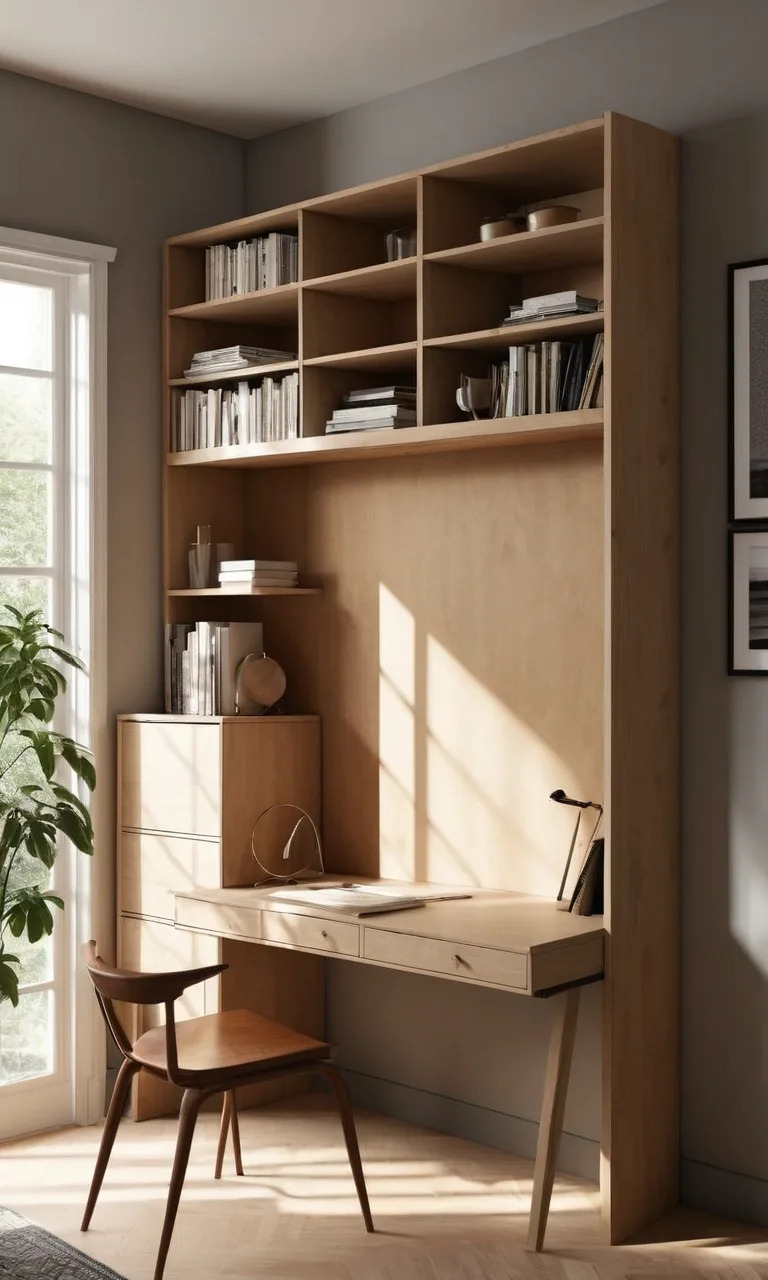
Wall-mounted shelves can help distinguish the work area without taking up valuable floor space. Similarly, a bedside lamp and a coordinated set of pillows can make the guest area feel more like a bedroom.
Keep the arrangement practical rather than overcrowded. Every zone should have the essentials needed for its purpose, with clear pathways connecting the two. This separation helps reduce visual distractions and makes switching between work and relaxation much easier.
2. Pick Furniture That Works Double Duty
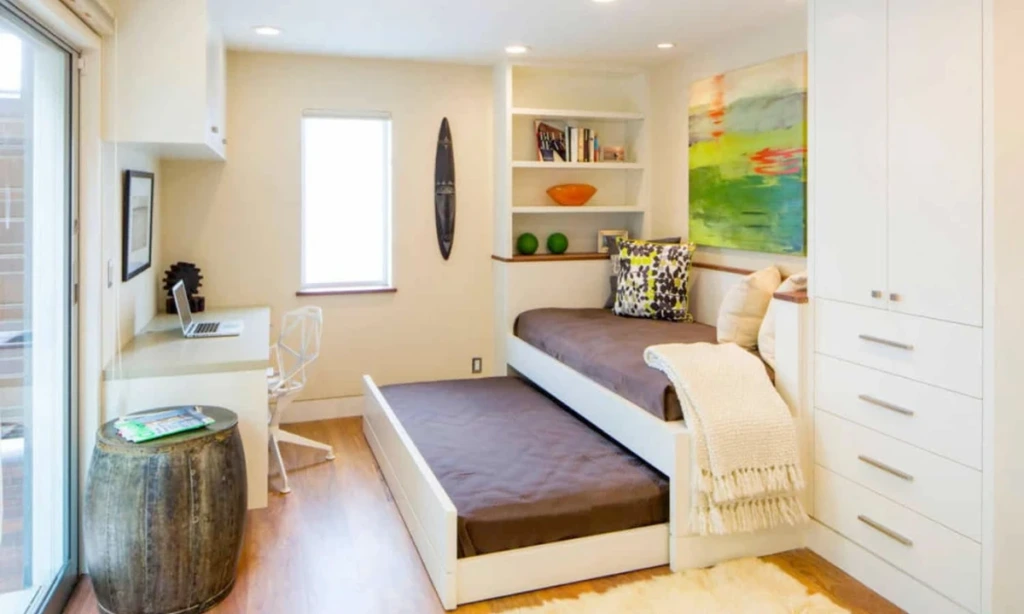
Furniture that serves more than one purpose can significantly improve the functionality of a home office and guest room. Instead of filling the space with separate pieces for every activity, choose versatile options that adapt to your changing needs.
A daybed is a useful choice because it provides comfortable seating during working hours and a sleeping surface at night. A sleeper sofa offers similar flexibility, particularly if you want a lounge-style appearance when the room isn't being used by guests.
For the workspace, consider a compact writing desk, a wall-mounted work surface, or a fold-down desk that closes when the workday ends. If you use a laptop rather than several monitors, a smaller desk may provide enough room without dominating the bedroom.
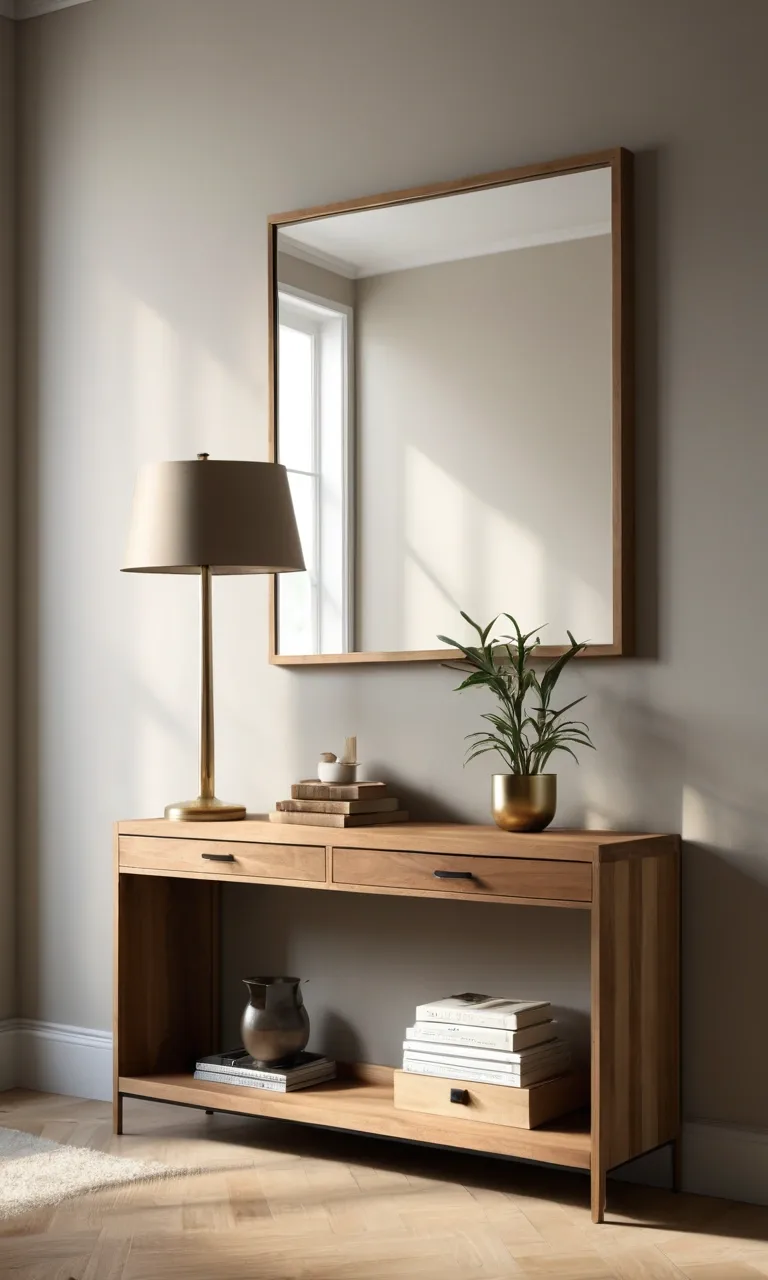
Storage furniture can also perform several jobs at once. An ottoman with an internal compartment can hold spare bedding, while a storage bench provides seating and a convenient place for blankets. A narrow console with drawers can function as a desk and later serve as a surface for guest essentials.
Before buying anything, measure the room and check the dimensions of both the open and folded configurations. Make sure doors, drawers, and sofa beds can operate without blocking walkways.
Prioritize comfort, durability, and ease of use. The right multifunctional furniture should simplify your routine rather than introduce complicated setup steps every time the room changes purpose.
3. Keep Work Supplies Hidden
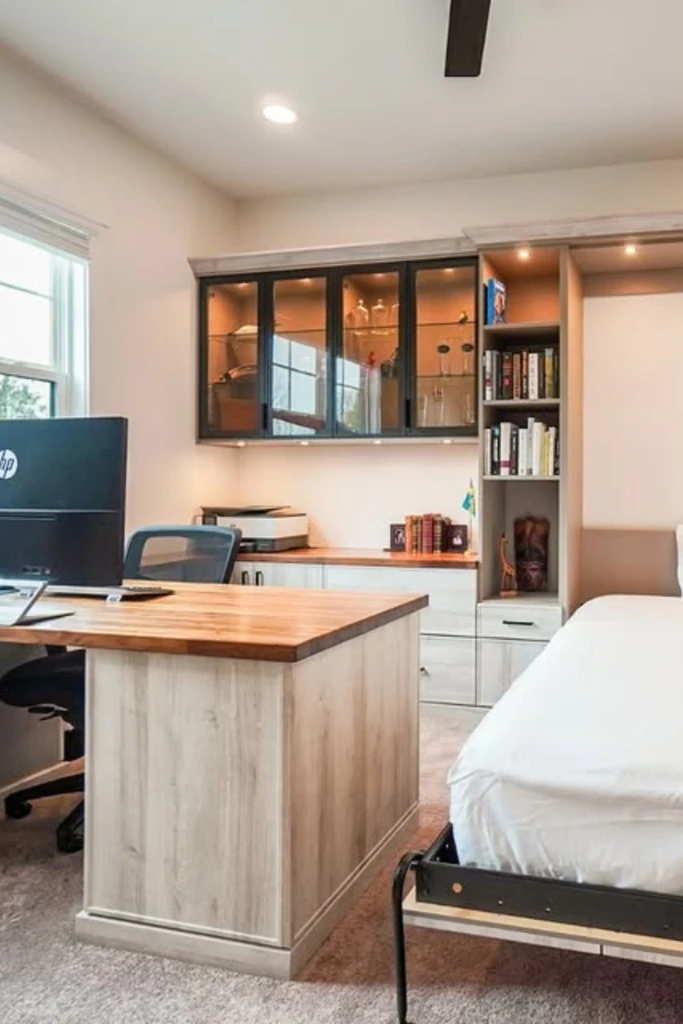
A tidy workspace is easier to maintain when office supplies have designated storage locations. Pens, notebooks, headphones, charging cables, printer paper, and other small accessories can quickly make a shared room look messy if they remain scattered across the desk.
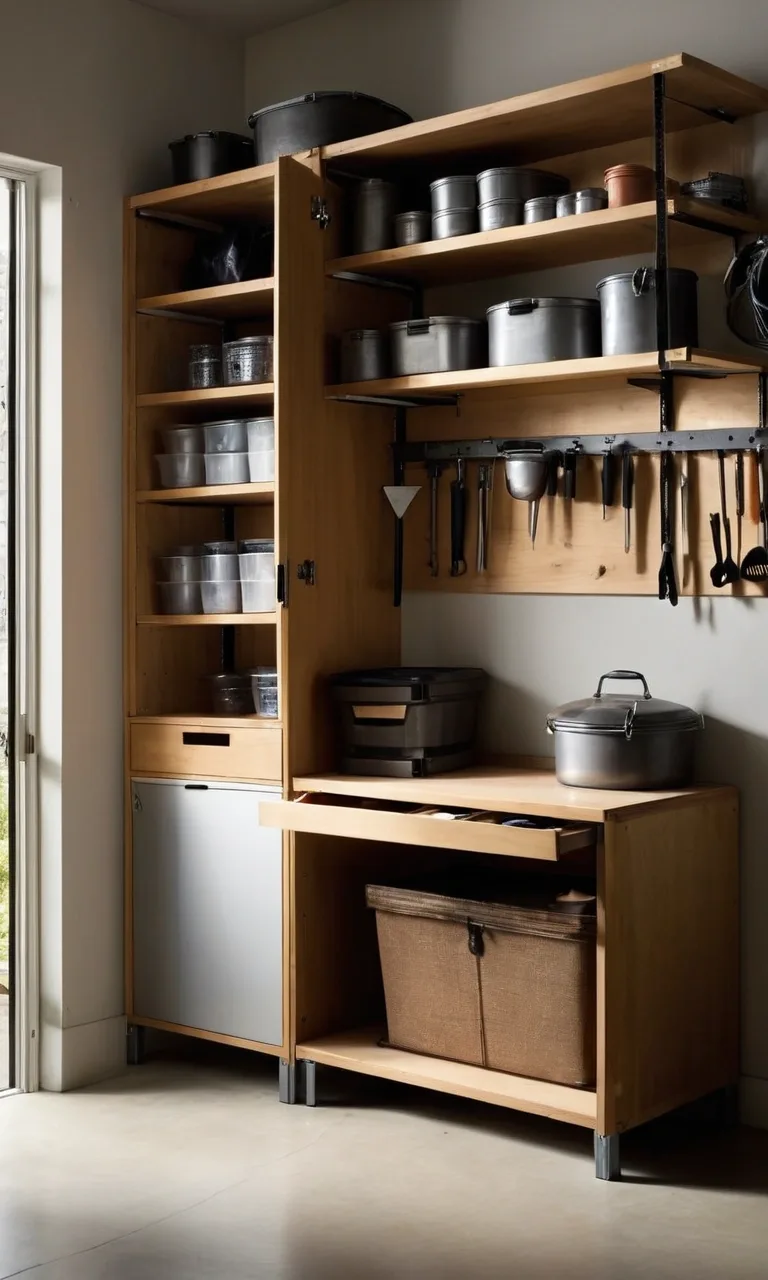
Start by sorting your work materials into categories. Keep frequently used items close at hand and move occasional-use supplies into drawers, cabinets, or labeled containers. This prevents your desk from becoming a permanent storage surface.
Drawer dividers are useful for organizing stationery, while desktop organizers can hold the few items you need throughout the day. If you regularly move between different work areas, a compact rolling cart can keep essential supplies together and make them easy to relocate.
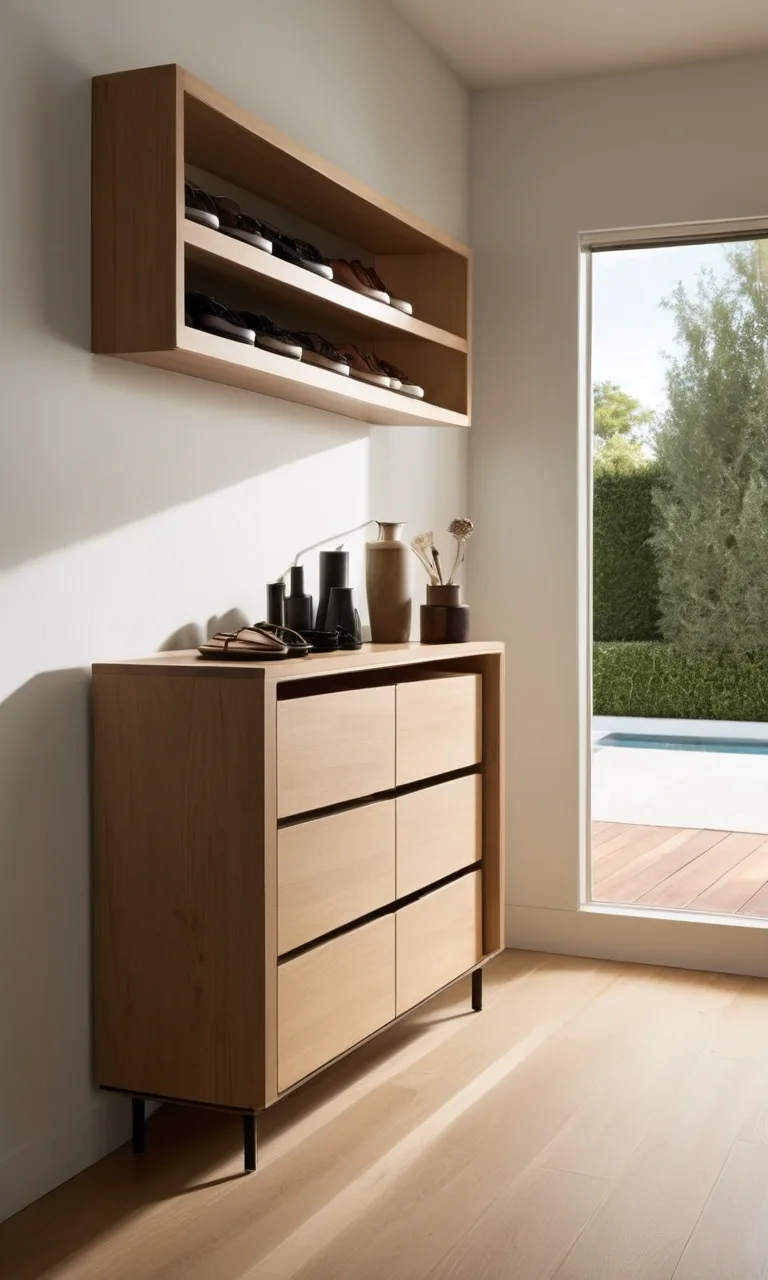
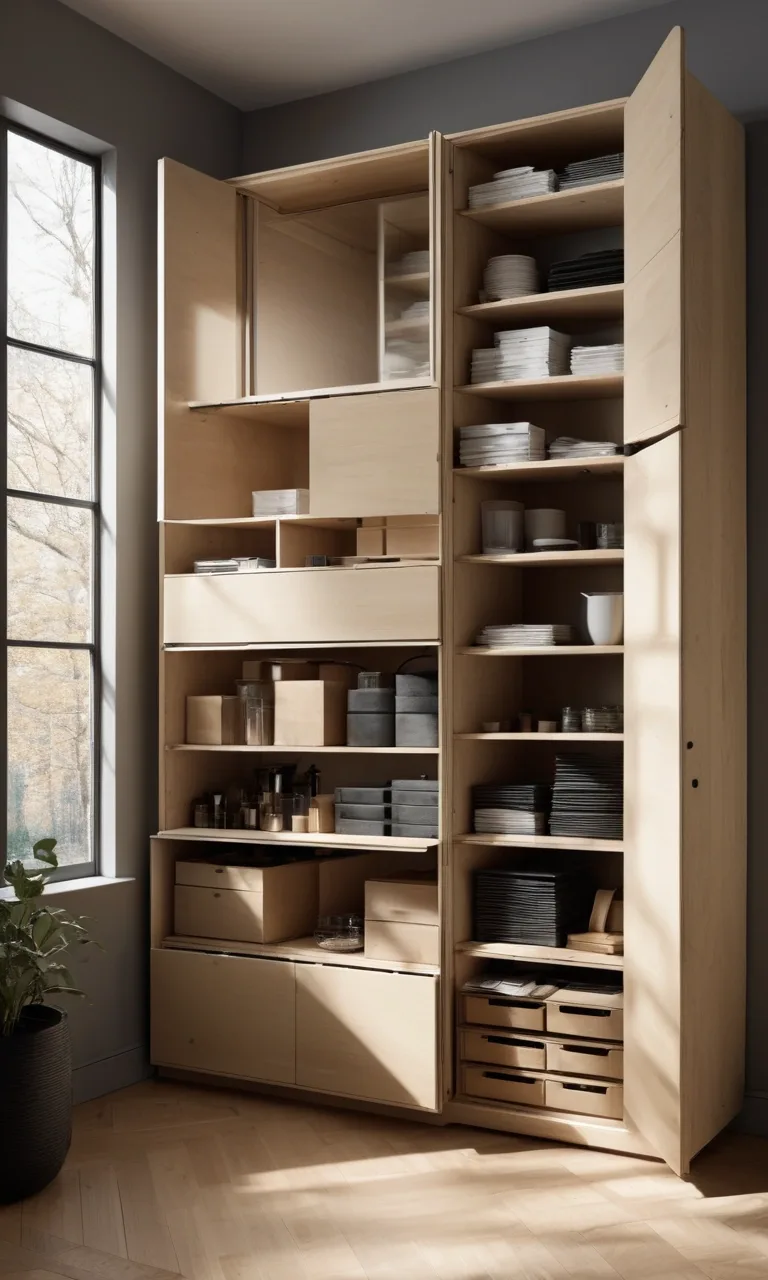
For a cleaner appearance, store paperwork and electronics accessories in closed cabinets or decorative boxes. Under-bed containers are suitable for less frequently used office materials, provided they are protected from dust and moisture. Wall-mounted shelving can also increase storage capacity without occupying additional floor space.
Cable management deserves special attention. Use cable clips, sleeves, or a charging station to prevent wires from tangling around furniture. Keep electrical connections accessible and avoid placing cables where guests might trip over them.
When guests arrive, you should be able to clear the visible work area quickly without searching for storage space. A simple rule helps: return each item to its assigned location after use. This habit keeps the room presentable while making it easier to begin work the following morning.
4. Set Up a Guest-Ready Corner
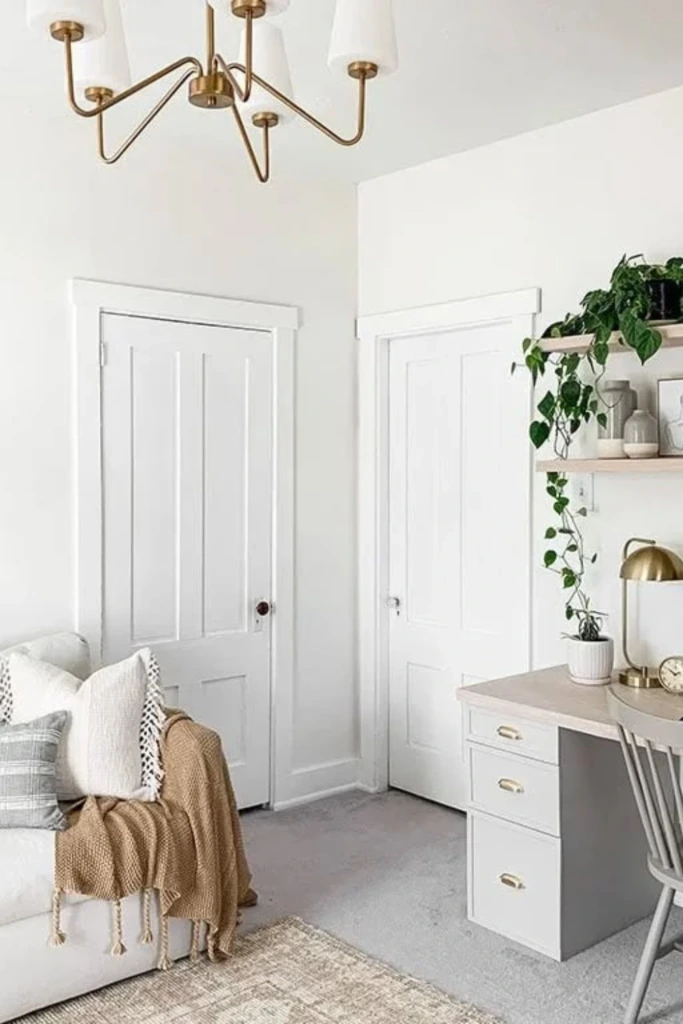
Even when your home office is used primarily for work, visitors should have a comfortable and convenient place to stay. Creating a small guest area ensures that overnight guests feel welcome without requiring you to rearrange the entire room.
Begin with the sleeping arrangements. Provide clean sheets, comfortable pillows, and an extra blanket that guests can reach easily. If the room has a daybed or sleeper sofa, make sure the surrounding space is clear enough to prepare it for bedtime.
A small bedside table can hold a reading lamp, a glass of water, and personal items. If floor space is limited, use a narrow shelf or wall-mounted bedside surface instead of a bulky nightstand.
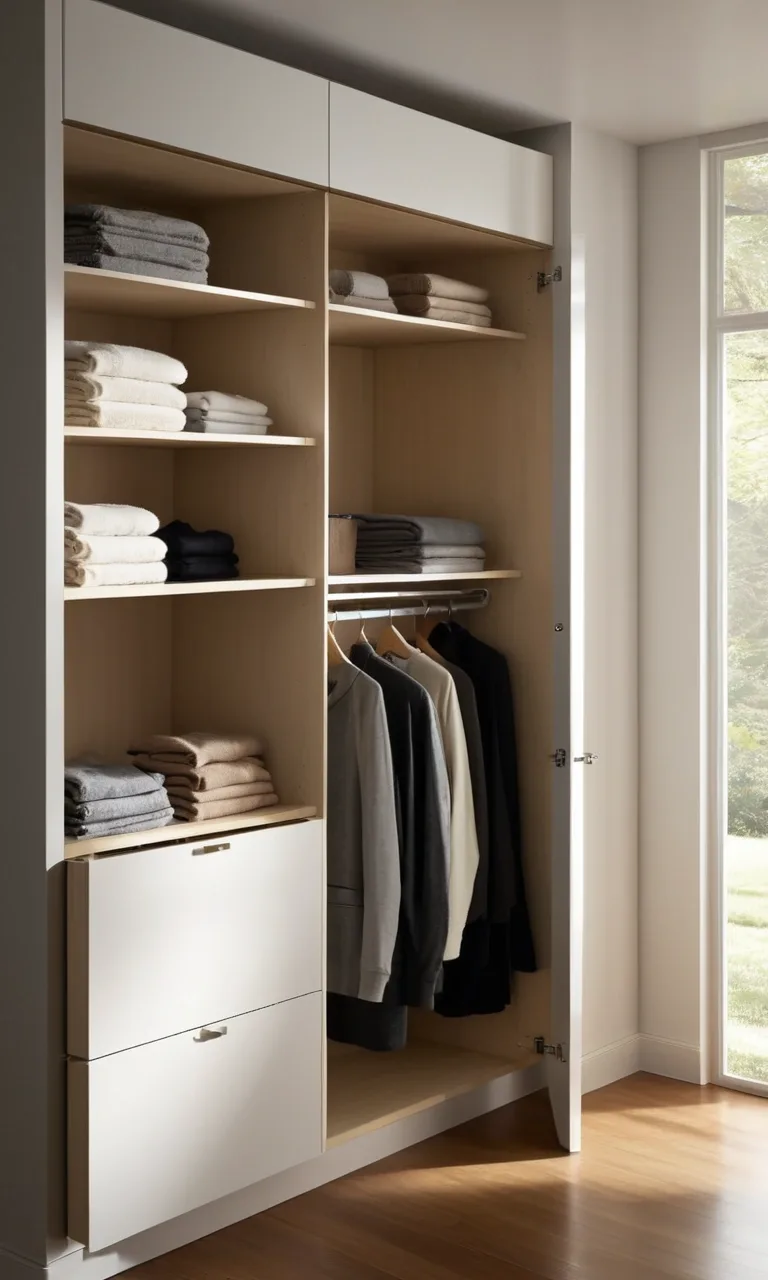
Give guests somewhere to put their luggage and belongings. A folding luggage rack, an empty section of shelving, or a sturdy bench can help keep suitcases off the bed and floor. If you have a closet, reserve a small section with a few empty hangers.
Store spare towels, toiletries, and additional bedding in a dedicated basket, drawer, or cabinet. Keeping these items together makes it easier for visitors to find what they need without interrupting your workspace.
Consider a few thoughtful extras, such as accessible electrical outlets, a phone charging cable, blackout curtains, or a small wastebasket. These practical details can make a short stay more comfortable.
Most importantly, remove visible work clutter before guests arrive. Put away confidential documents, close unnecessary computer screens, and clear the desk as much as possible. A few minutes of preparation can make a shared room feel considerably more inviting.
5. Create a Clean, Calm Look
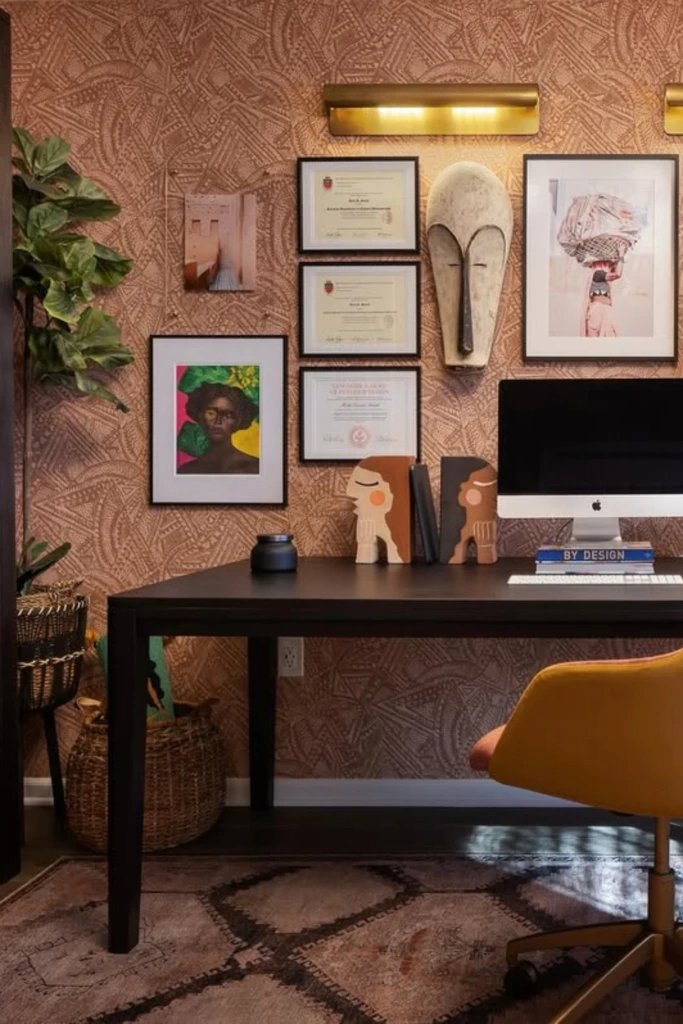
A coordinated design helps a combined office and guest bedroom feel intentional rather than like two unrelated spaces competing for attention. You can achieve this effect through consistent colors, simple decorations, and carefully chosen textiles.
Start with a color palette that works for both productivity and relaxation. Soft white, warm beige, light gray, and muted green are versatile choices for walls, bedding, curtains, and storage accessories. You can introduce stronger colors through cushions, artwork, or a desk accessory without making the room feel visually crowded.
Choose furniture finishes that complement one another. For example, a wooden desk paired with a matching bedside table and neutral bedding creates a consistent appearance. If your furniture pieces are different styles, unify them with similar hardware, fabrics, or decorative accents.
Keep surfaces relatively uncluttered. Rather than filling every shelf with decorations, select a few items that contribute to the room's atmosphere. A framed print, a small plant, or a simple table lamp can provide character without consuming valuable workspace.
Lighting is equally important. A desk lamp should provide sufficient illumination for reading and computer work, while softer bedside lighting creates a more relaxing environment for guests. If possible, use separate lighting controls so that working and sleeping activities can be accommodated independently.
Texture can make a neutral room feel warm and comfortable. Consider a soft rug, breathable bedding, and curtains that complement the overall design. Avoid placing too many decorative objects around the desk, where they may interfere with daily tasks.
A calm, coordinated room is not only more attractive but also easier to keep organized. When furniture, textiles, and storage solutions work together, the space can transition naturally between professional use and overnight accommodation.
6. Add Easy Ways to Pack Away
A flexible organization system makes it much easier to switch from work mode to guest mode without spending an entire evening rearranging the room. The key is to make packing away your office supplies a simple, repeatable process.
A rolling storage cart is particularly useful if you work with notebooks, stationery, chargers, and other portable equipment. Keep everything together on the cart during the day, then move it into a closet or another designated storage area when visitors need more space.
If you have a folding desk or wall-mounted workstation, use it to reduce the room's footprint when work is finished. Before closing the desk, remove fragile items and disconnect equipment according to the manufacturer's instructions.
Small containers can simplify the process of gathering loose accessories. Keep charging cables, a mouse, headphones, and adapters in a single pouch rather than leaving them spread across the desktop. Store documents in a portable file box so they can be moved without becoming mixed with guest belongings.
Under-bed storage bins can accommodate spare office equipment, notebooks, or other items that are not needed every day. Choose containers that fit beneath the bed and can be pulled out easily. Label each box so you can locate its contents without opening several containers.
It also helps to keep one empty basket or box available for quick tidying. Before guests arrive, collect stray office supplies and place them in the appropriate storage area. Avoid using this basket as a permanent dumping ground; empty it and return everything to its proper location afterward.
Create a short end-of-day routine that includes clearing the desktop, organizing cables, putting away confidential paperwork, and checking that the guest area remains accessible. When every item has a designated home, preparing the room for visitors becomes a straightforward task rather than a major cleaning project.
Final Thoughts
Organizing a home office and guest room in one space is entirely achievable with a practical layout and a little planning. By separating the work and sleeping zones, choosing adaptable furniture, storing supplies neatly, and preparing a comfortable guest area, you can make the room serve both purposes effectively.
A coordinated design and convenient storage system will help the space feel more open, while a simple pack-away routine makes it easier to transition from a productive workday to a relaxing evening.
You don't have to purchase everything at once. Start by removing unnecessary belongings, rearranging the furniture you already own, and assigning a specific place to everyday essentials. Introduce additional storage or multifunctional furniture only where it solves a genuine problem.
With a few thoughtful changes, your shared room can become a functional workspace during the day and a welcoming retreat for overnight guests whenever the need arises.