5 Genius Kids Organization Hacks Every Parent Needs in 2026
I can write an original, practical article about kids’ organization hacks, with a focus on simple routines, child-friendly storage, and habits that make tidying easier to maintain. I couldn’t retrieve the reference page, so I can’t reliably preserve its exact headings and order without seeing the article’s outline.
Keeping a home organized when you have children can feel like a never-ending job. Toys spread across the living room, shoes disappear when it is time to leave, and school supplies somehow end up in every corner of the house.
The secret to managing this everyday chaos is not cleaning more often. It is creating simple systems that children can understand and use independently.
With a few thoughtful changes, you can make playtime less cluttered, mornings more predictable, and cleanup less stressful for everyone. These practical kids' organization hacks will help you create spaces that work for your family without spending a fortune on storage products.
Why Organizing Kids’ Stuff Really Matters?
An organized environment can make everyday family life easier. When children know where their belongings belong, they spend less time searching for toys, clothes, and school supplies.
A clear storage system also makes cleaning less overwhelming. Instead of facing a mountain of mixed-up belongings, children can tackle one small category at a time.
Organization is valuable for another reason: it gives kids opportunities to practice responsibility. Putting away building blocks, hanging up a jacket, or preparing a backpack teaches useful life skills through everyday activities.
A tidy space does not need to look perfect. The goal is to make belongings accessible, reduce unnecessary clutter, and establish routines that everyone can follow. When storage is designed around a child's age and abilities, maintaining order becomes much more realistic.
1. Hacks for Kids Organization
The best organization strategies are simple, affordable, and easy to maintain. Start with the areas that cause the most frustration in your household, then introduce changes gradually.
2. Toy Hacks That Keep Playrooms Calm
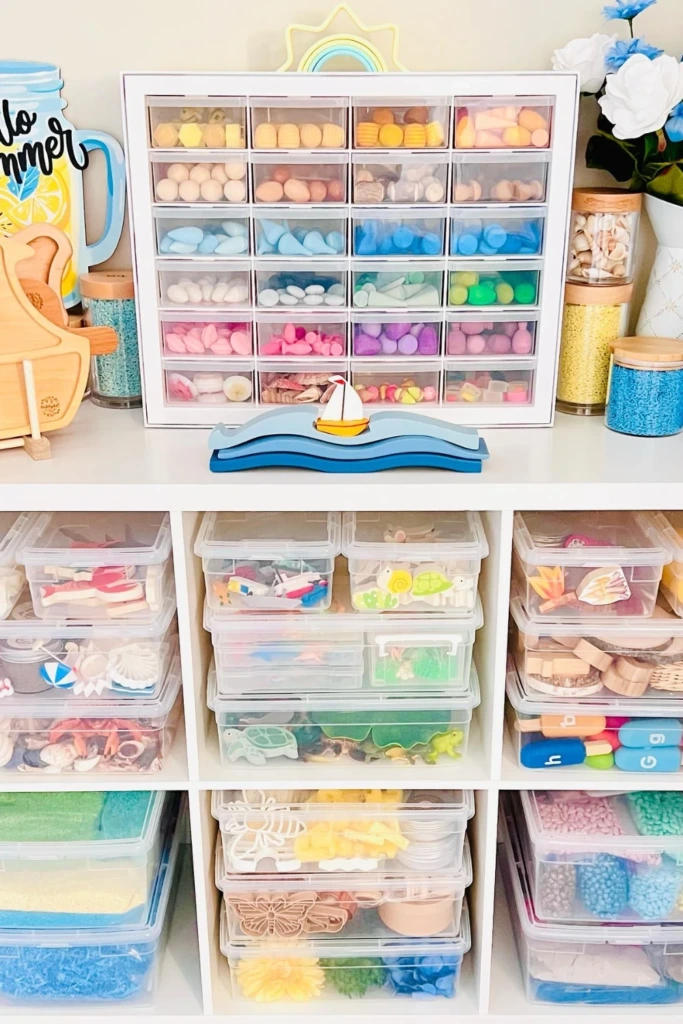
A playroom can become cluttered quickly when every toy is available at once. Rather than buying more storage to accommodate everything, begin by reducing the number of toys your child uses regularly.
Try these practical ideas:
Rotate toys: Keep a selection of favorite toys accessible and store the remaining items elsewhere. Swap selections periodically to renew interest without introducing new purchases.
Sort by category: Give building bricks, dolls, puzzles, art materials, and toy vehicles their own containers. This makes finding and returning items much easier.
Choose accessible storage: Open baskets and lightweight bins allow children to retrieve toys without needing adult assistance.
Add picture labels: Use photographs or simple drawings alongside written labels so younger children can identify the correct container.
Make cleanup manageable: Encourage children to put away one group of toys before moving on to another activity.
Avoid relying on one oversized toy chest for everything. Small pieces can disappear beneath larger items, and children may struggle to find what they want.
For younger kids, choose containers that are easy to open and safe to handle. Keep heavy toys on lower shelves, secure tall furniture to the wall, and avoid placing frequently used items where children must climb to reach them.
A thoughtfully arranged play area gives every toy a designated home while leaving enough room for children to enjoy their activities.
3. Closet Solutions That Kids Can Manage Themselves
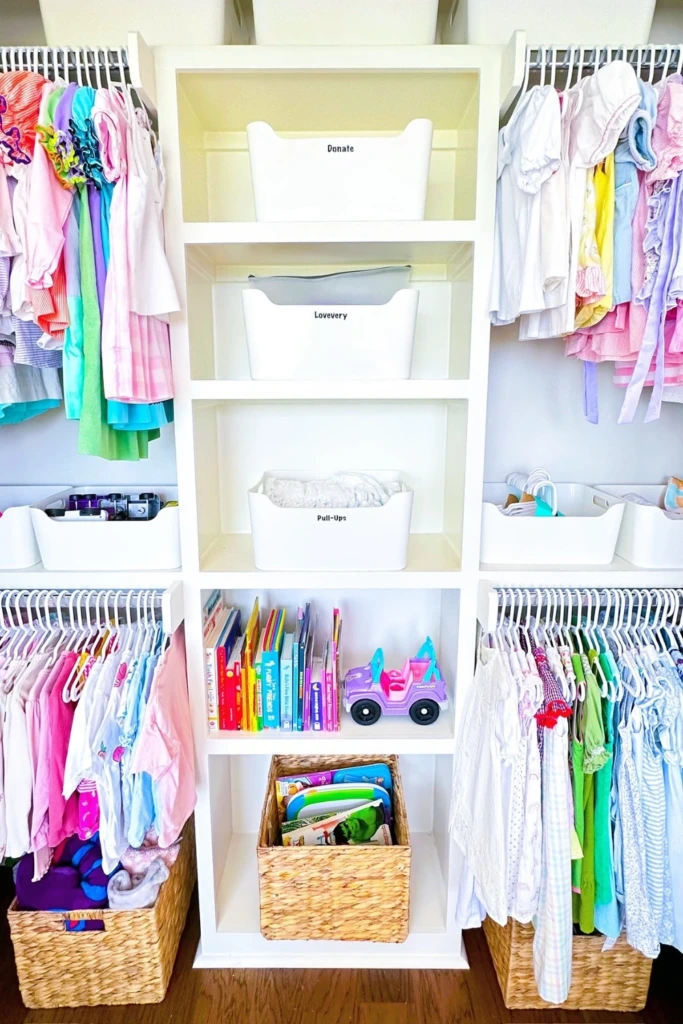
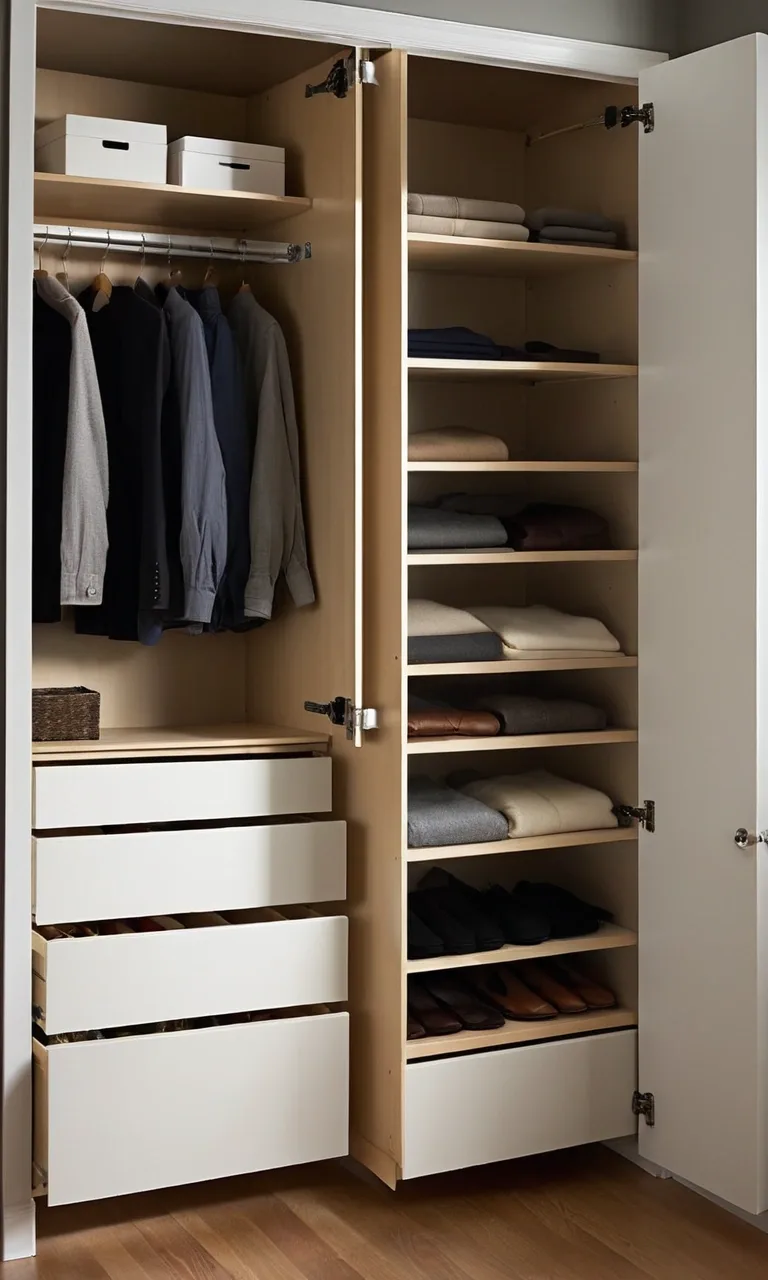
Getting dressed becomes easier when children can see their options and reach their belongings. A child-friendly closet should encourage independence rather than require an adult to retrieve every item.
Start by removing clothes that no longer fit, along with damaged items that cannot be used. Organize the remaining clothing according to how your child actually gets dressed.
Here are several ways to improve the setup:
Lower the essentials: Place everyday shirts, trousers, and frequently worn outfits on accessible shelves or within easy reach.
Use simple categories: Separate school clothes, playwear, sleepwear, and special-occasion outfits.
Organize by day: Prepare a few complete outfits in a hanging organizer or labeled compartments to simplify busy mornings.
Add accessible hooks: Provide a place for jackets, hats, and frequently used accessories.
Create an outgrown-clothing basket: Keep a designated container for items that have become too small, then review it regularly.
Drawer dividers can also help prevent socks, underwear, and accessories from becoming mixed together. If your child is too young to read, use pictures to identify the contents of each drawer.
You do not need a custom closet to make these changes. A few inexpensive baskets, labels, and reachable storage areas can make an ordinary wardrobe much more functional.
As your child grows, adjust the arrangement to suit their height and changing needs. The aim is to make choosing clothes and putting them away manageable without constant supervision.
4. Backpacks, Shoes, and the Entryway Chaos Fix
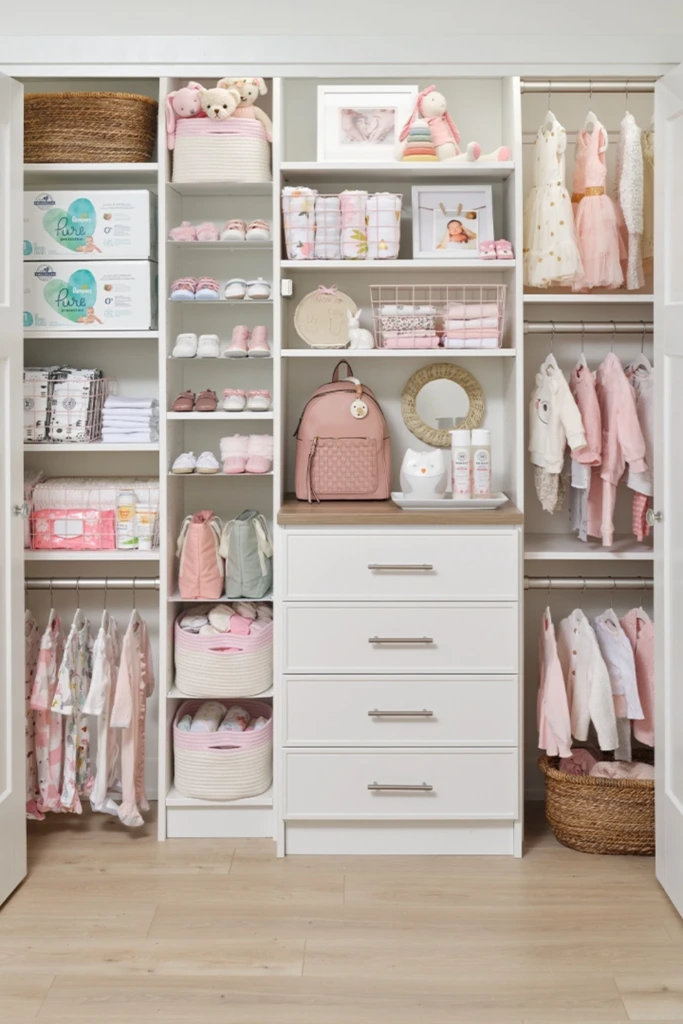
The entrance to your home often becomes a collection point for school bags, footwear, jackets, lunchboxes, and other daily essentials. Without a designated arrangement, these items can quickly spread into nearby rooms.
Create a small landing area near the door where each family member can leave the things they use most often.
A simple setup might include:
Backpack hooks: Install sturdy hooks at a suitable height so children can hang their bags independently.
A shoe basket or rack: Give everyday footwear a clear location instead of allowing it to accumulate in the hallway.
A jacket station: Use individual hooks for coats, hats, and lightweight outerwear.
A small essentials tray: Keep items such as reusable water bottles or lunch containers together when they are ready for the next school day.
A paper folder: Collect permission slips, notices, and other school documents that need attention.
The most important part is establishing a consistent routine. When children return home, encourage them to hang up their bags, put away their shoes, and place school papers in the appropriate location.
Before bedtime, check that backpacks contain the supplies needed for the following day. This small habit can reduce last-minute searching when everyone is trying to leave the house.
If space is limited, use a few wall hooks and one compact basket rather than adding bulky furniture. Keep walkways clear, and ensure hooks and shelves are securely installed.
A well-planned entryway helps turn a chaotic arrival and departure area into a predictable part of your family's daily routine.
5. Easy Homework and School Supply Stations
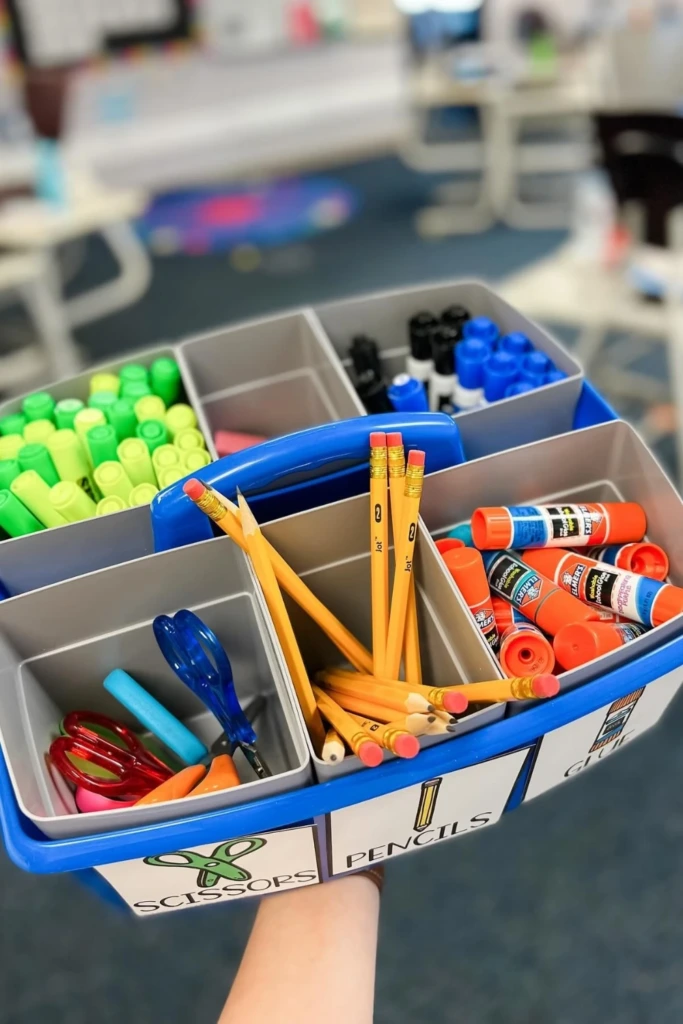
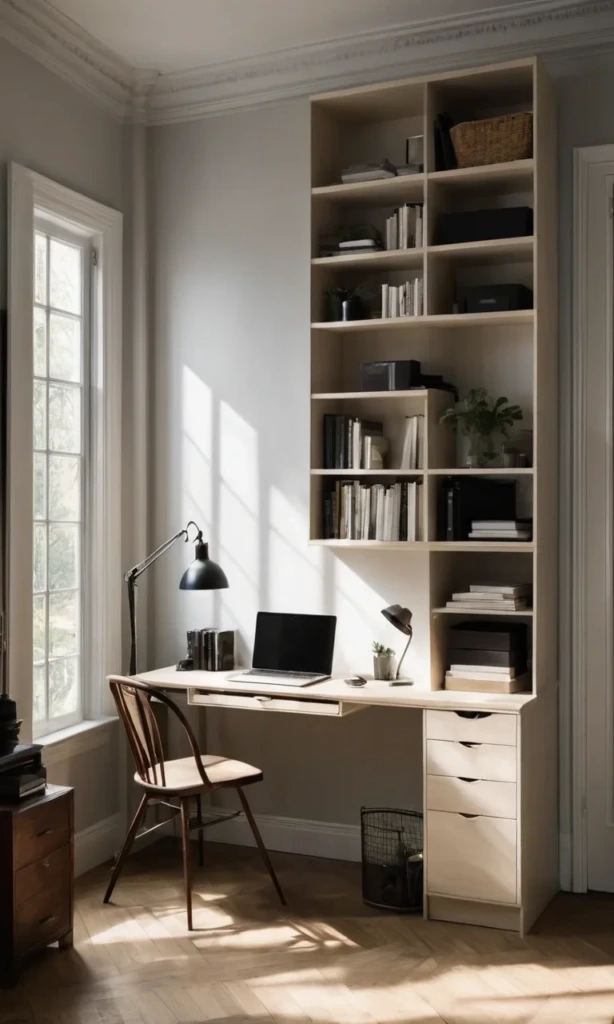
Homework is easier to begin when children do not have to search for pencils, notebooks, erasers, and other supplies. A dedicated study station keeps essential materials together and helps create a clear distinction between work time and playtime.
You do not need an entire room for this purpose. A corner of the dining table, a small desk, or a portable supply cart can work well.
Consider these organization ideas:
Use a supply caddy: Store pencils, pens, crayons, scissors, and other frequently used items in separate compartments.
Add labeled folders: Create individual folders for homework, completed assignments, permission slips, and papers that require a parent's attention.
Try a rolling cart: A compact cart with drawers can hold school supplies and move easily between rooms.
Keep books together: Designate a shelf or basket for textbooks, reading materials, and current assignments.
Limit unnecessary supplies: Keep everyday essentials nearby and store rarely used materials separately.
Create a paper review spot: Use one clearly marked folder or tray for documents that adults need to check.
A wall-mounted organizer or pegboard can provide extra storage when desk space is limited. However, make sure frequently used materials remain within easy reach and that the work surface has enough room for writing.
Encourage your child to return supplies after each session and check the station before starting the next assignment. Older children can gradually take responsibility for tracking deadlines and preparing their materials.
A consistent homework area will not eliminate every distraction, but it can remove the frustration of misplaced supplies and help children develop better study habits.
How Can You Build Daily and Weekly Routines That Stick?
Even the best storage system will become cluttered if there is no routine for maintaining it. The key is to make organization a small, predictable part of everyday life instead of an occasional major cleaning project.
Begin with a short evening reset. Set aside around five to ten minutes for children to return toys, put away clothing, and prepare frequently used belongings for the next day. Adjust the duration to suit their age and the amount of tidying required.
You can make the process more enjoyable by playing a favorite song, setting a timer, or challenging everyone to finish their assigned tasks before the music ends.
A weekly reset provides an opportunity to deal with clutter that accumulates more slowly. During this time, you might:
Empty backpacks and remove unnecessary papers.
Return misplaced toys and books to their proper areas.
Check school supplies and replace anything essential that has run out.
Identify clothing that no longer fits.
Return items that have migrated into the wrong rooms.
Review the coming week's activities and prepare any needed belongings.
A simple checklist can help children remember the routine without depending on repeated instructions. Use pictures for younger children and written steps for those who can read confidently.
Consistency matters more than perfection. Some evenings will be busy, and some areas will become messy again. Rather than expecting a spotless home, focus on returning essential items to their places and maintaining habits that make the next day easier.
How Can You Teach Kids to Take Charge of Their Space?
Children are more likely to participate in organizing when they understand the system and have a role in creating it. Instead of deciding everything for them, involve them in choosing storage locations, selecting labels, and determining which belongings they use most often.
Start with responsibilities that match their developmental stage. A young child might put stuffed animals into a basket, while an older child could organize a bookshelf or prepare a school bag independently.
These strategies can help build ownership:
Give clear, specific instructions. Instead of asking a child to clean an entire room, ask them to put the blocks in their container or place dirty clothes in the laundry basket. Smaller tasks are easier to understand and complete.
Let children make appropriate choices. Allow them to decide how to arrange their books or which of two storage baskets they prefer. A little involvement can make the finished arrangement feel more personal.
Demonstrate the process. Show children where items belong and explain how to use the storage system. Practice together before expecting them to remember every step.
Recognize effort. Offer specific encouragement when they complete a task or remember a routine without prompting. A simple progress chart may help some children stay motivated, although rewards are not necessary for every family.
Increase responsibility gradually. Once a task becomes familiar, give your child more opportunities to complete it independently. Continue providing guidance when the system needs adjusting.
It is also important to keep expectations realistic. Children may need reminders, and their rooms will not always stay neat. The purpose of organization is to help them develop useful skills, not to make them responsible for maintaining an adult-level standard of cleanliness.
When the system is simple, accessible, and developed with their participation, children have a better chance of maintaining it over time.
Final Thoughts
Organizing children's belongings does not have to involve expensive furniture, complicated storage systems, or hours of daily cleaning. A few well-chosen changes can make a noticeable difference in how your household functions.
Start by rotating toys, creating accessible clothing storage, setting up a designated entryway, or gathering homework supplies in one place. Choose the area that causes the most frustration and improve it before moving on to the next.
Pair these changes with short daily resets and age-appropriate responsibilities. Over time, children can learn where their belongings belong and how to care for their spaces with less assistance.
Remember that a family-friendly home does not need to remain perfectly tidy. The real benefit comes from creating practical systems that save time, reduce everyday stress, and help children become more independent.
FAQs
How do I keep my kids’ room organized when it’s a small space?
Small children's rooms benefit from storage that uses available space efficiently without making the room difficult to navigate.
Try wall-mounted shelves, hanging organizers, under-bed containers, and compact baskets that fit inside existing furniture. Use vertical space for lightweight items, and keep frequently used belongings within easy reach.
Reducing the number of toys available at one time can also make a substantial difference. Store occasional-use items elsewhere and rotate them when appropriate.
Give each category of belongings a specific home, and avoid filling every available corner with storage. Leaving open floor space makes the room easier to use and clean.
The best arrangement is one your child can manage independently. A few clearly labeled containers are often more useful than a complicated system with too many compartments.
How can I get my kids to clean up without nagging?
Establish a predictable cleanup routine rather than relying on reminders throughout the day. For example, make tidying part of the transition between playtime and bedtime.
Keep expectations specific and manageable. Asking a child to put away their books or collect their toys is usually more effective than giving a broad instruction to clean the entire room.
You can introduce a timer, play music, or turn cleanup into a family challenge to make the task more engaging. Younger children may benefit from cleaning alongside an adult until the routine becomes familiar.
Most importantly, make sure every item has an obvious place to go. Children are more likely to put things away when storage is easy to access and the steps are simple.
Be patient as the habit develops. Consistent expectations, age-appropriate responsibilities, and positive encouragement can gradually reduce the need for repeated reminders.