7 Car Trunk Organization Hacks That Make Life Easier in 2026
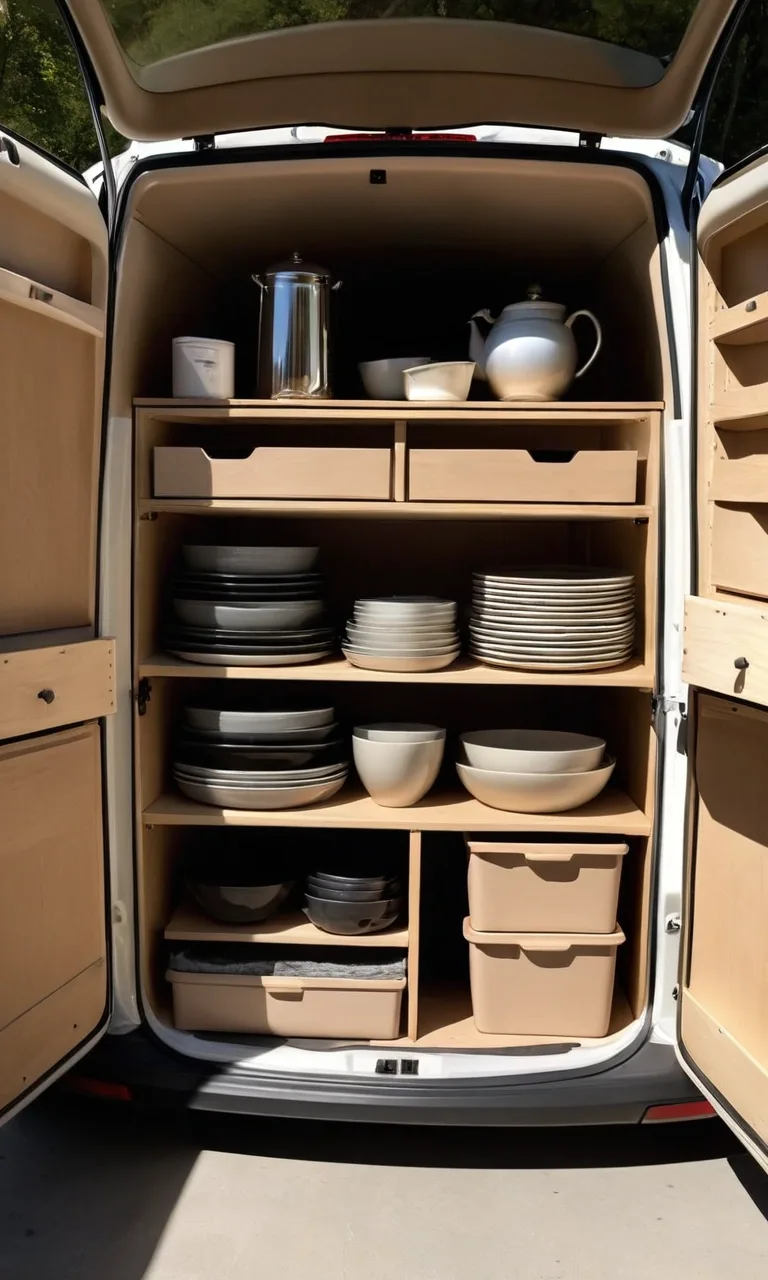
A cluttered car trunk can make even simple errands feel inconvenient. Shopping bags topple over, sports equipment takes up too much room, and essential tools disappear beneath items you rarely use. A little planning can transform this overlooked space into a practical storage area that supports your everyday routine.
The key is to decide what belongs in your trunk, give frequently used items a designated place, and prevent loose belongings from moving around while driving. You don't need expensive accessories or a complicated storage system to make a difference.
With a few thoughtful changes, you can create a cleaner trunk that works for grocery runs, family outings, unexpected roadside problems, and longer journeys.
Why Your Car Trunk Stays Messy?
Car trunks often become cluttered because they provide a convenient place to leave things temporarily. An extra jacket, an empty shopping bag, a toolbox, or equipment from a weekend activity can easily accumulate when nothing has a permanent storage location.
Another common problem is keeping items for every possible situation. Although carrying useful supplies makes sense, storing too many unnecessary belongings reduces available space and makes essential equipment harder to find.
Movement also contributes to the mess. Groceries, bottles, bags, and sports gear can shift whenever the vehicle turns or brakes. Once items become scattered, putting everything back in order may seem like another chore to postpone.
Seasonal belongings create additional clutter. Beach accessories, winter blankets, gardening supplies, and outdoor equipment may remain in the trunk long after they're needed.
The solution starts with a simple principle: every item should have a clear purpose and a suitable place. When you establish that system, keeping your trunk organized becomes much easier.
1. Start Fresh: Empty and Sort Everything
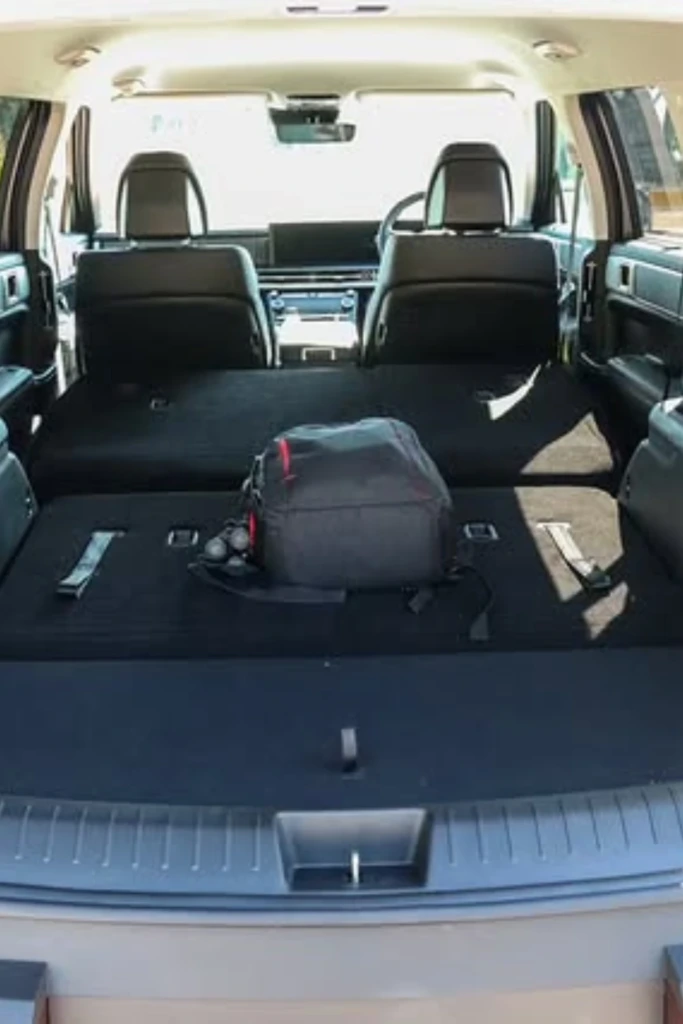
Before purchasing organizers or rearranging your belongings, remove everything from the trunk. This gives you a clear view of the available space and helps you identify items that no longer need to be there.
Separate your belongings into four categories: keep, relocate, donate, and discard. Reusable shopping bags, emergency supplies, and regularly used equipment may deserve a permanent place in your vehicle. Household items, forgotten purchases, and belongings you can easily retrieve when needed are usually better stored elsewhere.
Check the condition of anything you plan to keep. Dispose of rubbish, recycle suitable packaging, and remove broken accessories that no longer serve a purpose. Check expiration dates on relevant emergency and first-aid supplies, replacing anything outdated or damaged.
Once the trunk is empty, vacuum the carpet, wipe down accessible surfaces, and allow damp areas to dry completely before returning your belongings.
This fresh start creates a clean foundation for organizing the remaining items. It also helps you avoid buying storage products for things you don't actually need.
2. Keep Only the Must-Have Items
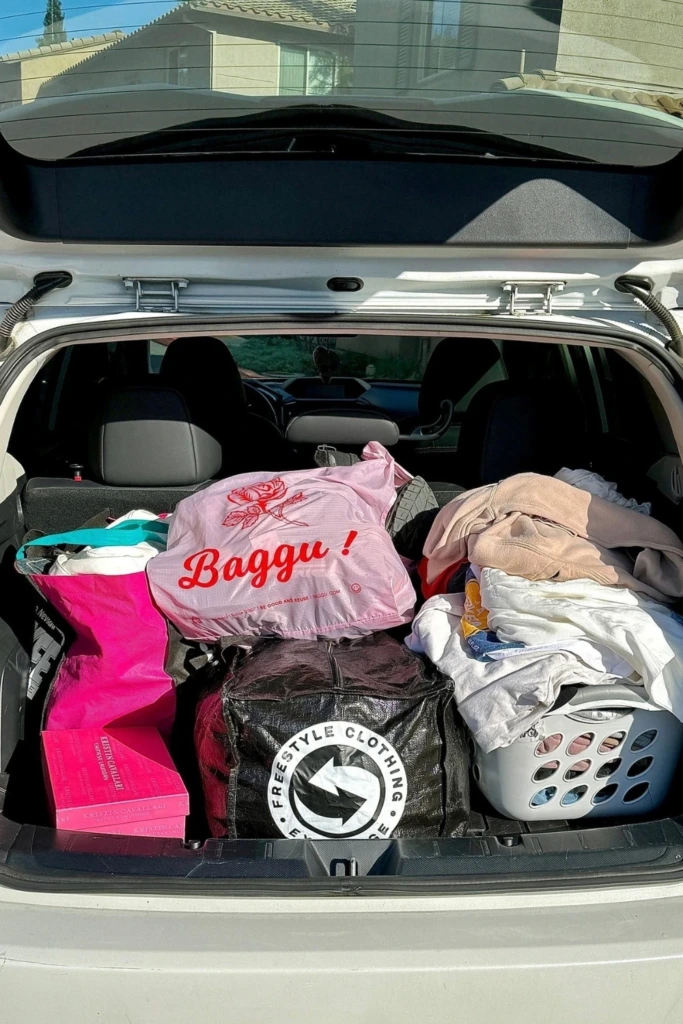
A useful trunk should contain practical supplies without becoming a storage unit for your entire household. Focus on items that support your regular driving habits and help you respond to common problems.
Consider keeping the following essentials:
A roadside emergency kit with appropriate warning equipment.
Jumper cables or a compatible jump starter.
A flashlight with working batteries.
A compact first-aid kit.
Reusable shopping bags.
A tire-pressure gauge and basic vehicle-specific supplies.
A suitable blanket or extra layer for cold weather.
Your exact list should reflect your climate, vehicle, driving distances, and local road conditions. Families may also benefit from spare clothing, tissues, wipes, or nonperishable snacks, provided these items are stored appropriately.
Seasonal supplies deserve a little extra attention. Sunscreen, hats, and water can be helpful in warm weather, while warm clothing and additional cold-weather equipment may be more useful during winter. Avoid leaving heat-sensitive products or perishable food in a hot vehicle.
Review everything periodically and remove supplies that are no longer useful. Keeping only what you genuinely need preserves space, reduces unnecessary weight, and makes important items easier to locate.
3. Choose the Right Organizers for Your Trunk
The right storage accessories can prevent clutter from returning, but you don't need to fill your vehicle with containers. Choose organizers based on the belongings you carry most often and the dimensions of your trunk.
Collapsible storage bins are useful for groceries, cleaning supplies, and miscellaneous everyday items. They can be folded away when you need extra cargo space.
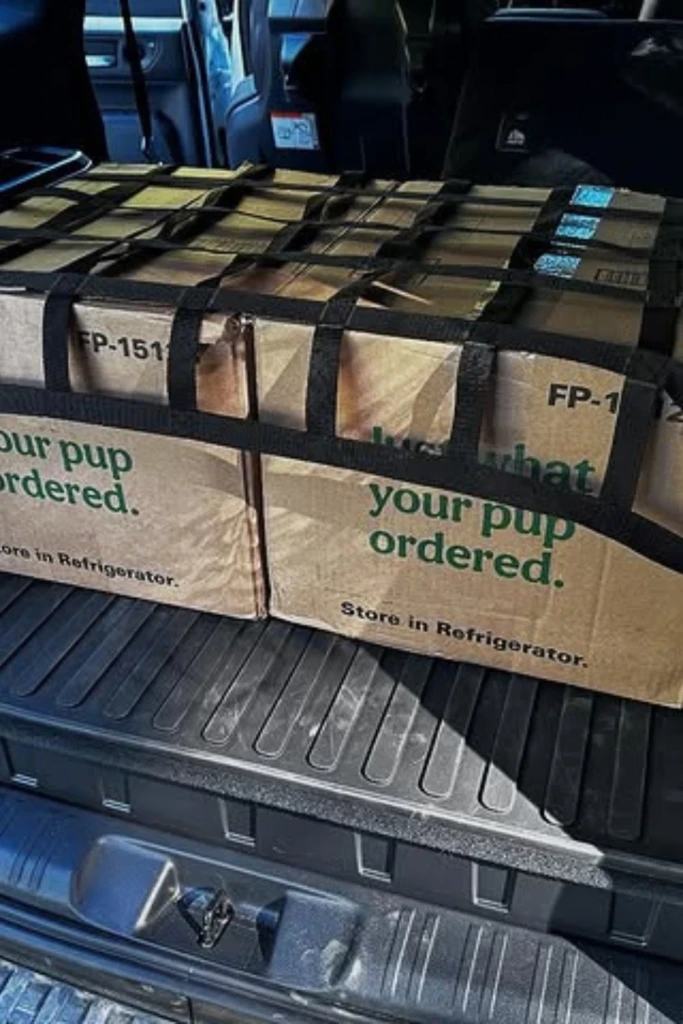
Cargo nets help contain lightweight belongings that might otherwise slide across the floor. Depending on the vehicle and installation points, they can also provide convenient storage for suitable bags or smaller equipment.
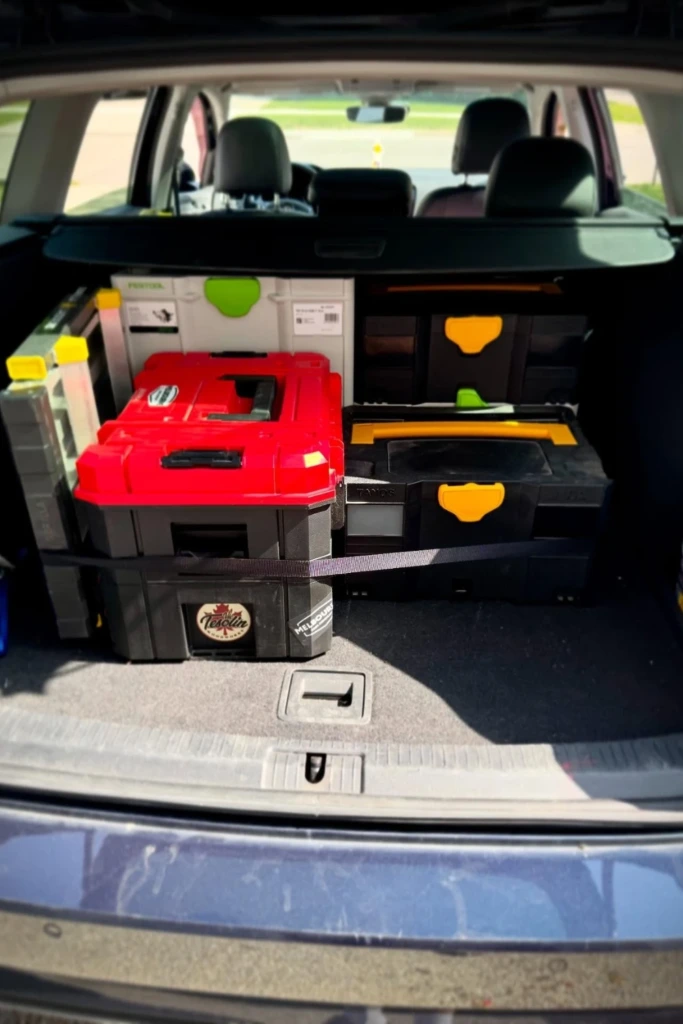
Rigid crates work well for tools and heavier supplies when they're properly secured. Look for models with nonslip bases or compatible fastening systems to help keep them stable during travel.
Seat-back organizers can provide additional storage for smaller items, although their suitability depends on the vehicle's design and the manufacturer's instructions. They may be especially helpful when you want to keep frequently used supplies accessible without covering the trunk floor.
Before choosing any organizer, consider its size, durability, ease of cleaning, and attachment method. Make sure it doesn't interfere with seat movement, cargo covers, emergency equipment, or access to the spare tire.
A combination of a few well-chosen accessories will usually work better than forcing every belonging into one oversized container.
4. Set Up for Daily Use
An effective trunk layout should reflect your normal routine. Think about what you carry during an average week and arrange those belongings so they remain accessible without creating unnecessary clutter.
If you regularly buy groceries, keep a foldable crate or sturdy shopping bin in an accessible corner. Separate heavier items from delicate produce, and place bottles upright whenever possible.
People who transport sports equipment, work tools, or children's activities can use dedicated bags or separate containers for each category. This keeps unrelated belongings from becoming mixed together and makes it easier to unload everything after an outing.
Reusable shopping bags, umbrellas, and other frequently needed accessories should have consistent storage locations. You won't have to move several containers just to retrieve one small item.
Leave enough open space for occasional purchases or larger belongings. Avoid organizing the trunk so tightly that you must unpack everything whenever your plans change.
It's also important to keep visibility and safety in mind. Don't stack cargo above the vehicle's permitted loading area or block windows, mirrors, lights, or access to essential equipment.
When each category has a designated place, putting things away becomes a quick habit rather than a separate organizing project.
5. Pack Your Trunk for Road Trips
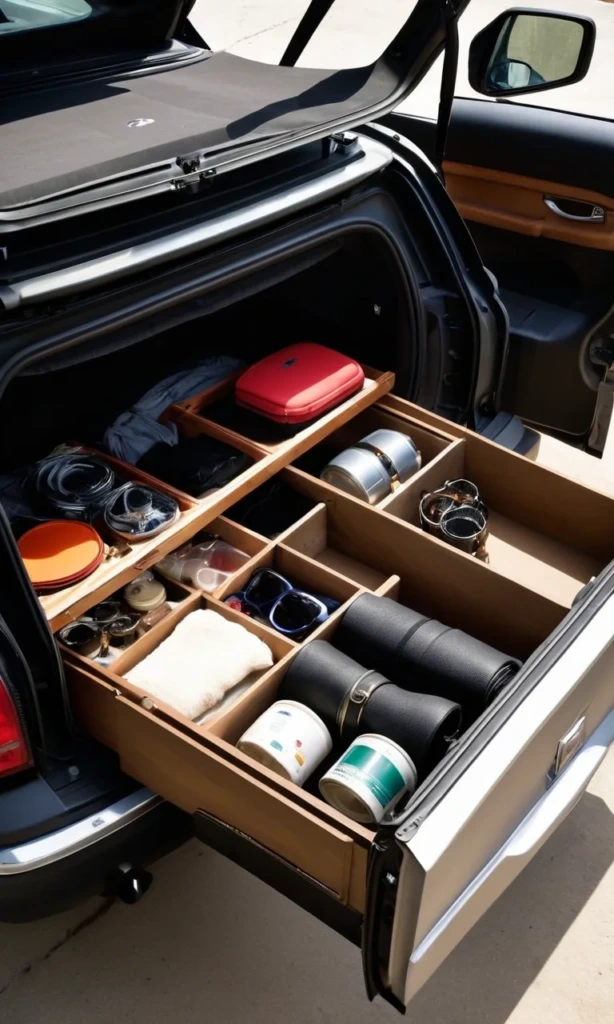
Long journeys usually require more luggage, snacks, entertainment, and emergency supplies than everyday driving. Preparing your trunk before departure helps you make the best use of the available room while keeping important belongings accessible.
Begin by separating luggage according to passenger or purpose. Packing cubes, duffel bags, and smaller zippered pouches can keep clothing, toiletries, chargers, and personal accessories organized.
Place heavier luggage low in the cargo area and close to the rear seatbacks, following your vehicle manufacturer's loading guidance. Secure substantial items with appropriate cargo straps or anchor points to reduce movement during sudden braking.
If you're bringing a cooler, position it where it can be safely restrained. Keep drinks, snacks, tissues, wipes, and other items you may need during stops in an accessible bag rather than burying them beneath suitcases.
Before leaving, check that your luggage doesn't obstruct your rear view or interfere with the operation of the tailgate. Follow the vehicle's payload limits and avoid placing more weight on any storage accessory than it is designed to support.
Reserve a little room for purchases or souvenirs if your trip involves shopping. However, don't sacrifice safe loading arrangements just to accommodate extra belongings.
A thoughtfully packed trunk makes travel more comfortable because you can find what you need without repeatedly rearranging your luggage.
How to Secure Heavy and Loose Items?
Keeping cargo secure is an important part of vehicle safety, not simply an organizational preference. During sudden braking, a collision, or a sharp maneuver, unsecured belongings can move forcefully and injure passengers.
Start by placing heavier items low in the cargo area and as close to the rear seatbacks as practical. This arrangement helps maintain a sensible load distribution and reduces the chance of objects shifting across the trunk.
Use suitable cargo straps, anchored nets, or vehicle-compatible restraints to secure equipment. Check that the attachment points are intended for cargo restraint and that the fastening system can handle the load. Never assume that a lightweight organizer or an ordinary elastic cord can safely hold a heavy object.
Keep smaller belongings inside containers with secure lids, particularly if they are likely to roll or scatter. Tools, glass containers, and other potentially hazardous objects deserve extra care.
Avoid stacking luggage where it can obstruct your view through the rear window or interfere with the driver's visibility. Make sure the load doesn't prevent doors, seatbacks, or the tailgate from closing properly.
Finally, consult your owner's manual for the vehicle's cargo capacity and recommended loading arrangements. Properly restrained belongings help create a tidier trunk while reducing avoidable risks for everyone in the vehicle.
6. DIY and Budget-Friendly Trunk Hacks
You can improve your trunk's organization without investing in a collection of specialized products. Everyday household items often provide practical storage solutions when they're stable, durable, and suitable for use in a moving vehicle.
A sturdy plastic laundry basket can serve as a temporary grocery container or a place for lightweight supplies. If you use it regularly, secure it with a suitable vehicle-compatible restraint rather than relying on its weight to keep it in place.
Old tote bags can separate reusable shopping bags, sports accessories, cleaning cloths, or other lightweight belongings. Assign each bag a specific purpose so you can identify its contents quickly.
Small pouches are useful for grouping items such as charging cables, tissues, gloves, or compact tools. Transparent containers can also help you see what's inside without opening every box.
Bungee cords may be appropriate for restraining certain lightweight items when attached to suitable anchor points and used according to their instructions. They should never be treated as a substitute for properly rated restraints when carrying heavy cargo.
Before repurposing any household product, check that it won't crack, spill, snag, or become a hazard during sudden braking. Avoid loose cardboard boxes, unstable stacks, and makeshift attachments that can come undone while driving.
The most economical approach is to reuse what you already own, purchase only what solves a specific problem, and keep the overall setup simple.
7. Easy Routines to Keep It Organized

Maintaining an organized trunk is easier when you handle small tasks regularly instead of waiting until clutter becomes overwhelming.
After grocery shopping, remove unnecessary bags, put reusable containers back in their designated locations, and dispose of any packaging that doesn't need to stay in the car. Returning borrowed or household items to their proper places also prevents clutter from accumulating.
Once a month, spend a few minutes reviewing the trunk. Remove rubbish, check for spills, straighten containers, and identify belongings that haven't been used. If your driving habits change with the seasons, replace unnecessary supplies with items suited to upcoming weather and activities.
Check emergency equipment according to the manufacturer's recommendations. Replace expired first-aid products, inspect batteries, and verify that essential vehicle supplies remain in good condition.
It also helps to establish a simple rule: anything brought into the trunk should either be removed after use or returned to its assigned location.
For households with multiple drivers, make sure everyone understands where items belong. A shared system prevents one person's quick drop-off from becoming another person's organizing problem.
These small routines keep the trunk functional without requiring frequent, time-consuming cleanouts.
Final Thoughts
A well-organized car trunk makes everyday driving more convenient, whether you're carrying groceries, transporting equipment, or preparing for a family road trip. The goal isn't to create a perfectly styled storage space; it's to make your belongings easy to find and safe to transport.
Start by removing unnecessary items, cleaning the available space, and identifying the supplies you genuinely need. Then choose a few suitable organizers, assign each category a permanent location, and secure cargo that could move while driving.
You can accomplish much of this with inexpensive containers and simple household items. Regular cleanouts and seasonal checks will help prevent clutter from returning.
With a practical system and a few consistent habits, your trunk can remain cleaner, more spacious, and better prepared for everyday errands and unexpected situations.
FAQs
How often should I reorganize my car trunk?
A monthly review is a useful starting point for most drivers. Use that time to remove rubbish, clean up minor spills, check your storage containers, and review emergency supplies.
If you frequently carry groceries, sports equipment, work tools, or children's belongings, a brief tidy-up after each use may be more practical. Remove items that no longer serve a purpose instead of allowing them to accumulate.
You should also review the trunk whenever the seasons change or before a long journey. These checks help ensure that the supplies you carry remain relevant to your needs and driving conditions.
What’s the best way to stop groceries from tipping over?
A sturdy collapsible crate or grocery organizer is one of the simplest solutions. Choose a size that fits your trunk and can be restrained securely when necessary.
A nonslip cargo mat can reduce movement across the trunk floor, while a suitable cargo net or compatible restraint may provide additional stability. Keep heavier products at the bottom, separate fragile items, and transport bottles upright whenever possible.
For a low-cost alternative, a durable laundry basket may work for ordinary shopping trips if you can keep it securely in place. Avoid relying on loose containers alone when sudden braking could cause them to slide or tip.
The best solution is one that fits your vehicle, accommodates your usual shopping load, and prevents both the organizer and its contents from moving unnecessarily.