25 Closet Shelf Organization Ideas for 2026
A well-organized closet makes getting dressed easier, protects your belongings, and helps you make better use of the space you already have. Yet even a spacious wardrobe can become cluttered when clothes, shoes, handbags, and accessories share the same shelves without a clear system.
The secret to maintaining an orderly closet is to give every item a designated home. Practical storage containers, thoughtful shelf arrangements, and simple folding techniques can transform crowded shelves into functional storage areas without requiring an expensive renovation.
Whether you have a small reach-in closet or a spacious walk-in wardrobe, these 25 closet shelf organization ideas offer useful ways to improve accessibility, reduce clutter, and create a polished appearance.
What Are the Best Storage Containers for Closet Shelves?
The best storage containers depend on what you need to store, how frequently you use it, and how much room your shelves provide. Fabric bins work well for clothing and soft accessories, while clear plastic containers make it easier to identify items without opening every box.
Woven baskets offer an attractive solution for scarves, belts, and smaller belongings. Shelf dividers are particularly helpful for preventing folded garments from leaning into neighboring piles, while labeled boxes simplify seasonal storage.
Choose containers that fit your shelves comfortably and leave enough room to slide them out. Keeping everyday essentials within easy reach and placing occasional-use belongings higher up creates a practical arrangement that is easier to maintain.
1. Shoe Cubes
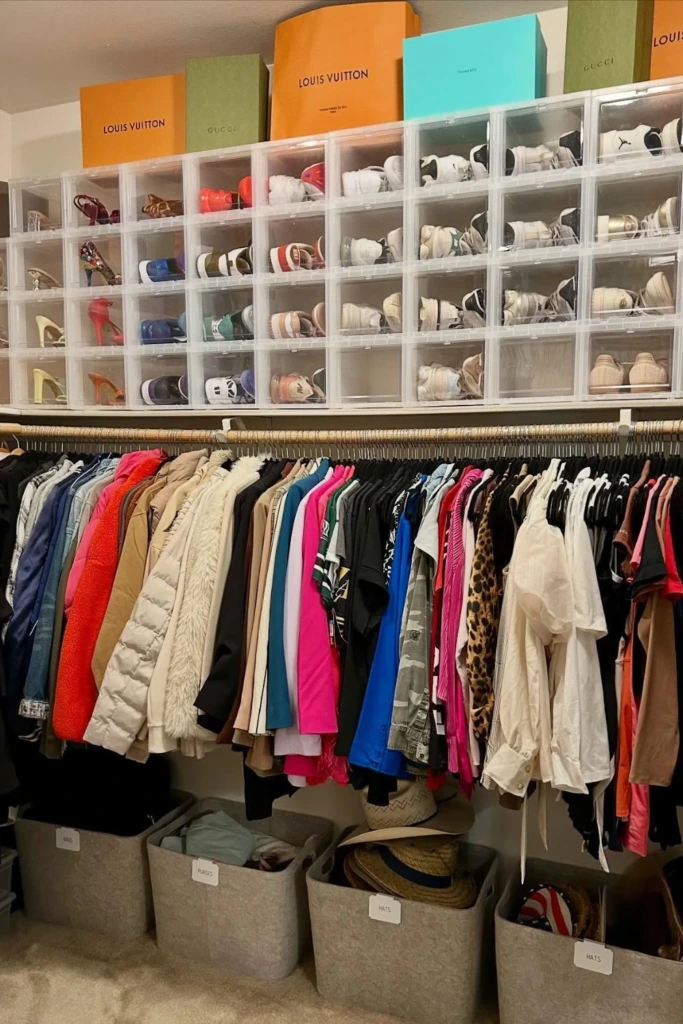
Shoe cubes provide individual spaces for footwear, preventing pairs from becoming tangled in a crowded closet. Clear-front cubes are especially useful because you can identify your shoes without removing several boxes or searching through a pile.
Arrange frequently worn sneakers and flats on accessible shelves, reserving higher sections for occasional footwear. If your closet has long, uninterrupted shelves, a row of shoe cubes can create a tidy display while protecting shoes from unnecessary scuffing.
Measure the available shelf depth before choosing your organizers. Make sure the cubes accommodate your largest shoes and allow enough clearance to remove them comfortably.
2. Double Hanging
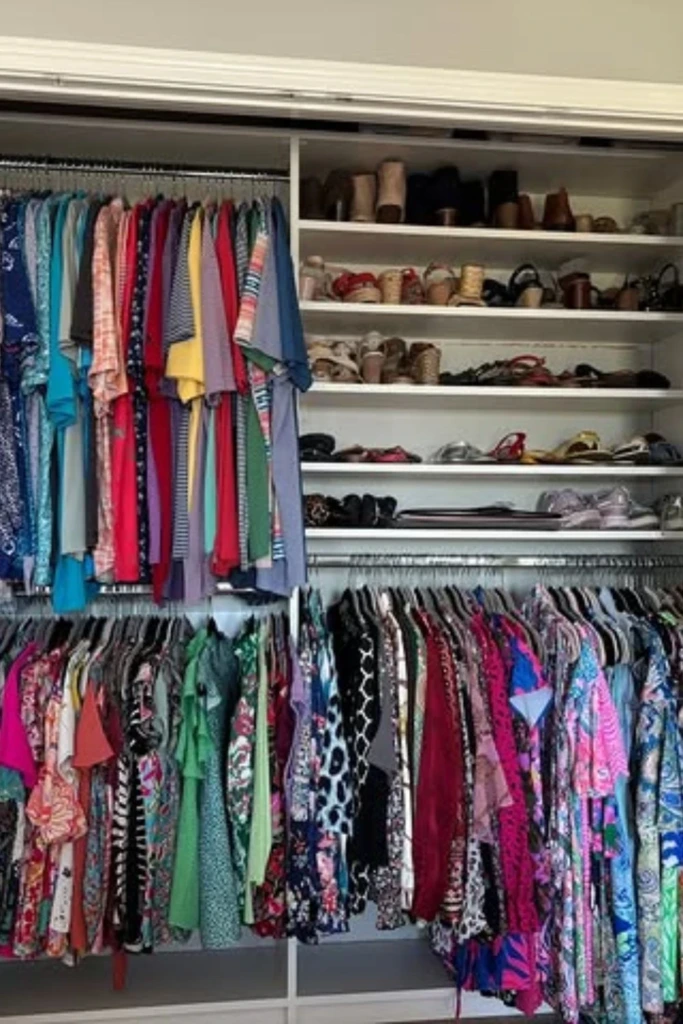
Adding a second hanging rod can increase closet capacity without expanding the room. This arrangement works particularly well when you own plenty of shirts, blouses, skirts, and other garments that do not require full-length hanging space.
Keep shorter items on the upper rod and use the lower section for additional shirts, trousers, or skirts, depending on the available clearance. A double-hanging system can free existing shelves for folded clothes, baskets, and accessories.
Before installing a second rod, check the height of your garments and leave enough room to retrieve hangers easily. Keep long dresses and coats in a separate section so they do not become cramped.
3. Display Shelves
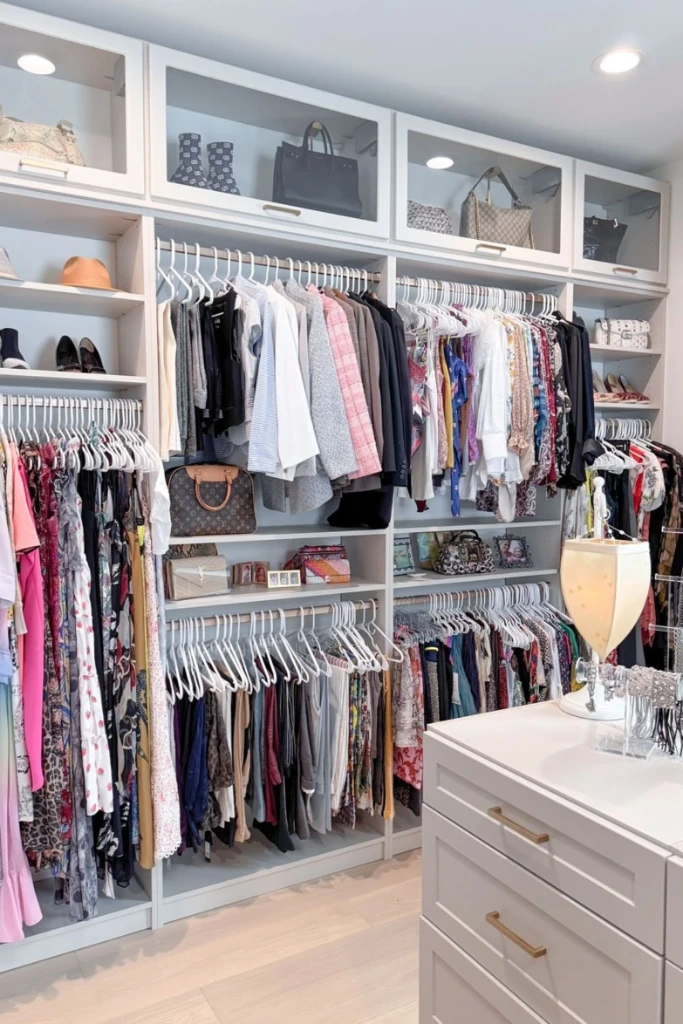
Display shelves turn selected accessories into an attractive part of your closet design. Handbags, hats, decorative boxes, and special-occasion shoes can be arranged neatly rather than hidden behind piles of clothing.
Open cubbies make collections easy to see, while glass-front cabinets provide additional protection from dust. Arrange structured handbags upright and give delicate accessories enough space to retain their shape.
Use the highest shelves for items you do not need every day, provided they can be reached safely. Keep your most frequently used belongings at a comfortable height so the display remains practical as well as attractive.
4. Shoe Cubbies
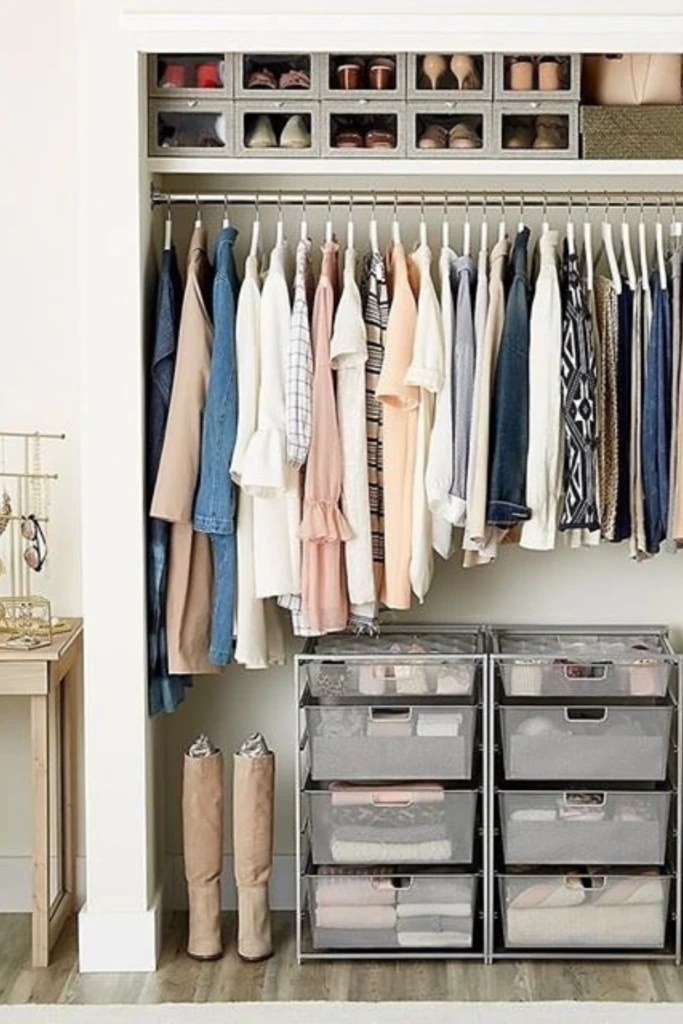
Shoe cubbies make use of the often-overlooked space above a clothing rod. Instead of allowing footwear to accumulate on the closet floor, you can arrange individual pairs in compartments along the upper shelf.
Narrow cubbies are suitable for sandals, flats, and many types of heels, while wider compartments can accommodate bulkier shoes. Separating pairs also makes it easier to find matching footwear when getting ready.
Choose dividers that suit the height and depth of your existing shelves. If you store shoes overhead, avoid overloading the compartments and keep heavier footwear in a lower, more accessible location.
5. Shoe Towers
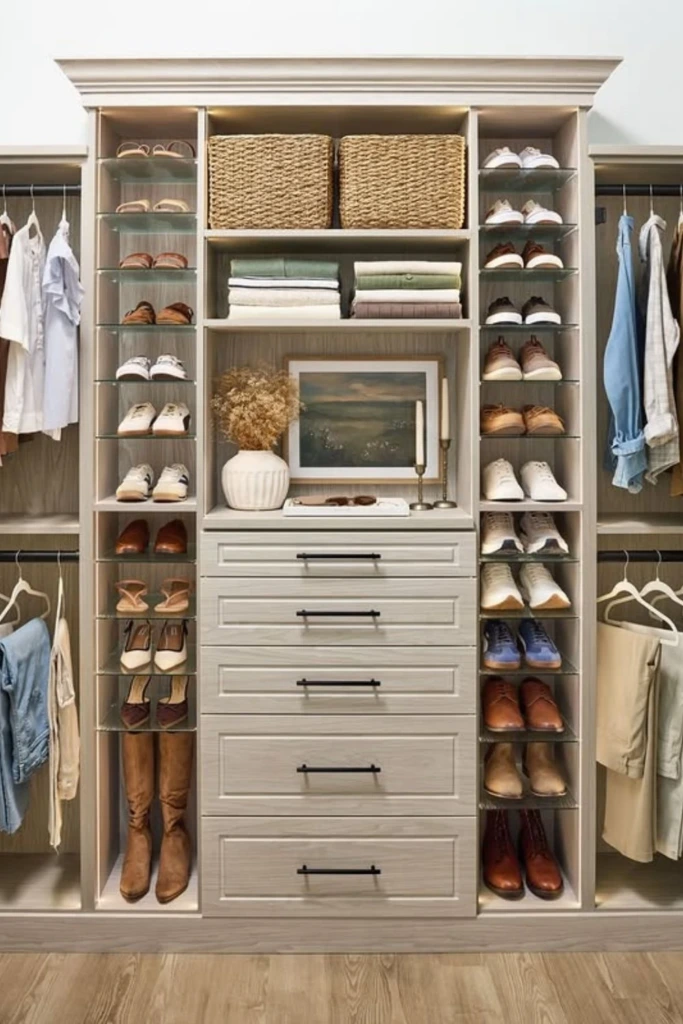
A shoe tower uses vertical space to store multiple pairs in a relatively small footprint. This makes it a useful option for narrow closet corners, unused wall sections, or areas where floor space is limited.
Assign each level a purpose, such as everyday sneakers, work shoes, sandals, and dress footwear. Keeping pairs on separate shelves prevents them from being crushed together and helps you see your collection at a glance.
Adjustable shoe towers offer greater flexibility because shelf spacing can accommodate different styles. Position the footwear you reach for most often around eye level and reserve higher shelves for occasional-use pairs.
6. Color Sections
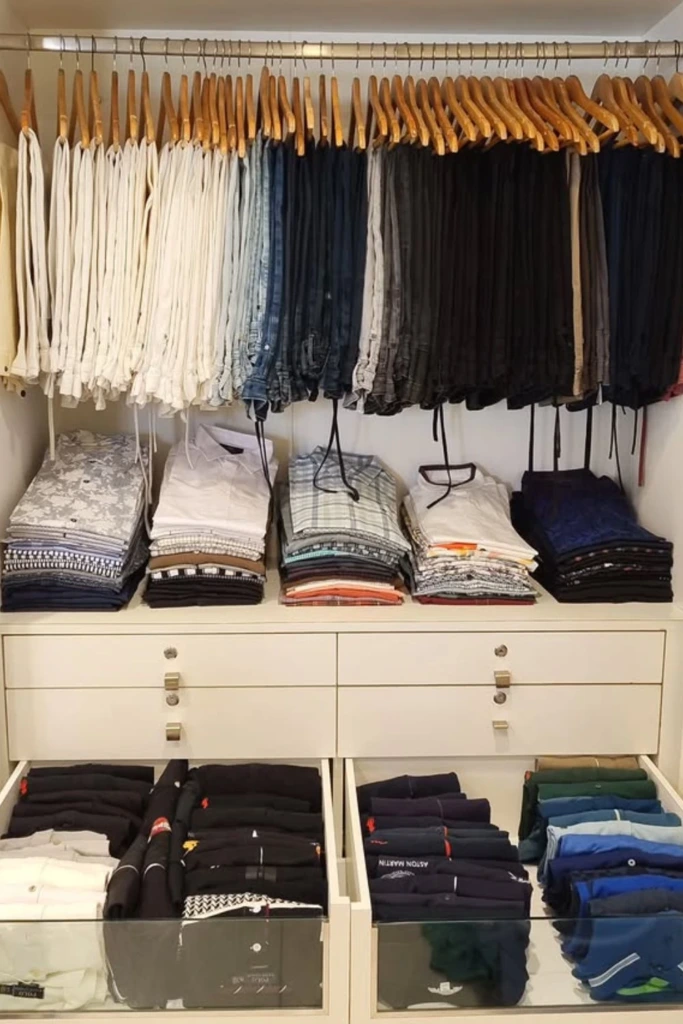
Organizing clothing by color creates a visually consistent closet and helps you locate specific pieces more quickly. Instead of moving through a random assortment of garments, you can scan a section dedicated to a particular shade.
Begin with broad groups such as white, beige, blue, gray, and black. Within each group, arrange garments by type, placing shirts together and jackets in their own section.
You can extend the same approach to folded sweaters and other clothing stored on shelves. A consistent color arrangement makes it easier to recognize what you own and build outfits without searching through the entire wardrobe.
7. Cube Zones
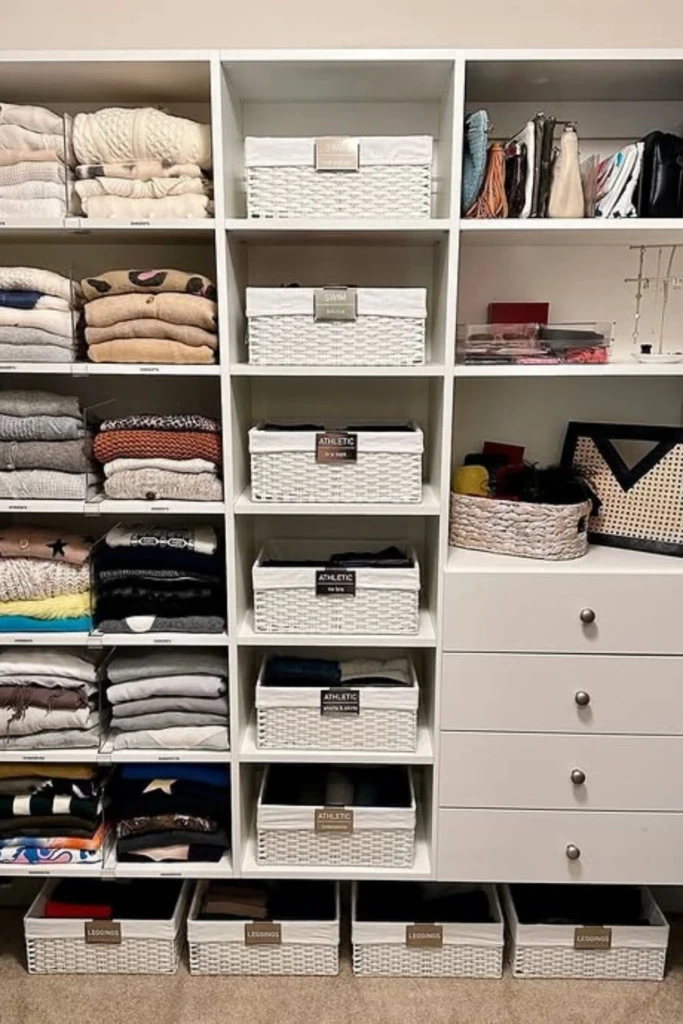
Cube shelving becomes much more useful when each compartment has a defined purpose. One cube might hold workout clothing, another could contain sweaters, and a third might be reserved for handbags or everyday accessories.
Use baskets inside selected cubes to contain smaller belongings that would otherwise become scattered. Open compartments are ideal for items you use frequently because everything remains visible and easy to retrieve.
Place everyday essentials in the middle rows, where they are convenient to reach. Reserve upper cubes for occasional-use items and lower sections for heavier belongings. A clear category system helps everyone in the household return things to the right place.
8. Heel Shelves
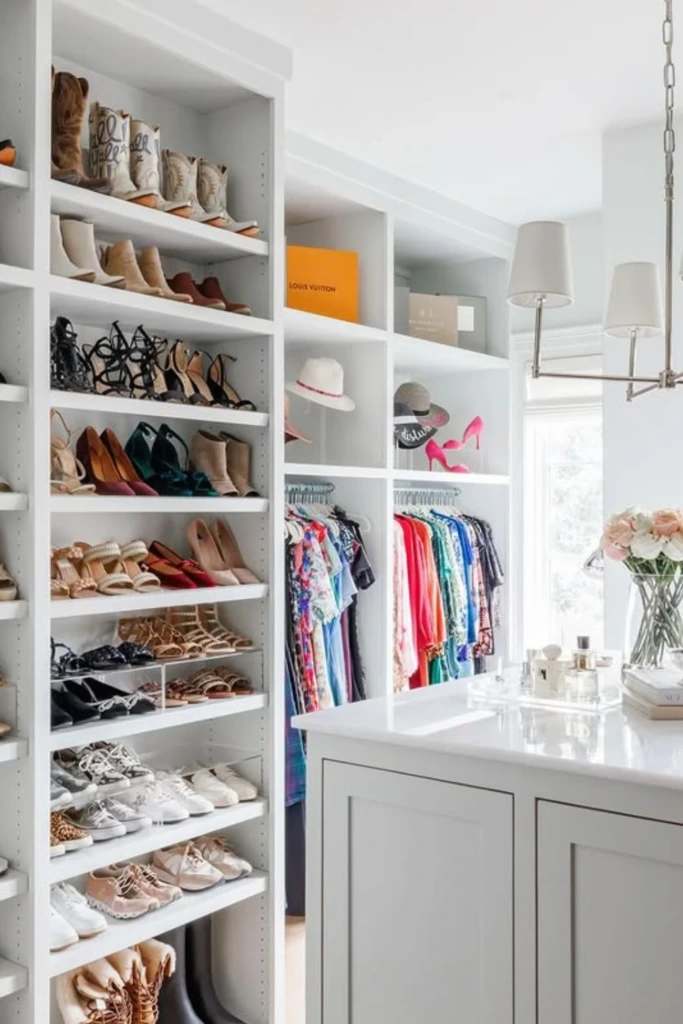
Dedicated heel shelves help keep dress shoes organized while making a collection easier to browse. Narrow shelving can accommodate multiple pairs along a closet wall without taking up as much floor space as a conventional shoe rack.
Measure your footwear before deciding how far apart the shelves should be. Taller heels may need more vertical clearance, while flats and sandals can fit into shorter spaces.
Arrange your most frequently worn pairs at an accessible height and place special-occasion shoes elsewhere. Avoid squeezing shoes together, as excessive crowding can damage delicate materials and make individual pairs harder to remove.
9. Category Cubes
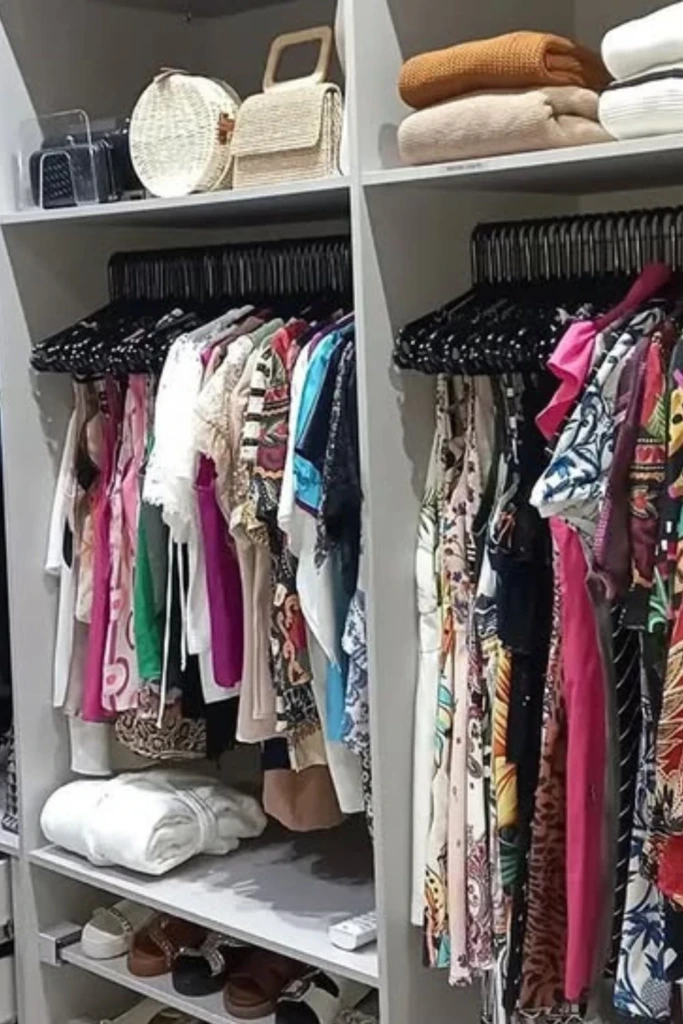
Category cubes provide a straightforward way to separate clothing and accessories that would otherwise share one large shelf. Dedicated compartments for knitwear, handbags, folded trousers, and small accessories prevent different items from becoming mixed together.
Modular shelving systems are particularly convenient because you can adjust their layout as your storage needs change. Fold sweaters into stable stacks, and use suitable bag inserts or soft supports to help structured handbags maintain their shape.
Give each compartment a clear purpose and avoid filling it beyond capacity. When everything has a designated location, returning belongings after use becomes much easier.
10. Accessory Cubes
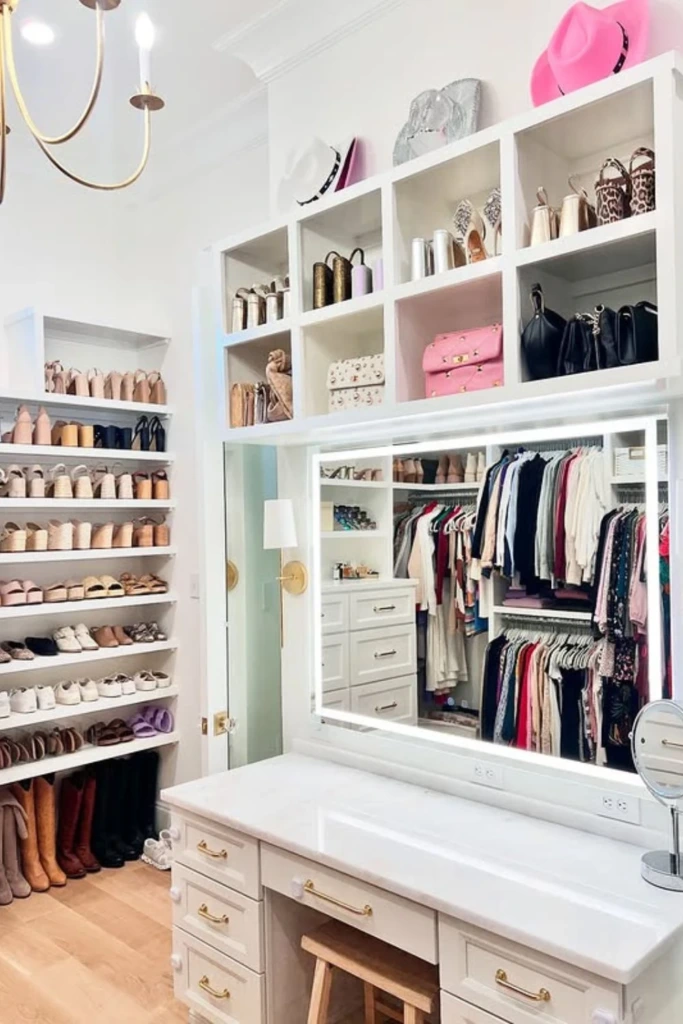
Accessories are easy to overlook when they disappear into drawers or become buried beneath clothing. Open accessory cubes provide a visible storage solution for handbags, hats, clutches, and selected footwear.
Separate accessories by type rather than placing everything in the same compartment. Small baskets can contain belts or scarves, while larger cubes provide room for structured bags and hats.
Upper closet sections often work well for this arrangement because they offer space that might otherwise remain unused. Keep frequently worn accessories within reach and avoid stacking delicate pieces in ways that could distort their shape.
11. Denim Stacks
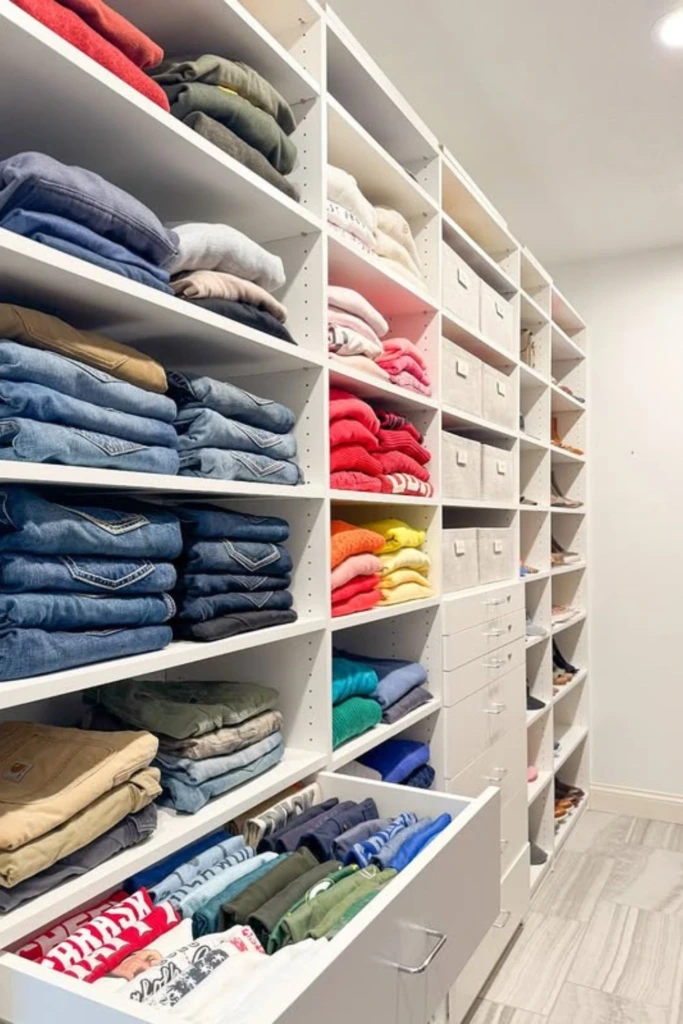
Jeans are bulky enough to consume considerable shelf space when folded inconsistently. A dedicated denim shelf creates a more manageable arrangement and makes it easier to compare different washes and styles.
Fold each pair using the same method and organize the resulting stacks by color or fit. Dark denim can occupy one section, while lighter washes and other styles remain separate.
Keep stacks relatively short so you can remove a pair without disturbing everything underneath it. Wide shelves are particularly useful because they provide room for stable piles with a little space between each category.
12. Shoe Shelves
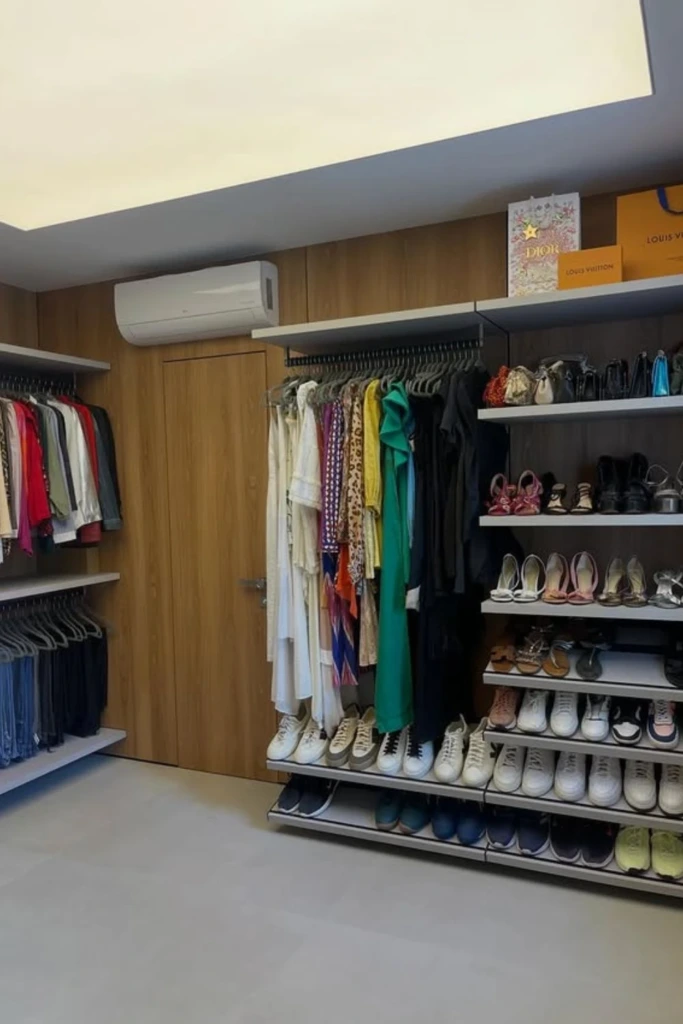
Dedicated shoe shelves prevent footwear from spreading across the closet floor and make better use of vertical storage. They can accommodate everyday sneakers, sandals, flats, boots, and dress shoes when the shelf dimensions are planned carefully.
Group similar styles together so you can find the right pair quickly. Keep frequently worn footwear near the front and position occasional-use shoes in less accessible sections.
Before arranging your shoes, clean them and allow damp footwear to dry completely. Leave sufficient room between pairs for easy removal, and consider a washable mat on lower shelves to protect the closet from dirt.
13. Lit Shelves
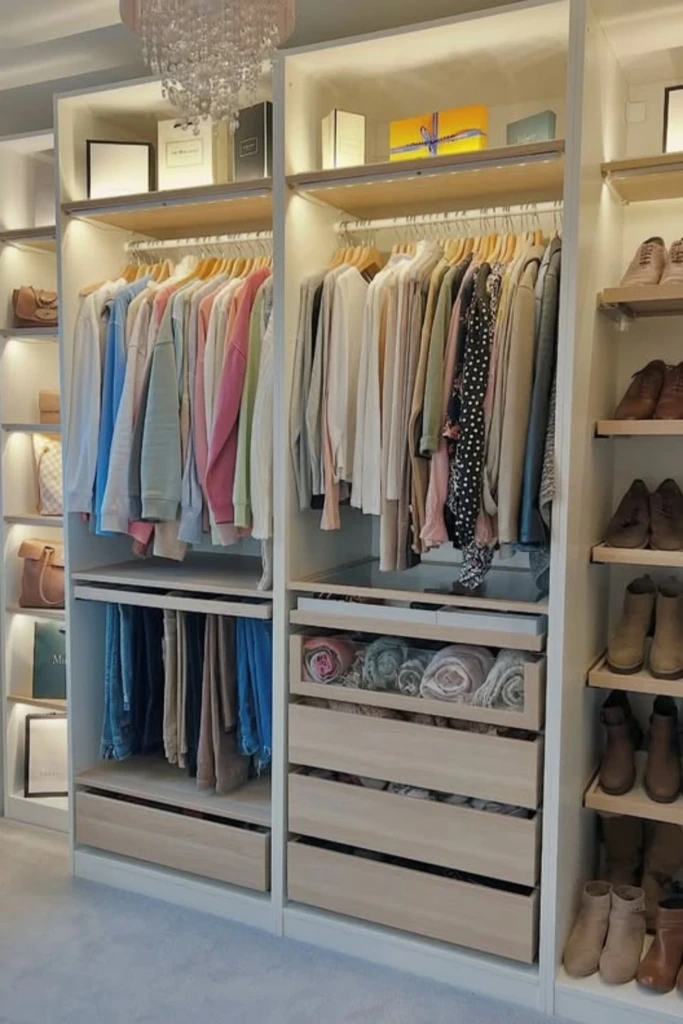
Good lighting makes closet shelves easier to use, particularly in deep wardrobes where items at the back can disappear into shadows. Small LED strips or battery-powered puck lights can illuminate individual sections without requiring a major electrical project.
Place lights where they brighten the contents without obstructing storage containers or creating uncomfortable glare. Motion-activated options can be especially convenient when you need both hands free while choosing clothes.
Combine lighting with clearly defined storage zones to improve visibility throughout the closet. Soft, evenly distributed illumination can also highlight handbags, folded garments, and decorative storage boxes without making the space feel overcrowded.
14. Purse Shelf
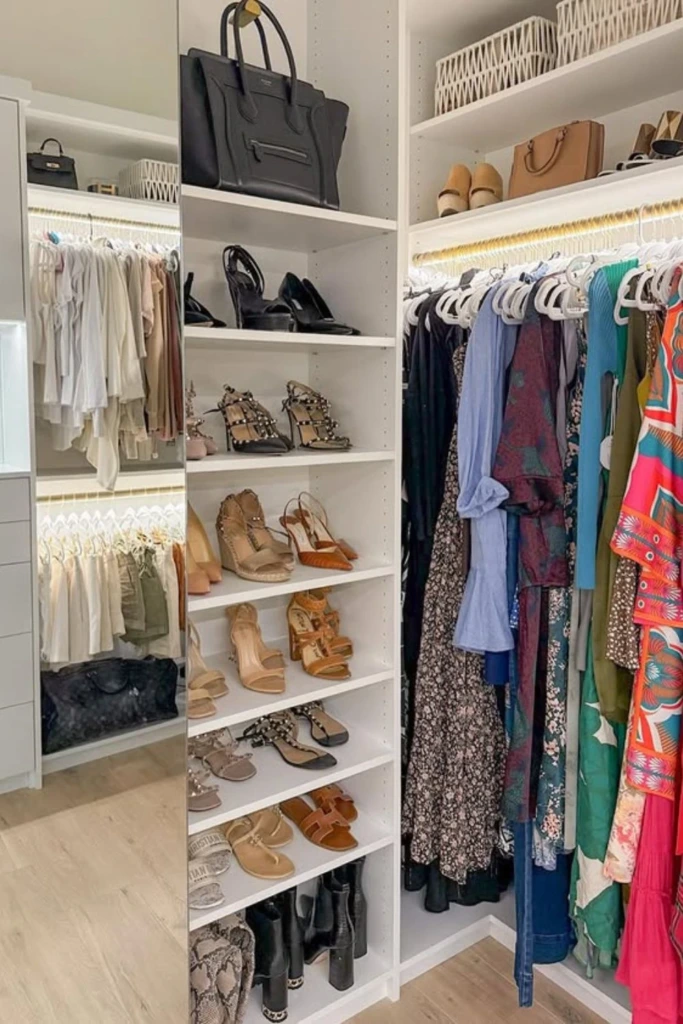
A dedicated purse shelf helps handbags remain accessible and reduces the risk of crushing or scratching them in crowded storage areas. Instead of piling bags on top of one another, give each larger bag enough room to stand upright.
Use adjustable dividers to keep neighboring bags separated. For structured handbags, suitable inserts or clean tissue paper can help support their shape during storage. Smaller clutches can be grouped in a basket or placed in their own compartments.
Choose a shelf height that suits the bags you own, and avoid placing heavy objects on top of delicate materials. Keep frequently used handbags within reach and reserve higher shelves for occasional-use pieces that you can retrieve safely.
15. Labeled Baskets
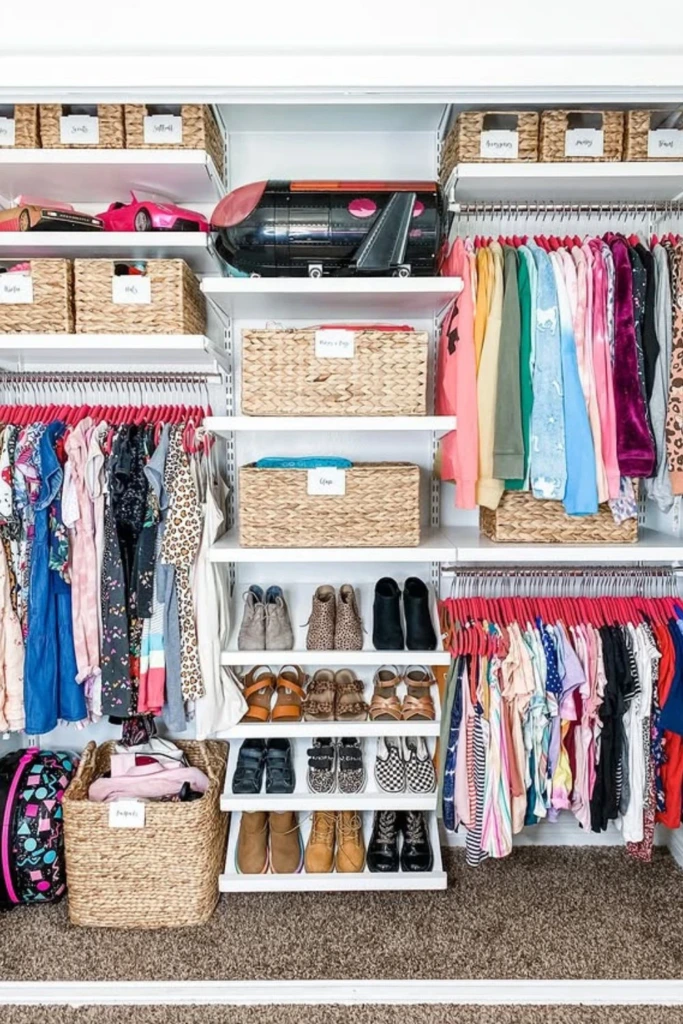
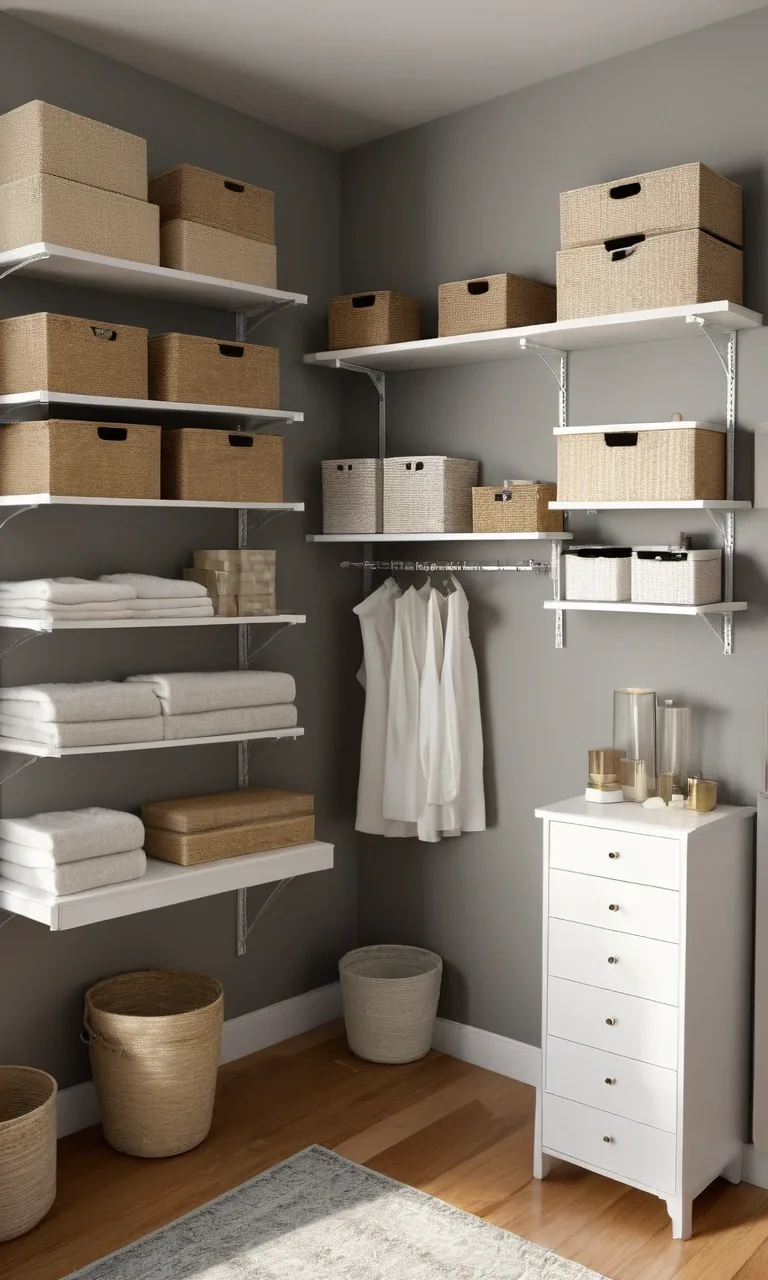
Labeled baskets are a simple solution for keeping small or similar belongings together. They can hold pajamas, swimwear, scarves, belts, seasonal accessories, and other items that tend to become scattered across open shelves.
Choose basket sizes that fit your available space and allow them to slide out without catching on neighboring containers. Woven baskets add texture to a closet, while fabric or plastic alternatives may be easier to clean.
Use clear labels that describe the contents accurately. If several people share the closet, consistent labels help everyone identify where belongings belong and return them to the correct basket.
16. Label Boxes
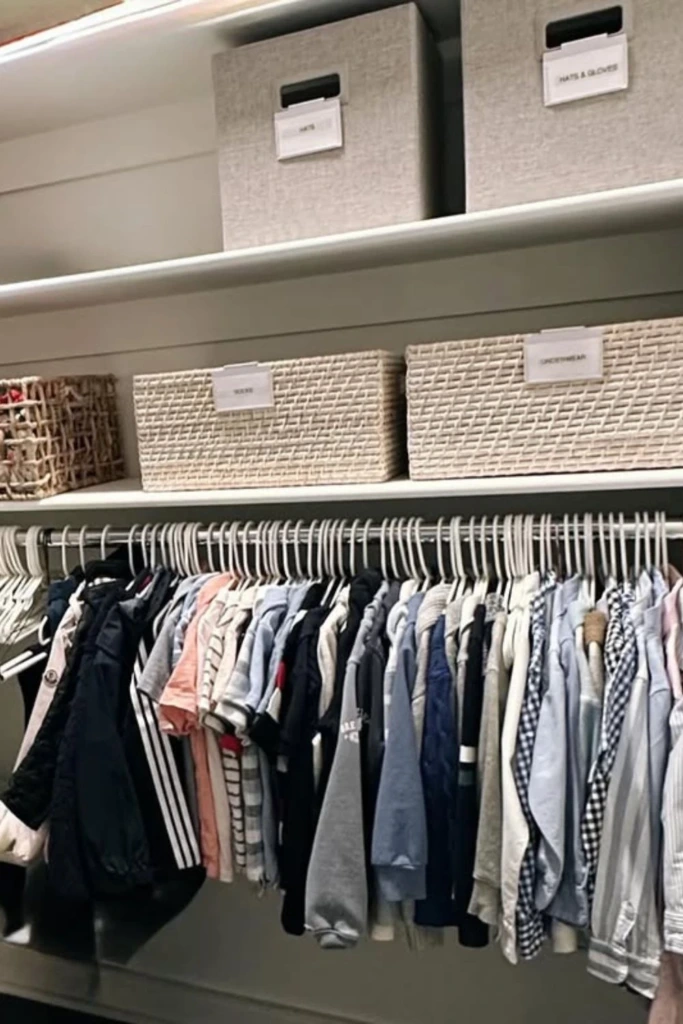
Storage boxes with labels make upper closet shelves more functional, especially for belongings you only need during certain seasons. Hats, gloves, winter accessories, travel essentials, and special-occasion clothing can be grouped into separate containers.
Fabric boxes are lightweight and easy to move, while clear plastic versions allow you to see the contents without opening them. Choose sturdy containers that fit the shelf dimensions and can be retrieved without excessive effort.
Write specific labels such as "winter accessories" or "summer swimwear" instead of using vague descriptions. Similar box styles can also create a more cohesive appearance while keeping miscellaneous belongings out of sight.
17. Uniform Folds
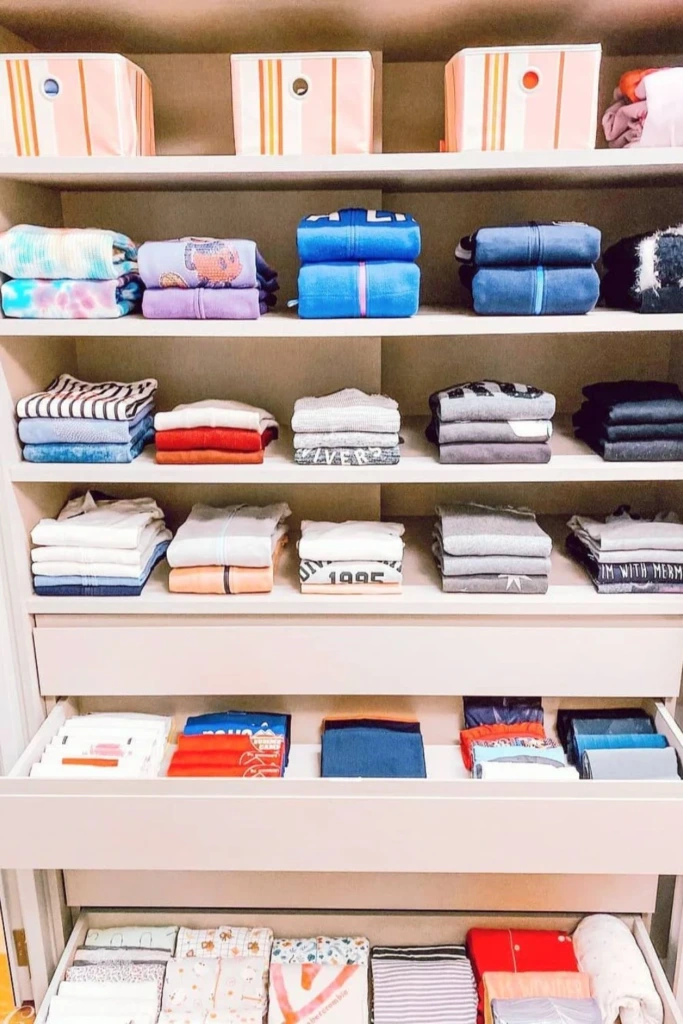
Consistent folding helps clothing stacks remain stable and makes better use of shelf space. When garments are folded to similar dimensions, they are easier to arrange and less likely to lean or collapse when you remove an item.
T-shirts, sweatshirts, casual tops, and many lightweight trousers work well with this approach. Fold each garment into a compact rectangle, then arrange the pieces in short stacks that are easy to access.
For frequently worn clothing, consider storing folded items vertically in a suitable bin rather than building very tall piles. This can make individual garments easier to identify and reduce the need to disturb neighboring pieces.
18. Shoe Wall
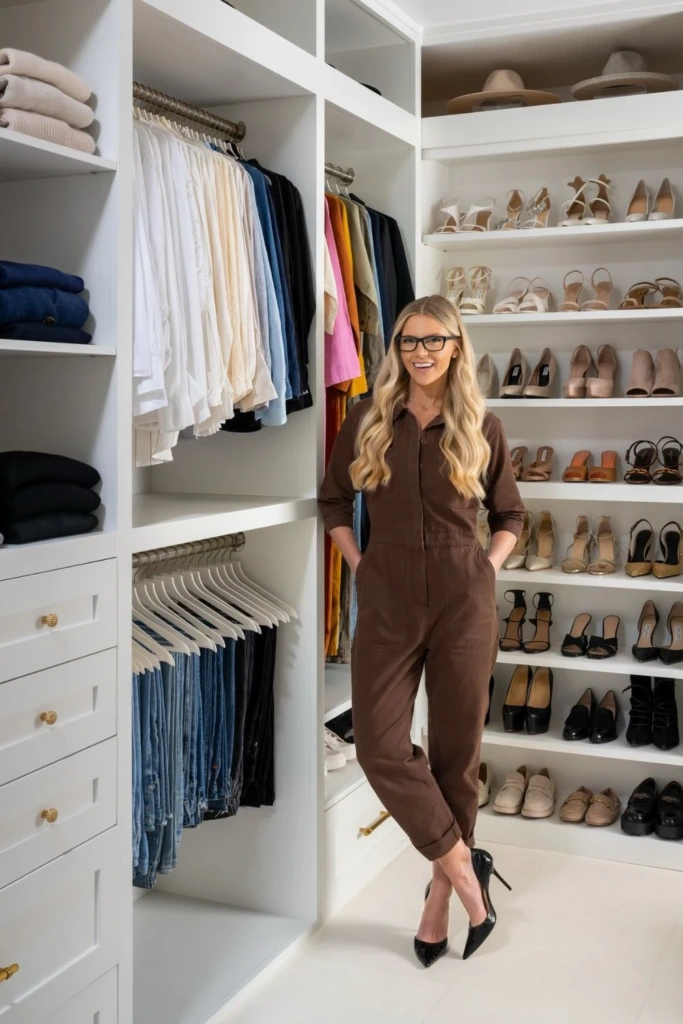
A dedicated shoe wall creates a central location for an extensive footwear collection. Vertical shelving can transform an unused closet wall into an organized arrangement of sneakers, flats, sandals, and dress shoes.
Choose shelving that fits the available wall height and leaves enough clearance for different shoe styles. Adjustable shelves are useful if your collection includes both low-profile shoes and taller footwear.
Arrange pairs according to how often you wear them, placing everyday options at convenient heights. Keep special-occasion footwear in less frequently accessed sections and avoid overcrowding the shelves, which can make shoes difficult to retrieve.
19. Closet Columns
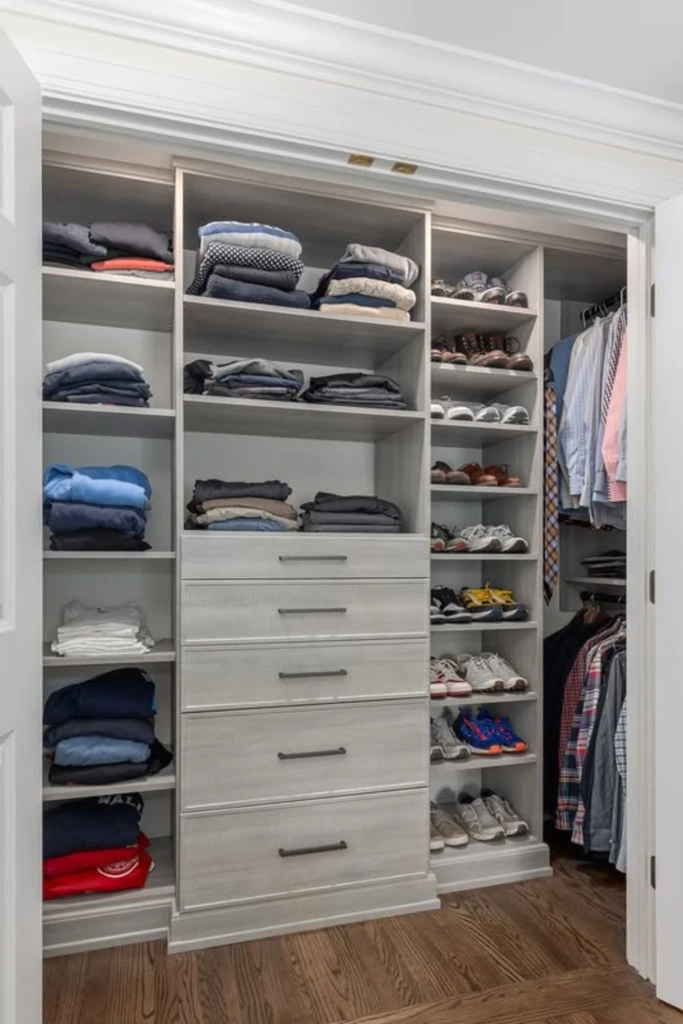
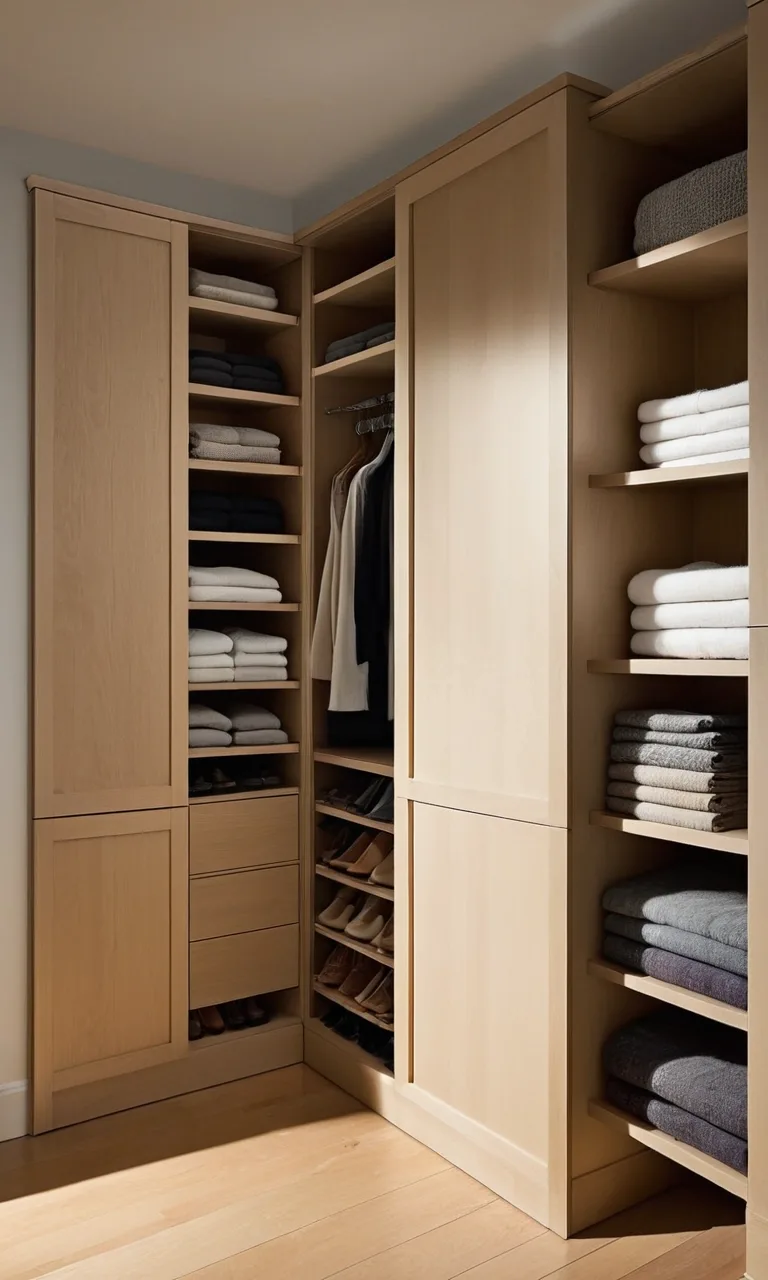
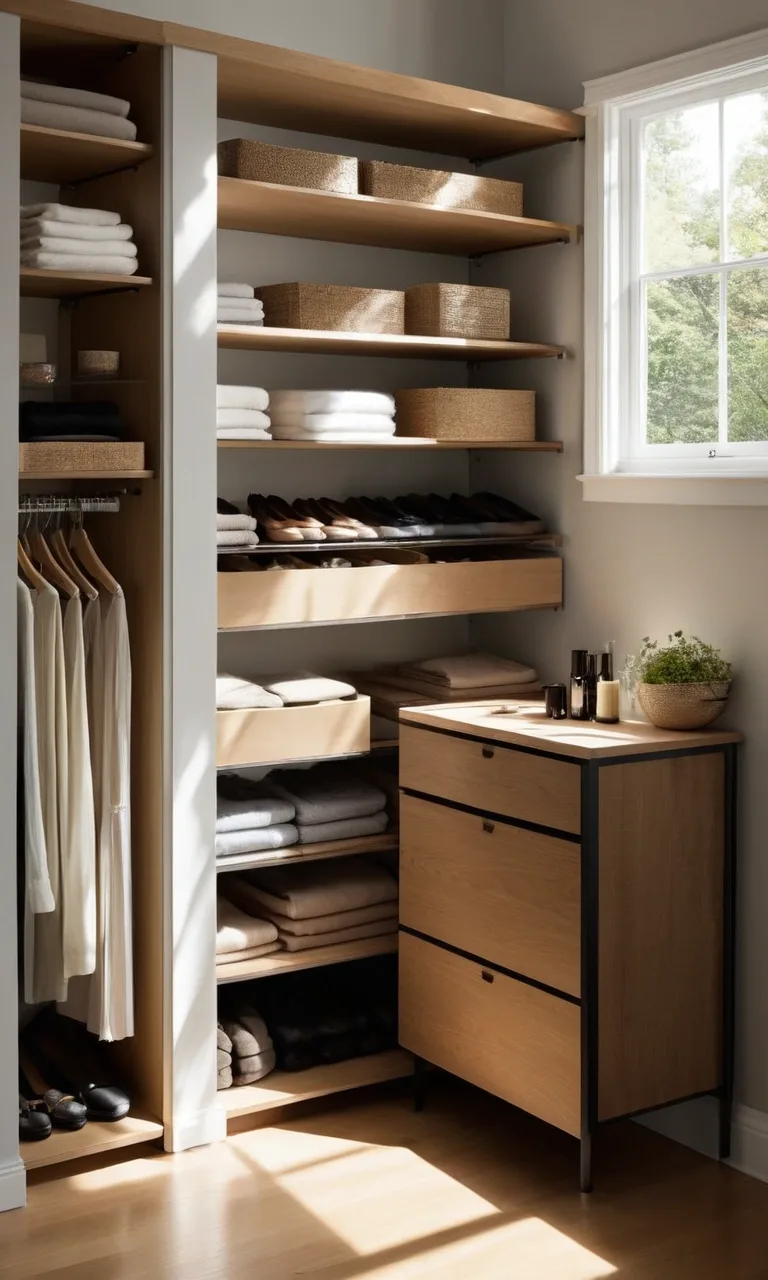
Dividing a closet into vertical columns creates distinct storage zones for clothing, shoes, drawers, and accessories. This layout is especially helpful in reach-in closets, where efficient use of wall height matters more than adding depth.
One column might contain folded sweaters and trousers, another could hold shoes, and a central section could include drawers for socks, underwear, or other small items. Hanging space can remain separate from the folded-storage areas.
Plan the width of each column around the belongings it will hold. Store heavier items lower down, place everyday essentials at comfortable heights, and ensure that shelves and drawers can be opened without interfering with nearby clothing.
20. Fabric Cubes
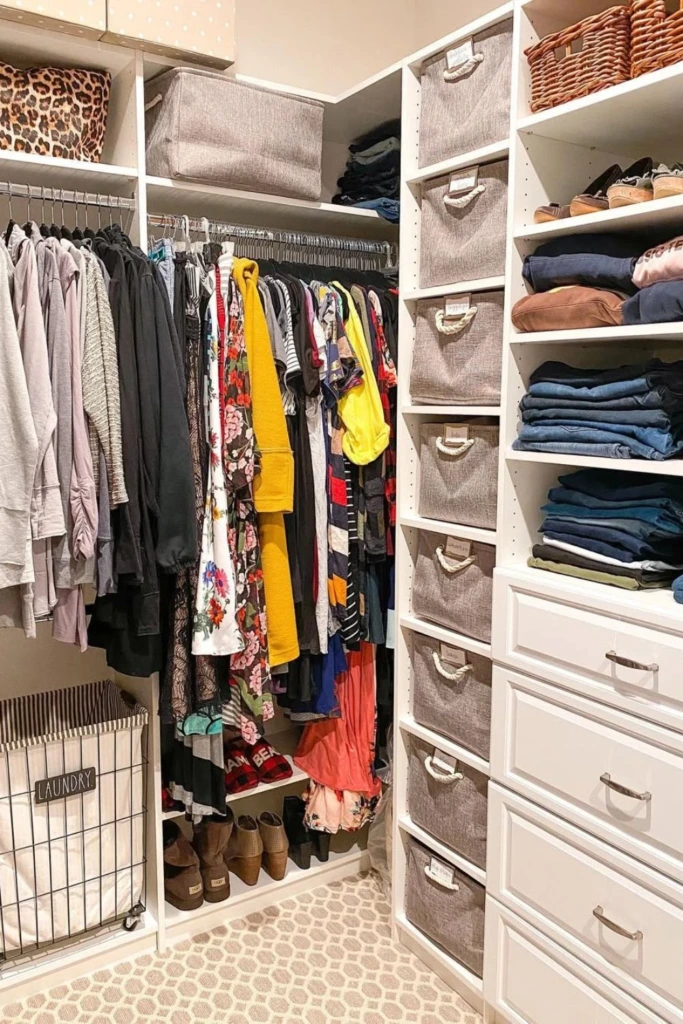
Fabric cube bins provide a convenient way to contain clothing and accessories that would otherwise spread across open shelving. They are suitable for workout clothes, scarves, pajamas, seasonal garments, and other lightweight belongings.
Their soft sides can make them easier to fit into modular shelving systems, while handles help you pull them forward when needed. Choose bins that retain their shape and are appropriately sized for the items you intend to store.
Assign a separate category to each bin and use matching styles for a consistent appearance. Avoid packing the cubes too tightly, since overfilled containers are harder to remove and may become difficult to keep organized.
21. Open Shelves
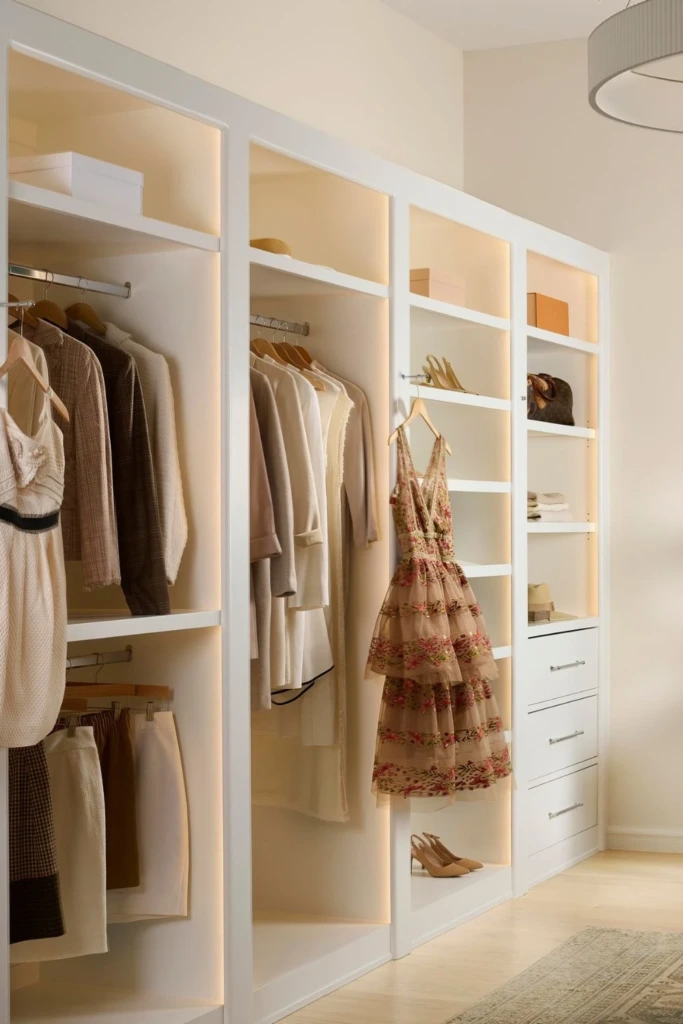
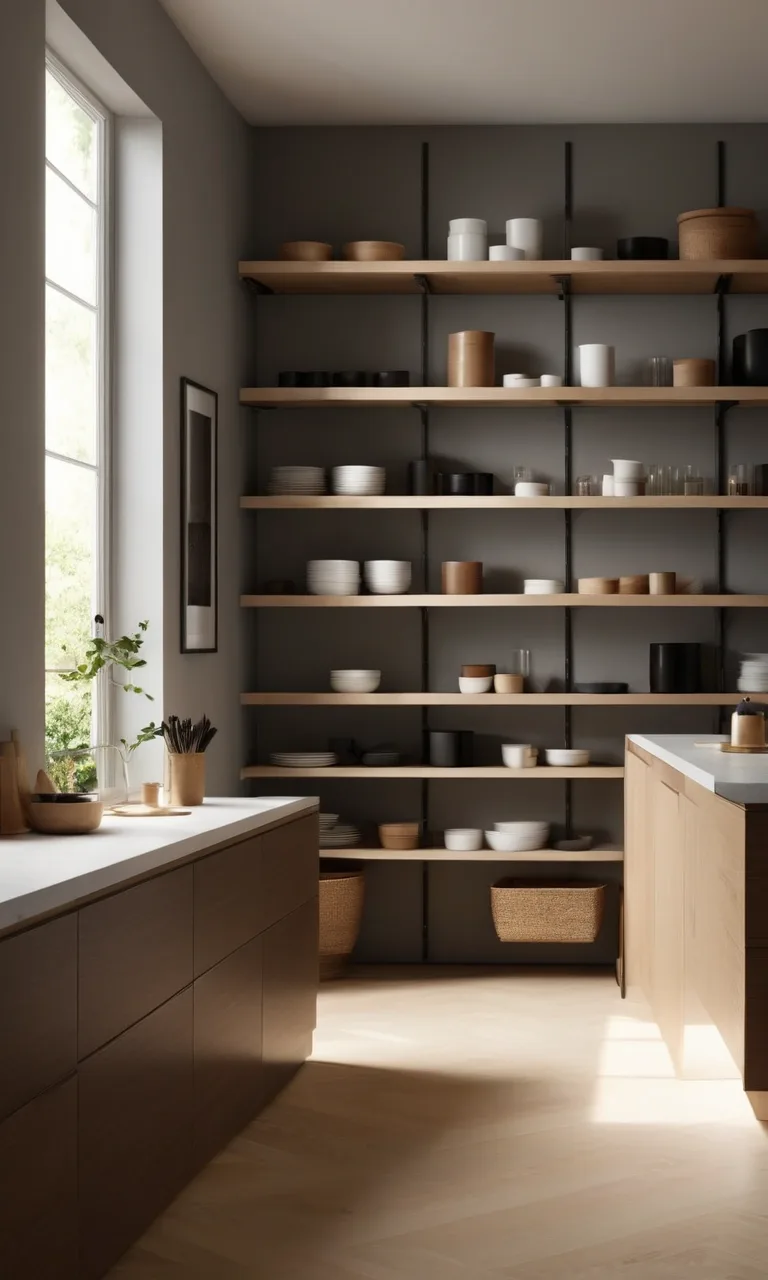
Open shelving makes it easy to see and retrieve the belongings stored in your closet. Unlike opaque drawers or closed cabinets, it keeps folded clothes, handbags, shoes, and accessories visible without requiring you to open anything.
The key is to give each shelf a specific purpose and resist the temptation to fill every available inch. A small amount of empty space makes it easier to remove belongings and return them without disturbing neighboring items.
Arrange similar items together, keep everyday essentials within reach, and use baskets for smaller objects that might otherwise look scattered. If you prefer a streamlined appearance, choose storage containers in a consistent color palette.
22. Color Rows
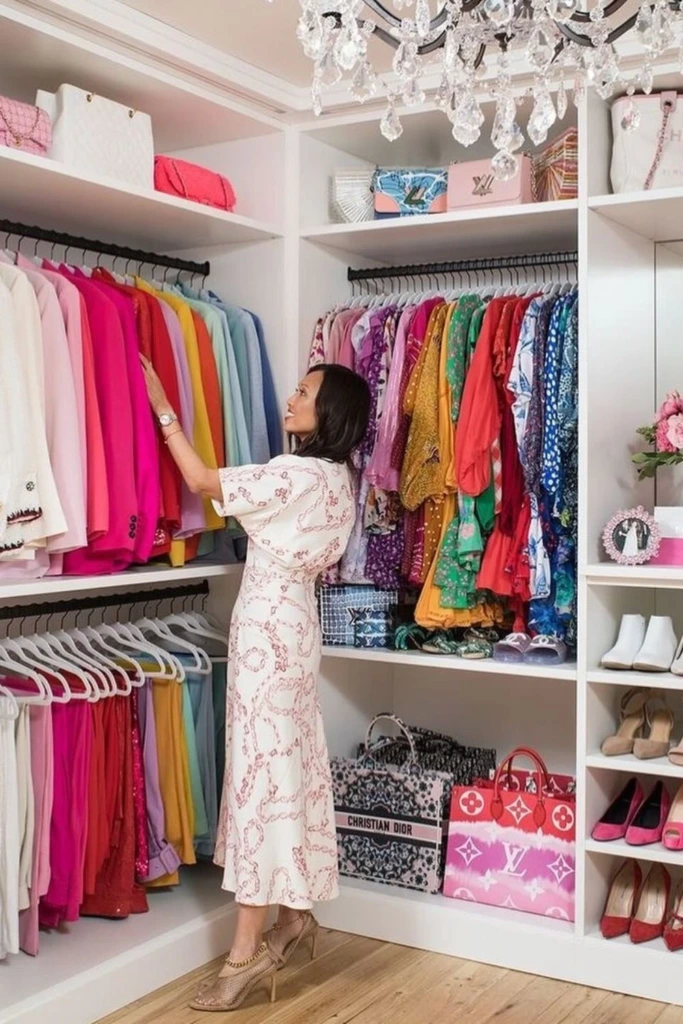
Arranging hanging clothes in color rows creates a clear visual structure and simplifies outfit selection. Group garments into broad shades, such as whites, neutrals, blues, pinks, and darker tones, then arrange each color group by clothing type.
You can further refine the layout by placing workwear, casual tops, and jackets in their own sections. This makes it easier to find specific pieces while keeping similar garments together.
The same principle can be applied to folded clothing and accessories stored on nearby shelves. Although color organization is primarily a visual preference, it also makes it easier to recognize the variety of garments you already own.
23. Display Drawers
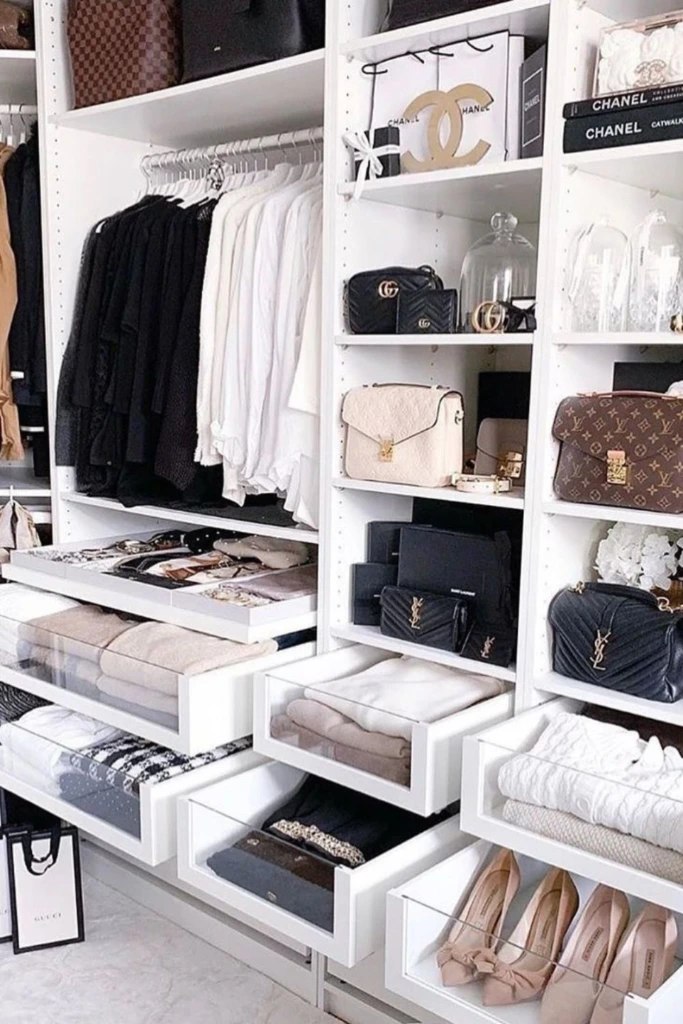
Display drawers offer organized storage for smaller accessories that are difficult to manage on open shelves. Shallow pull-out trays are particularly useful for jewelry, belts, watches, hair accessories, and other compact belongings.
Dividers separate individual categories and help prevent delicate pieces from tangling or rubbing against one another. Transparent or open-top organizers can improve visibility, while lined compartments provide additional protection for fragile items.
Place accessory drawers where they can be opened comfortably without interfering with hanging garments. Arrange the contents according to how frequently you use them, keeping daily essentials in the easiest-to-reach sections.
24. Shelf Sections
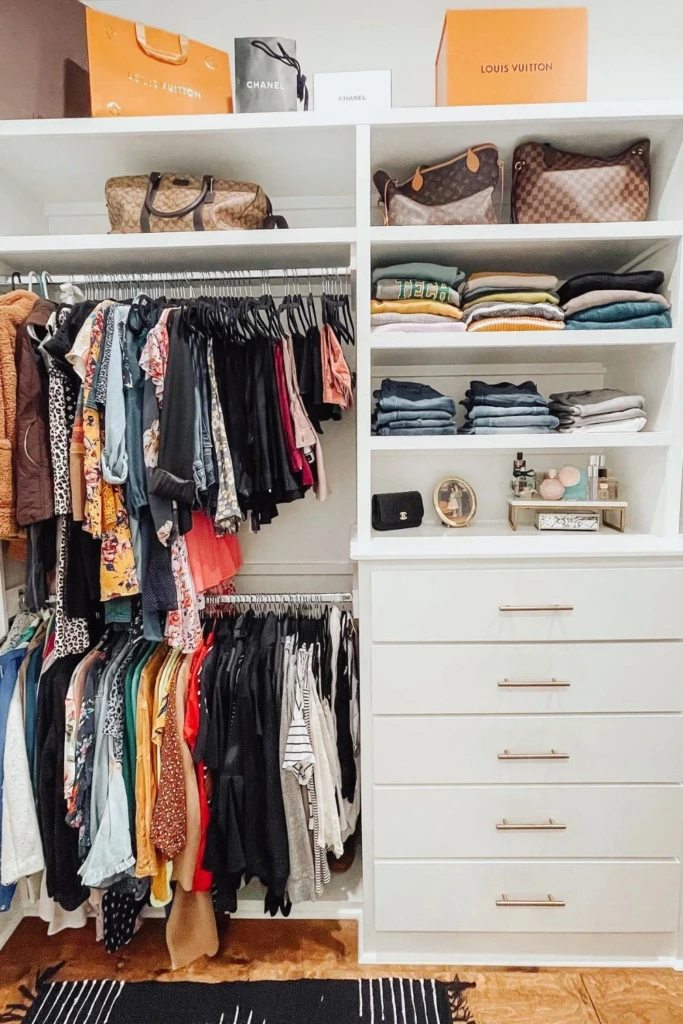
Dividing large closet shelves into smaller sections helps prevent different categories of clothing from becoming mixed together. One area can hold sweaters, another can store folded trousers, and a separate section can accommodate handbags or accessories.
Shelf dividers are particularly useful for maintaining boundaries between folded stacks. For smaller items, containers can provide additional separation and prevent belongings from slipping into gaps.
Begin by assessing what you own and allocating space according to the size of each category. Leave enough room to remove items comfortably, and avoid creating stacks so tall that they become unstable. Clear sections make both daily use and tidying up more straightforward.
25. Drawer Rows
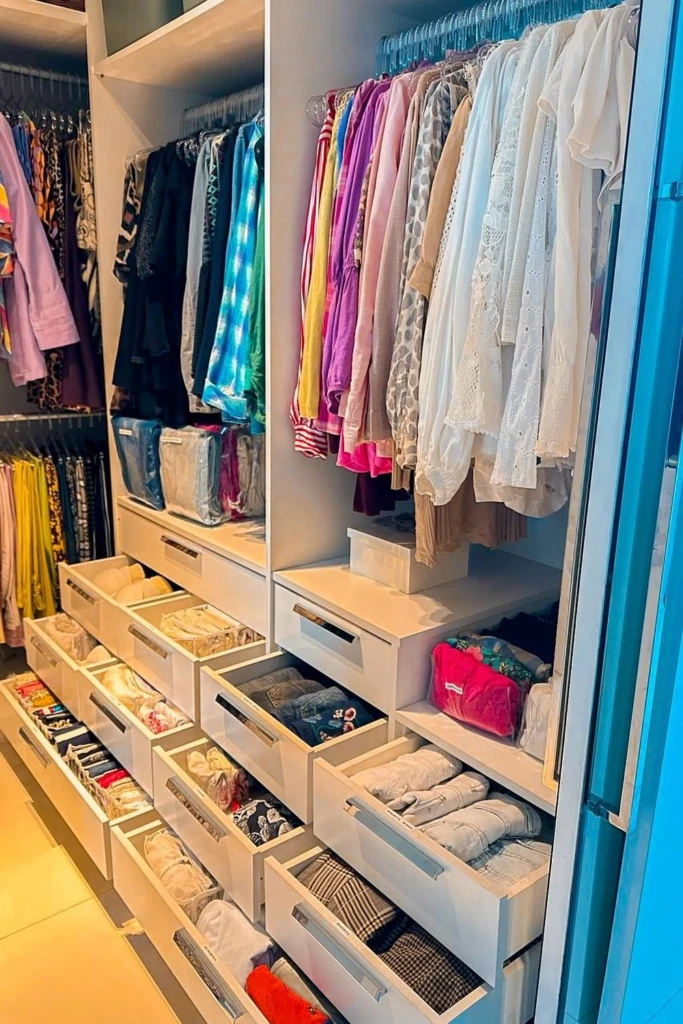
Rows of shallow drawers can make small clothing items easier to organize and access. Socks, underwear, tights, and accessories often become difficult to find in deep drawers where everything collects at the bottom.
Assign one category to each drawer and use internal dividers when necessary. Folding items consistently or arranging them vertically can improve visibility and make it easier to see what is available without moving everything around.
Pull-out drawers positioned beneath hanging clothes can also make use of otherwise empty vertical space. Before installing them, check the clearance required for opening the drawers and ensure that their runners can support the intended load.
How do you keep closet shelves from becoming messy again?
Start by giving every category of belongings a designated storage area. Use baskets, fabric bins, shelf dividers, and drawer organizers to prevent items from spreading into neighboring sections.
Keep folded stacks small enough to remain stable, and avoid filling shelves to their maximum capacity. Store everyday essentials where they are easy to reach, so you can return them without rearranging the entire closet.
A brief weekly reset also helps. Refold loose garments, return misplaced items, remove anything that no longer belongs in the closet, and adjust containers when your storage needs change.
What should go on the top shelf of a closet?
The top shelf is generally best for belongings you do not need every day. Seasonal clothing, travel bags, spare linens, occasion-specific accessories, and clearly labeled storage boxes can make good use of this elevated space.
Choose lightweight containers that fit securely and can be retrieved without stretching dangerously. Store heavier belongings on lower shelves, and avoid placing items where they might fall when you move a box.
Labels make upper-shelf storage easier to manage because you can identify the contents before pulling anything down. Keep frequently used clothing and essential accessories at a comfortable height, reserving the top shelf for occasional-use belongings.