20 Shelf Organization Ideas for 2026
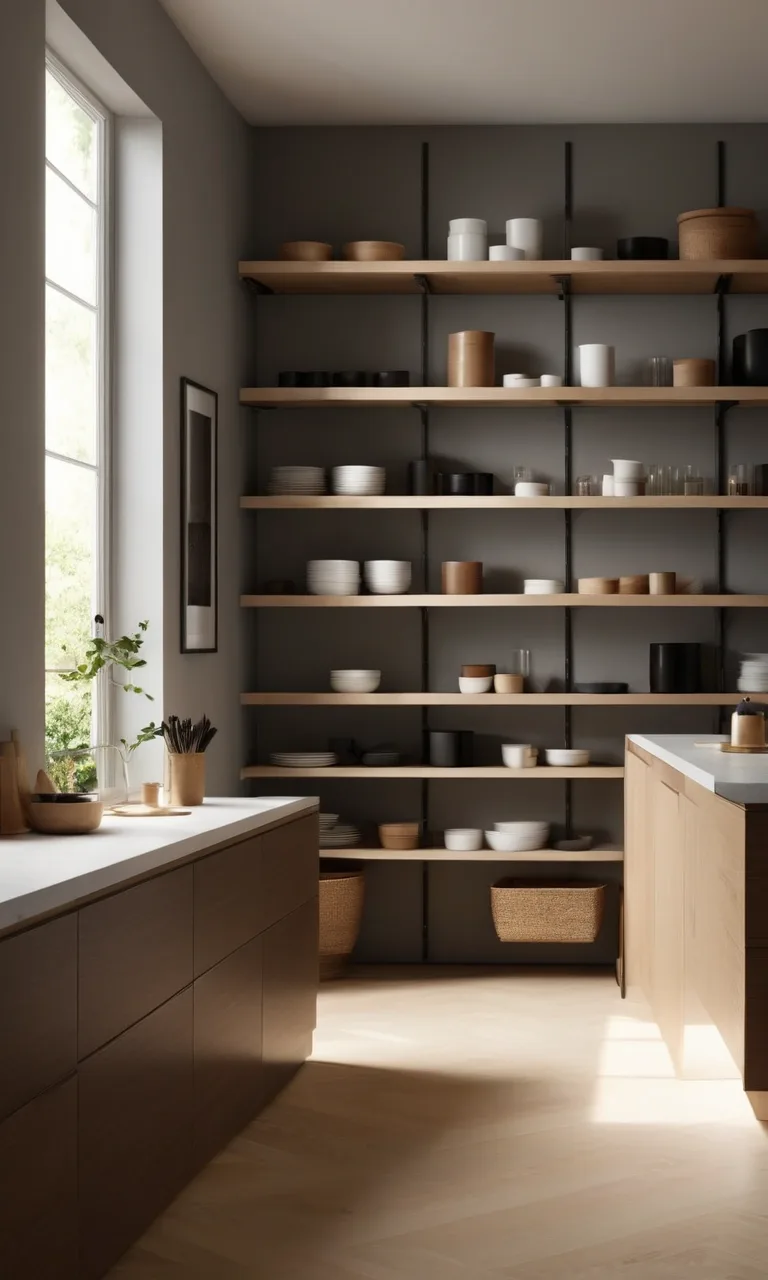
Well-organized shelves can make a home feel more spacious, simplify everyday routines, and help you find what you need without unnecessary searching. Whether you're dealing with crowded kitchen cabinets, overflowing closets, or cluttered bathroom storage, a few thoughtful adjustments can make a noticeable difference.
The secret is to combine practical storage solutions with a layout that suits your daily habits. From simple dividers to clever vertical storage, these shelf organization ideas can help you create a space that's functional, attractive, and easier to maintain.
How to Organize a Shelf?
Start by removing everything from the shelf so you can see the available space and assess what actually belongs there. Sort your belongings into categories, discard expired products, and set aside anything you no longer need.
Next, assign each category a specific location. Frequently used items should be easy to reach, while seasonal belongings and spare supplies can occupy higher or less accessible shelves. Use baskets, dividers, and shelf risers to make better use of the available height.
Consider the weight and size of your belongings when arranging them. Keep heavy objects on lower, sturdy shelves and avoid overcrowding. Leaving a little breathing room between groups makes items easier to retrieve and return to their proper places.
1. Plate Riser Layers
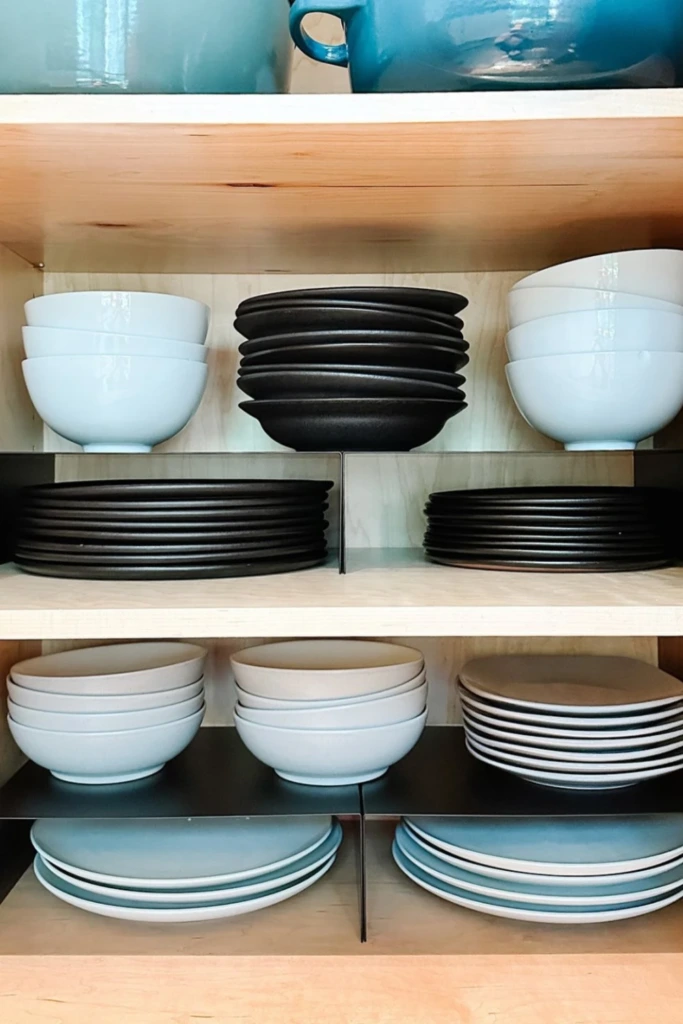
<emphasis>Note:</emphasis> Create two usable levels inside kitchen cabinets by adding sturdy plate risers. These handy inserts make it possible to store dinner plates, side plates, and bowls without building tall, unstable stacks.
Choose risers that fit your cabinet dimensions and can safely support the weight of your dishes. Keep heavier plates on the bottom level and lighter pieces above, arranging matching sets together for convenience.
If you enjoy DIY projects, a properly finished wooden platform can provide a similar solution. Make sure the surface is level and strong enough to hold your dishes securely.
2. Style With Space
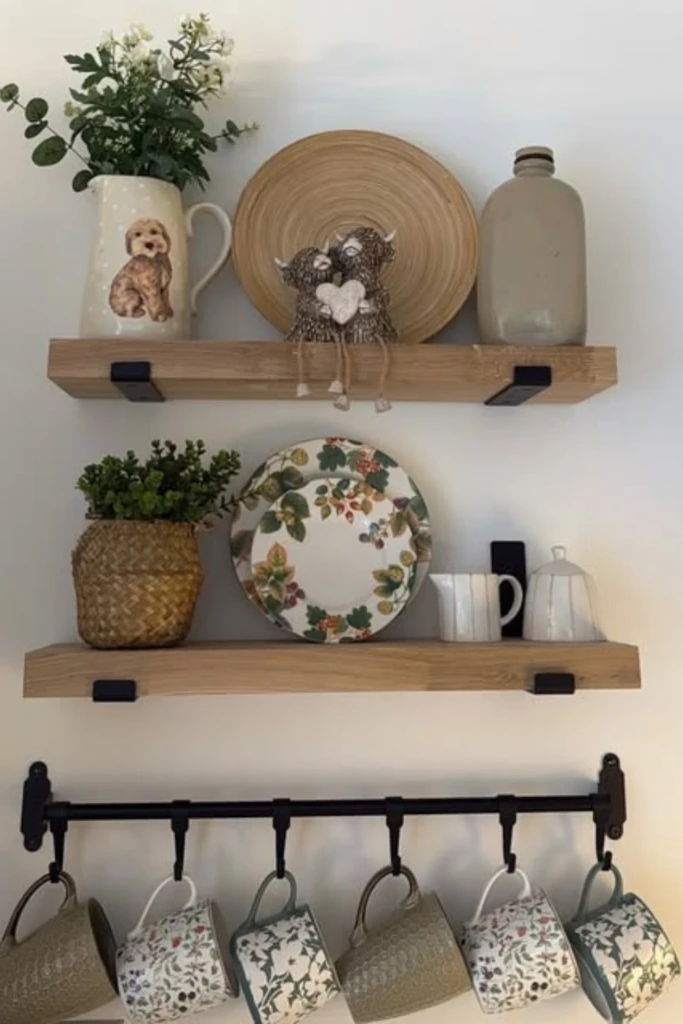
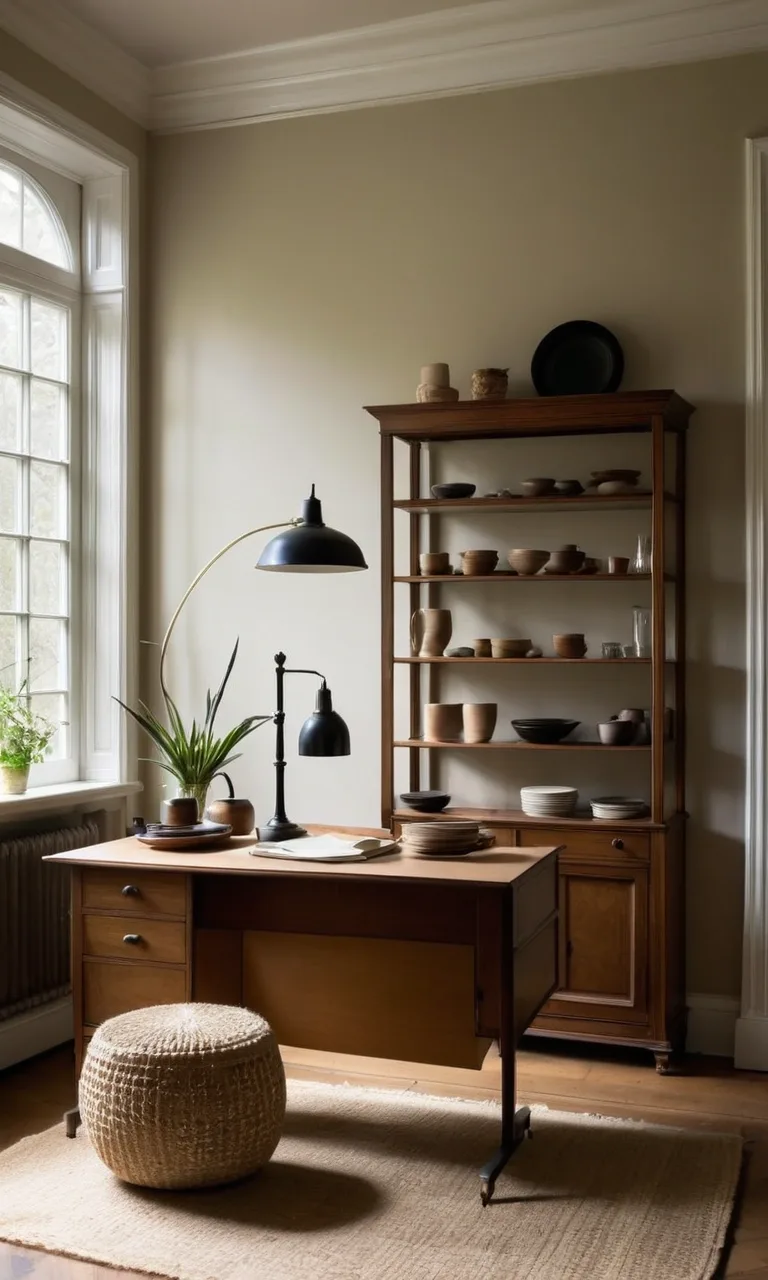
Decorative shelves look more polished when every object has room to stand out. Instead of covering the entire surface with ornaments, books, and accessories, choose a few pieces that complement one another.
Begin with a larger item, such as a vase or framed photograph, and build a balanced arrangement around it using smaller objects. Varying heights, textures, and shapes creates visual interest without making the display feel crowded.
Negative space is an important part of the design. Leaving portions of the shelf empty helps highlight your favorite belongings and makes dusting and rearranging easier.
3. Clear Bathroom Zones
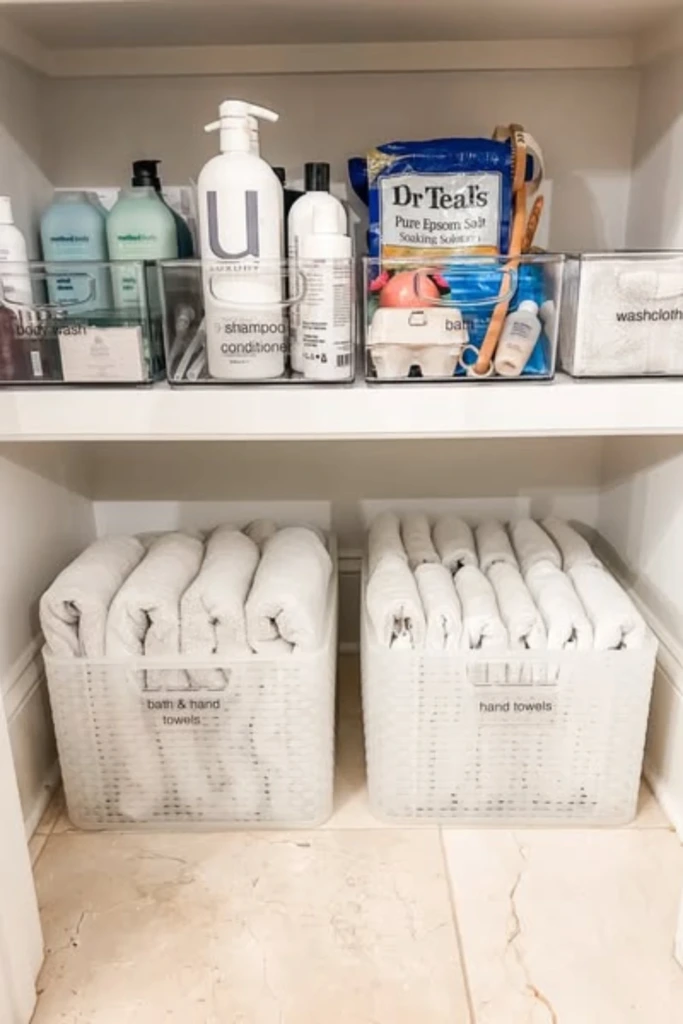
Bathroom shelves often collect skincare products, toiletries, cleaning supplies, and spare towels in the same area. Transparent containers can bring order to this mixture while allowing you to identify their contents quickly.
Create separate sections for everyday essentials, unopened replacements, haircare products, and personal care items. Small bins are especially useful for grouping products that would otherwise spread across the shelf.
Add simple labels when several family members share the bathroom. Keep moisture-sensitive products in suitable containers and store cleaning chemicals securely away from children and toiletries. This approach keeps essential items accessible without sacrificing cleanliness.
4. Color Stack Order
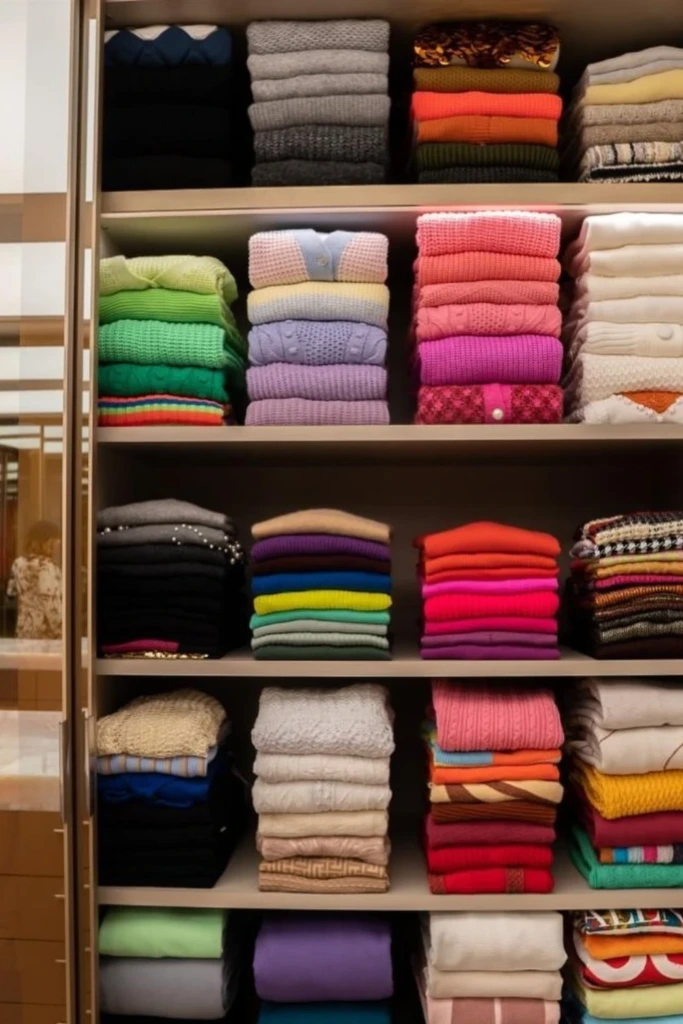
Closet shelves can become untidy when folded clothes are mixed together or stacked without a consistent system. Organizing garments by type and color creates a more predictable arrangement and makes outfit selection easier.
Start by grouping sweaters with sweaters, T-shirts with T-shirts, and similar garments together. Within each group, arrange colors from light to dark or use another sequence that feels intuitive to you.
Fold clothes into similarly sized stacks so they sit neatly on the shelf. Place heavier knitwear near the bottom to improve stability, and avoid making piles so tall that removing one garment causes everything else to fall.
5. Layered Open Storage
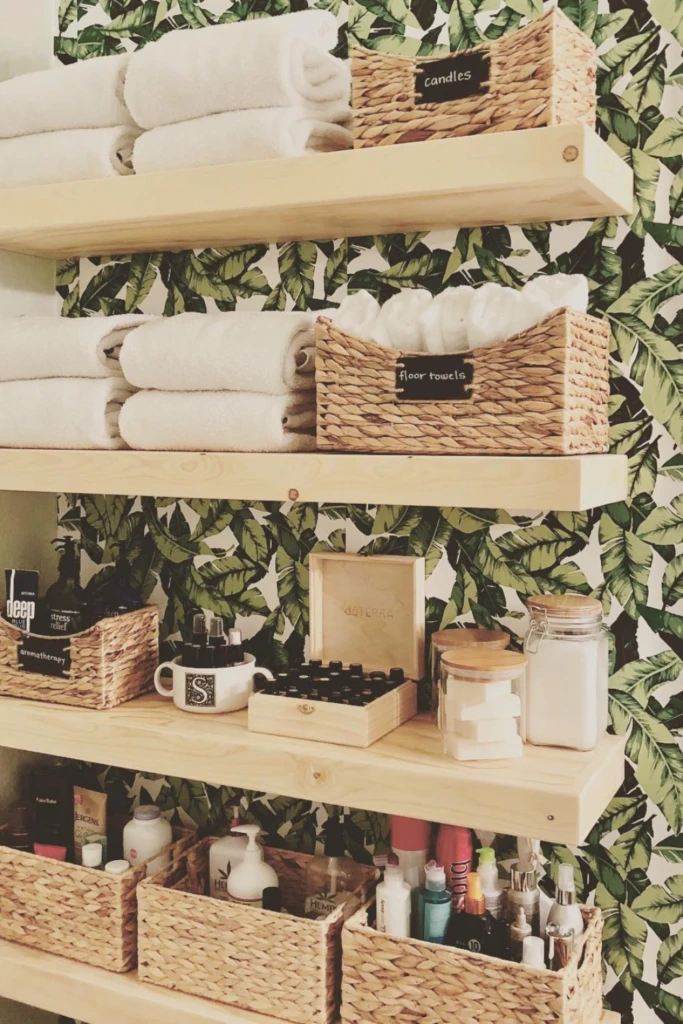
Open shelving is useful when bathroom cabinets are limited, but it needs a balance of visible storage and concealed organization. Combine shelves with attractive baskets to keep everyday products accessible while hiding smaller items that create visual clutter.
Reserve an easy-to-reach shelf for frequently used toiletries, another area for folded towels, and a lower section for spare supplies. Matching baskets can help the arrangement look coordinated without requiring expensive furniture.
Choose moisture-resistant materials where possible, particularly in bathrooms with limited ventilation. Regularly check stored products and remove empty containers so the shelves remain practical rather than becoming another place to accumulate clutter.
6. Cabinet Shelf Layers
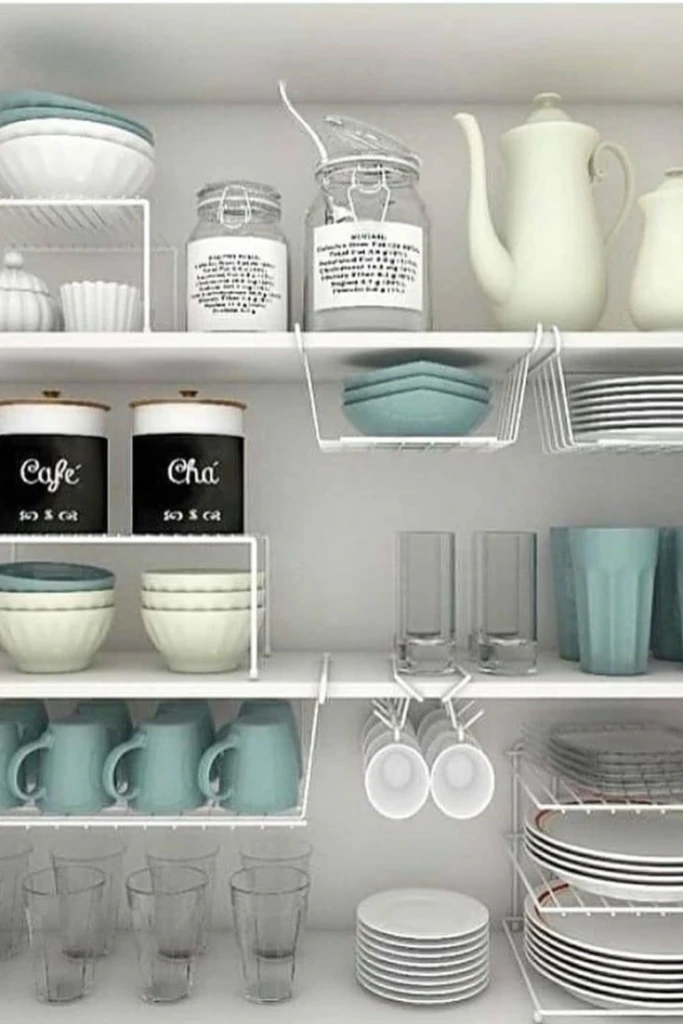
Fixed cabinet shelves sometimes leave too much unused space above shorter items. Shelf risers, hanging baskets, and adjustable inserts can create additional storage levels without requiring a complete cabinet renovation.
For example, store dinner plates beneath a riser and place smaller bowls or cups on the upper level. Hanging baskets attached to suitable shelves can accommodate lightweight items such as kitchen towels or small packets.
Measure the cabinet before purchasing accessories, and confirm that doors can close properly once everything is installed. Keep fragile dishes stable and avoid placing heavy objects on inserts that aren't designed to carry their weight.
7. Cube Storage Baskets
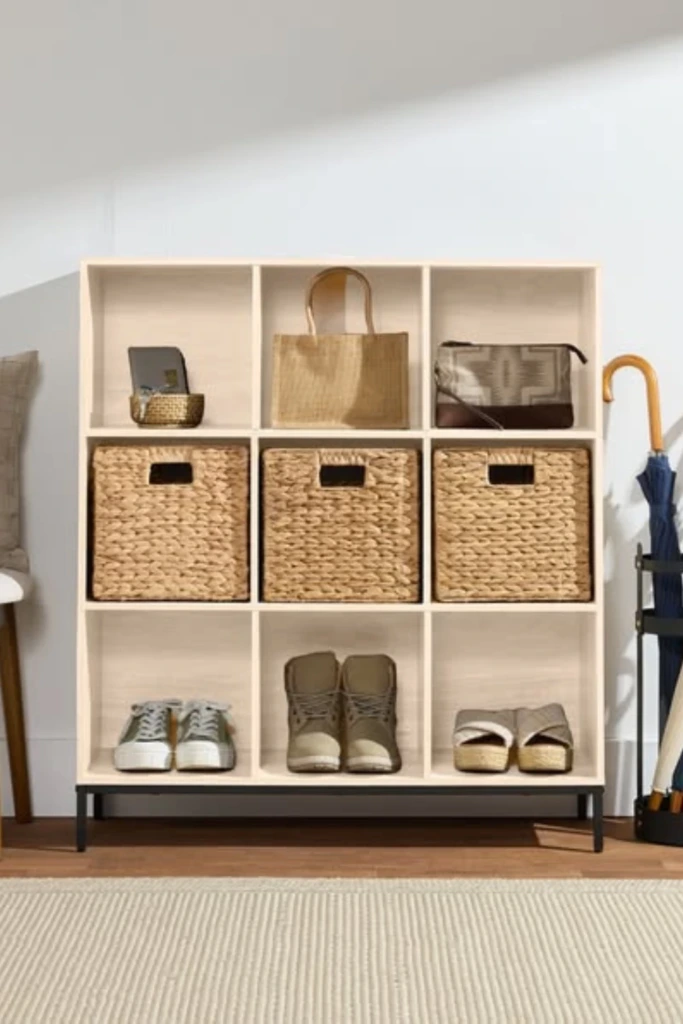
Cube shelving offers flexible storage for living rooms, bedrooms, playrooms, and home offices. The challenge is deciding which belongings should remain visible and which are better kept out of sight.
Use baskets in selected compartments for toys, chargers, craft supplies, or miscellaneous household items. Leave other cubes open for books, decorative objects, and frequently used belongings.
For a coordinated appearance, choose baskets in complementary colors and similar materials. Label containers when their contents aren't obvious, especially if several people use the same storage unit.
Distribute heavy items toward the lower compartments to improve stability, and secure tall shelving units to the wall when appropriate.
8. Lit Book Rows
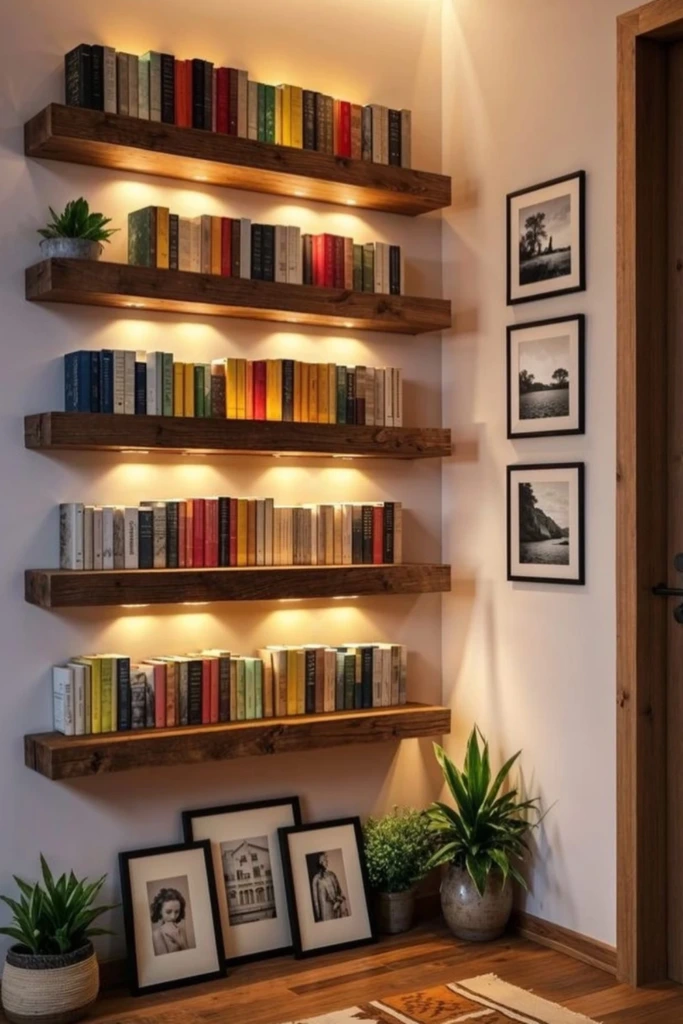
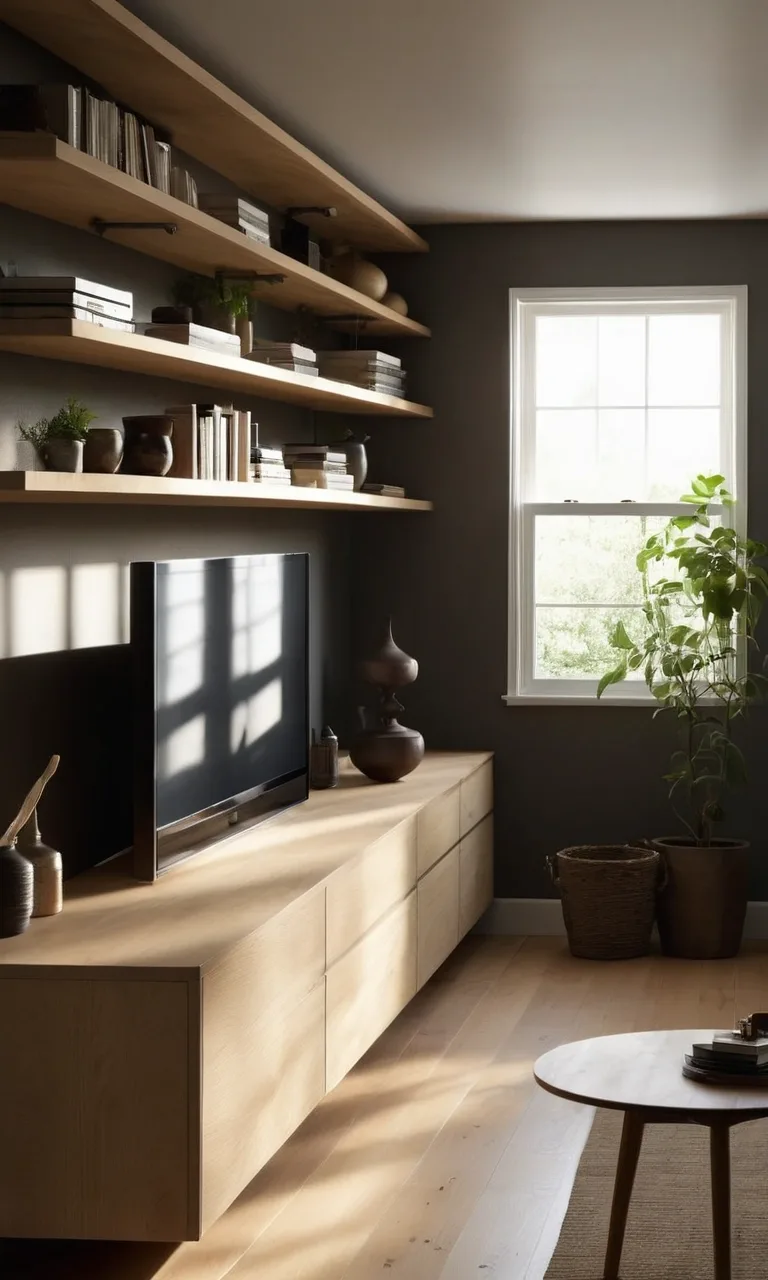
Lighting can make a bookshelf more inviting while helping distinguish individual shelves. Warm LED strip lights installed beneath shelf edges can create a gentle glow that highlights book spines and decorative accents.
Arrange books in orderly groups according to author, subject, size, or color. A few horizontal stacks can break up long vertical rows, while small decorative pieces add variety without taking up too much room.
Choose lighting designed for indoor shelving and follow the manufacturer's installation instructions. Conceal visible cables where practical, and avoid placing heat-producing lights near paper or other sensitive materials.
The result is a bookshelf that works for everyday reading while adding atmosphere to a living room, study, or hallway.
9. Vertical Pan Storage
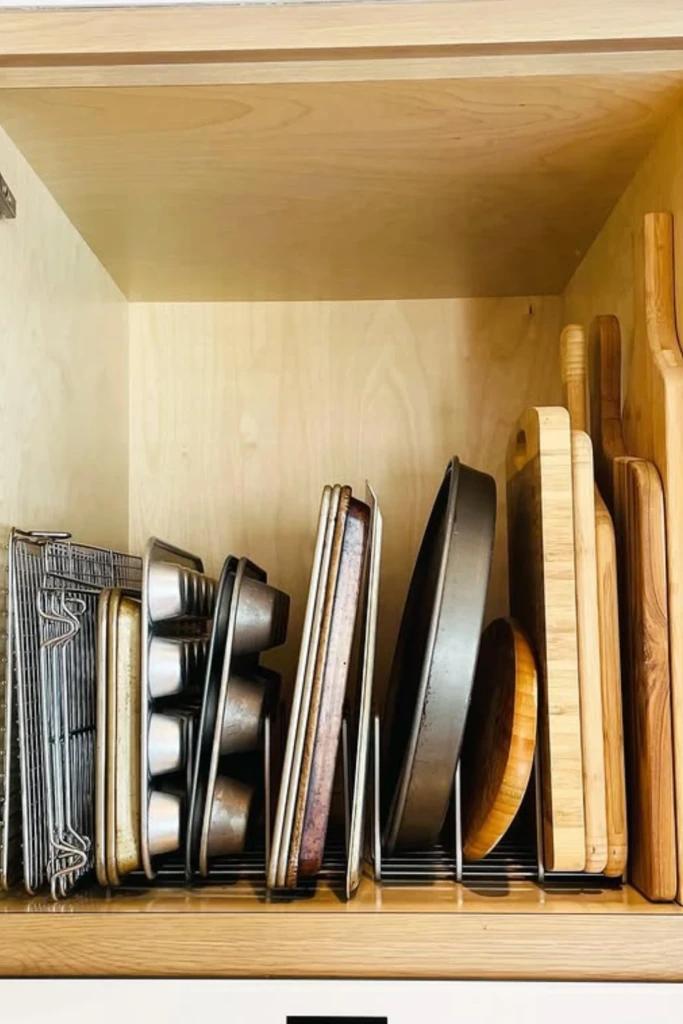
Baking trays, cutting boards, and flat pans are difficult to manage when stacked in a deep cabinet. Storing them vertically makes it possible to remove one item without lifting everything above it.
Install a suitable rack or adjustable dividers to create separate slots for each piece. Group baking sheets together, keep cutting boards in their own section, and arrange pans according to size.
Before choosing a rack, measure the cabinet's width, depth, and usable height. Make sure the dividers are stable and that stored cookware cannot tip over when an item is removed.
Vertical organization also helps protect nonstick cookware from unnecessary scraping caused by repeated stacking.
10. Pantry Pull-Forward
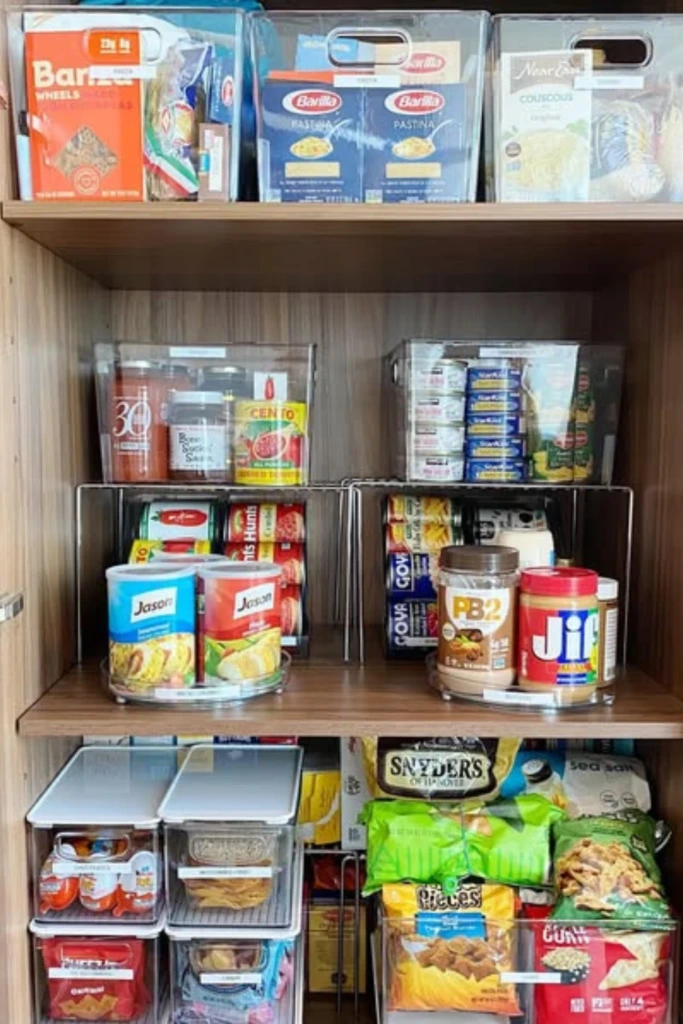
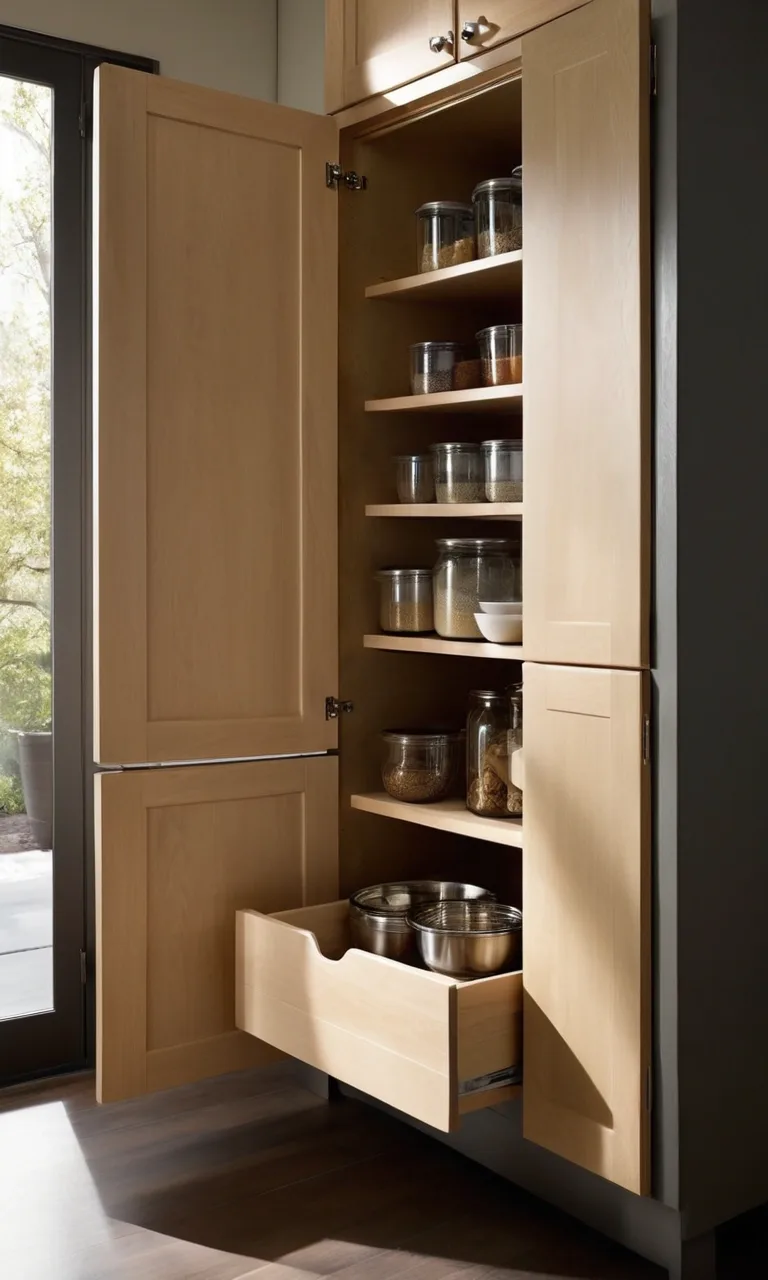
Deep pantry shelves can hide ingredients behind larger packages, making it easy to forget what you already own. Clear containers, shallow bins, and tiered organizers help bring products into view.
Group foods into useful categories, such as breakfast items, snacks, baking ingredients, canned goods, and spreads. Place smaller packages in bins that can be pulled forward without disturbing neighboring products.
Risers are particularly helpful for cans and jars because they allow labels at the back to remain visible. Keep frequently used ingredients near the front and store heavier containers on lower shelves.
Check expiration dates regularly and rotate older products toward the front. This simple habit reduces forgotten food and helps prevent unnecessary duplicate purchases.
11. Everyday Reach Rule
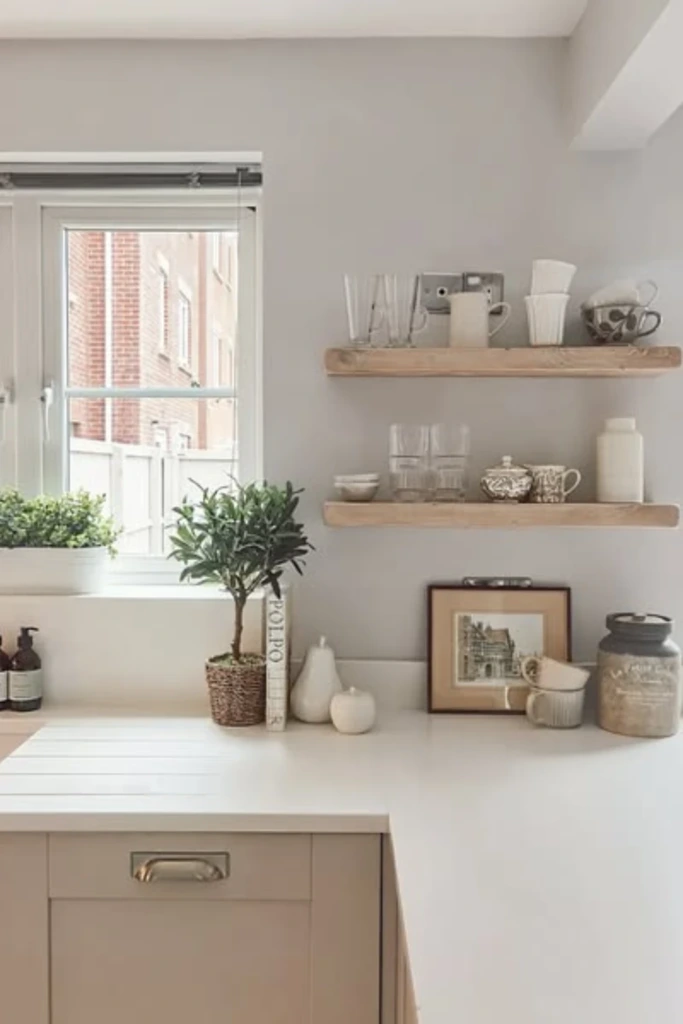
A well-organized shelf should make everyday activities easier, not require stretching or moving several objects to reach a single item.
Place frequently used dishes, toiletries, office supplies, or household essentials on shelves that are comfortable to access. Reserve higher shelves for lightweight items used occasionally, such as seasonal decorations or spare linens.
Heavier objects generally belong on lower, sturdy shelves, particularly when they could cause injury if dropped. Use a stable step stool when necessary rather than climbing on furniture to reach elevated storage.
Arrange belongings according to how you actually use them. When the most useful items are always within reach, maintaining an organized space becomes much simpler.
12. Labeled Linen Stack
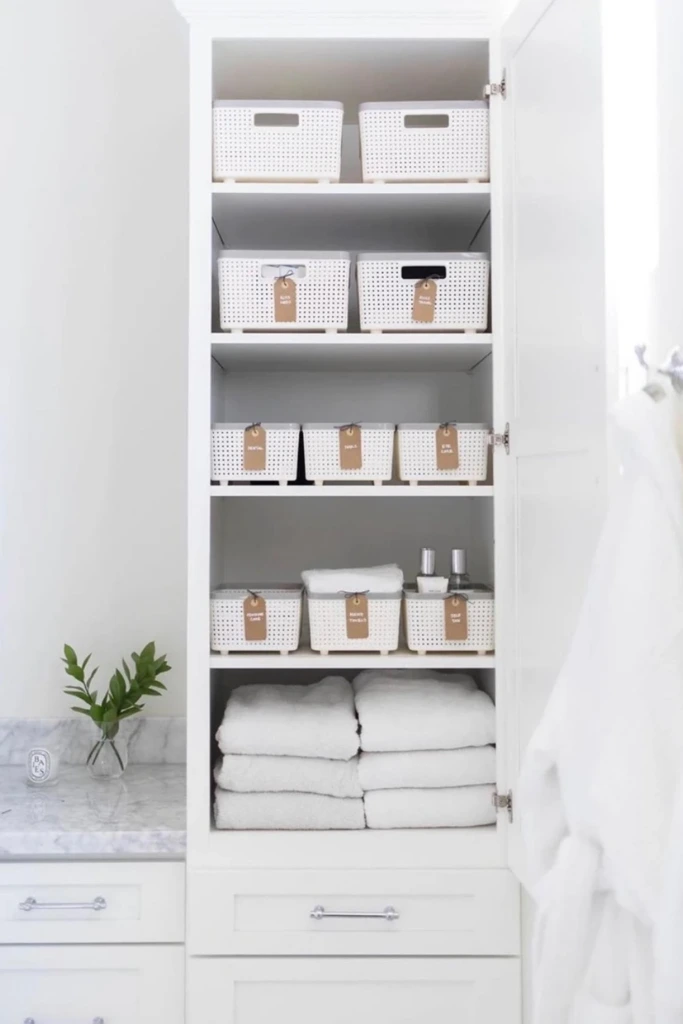
Linen closets can accommodate towels, bed sheets, pillowcases, toiletries, and spare household essentials without becoming difficult to navigate. The key is separating these categories instead of combining everything into a few oversized piles.
Use baskets or fabric bins for smaller items, and label each container according to its contents. Fold towels into consistent sizes so stacks remain stable and the shelf looks orderly.
Keep heavier blankets and bath towels on sturdy lower shelves, leaving lighter linens above. You can also store matching sheet sets together by placing the folded pieces inside one of their pillowcases.
This system makes it easier to find a complete set when changing bedding and helps everyone in the household return items to the right place.
13. Shelf Dividers Fix
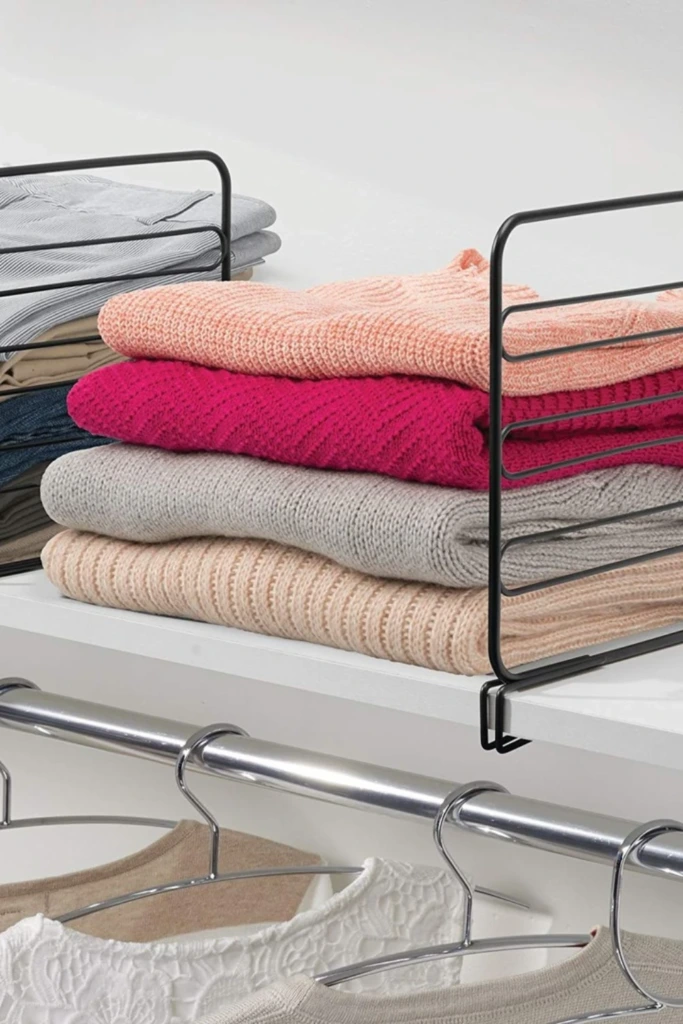
Shelf dividers are a straightforward way to stop folded clothing, handbags, books, and linens from spreading into neighboring piles. They establish clear boundaries without requiring additional shelving.
Choose adjustable metal, acrylic, or sturdy plastic dividers according to the type of items you want to store. For a DIY alternative, use smooth, securely positioned boards that fit the shelf dimensions.
Separate clothing by category or dedicate individual sections to different household members. For books, position dividers at intervals that prevent tall rows from leaning into one another.
Before installation, check whether the shelf material and thickness are compatible with the divider's mounting system. Properly fitted dividers should remain stable during normal use without damaging the shelf.
14. Basket Shelf Layers
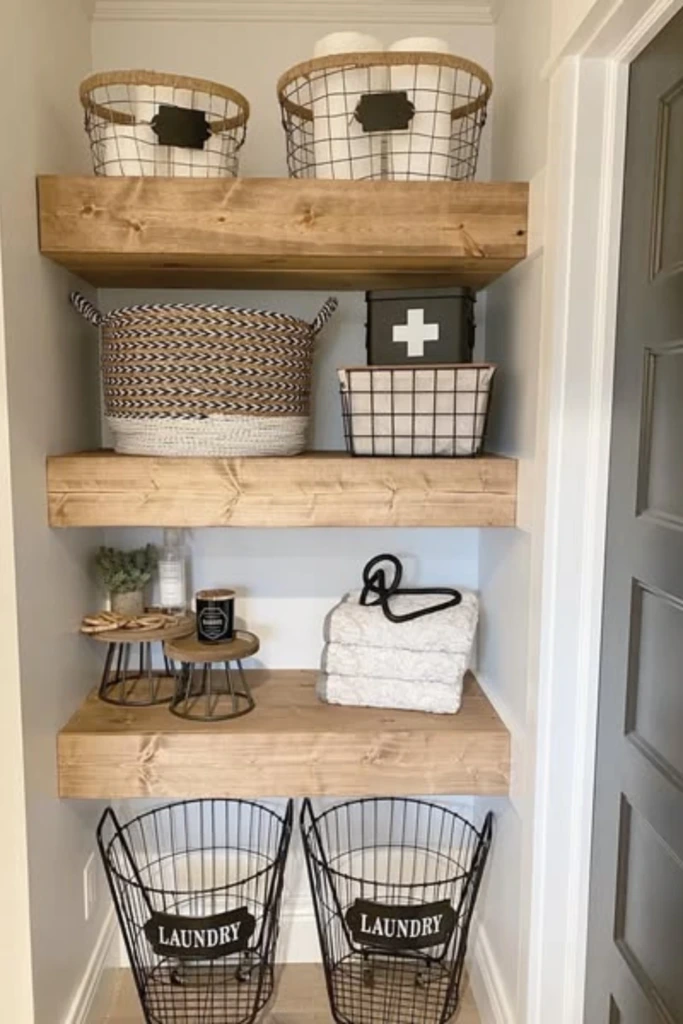
Baskets make open shelving easier to manage by giving loose belongings a defined container. They're especially useful for entryways, laundry areas, living rooms, and bedrooms where small items tend to accumulate.
Use open baskets for things you reach for regularly, such as gloves, everyday accessories, or charging cables. Lidded containers can hold less attractive clutter or items that aren't needed frequently.
Choose sizes that fit comfortably on the shelves and leave enough clearance to remove each basket without difficulty. Grouping similar materials or colors creates a cohesive appearance, even when the baskets hold different belongings.
For a practical arrangement, keep everyday essentials at a convenient height, bulky items on lower shelves, and lightweight decorative pieces higher up. Avoid overloading elevated baskets with heavy objects.
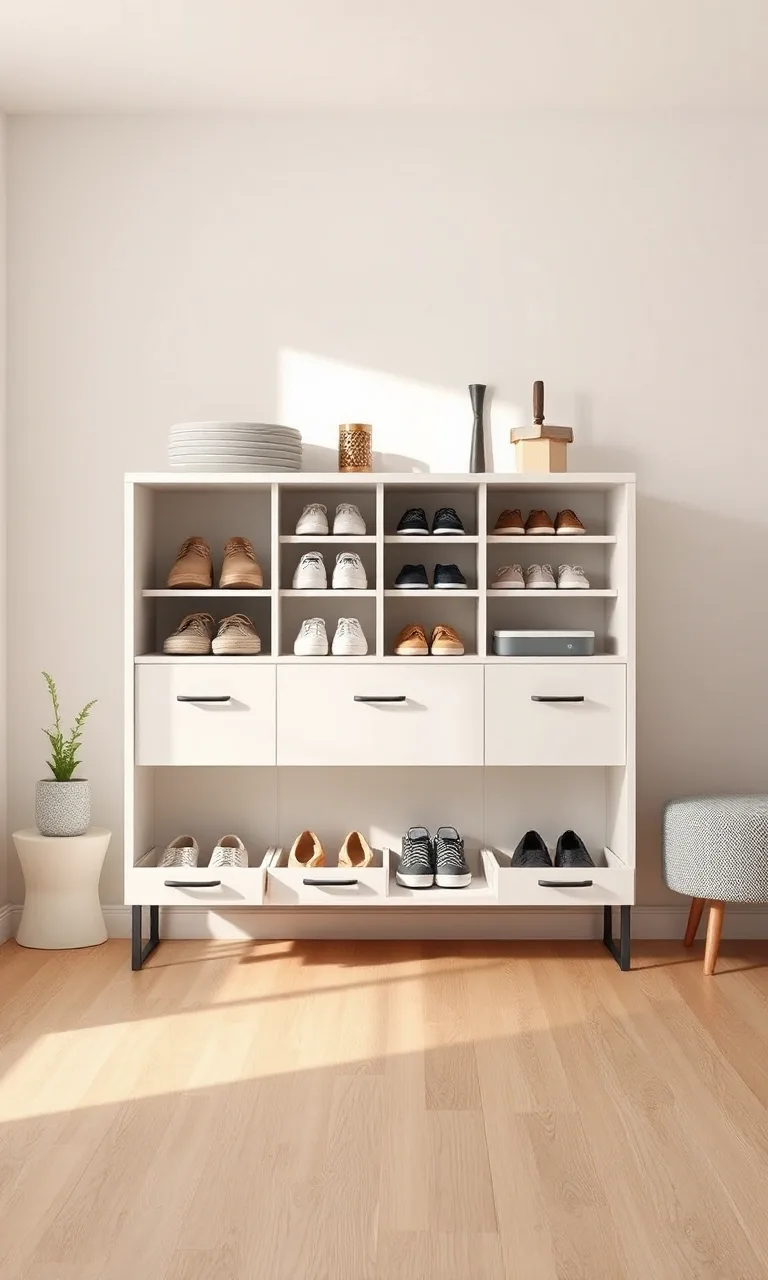
15. Drawer-in-Shelf Hack
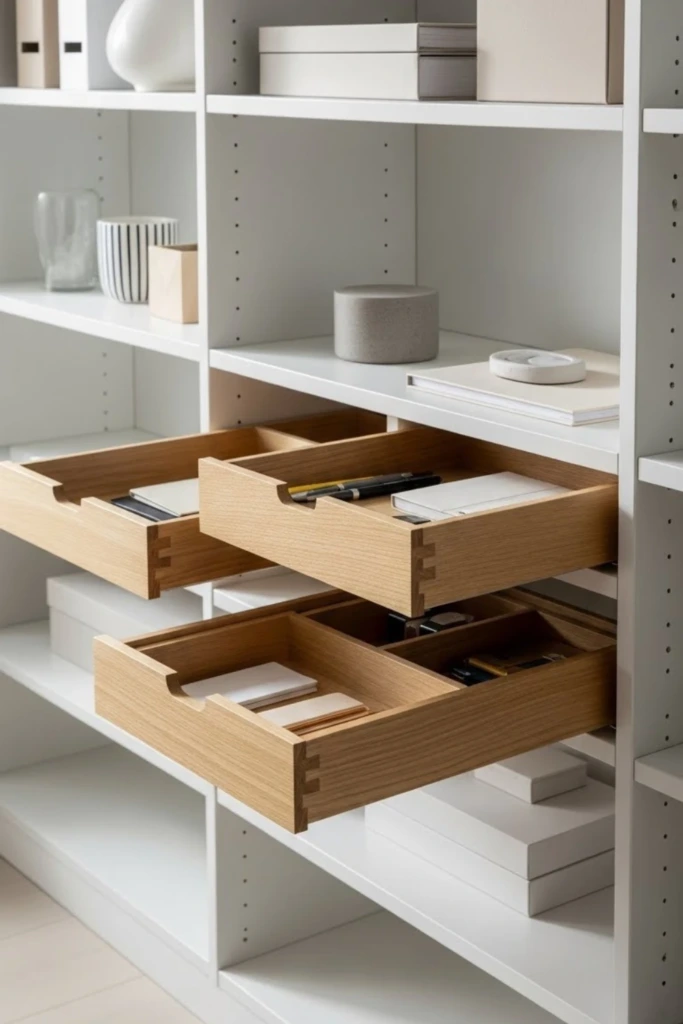
Small belongings can disappear behind larger objects when stored directly on open shelves. Shallow pull-out trays or compact drawers solve this problem by creating an organized compartment that slides toward you.
This approach works well for office supplies, craft materials, accessories, sewing notions, and other small items that benefit from separation. Divided trays can keep items such as pens, clips, batteries, and tools from mixing together.
Measure the available shelf depth before choosing a pull-out organizer. Ensure that the tray can move smoothly and won't slide off the front edge when extended.
Use containers designed for the weight and type of items being stored. You can gain much of the convenience of drawer storage without installing an entire cabinet system.
16. Backstock Shelf Rule
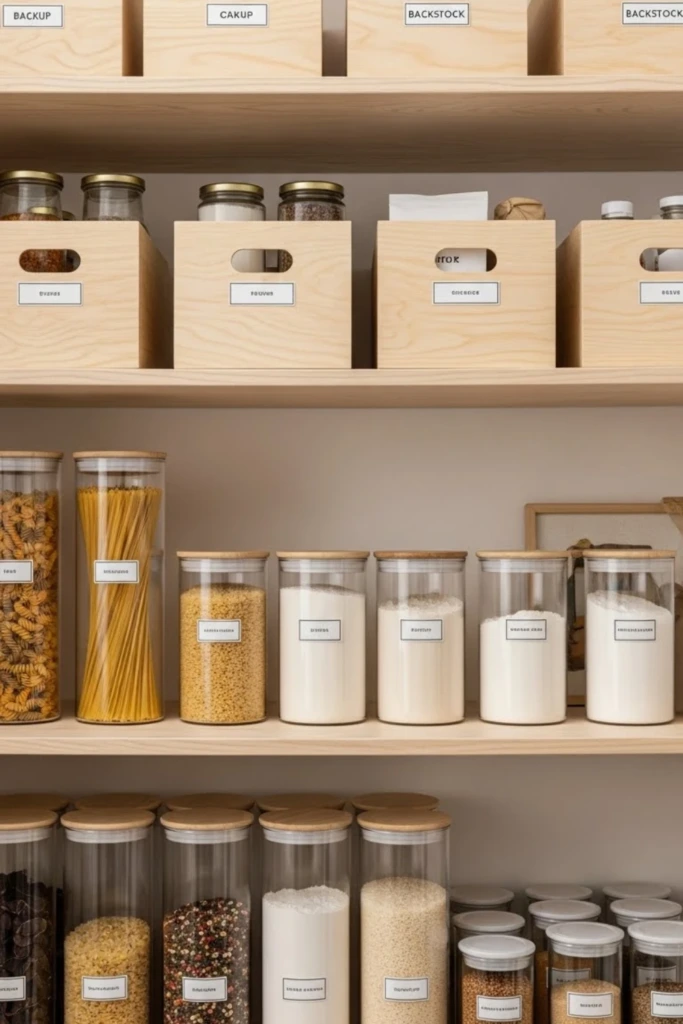
Keeping replacement products beside the items currently in use can make shelves look crowded and hide what you need. Separating active supplies from backup stock helps prevent this problem.
Dedicate one shelf or container to unopened replacements, such as toiletries, paper products, pantry ingredients, or cleaning supplies. Keep the products you use daily in a separate, accessible location.
Whenever you open a replacement, update your inventory and move another item into the active-use area if necessary. A simple list can help track frequently purchased essentials without requiring a complicated labeling system.
Check your reserves before shopping, and avoid buying more than your household can reasonably use. This keeps storage manageable and reduces waste from forgotten or expired products.
17. Slim Shelf Inserts
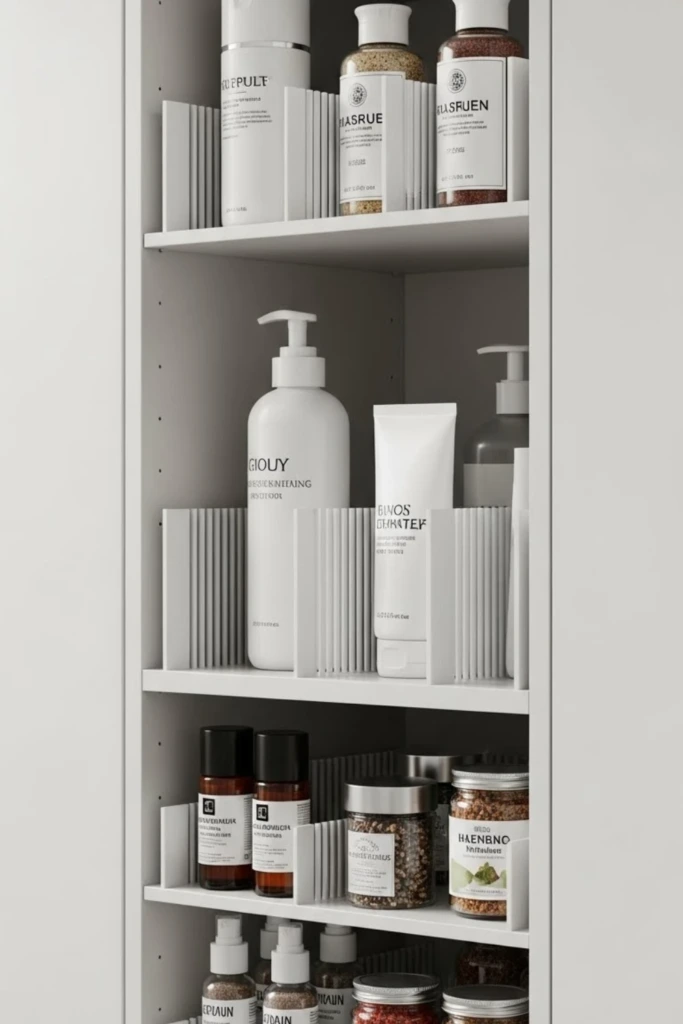
Narrow shelves can still provide valuable storage when their contents are arranged carefully. Slim inserts and dividers help prevent small containers from tipping over or sliding into one another.
In a kitchen, these organizers can separate spice jars, seasoning packets, and small bottles. In a bathroom, they can group skincare products, while a home office can use them for stationery and compact supplies.
Measure the shelf before selecting an insert, paying attention to its depth and the height of the items you plan to store. Adjustable designs offer flexibility if your storage needs change.
Rather than squeezing more objects into the space, aim to make each item easy to see and remove. A smaller, well-arranged collection is often more useful than an overcrowded shelf.
18. One-Category Shelves
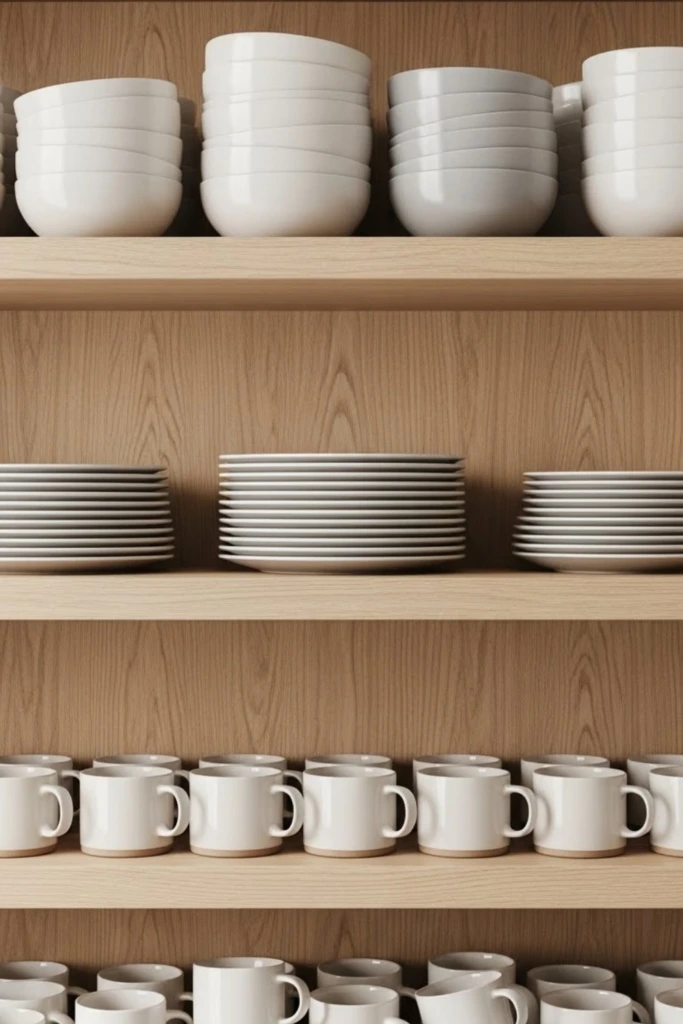
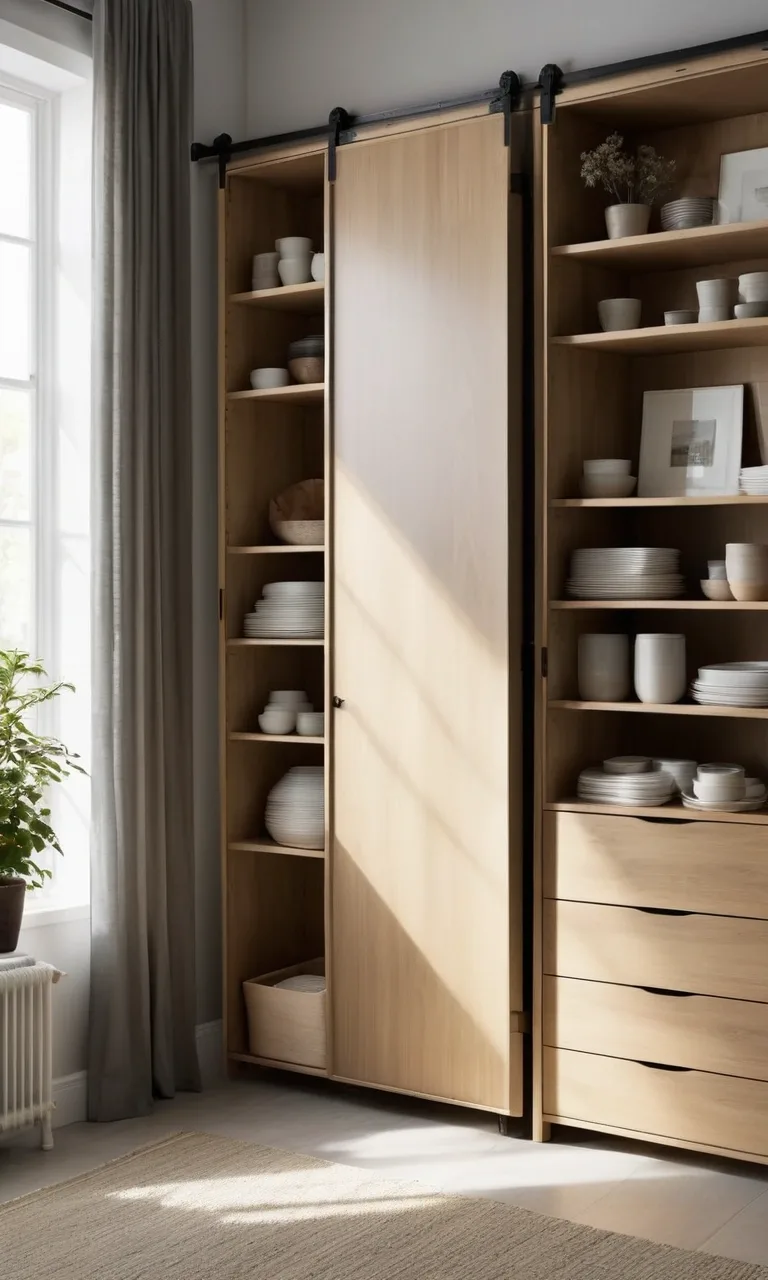
Giving each shelf a specific purpose is one of the easiest ways to create a lasting organization system. When unrelated belongings share the same space, items tend to migrate and clutter becomes harder to control.
In the kitchen, one shelf might hold mugs, another bowls, and a third pantry containers. In a closet, separate shelves could accommodate folded shirts, handbags, and accessories. Bathroom storage can follow a similar approach with designated areas for towels, toiletries, and spare products.
Choose categories that match your household's routines rather than following a rigid system. If a category outgrows its assigned shelf, remove unused items or reconsider the space available.
Clear boundaries also make tidying quicker because every object has an obvious place to return to.
19. Front-Facing Display
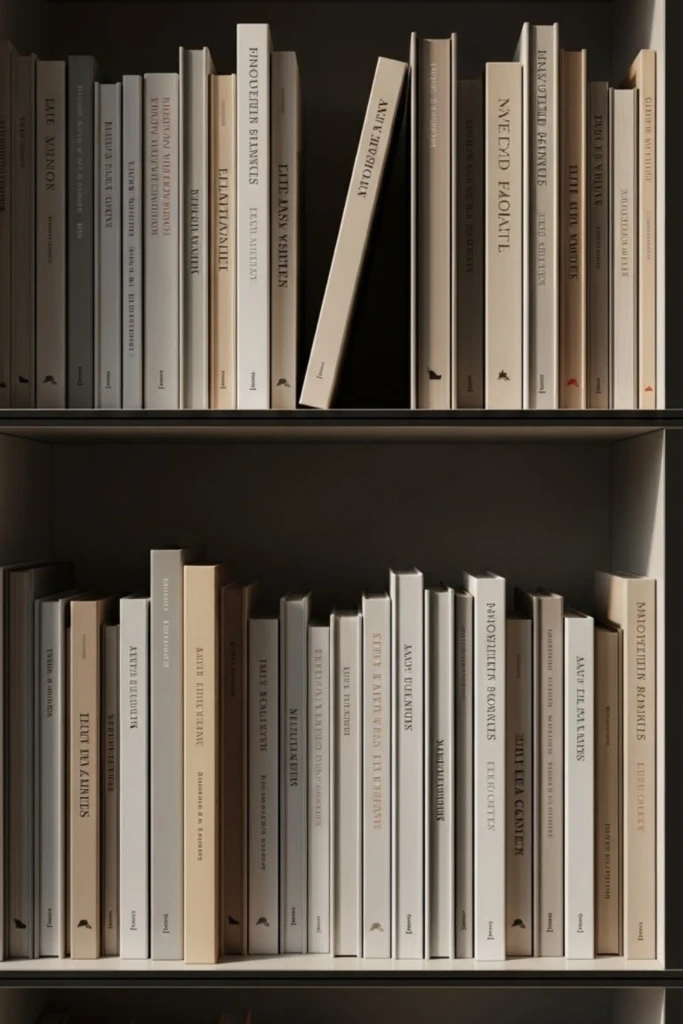
Items are easier to manage when you can identify them without moving everything around. Arranging products so their labels or covers face forward improves visibility on pantry shelves, bookcases, and storage units.
Position books with their spines visible, keep product labels facing outward, and place smaller containers toward the front where appropriate. In deep cabinets, use shallow bins or tiered risers so items at the back aren't completely hidden.
For decorative displays, arrange objects so their most attractive features remain visible without blocking neighboring pieces. Avoid placing fragile items near shelf edges where they could be knocked over.
A clear view of stored belongings helps you locate things quickly, monitor supplies, and recognize when you already own an item before purchasing another.
20. Shelf Height Reset
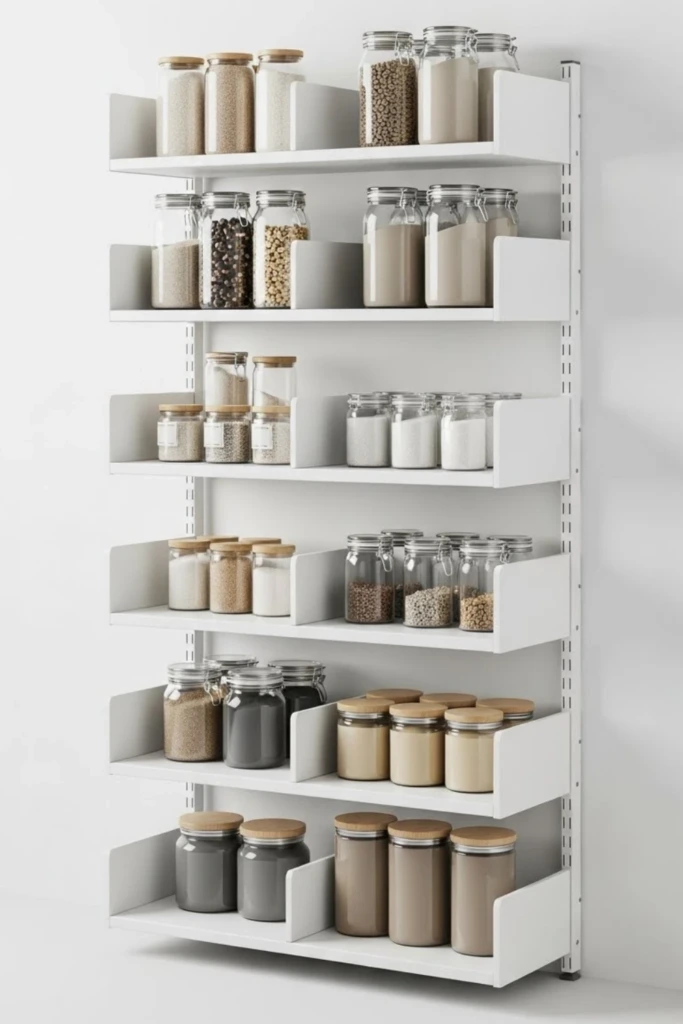
Sometimes shelves become cluttered because their spacing doesn't suit the belongings stored on them. Tall bottles may be difficult to fit, while short items leave large areas of unused space overhead.
If your shelving system is adjustable, reposition the shelf supports to match the height of each category. Give taller objects sufficient clearance and reduce the gap above shorter items where practical.
Before moving shelves, measure the items you plan to store and check the unit's adjustment limits. Consider door hinges, cabinet frames, and any accessories that might interfere with the new arrangement.
Keep enough room to lift items out comfortably. The goal is to use vertical space efficiently without making the shelves so tight that everyday access becomes inconvenient.
What is the purpose of a shelf?
A shelf provides a dedicated surface for storing, displaying, and organizing belongings. It helps free up floor space, keeps useful items accessible, and makes better use of vertical areas in a room.
Shelves can serve many purposes, from holding books and decorative objects to storing kitchenware, folded clothes, and household supplies. Their effectiveness depends on choosing the right size, position, and weight capacity for the intended use.
When belongings are grouped logically and returned to consistent locations, shelves become more than a place to put things. They help create a functional home where everyday essentials are easier to find and maintain.
How to arrange products on shelves?
Begin by grouping similar products together and deciding how much space each category needs. Keep frequently used items in convenient locations, while occasional-use products and lightweight backups can be stored higher up.
Use baskets for small packages, dividers for items that tend to fall over, and risers when extra vertical space is available. In pantries and cabinets, position labels toward the front so you can identify products without removing them.
Avoid overfilling the shelves, and place heavy objects on sturdy lower levels. Review the arrangement periodically to remove empty packaging, discard expired products, and adjust the layout as your needs change.
A good shelving system should make it easy to see what you have, retrieve it comfortably, and return it to the correct spot.