
27 Group Games for Kids in 2026
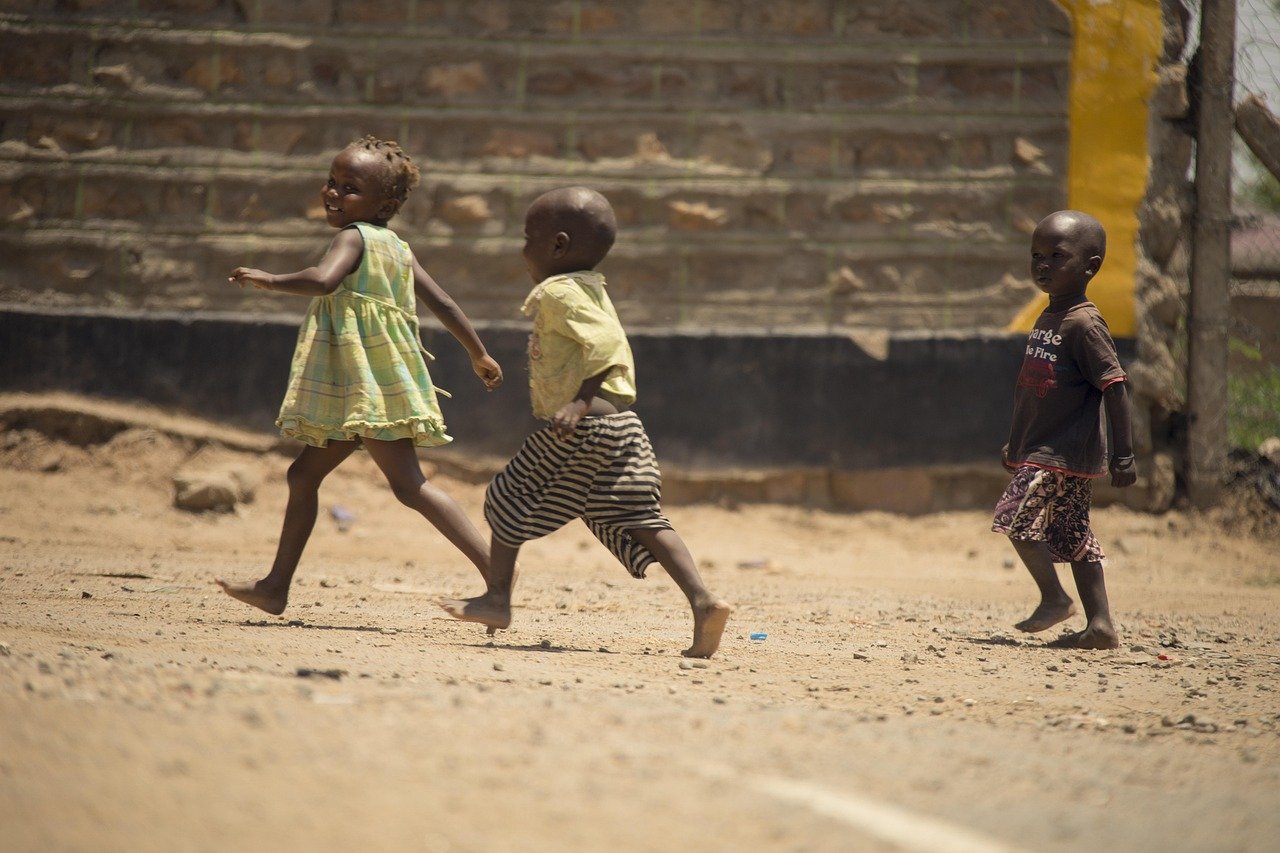
Group games are a wonderful way to bring children together, encourage teamwork, and turn ordinary gatherings into memorable adventures. Whether you're organizing a birthday party, planning classroom activities, or keeping kids entertained during a family reunion, the right games can create hours of excitement without requiring expensive equipment.
From energetic outdoor challenges to imaginative indoor activities, group games help children practice communication, problem-solving, coordination, and cooperation. The best part is that many of these activities can be adapted for different ages, group sizes, and available spaces.
Here are 27 fun and engaging group games for kids in 2026 that are easy to organize and enjoyable for a wide range of personalities and abilities.
27 Group Games for Kids
1. Animal Charades
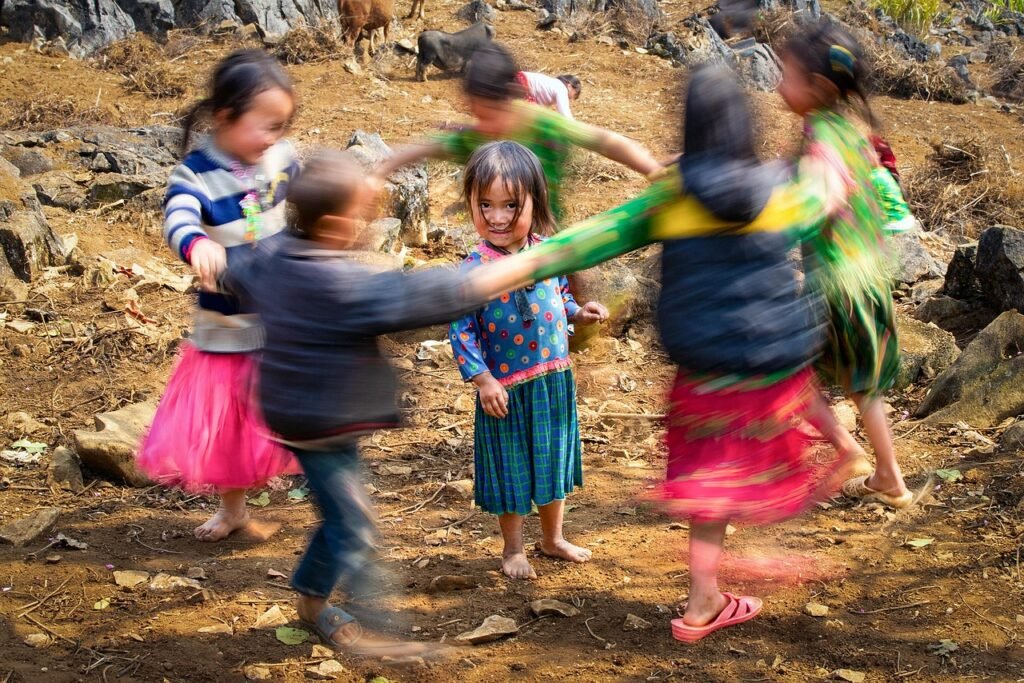
Animal Charades is an entertaining guessing game that encourages children to express themselves through movement and imagination. It's especially enjoyable for younger kids who love pretending to be their favorite creatures.
Write different animal names on small pieces of paper and place them in a container. Each player selects one and acts out the animal without speaking or making its characteristic sounds. The other children try to identify the animal before the time runs out.
For younger participants, choose familiar animals such as cats, elephants, monkeys, and rabbits. Older children can tackle more challenging choices, including flamingos, chameleons, and octopuses.
Divide larger groups into teams and award points for correct guesses. This activity works particularly well in classrooms, living rooms, and birthday parties because it requires very little preparation.
2. Musical Chairs
Musical Chairs combines music, movement, and quick reactions in a classic party activity that children continue to enjoy.
Arrange chairs in a circle with the seats facing outward, using one fewer chair than the number of players. Start playing upbeat music while everyone walks around the chairs. When the music stops, participants quickly find somewhere to sit.
Traditionally, the player left standing is eliminated, and another chair is removed before the next round begins.
For a more inclusive version, keep everyone playing while removing chairs and challenging the group to find safe ways to share the remaining seats. Avoid overcrowding or climbing on furniture.
Choose music that matches the children's interests and leave enough space between chairs to prevent collisions.
3. Duck Duck Goose
Duck Duck Goose is a simple circle game that keeps younger children active while developing attention and reaction skills.
Have everyone sit in a circle. One child walks around the outside, gently tapping each player's shoulder while saying "duck." Eventually, the walking child says "goose" and taps a chosen participant.
The selected player stands and chases the first child around the circle. The first child tries to reach the empty spot before being tagged.
If the chase succeeds, the selected player becomes the next person to walk around the circle. If the first child is tagged, they take another turn.
Play on grass or another clear, nonslip surface. This game is particularly suitable for preschool groups, elementary classrooms, and outdoor celebrations.
4. Capture the Flag
Capture the Flag is an adventurous team game that combines strategy, running, and cooperation.
Divide the playing area into two territories and separate the children into equal teams. Each team hides or places a brightly colored flag within its designated area.
The objective is to enter the opposing team's territory, retrieve its flag, and return safely to your own side.
Players tagged in enemy territory can be sent to a designated holding area, where teammates may rescue them according to the rules established before the game begins.
Encourage teams to create plans, assign defensive positions, and coordinate their movements.
Use clearly marked boundaries, soft flags, and a field free of obstacles. For younger children, simplify the rules by removing the holding area and allowing tagged players to return directly to their own side.
5. Relay Race
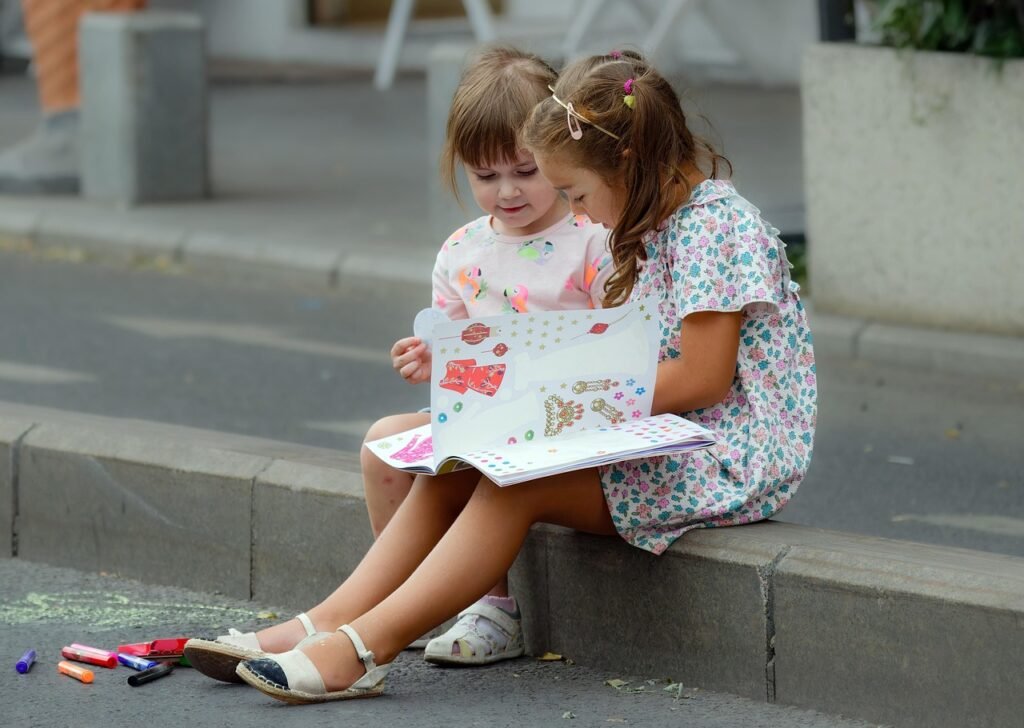
Relay races transform ordinary running into an exciting team challenge that encourages cooperation and friendly competition.
Divide children into teams and establish a starting line and turning point. The first player from each team runs to the marker, returns, and passes a baton or soft object to the next teammate.
Continue until every participant has completed their turn.
You can make the activity more interesting by introducing different challenges, such as walking backward, balancing a beanbag, hopping between markers, or carrying a ball on a spoon.
For mixed-age groups, choose tasks that give everyone a reasonable opportunity to contribute. Rather than focusing entirely on speed, reward teamwork, encouragement, and successful completion.
Relay races are excellent for school sports days, playground activities, and large family gatherings.
6. Parachute Game
A Parachute Game is a colorful cooperative activity that allows many children to participate simultaneously.
Use a large recreational play parachute and ask participants to stand around its edges while holding the handles.
Children can raise the parachute together, lower it slowly, or create gentle waves by moving their arms up and down.
For an additional challenge, place lightweight foam balls on the parachute and encourage everyone to keep them bouncing without falling off.
Another variation involves lifting the parachute high and allowing children to take turns moving underneath while the others hold it securely.
These activities develop rhythm, coordination, and group cooperation. Choose an age-appropriate parachute, supervise closely, and ensure children never wrap the fabric around themselves.
7. Four Square
Four Square is an energetic playground game that challenges hand-eye coordination and quick decision-making.
Draw a large square on a flat surface and divide it into four smaller squares. Assign one player to each section and provide a lightweight rubber playground ball.
The highest-ranked player begins by bouncing the ball into another square. Players must return it into a different square after it bounces once in their own area.
A player moves out of the court if they allow the ball to bounce twice, hit it outside the boundaries, or break an agreed rule.
Waiting participants rotate into the court as positions become available.
Four Square is particularly enjoyable for elementary and middle-school children because rounds are short and everyone gets frequent opportunities to participate.
8. Sticky Popcorn
Sticky Popcorn is a lively movement game that turns children into imaginary pieces of popcorn bouncing around a room.
Choose an open playing area and explain that everyone is a popcorn kernel. When the leader announces that the popcorn is popping, participants begin hopping gently around the space.
When two players meet, they link hands and continue moving together as one popcorn cluster.
As more children join, the connected group becomes larger until everyone forms one giant piece of sticky popcorn.
For safety, children should move slowly once connected and avoid pulling each other's arms. You can also replace hopping with walking for younger players.
This activity encourages cooperation and laughter without requiring winners or losers.
9. The Quiet Olympics
The Quiet Olympics offers a refreshing alternative to noisy party games by challenging children to complete amusing activities as silently as possible.
Create several stations featuring quiet tasks, such as balancing a book, building a small block tower, moving across the room on tiptoe, or holding a funny facial expression.
Children rotate through the stations while attempting to complete each challenge without speaking or making unnecessary noise.
Award points for concentration, careful movement, and creativity rather than athletic performance.
A silent statue contest or slow-motion walking race can make the activity especially entertaining.
The Quiet Olympics works well indoors, particularly when children need a calmer activity between energetic games.
10. Feather Blow
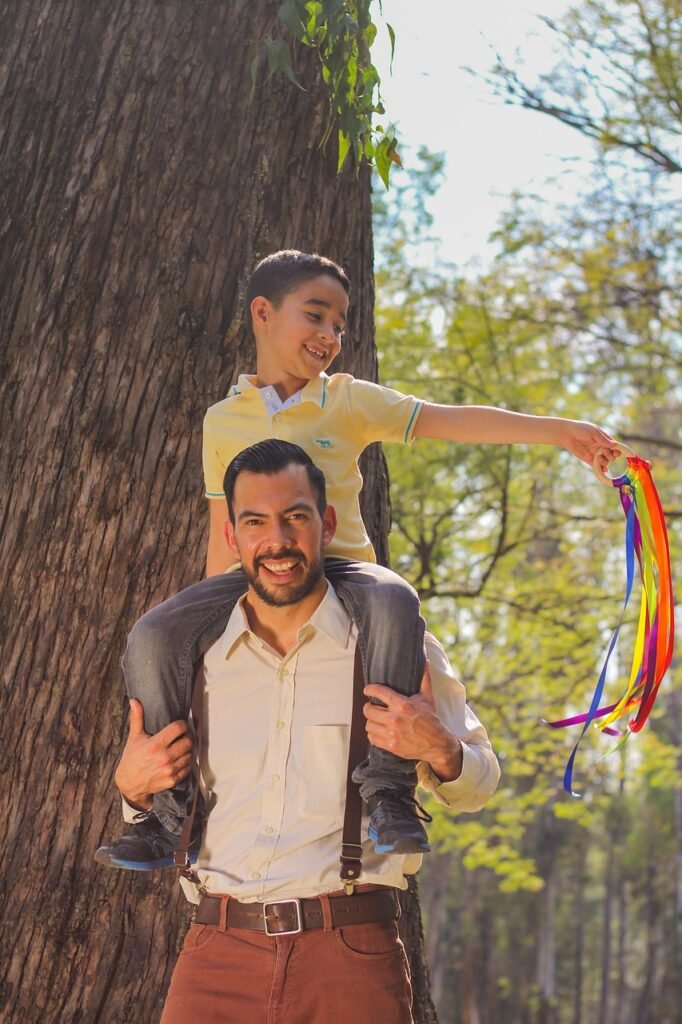
Feather Blow is a lightweight racing activity that turns controlled breathing into a playful competition.
Give each child a clean, lightweight craft feather and mark a starting line and finish line on a smooth table or floor.
Players attempt to move their feathers across the course using only their breath. Touching or pushing the feather with their hands is not allowed.
For team play, arrange participants in rows and have each child blow the feather toward the next teammate.
You can introduce obstacles using paper cups or create winding pathways with masking tape.
Use large, clean feathers or lightweight paper shapes, supervise younger children, and avoid shared mouthpieces. The game is best played away from fans and strong air currents.
11. Hula-Hoop Pass
Hula-Hoop Pass is a cooperative challenge that encourages children to communicate and work together.
Ask participants to stand in a circle and hold hands. Place a hula hoop over the joined arms of two neighboring players before the circle is fully connected.
The objective is to move the hoop around the entire circle without releasing anyone's hands.
Children must step through, duck under, and carefully maneuver their bodies to pass the hoop along.
Time each attempt and encourage the group to improve its performance through better communication rather than rushing.
For an extra challenge, introduce a second hoop traveling in the opposite direction.
This game is especially useful for team-building sessions, school activities, and children's parties.
12. Obstacle Course
An Obstacle Course transforms an ordinary play area into an exciting adventure filled with movement challenges.
Arrange safe obstacles using cones, cushions, tunnels, hoops, and floor markers. Children might crawl beneath a low arch, zigzag between cones, step across designated spots, and toss a beanbag into a basket.
Explain the course before beginning and demonstrate how to complete each section.
Participants can take turns individually or compete in small relay teams.
Create different difficulty levels so younger children and those with varying physical abilities can participate comfortably.
Avoid unstable furniture, hard landing surfaces, and activities involving dangerous heights. A well-designed obstacle course builds coordination, confidence, and problem-solving skills.
13. Treasure Hunt
A Treasure Hunt adds mystery and exploration to almost any children's gathering.
Hide a collection of small objects or clues around a designated indoor or outdoor area. Provide participants with a starting clue that leads them toward the next location.
Depending on their ages, children can solve picture clues, simple riddles, or short puzzles to progress through the hunt.
For younger groups, use colorful drawings and obvious hiding spots. Older children may enjoy coded messages, map reading, or challenges requiring teamwork.
Divide participants into small teams and encourage them to share discoveries.
The final treasure could be a box containing stickers, small toys, certificates, or another group reward.
Treasure hunts are especially effective for birthday parties, classroom celebrations, and themed events.
14. Tug-of-War
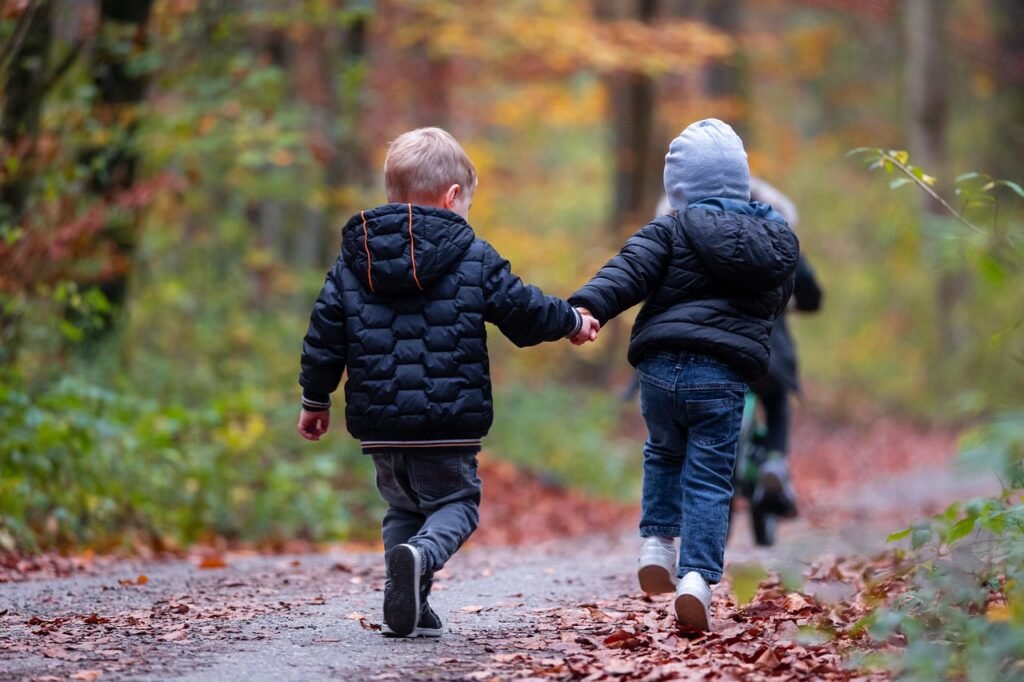
Tug-of-War is a traditional team challenge that tests coordination, balance, and collective effort.
Divide children into two evenly matched groups and provide a sturdy rope suitable for supervised recreational play.
Mark a center line on the ground and attach a visible marker to the middle of the rope. Each team stands on opposite sides and grips the rope.
When the leader gives the signal, both teams pull steadily, attempting to move the center marker across their designated winning line.
Use a soft, level surface, match teams by approximate size and strength, and prohibit sudden jerking, rope wrapping, and falling backward intentionally.
For younger children, a gentler alternative is a cooperative pulling challenge using a lightweight object rather than opposing teams.
15. Bob the Weasel
Bob the Weasel is an entertaining circle game built around observation, guessing, and clever distractions.
Have children sit or stand in a circle with one participant positioned in the center.
Give the surrounding players a small, soft object representing the weasel. While the center player closes their eyes, the group begins passing the object discreetly behind their backs.
The player in the middle opens their eyes and attempts to identify who currently holds the weasel.
Children can use natural movements and playful expressions to make the guessing more challenging, but they must keep the object moving safely.
Once the correct person is identified, that child becomes the next guesser.
This activity encourages concentration, social interaction, and attention to subtle movements.
16. Three Things Theater
Three Things Theater is an imaginative drama game that challenges children to invent short performances using unexpected ideas.
Divide participants into small groups and provide each team with three random elements, such as an astronaut, a bicycle, and a birthday cake.
Teams have a few minutes to create a short scene incorporating all three elements into a story.
Encourage children to assign roles, develop dialogue, and think creatively about how the objects or characters connect.
Each team then performs its scene for the rest of the group.
For younger children, offer simple prompts and allow them to act without memorizing lines.
Three Things Theater is excellent for developing storytelling, confidence, collaboration, and public-speaking skills.
17. Hot and Cold
Hot and Cold is a straightforward guessing game that keeps children engaged through verbal clues and careful searching.
Choose one participant to leave the room or close their eyes while another player hides a small object in a safe, accessible location.
When the seeker returns, the group provides temperature-related hints based on their distance from the hidden item.
Say "cold" when the seeker moves farther away, "warm" when they approach, and "hot" when they are very close.
The seeker continues exploring until they locate the object.
For an added challenge, use only a limited number of clues or establish a short time limit.
This game requires minimal equipment and works particularly well for small indoor groups.
18. Get to Know You Balloons
Get to Know You Balloons is a friendly icebreaker that helps children discover shared interests and become comfortable with new classmates or teammates.
Before the activity, write simple conversation questions on slips of paper and place one inside each balloon before inflating it.
Questions might include favorite animals, dream vacations, preferred games, or something new the child would like to learn.
Each participant selects a balloon, and an adult opens it to reveal the question. The child answers and may invite others to share their responses.
For children who dislike loud popping noises, place the questions in envelopes or paper bags instead.
Keep balloon pieces away from young children, and use a balloon-free alternative for groups with latex allergies.
This activity is ideal for the first day of school, camps, and children's social gatherings.
19. Flower Finding
Flower Finding encourages children to explore nature while practicing observation and identification.
Take the group into a garden, park, or another supervised outdoor area where different flowers grow.
Give participants a picture checklist showing flowers or colors they should look for.
Children work individually or in teams to locate matching plants without picking or damaging them.
You can award points for spotting flowers with different petal shapes, colors, or sizes.
Encourage participants to describe what they notice and discuss the role flowers play in supporting insects and other wildlife.
Establish boundaries, avoid unknown plants, and remind children not to touch or taste anything without adult approval.
This activity combines outdoor exploration with a gentle introduction to environmental awareness.
20. Wheelbarrow Race
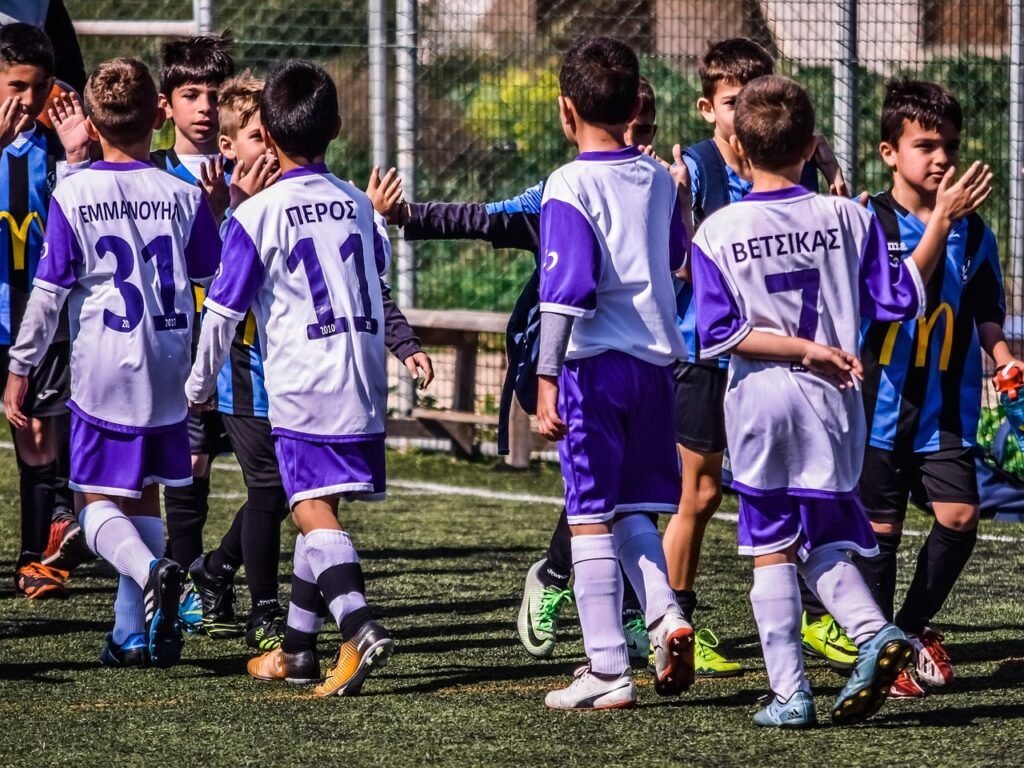
Wheelbarrow Race is a partner challenge that requires coordination, communication, and upper-body strength.
Pair children according to similar size and ability. One participant places their hands on the ground while their partner supports their legs, creating the appearance of a wheelbarrow.
At the starting signal, pairs move toward a nearby finish line while maintaining a steady pace.
Keep the distance short and use a soft, even surface to reduce the risk of falls.
Partners can switch positions for a second round, provided both are comfortable and physically able to perform the movement.
For a more accessible variation, replace the wheelbarrow position with a partner crawl or synchronized walking race.
The goal should be controlled teamwork rather than maximum speed.
21. Cartwheel Race
Cartwheel Race introduces a gymnastics-inspired challenge for children who already know how to perform cartwheels safely.
Set up separate lanes on a suitable gymnastics mat or level, cushioned surface. Participants complete a predetermined number of controlled cartwheels while progressing toward a marked endpoint.
Rather than encouraging children to move as quickly as possible, focus on proper technique, spacing, and safe landings.
A qualified adult should supervise, and children should warm up before participating.
Those who cannot perform cartwheels can complete an alternative movement, such as a side-step sequence or balance challenge.
This game is best suited to gymnastics classes, sports programs, or groups with relevant movement experience.
22. No Hands Get Up
No Hands Get Up is a balance and teamwork challenge that encourages children to experiment with different ways of moving.
Ask participants to sit on a mat or soft floor with their legs comfortably positioned in front of them.
The challenge is to stand up without placing their hands on the ground.
Children can try different approaches, such as shifting their weight forward, crossing their legs, or adjusting their feet for stability.
For a partner version, two children sit back-to-back and attempt to rise together using coordinated movements, without pulling forcefully on each other.
Allow participants to use their hands or another form of support when needed.
This game encourages persistence, body awareness, and creative problem-solving.
23. Cotton Ball Race
Cotton Ball Race is an amusing tabletop game that turns ordinary craft supplies into a friendly competition.
Place several cotton balls at one end of a table and provide each player with a spoon.
The objective is to transfer the cotton balls into a container at the opposite end without touching them directly with the hands.
To make the challenge more interesting, blindfolded participants may attempt the activity while a teammate gives verbal directions, provided everyone remains seated and the tabletop is clear.
Another variation involves transferring cotton balls between bowls within a time limit.
This game is easy to prepare, inexpensive, and suitable for indoor parties. Supervise small materials around younger children.
24. Snakes
Snakes is a playful movement game that challenges children to travel together while maintaining a connected line.
Divide participants into small teams and ask each group to form a snake by standing one behind another, with hands gently resting on the shoulders of the person ahead.
The leader guides the snake through a marked pathway containing cones or other safe obstacles.
Team members must communicate and follow the same route without breaking the line.
For additional fun, call out different movement instructions, such as moving slowly, taking tiny steps, or changing direction.
Rotate leaders so every child has an opportunity to guide the group.
Keep the pace at a walk and avoid tight turns or pulling. This activity supports coordination, leadership, and cooperation.
25. Pop a Bag Race
Pop a Bag Race adds a silly surprise to a traditional relay activity.
Prepare several small paper bags with a little air inside and fold their openings to trap it.
Divide children into teams and place the bags at a designated station a short distance from the starting line.
One player from each team travels to the station, pops a paper bag using their hands, and returns to tag the next teammate.
The first team to complete all its turns wins.
Use lightweight paper bags, avoid plastic bags, and keep the activity away from children's faces. Offer a quieter alternative, such as crushing an empty paper cup, for participants who are sensitive to sudden noises.
This game is a lively choice for outdoor parties and school celebrations.
26. Consecutive Jumps
Consecutive Jumps is a movement challenge that tests rhythm, stamina, and concentration.
Mark a safe jumping area and ask children to perform repeated jumps while maintaining balance and control.
Participants might jump over a low floor marker, hop between colored spots, or complete a series of two-footed jumps.
Count how many successful jumps each child completes before stopping or losing the rhythm.
For team play, combine each participant's completed jumps to create a group score.
You can also introduce simple patterns, such as two forward jumps followed by one sideways jump.
Keep the movements age-appropriate and provide rest breaks. Avoid hard surfaces or excessively high obstacles.
This activity encourages coordination and personal improvement without requiring complicated equipment.
27. The 100 Inch Dash
The 100 Inch Dash is a humorous miniature race that proves a competition doesn't need a long track to be exciting.
Measure a course exactly 100 inches long, equivalent to 8 feet 4 inches, and mark the starting and finishing lines with tape or cones.
Instead of sprinting normally, challenge children to complete the short distance using unusual movement styles.
They might take tiny steps, walk in slow motion, move sideways, or balance a beanbag while crossing the finish line.
Organize several rounds featuring different challenges and award points for creativity, control, and participation.
Because the distance is short, the game fits into many indoor spaces and small outdoor areas.
The 100 Inch Dash is particularly enjoyable for birthday parties, classroom activity breaks, and family game days.
Related Ideas You Might Love
Group games offer much more than simple entertainment. They give children opportunities to make friends, practice communication, explore their creativity, and enjoy being active together. By choosing activities that suit the group's ages, interests, and abilities, you can create an environment where everyone feels included.
Whether you choose an energetic relay race, a cooperative parachute challenge, or a creative theater activity, these 27 group games for kids in 2026 can help turn ordinary gatherings into fun, meaningful experiences that children will remember long after the games are over.

4 Comments