
21 Water Games for Kids in 2026
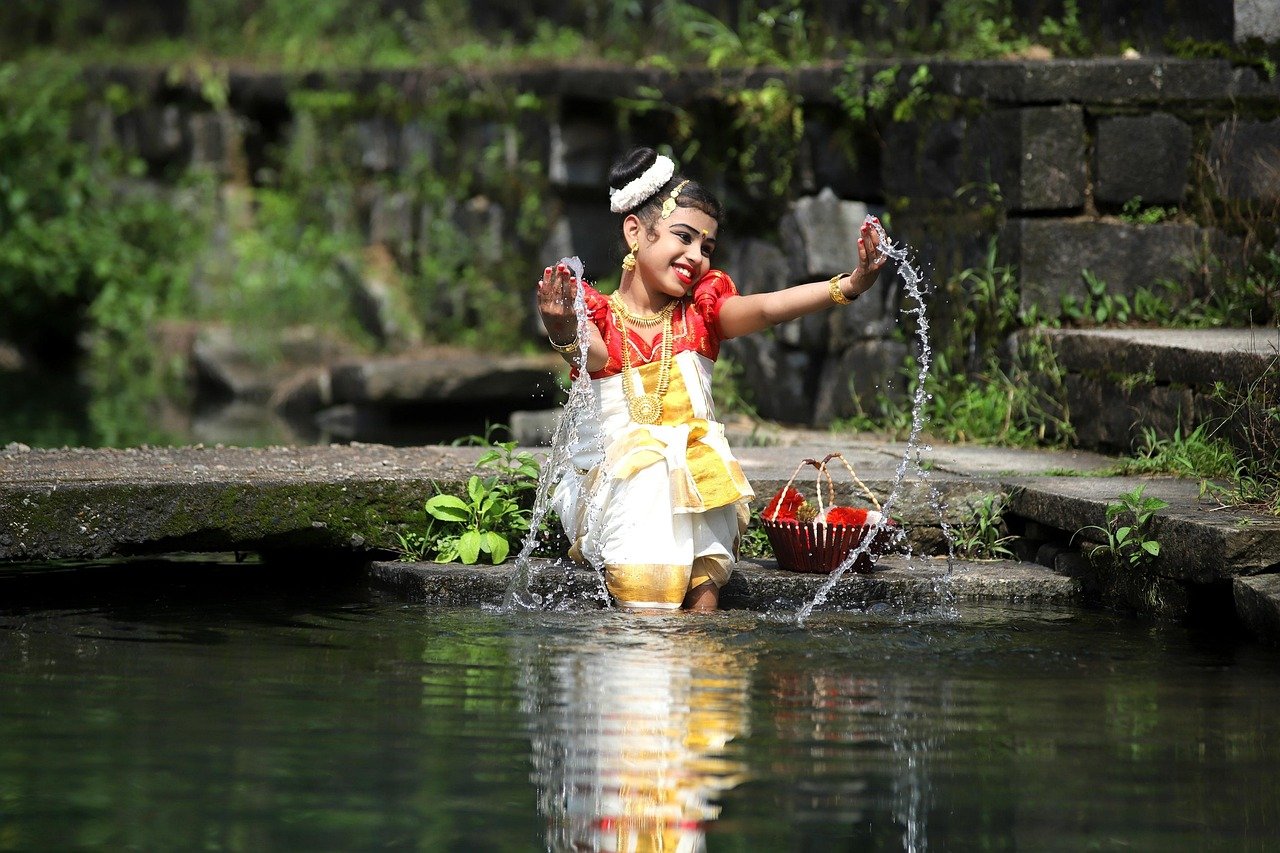
Water games are one of the easiest ways to turn an ordinary summer afternoon into an exciting outdoor adventure. Whether you're organizing a birthday party, planning a family gathering, or simply looking for ways to keep children entertained, water activities offer plenty of opportunities for laughter, movement, and creative play.
The best water games for kids don't require an expensive swimming pool or complicated equipment. With a few buckets, sponges, sprinklers, and colorful toys, you can create memorable activities right in your backyard. These 21 water games for 2026 include energetic team challenges, imaginative adventures, and gentle activities for younger children.
How Do I Keep Kids Engaged When They’re Waiting for Their Turn in a Water Activity?
Keeping children entertained between turns is just as important as planning the water games themselves. Long waiting periods can lead to boredom, frustration, and disagreements, especially when everyone is excited to participate.
One effective approach is to organize several activity stations so children can move between different challenges. While one group enjoys a relay race, another can experiment with water pouring, play with floating toys, or complete a simple splash challenge.
You can also give waiting children small responsibilities, such as counting points, cheering for teammates, or preparing equipment for the next round. Keep turns short, explain the rules clearly, and choose activities that encourage cooperation rather than focusing entirely on winning.
For safety, ensure that an attentive adult supervises every water activity. Empty containers after play, use slip-resistant surfaces, and provide regular breaks for drinking water and resting in the shade.
Kiddie Pool Challenge
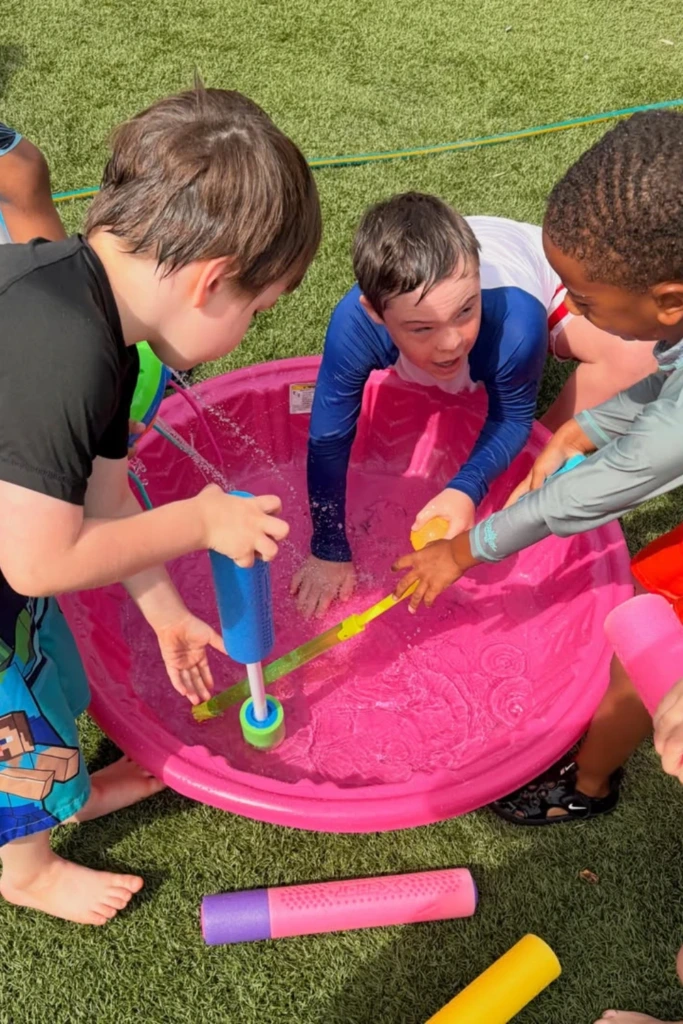
A kiddie pool can become an exciting activity center with a few floating toys and imaginative challenges. Instead of using it only for splashing, turn the pool into a playful collection game.
Place several brightly colored floating objects in the water and ask children to collect specific colors or shapes. For example, one round might involve finding three yellow toys, while another challenges players to gather objects in a particular order.
Older children can use small nets to retrieve floating items, adding an extra coordination challenge. Younger participants can simply enjoy reaching for toys and exploring how objects move across the water.
Keep the water shallow, use age-appropriate toys, and maintain constant adult supervision. Small inflatable pools still present drowning hazards, particularly for toddlers.
Water Battle Arena
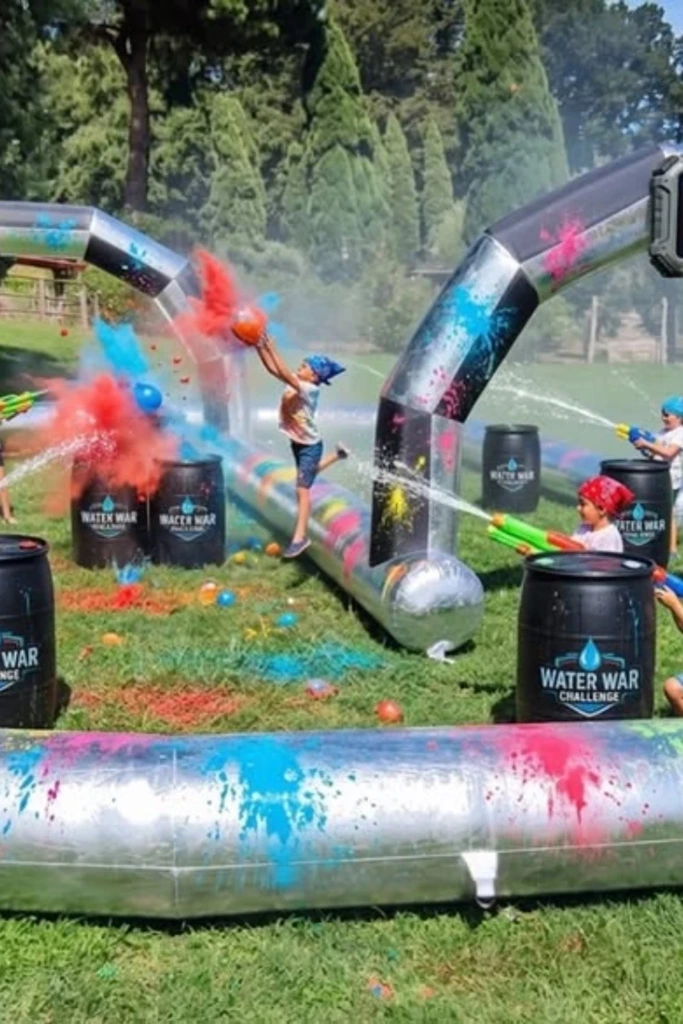
Transform an open backyard into a friendly water battle arena using water squirters, plastic barriers, and designated team zones.
Arrange lightweight obstacles around the playing area, allowing children to move between hiding spots while attempting to spray targets or opponents. Instead of encouraging direct hits, consider placing colorful targets throughout the arena for players to aim at.
Divide participants into small teams and establish clear boundaries before starting. Each round can last a few minutes, giving everyone opportunities to switch positions and try different strategies.
Use low-pressure water toys, prohibit spraying faces, and remind children not to run on slippery surfaces. This activity works particularly well for school-age children who enjoy teamwork and active outdoor games.
Balloon Splash Run
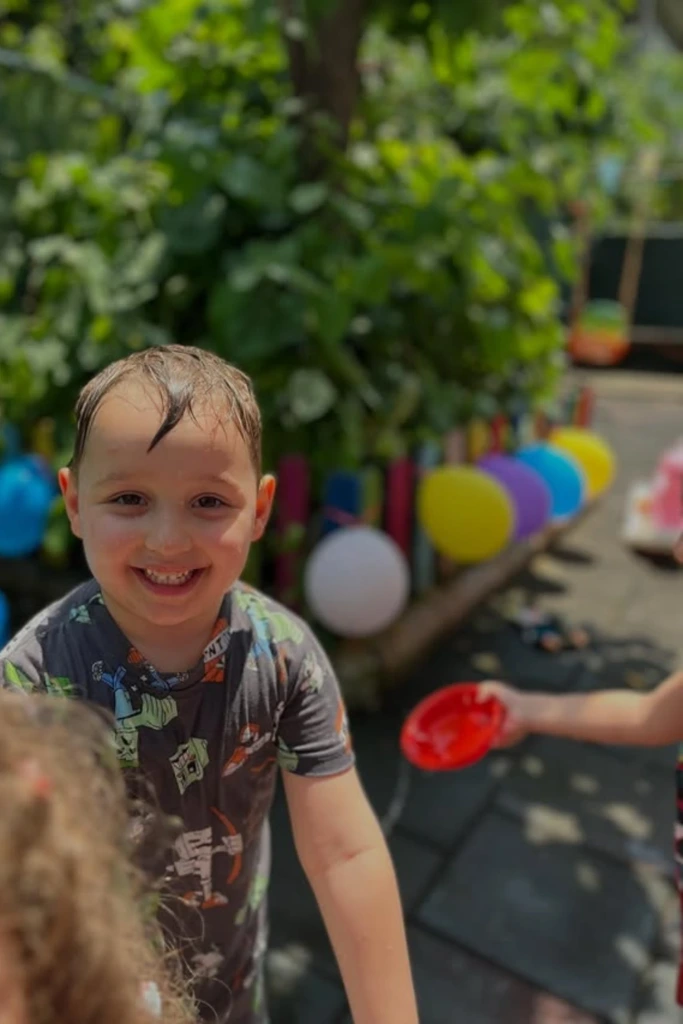
Balloon Splash Run combines speed, coordination, and a little suspense into an entertaining backyard challenge.
Set up a starting point and a finish line several feet apart. Give each player a small water balloon and challenge them to carry it across the course without dropping or bursting it.
For an additional twist, participants can balance their balloon on a plastic plate or carry it using both hands while navigating simple obstacles.
Players who successfully reach the finish line can gently place their balloons into a collection bucket. The objective is careful movement rather than throwing balloons at other participants.
Because broken balloon pieces are choking hazards, this game is best reserved for older children with close supervision. Collect fragments immediately, or use reusable water balls as a safer alternative.
Pirate Balance Walk
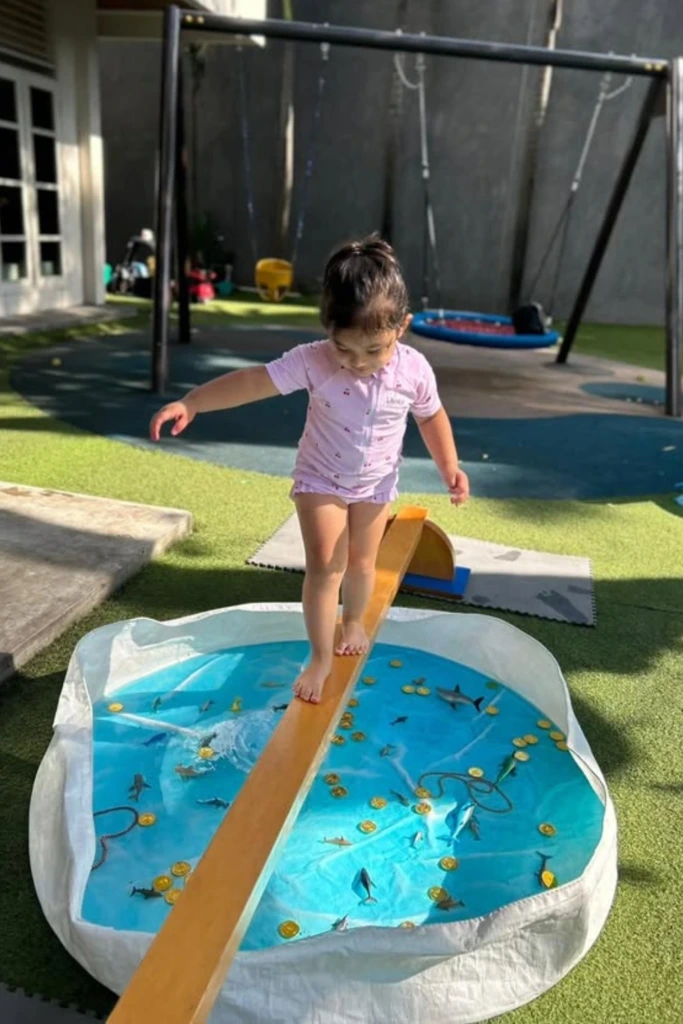
Create a pirate-themed water adventure that encourages children to practice balance while pretending to cross the deck of a ship.
Place a wide, low balance path on level grass using flat stepping mats or a line marked on the ground. Position shallow containers of water beside the route to represent the imaginary ocean.
Children can carry a small plastic treasure cup while following the path. The goal is to reach the treasure station without spilling too much water.
Add pirate flags, toy treasure, and playful storytelling to make the activity more immersive. Younger children can follow a straight path, while older players can try gentle turns or designated stopping points.
Avoid elevated or narrow boards, especially near water, and keep the walking surface stable and slip-resistant.
Sponge Bucket Relay
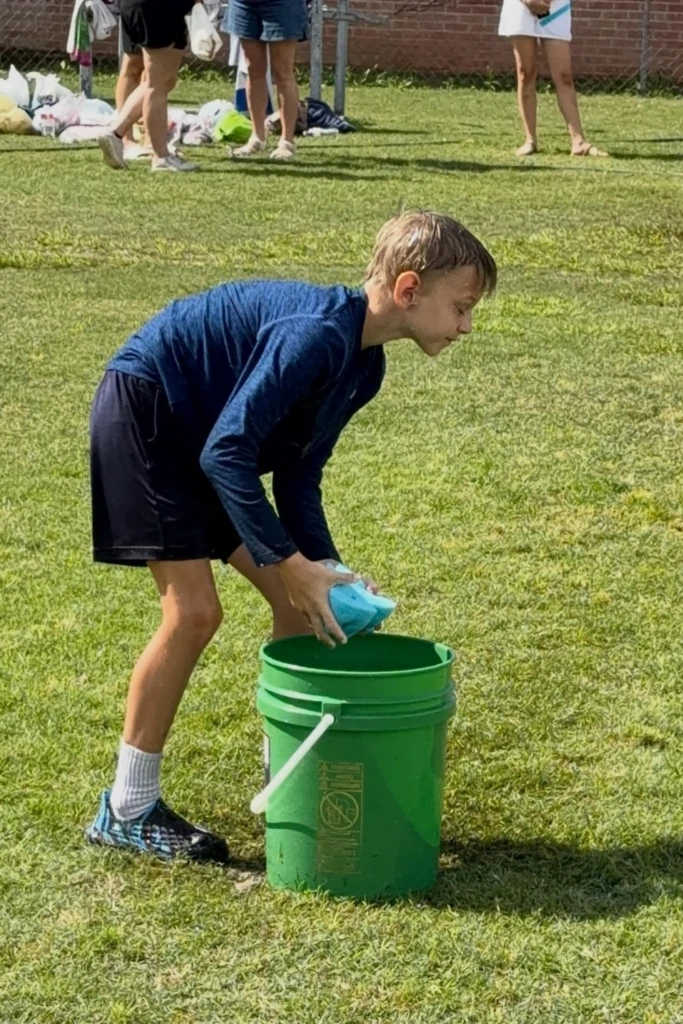
A sponge bucket relay is a simple team game that requires very little preparation while encouraging cooperation and coordination.
Place a bucket filled with water at one end of the yard and an empty bucket several feet away. Divide children into teams and provide each team with a large sponge.
Players soak their sponge, carry it to the empty bucket, squeeze out the water, and return to pass the sponge to the next teammate.
After several rounds, compare the amount of water collected by each team. You can also make the game cooperative by challenging everyone to fill a shared container before a timer finishes.
Choose large, soft sponges and arrange the stations on grass to reduce slipping.
Giant Slide Splash
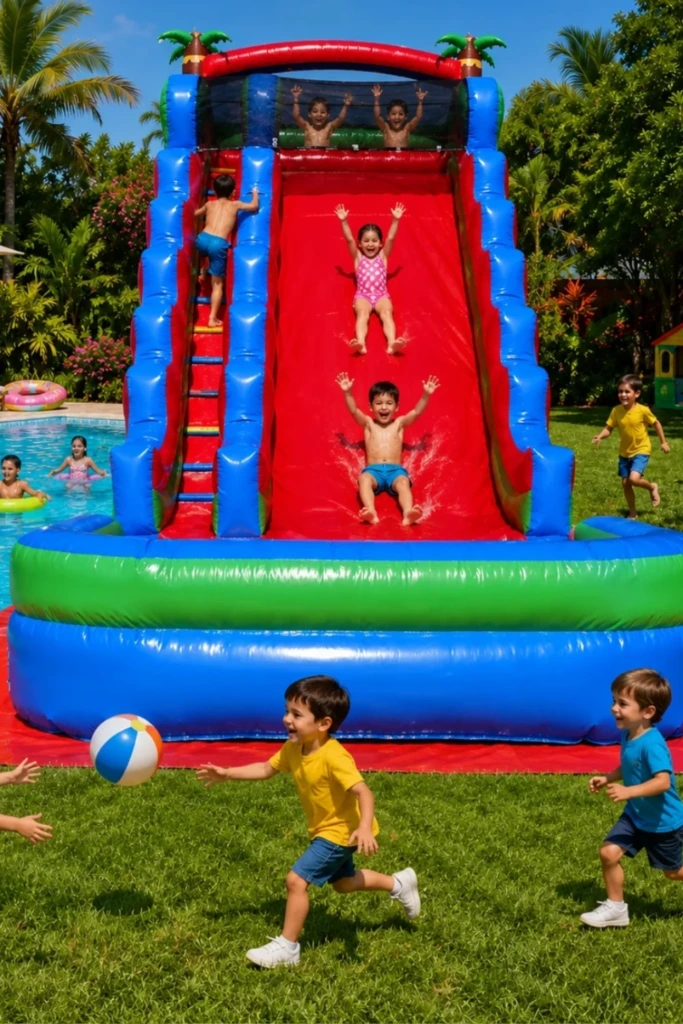
A giant inflatable water slide can become the main attraction at a summer party, particularly for children who enjoy adventurous outdoor activities.
Choose a water slide designed for the participants' ages and sizes, and install it according to the manufacturer's instructions. Ensure the surrounding area is level, free from sharp objects, and large enough for safe entry and exit.
Organize children into small groups and establish a clear waiting line. Only allow the number of users specified by the equipment manufacturer, and keep the landing area clear before the next child slides.
You can make the experience more playful by giving each round a fun theme, such as a jungle expedition or ocean adventure.
An adult should supervise continuously, and children should always slide in the approved position rather than attempting tricks or headfirst dives.
Water Pour Challenge
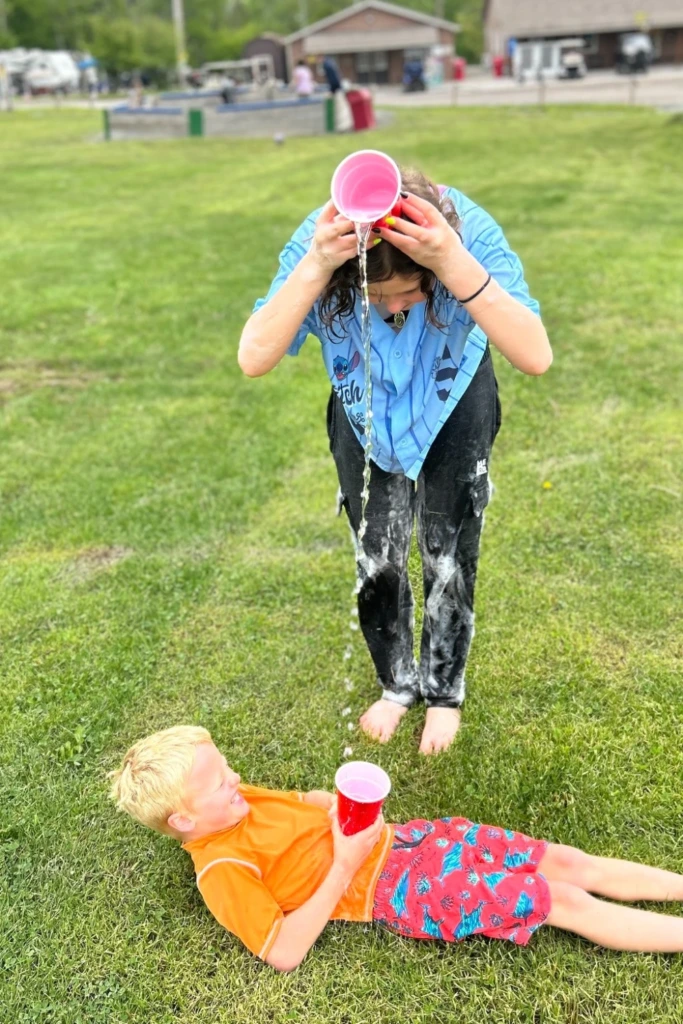
The Water Pour Challenge introduces children to a fun activity that combines concentration, hand coordination, and basic problem-solving.
Arrange several containers of different sizes on an outdoor table. Provide plastic cups, small pitchers, and funnels, then challenge children to transfer water from one container to another.
For younger participants, the objective can be as simple as filling a marked container. Older children can experiment with transferring a specific amount of water using only a small cup.
You can introduce colorful measuring lines or ask children to predict which container will fill first.
This activity is especially useful when children need a calmer break from running games. It also encourages curiosity about volume, measurement, and water movement.
Beach Ball Splash
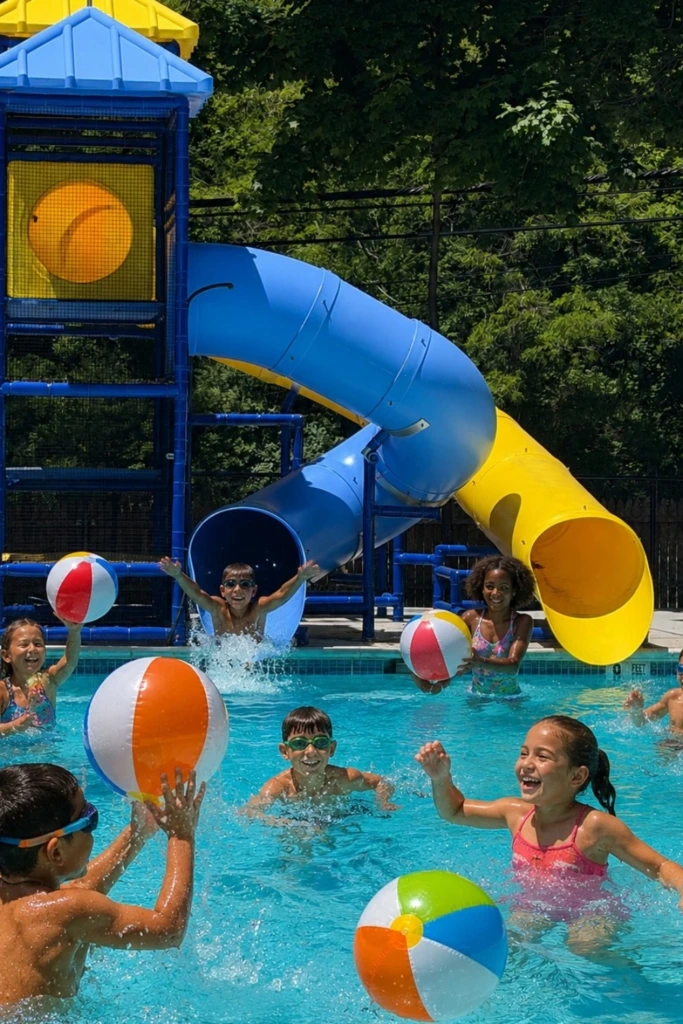
Beach Ball Splash turns an ordinary inflatable ball into the centerpiece of a lively group activity.
Set up a designated play area on the lawn or in a shallow supervised splash space. Ask children to keep a lightweight beach ball moving by gently tapping it toward teammates.
For a cooperative version, challenge the group to complete ten passes without letting the ball touch the ground.
You can also establish two goal zones and let teams guide the ball across the playing area using gentle hand taps.
Choose a soft, appropriately sized ball and avoid overly competitive contact. The game works best when everyone has enough room to move comfortably.
Water Balloon Toss
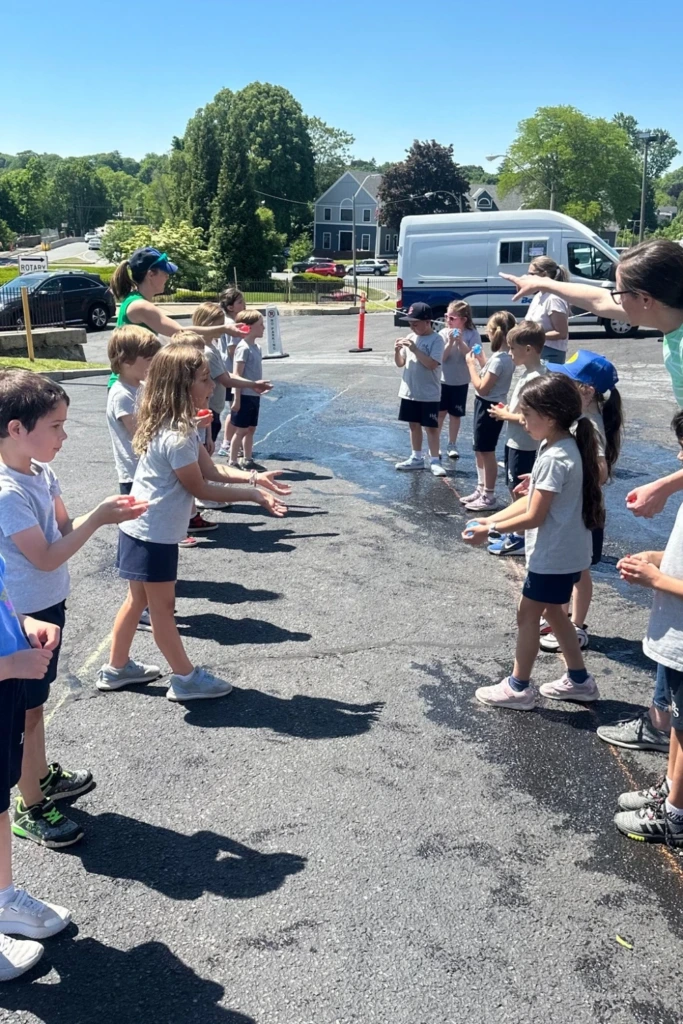
Water Balloon Toss is a classic summer party activity that tests teamwork and careful hand movements.
Pair children together and position partners a short distance apart. Give each pair a filled water balloon and ask them to toss it gently back and forth.
After each successful catch, partners can move slightly farther apart. The challenge is to keep the balloon intact for as many passes as possible.
For younger children, reusable water-filled splash balls provide a practical alternative and eliminate broken balloon fragments.
Keep the game away from hard surfaces, discourage forceful throwing, and supervise the cleanup carefully. Players should never aim water balloons at faces.
Partner Splash Pass
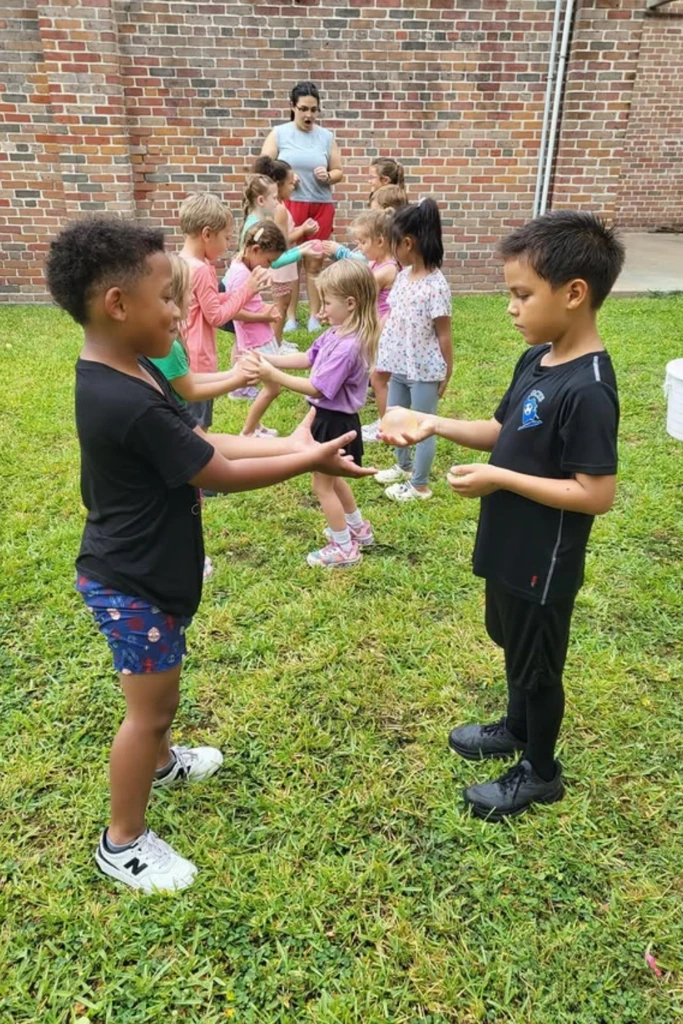
Partner Splash Pass is a cooperative activity that helps children develop timing and communication while enjoying a refreshing summer game.
Divide players into pairs and provide each pair with two lightweight plastic cups. One partner fills a cup with water and carefully pours it into the other partner's cup.
After each successful transfer, the pair takes a small step farther apart, increasing the challenge without requiring anyone to throw water.
Another variation involves passing a damp sponge between partners and squeezing it into a shared collection container.
The goal is to transfer as much water as possible while minimizing spills. This makes the activity suitable for mixed-age groups because the difficulty can be adjusted easily.
Sponge Squeeze Race
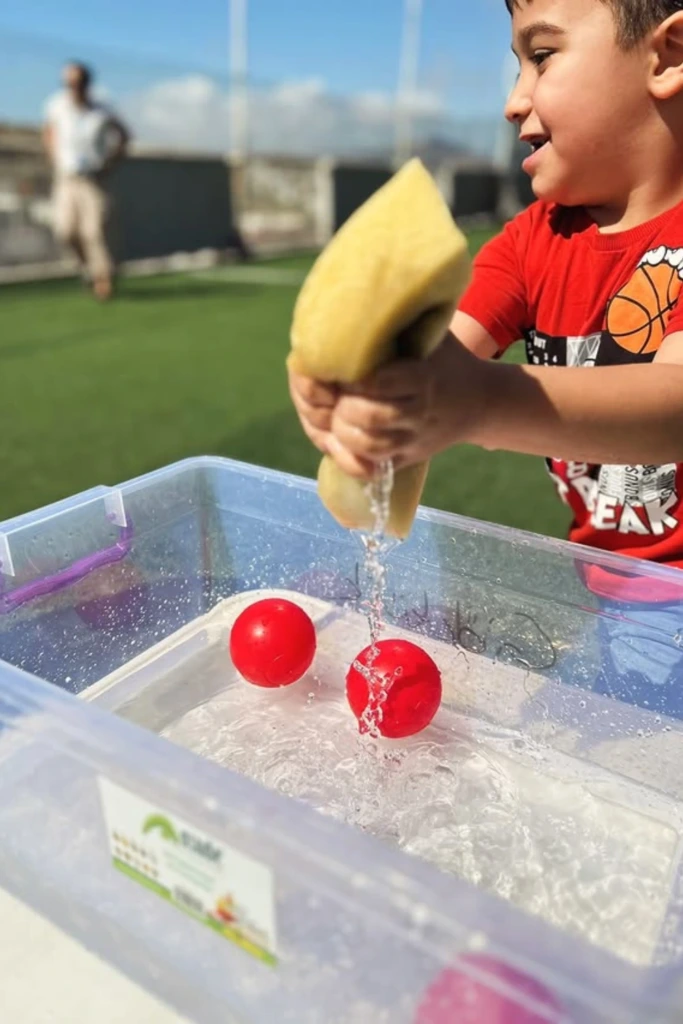
The Sponge Squeeze Race offers a fun way to develop hand strength and coordination through a simple water-transfer challenge.
Give each participant a large sponge and place a water-filled container beside an empty measuring bucket.
When the round begins, children soak their sponges and squeeze the water into their collection buckets. They continue until the timer ends or the bucket reaches a marked line.
To make the activity more educational, ask children to estimate how many sponge squeezes are needed to fill a particular container.
Use soft sponges that are easy for small hands to grip. Avoid making the race too fast, since the activity is more enjoyable when children can concentrate on their technique.
Bucket Splash Drop
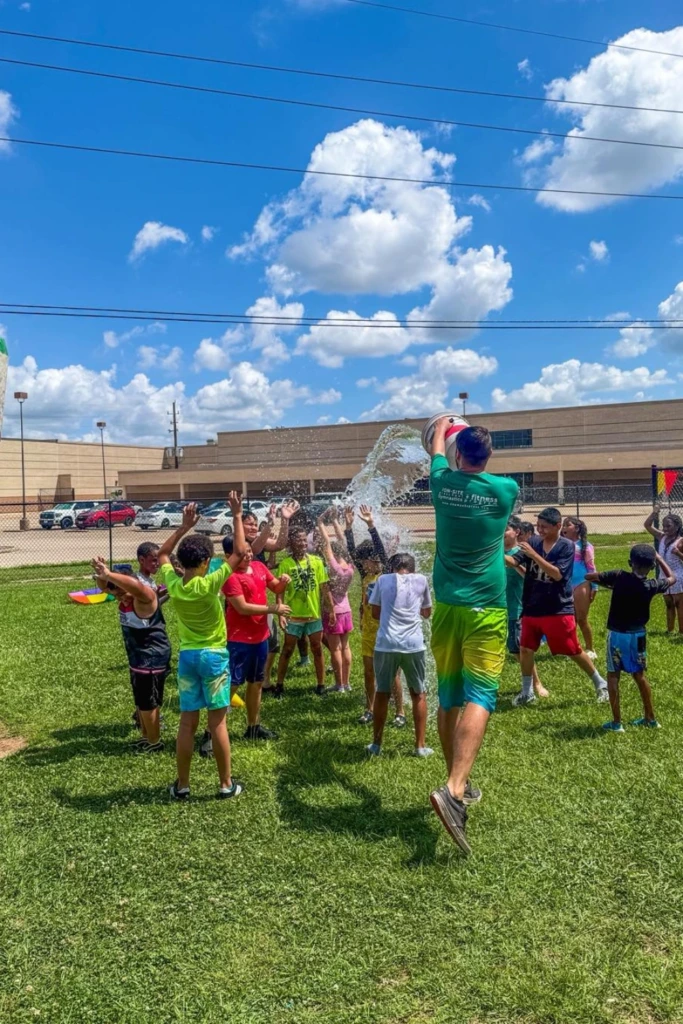
Bucket Splash Drop introduces an element of surprise to outdoor play without requiring complicated equipment.
Set up a splash zone on grass and provide a small, lightweight bucket filled with a modest amount of water. One participant stands inside the designated area while another carefully pours the water from a low height onto the grass nearby.
Alternatively, children can aim the water at a large ground target and try to land their splash inside a marked circle.
You can create several targets with different sizes and award points for accuracy.
Use small containers that children can handle comfortably, and avoid pouring water over anyone's head or face. Keep the activity gentle and ensure that everyone agrees before participating.
Toddler Water Scoop
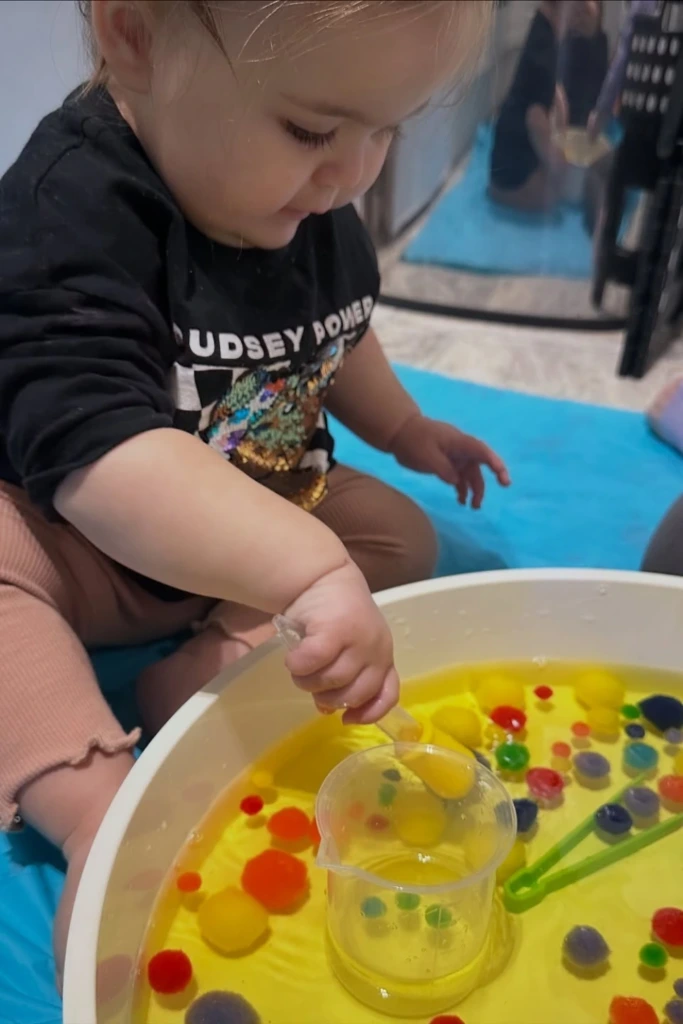
Toddler Water Scoop is a gentle sensory activity designed for young children who are beginning to explore pouring, scooping, and transferring objects.
Fill a stable, shallow tray with a small amount of water and provide large plastic scoops, cups, and floating toys.
Encourage toddlers to move water between containers, collect floating objects, or experiment with filling and emptying different cups.
There is no need to introduce competition or strict rules. The activity is most valuable when children can explore at their own pace.
Place the tray at a comfortable height, avoid small detachable objects, and stay within arm's reach throughout the activity. Empty the tray immediately after play.
Seated Cup Relay
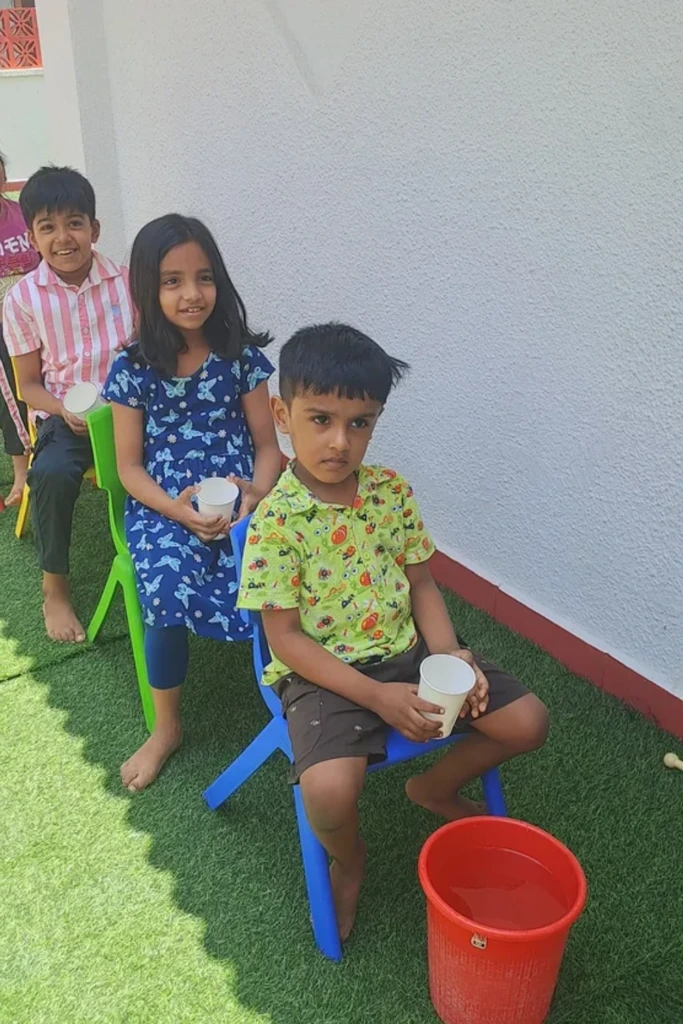
Seated Cup Relay offers an inclusive water game for children who prefer less physically demanding activities or need a break from energetic play.
Arrange participants in a row of sturdy chairs and provide each child with a lightweight plastic cup. Place a container of water at the beginning of the line and an empty collection bucket at the end.
The first player fills a cup with a small amount of water and carefully transfers it to the next participant's cup. Players continue passing the water along the line until it reaches the final bucket.
The challenge is to preserve as much water as possible during each transfer.
For added variety, reverse the direction or rearrange the seating order between rounds. This activity emphasizes teamwork, patience, and communication rather than physical speed.
Water Blaster Course
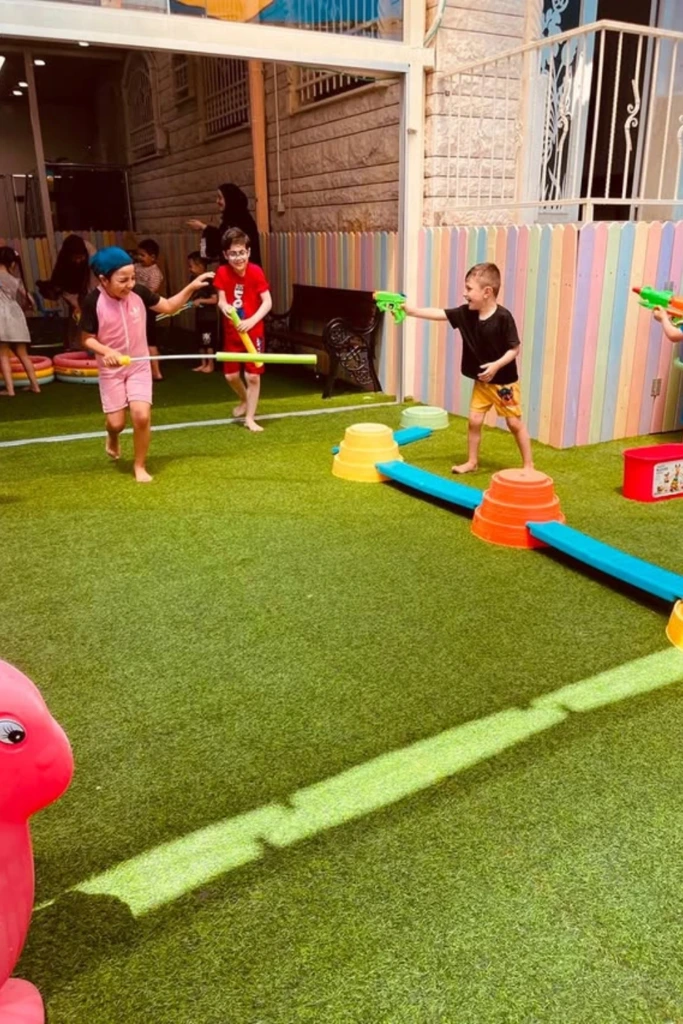
A Water Blaster Course combines target practice with a creative outdoor obstacle layout.
Arrange plastic cups, lightweight targets, and waterproof markers around the yard. Give children low-pressure water blasters and challenge them to hit specific targets in sequence.
You can create different difficulty levels by placing larger targets closer to the starting point and smaller targets farther away.
For a cooperative version, ask the group to knock down all the targets together before a timer expires.
Establish a fixed shooting direction and keep spectators behind the players. Water blasters should never be aimed at faces, animals, or anyone who does not want to participate.
Rainbow Spray Run
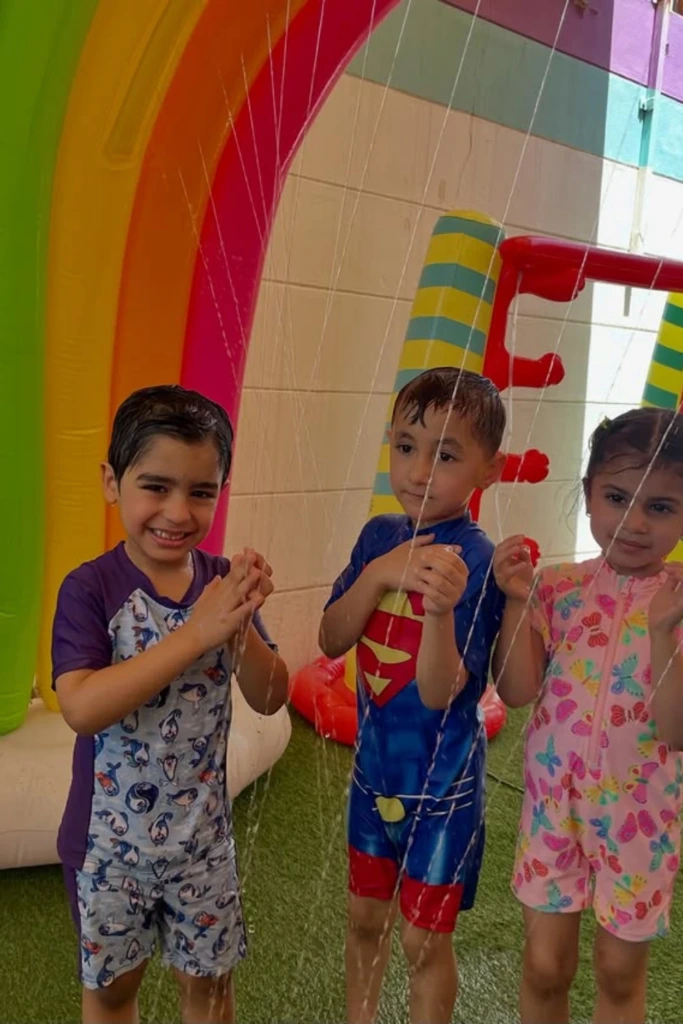
Rainbow Spray Run transforms an ordinary backyard sprinkler into a refreshing outdoor play experience.
Position a gentle sprinkler on level grass and create a simple route that passes through the spray. Children can walk, skip, or move through the water while following playful instructions.
For example, one round might involve pretending to move like butterflies, while another encourages participants to tiptoe through the mist.
On a sunny day, the water droplets may produce a visible rainbow when the light hits them at the right angle.
Use a gentle spray setting, avoid high-pressure jets, and keep the ground free of obstacles. Encourage walking or controlled movement if the grass becomes slippery.
Foot Balance Splash
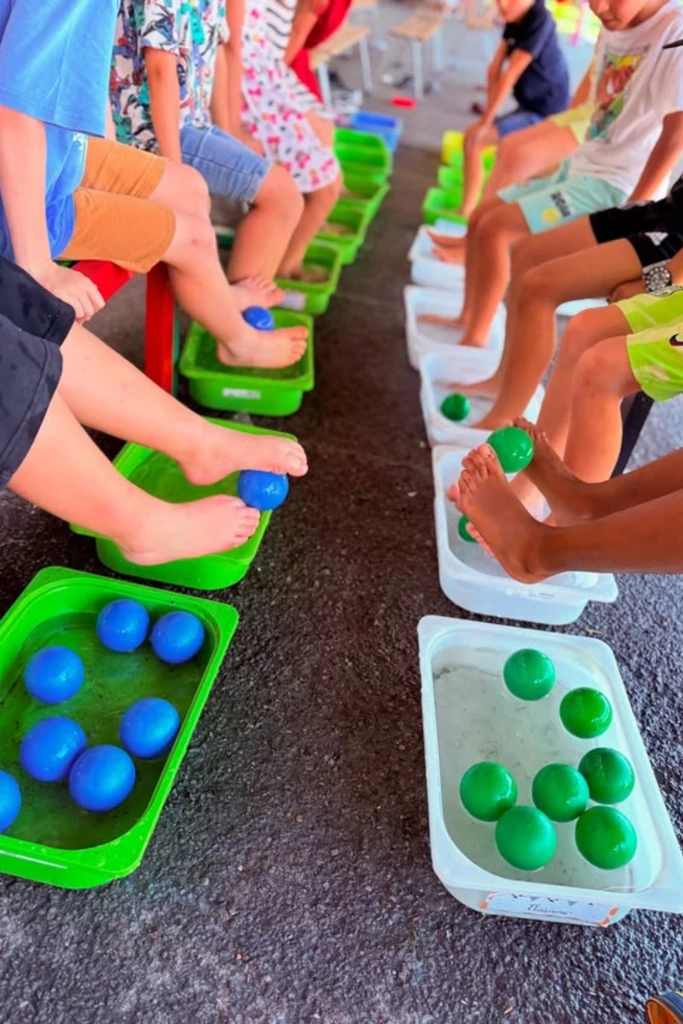
Foot Balance Splash is a creative coordination game that challenges children to control their movements while interacting with water.
Place several shallow, stable trays on level ground and position floating toys inside them. Children stand beside the trays and use their feet to gently move a lightweight floating object toward a marked area.
Another version involves standing on one foot for a few seconds while holding a small cup of water, then switching feet.
Adjust the activity according to each child's balance and comfort level. Participants who find standing challenges difficult can complete the game while seated.
Avoid slippery containers and never require children to balance on raised objects or unstable surfaces.
Mini Water Slide
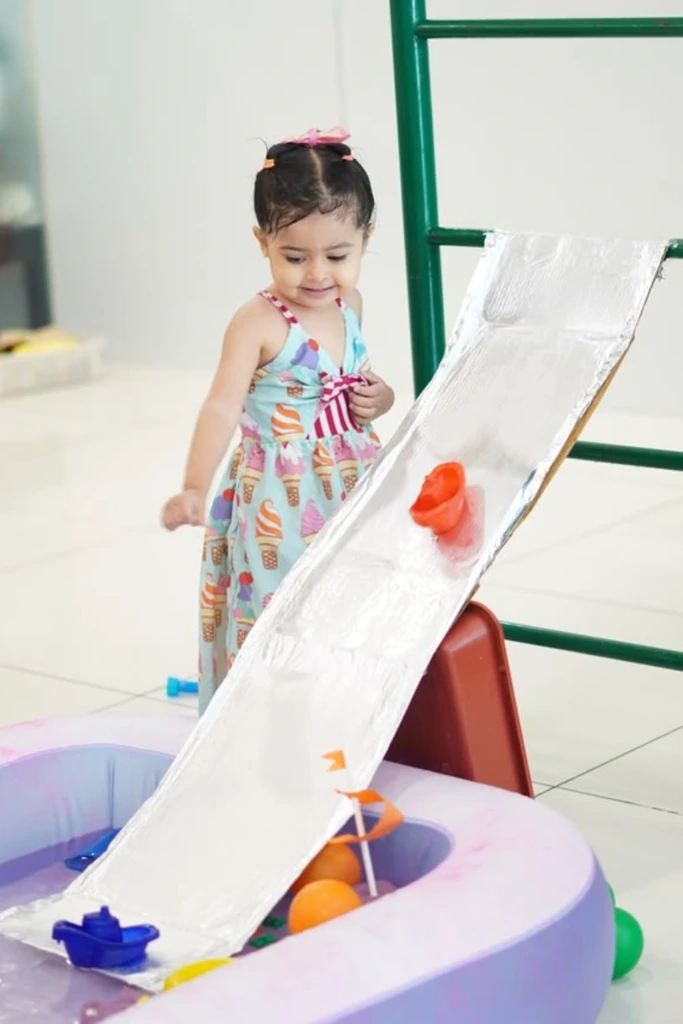
A mini water slide provides a manageable option for younger children who want to enjoy sliding and splashing without using larger equipment.
Select a slide specifically designed for the child's age, height, and weight. Install it on a level surface and follow all manufacturer guidelines regarding water flow and landing areas.
Children can take turns sliding while others enjoy nearby supervised water toys.
Add a playful theme by decorating the surrounding area with waterproof animal figures or colorful summer decorations placed safely away from the slide path.
Keep the landing area clear, supervise every descent, and never allow children to slide headfirst. Avoid improvised slides that have not been designed for water use.
Backyard Slip Slide
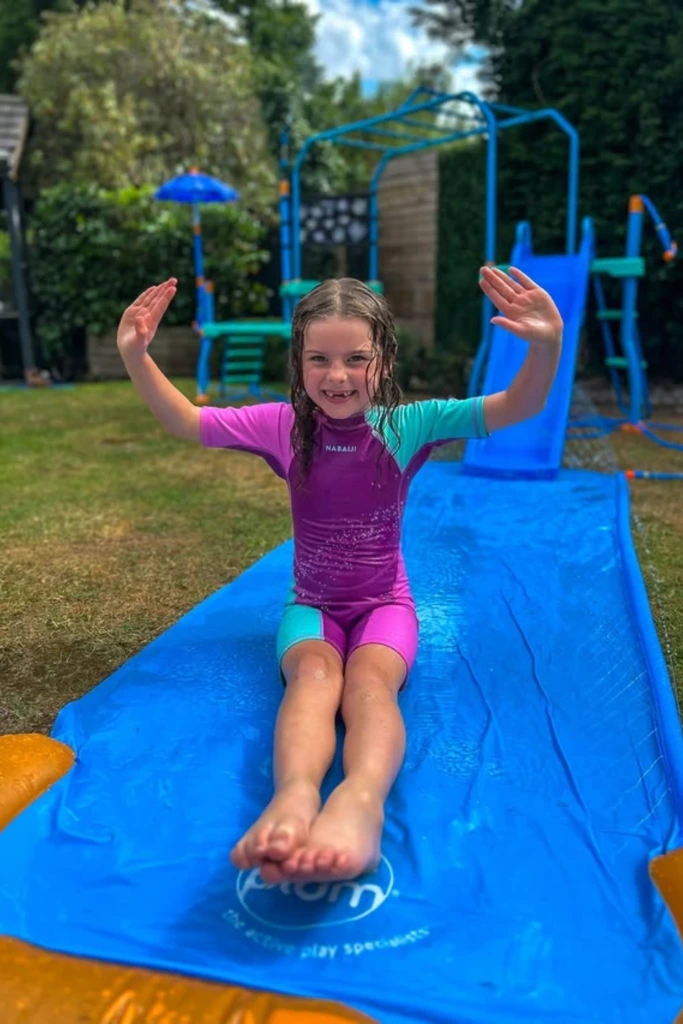
A backyard slip slide can provide energetic summer entertainment for children old enough to use this type of equipment safely.
Choose a commercially manufactured slide that is appropriate for the intended age group, and install it according to its safety instructions. The area should be level, clear of stones and other hazards, and positioned away from fences, trees, and hard surfaces.
Allow only one participant at a time unless the manufacturer specifically permits multiple users.
Avoid homemade plastic-sheet slides and never allow headfirst sliding, diving, or running launches. These activities can cause serious neck and spinal injuries, particularly among teenagers and adults.
For younger children, a sprinkler pathway or shallow splash mat is generally a better alternative.
Splash Bucket Chase
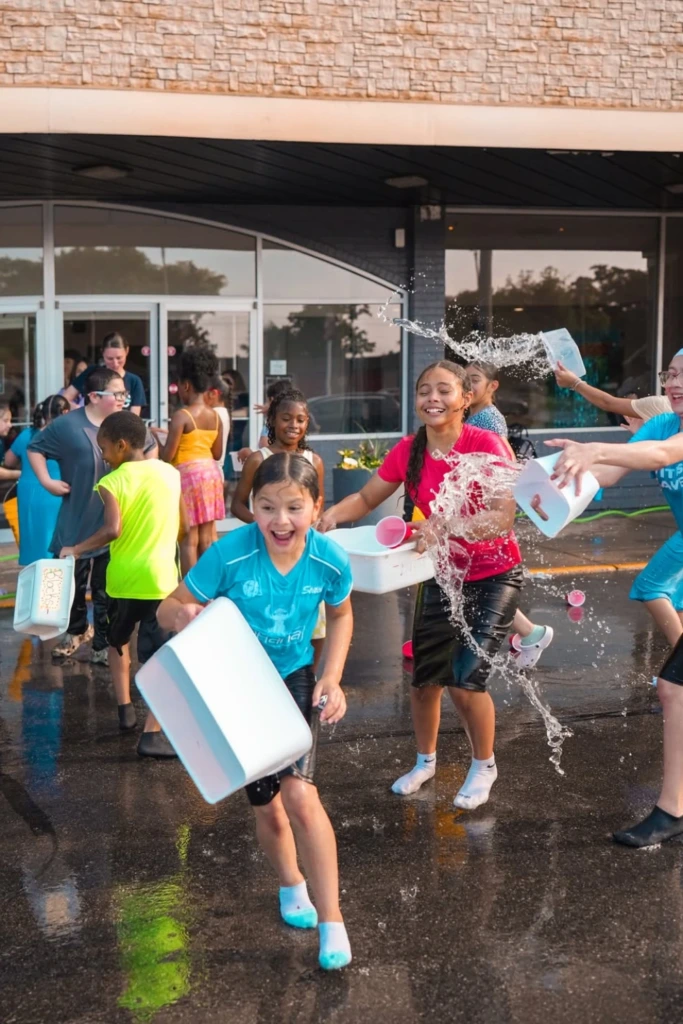
Splash Bucket Chase is a playful variation of a traditional chasing game that uses water targets rather than direct contact.
Arrange several lightweight buckets around a grassy play area. Give one player a small cup of water and challenge them to reach a designated bucket while other players move between marked zones.
Instead of splashing people, the player pours the water into the target bucket before returning to the starting point.
Rotate roles frequently so every child has an opportunity to participate.
You can make the game cooperative by asking everyone to fill several buckets together within a set time.
Establish clear boundaries, encourage controlled movement, and prohibit grabbing, pushing, or throwing water at unwilling participants.
Water Table Hunt
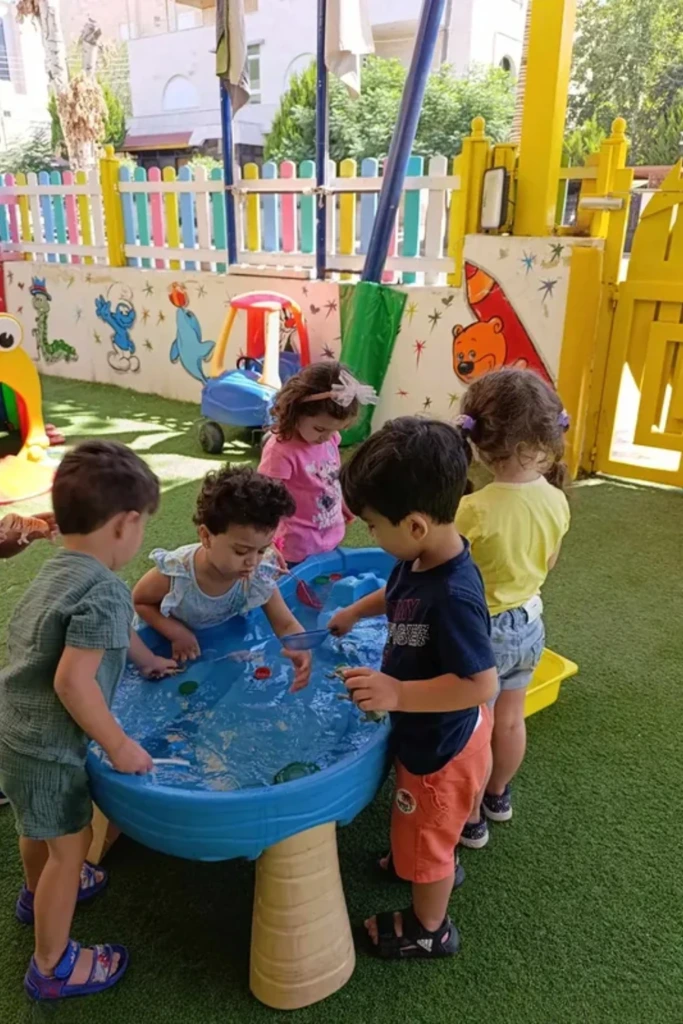
Water Table Hunt combines sensory exploration with a simple treasure-search activity, making it particularly appealing to preschoolers.
Fill a sturdy water table with a shallow amount of water and add large floating toys, waterproof shapes, and colorful objects.
Give children picture cards showing the objects they need to find. Participants search the table, collect the matching items, and place them in a nearby basket.
Older children can complete themed challenges, such as collecting objects by color, counting a certain number of shapes, or sorting floating and sinking items.
For an educational twist, encourage children to predict which toys will float before placing them in the water.
Use large, age-appropriate objects, supervise continuously, and empty and clean the table after each play session.
FAQs
How Do I Keep Kids From Fighting Over Turns During Water Games?
The easiest way to prevent disagreements is to establish clear rules before the activities begin. Explain how turns will work, how long each round lasts, and what children can do while waiting.
Use a visible timer or a simple rotation system so everyone understands when their opportunity is coming. For larger groups, divide children into smaller teams and arrange multiple activity stations to reduce waiting periods.
Cooperative challenges can also help because children work toward shared goals instead of competing for individual rewards.
If disagreements occur, pause the activity briefly, explain the rules calmly, and allow everyone to continue once the expectations are understood. Providing similar equipment for each team can also reduce unnecessary arguments.
What Are the Best Water Games for Kids Without a Pool?
Some of the most enjoyable water games require nothing more than ordinary household supplies and access to an outdoor water source.
Sponge Bucket Relay, Water Pour Challenge, Sponge Squeeze Race, Water Blaster Course, and Seated Cup Relay are excellent options for backyards without swimming pools. These activities are inexpensive, easy to organize, and adaptable to different age groups.
For toddlers, supervised water tables and shallow scooping trays offer engaging sensory experiences. Older children may prefer sprinkler games, target challenges, and team relays.
Related Ideas You Might Love
Choose activities that match the available space and children's abilities. Set up games on safe surfaces, supervise water play closely, and provide shade and drinking water during hot weather.
With a little preparation, even a small backyard can become an exciting summer play area filled with creative, refreshing activities.



4 Comments