32 Indoor Kids Activities for 2026: Creative, Fun, and Easy Ideas for Home
Keeping children entertained indoors can be a challenge, especially on rainy days, during school holidays, or when outdoor play isn't possible. Fortunately, you don't need an expensive playroom or a house full of toys to make staying home exciting. With a few everyday supplies, some imagination, and a little preparation, you can create activities that encourage creativity, movement, problem-solving, and independent play.
These indoor kids activities suit a range of ages and interests, from toddlers who love sensory exploration to older children who enjoy experiments, building challenges, and friendly competitions. Choose options that fit your available space, supervise activities that involve small objects or equipment, and let your children help decide what to try next.
What are good indoor learning activities?
Good indoor learning activities allow children to discover new skills while having fun. Puzzles, drawing, building blocks, pretend play, simple science experiments, and interactive reading can all support early development without feeling like formal lessons.
The best choice depends on your child's age, interests, and attention span. Younger children often benefit from hands-on activities involving textures, colors, and movement. Older kids may prefer activities that require planning, experimentation, or creative problem-solving.
Try rotating between three types of play: quiet activities for concentration, creative projects for self-expression, and active games for physical movement. This variety keeps children engaged while supporting different areas of development. Whenever possible, allow them to experiment, make mistakes, and find their own solutions rather than completing every task for them.
1. Puzzle Play Zone
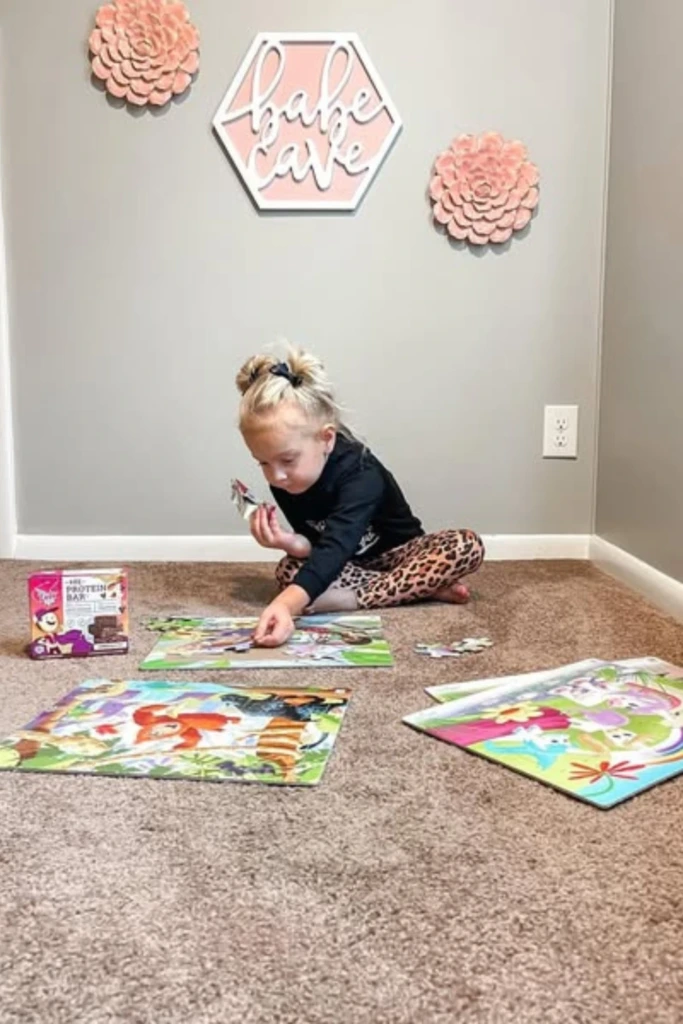
Create a dedicated puzzle area where children can work on jigsaw puzzles, shape sorters, matching games, or age-appropriate logic challenges. A small table or a clear section of the floor is enough to get started.
Choose puzzles that offer a manageable challenge without becoming frustrating. Younger children can match large shapes or colorful pictures, while older kids can tackle more complicated designs or timed challenges.
Keep puzzles organized in labeled containers so children can easily find the pieces they need. For a little extra excitement, introduce a family puzzle challenge and work together to complete a picture. Puzzle play can encourage patience, visual recognition, concentration, and problem-solving skills.
2. Art Station Setup
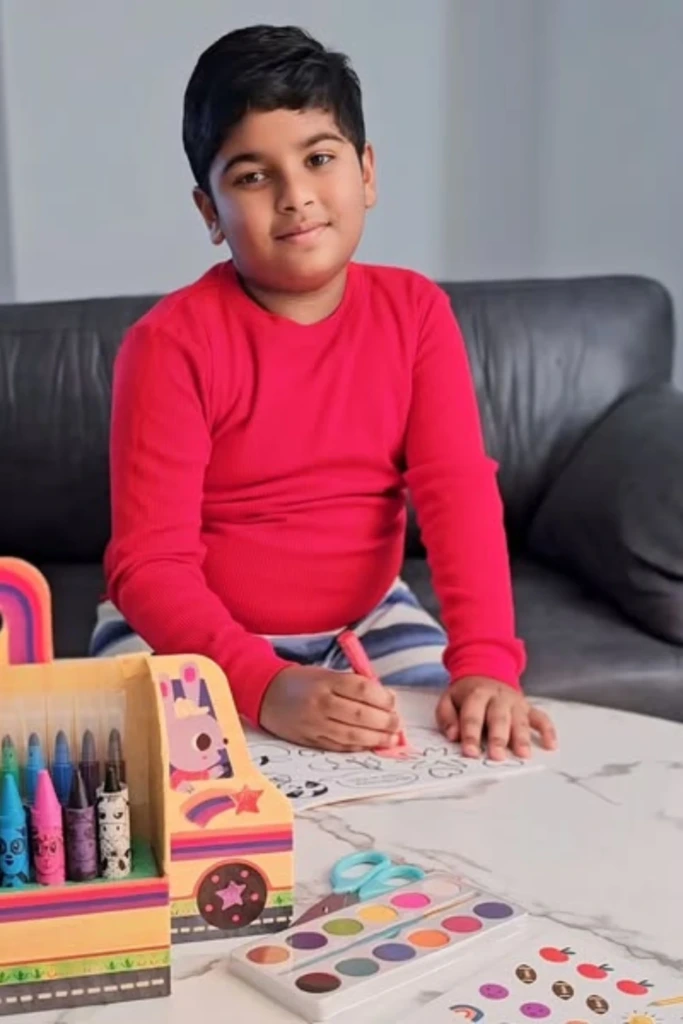
An art station gives children a place to explore their creativity without requiring constant setup and cleanup. Use a sturdy table covered with washable material and provide supplies such as crayons, paper, child-safe scissors, glue sticks, and washable paints.
Arrange materials in separate containers so children can see their options and return items when finished. Offer an open-ended theme, such as designing an imaginary animal, creating a colorful city, or making a picture of their favorite place.
Younger children may enjoy finger painting or large paper scribbling, while older kids can experiment with collage, watercolor techniques, and recycled-material crafts. Keep water and cleaning cloths nearby, and supervise scissors or other tools according to age.
The goal is to encourage exploration rather than produce perfect artwork. Display finished creations on a wall or refrigerator to give children a sense of pride in their work.
3. Indoor Castle Tent
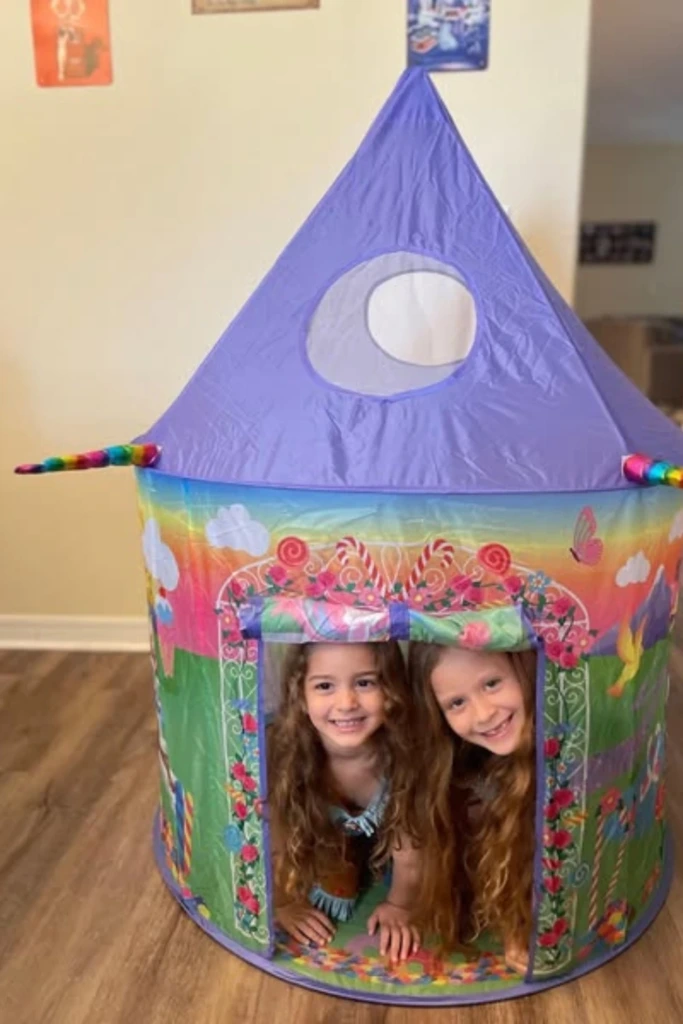
Turn a quiet corner into a magical hideaway with a play tent, a small canopy, or a blanket fort supported by sturdy furniture. Add cushions, soft blankets, and a few favorite stuffed animals to make the space inviting.
Children can use their castle for pretend adventures, storytelling, puppet shows, or imaginative role-playing. One day it might be a royal palace, and the next it could become a space station or a secret jungle camp.
Let children help decorate the entrance with paper flags or handmade signs. Choose lightweight materials, avoid unstable furniture, and keep exits clear. Do not use candles, heaters, or electrical equipment inside a fabric fort.
A simple indoor castle provides a cozy space for independent play, quiet time, and imaginative storytelling.
4. Indoor Climbing Gym
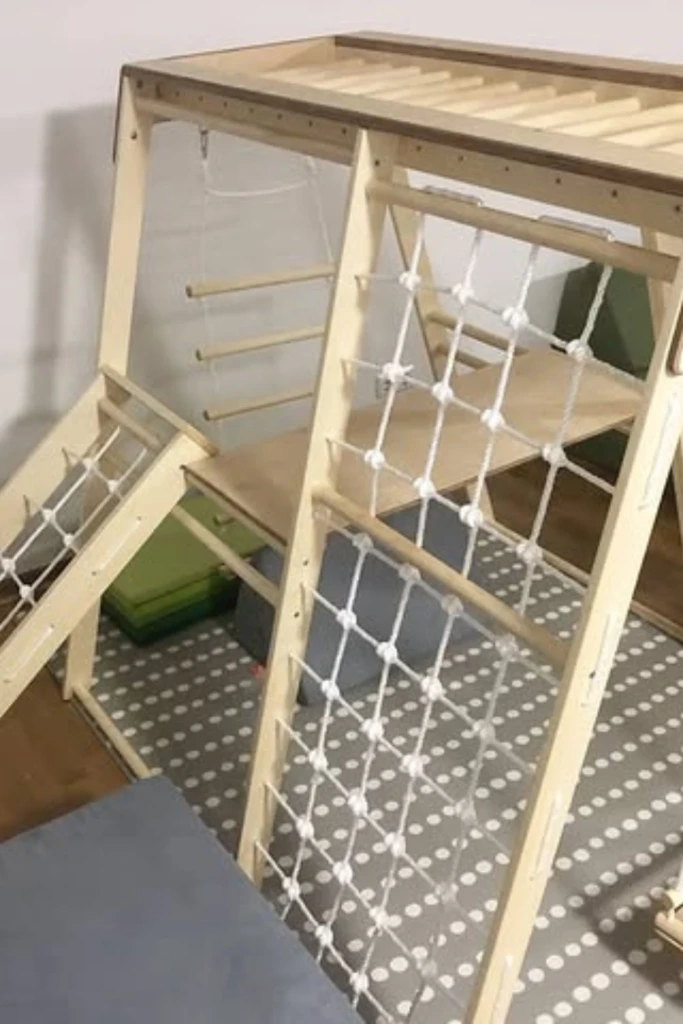
Children who love climbing and exploring may enjoy a small indoor movement area designed around age-appropriate equipment. Depending on your space, this could include a low foam climbing structure, a toddler climbing arch, or a purpose-built indoor play frame.
Place suitable equipment on a stable surface with appropriate impact-absorbing mats. Follow the manufacturer's age, weight, and installation instructions, and ensure the surrounding area is free of sharp edges and hard obstacles.
For younger children, low climbing steps and soft ramps can provide opportunities to practice coordination. Older children may enjoy a supervised obstacle course with different movement challenges.
Avoid improvised high climbing structures or furniture that could tip over. An indoor climbing setup should encourage movement while prioritizing stability, safe landings, and close supervision.
5. Reading Tent Corner
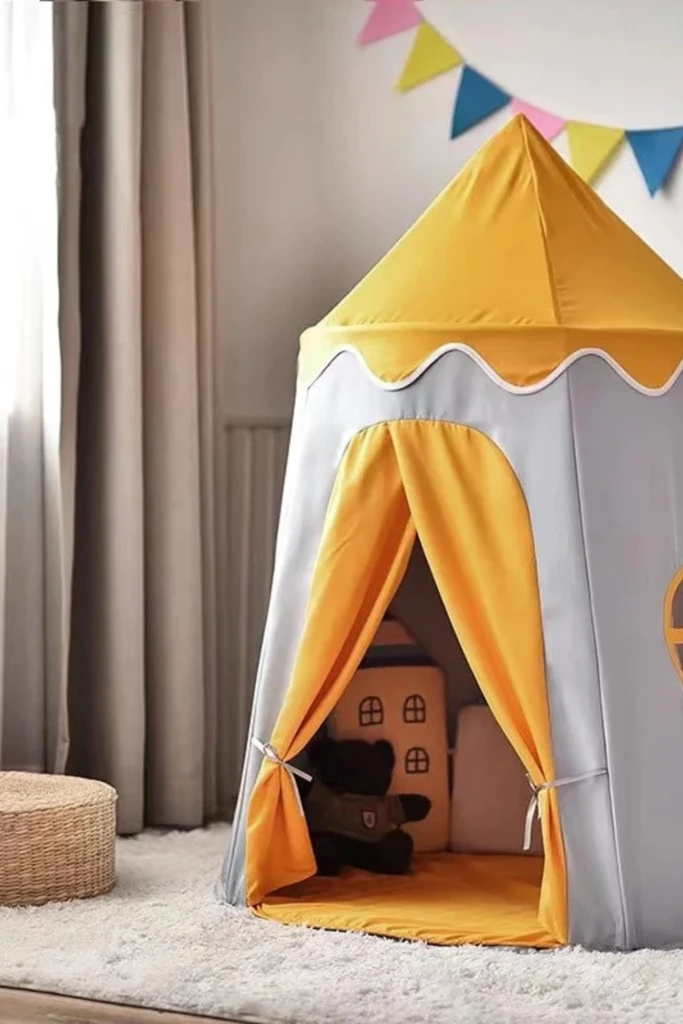
Create a comfortable reading retreat with a small tent, floor cushions, a soft rug, and a basket of books. This space can become a welcome break from noisy games and busy household routines.
Stock it with a mixture of picture books, funny stories, illustrated nonfiction, and books your children already love. Rotate the selection occasionally to introduce fresh topics without overwhelming the space.
Make reading interactive by asking children to predict what happens next, describe a character, or invent a different ending. Younger children can enjoy looking at pictures and naming familiar objects, while older readers may prefer reading independently or sharing stories aloud.
Keep the lighting comfortable and the seating supportive. A dedicated reading corner helps make books feel like an enjoyable part of everyday life rather than another task on the schedule.
6. Snack & Chat Table
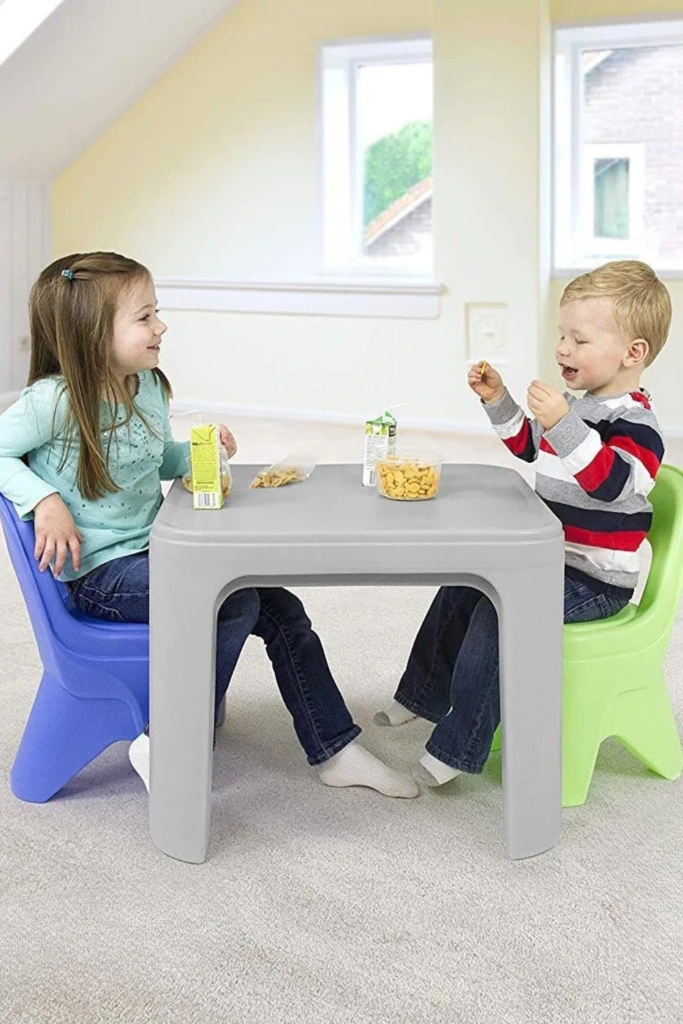
A snack and chat table combines a simple meal break with opportunities for conversation and connection. Set up a child-sized table or use a suitable dining table with comfortable seating.
Offer easy-to-eat foods such as sliced fruit, cheese, crackers, or vegetables prepared according to your child's age and eating abilities. Keep food allergies and choking hazards in mind, especially when serving toddlers.
Use the time to ask lighthearted questions. Children might share the funniest thing they have seen, name three places they would love to visit, or describe something new they learned that day.
You can also invite children to help arrange napkins, choose a plate, or assemble their own age-appropriate snack. Stay present while young children eat, and keep conversation relaxed so the activity feels welcoming rather than instructional.
7. Mini Science Lab
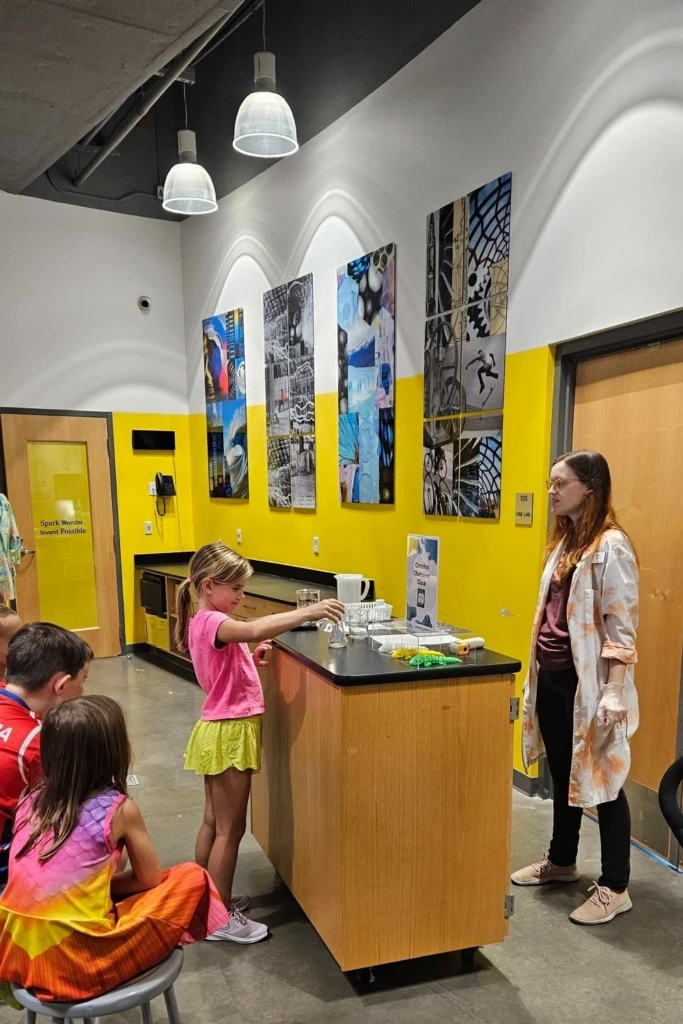
A mini science lab lets children explore everyday scientific ideas using household materials. Clear a table, gather a few basic supplies, and choose one experiment that matches your child's age and abilities.
Try observing how objects float or sink, testing which materials absorb water, or mixing washable colors to discover new shades. Older children can make predictions, record observations, and compare results before repeating an experiment.
Explain what happens in simple language, but give children room to notice details and ask questions. A notebook can become a science journal filled with drawings, guesses, and discoveries.
Use only safe, age-appropriate materials, and supervise experiments involving liquids or small objects. Never mix household cleaning products, and avoid heating substances or using glass containers with young children.
The most valuable part of a home science lab is learning how to ask questions, test ideas, and observe results.
8. Stepping Stone Balance Game
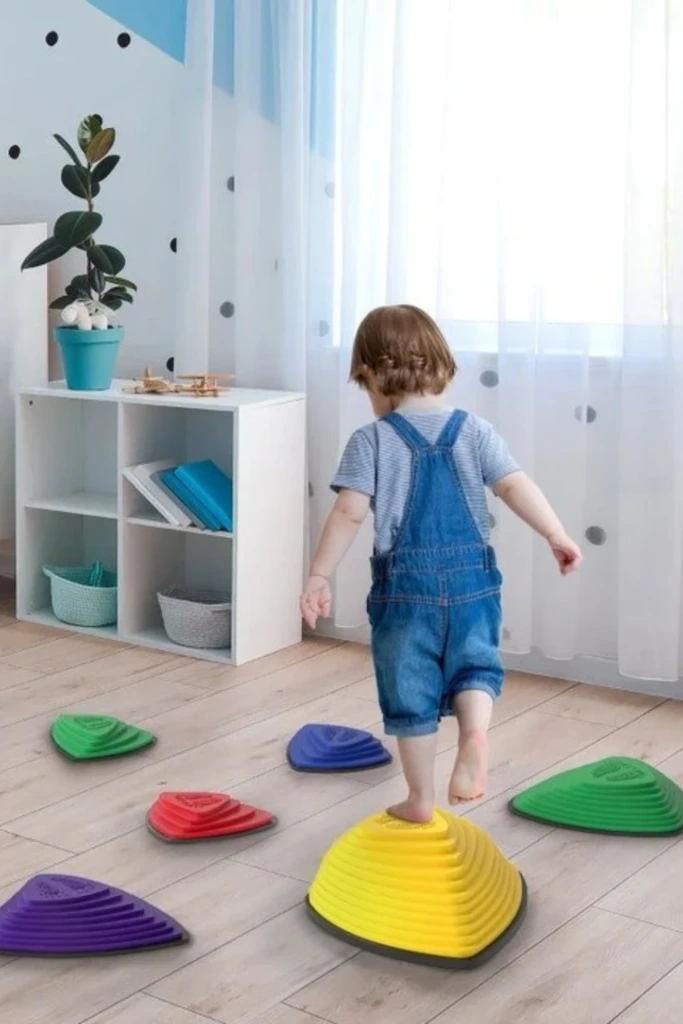
Transform an ordinary floor into a pretend river crossing using flat, nonslip stepping pads designed for children's play. Space them close enough for your child to move between them comfortably.
Explain that the floor is water or pretend lava, and the goal is to reach the other side without stepping outside the designated path. Younger children can use a short route with widely spaced pads, while older children can follow a curved path or respond to simple instructions such as stepping on a particular color.
You can also encourage children to carry a lightweight beanbag while crossing, provided the added challenge suits their ability.
Use a clear, level area away from furniture corners and slippery surfaces. Avoid unstable household objects as stepping stones. This activity offers a playful way to practice balance, coordination, and body awareness.
9. Coloring Time Magic
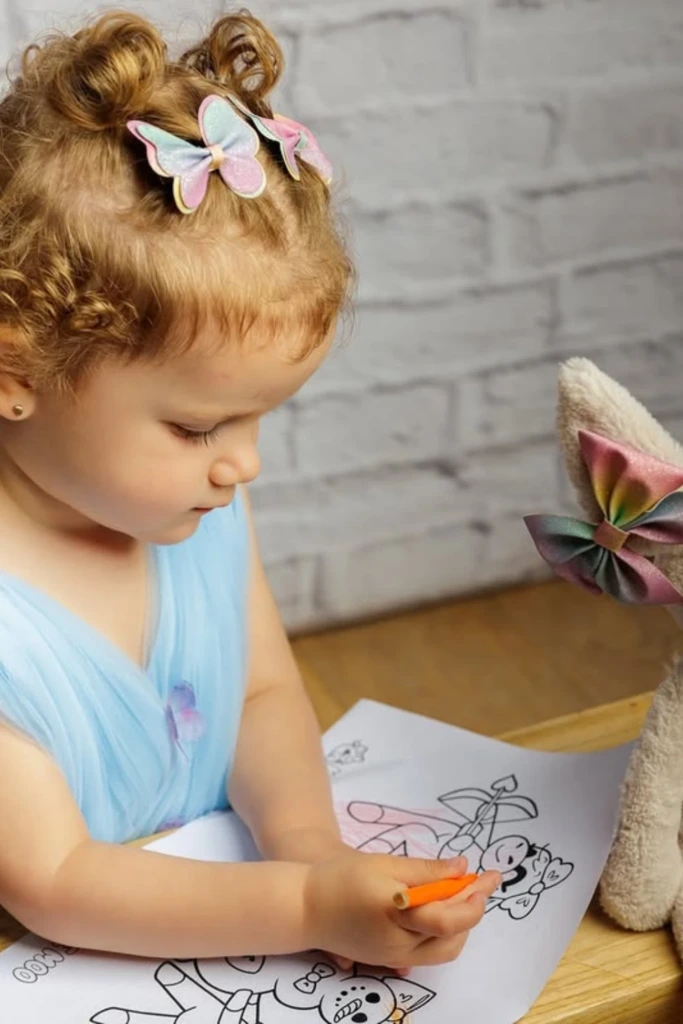
Coloring is an easy activity for children who enjoy quiet, creative play. Gather coloring books, blank paper, washable markers, crayons, and colored pencils in a container that children can access safely.
Offer a choice between familiar pictures and open-ended drawing. Some children enjoy filling in detailed illustrations, while others prefer creating their own characters, patterns, or imaginary landscapes.
Make the activity more engaging by suggesting a color challenge, such as drawing an underwater scene using only cool colors or creating a rainbow with as many shades as possible.
For younger children, use large crayons and simple pictures that suit their developing grip. Older kids may enjoy adding backgrounds, inventing stories about their drawings, or creating a small illustrated comic.
Avoid correcting every color choice or asking children to stay within every line. Coloring is most rewarding when children feel free to make their own artistic decisions.
10. Kitchen Art Station
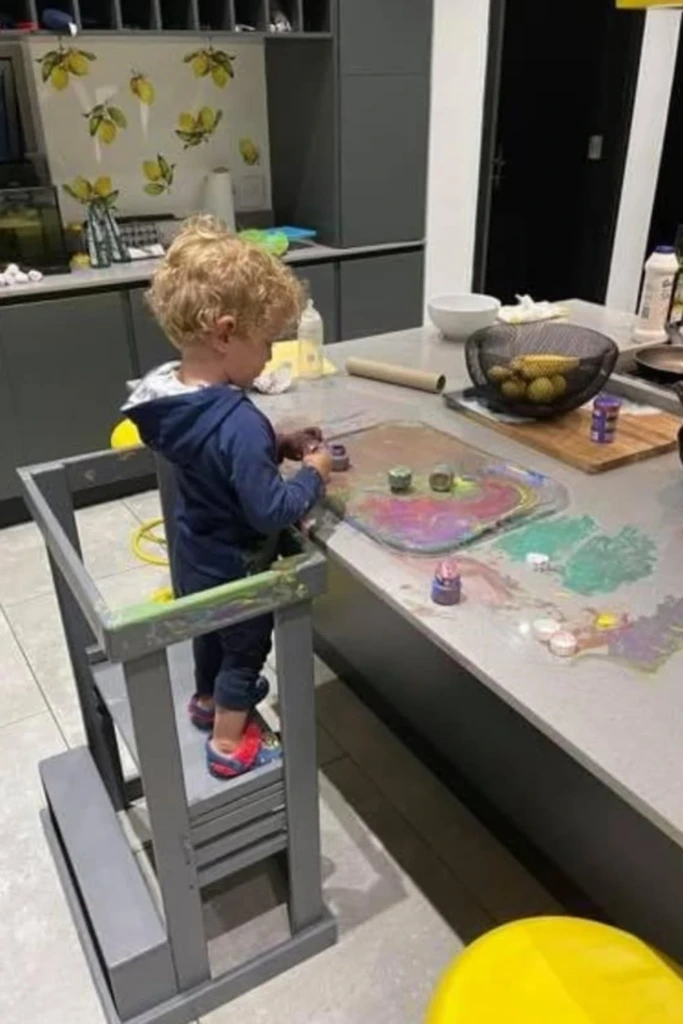
The kitchen can double as a creative workshop when you provide a safe, easy-to-clean space for art projects. Cover a section of the counter or table, then bring out paper, washable paints, craft sticks, stickers, or clean recycled packaging.
Children can design pretend menus, decorate paper plates, make greeting cards, or create imaginative food-themed pictures. For a project with a practical purpose, let them design labels for storage containers or make handmade place cards for a family meal.
Keep art materials separate from food preparation, and clean the workspace before and after the activity. Children should use age-appropriate tools under supervision, particularly around knives, hot surfaces, and appliances.
If you want to combine cooking with creativity, consider decorating plain paper recipe cards or designing a colorful menu before preparing a simple snack together.
11. Indoor Play Gym
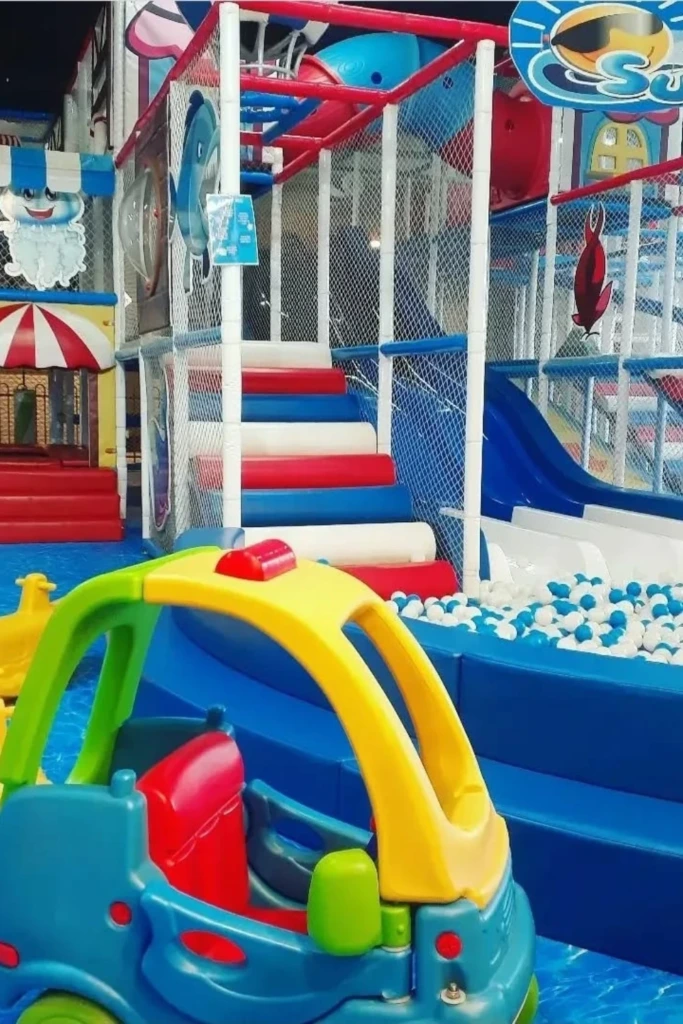
An indoor play gym can help children burn energy when they cannot get outside. You can create a simple movement circuit using a low foam tunnel, floor markers, soft cushions designed for play, and a few open spaces for jumping or crawling.
Arrange the stations so children move from one easy task to another. They might crawl through a tunnel, walk along a floor line, step over low obstacles, and finish with a gentle stretching activity.
Adapt the circuit to your child's age and abilities. Toddlers need low, simple challenges and close adult supervision, while older children may enjoy completing the circuit in a particular sequence.
Use equipment intended for children's play, secure loose items, and avoid placing obstacles near stairs or hard furniture. Keep the course short enough that children can repeat it without becoming overtired.
A homemade play gym encourages active movement and can be changed regularly to keep familiar activities interesting.
12. Coloring Table Time
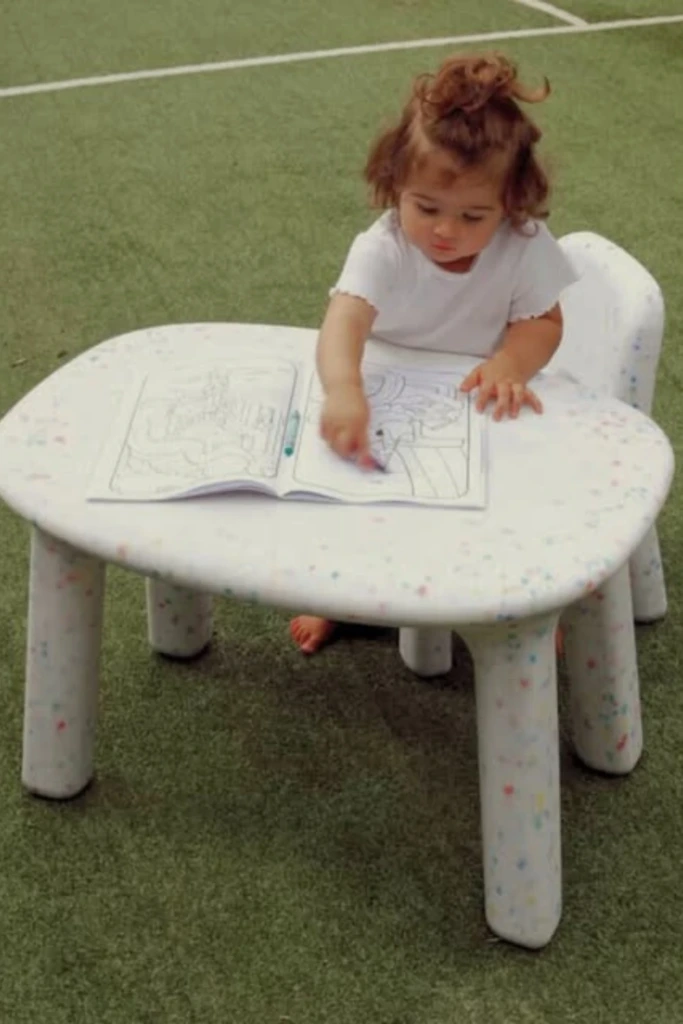
A coloring table offers a more organized alternative to spreading art materials throughout the house. Set aside a small table with comfortable seating, good lighting, and a tray containing paper and drawing supplies.
You can prepare a themed coloring session around animals, vehicles, seasons, or favorite storybook characters. Alternatively, provide blank sheets and invite children to draw whatever comes to mind.
For a group activity, give everyone the same picture and compare the different ways they choose to color it. Another option is to create a collaborative mural on a long sheet of paper, with each child responsible for one section.
Keep the setup simple and store materials within easy reach. Younger children should use supplies suitable for their developmental stage, while older children may enjoy experimenting with shading and patterns.
An organized coloring table makes it easier for children to begin an activity independently and helps keep supplies together when playtime ends.
13. Giant Block Building
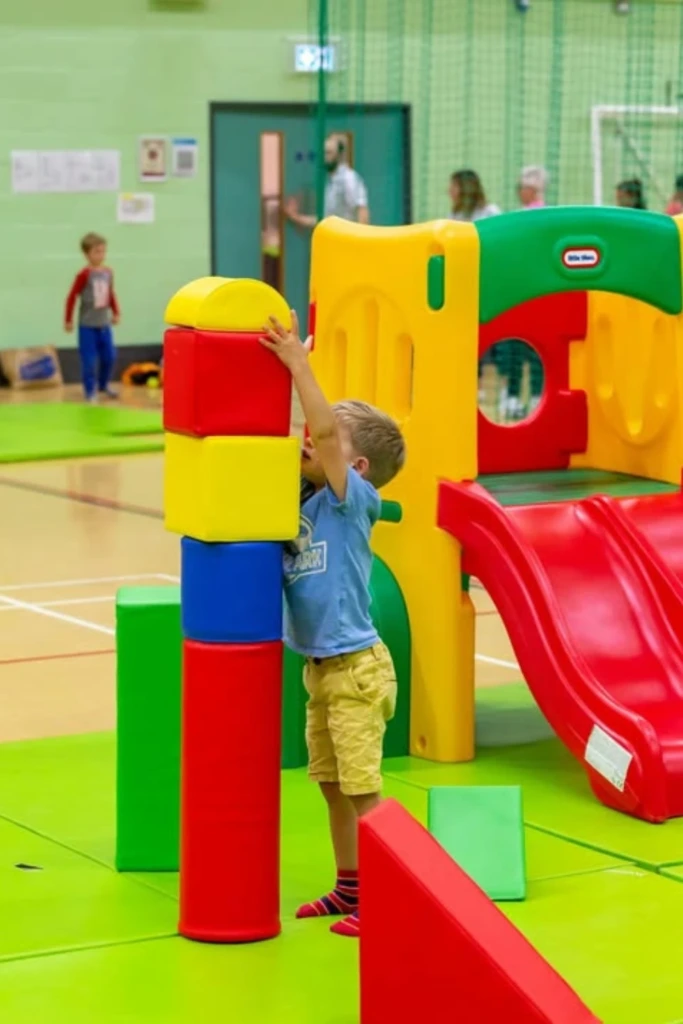
Large building blocks can turn a living room into a construction site full of creative possibilities. Children can build towers, bridges, pretend houses, garages, or entire miniature cities using oversized foam blocks or other age-appropriate building toys.
Start with a challenge, such as building the tallest structure that stands independently or creating a bridge wide enough for a toy car. Children can test different designs and discover how the position and size of blocks affect stability.
Encourage them to explain their plans before building, then change their approach when something falls over. Working with siblings or friends adds opportunities to negotiate roles and share ideas.
Use lightweight blocks, keep structures low enough to prevent dangerous falls, and establish a clear building area away from windows and walkways.
This activity supports spatial awareness, early engineering concepts, creative thinking, and cooperative play.
14. Triple Slide Race
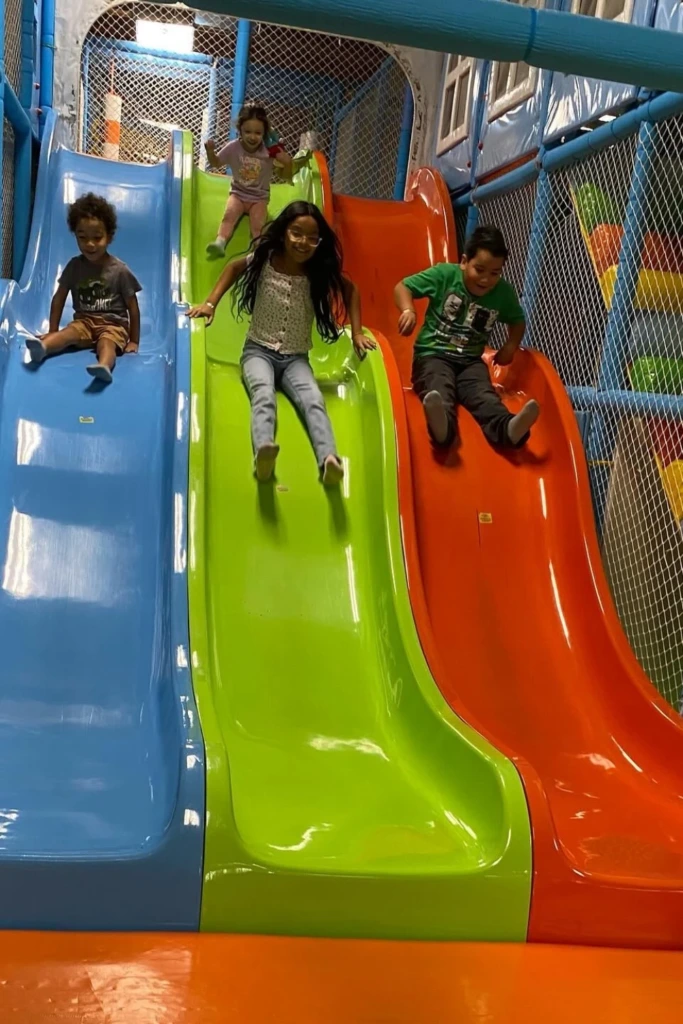
A three-lane slide setup can create an exciting indoor play experience when you have a suitable children's slide system designed for indoor use. The idea is to give children separate lanes or turns so they can enjoy the challenge without crowding one another.
If you do not have a triple slide, recreate the spirit of the activity with three parallel floor paths. Children can race toy cars down the paths or move through three short, age-appropriate challenges in sequence.
For any physical slide, follow the manufacturer's installation instructions and use it only on an appropriate surface with sufficient clearance. Keep the landing area open, allow one child at a time where required, and never improvise elevated slides from household furniture.
Make the competition friendly by celebrating careful turns, imaginative play, or completing the course together instead of focusing only on speed.
A well-planned racing game can encourage movement and turn-taking without making winning the main goal.
15. Living Room Dance Break
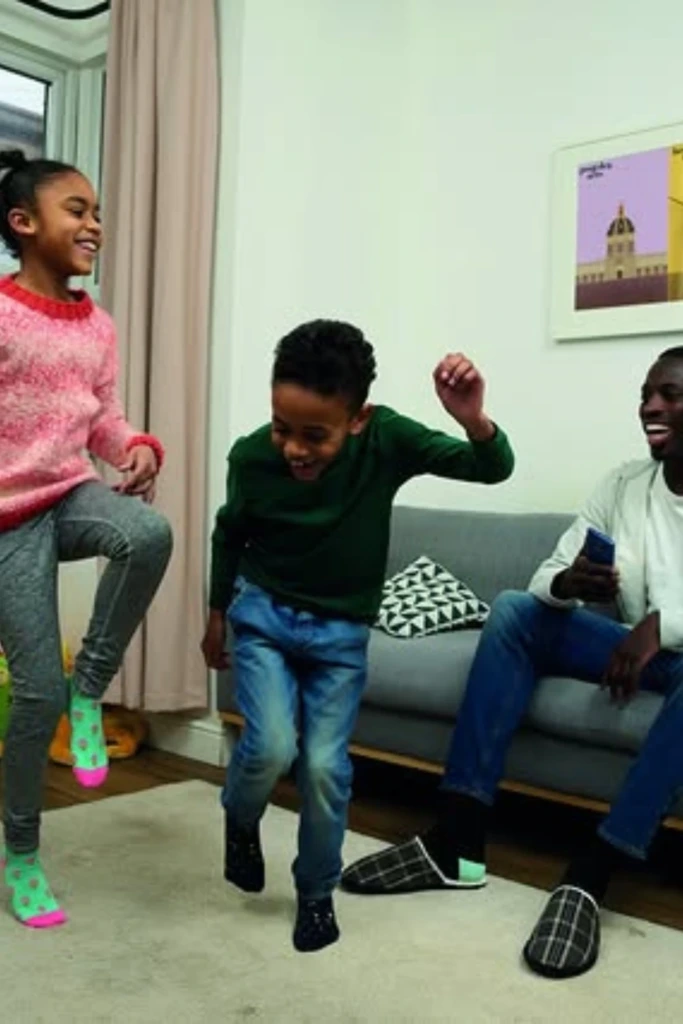
A living room dance break is an easy way to add movement and laughter to an indoor day. Clear a small area, choose family-friendly music, and invite everyone to dance however they like.
Try a freeze-dance game in which everyone stops when the music pauses. You can also take turns choosing songs, copying one another's dance moves, or inventing a short routine to perform together.
For younger children, simple actions such as clapping, marching, reaching, and spinning can make the game accessible. Older kids may enjoy creating a sequence of moves and teaching it to the family.
Keep the volume at a comfortable level, secure loose rugs, and move sharp or breakable objects out of the dance area. Encourage children to wear suitable footwear or dance barefoot on a safe, nonslip surface.
Even a short dance break can provide a cheerful change of pace between quieter activities.
16. Pastel Ball Pit Fun
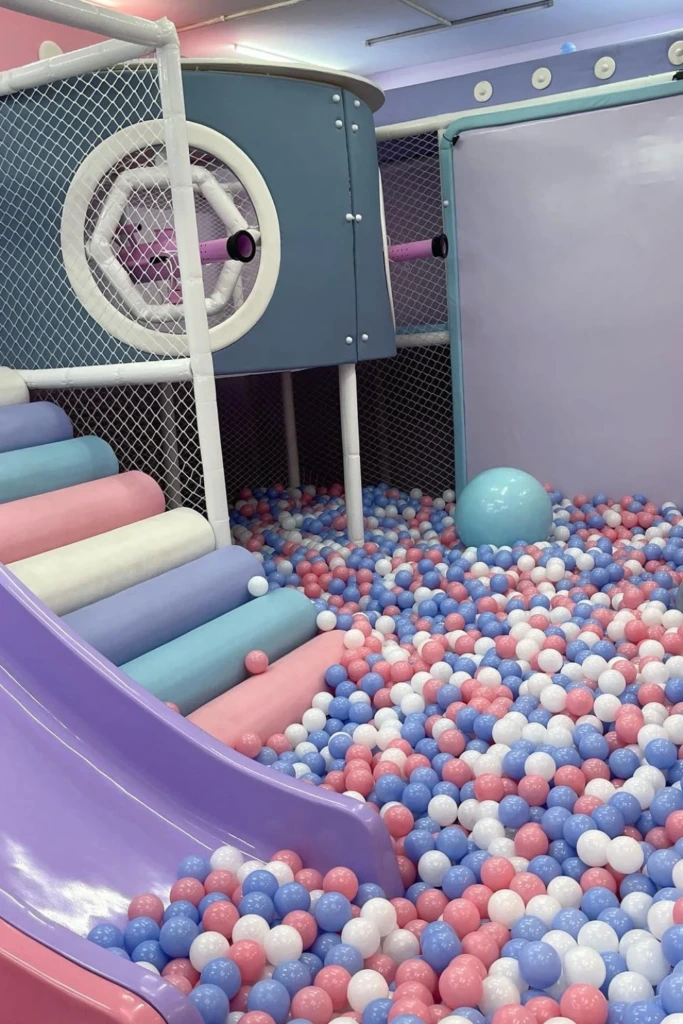
A pastel ball pit can create a colorful play area using a suitable soft-sided pit and lightweight play balls in gentle shades such as mint, peach, cream, lavender, and pale blue.
Children may enjoy tossing balls into a basket, sorting them by color, or searching for a particular shade. Older toddlers and preschoolers can practice counting a small collection or matching balls to colored cards.
Choose a pit appropriate for your child's age, and use only balls specifically designed for children's play. Check for damaged pieces and keep the play area away from stairs, furniture edges, and other hazards.
Young children require close supervision, and the pit should never be deep enough to cover a child's face or restrict movement. Avoid allowing children to throw balls at one another's faces.
After playtime, store the balls in a container to keep the area tidy. The activity combines simple sensory exploration with opportunities for sorting, counting, and imaginative games.
17. Indoor Skating Fun
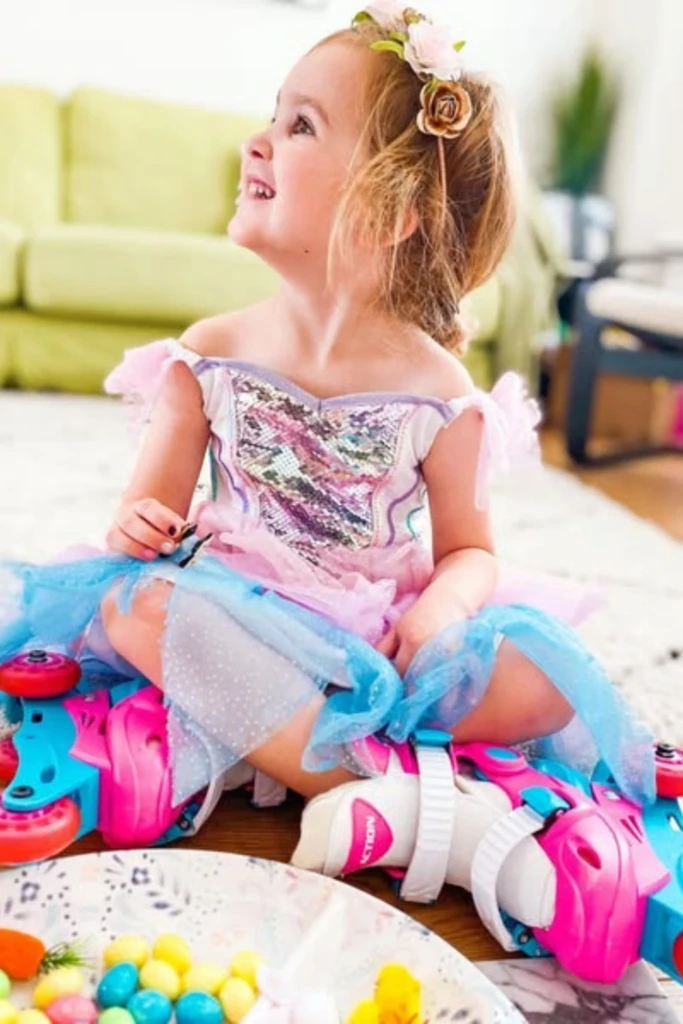
Indoor skating can be enjoyable for children who already have the appropriate skills and equipment, but it requires more preparation than many other home activities.
Use only a spacious, smooth surface that is suitable for skating, such as a designated indoor skating facility. Ordinary living room floors are generally not appropriate because furniture, rugs, narrow spaces, and hard obstacles increase the risk of injury.
Children should wear properly fitted skates, a suitable helmet, wrist guards, knee pads, and elbow pads. Younger or inexperienced skaters should receive instruction and close supervision, and the activity should be avoided if the available space is not safe.
If skating equipment or suitable flooring is unavailable, offer a safer alternative such as a pretend skating routine in socks on a nonslip surface, using controlled gliding-free movements, or a balance game with floor markers.
The aim is to build confidence and coordination without treating speed or difficult tricks as the main objective.
18. Soft Ball Battle
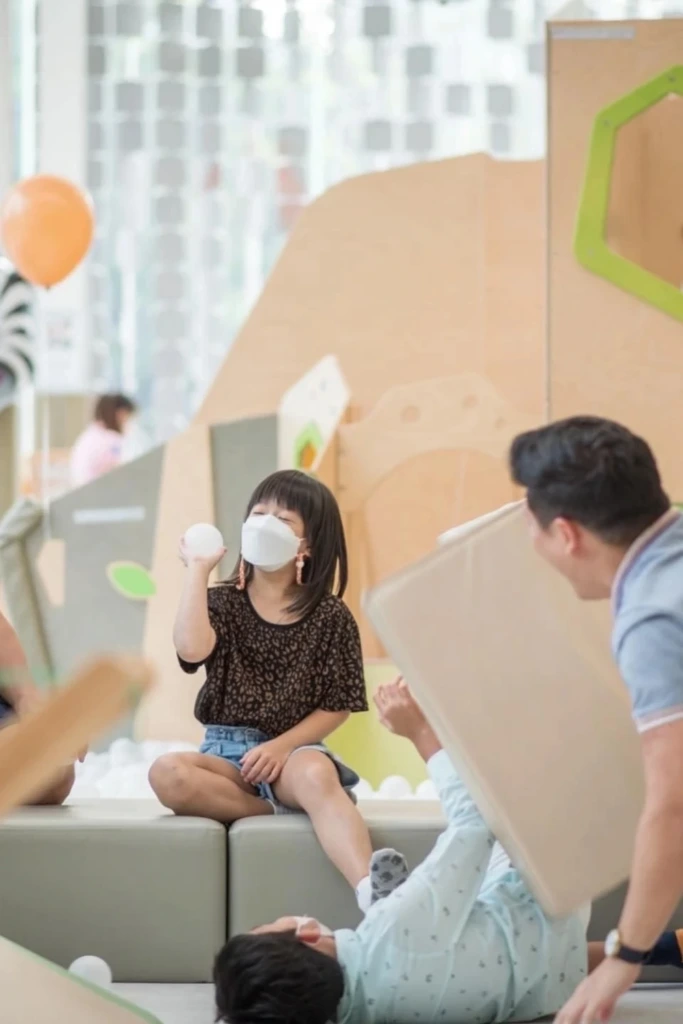
A soft ball battle lets children enjoy a playful competition without using hard objects. Gather lightweight foam balls or fabric balls intended for children's games and set up a clear play area.
Divide the space into two sides using floor tape or a visible line. Children can toss balls into a basket, move them from one zone to another, or try to land them on designated targets.
For a team version, each group can collect balls from the center and return them to its own basket within a short time. A cooperative alternative is to see how many balls the whole family can sort or collect before the timer ends.
Use only soft, undamaged balls and establish a rule against aiming at faces. Remove fragile items from the area and avoid throwing games near televisions, windows, or other breakable objects.
This activity provides movement, hand-eye coordination practice, and opportunities to learn fair play and follow simple rules.
19. Indoor Beach Scene
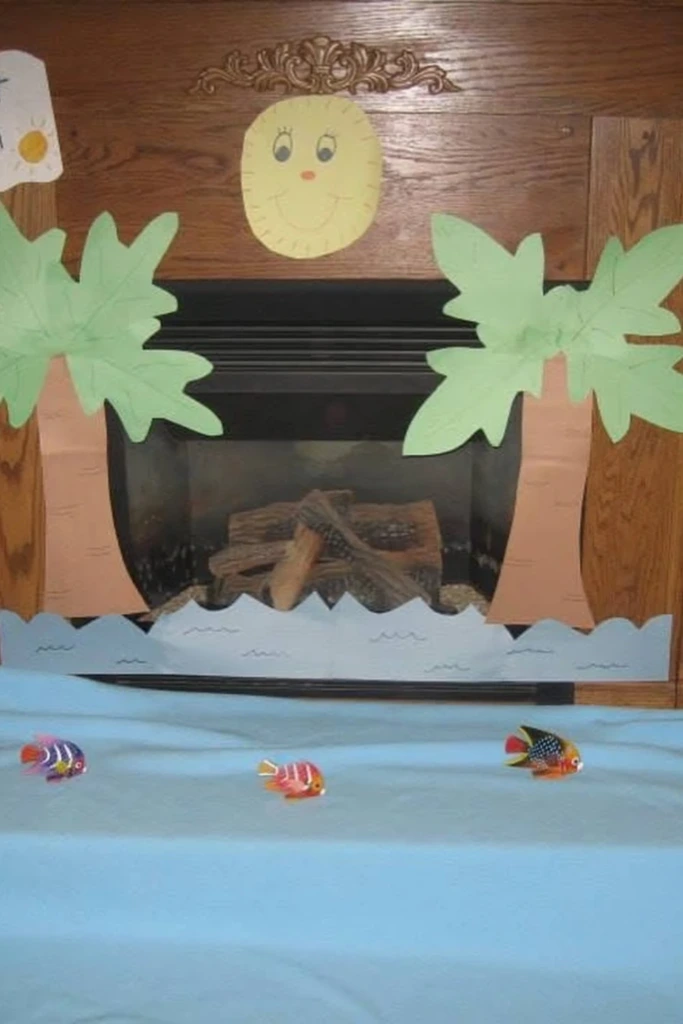
Bring a beach-inspired atmosphere indoors with a blue blanket or play mat representing the sea, a few beach-themed toys, and a small collection of clean shells or large toy seashells.
Children can build pretend sandcastles using kinetic sand in a suitable tray, arrange toy sea creatures, or create an imaginary seaside town. You can add paper fish, homemade waves, and a pretend beach shop to encourage storytelling.
If real sand is unavailable or unsuitable for your home, use blocks or modeling materials to create castles and coastal landscapes instead.
Keep small shells and decorative pieces away from children who may put objects in their mouths. Kinetic sand should be used according to its instructions and supervised, especially around toddlers. Do not use loose sand in a way that creates inhalation or ingestion risks.
An indoor beach scene encourages imaginative play and can introduce simple conversations about marine animals, tides, and caring for the environment.
20. Indoor Adventure Maze
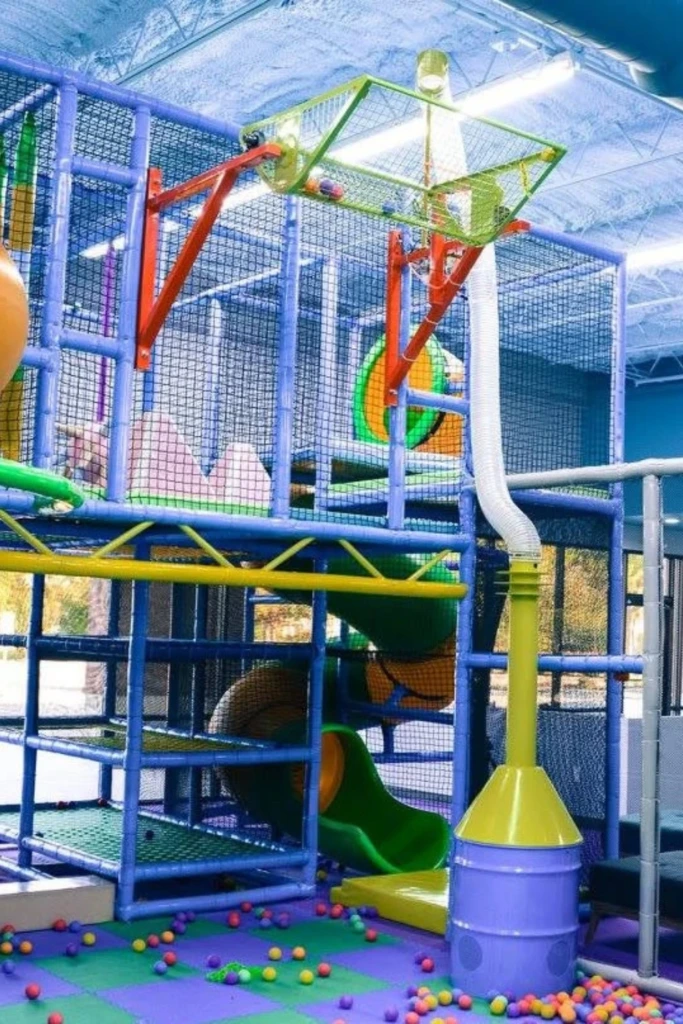
Create an indoor maze using floor tape, cardboard panels, or lightweight play tunnels arranged across an open room. Design a route with gentle turns, dead ends, and clear markers that lead to a small prize or destination.
Younger children can follow a simple path marked with arrows or colored footprints. Older kids can solve clues, remember a sequence of directions, or navigate the maze while carrying a lightweight object.
For a pretend adventure, describe the route as a journey through a jungle, a space station, or a mysterious castle. Add paper signs to make each section feel different.
Keep pathways wide enough for comfortable movement and avoid blocking exits. Do not use string or cord stretched across a walking route, and never obstruct doorways, stairs, or emergency escape paths.
Once children finish the maze, invite them to redesign it. Planning a new route can be just as engaging as finding the way through the original one.
21. Sunset Nature Break
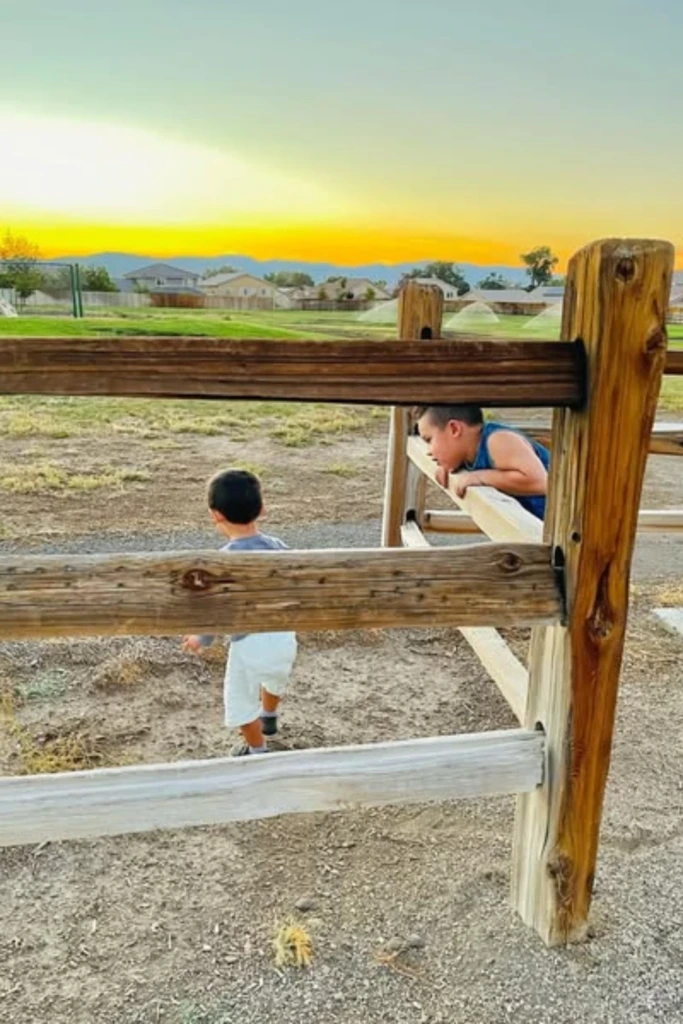
A sunset nature break brings a little of the outdoors into an indoor routine, especially when weather or daylight makes outdoor play difficult. Set up a comfortable spot near a window and invite children to observe the changing sky, passing clouds, or silhouettes of nearby trees.
They can draw what they see, record the colors in a small notebook, or invent a story inspired by the evening light. If the view is limited, use nature photographs or a short, age-appropriate nature video as an alternative.
Ask open-ended questions such as which colors appear first, how the sky changes over time, or what animals might be preparing for nighttime. Keep the conversation curious rather than turning every observation into a lesson.
If conditions allow, a supervised walk outside can extend the experience. Stay away from roads and unsafe viewpoints, and make sure children remain with an adult.
This gentle activity combines observation, creativity, and a calming transition toward the evening routine.
22. Toddler Play Pen Zone
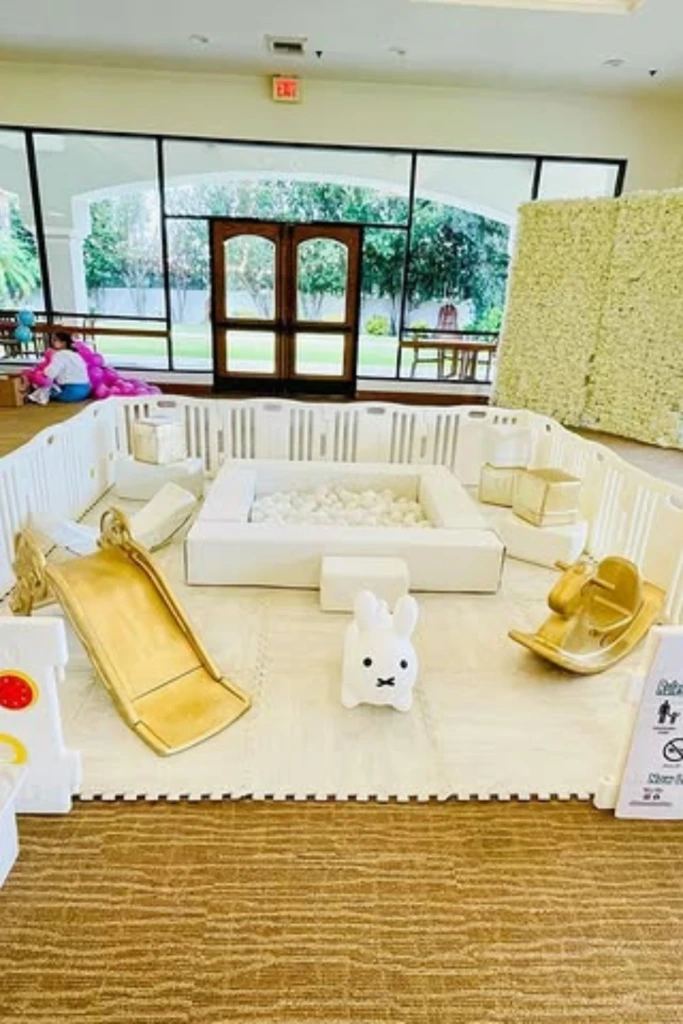
A toddler play pen zone can provide a contained area for age-appropriate play while helping adults keep toys organized. Choose a sturdy play yard that meets applicable safety standards, follow the manufacturer's setup instructions, and use it only for its intended purpose.
Fill the space with a small selection of safe toys, such as large stacking cups, soft blocks, board books, and simple push-and-pull toys. Rotating a few items at a time can make familiar toys feel interesting again.
Keep the play area away from cords, heaters, windows, stairs, and furniture that could tip over. Do not add pillows, thick blankets, or other items that create a suffocation or entanglement hazard for babies who may sleep or rest in the space.
A play pen should never replace active adult supervision or be used as a way to leave a toddler unattended. Check regularly that the child is comfortable and that toys remain suitable for their age.
23. Sensory Sink Station
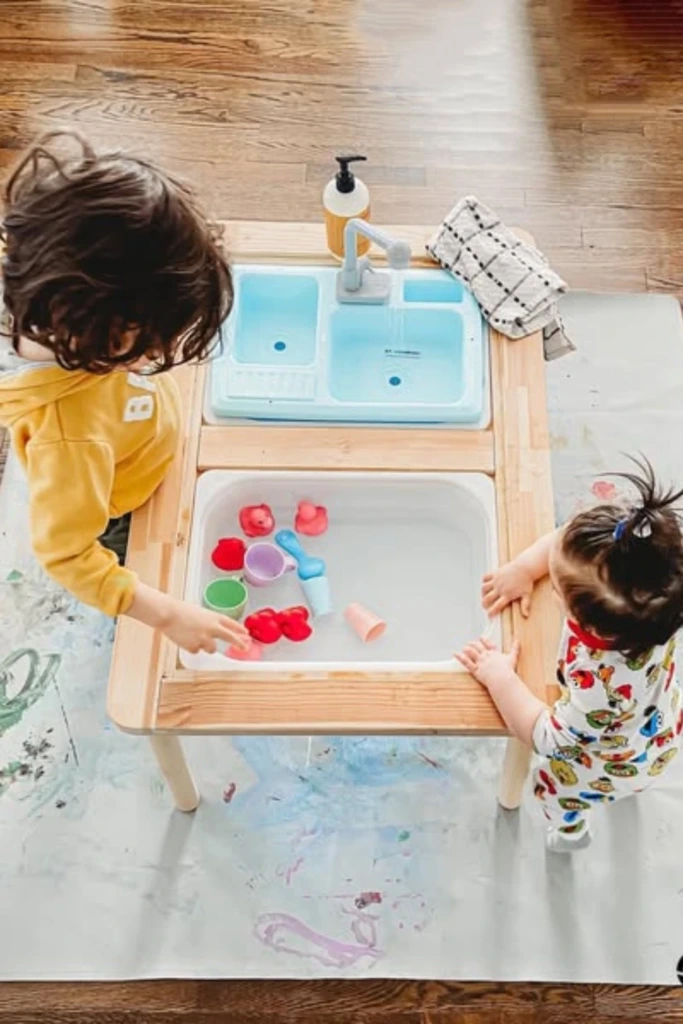
A sensory sink station gives children an opportunity to explore water through pouring, scooping, and transferring activities. You can use a shallow basin on a stable surface instead of filling a full kitchen sink.
Provide small cups, large plastic spoons, funnels, and containers in different shapes. Children can pour water between containers, observe how quickly they fill, or compare which objects float and which sink.
For a more colorful experience, add a small amount of child-safe coloring material if appropriate for the equipment and easy to clean. Avoid adding soap or other substances that could irritate the eyes or skin.
Use only a small quantity of water and supervise children continuously. Even shallow water can present a drowning hazard, particularly for babies and toddlers. Keep electrical appliances away from the activity, clean up spills immediately, and empty the basin as soon as play finishes.
This simple station encourages curiosity, coordination, and early understanding of volume and cause and effect.
24. Slime Making Fun
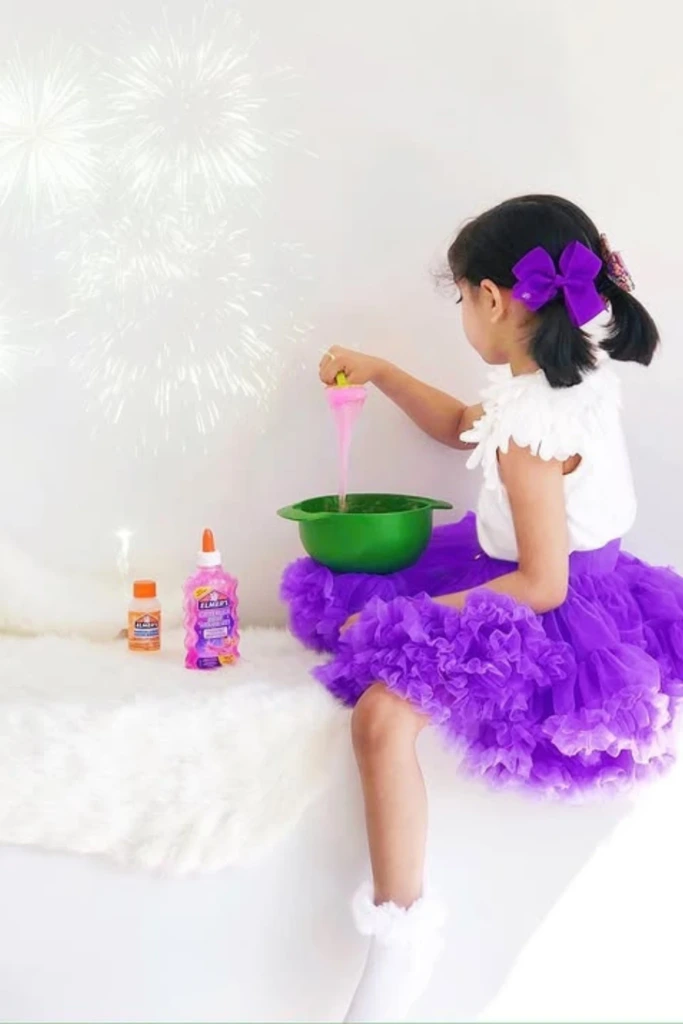
Making slime can be an entertaining craft for children who enjoy stretchy textures and hands-on experimentation. Choose a recipe specifically designed for children's use and follow its instructions carefully.
A basic project might use a commercially prepared, child-safe slime kit with clearly labeled ingredients. Children can help measure permitted ingredients, stir the mixture, and observe how its consistency changes.
Explain that different materials can behave differently when combined. Older children may enjoy recording their predictions and comparing the texture of two approved recipes.
Slime is not edible, even when it looks colorful or smells pleasant. Keep it away from mouths, eyes, and sensitive skin, and supervise children throughout the activity. Avoid recipes involving hazardous chemicals or inappropriate concentrations of borax and other irritants. Wash hands afterward and discard the mixture if it becomes dirty or starts to deteriorate.
If your child has sensitive skin or you are unsure whether a product is suitable, choose a different sensory activity, such as homemade playdough made from an age-appropriate recipe.
25. Trivia Game Challenge
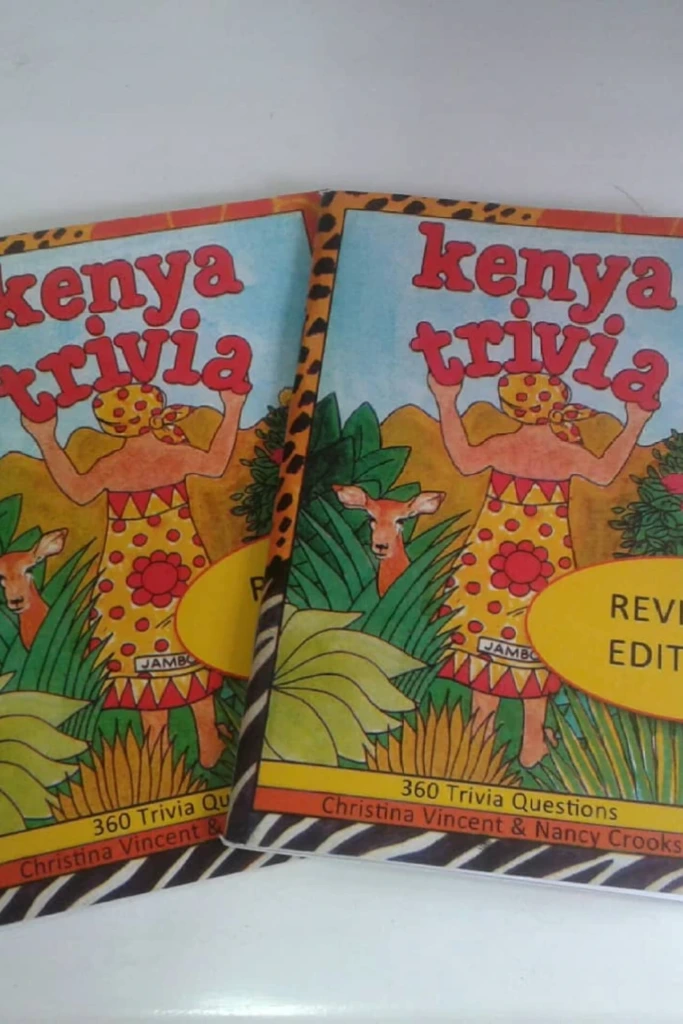
A trivia challenge turns everyday knowledge into an entertaining family game. Prepare questions about animals, favorite books, geography, food, sports, nature, or topics your children are currently exploring.
For younger children, use simple questions with visual clues or two possible answers. Older kids can handle more detailed questions, riddles, and bonus rounds that require explanations.
You can play individually, form teams, or let each child take a turn being the quiz host. For a cooperative version, the family works together to reach a target number of correct answers.
Keep the questions age-appropriate and avoid making mistakes feel embarrassing. If a child does not know an answer, offer a hint or use it as a chance to discover something new.
A trivia game can support memory, language development, listening, and general knowledge while giving family members a reason to laugh and learn together.
26. Ice & Color Sensory Bin
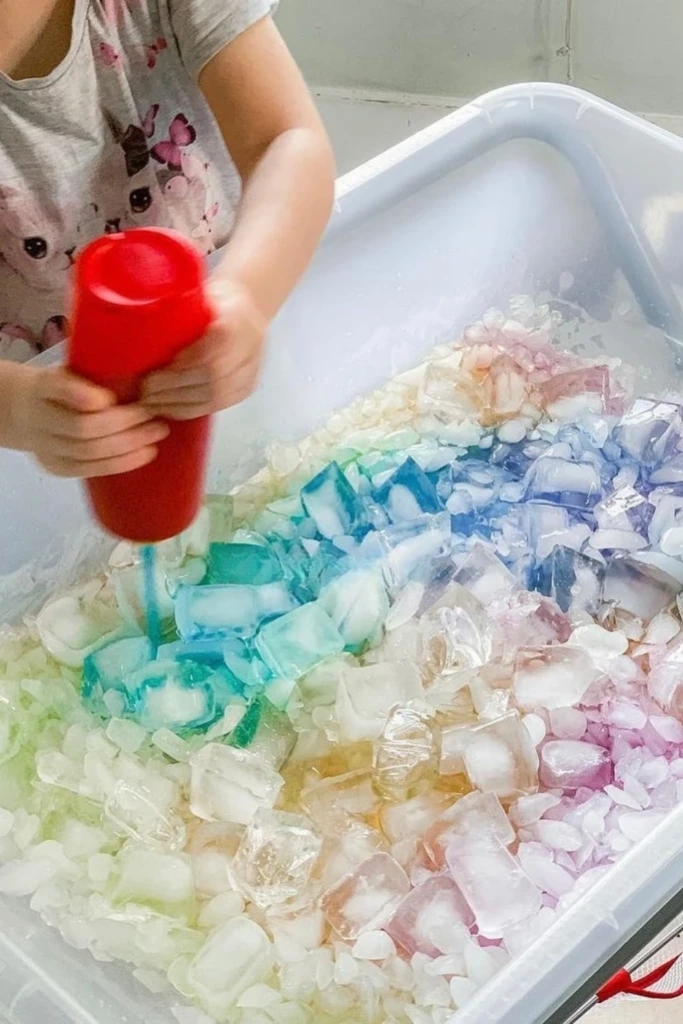
An ice and color sensory bin lets children explore temperature, texture, and color changes through supervised play. Place a few large ice cubes or blocks of ice in a shallow tray and provide cups, spoons, and towels for cleanup.
Children can watch the ice melt, compare its texture with room-temperature water, or observe how colored ice changes the appearance of the water as it melts. Use food coloring sparingly and only when suitable for your child's age and the materials involved.
For an added discovery game, freeze large, child-safe waterproof toys inside a block of ice and let children observe the melting process using cool or room-temperature water. Avoid sharp tools, hot water, and forceful methods to release the objects.
Small ice cubes may pose choking risks for young children, so choose appropriately sized pieces and supervise continuously. Keep the tray stable and wipe up spills promptly to prevent slipping.
This activity encourages observation and gives children a hands-on way to investigate changes between solid and liquid water.
27. Balance & Step Challenge
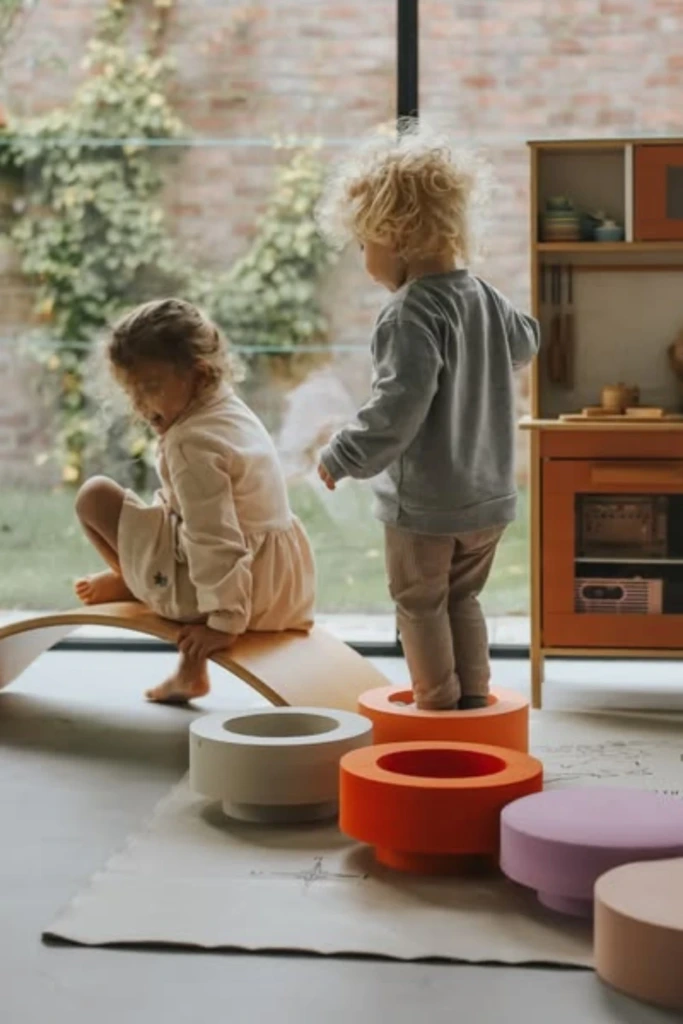
A balance and step challenge helps children practice controlled movement through a simple course. Use floor markers, flat stepping pads, or lines made with suitable tape to create a path across an open room.
Children can walk heel-to-toe along a line, step from one marker to another, or pause on a designated spot before continuing. For a playful twist, call out instructions such as taking two small steps, reaching toward the ceiling, or balancing briefly on one foot if the child can do so comfortably.
Adjust the difficulty gradually. Toddlers may need a straight path with close adult support, while older children can follow a zigzag route or complete a sequence from memory.
Keep the floor dry and clear of furniture, and avoid elevated surfaces or unstable objects. Children should be encouraged to move at their own pace rather than compete in a way that compromises balance.
This activity offers an accessible way to develop coordination, body awareness, and confidence in movement.
28. Bead & Tree Craft
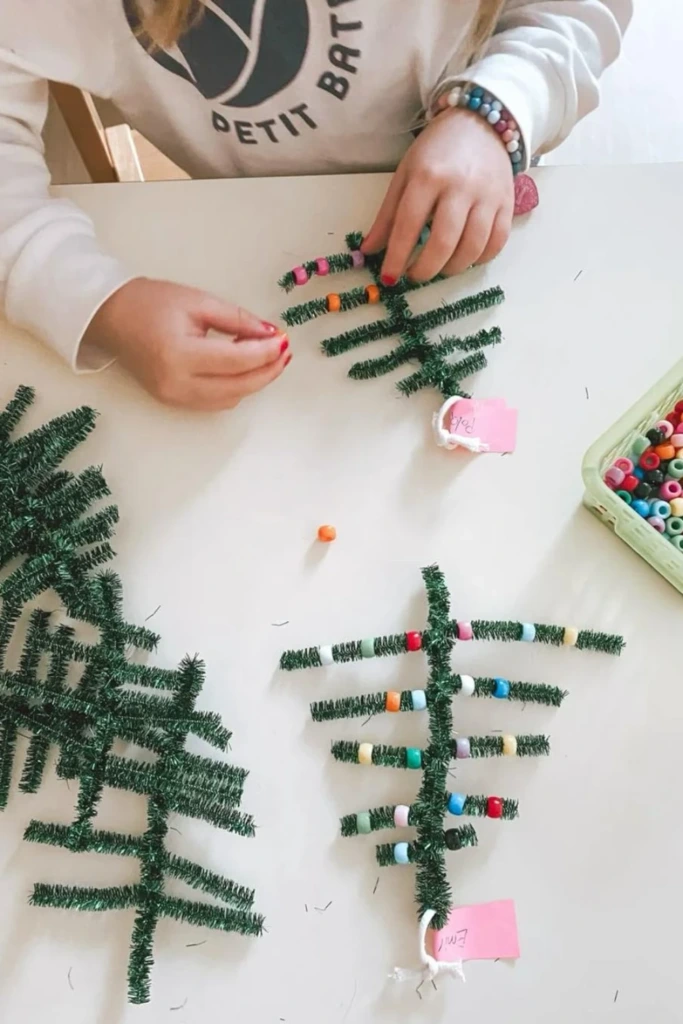
A bead and tree craft combines nature-inspired art with opportunities to practice careful placement and creative design. Draw a simple tree trunk and branches on sturdy paper or cardboard, then invite children to decorate the branches with colorful paper circles, stickers, or large craft pieces.
Older children may use appropriately sized craft beads to represent fruit, flowers, or autumn leaves. They can create patterns by alternating colors or counting how many decorations appear on each branch.
For toddlers and preschoolers who still explore objects with their mouths, avoid loose beads entirely. Use large paper shapes, washable paint dots, or pre-cut stickers instead. Small craft materials should only be used by children who can handle them safely under suitable supervision.
You can adapt the design for different seasons by creating blossom-covered branches in spring, green leaves in summer, or bright foliage in autumn.
Once the craft is complete, ask children to describe their tree and invent a story about the creatures that might live among its branches.
29. Snow Sensory Bin
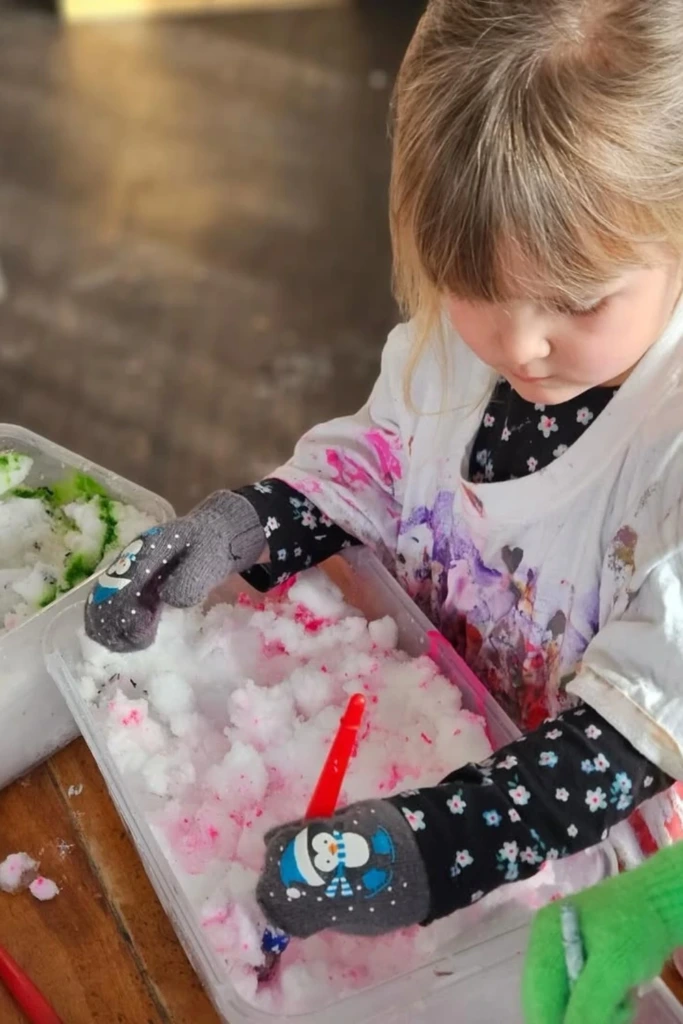
A snow sensory bin recreates some of the fun of winter play without needing to go outdoors. Choose a child-safe sensory material that suits your child's age, place it in a shallow tray, and provide scoops, cups, and suitable toy figures.
For a simple alternative, use white playdough to make snowballs and snowmen. You can also explore real ice in a supervised tray to introduce cold textures without relying on loose powdery materials.
Children can build small winter scenes, arrange toy animals, or create imaginary snowy roads. Older kids may enjoy comparing how different materials feel or observing how ice changes as it warms.
Avoid artificial snow products that are not labeled safe for your child's age, and do not use materials that could irritate the lungs or skin. Flour, powders, and tiny decorative objects may be unsuitable for children who put things in their mouths.
Keep the tray away from food preparation areas, supervise sensory play closely, and clean the area when the activity ends.
30. Block Tower Zone
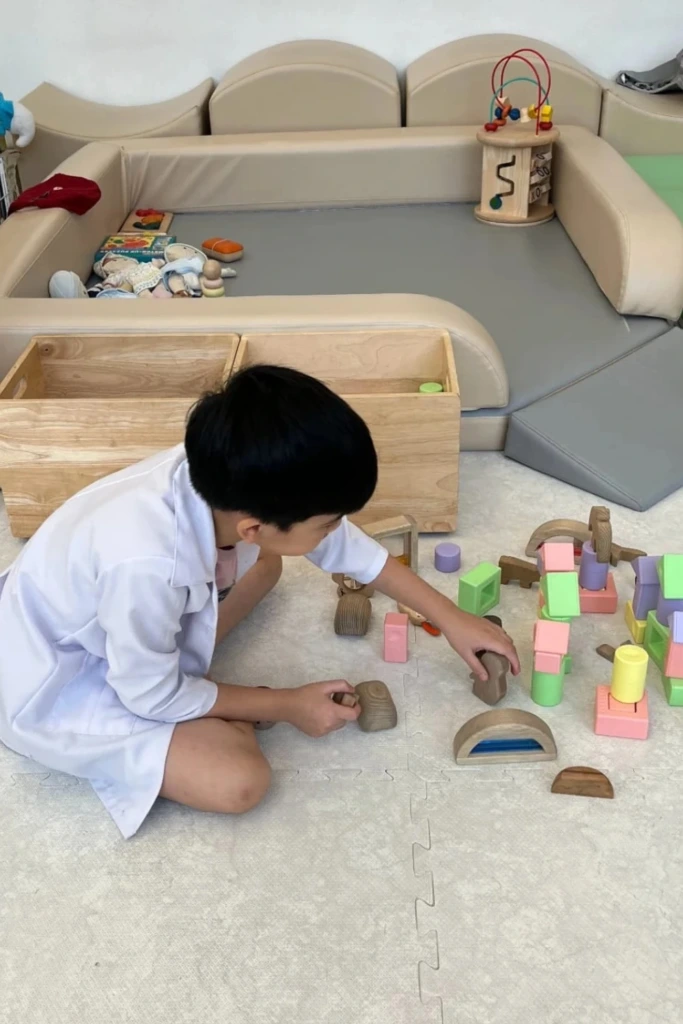
A block tower zone gives children a straightforward building challenge that can be repeated in countless ways. Provide wooden blocks, large plastic bricks, or lightweight foam blocks on a stable floor area.
Begin with a simple goal, such as building a tower with ten blocks or making a structure that can support a small toy. Children can experiment with wider bases, balanced layers, and different arrangements to discover what makes a tower stable.
For group play, take turns adding one block at a time. Another option is to build two structures and compare their height, shape, or stability without turning the activity into a stressful competition.
Choose blocks appropriate for the child's age and avoid small pieces around children who may choke on them. Keep towers low enough to prevent injury if they fall, and make sure children do not climb on the structures.
Block building encourages patience, spatial reasoning, early mathematical thinking, and creative experimentation.
31. Toddler Play Yard
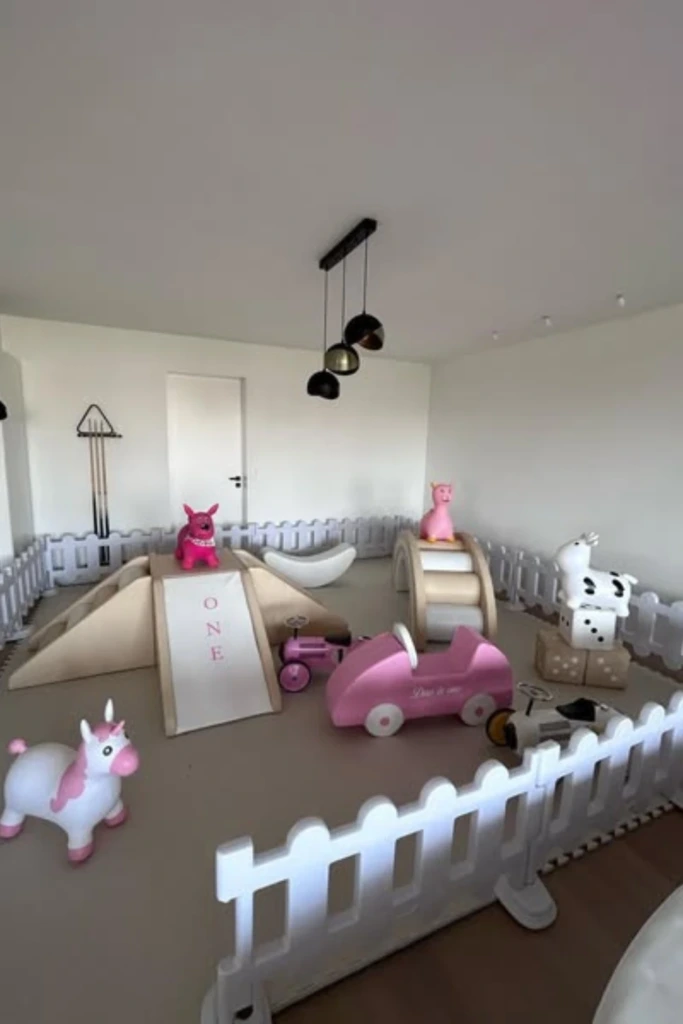
A toddler play yard can create a dedicated area for movement, pretend play, and exploring familiar toys. Depending on your available space, this might be a purpose-built indoor play enclosure or a clearly defined corner with age-appropriate equipment.
Add a few sturdy toys, large stacking blocks, soft balls, board books, and simple shape sorters. Keep enough open floor space for your child to sit, stand, crawl, or walk comfortably.
Change the toys occasionally rather than filling the entire area at once. A small selection makes it easier for children to focus and gives them opportunities to discover familiar objects in new ways.
Ensure any enclosure is stable and used according to its instructions. Secure furniture, cover accessible electrical outlets where appropriate, and keep cords, tiny objects, and unstable items out of reach.
A play yard supports independent exploration, but toddlers still need frequent interaction, encouragement, and close adult supervision throughout the day.
32. Laser Maze Challenge
A laser maze challenge creates the feeling of an adventure mission without using actual lasers. Use lightweight paper streamers or strips of crepe paper stretched across a clear, walk-through area to create pretend laser lines.
Children can carefully move between the strips without touching them. Make the route simple at first, then introduce extra turns or different heights that remain safely within the child's reach.
For younger children, place the strips widely apart and keep the course low and easy to navigate. Older kids can complete the maze while following a story, such as rescuing a toy or retrieving a pretend treasure.
Use only lightweight materials that break away easily. Never use real laser devices, tight string, wires, or elastic stretched across a child's path, and avoid arrangements that could wrap around the neck or cause falls. Keep exits unobstructed and supervise children throughout the challenge.
The activity encourages careful movement, planning, concentration, and imaginative problem-solving.
FAQs
Indoor play can be simple, inexpensive, and rewarding when activities match children's ages, interests, and energy levels. The following answers can help you choose options that work for your family and your available space.
What activities to do with children at home?
There are plenty of ways to keep children engaged at home without relying on screens or buying new toys. Try a combination of creative, educational, and active activities.
Creative projects: Drawing, painting, paper crafts, and homemade greeting cards.
Building games: Block towers, cardboard houses, blanket forts, and toy-car tracks.
Learning activities: Jigsaw puzzles, simple science experiments, counting games, and family trivia.
Movement breaks: Dance games, indoor obstacle courses, balance challenges, and action songs.
Sensory play: Supervised water exploration, playdough, and age-appropriate texture bins.
Quiet time: Reading corners, storytelling, coloring, and looking through picture books.
Family activities: Cooking together, board games, pretend shops, and collaborative art projects.
Choose activities based on your child's developmental stage and interests. Short sessions often work better for younger children, while older kids may enjoy projects that take longer to complete. Alternate active play with quieter tasks, and let children help choose what happens next.
What activities do kids enjoy?
Children enjoy different activities depending on their personalities, ages, and interests. Some love running, jumping, and competing in movement games, while others prefer art, books, building projects, or imaginative play.
Many children are particularly drawn to activities that let them make choices, solve small problems, and see the results of their efforts. Building a tower, completing a puzzle, creating a pretend restaurant, or conducting a simple experiment can provide that sense of discovery.
Social activities are also popular, especially when children can play with siblings, parents, or friends. Dance challenges, guessing games, storytelling, and team-building tasks create opportunities to laugh and cooperate.
For toddlers, simple cause-and-effect toys, stacking games, music, and supervised sensory exploration are often suitable choices. Preschoolers may enjoy pretend play, crafts, and easy obstacle courses, while school-age children can take on more complex projects and rule-based games.
Pay attention to what holds your child's interest rather than assuming every popular activity will appeal to them. Giving children a choice between two or three options can make playtime more enjoyable and encourage greater independence.
Final Thoughts
Indoor kids activities can turn an ordinary day at home into an opportunity for creativity, movement, learning, and family connection. From building block towers and setting up reading tents to exploring simple science experiments and organizing dance breaks, there are options for nearly every age and interest.
You don't need to prepare an elaborate activity every day. Keep a few basic supplies available, rotate favorite games, and allow children time to explore their own ideas. Prioritize age-appropriate materials, safe play spaces, and adult supervision whenever an activity involves movement, water, small objects, or craft supplies.
Most importantly, follow your child's curiosity. A simple activity that encourages laughter, discovery, and meaningful interaction can be far more valuable than an elaborate setup that leaves everyone overwhelmed.