21 DVD Storage Ideas for 2026
Although streaming services make movies easy to access, physical DVDs still have a place in many homes. They offer a reliable way to enjoy favorite films, preserve special collections, and keep hard-to-find titles close at hand. The challenge is finding a storage solution that protects your discs without taking over your living space.
Whether you own a handful of movies or hundreds of DVDs, the right organizer can make your collection easier to browse and more attractive to display. From simple baskets and portable wallets to custom media walls, these DVD storage ideas offer practical options for different budgets, room sizes, and decorating styles.
What Type of Storage Is Best for DVDs?
The best DVD storage depends on the size of your collection, how frequently you watch your movies, and whether you prefer to display the original cases or store the discs more compactly.
For everyday collections, shelving units and media cabinets are convenient because they keep cases organized and accessible. Clear acrylic racks work well for displaying favorite titles, while labeled boxes are useful for storing movies you rarely watch. If you have limited space, DVD binders and zipper wallets can hold many discs in a relatively small area.
Consider protection as well as appearance. Store DVDs away from direct sunlight, excessive heat, dust, and damp conditions. Keep discs in their original cases or suitable protective sleeves, and avoid stacking loose discs directly on top of one another. For valuable or rarely used collections, choose a clean, enclosed storage option that reduces exposure to environmental damage.
1. Woven Basket DVD Sleeve Storage
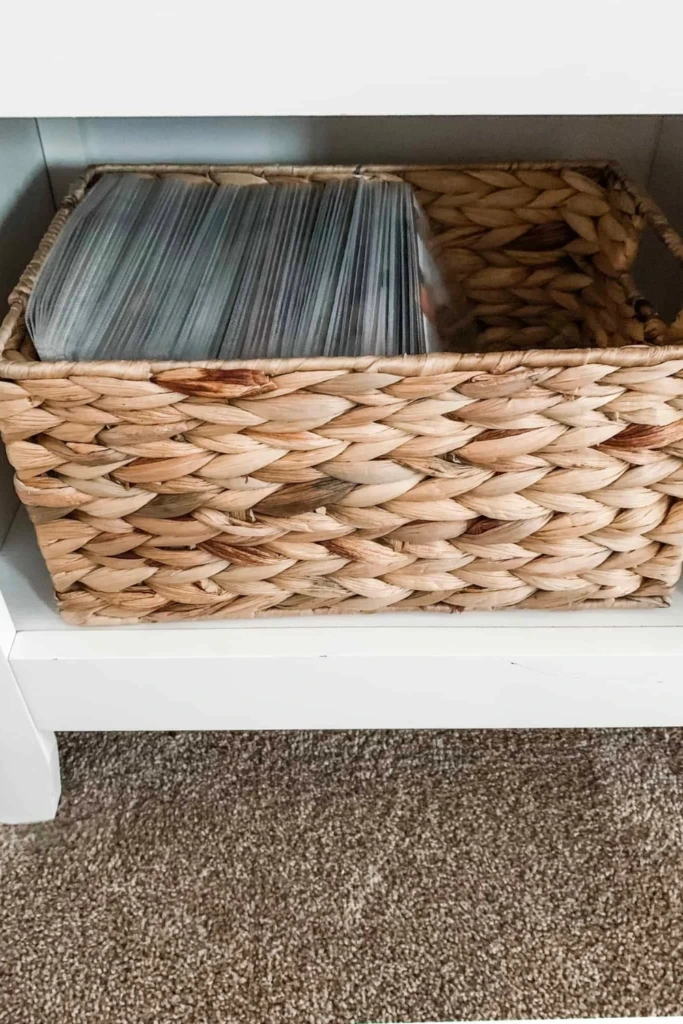
<PRIVATE_PERSON> baskets offer a relaxed, decorative way to organize DVDs without adding another piece of bulky furniture. Choose a sturdy woven basket that fits your shelf, entertainment unit, or living room corner, then arrange your DVDs inside in protective sleeves or slim cases.
This approach works particularly well when you want your collection to blend into a cozy interior. Natural fibers complement wooden furniture, neutral fabrics, and rustic decor, while darker woven designs suit more contemporary rooms.
To make browsing easier, divide the basket into categories such as action, comedy, family movies, and documentaries. Small dividers or labeled sections help prevent discs from becoming mixed together. If you use sleeves rather than original cases, make sure each disc has an appropriate protective sleeve and a clearly identifiable title.
Keep the basket away from damp floors and areas exposed to direct sunlight. A basket is most suitable for a small or frequently used collection rather than a large library that needs precise organization.
2. Labeled Box Storage System
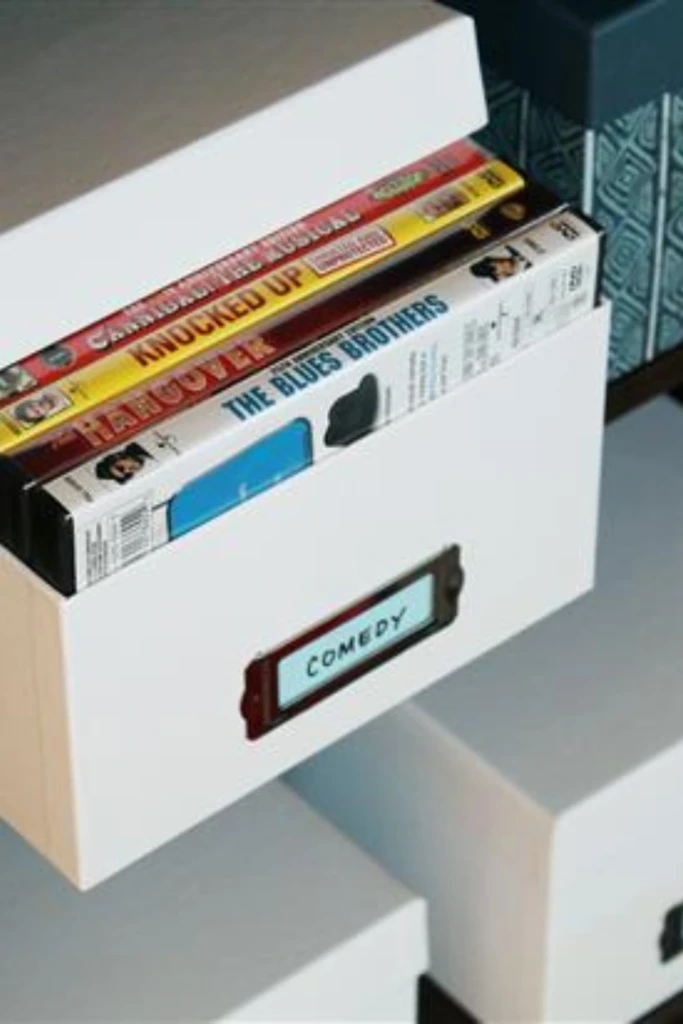
A labeled box system is an affordable way to keep a DVD collection organized, especially when you have limited shelving. Use sturdy boxes that fit standard DVD cases, and assign each one a specific category, genre, or alphabetical range.
For example, one box might hold family films, another could contain thrillers, and a third could store documentaries. Labels on the front or short printed lists attached to the lids make it easy to identify the contents without opening every container.
Choose boxes with smooth interiors and enough space to remove cases comfortably. Avoid overfilling them, since tightly packed cases can become difficult to retrieve and may suffer damage when forced out. Stackable boxes are useful for closets and storage rooms, provided the lower boxes can support the weight.
For a cleaner result, use matching containers. If the boxes will remain visible, coordinate their colors with your furniture. If they will be tucked away, prioritize durability, clear labeling, and convenient access.
3. Clear Acrylic Display Rack
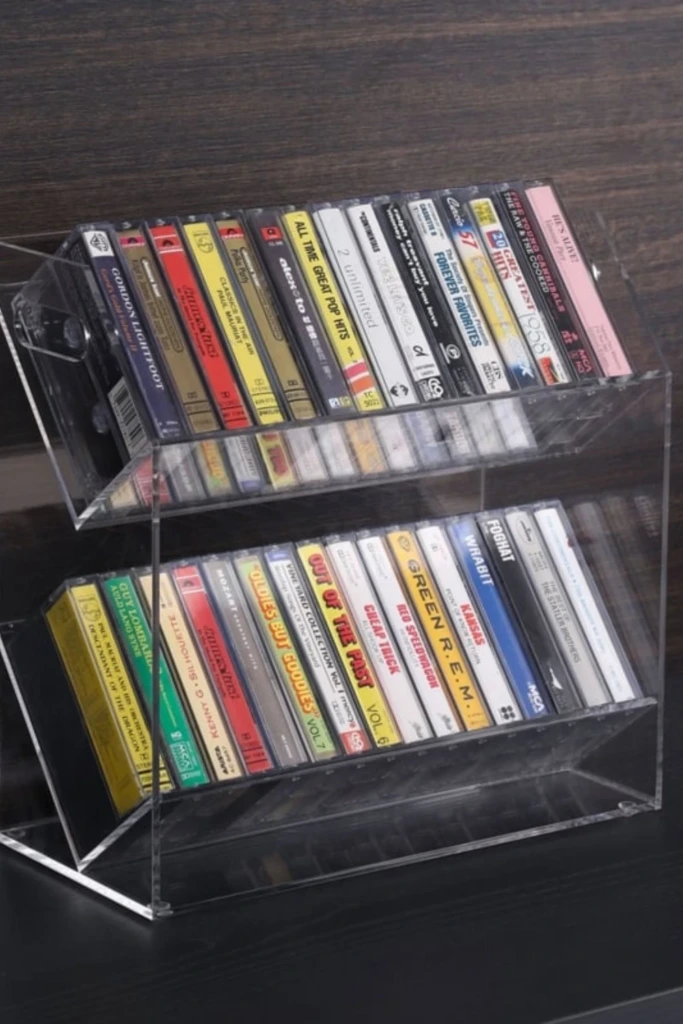
A clear acrylic DVD rack keeps your collection visible while maintaining an open, uncluttered appearance. Its transparent construction allows the covers to remain part of the room's decor without the visual weight of a large wooden cabinet.
Place a small rack on an entertainment console, desk, bookcase, or media shelf. It is particularly useful for displaying favorite movies, new additions, or a rotating selection of titles that you watch regularly. Some designs hold cases vertically, while others use angled slots that make cover artwork easier to see.
Before purchasing a rack, check that its compartments fit the dimensions of your DVD cases. A stable base is important, especially if the rack will sit on a narrow surface or in a busy household.
Acrylic can show fingerprints and scratches, so clean it with a soft cloth and a cleaner suitable for the material. Avoid positioning the rack beside a sunny window, since direct sunlight can affect disc cases and their printed artwork over time.
4. X-Frame Wooden Organizer
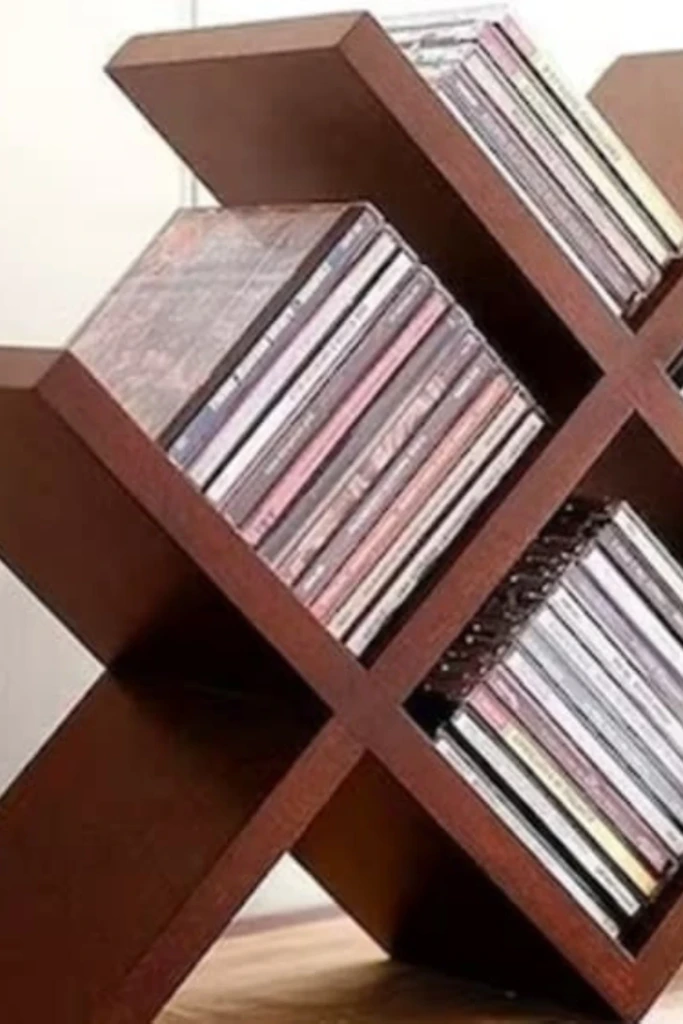
An X-frame wooden organizer offers a simple, sturdy way to store DVDs while adding a little architectural interest to your room. The crossed wooden supports create a distinctive silhouette, making the organizer feel more like a piece of furniture than a basic storage container.
Depending on its design, an X-frame unit may have open shelves, fabric bins, or removable compartments. Open shelving is convenient for browsing, while bins keep smaller collections together and reduce visible clutter.
This style works well in casual living rooms, home theaters, bedrooms, and creative workspaces. Natural wood brings warmth to neutral interiors, while painted finishes can match colorful or modern decor.
Measure the available floor or tabletop space before selecting a unit. Check the shelf depth and height to ensure standard DVD cases fit comfortably without leaning or protruding. If the organizer is tall or likely to be bumped, secure it appropriately to reduce the risk of tipping.
For a tidy arrangement, sort movies by genre or use one shelf for favorites and another for the rest of the collection.
5. Floating Wall Shelf Display
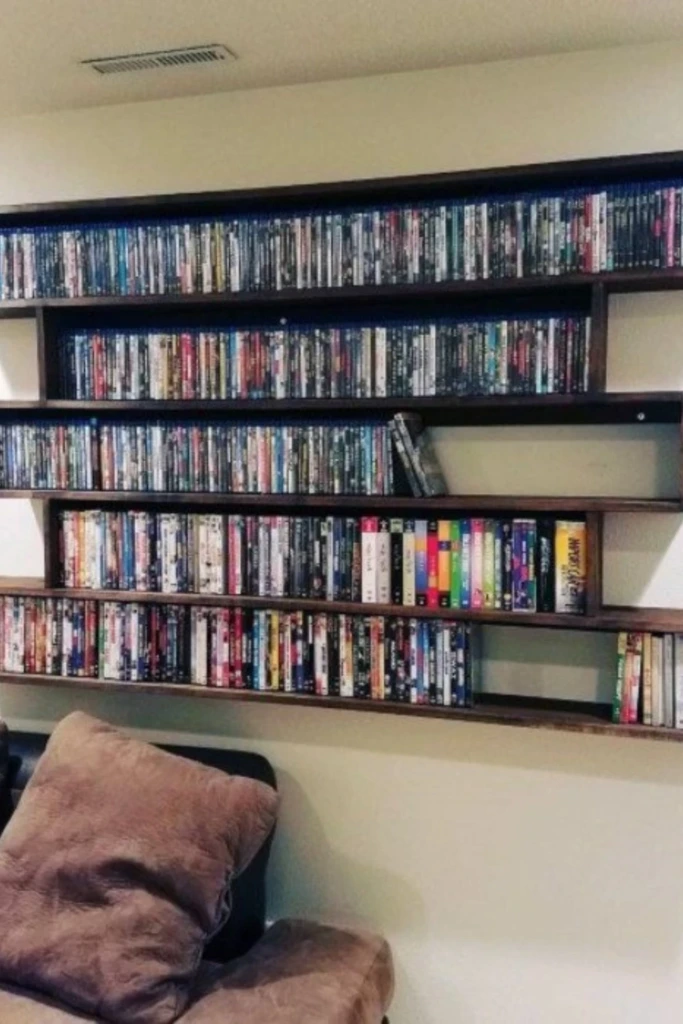
Floating shelves turn DVD storage into a wall feature while freeing up valuable floor space. They are a practical choice for apartments, compact entertainment areas, and rooms where a large media cabinet would feel overwhelming.
Install shelves near your television or in a dedicated movie corner. Standard DVD cases can be arranged upright in rows, while a few face-out covers can add visual interest. You can also reserve one shelf for box sets and another for individual films.
Spacing matters. Measure the height of your DVD cases and allow a little extra clearance so you can remove them without scraping the shelf above. A small lip or bookend can help prevent cases from sliding off open shelves.
Use wall anchors or mounting hardware appropriate for your wall material and the expected load. A shelf that looks secure when empty may sag or pull away from the wall once filled with heavy cases.
For a cohesive display, match the shelf finish to your television stand or other furniture. Grouping similar colors together can create a calmer appearance, while arranging movies by genre makes the collection easier to navigate.
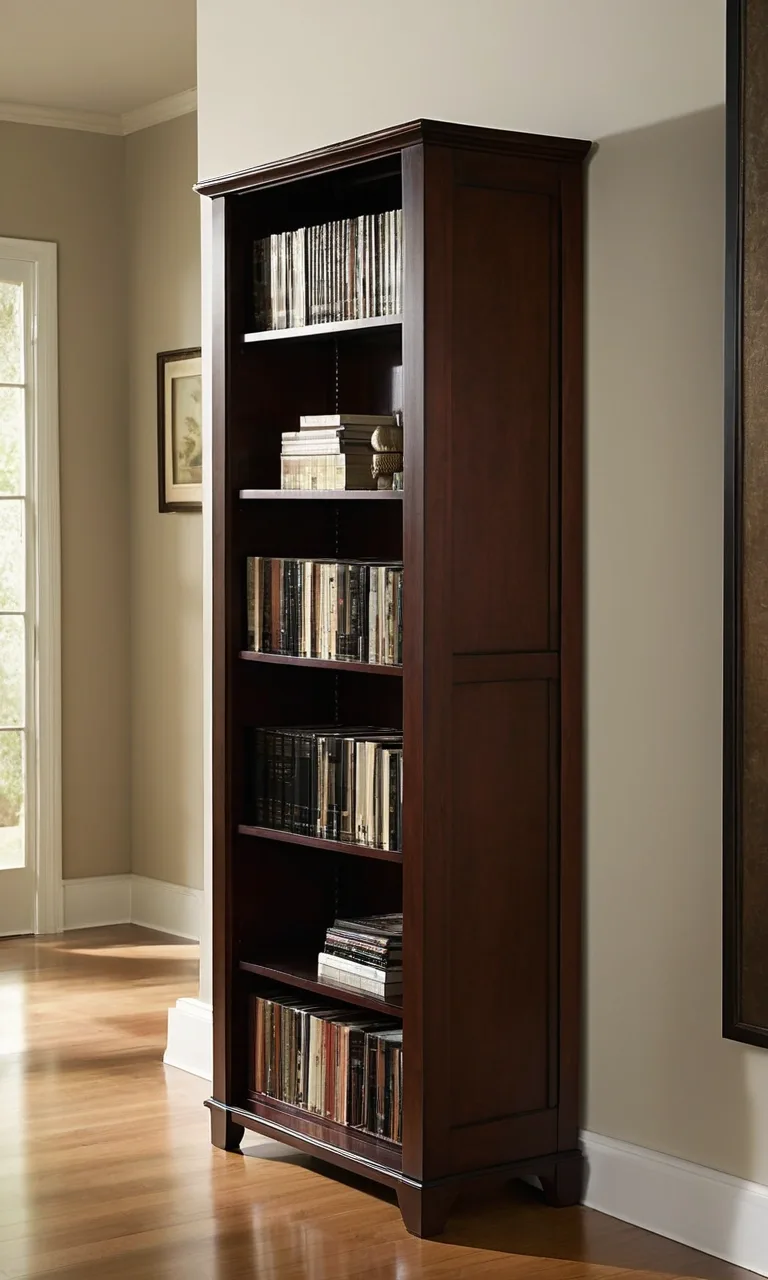
6. Vintage Wooden Media Cabinet
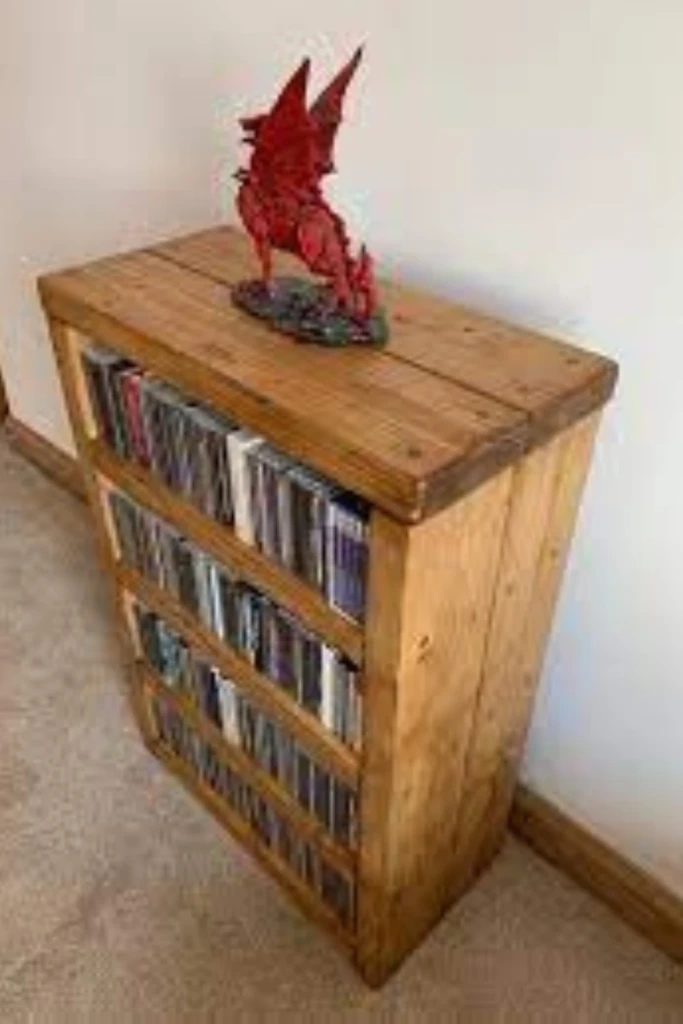
A vintage wooden media cabinet provides enclosed storage with a timeless look. It can accommodate DVD cases, box sets, remote controls, and other entertainment accessories while giving your collection a dedicated place in the room.
Look for a cabinet with adjustable shelves or compartments that suit the height of standard DVD cases. Doors help limit dust exposure and conceal visual clutter, while drawers can hold movie lists, cables, and small accessories.
Secondhand furniture can be an excellent option if you want character without paying for a newly manufactured media unit. Before bringing a vintage cabinet home, inspect the shelves, hinges, back panel, and base for damage. Check for signs of moisture, pests, or persistent musty odors.
Older furniture may have fixed shelves that are too shallow for DVD cases, so measure carefully. If necessary, use removable shelf inserts or small organizers to make better use of the available space.
For styling, keep the cabinet top relatively clear. A lamp, a framed photograph, or a small decorative object can complement the wood without turning the area into another cluttered surface.
7. Minimal Box Storage

Minimal box storage is ideal for people who want their DVD collection neatly contained rather than prominently displayed. Plain boxes in white, gray, beige, or black create a uniform appearance, especially when placed inside a closet, under a console, or on a bookcase.
Choose containers that accommodate your cases without forcing them into position. Matching boxes can be arranged in a row or stacked carefully, depending on their construction and weight limits.
The key to making this system useful is labeling. Mark each box with a genre, title range, or inventory number. If your collection is large, maintain a simple digital or printed list showing which box contains each movie.
Lidded containers offer an additional barrier against household dust, but they should be kept in a dry, temperature-stable location. Avoid damp basements, hot attics, and places where condensation might develop.
This method is especially effective for seasonal movie collections, backup copies of rarely watched titles, or DVDs that you want to keep but do not need to access every day.
8. Compact Case Organizer

A compact case organizer helps keep DVDs together in a small footprint. It may take the form of a desktop rack, a narrow vertical stand, or a small compartmentalized unit that fits beside a television.
This solution works well for modest collections and frequently watched movies. Instead of searching through a large cabinet, you can keep a selected group of titles within easy reach.
Look for an organizer with compartments sized for standard DVD cases and a base that prevents tipping. Some models accommodate slim cases, so check the product dimensions before buying if your collection includes bulky editions or boxed sets.
To make the most of limited capacity, reserve the organizer for your favorite films, children's movies, or titles you are currently watching. Store the remaining collection elsewhere.
You can also place small genre labels on the compartments or arrange titles alphabetically. A simple organizational system makes a compact rack more useful than one in which every case is packed together randomly.
9. Hidden Drawer Storage
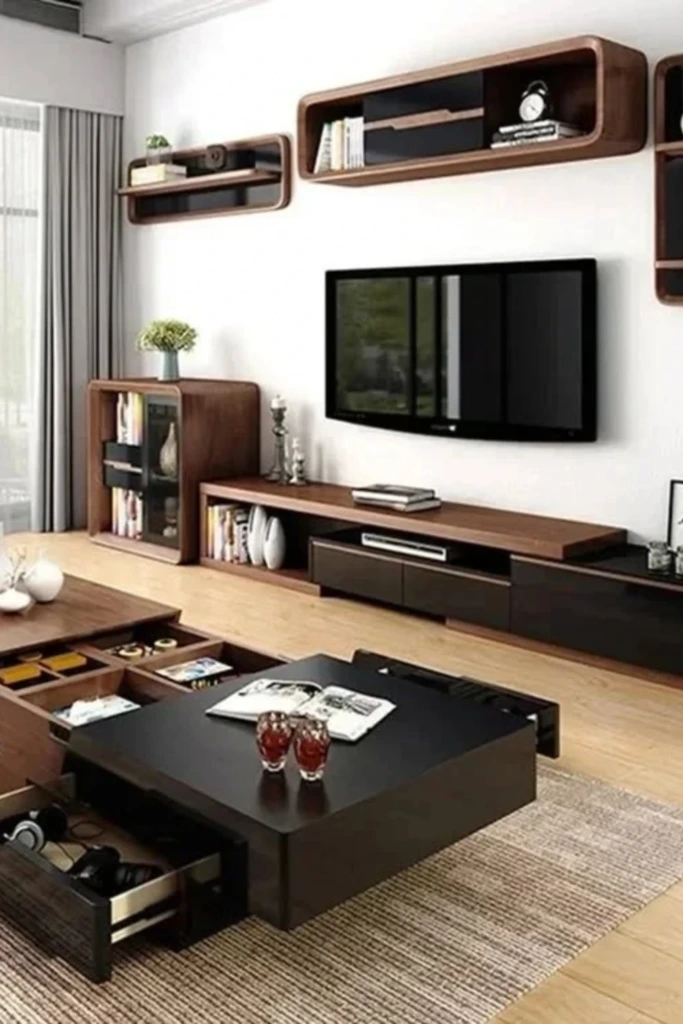
Hidden drawer storage keeps DVDs out of sight while making efficient use of furniture you already own. Deep drawers in a media console, sideboard, or dedicated storage cabinet can hold a surprisingly useful selection of movies without adding extra shelving.
Arrange DVD cases upright when the drawer's height allows it. This makes titles easier to read and reduces the need to lift piles of cases when searching for a particular film. If the drawer is shallow, use suitable dividers to separate smaller groups.
Before loading the drawer, check its dimensions, weight capacity, and sliding mechanism. DVD cases can become heavy in large quantities, so avoid overloading lightweight furniture or drawers that do not glide smoothly.
Labels on the inside of the drawer or removable dividers can help organize films by genre, alphabet, or household member. Keep the drawer dry and avoid storing DVDs alongside liquids or items that could scratch their cases.
Hidden storage is particularly useful in minimalist rooms where you want the entertainment area to remain visually calm.
10. Minimal Wooden Rack Storage
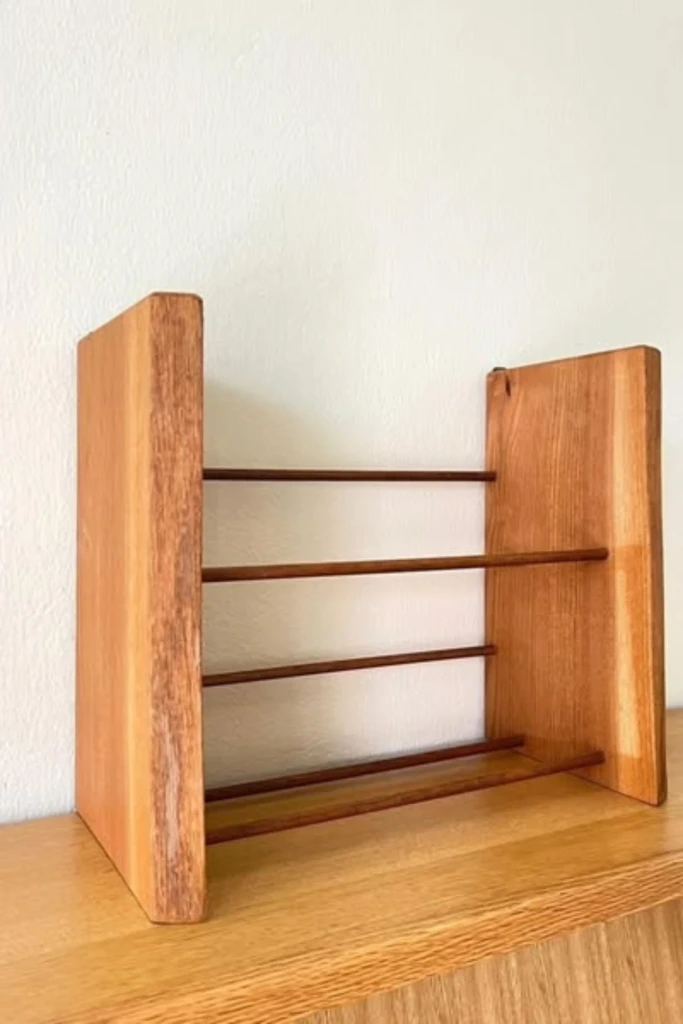
A minimal wooden rack provides straightforward DVD storage with a warm, understated finish. Its open design makes it easy to see the titles in your collection, while the natural material can complement furniture throughout the room.
Choose a rack with enough depth to support the full case without leaving it unstable. Narrow designs are useful for small spaces, whereas wider racks can accommodate a growing collection or several movie categories.
Wood finishes range from pale oak and maple to walnut and dark-stained styles. Match the rack to your existing furniture for a coordinated look, or choose a contrasting finish to create a subtle focal point.
For organization, position cases upright and use bookends or dividers to keep them from leaning. Leave a little room at the end of each row so that removing a case does not disturb the neighboring titles.
Open wooden racks offer easy access but do not fully protect DVDs from dust or sunlight. If you place one in a bright room, avoid direct sun exposure and clean the area regularly.
11. DVD Binder Storage

DVD binders are an excellent option when you want to reduce the space taken up by bulky plastic cases. Each binder contains protective sleeves or pockets that hold individual discs, allowing you to store a large collection in a compact format.
Many binders include index pages or labeled sections, making it easier to organize movies by genre, title, or viewing preference. You can keep the original artwork separately if you want to preserve it, although that requires additional storage space.
Choose a binder with sleeves designed specifically for optical discs. Good-quality pages should hold discs securely without placing pressure on their surfaces. Avoid rough materials that can scratch discs or pockets that make removal difficult.
When transferring DVDs from their original cases, handle each disc by its edges and center hole. Place it in the sleeve with the correct orientation, and label the corresponding page clearly.
Binders are especially useful for travel, small apartments, and collections that need to be stored inside a cabinet. However, they are less suitable if preserving original packaging and collector editions is a priority.
12. Portable Zipper DVD Wallet
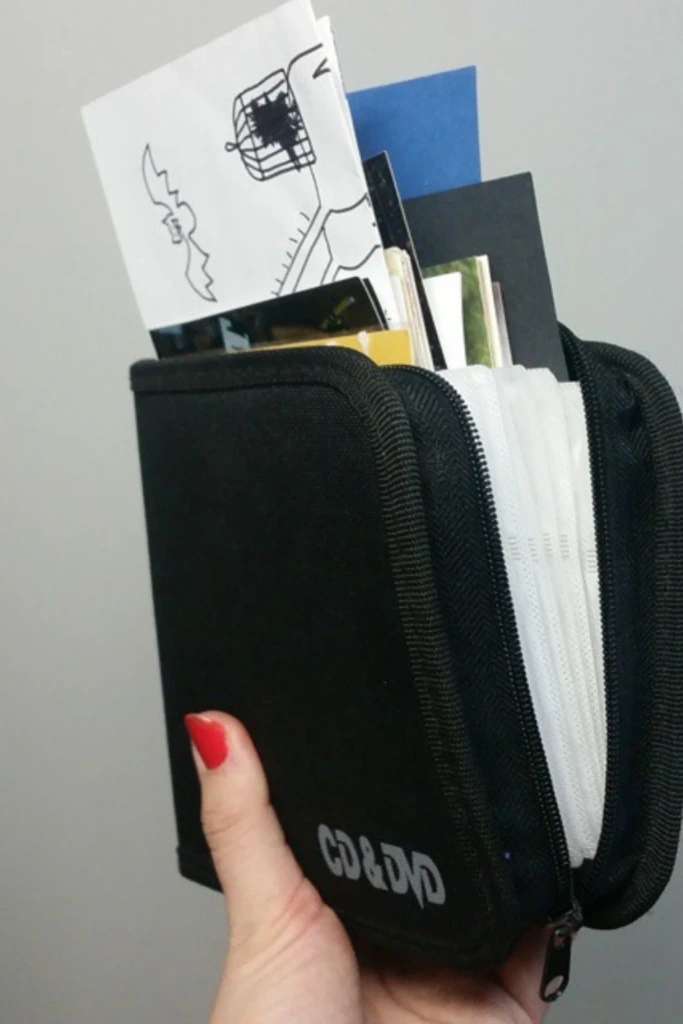
A portable zipper DVD wallet makes it easy to carry a selection of movies between rooms or take them on trips. These wallets usually contain multiple internal sleeves and a zippered exterior that keeps the discs together.
Choose a wallet with enough capacity for your needs without making it unnecessarily bulky. Smaller versions work well for a handful of favorite movies, while larger wallets can hold a substantial collection for road trips or family holidays.
Check that the sleeves fit DVDs securely and provide a smooth surface that will not scratch the disc. A padded cover offers some protection against everyday bumps, although it should not be treated as a substitute for careful handling.
Label the wallet or use an index card to record the titles inside. This prevents unnecessary searching and helps you return each disc to its proper sleeve.
For regular travel, store the wallet in a dry compartment away from heavy objects, sharp items, and excessive heat. Never leave it on a sun-heated dashboard or inside a hot vehicle for extended periods.
At home, a zipper wallet can also fit neatly into a drawer, bedside cabinet, or small shelf.
13. Vintage Disc Holder Tower
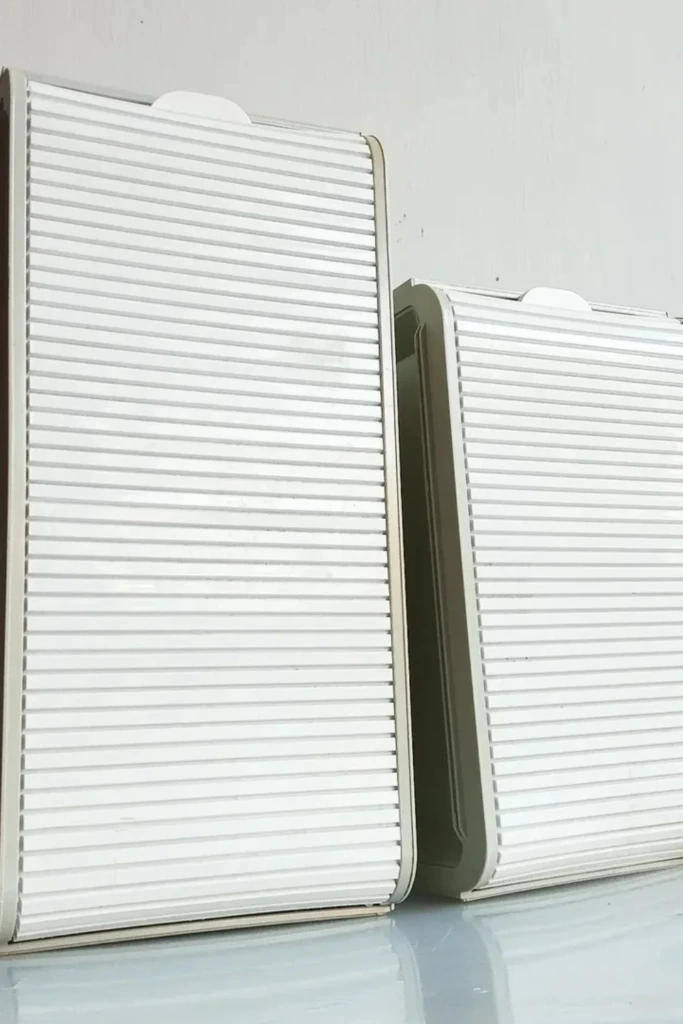
A vintage disc holder tower can bring a retro feel to an entertainment room while keeping DVDs arranged vertically. Older towers often feature narrow compartments, rotating bases, or distinctive decorative details that make them stand out from modern storage furniture.
Before using a secondhand tower, inspect its stability and confirm that the slots fit your DVDs. Some older designs were intended for CDs, whose cases are narrower than standard DVD cases. Others may be designed for loose discs rather than complete movie cases.
If the tower is compatible with your collection, arrange titles in alphabetical order or group them by genre. A rotating model can be particularly convenient when positioned beside a television or media player.
Look for worn joints, damaged shelves, rusted components, or a loose base. A tall tower should stand securely on a level surface, and heavier models may need additional stabilization.
This storage option suits collectors who enjoy retro furnishings and want to make their movie collection part of the room's character. It is less appropriate when you need enclosed, dust-resistant storage or have a very large collection.
14. Angled Branch Storage Rack
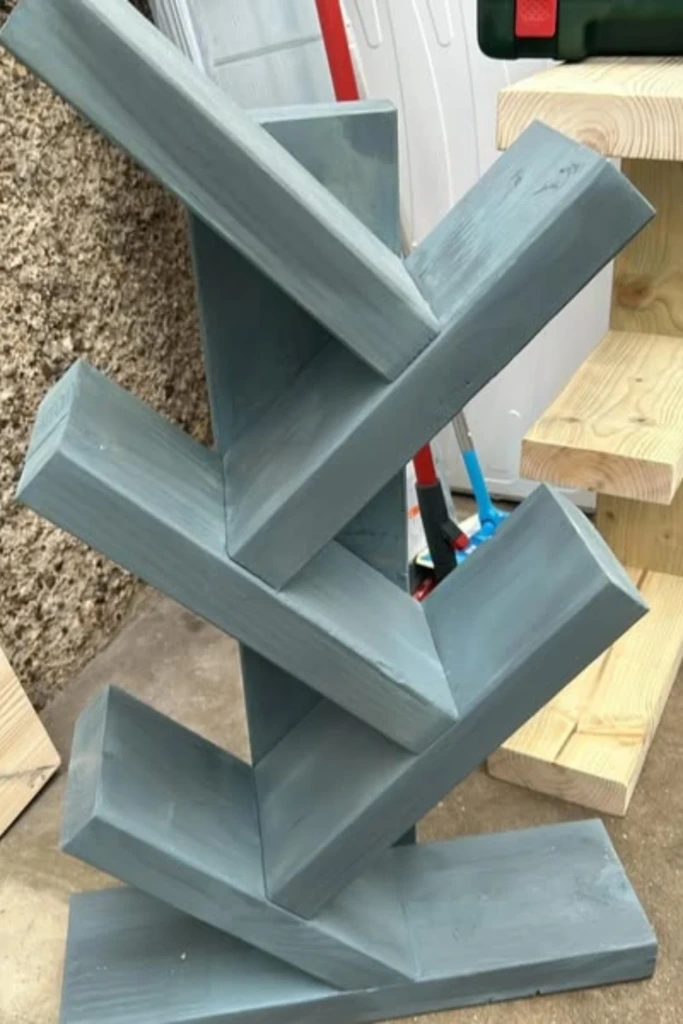
An angled branch-style rack offers an artistic alternative to conventional shelving. Its branching supports can create a tree-like silhouette, giving a movie corner a decorative feature while providing space for selected DVD cases.
This type of organizer is best suited to smaller collections or a rotating selection of favorite titles. Depending on the design, the branches may support cases along short ledges or use angled sections to hold them in place.
Choose a rack with stable supports and enough contact area to prevent cases from sliding. Standard DVD cases are relatively wide, so make sure the design can accommodate their dimensions rather than assuming that every decorative branch will work as a shelf.
Arrange movies with their spines visible so you can identify them easily. If the rack has limited capacity, reserve it for favorite films and keep the rest of your collection in a cabinet or box.
A branch-inspired rack can complement natural wood, botanical decor, and eclectic interiors. Place it where it will not be knocked over by children, pets, or frequent movement through the room.
15. Paper Sleeve Box Storage

Paper sleeve box storage offers a lightweight alternative to keeping every DVD in its original plastic case. Paper or paper-based sleeves can reduce the space required for a collection, especially when paired with a suitably sized storage box.
Select sleeves intended for optical discs, preferably with a smooth inner lining or protective window. Ordinary paper envelopes may contain abrasive fibers, so they are not always suitable for long-term disc storage.
Place sleeved DVDs upright in a sturdy box with enough room to browse through them. Separate titles with labeled dividers, and keep a catalog of the films if the collection is large. If you remove the original cases, consider storing valuable cover artwork separately.
Paper sleeves provide less impact protection than rigid DVD cases, so this approach is best for everyday collections where compactness matters more than retaining original packaging. Avoid crushing the box or placing heavy items on top of it.
Store the container in a clean, dry location away from direct sunlight and moisture. For particularly valuable discs, original cases or higher-quality archival sleeves may be a better choice.
16. Tall Standing Media Cabinet
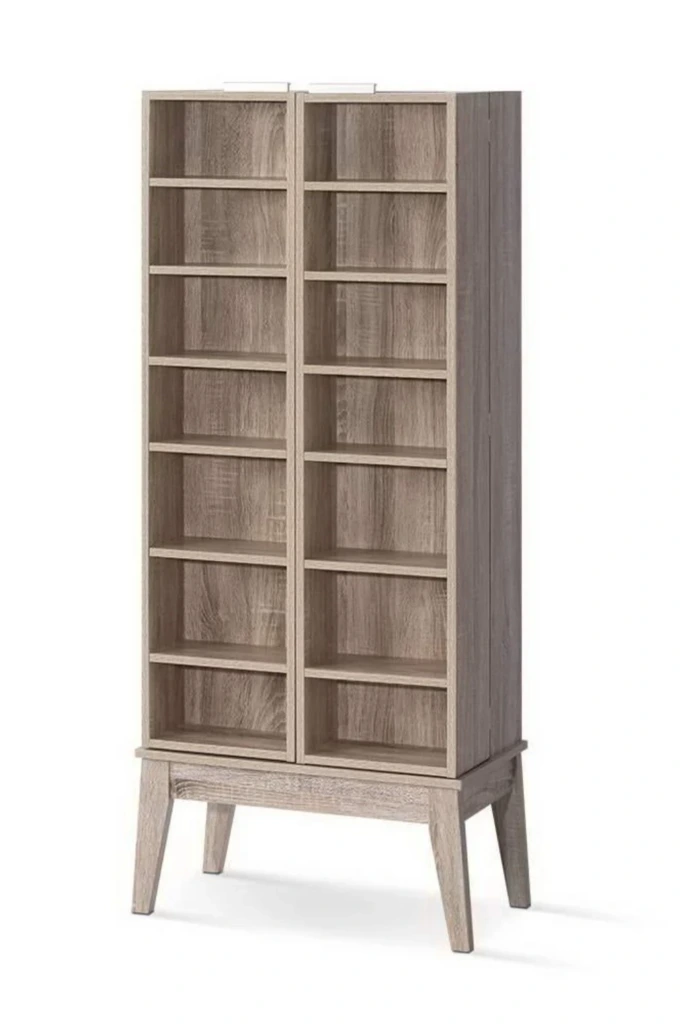
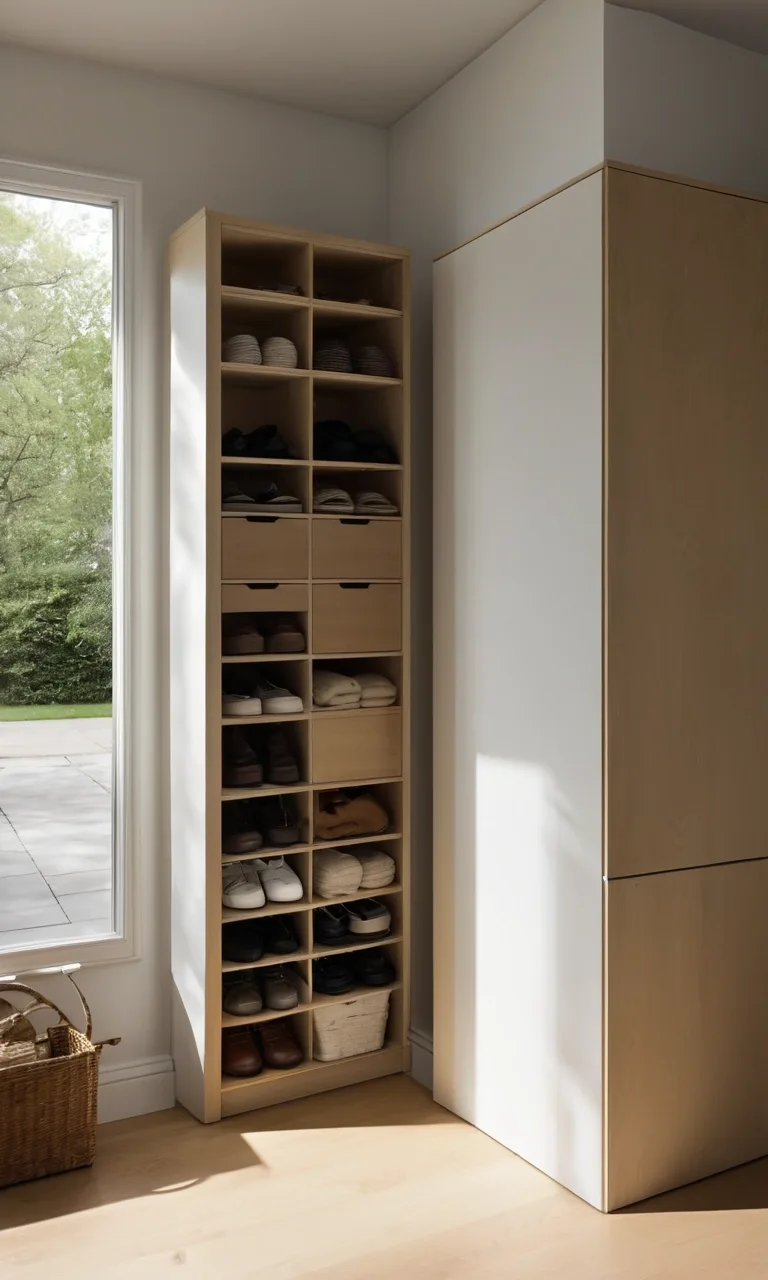
A tall standing media cabinet makes use of vertical space and can store a substantial DVD collection without spreading across an entire wall. Its narrow footprint is useful in living rooms, hallways with sufficient clearance, and dedicated home theater spaces.
Look for a model with shelves that match the height of your DVD cases. Adjustable shelving gives you more flexibility for box sets, special editions, and accessories. Doors can help keep dust out, while open compartments provide quicker access to frequently watched titles.
Before purchasing a tall cabinet, measure both the available floor area and ceiling height. Make sure the doors can open fully and that there is enough room to stand comfortably while browsing.
A fully loaded cabinet can become heavy, so choose a sturdy unit with a stable base and secure it to the wall when appropriate. Follow the manufacturer's instructions for weight limits and anchoring.
Organize the contents by genre, alphabetical order, or viewing frequency. If the cabinet has several shelves, dedicate individual sections to different categories so the collection remains manageable as it grows.
17. Archival Box Storage
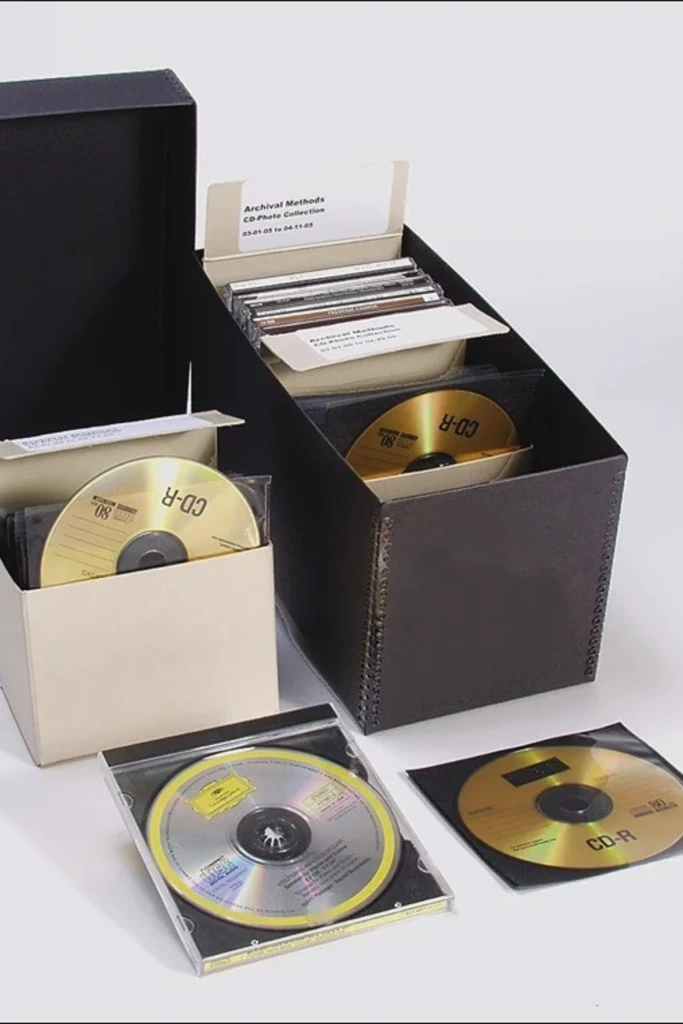
Archival box storage is useful when you need to preserve DVDs that are rarely handled, particularly personal recordings, discontinued titles, or discs with sentimental value. The aim is to create a clean, stable environment that reduces unnecessary exposure to dust, light, and physical damage.
Choose sturdy boxes made from materials suitable for long-term storage. If you are keeping original DVD cases, select containers that fit them without forcing or crushing them. For loose discs, use appropriate disc sleeves and avoid placing them directly against rough cardboard.
Label each box with its contents, date, or collection category. A separate inventory can record individual titles and help you locate a particular disc without repeatedly opening the containers.
Archival-quality packaging can be helpful, but the storage environment is equally important. Keep boxes in a dry room with relatively stable temperatures, away from radiators, damp walls, and direct sunlight. Avoid attics and basements when they experience extreme heat, cold, or humidity.
For irreplaceable personal recordings, consider keeping a separate digital backup where legally and technically appropriate. Physical storage protects the original media from some environmental risks, but it cannot guarantee indefinite preservation.
18. Vintage Suitcase Storage
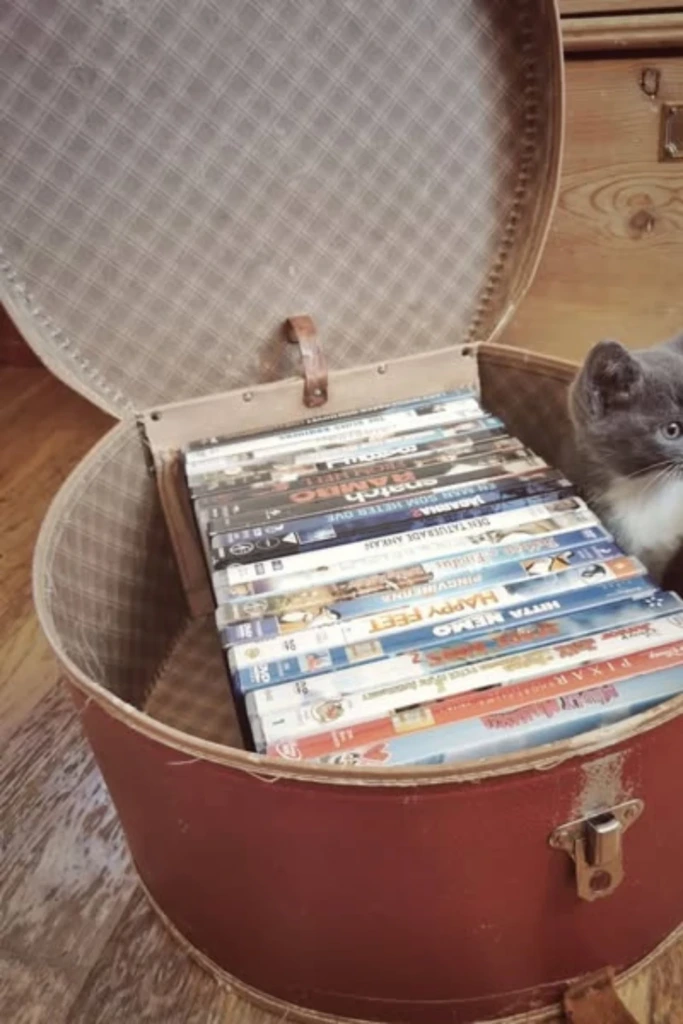
A vintage suitcase can serve as an unusual storage container for DVDs while adding personality to a room. Its rigid structure and portable design make it convenient for keeping a small collection together, especially in guest rooms, creative spaces, or homes with eclectic decor.
Start by checking the suitcase's interior dimensions. Standard DVD cases need more depth than slim disc wallets, and the usable space may be reduced by curved corners or internal lining.
Clean the interior thoroughly and make sure it is completely dry before storing any discs. If the suitcase has a musty smell, signs of mold, or a history of damp storage, choose another container rather than risking damage to your collection.
Use lightweight dividers or small boxes inside the suitcase to prevent cases from shifting when the lid opens. You can arrange films by genre, occasion, or family member and attach a simple inventory to the inside lid.
A suitcase with a secure latch can keep the collection contained, but it should not be treated as airtight or moisture-proof. Store it in a dry location, and avoid stacking heavy objects on top of it.
This approach works best for a modest collection or movies you want to keep together for occasional use.
19. Floor-to-Ceiling Media Wall
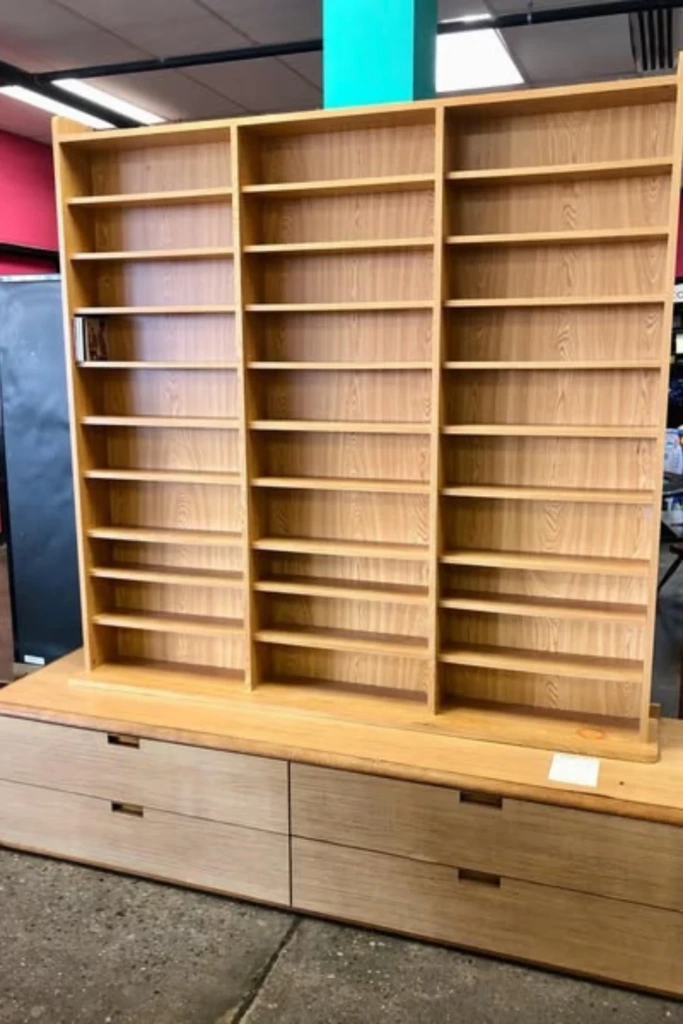
A floor-to-ceiling media wall turns DVD storage into a major feature of a living room or home theater. Full-height shelving can accommodate hundreds of cases while providing space for a television, speakers, books, decorative objects, and other media equipment.
For a balanced design, combine different shelf widths or dedicate separate sections to DVDs, box sets, and accessories. Keeping the most frequently used titles near eye level makes them easier to reach, while less-used movies can occupy higher shelves.
Measure the DVD cases before finalizing the shelf spacing. Standard cases need enough clearance to slide out comfortably, and deeper box sets may require dedicated compartments. Avoid designing every shelf so tightly that future additions become difficult to fit.
A media wall should be planned around both appearance and safety. Secure tall shelving to suitable wall framing, account for the weight of a full collection, and keep heavy items on lower shelves. Ensure that ventilation around electronic equipment remains unobstructed.
For a polished look, choose a consistent finish and use dividers to keep the collection orderly. You can arrange the DVDs alphabetically, by genre, or in color groups, although a clear catalog-based system is generally easier for finding specific movies.
20. Built-In Cabinet Storage
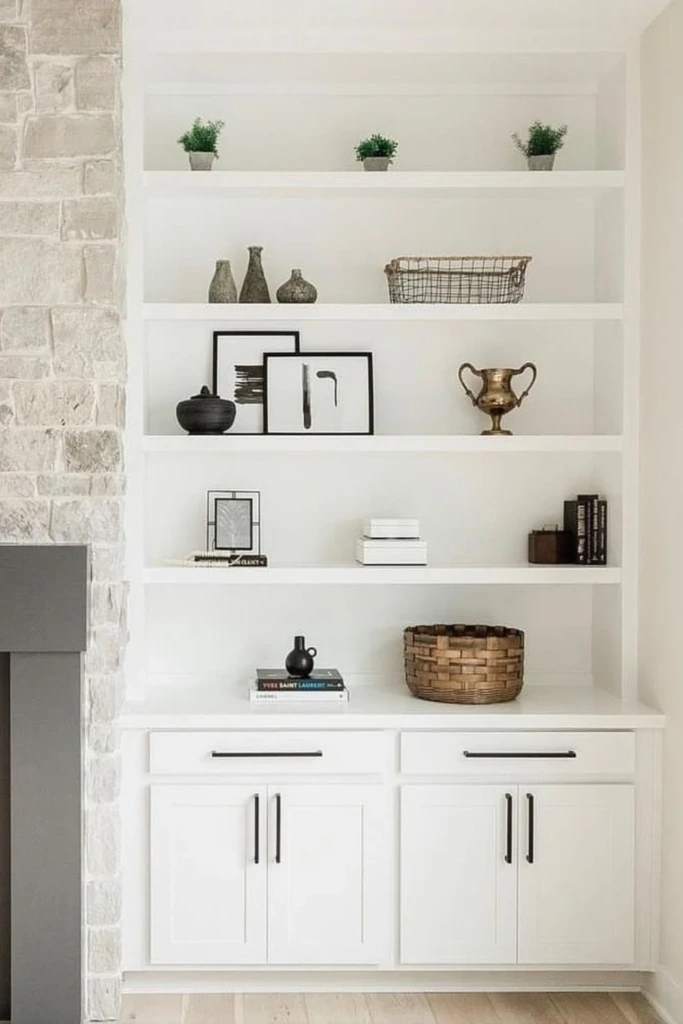
Built-in cabinets offer a tailored way to store DVDs without wasting awkward spaces around a television or along a wall. Because the dimensions can be customized, they are particularly useful for large collections and rooms where standard furniture does not fit neatly.
A well-planned built-in can include adjustable shelves, closed doors, drawers, and open display niches. Use enclosed sections for most of the collection and reserve a smaller area for favorite movies or collectible editions.
Before installation, count your DVDs and estimate how much room you will need for future purchases. Allow enough shelf height and depth for standard cases, thicker box sets, and comfortable access. If the cabinet will surround electronic equipment, plan for adequate ventilation and access to cables.
Choose materials and finishes that complement the rest of the room. Painted cabinetry can blend into the wall, while wood finishes make the storage a more prominent feature.
Professional installation may be worthwhile for large or complex units, particularly where secure wall attachment is necessary. If you are planning a renovation, incorporating DVD storage into the original layout can create a cleaner result than adding separate furniture later.
21. Felt Bin Storage System
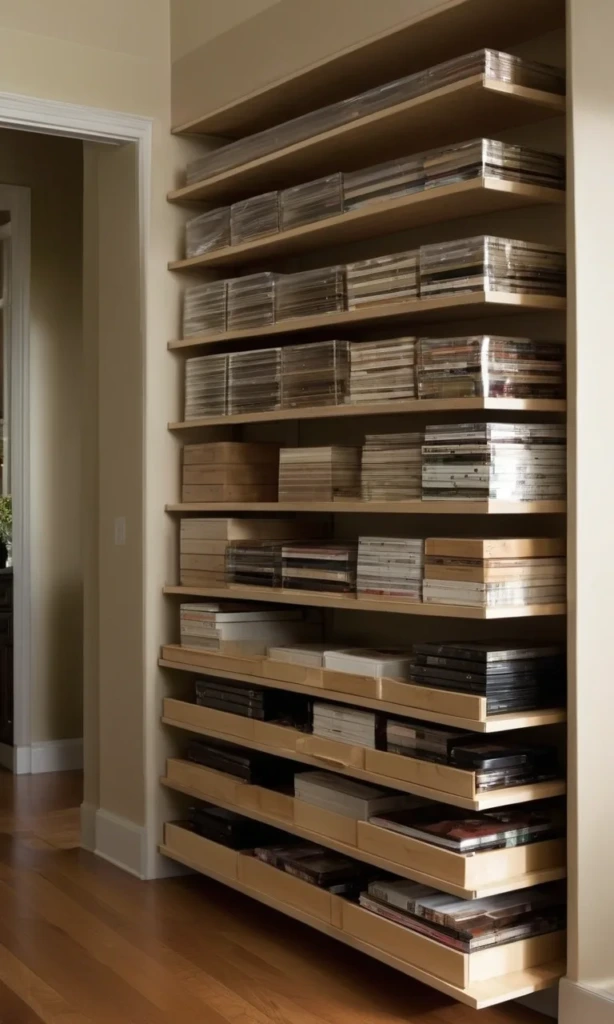
Felt bins provide a soft-sided, lightweight way to organize DVDs on shelves, inside cabinets, or in open cubbies. Their simple appearance suits modern interiors, and the fabric construction can help prevent cases from rattling against one another.
Choose bins that maintain their shape when filled and have dimensions suited to standard DVD cases. Some felt containers are designed for clothing or toys and may be too shallow or flexible for upright case storage.
Use a bin for each category, such as animated films, documentaries, or seasonal favorites. Small tags attached to the front make it easy to identify the contents, while matching bins create a consistent look across an entertainment unit.
Avoid overfilling the containers. DVD cases should slide out easily, and the bin should not bulge or collapse under the weight. For heavier collections, place the bins on sturdy shelves rather than on top of delicate furniture.
Felt bins do not provide a sealed barrier against dust or moisture, so keep them in a clean, dry environment. They are most effective for accessible everyday storage rather than long-term archival preservation.
FAQs
DVD storage can be simple or highly customized, depending on how many movies you own and how much room you have available. The following answers cover common questions about organizing, protecting, and choosing storage for a physical movie collection.
What is the use of DVD storage?
DVD storage keeps movies organized, protected, and easy to find. A suitable storage system helps prevent discs and cases from being scratched, bent, misplaced, or exposed to unnecessary dust and sunlight.
It also makes better use of available space. Shelves, cabinets, binders, and labeled boxes can accommodate collections of different sizes, while dedicated sections make it easier to browse by genre, title, or viewing preference.
Storage is especially valuable for collectors who own films that are no longer readily available through streaming services. Keeping discs in appropriate cases or protective sleeves and storing them in a dry, stable environment can help preserve their condition.
What are the different types of DVD storage?
There are several DVD storage options, each offering different advantages:
Shelving units: Open racks and floating shelves make titles easy to see and retrieve.
Media cabinets: Enclosed furniture helps organize large collections and limits everyday dust exposure.
Storage boxes: Labeled boxes are affordable, stackable, and useful for collections that are not accessed frequently.
DVD binders and wallets: These hold discs in individual sleeves and save space when original cases are not required.
Desktop organizers: Compact racks keep a small selection of favorite movies within reach.
Decorative containers: Baskets, vintage suitcases, felt bins, and wooden organizers combine storage with interior styling.
Custom built-ins: Full-height shelving and fitted cabinets provide substantial capacity for dedicated media rooms.
Archival storage: Suitable boxes and protective sleeves are helpful for preserving important or rarely used discs.
The best choice depends on your collection size, available space, budget, and whether you want to keep the original DVD cases. For many households, a combination of shelving for frequently watched movies and labeled boxes or binders for the rest offers a practical balance.
Final Thoughts
The right DVD storage system keeps your movie collection accessible without allowing it to overwhelm your home. Open shelving and acrylic racks are ideal for displaying favorite titles, while cabinets and built-in media walls offer greater capacity. Binders, wallets, baskets, and labeled boxes provide compact alternatives when space is limited.
Start by counting your DVDs, measuring the area available, and deciding whether preserving the original cases matters to you. Then choose a storage method that fits your routine and decor. With sensible organization and protection from heat, moisture, and direct sunlight, your collection can remain tidy, easy to browse, and ready for your next movie night.