7 Bathroom Vanity Organization Tips Interior Designers Swear By

A bathroom vanity should make getting ready easier, but it can quickly become one of the most cluttered areas in your home. Between skincare bottles, makeup, toothbrushes, hair accessories, and cleaning supplies, even a spacious vanity can feel overcrowded.
The solution isn't necessarily adding more storage. It's arranging your belongings so the products you need are easy to find, use, and put away.
With a few thoughtful changes, you can transform your bathroom vanity into a practical, attractive space that supports your daily routine. These five bathroom vanity organization tips will help you reduce clutter, maximize available storage, and maintain a tidy bathroom without spending a fortune.
1. Why Your Vanity Always Feels Messy
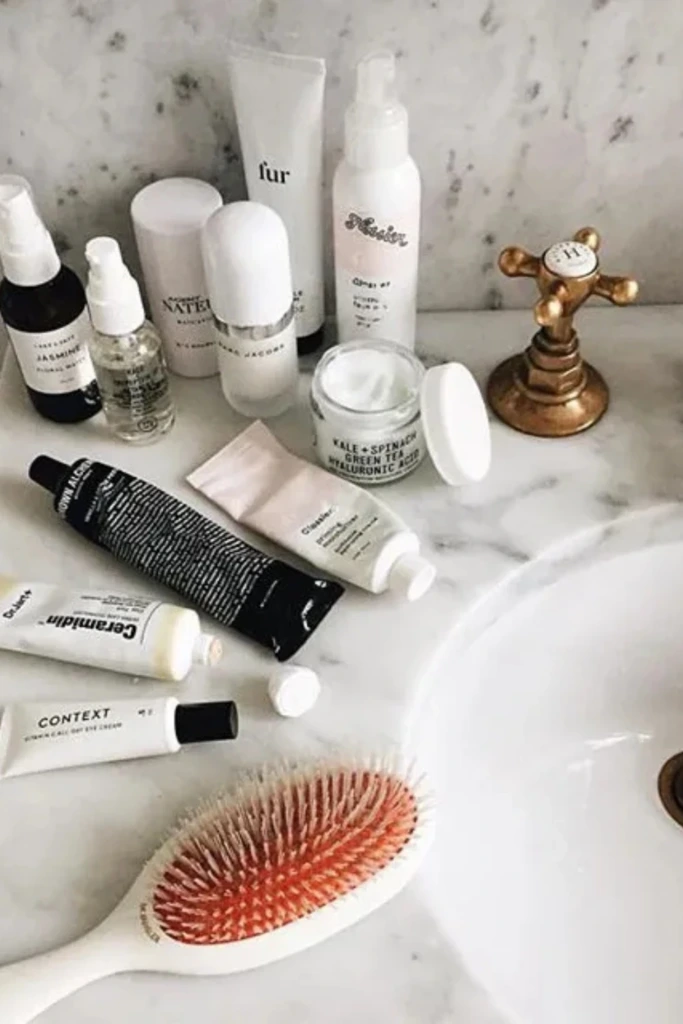
Bathroom vanities often become cluttered because they accommodate several different activities in one relatively small area.
You might use the same countertop for brushing your teeth, applying makeup, styling your hair, and completing your skincare routine. Each activity requires different products, and without designated storage, everything eventually gets mixed together.
Another common problem is keeping too many items within easy reach. Extra shampoo bottles, rarely used cosmetics, and unopened toiletries can occupy valuable space that should be reserved for everyday essentials.
Poorly arranged drawers also contribute to the problem. When small products share one large compartment, they become difficult to locate, and you may end up purchasing duplicates.
The most effective approach is to organize your vanity according to how you actually use it.
Frequently needed products should be accessible, occasional items can go into drawers or cabinets, and backup supplies should have their own storage area.
Once every category has a purpose and a location, keeping the vanity organized becomes much easier.
2. Start with a Full Reset
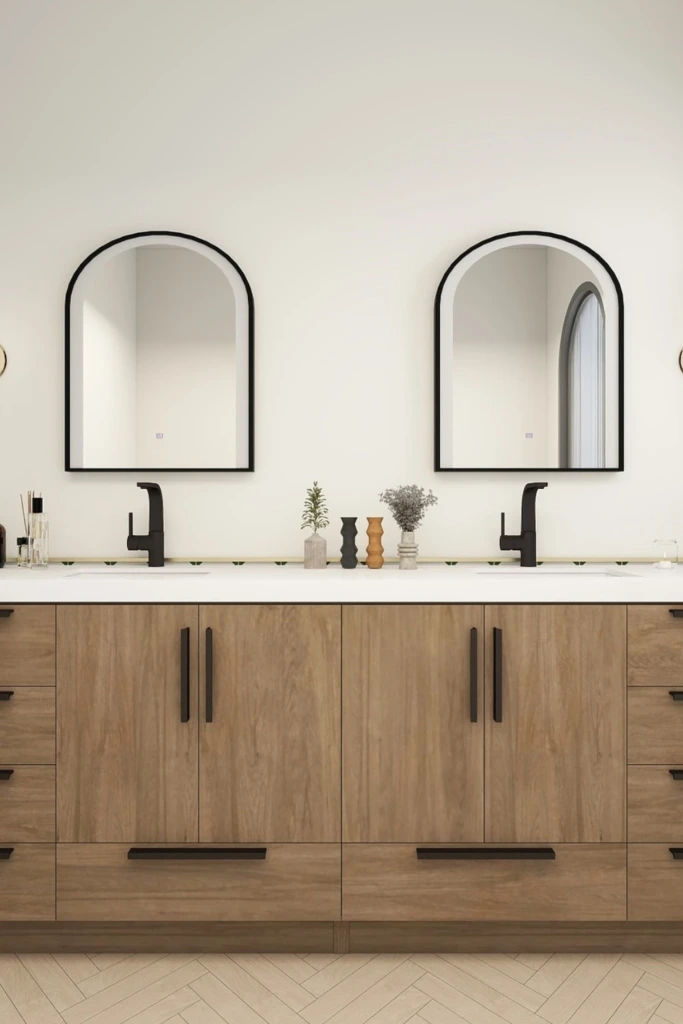
Before buying organizers or rearranging drawers, completely empty your bathroom vanity.
Remove everything from the countertop, drawers, shelves, and under-sink cabinet. Place the items on a clean towel or another dry surface where you can examine them individually.
This process helps you identify products you've forgotten about, unnecessary duplicates, and belongings that no longer deserve storage space.
Check cosmetics and skincare products for expiration dates, changes in smell or texture, and recommended periods of use after opening. Discard anything that is no longer suitable to use.
Next, separate your belongings into categories based on your actual habits.
For example, your morning essentials might include facial cleanser, sunscreen, moisturizer, and a few makeup products. Your evening supplies could include makeup remover, treatment products, and nighttime skincare.
Keep hair accessories, grooming tools, and replacement toiletries in separate groups.
As you sort, consider whether each item deserves a place in your bathroom. Products affected by heat and humidity, such as certain medications, may be better stored elsewhere according to their labels.
Finally, wipe down the empty drawers and cabinet interiors before returning anything.
This fresh start makes it easier to create a practical storage arrangement instead of simply putting everything back where it was.
3. Routine-Based Vanity Organization Table

Organizing products by the activities you perform can make your vanity more efficient than arranging everything solely by product category.
Traditional Storage
Routine-Based Organization
Main Benefit
Skincare bottles scattered across several shelves
Morning skincare basket
Keeps your daily skincare steps together
All cosmetics stored in one large makeup bag
Small everyday makeup organizer
Makes frequently used products easier to locate
Hair accessories mixed with grooming supplies
Dedicated hairstyling compartment
Prevents small accessories from getting lost
Spare toiletries placed wherever space is available
Clearly labeled replacement supply bin
Helps you monitor what you already own
Evening products mixed with daytime essentials
Separate nighttime skincare container
Creates a more convenient evening routine
You don't need a separate container for every activity. If you have limited storage, a few well-organized compartments can work just as effectively.
The important thing is to create an arrangement that reflects your routine rather than forcing your belongings into a complicated system.
4. Set Up Daily “Hot Zones” – Key Points
Your bathroom countertop should primarily accommodate the products you reach for most frequently.
Instead of displaying your entire collection, establish a small area dedicated to everyday essentials.
Prioritize frequently used products. Keep your toothbrush, hand soap, daily moisturizer, and other necessities accessible.
Use a compact countertop tray. A washable tray gives bottles and small accessories a defined location while making the surface look more intentional.
Limit decorative accessories. A small plant or attractive container can add personality, but too many decorations reduce usable space.
Keep the sink area clear. Leave enough room around the basin to wash your hands and face without knocking over products.
Choose easy-to-clean materials. Plastic, sealed ceramic, stainless steel, and other moisture-resistant surfaces are practical choices for humid bathrooms.
Move occasional products into storage. Special-occasion makeup, extra skincare, and seldom-used grooming tools don't need permanent countertop space.
Avoid overcrowding. Leave some open space so the vanity remains comfortable to use.
If two people share the bathroom, consider assigning each person a separate section or container.
For particularly small vanities, a wall-mounted toothbrush holder or narrow countertop organizer can help preserve valuable surface space.
The objective is to make your most common tasks convenient without turning the countertop into an open storage shelf.
5. Create Smart Drawer and Cabinet Systems
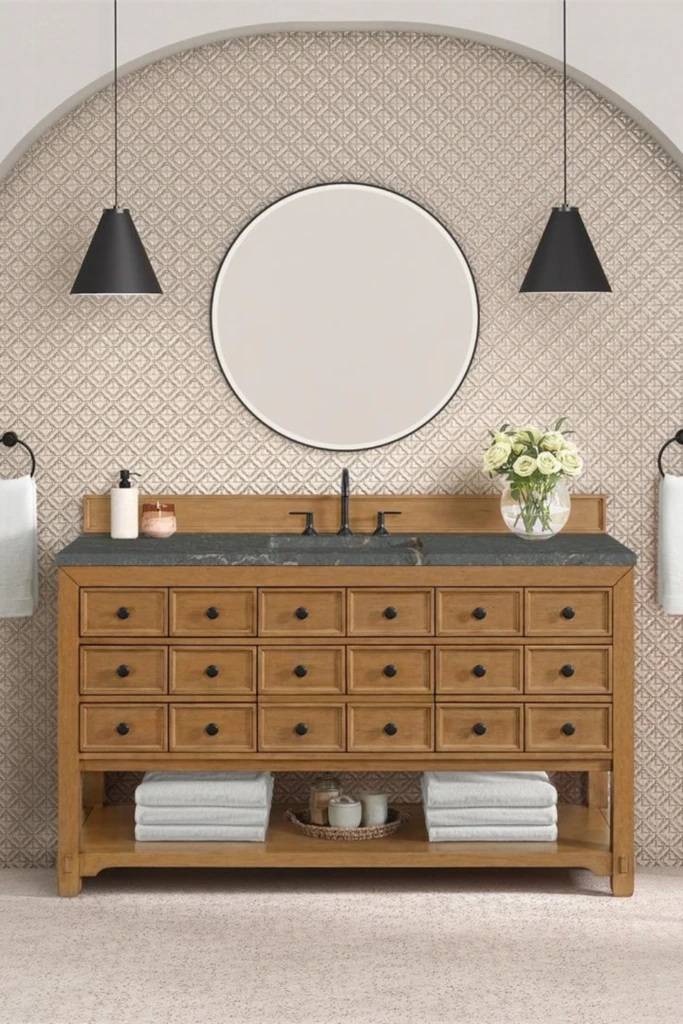
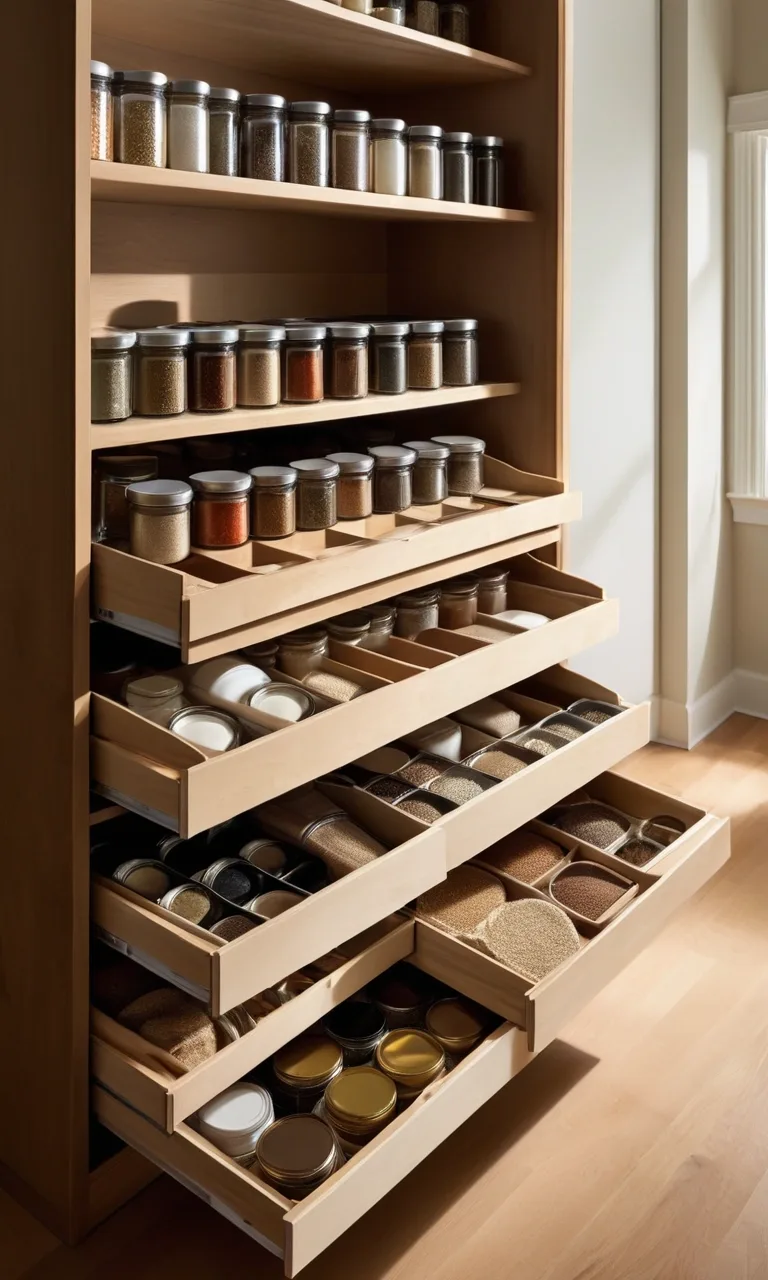
Bathroom drawers and cabinets become much more useful when their interiors are divided into manageable sections.
Without organizers, small objects move around whenever a drawer opens or closes. Bottles can tip over, makeup brushes become mixed with other products, and accessories disappear beneath larger items.
Start by measuring the width, depth, and height of each drawer before selecting storage containers.
Adjustable drawer dividers are particularly helpful because they allow you to customize compartments for different belongings.
Use narrow sections for toothbrush replacements, tweezers, nail clippers, and other grooming tools. Larger compartments can accommodate makeup palettes, skincare bottles, or hairbrushes.
For shallow drawers, low-profile trays prevent organizers from interfering with the drawer's movement.
Deep drawers can accommodate upright containers, provided the products fit comfortably when the drawer closes.
Under-sink cabinets require a slightly different approach.
Because plumbing pipes often interrupt the available space, rectangular bins, pull-out baskets, and adjustable shelving can help you work around awkward corners.
A two-level organizer may be useful for storing toiletries vertically, while a rotating organizer can make bottles at the back easier to reach.
Keep heavier items on lower shelves and avoid placing containers where they could interfere with plumbing connections or access to shutoff valves.
You can also use inexpensive household containers instead of purchasing an entirely new organizing system.
Small washable baskets, repurposed plastic containers, and simple drawer trays can provide effective storage at a reasonable cost.
Whatever organizers you choose, avoid filling every compartment completely. A little extra space makes products easier to remove and return.
6. Don’t Waste Vertical and Door Space – Key Points
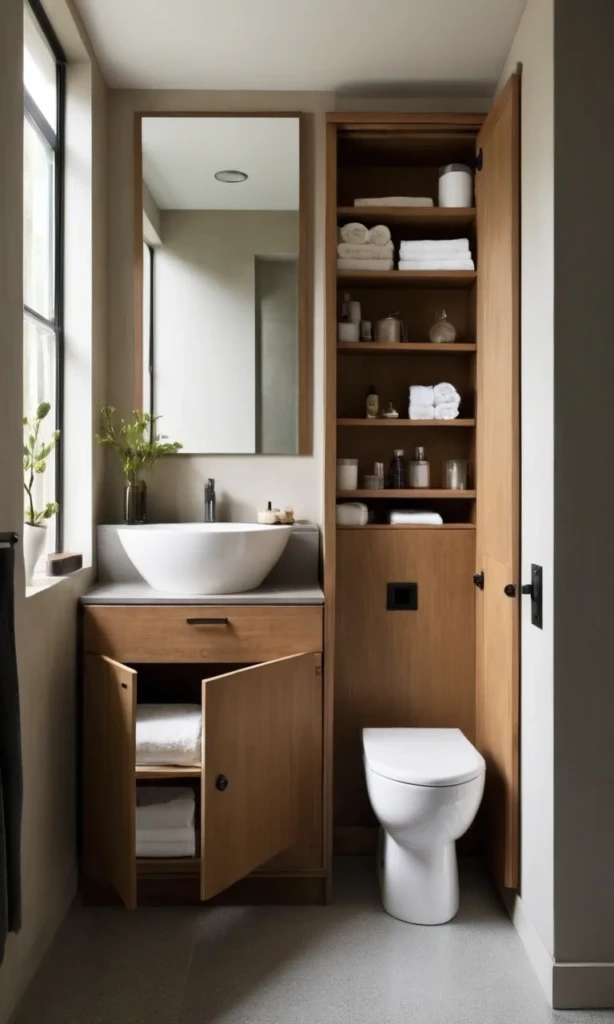
When your bathroom vanity has limited floor or drawer space, look for storage opportunities above existing items and along cabinet doors.
These overlooked areas can significantly increase usable storage without making the countertop feel crowded.
Install adjustable cabinet shelves. Additional shelf levels allow you to separate tall bottles from smaller products and take advantage of unused cabinet height.
Use stackable storage containers. Securely stacked bins can hold cotton pads, spare toiletries, and other lightweight bathroom essentials.
Add organizers to cabinet doors. Slim adhesive pockets or mounted baskets can store hair ties, brushes, and small grooming accessories.
Try removable hooks. Moisture-resistant hooks provide convenient storage for lightweight items such as headbands or washcloths.
Consider a tension rod. Where the cabinet layout permits, a properly secured rod can support compatible lightweight hanging organizers without permanent installation.
Keep plumbing accessible. Position storage solutions so pipes, valves, and connections remain visible and reachable when necessary.
Check door clearance. Make sure door-mounted organizers don't hit internal shelves, plumbing, or stored products when the cabinet closes.
Choose bathroom-friendly materials. Select storage products designed to tolerate moisture and wipe them dry when needed.
If you're renting, removable organizers are often preferable to drilled fixtures. However, check their weight limits and surface compatibility before installation.
Be especially careful with electrical hairstyling tools. Allow curling irons and straighteners to cool completely before storing them, and keep electrical appliances away from water.
Vertical organization works best when it improves accessibility rather than simply squeezing more products into the cabinet.
7. Build a 5-Minute Maintenance Habit – Key Points

An organized bathroom vanity stays functional when you maintain it through small, consistent habits.
You don't need to empty every drawer or reorganize your entire bathroom regularly. A short routine can prevent everyday clutter from accumulating.
Return products immediately after use. Put skincare bottles, makeup, and grooming accessories back into their assigned compartments.
Wipe the countertop regularly. Remove water droplets, toothpaste residue, and product spills before they become difficult to clean.
Throw away empty packaging. Dispose of used cotton pads, tissues, and finished product containers instead of leaving them on the vanity.
Check your organizers weekly. Straighten containers and return misplaced items to their proper sections.
Review your supplies monthly. Look for expired products, unnecessary duplicates, and items you no longer use.
Avoid unnecessary purchases. Check your existing toiletries before buying replacements to prevent overstocking.
Keep a small wastebasket nearby. Convenient trash disposal makes daily cleanup quicker.
Adjust your system when necessary. If certain products repeatedly end up outside their assigned spaces, consider moving their storage closer to where you use them.
A simple evening reset can be particularly effective.
After completing your nighttime routine, spend a few minutes clearing the sink area, replacing products, and checking that the countertop is ready for the following morning.
For shared bathrooms, make sure everyone knows where commonly used items belong.
Consistency matters more than maintaining a perfectly styled appearance. A storage system that takes very little effort to maintain is more likely to remain useful over time.
Final Thoughts
A well-organized bathroom vanity can make everyday routines quicker, more comfortable, and less frustrating.
The most effective improvements begin with removing unnecessary products, arranging essentials according to your habits, and making better use of drawers, cabinets, and vertical storage.
You don't need expensive accessories or a large bathroom to create an efficient setup. Even a few affordable dividers, washable baskets, and thoughtfully positioned containers can make a noticeable difference.
Start with the area that causes the most frustration, whether that's a crowded countertop, an overflowing makeup drawer, or a disorganized under-sink cabinet.
Once you've established a storage system that fits your needs, maintaining it becomes a simple part of your daily routine.
The result is a cleaner, more functional bathroom vanity where everything has a place and the essentials are always easy to find.