10 Genius Sofa Organization Tips Every Living Room Needs in 2025
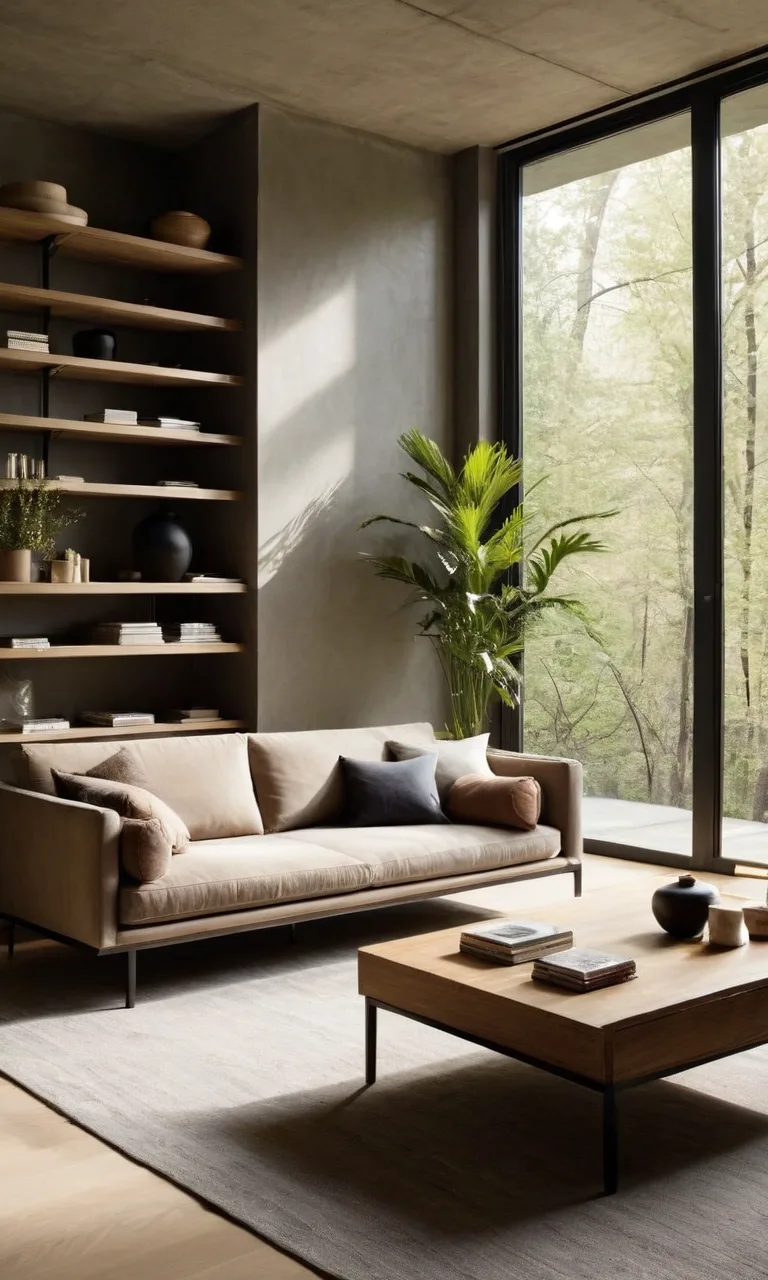
Your sofa is probably one of the most frequently used spots in your home. Whether you're relaxing after work, enjoying a movie, or spending time with family, it's where everyday living happens. Unfortunately, it's also where clutter tends to collect.
Between scattered cushions, tangled charging cables, misplaced remotes, and blankets that never seem to stay folded, even a beautifully decorated living room can quickly look untidy.
The good news is that organizing your sofa area doesn't require expensive furniture or a complete room makeover. A few thoughtful adjustments can make your seating space more comfortable, functional, and visually appealing.
These ten practical sofa organization tips will help you create a living room that stays welcoming without demanding constant cleaning.
1. Clear Out the Sofa Area First
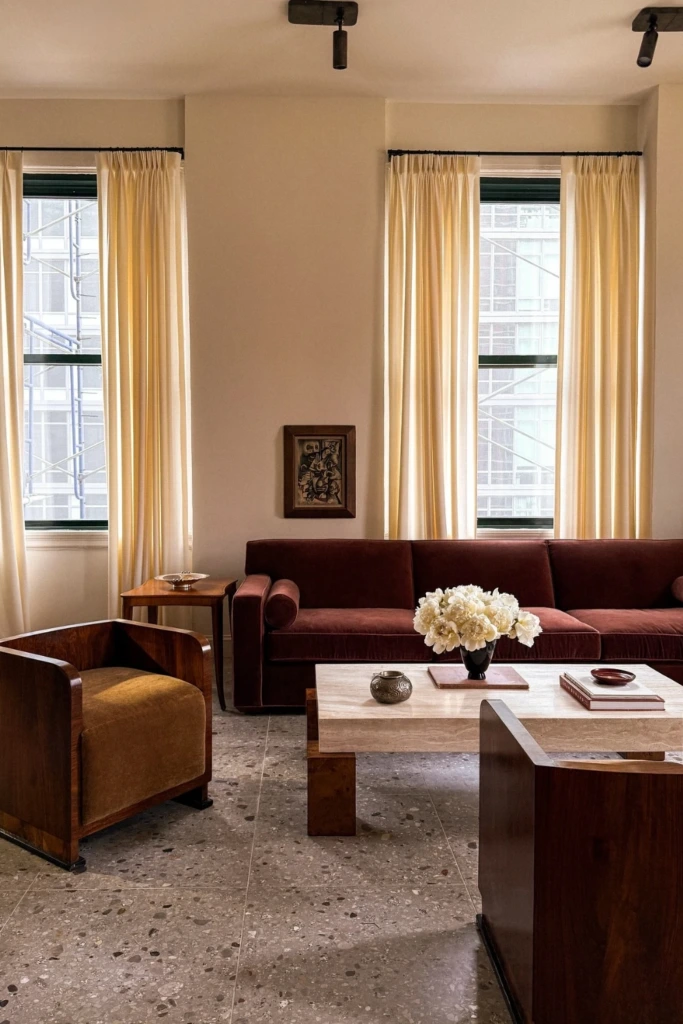
The easiest way to improve your sofa organization is to start with a completely clear space. Remove everything from the cushions, armrests, surrounding tables, and nearby floor.
Check between and underneath the cushions for forgotten belongings, crumbs, and other debris. Vacuum the upholstery using an appropriate attachment, paying attention to corners and seams where dust accumulates.
As you sort through the items you've collected, separate everyday essentials from things that belong elsewhere. Return unnecessary objects to their proper locations instead of allowing them to migrate back to the sofa.
Take a moment to evaluate the empty seating area. Notice how much usable space you actually have and whether nearby furniture makes the arrangement feel crowded.
This initial cleanup gives you a better understanding of what needs storage and what can be eliminated altogether.
2. Decide How You Actually Use the Space
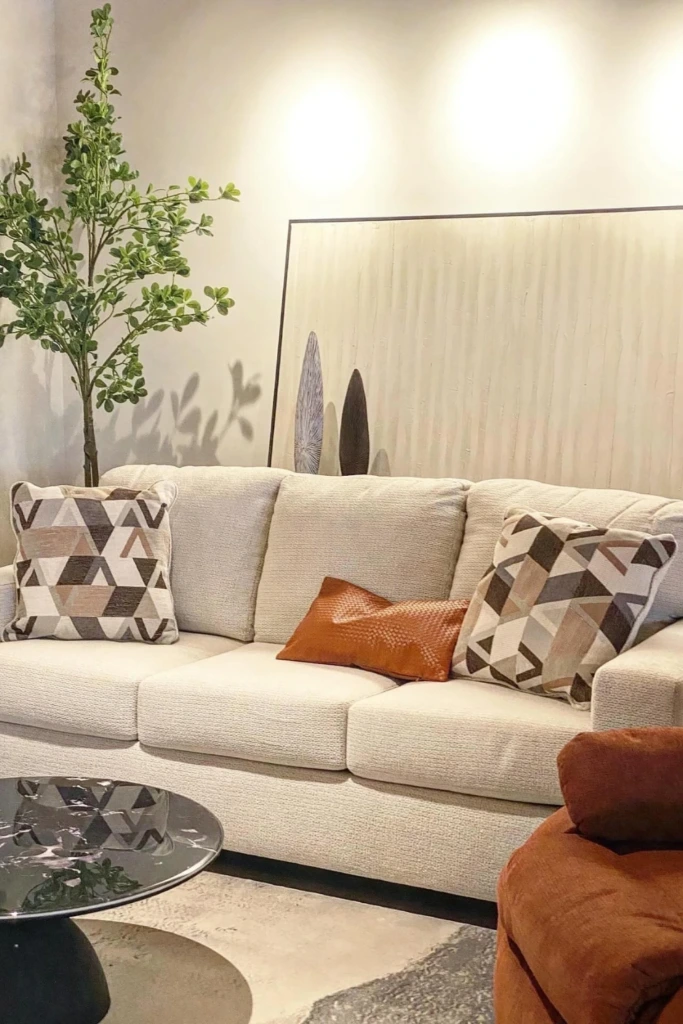
A well-organized sofa area should support your daily activities rather than simply look attractive in photographs.
Consider how everyone in your household uses the living room. Some families gather around the television every evening, while others prefer reading, entertaining visitors, or playing games together.
Your storage and furniture choices should reflect those habits.
For example, a household that frequently watches movies might benefit from an accessible remote holder and a dedicated place for blankets. If children regularly play near the sofa, lightweight storage baskets can make collecting toys much easier.
People who enjoy reading may prefer a nearby lamp, a small bookshelf, and a convenient surface for drinks.
Think about which belongings you reach for most often. Keeping those essentials close to where they're used reduces unnecessary movement and makes everyday tidying more manageable.
The most effective organization system is one that fits naturally into your routine.
3. Pick a Layout That Actually Works
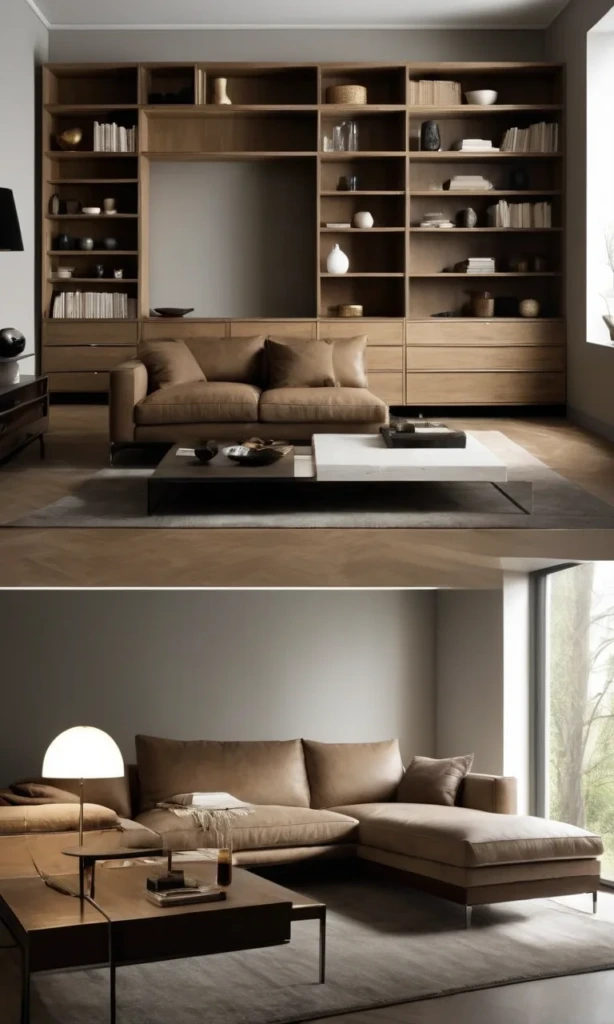
Furniture placement has a significant influence on how organized and comfortable your living room feels.
Start by identifying the room's main focal point. This could be a television, fireplace, large window, or central coffee table. Arrange your sofa to create a comfortable viewing angle and encourage natural conversation.
Avoid placing furniture where it interferes with doors, walkways, or access to storage.
If your room allows, consider positioning the sofa slightly away from the wall. This can create a more defined seating arrangement and provide opportunities for narrow furniture or discreet storage behind it.
In smaller living rooms, placing the sofa against a wall may be the more practical solution. The goal is to use the available space efficiently rather than follow a rigid decorating rule.
A properly sized area rug can visually connect the sofa with surrounding chairs and tables. Ideally, at least the front legs of the main seating pieces should rest on the rug.
Before settling on a layout, walk around the room and check whether you can comfortably reach tables, move between furniture, and access frequently used items.
A thoughtful arrangement makes the space feel more open while reducing the likelihood of clutter collecting in awkward corners.
4. Add Structure With Nearby Furniture
The right supporting furniture can transform your sofa from an isolated seating piece into a functional living room zone.
A compact side table provides a convenient place for drinks, books, and other essentials. Choose one with a drawer or lower shelf if you need additional storage without increasing the furniture footprint.
For sofas positioned away from the wall, a narrow console table behind the backrest can be especially useful.
It can hold a reading lamp, decorative accessories, or small storage containers while visually separating the seating area from another part of the room.
Coffee tables also play an important role in keeping the space organized. Look for designs that provide enough surface area for everyday activities without overwhelming the room.
If your living room is particularly small, nesting tables offer flexibility because they can be separated when needed and tucked together afterward.
Try to maintain comfortable spacing between the sofa and surrounding furniture so people can sit down, stand up, and move freely.
Each piece should have a clear purpose. Adding furniture simply to fill empty space can make the room harder to maintain.
5. Use Storage That Blends In
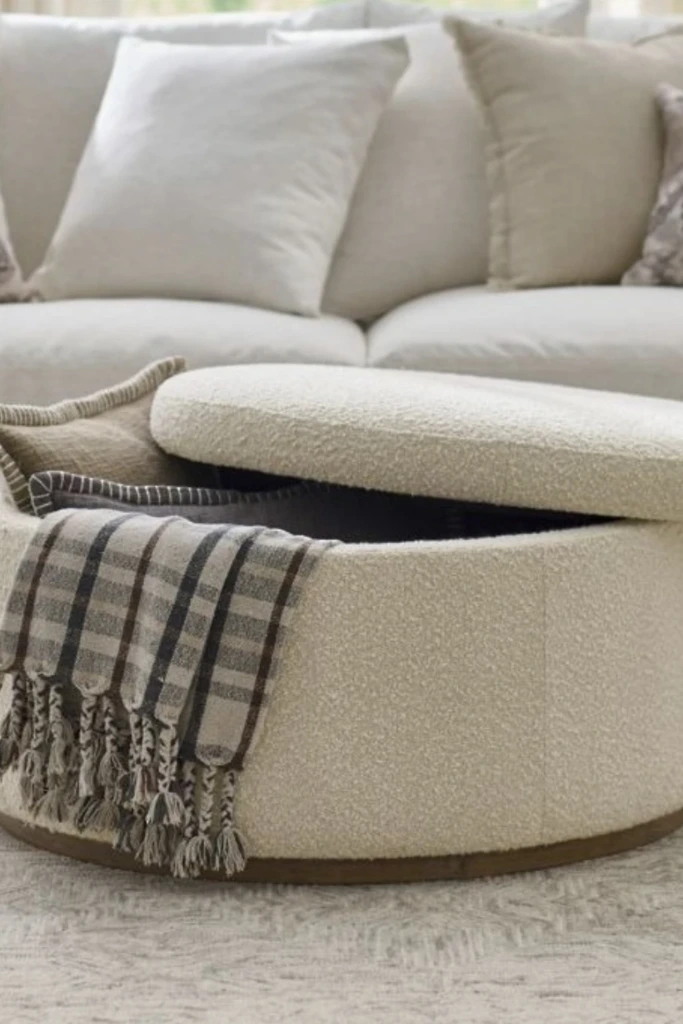
Practical storage doesn't have to make your living room resemble a supply closet.
Furniture with built-in compartments can keep frequently used belongings accessible while maintaining a clean appearance.
A storage ottoman is particularly versatile. It can serve as a footrest, provide extra seating when suitable, and hold items such as blankets, games, or seasonal accessories.
Coffee tables with drawers or concealed compartments are another excellent choice for storing remotes, notebooks, and small electronics.
Decorative baskets can also work beautifully beside the sofa or underneath open shelving. Choose materials and colors that complement your existing furniture so the storage feels like part of the room's design.
For a cohesive look, avoid mixing too many unrelated containers. A few matching or coordinated pieces generally create a calmer appearance.
Remember to consider accessibility. Heavy lids, difficult-to-open drawers, and overfilled baskets can discourage people from putting things away.
The best storage solutions are easy to use, appropriately sized, and positioned close to where their contents are needed.
6. Control the Throw Pillow Chaos
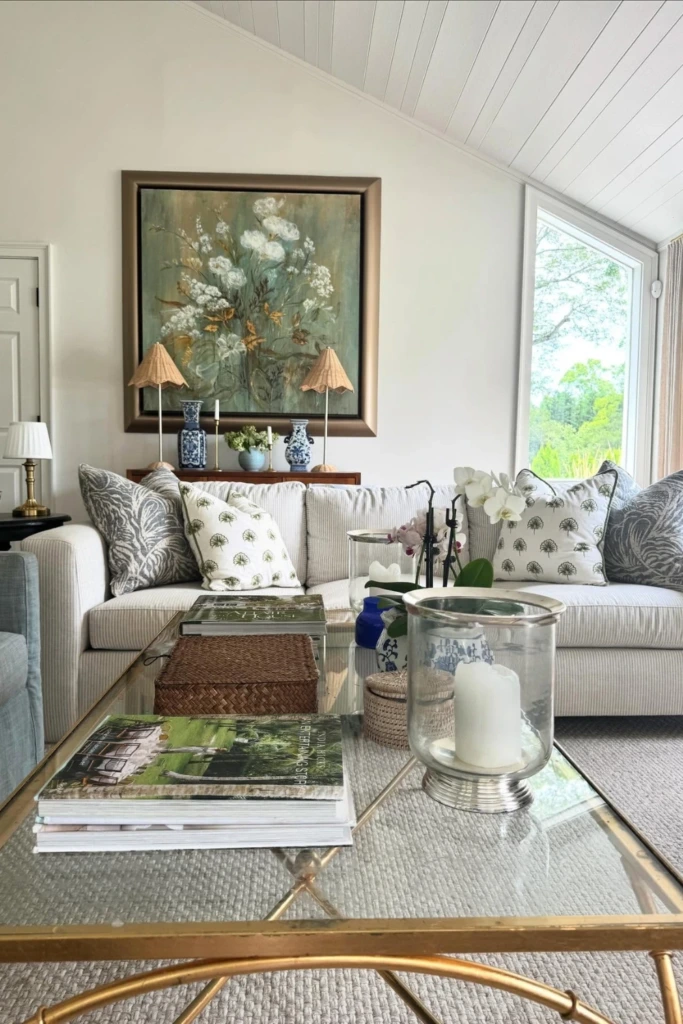
Decorative pillows add softness and personality to a sofa, but too many can make the seating area uncomfortable and difficult to keep neat.
Start by reducing your collection to a manageable number. A compact loveseat might need only two cushions, while a larger sectional can accommodate several without sacrificing seating space.
Instead of filling every available corner, create a balanced arrangement that leaves room for people to relax.
You can combine larger supportive cushions with smaller decorative ones to introduce variety. Mixing textures such as linen, cotton, and subtle woven fabrics adds visual interest without requiring bold patterns.
Choose a limited color palette that works with your sofa, curtains, rug, or other living room accents.
For a more coordinated appearance, repeat one or two colors across the cushions rather than selecting completely unrelated designs.
If you enjoy changing your decor seasonally, consider storing extra cushion covers instead of keeping multiple complete pillow sets. Covers generally require less storage space and can be washed or swapped when necessary.
Most importantly, avoid arrangements that require removing a mountain of cushions every time someone wants to sit down.
A smaller, carefully selected collection usually makes the sofa look more inviting.
7. Drape Blankets With Intention
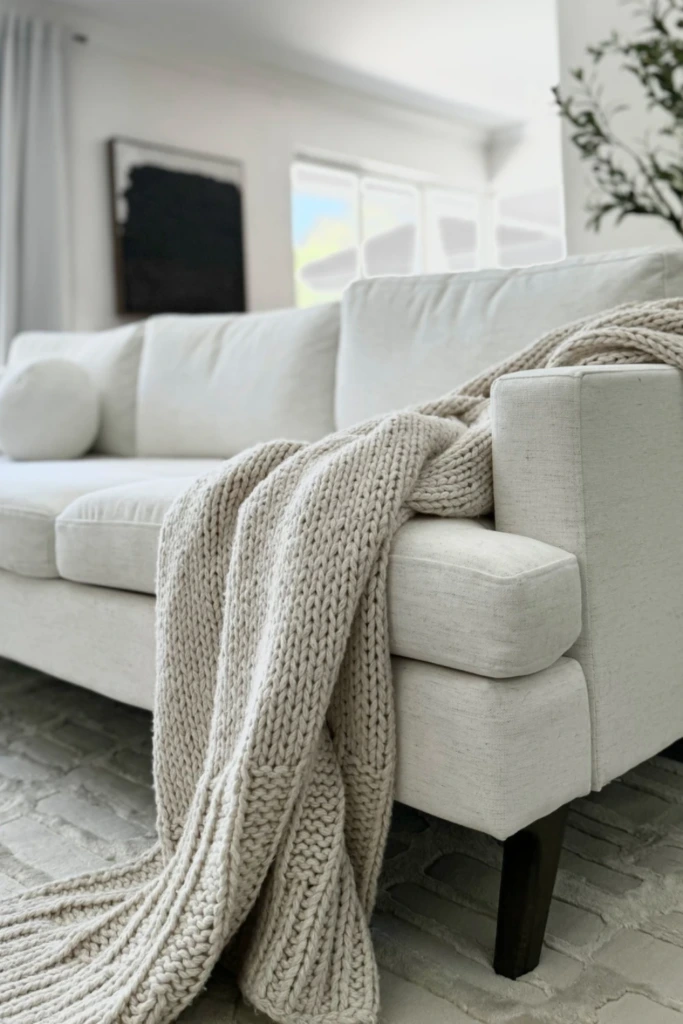
Throw blankets are useful for adding warmth and comfort, but they can quickly make a living room appear disorganized when left in piles.
Choose a designated location for the blanket you use most frequently.
You might fold it lengthwise and place it over one sofa arm, arrange it neatly across the backrest, or position it at the end of a sectional.
For a relaxed appearance, allow part of the fabric to fall naturally while keeping the overall arrangement controlled.
If your household uses several blankets, store the extras in a nearby basket, ottoman, or cabinet instead of leaving them all on the cushions.
Consider the material when choosing your throws. Lightweight cotton works well in warmer weather, while thicker knitted fabrics or fleece provide additional warmth during colder months.
Select colors that coordinate with the room's existing palette. Neutral shades create a subtle effect, while a carefully chosen accent color can add character.
Wash blankets according to their care labels and make sure they're completely dry before storing them.
A simple folding habit after each use can prevent blankets from becoming one of the biggest sources of sofa clutter.
8. Keep Small Items Contained
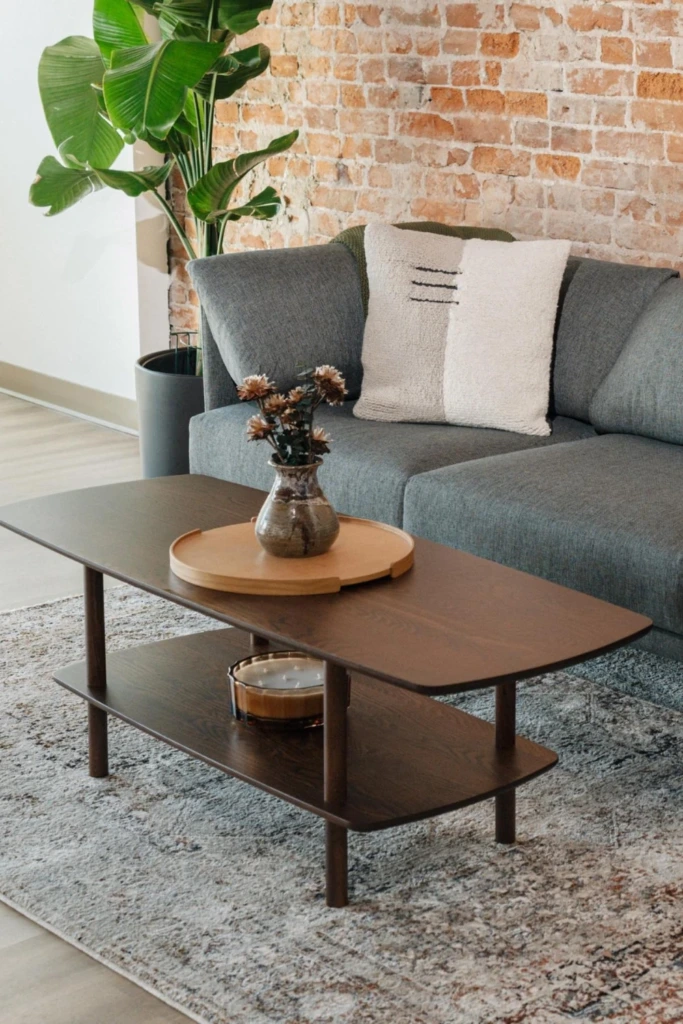
Small belongings often create more visible clutter than larger objects because they spread across multiple surfaces.
Television remotes, charging cables, headphones, reading glasses, and miscellaneous accessories can easily accumulate around the sofa.
The simplest solution is to assign a specific storage location to each category.
A small decorative tray on the coffee table can hold frequently used remotes and other essentials. A drawer organizer works well for smaller items that don't need to remain visible.
If you don't have much table space, consider a sofa arm organizer with pockets for remotes, magazines, and reading materials.
Charging cables can be managed with reusable cable ties or clips. Keep cords away from walkways and avoid routing them where they may become pinched by moving furniture.
For families with children, use separate containers for toys, art supplies, or games so cleanup doesn't involve sorting through unrelated belongings.
Avoid turning every drawer or basket into a collection of random items. Even hidden storage benefits from simple categories.
When everyone knows where things belong, maintaining an organized living room becomes much easier.
9. Style Vertically to Save Floor Space
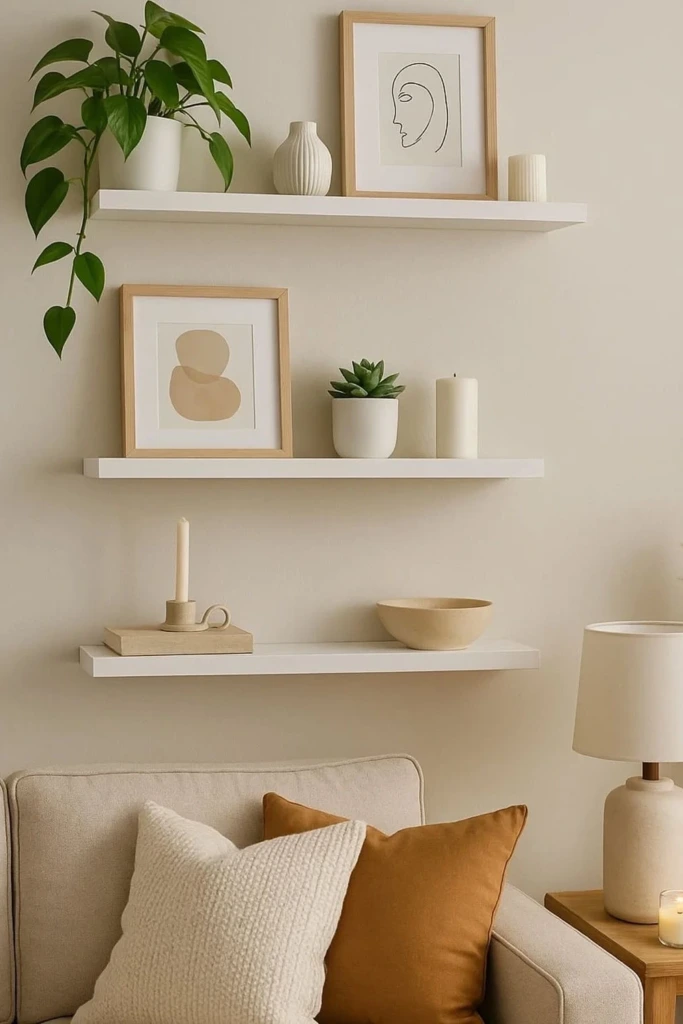
When floor space is limited, walls can provide valuable opportunities for storage and decoration.
Floating shelves are useful for displaying books, small decorative pieces, and lightweight storage containers without requiring additional floor furniture.
Choose shelves that suit the scale of your sofa and install them using appropriate hardware for the wall material and expected load.
Avoid placing heavy or unstable objects directly above seating areas, where falling items could cause injuries.
Wall-mounted lighting can also free up space on side tables. Adjustable sconces are particularly practical for reading because they provide focused illumination without occupying a tabletop.
Artwork and mirrors offer another way to make the sofa area feel complete without introducing more furniture.
A large framed print can create a focal point, while a mirror positioned to reflect natural light may help a compact room feel brighter.
You can also use narrow wall-mounted cabinets or shelves along adjacent walls to keep everyday belongings accessible.
Be selective with decorative displays. Filling every available shelf with objects can create the same visual clutter you're trying to eliminate.
Leaving some open space between accessories gives the room a more balanced appearance.
10. Make It Cozy but Easy to Maintain
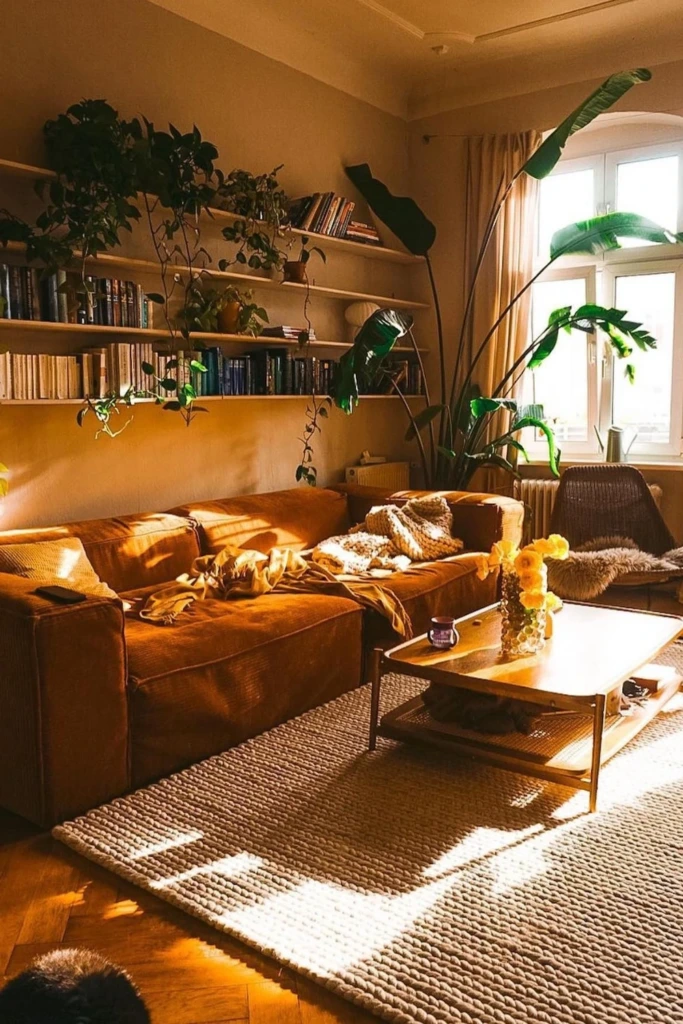
A beautifully organized living room should remain comfortable during everyday use.
Instead of focusing on elaborate arrangements that require constant adjustment, choose a setup that can be refreshed in just a few minutes.
Start with durable upholstery and easy-care fabrics suited to your household. Removable, washable cushion covers can be especially helpful in homes with children or pets.
Keep frequently used belongings within reach and make sure storage containers aren't difficult to access.
Soft lighting, a comfortable throw, and a few supportive cushions can create a welcoming atmosphere without excessive decoration.
Establish a quick evening routine to maintain the space. Straighten the cushions, fold the blanket, return remotes to their designated location, and clear away cups or other belongings.
This small habit can prevent minor messes from becoming larger cleaning projects.
It's also worth reviewing your sofa setup occasionally. If certain items consistently end up in the wrong place, consider whether their assigned storage location is inconvenient.
Good organization should adapt to your lifestyle rather than create extra work.
Ultimately, the goal isn't to maintain a perfectly styled living room every moment of the day. It's to create a comfortable, functional space where everything has a purpose and tidying up feels effortless.
With thoughtful furniture placement, practical storage, and a few consistent habits, your sofa area can stay organized while remaining the cozy heart of your home.