21 Smart Medicine Cabinet Organization Ideas for 2026
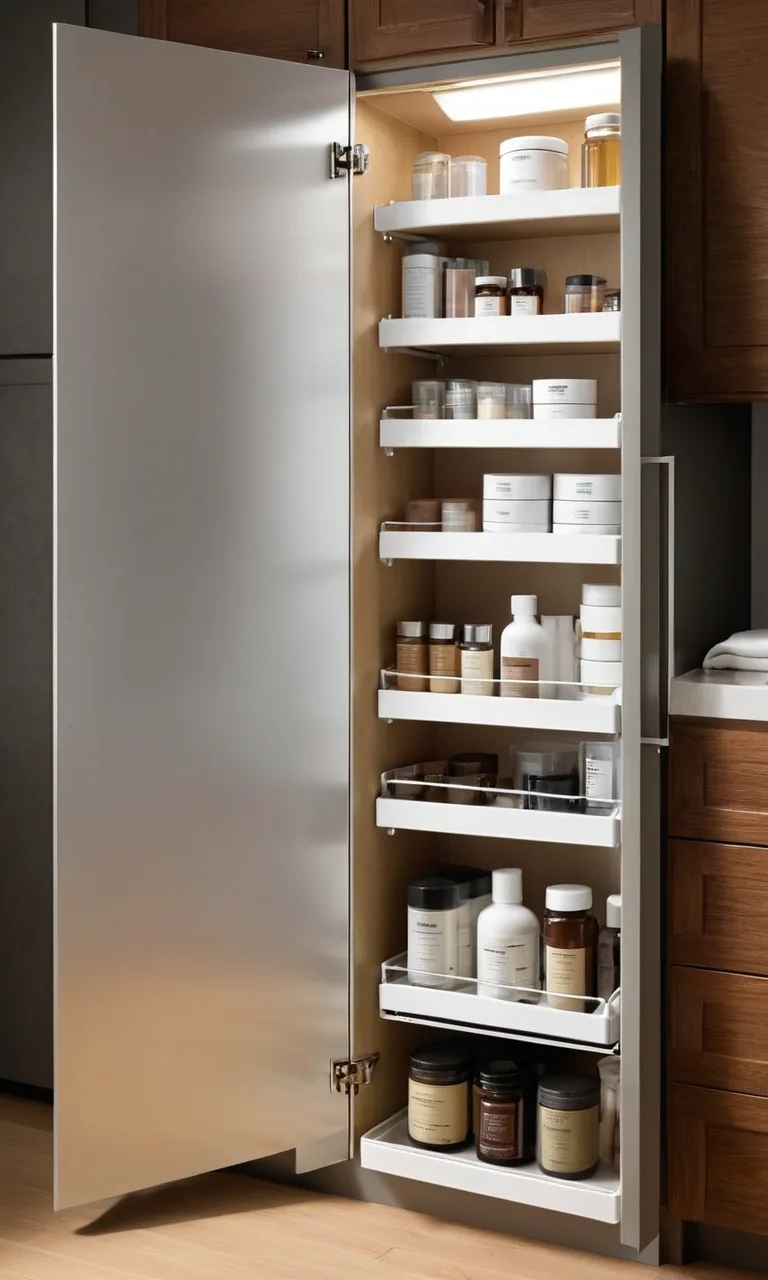
A well-organized medicine cabinet makes it easier to find essential health supplies when you need them most. Whether you're looking for a thermometer, a bandage, or a bottle of pain reliever, having a clear storage system saves time and reduces confusion.
However, keeping medicines organized involves more than arranging bottles neatly. You also need to consider expiration dates, storage conditions, and safe access for everyone in your household.
With a few practical organizers and consistent habits, you can create a clean, functional space for everyday healthcare essentials. These medicine cabinet organization ideas will help you make better use of limited storage while keeping important supplies easy to identify.
Why Your Medicine Cabinet Isn’t Working?
A medicine cabinet can become difficult to manage when prescriptions, vitamins, first-aid supplies, and personal care products all share the same shelves. Items get pushed toward the back, labels become hard to read, and expired products may remain unnoticed.
Poor storage conditions can create additional problems. Bathroom steam and temperature fluctuations may affect certain medicines, while overcrowded shelves make it harder to identify the correct product quickly.
Mixing medications intended for different family members can also increase the risk of mistakes. Children may accidentally access products that should remain out of reach, and adults might confuse similar-looking containers.
The solution is to create a simple system based on categories, visibility, and safety. Start by removing unnecessary clutter, checking expiration dates, and following each product's storage instructions. Then choose organizers that suit your available space and make it easy to return every item to its proper place.
1. Rotate with Lazy Susans
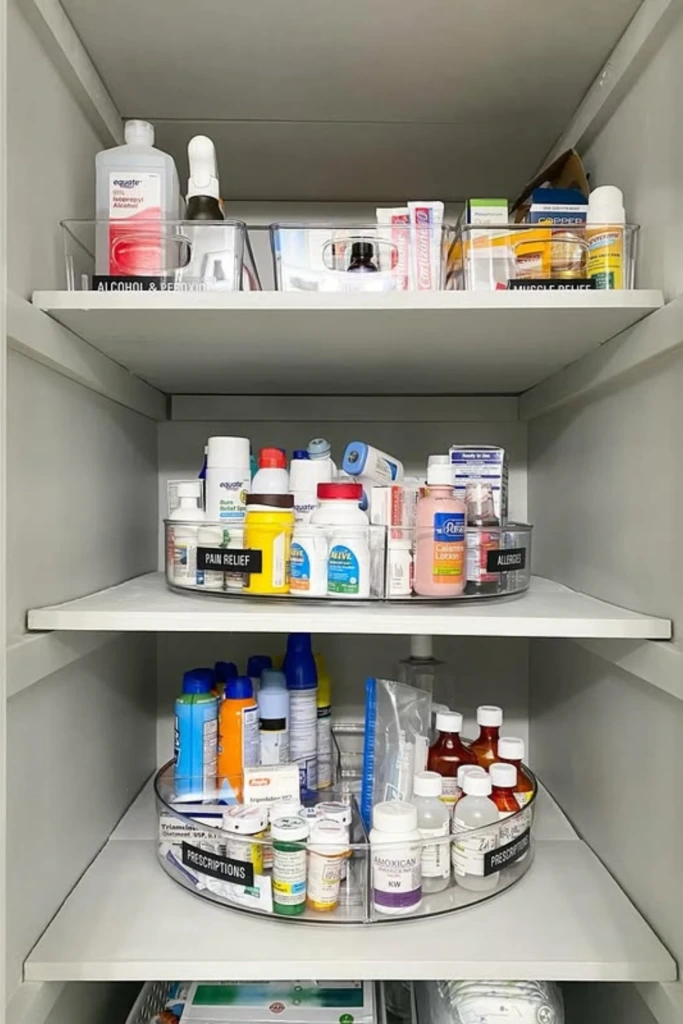
A rotating turntable is a practical solution for deep medicine cabinets where small bottles often disappear behind larger containers. Instead of reaching across the shelf, you can spin the organizer to locate what you need.
Choose a turntable with a stable base and a raised edge to help prevent bottles from falling. Transparent models make labels easier to see, while a few category labels can simplify the arrangement.
Group similar supplies together, such as allergy products, supplements, and first-aid essentials. Keep containers upright and avoid overcrowding the surface so everything remains accessible.
2. Use Tiered Risers for Small Bottles
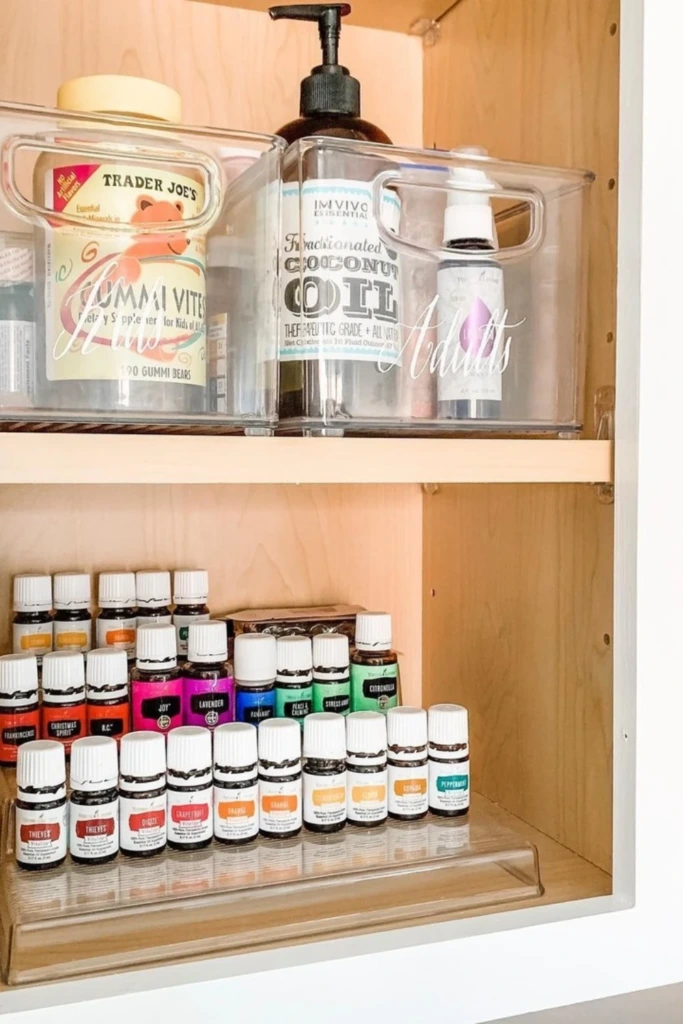
Small containers can easily become hidden behind taller products on a flat shelf. A tiered riser creates additional levels, allowing you to see more labels without moving everything around.
This arrangement is particularly useful for shallow cabinets or shelves that hold several small bottles. Place shorter containers toward the front and taller ones toward the back, making sure each product remains stable.
You can organize the levels by purpose, keeping frequently used items within easy reach. Before purchasing a riser, measure the cabinet's height and depth to ensure the organizer fits comfortably.
3. Label Clear Bins by Category
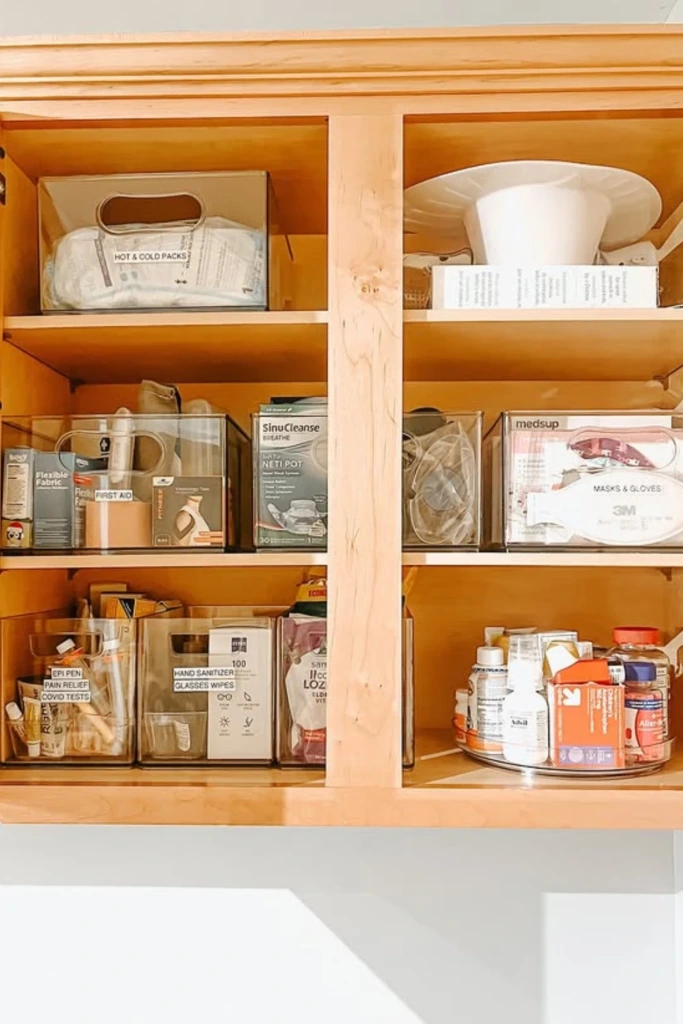
Transparent storage bins provide a straightforward way to separate medical supplies without concealing their contents. They are especially helpful when a cabinet contains products in different shapes and sizes.
Use individual containers for categories such as first aid, cold and flu supplies, wound care, and protective equipment. Clear labels on the front make each group easy to recognize.
Choose bins with handles if you expect to move them frequently. Avoid filling containers so tightly that products become difficult to remove, and keep original packaging and instructions with the relevant items.
4. Sort Pills into Labeled Cases
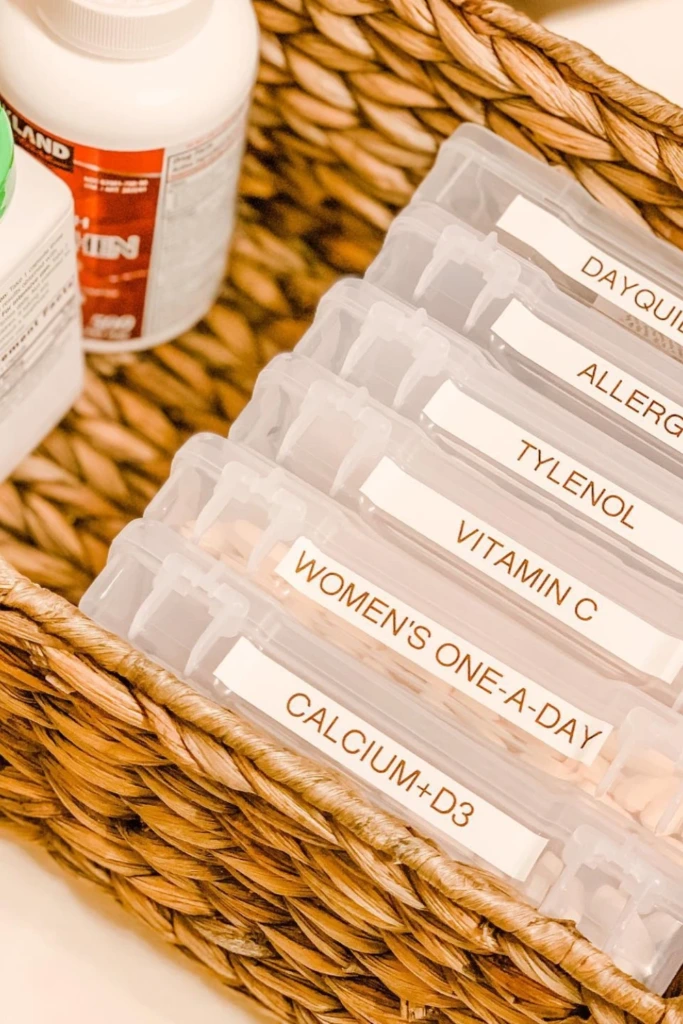
Small pill organizers can help manage daily doses, particularly for people who follow a regular medication schedule. Compartments labeled by day or time can make it easier to track whether a scheduled dose has been taken.
For safe use, follow the medication's storage instructions and ask a pharmacist whether it can be transferred into a pill organizer. Some medicines need protection from moisture, light, or air and should remain in their original packaging.
Clearly identify any organizer used for medications, and keep it securely stored away from children. Do not place different pills together without confirming that doing so is appropriate for the specific medicines involved.
5. Line Up with Shelf Organizers
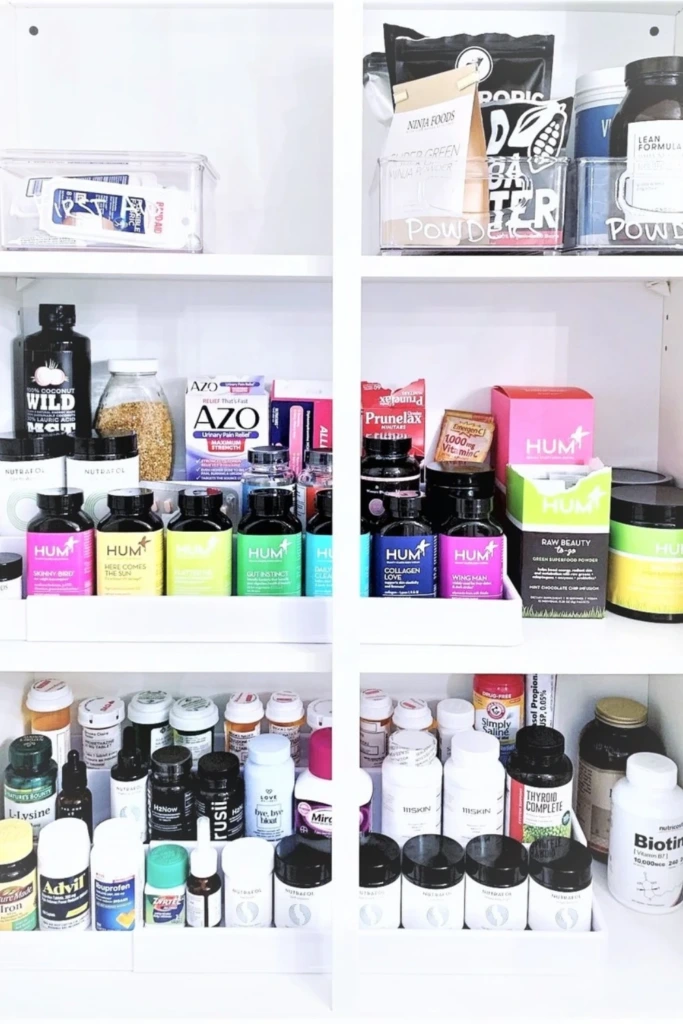
Tiered shelf organizers are useful when your cabinet holds numerous bottles that would otherwise form a single crowded row. Their raised platforms improve visibility and make better use of the available shelf space.
Expandable risers can accommodate different cabinet widths and container sizes. Arrange products so labels remain readable, and place frequently needed supplies where they are easiest to reach.
Keep heavier containers on stable surfaces and avoid stacking products in ways that could cause them to fall. Always leave enough room to remove an item without disturbing the rest of the shelf.
6. Divide Supplies with Sectioned Bins
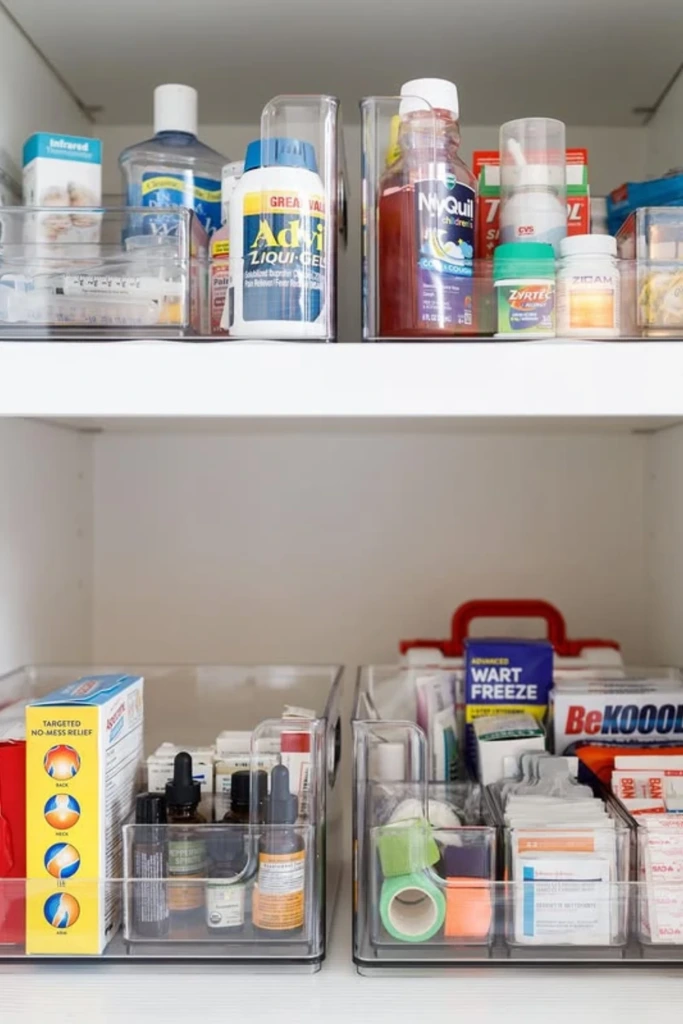
Sectioned containers are ideal for keeping small medical supplies from becoming mixed together. Built-in dividers create separate compartments for items that serve different purposes.
For example, one section might hold adhesive bandages, another could contain gauze and medical tape, and a third could store individually packaged first-aid supplies. Separate containers can be used for medicines when their storage requirements differ.
Choose dividers that are easy to clean and large enough for the items you use most often. Clear compartments are particularly helpful when you need to locate something quickly.
7. Separate Kids’ and Adults’ Medicine
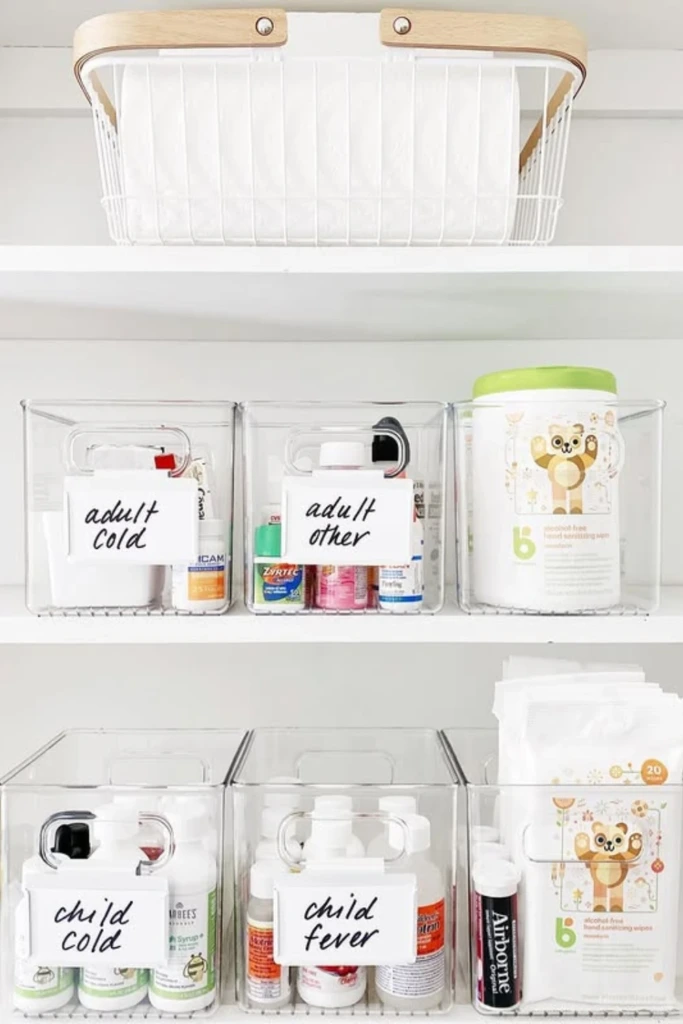
Keeping children's and adults' medications in clearly distinguished storage areas can help reduce the chance of choosing the wrong product. This is particularly important when containers look similar or contain medicines intended for different age groups.
Use separate, clearly marked containers for adult and pediatric products. Labels can identify the intended group, but always check the actual product label before administering any medicine.
Store all medications in a secure location that children cannot access. Separate bins are an organizational aid, not a substitute for child-resistant packaging or locked storage.
8. Dedicate Shelves by Health Need
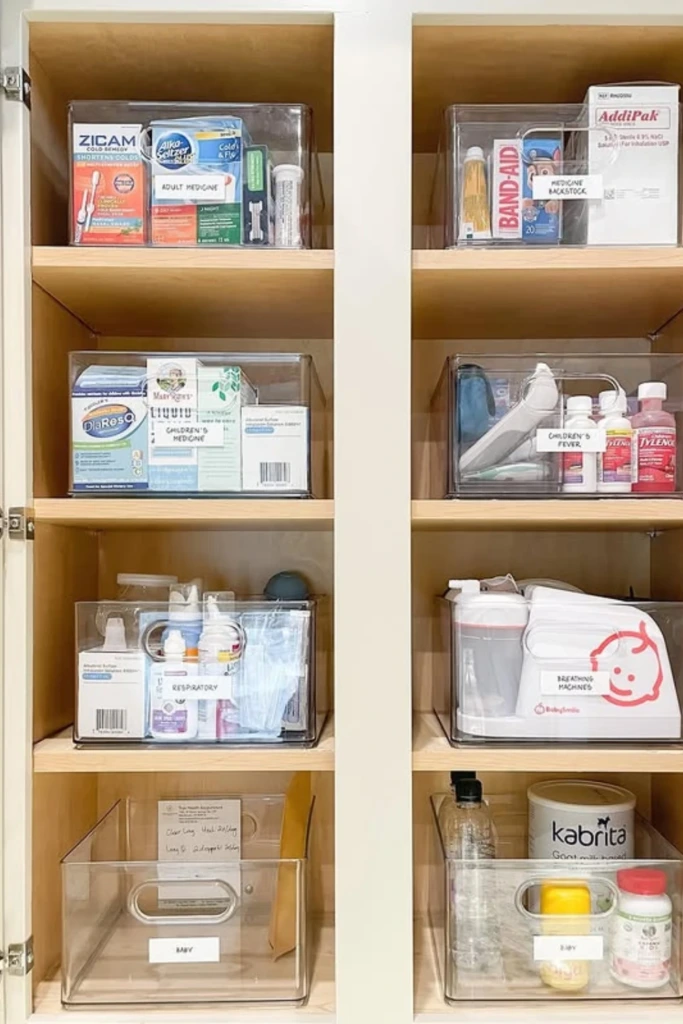
If your cabinet has multiple shelves, assigning each one a specific purpose can make the entire space easier to maintain. This approach works well in larger cabinets used by several household members.
For instance, one shelf could hold first-aid supplies, another could contain respiratory care products, and a separate area could accommodate other everyday healthcare essentials.
Use small bins to keep related items together, and label each shelf or container clearly. Arrange frequently used supplies in convenient locations while ensuring that medicines requiring special storage conditions are kept appropriately.
9. Create Zones with Mixed Storage
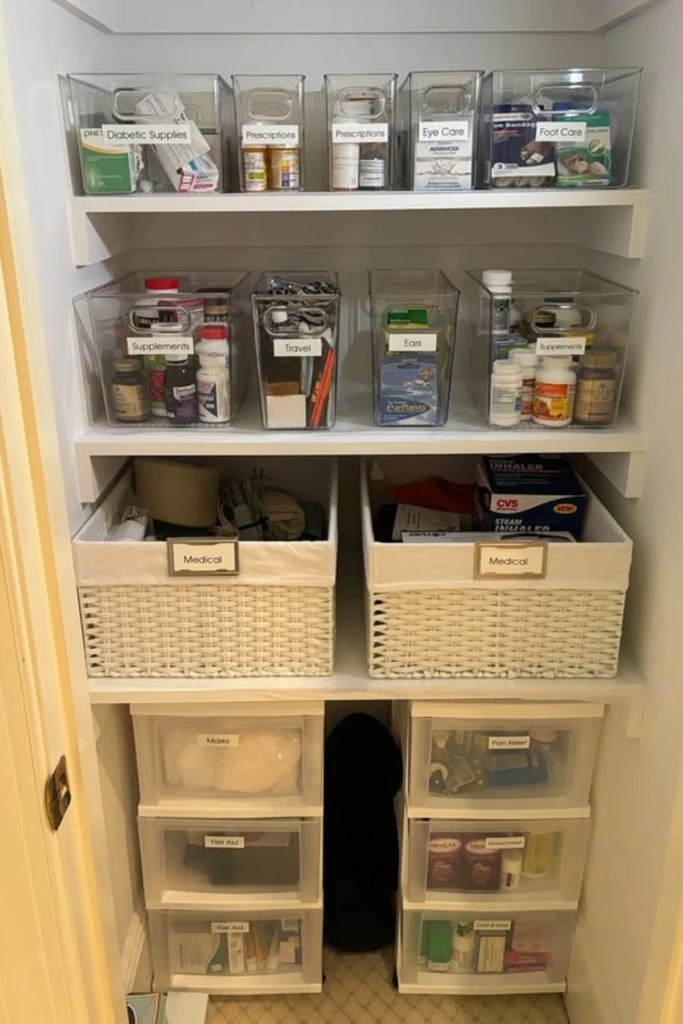
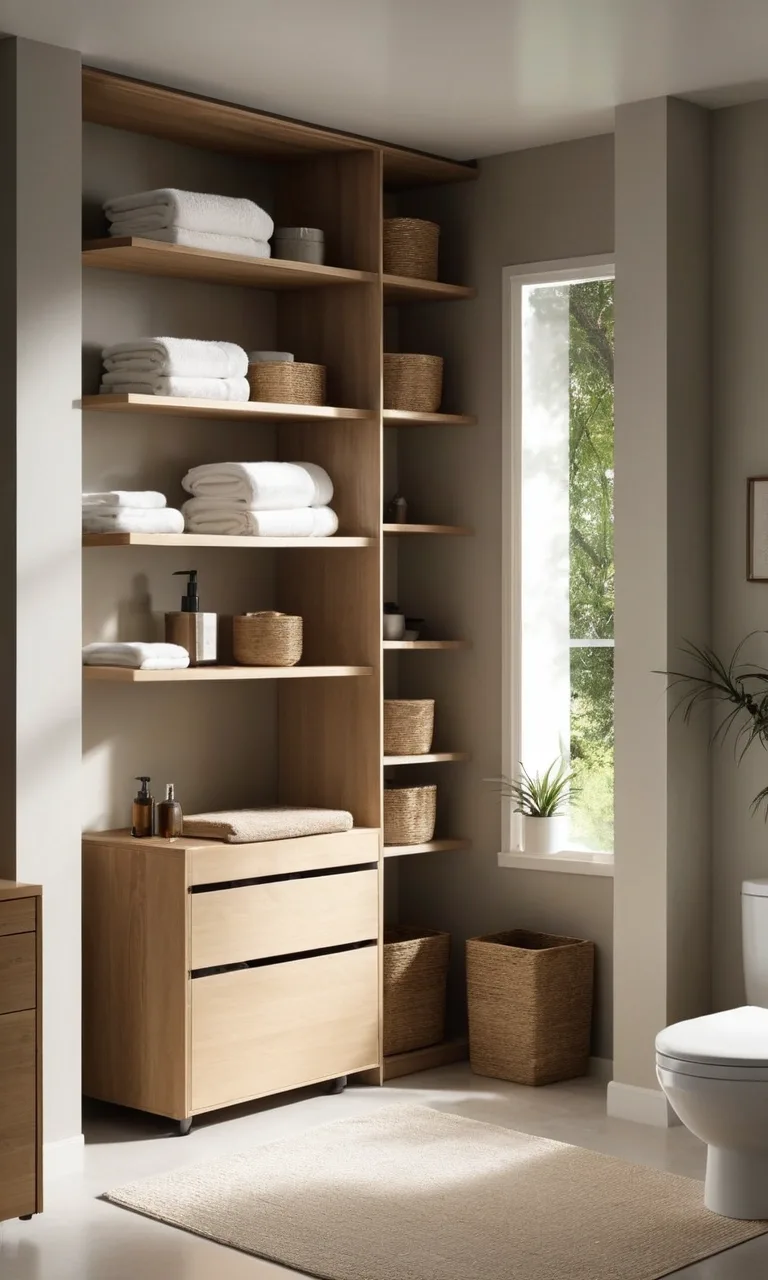
Large cabinets and medical supply closets often benefit from a combination of storage solutions. Instead of relying on one type of container, create separate zones for different product sizes and uses.
Transparent bins work well for small items that benefit from easy identification, while sturdy baskets can accommodate larger packages of non-medication supplies. Drawers may be useful for items that need additional separation.
Plan the layout before purchasing containers. Leave enough space to remove bins comfortably, and make sure medicines remain in their original packaging whenever possible.
10. Use Family-Specific Bins
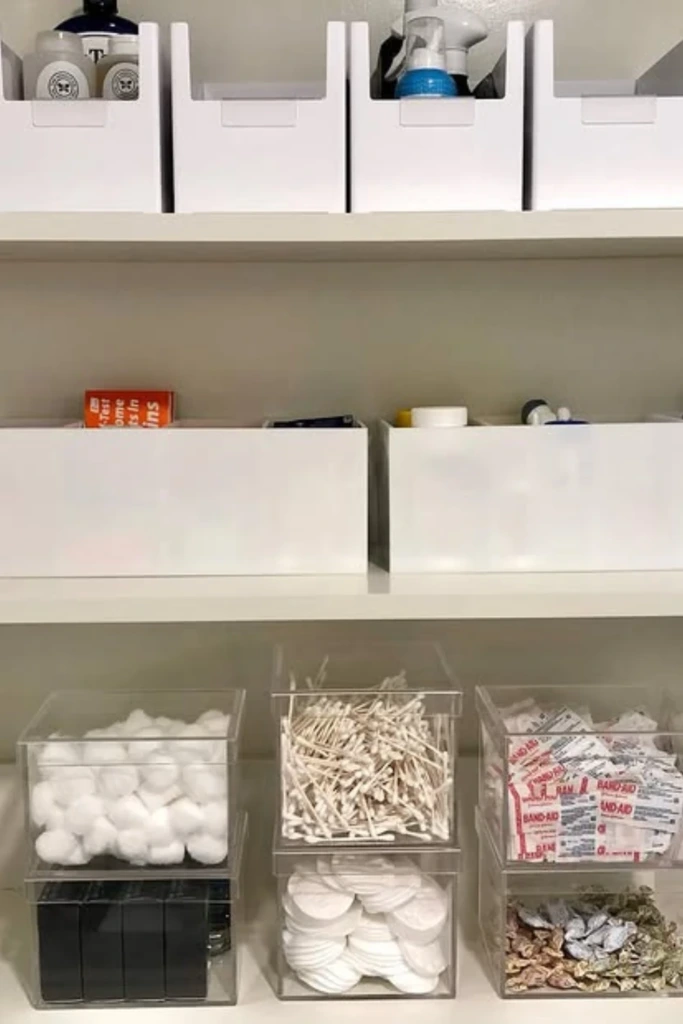
When several people share a household medicine cabinet, family-specific storage can make daily routines more manageable. Separate containers help distinguish supplies intended for different household members.
You might use clearly marked sections for adult medications, children's healthcare products, and general first-aid supplies. Thermometers, tissues, and other non-medication essentials can have their own designated containers.
Remember that a person's name or age group does not replace checking the medication's directions. Verify the intended recipient, dosage instructions, and expiration date before use, and keep all products securely stored.
11. Label Every Category Clearly
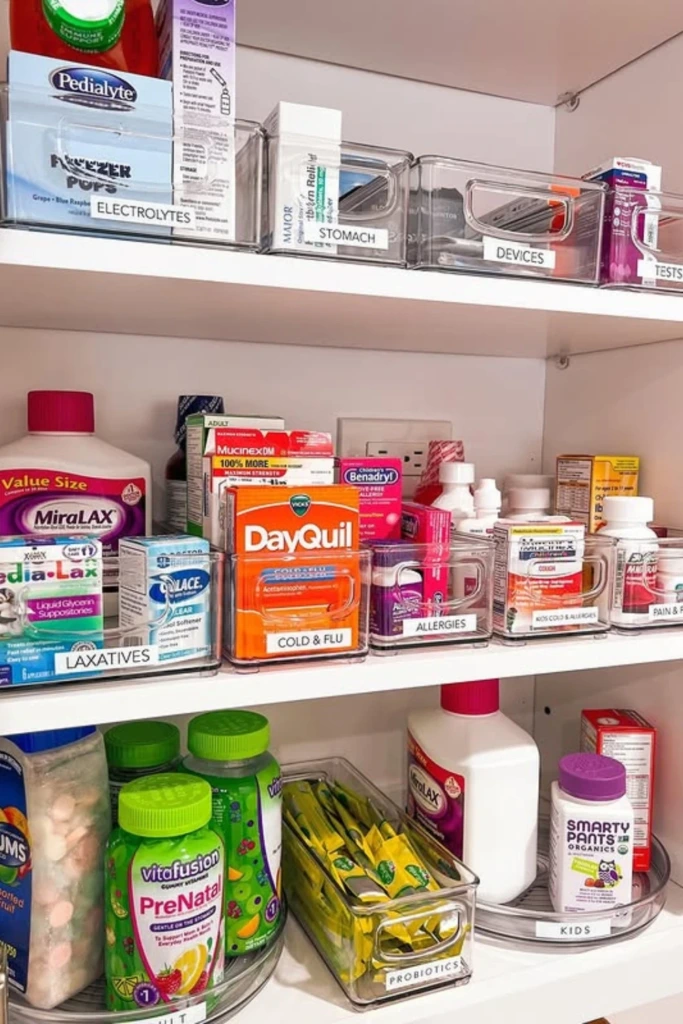
Labels make a storage system easier to understand, especially when several people use the same cabinet. Without them, even neatly arranged containers can become confusing over time.
Use simple category names such as “First Aid,” “Allergy,” “Cold and Flu,” or “Digestive Care.” Choose lettering that is large enough to read quickly and place labels where they remain visible when containers sit on the shelf.
Water-resistant labels can be helpful in areas where occasional splashes are possible. Review them whenever you reorganize the cabinet so that each label continues to match its contents.
12. Stack Lidded Boxes for Categories
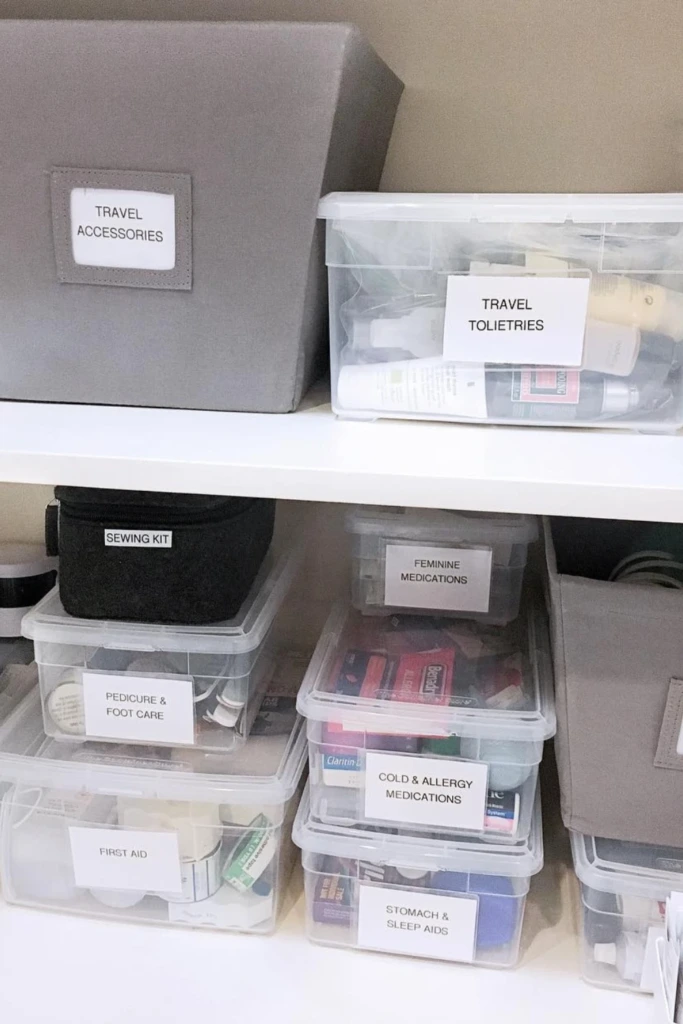
Lidded storage boxes can keep backup supplies together and protect non-medication items from dust. They are particularly useful for larger shelves or closets where extra healthcare products take up considerable room.
Select lightweight containers that close securely and can be lifted without difficulty. Mark each box according to its contents, such as wound care supplies, spare bandages, or personal protective equipment.
For medicines, use lidded boxes only when the container and storage conditions are suitable for the products inside. Avoid placing heavy boxes on top of delicate packages, and never stack supplies in a way that makes essential items difficult to reach.
13. Add a Lockable Box for Safety
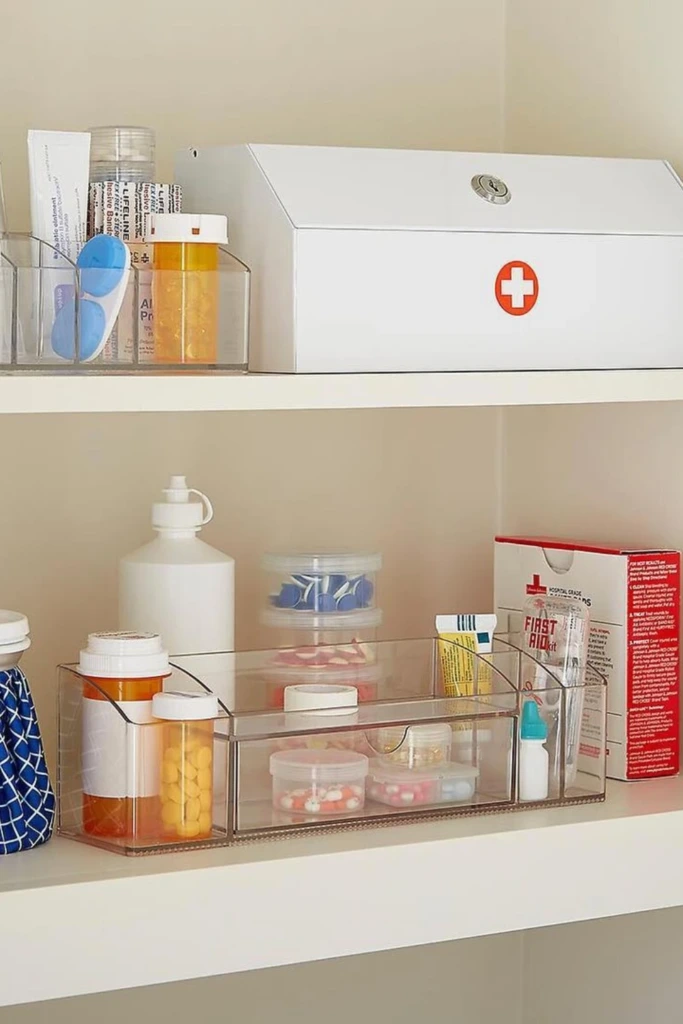
A lockable storage box offers an additional layer of protection for prescription medications and other products that must remain inaccessible to children or unauthorized household members.
Choose a box that is sturdy, easy for authorized adults to manage, and large enough to hold the necessary items in their original packaging. If different products require different temperatures or humidity levels, make sure the storage arrangement accommodates those requirements.
Keep the key or access code secure. A locked container should complement proper medication handling, not interfere with following storage instructions or accessing essential treatment when needed.
14. Keep Everything in Lidded Bins
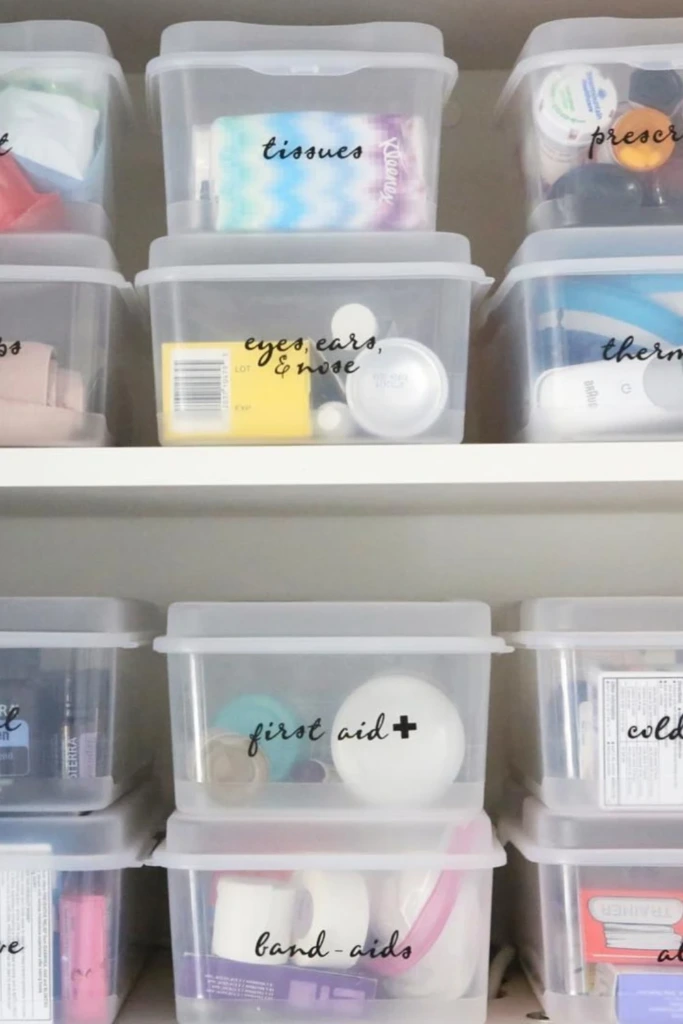
Lidded bins help create a consistent appearance and keep loose non-medication supplies organized. They can be particularly useful for grouping items that are used occasionally rather than every day.
Create separate containers for categories such as first aid, throat care accessories, and general health supplies. Clear containers let you inspect the contents without opening every lid, while labels make identification even easier.
Avoid placing incompatible products together simply because they fit in the same container. Medicines should be stored according to their individual requirements, and any original packaging should remain intact unless a pharmacist confirms another arrangement is appropriate.
15. Use Small Bins for Tall Bottles
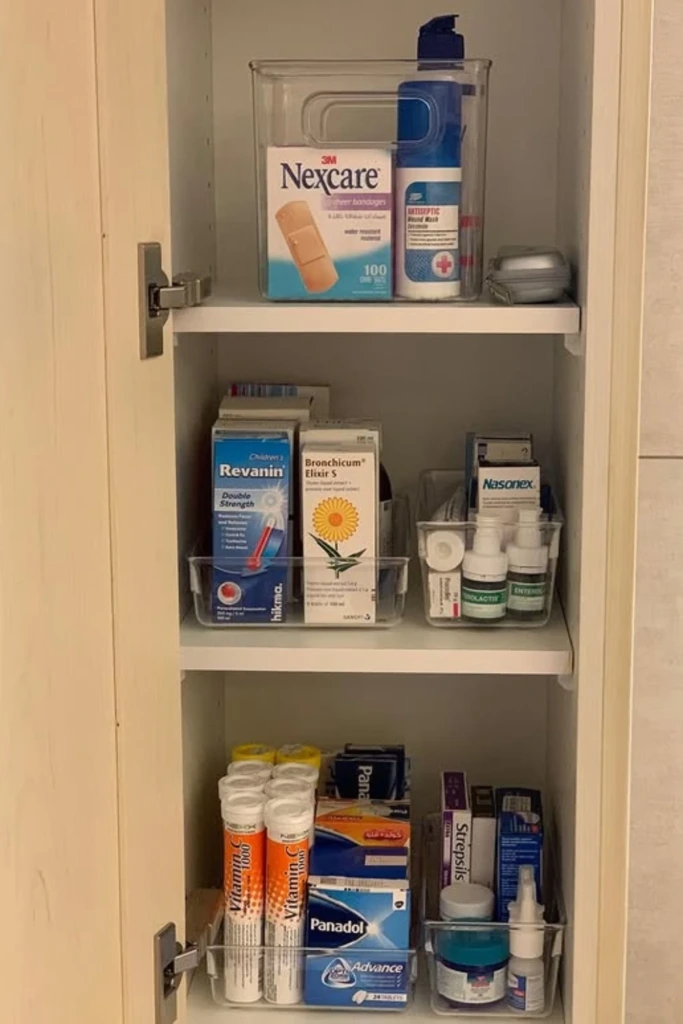
Tall bottles, sprays, and liquid medicine containers may tip over when placed loosely on narrow shelves. Small bins can keep these items upright and prevent them from shifting whenever the cabinet is opened.
Choose containers with enough depth to support the bottles without hiding their labels. Group products by type or intended use, and leave room to remove individual bottles easily.
Check that lids are closed properly and that containers remain upright when required by the product instructions. If a medicine has specific temperature or light restrictions, make sure the chosen location meets them.
16. Use Uniform Bins for a Clean Look
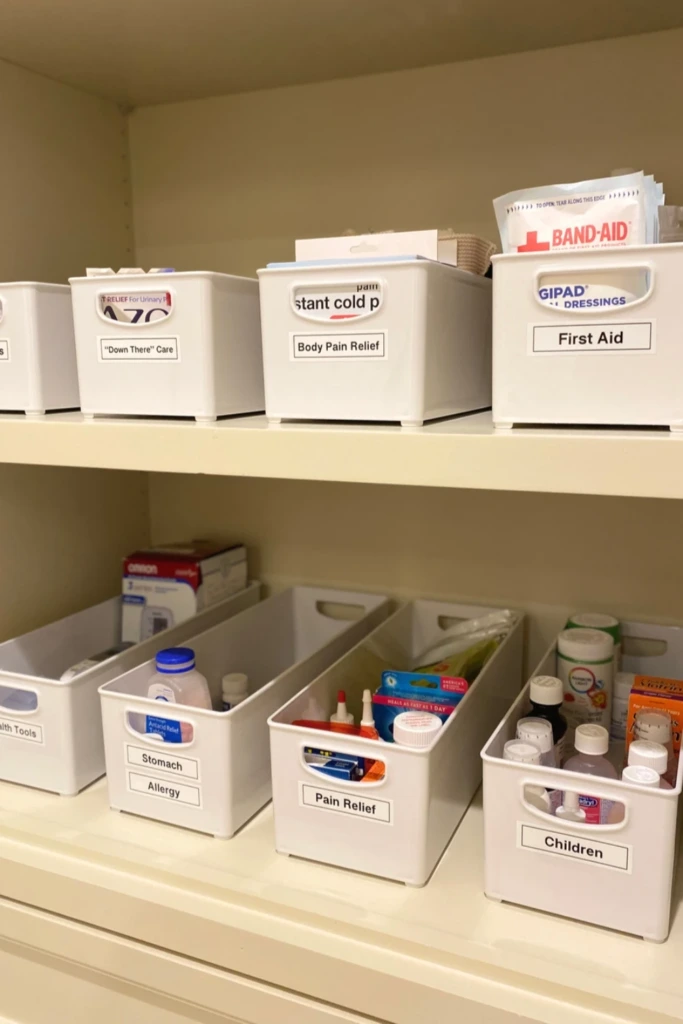
Matching storage bins can make a medicine cabinet appear more orderly while giving every category a defined place. This approach works particularly well when you have several shelves or a collection of similar-sized supplies.
Select bins that fit the available space and provide enough room for their intended contents. Add clear front-facing labels so the matching containers remain easy to distinguish.
Uniform storage does not require every product to be kept together under identical conditions. Keep medicines in suitable packaging and separate products whenever their storage needs differ.
17. Maximize Space with Tiered Turntables
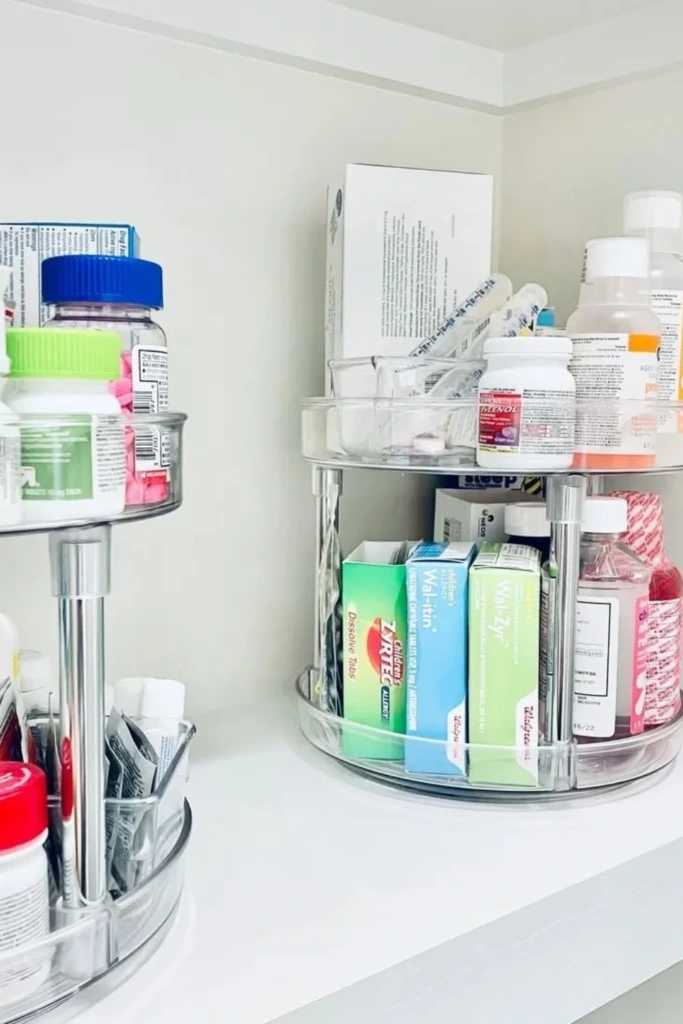
A two-level rotating organizer can increase usable storage space in a crowded cabinet. It combines the convenience of a turntable with an additional level for smaller containers.
Use the lower tier for larger, stable products and the upper tier for lightweight items that fit securely. Arrange containers so that labels remain visible and nothing obstructs the rotation.
Before installing one, check the cabinet's height, width, and shelf clearance. A turntable should rotate freely without knocking into neighboring products or creating a risk of bottles falling.
18. Use Chalkboard Labels for Flexibility
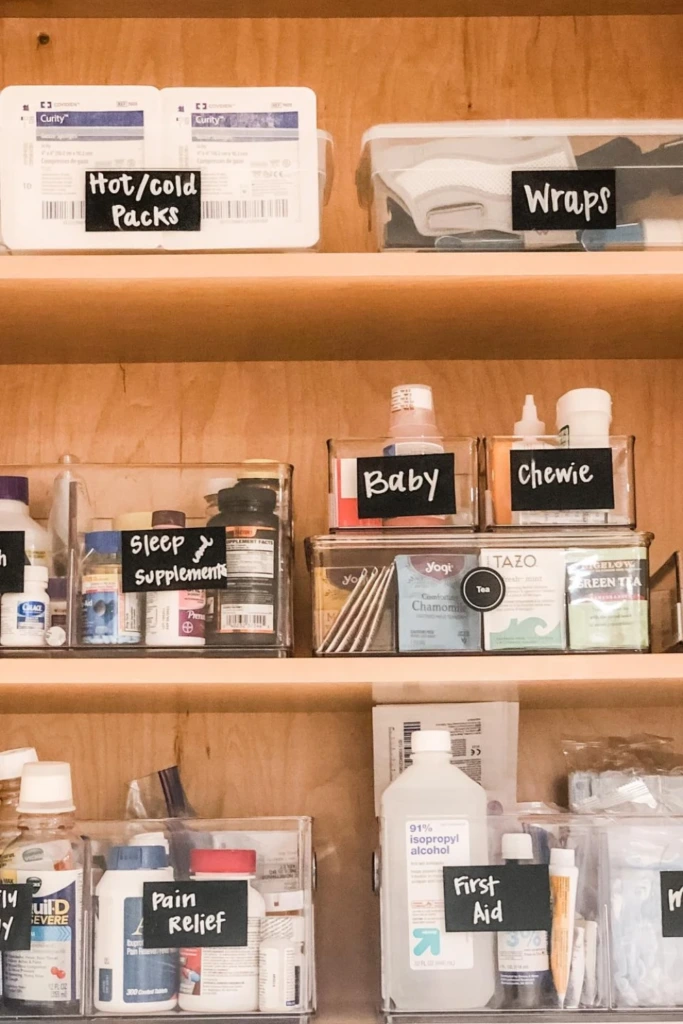
Reusable chalkboard labels make it simple to update container names when your organizational needs change. They can be helpful for households that adjust their storage arrangements throughout the year.
Attach the labels to suitable bins or baskets and write short category names that are easy to understand. If you change a container's purpose, erase the previous wording and replace it with an accurate description.
For medicine storage, clarity is more important than decoration. Avoid vague labels, and never use a category label as a substitute for the original medicine name, directions, or expiration information.
19. Stack Drawers for Tight Spaces
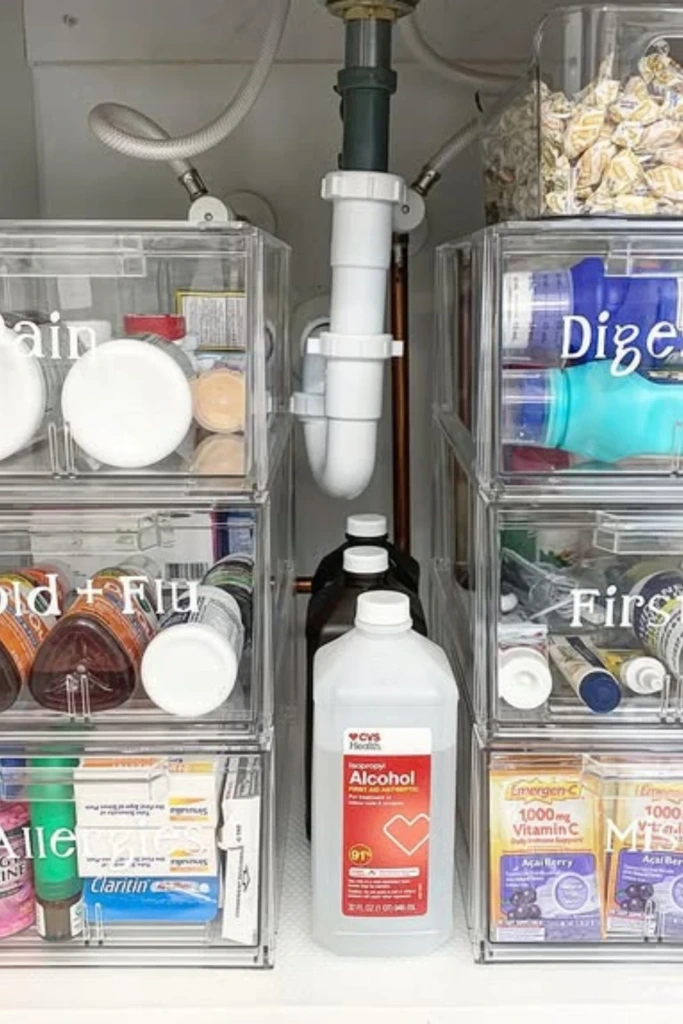
Stackable drawers can help organize healthcare supplies in narrow cabinets or other compact areas. Their vertical design makes use of space that might otherwise remain unused.
Choose transparent drawers so you can see the contents, and assign each drawer a clear purpose. One might hold bandages and gauze, while another stores non-medication supplies such as cotton pads or protective gloves.
Measure the available space before buying a drawer unit, particularly if plumbing or fixed shelving limits the height. Ensure the drawers open fully without hitting nearby objects, and avoid storing medicines beneath sinks if the area is exposed to heat, moisture, or leaks.
20. Group by Health Category
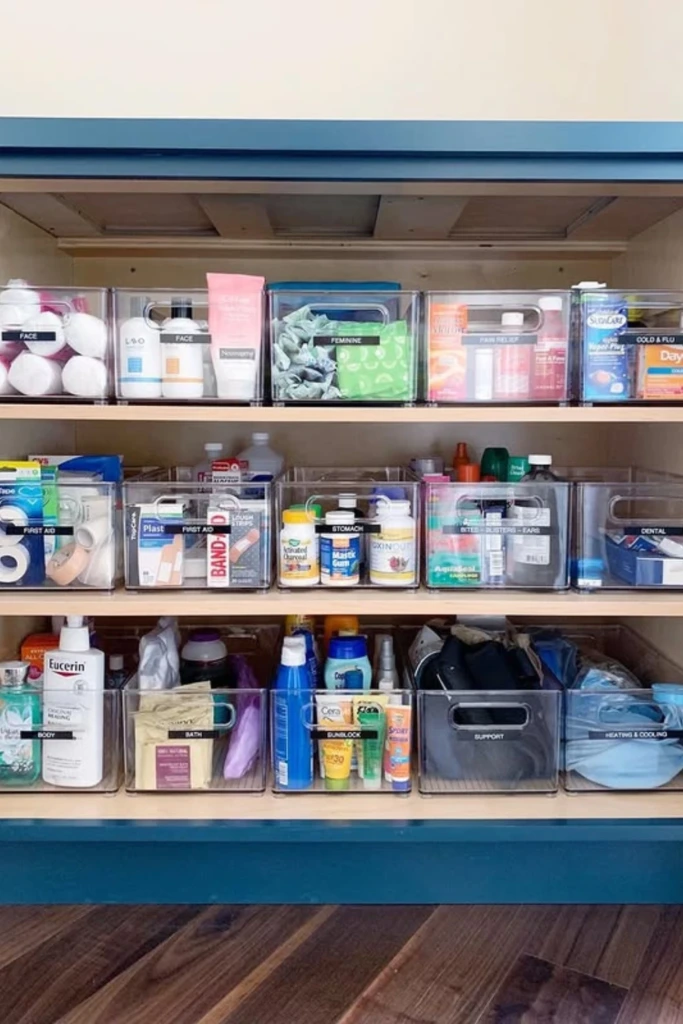
Grouping products by their purpose helps prevent a wide cabinet from turning into a collection of unrelated bottles and boxes. It also makes restocking easier because you can see which categories need attention.
Create separate areas for first aid, dental care, digestive health, allergy products, and other relevant household supplies. Use matching containers if you prefer a coordinated appearance, but choose sizes that accommodate the actual contents.
Keep labels facing forward and avoid mixing products intended for different people or requiring different storage conditions. Review each group periodically to remove empty packaging and identify supplies that need replacement.
21. Store Bottles Flat in Drawers
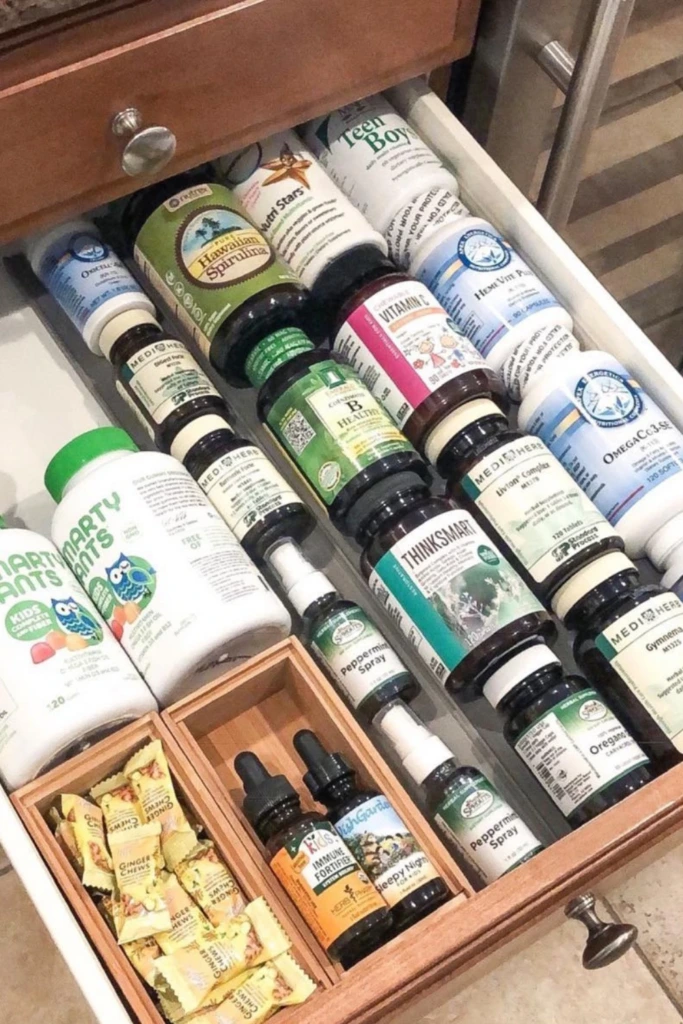
Drawers can provide a convenient alternative to shelves when you have extra space in a suitable storage area. They allow you to arrange small containers in rows and inspect their labels without reaching behind other products.
Use drawer dividers to prevent items from rolling around, and keep similar non-medication supplies together. If a medicine must remain upright, keep it upright rather than laying it flat.
Before placing any medicine in a drawer, confirm that the location meets its storage requirements. A cool, dry drawer away from direct sunlight may be more suitable than a humid bathroom cabinet, but the product's specific instructions should always take priority.
How often should I clean out my medicine cabinet?
Review your medicine storage at least every three to four months, and check it sooner whenever you notice damaged packaging, spills, or changes in your household's needs.
During each review, inspect expiration dates, confirm that labels are readable, and remove empty containers. Check that prescription medicines are still needed and that their storage conditions remain appropriate.
Do not use expired or unidentified medicines. Follow local guidance for safe disposal, and ask a pharmacist about products that should not be placed in household trash or flushed down the toilet.
It is also helpful to maintain a short inventory of frequently used supplies. This makes it easier to replace essentials before they run out and prevents unnecessary purchases.
What medicines should never be stored in the bathroom?
Many medicines are better kept outside the bathroom because repeated exposure to humidity and temperature changes can affect their quality. Tablets, capsules, and other products may be sensitive to moisture even when their packaging looks intact.
However, storage requirements vary by product. Some medicines require refrigeration, while others must be kept at room temperature or protected from light. Always follow the instructions on the packaging and ask a pharmacist if you are unsure.
For products that do not require refrigeration, a cool, dry cupboard in a bedroom or hallway may be a suitable option. Keep medicines away from direct sunlight, heaters, and damp areas, and make sure children cannot reach them.
A well-planned storage area should protect medicine quality while keeping essential supplies easy for authorized adults to locate. Regular checks, clear labels, and secure storage will help your organization system remain useful over time.