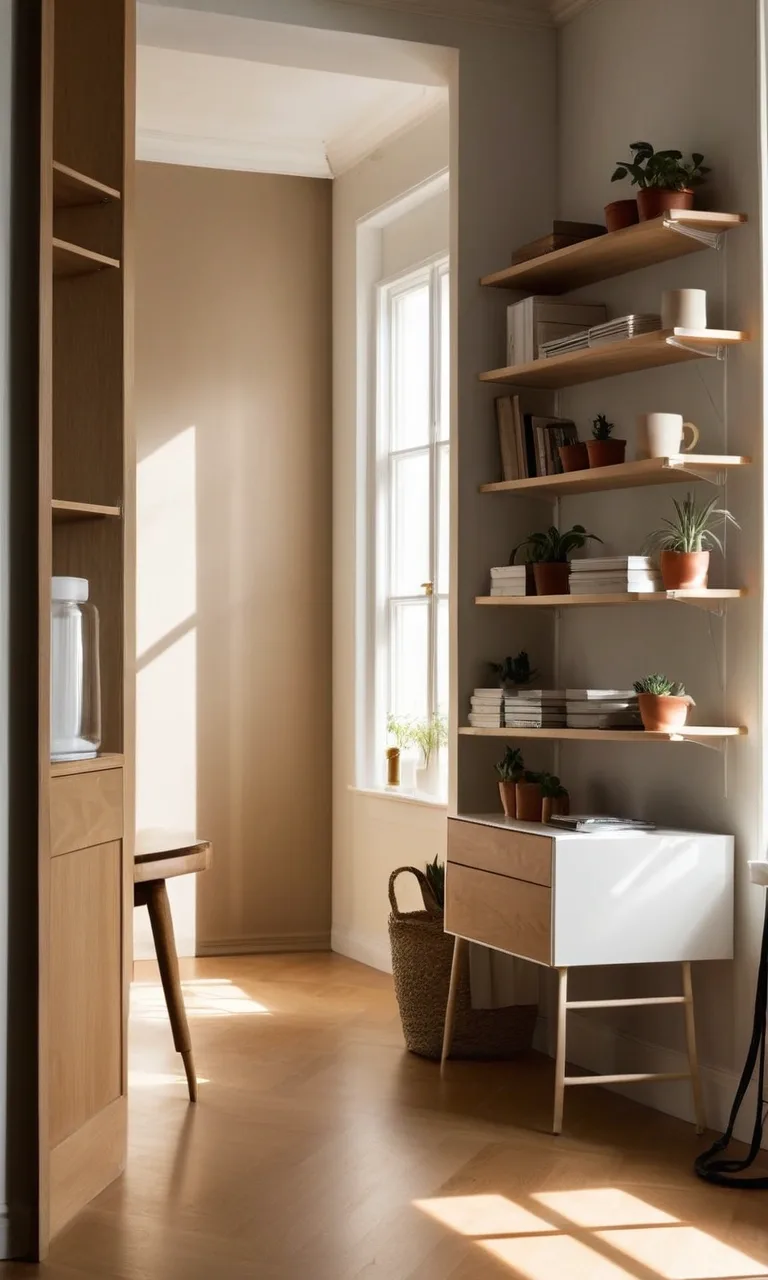
Home Office Organization Ideas to Create a More Productive Workspace
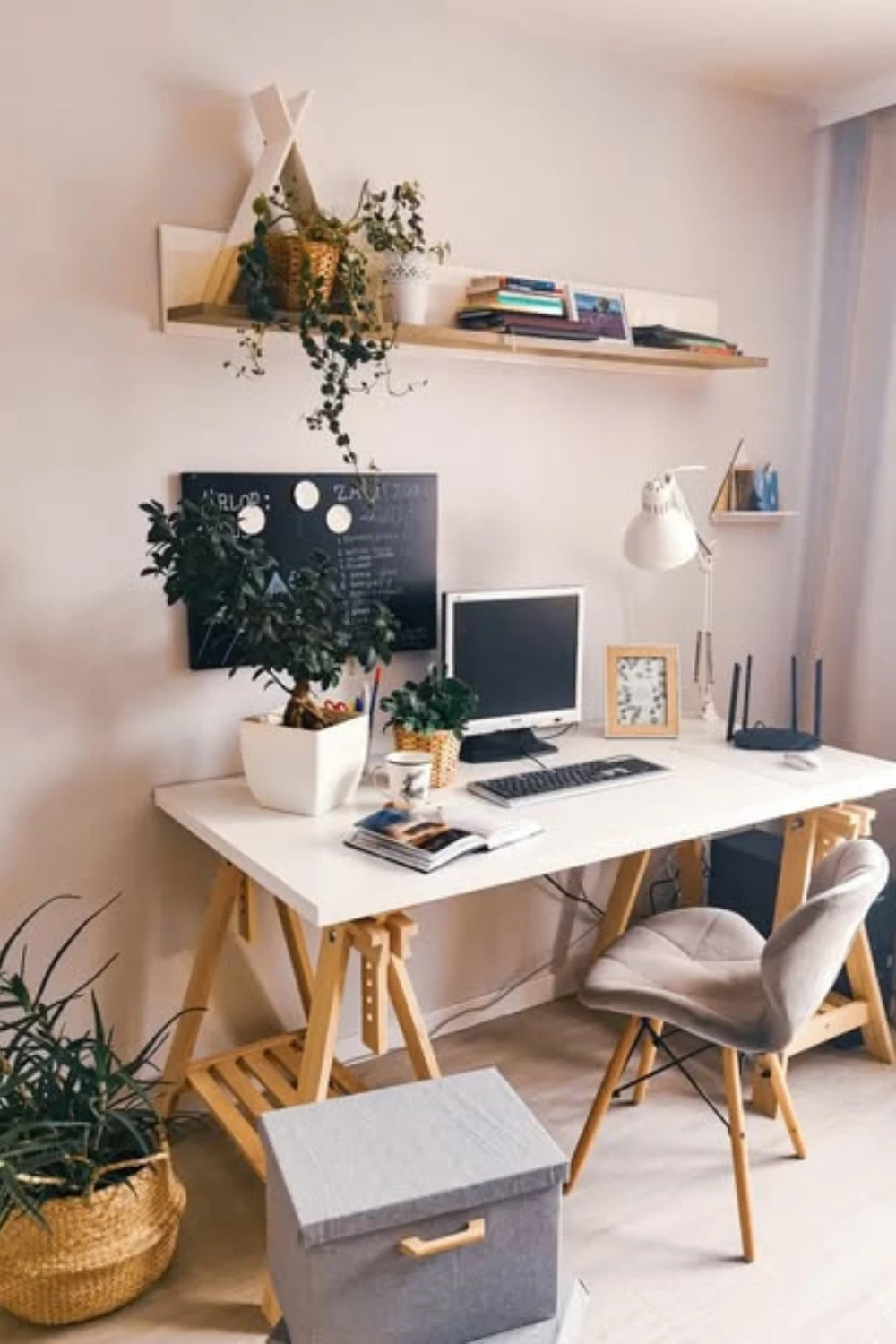
A well-organized home office can make everyday work feel more manageable. When papers pile up, supplies disappear into drawers, and cables spread across your desk, even simple tasks can become frustrating. The good news is that you can create a functional workspace without buying expensive furniture or dedicating an entire room to your office.
The key is to make the most of the space you already have. A few thoughtful storage solutions, clearly defined work zones, and easy daily habits can help you keep everything accessible without making your room feel crowded.
Whether you work from a spare bedroom, a small apartment, or a corner of your living room, these home office organization ideas can help you build a cleaner, more comfortable environment that supports concentration and productivity.
Why a Messy Office Kills Your Focus?
A cluttered workspace can make it harder to concentrate because your attention is constantly drawn to unfinished tasks, misplaced supplies, and unnecessary objects. Searching for a document or untangling a charger also interrupts your workflow and wastes valuable time.
Start by clearing your desk and deciding which items genuinely need to stay within reach. Keep everyday essentials nearby, store occasional-use supplies in drawers or cabinets, and remove anything that does not support your current work.
A simple organizational system is more effective than repeatedly tidying without a plan. When each item has a designated place, cleaning becomes quicker, and returning to work after a break feels much easier.
Label Every Basket
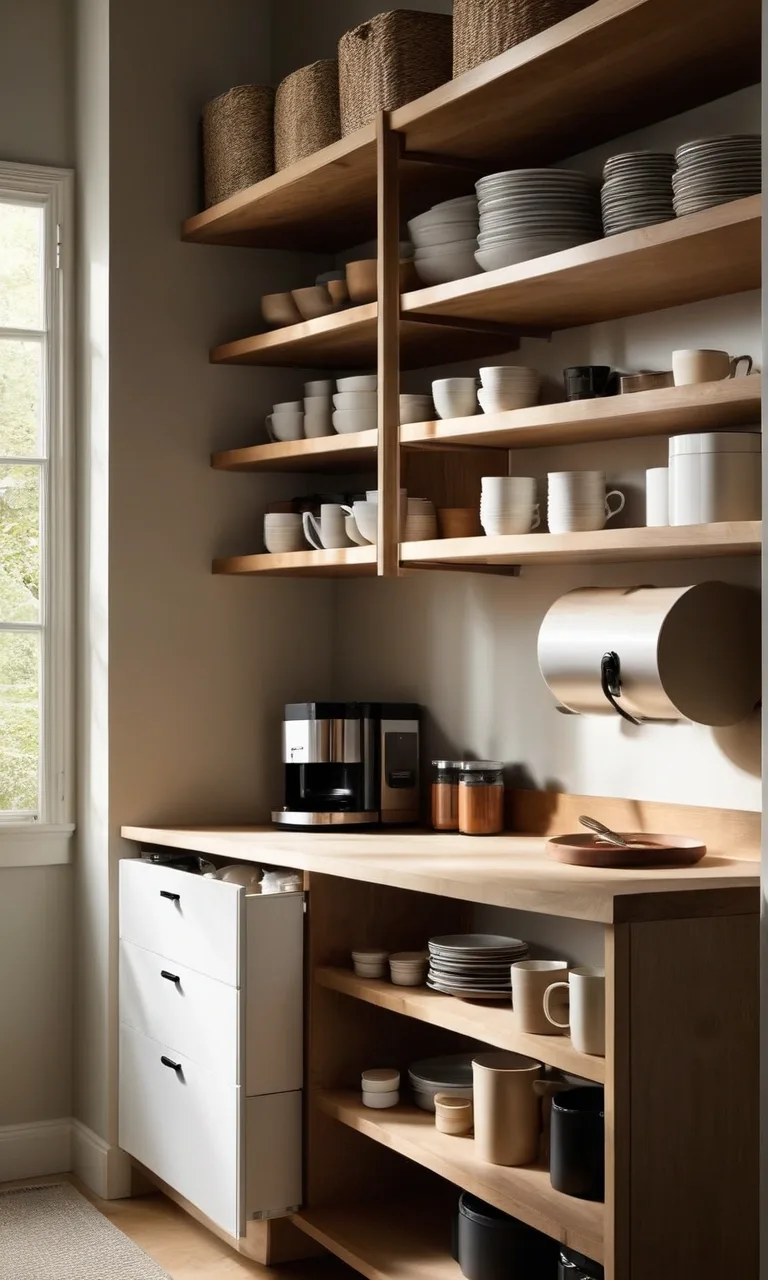
Storage baskets can make open shelves look neat while preventing small supplies from spreading across your office. They are especially useful for stationery, notebooks, cables, printer accessories, and miscellaneous items that otherwise collect on your desk.
Choose baskets that fit your shelves comfortably and assign a specific category to each one. Labels such as “Writing Supplies,” “Cables,” and “Current Projects” make it easier to identify the contents without opening every container.
Use woven baskets for items you want to conceal and transparent bins for supplies you need to identify quickly. Review the contents occasionally so unused materials do not accumulate unnoticed.
Divide the Desk for Two

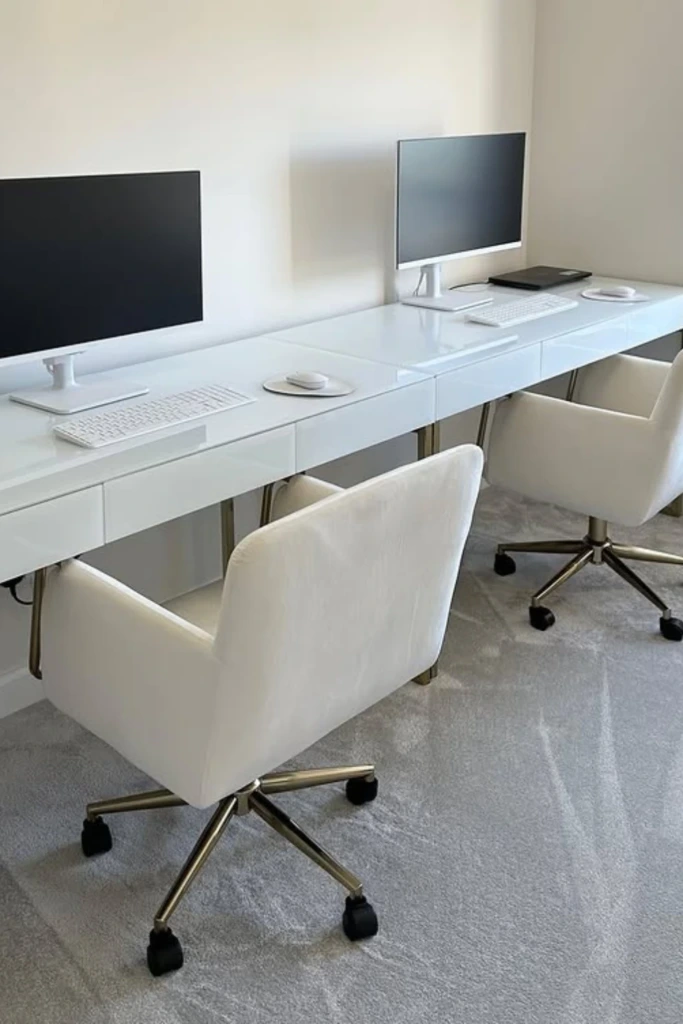
When two people share a home office, clearly separated work areas can prevent clutter and make the room more comfortable for both users. Each person should have a defined section for their computer, paperwork, and frequently used supplies.
Side-by-side desks work well when the room has enough width, while back-to-back arrangements may suit larger spaces with a different layout. Desk mats, small organizers, and separate drawers can help distinguish the two workstations without installing a permanent divider.
If both people attend video meetings, consider monitor placement, lighting, and background noise before deciding on the final arrangement. Personal storage zones help everyone maintain their own setup without mixing documents or equipment.
Sort Papers in Clear Files
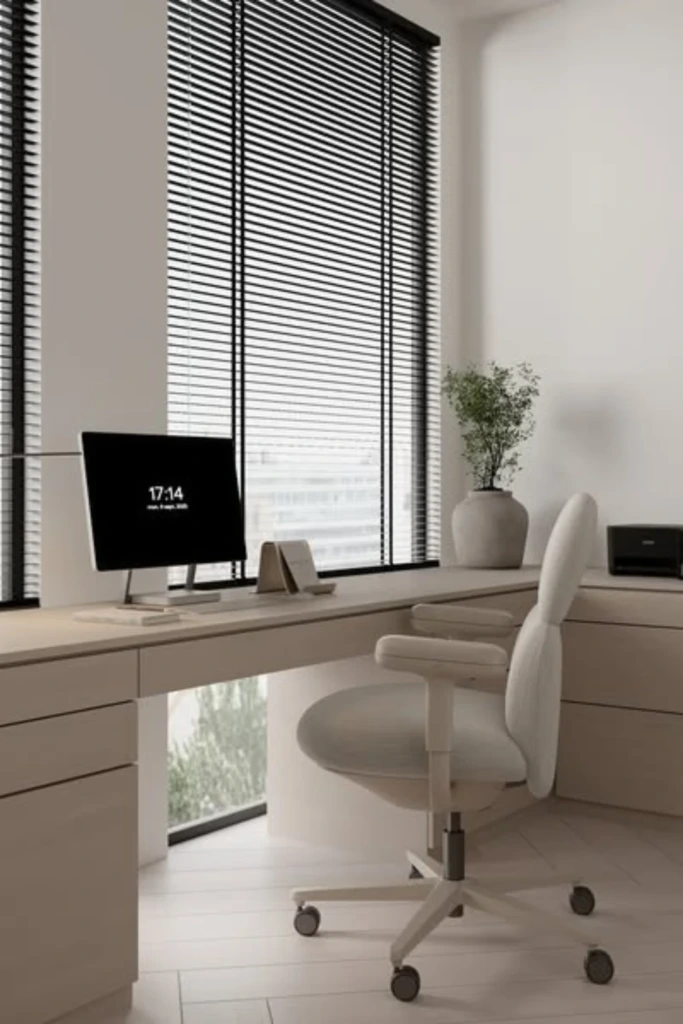
Paperwork becomes difficult to manage when bills, receipts, reference documents, and project notes are mixed together. Clear file boxes make these materials easier to sort while allowing you to see what is stored inside.
Create categories that reflect your actual needs, such as household documents, business expenses, active projects, and reference materials. Use dividers within each box to separate individual subjects.
Keep frequently accessed documents near your desk and place archived paperwork on a higher shelf or in a cabinet. Review your files periodically, securely dispose of sensitive papers you no longer need, and avoid keeping unnecessary personal information in open storage.
Use Vertical File Holders
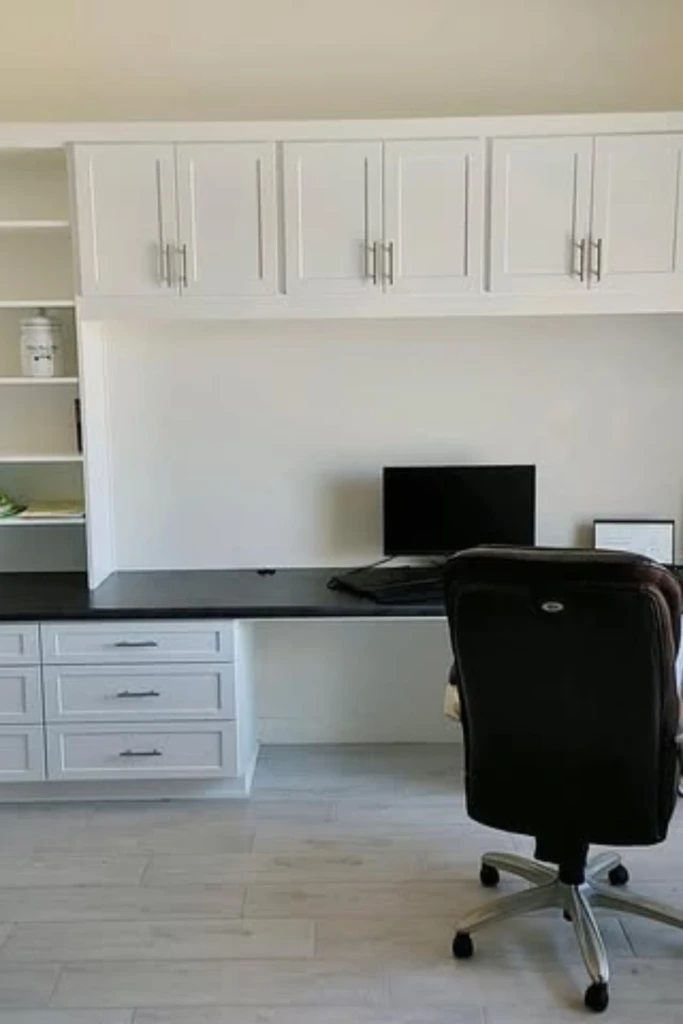
Vertical file holders make use of shelf space that might otherwise be occupied by unstable stacks of paper. They keep folders, notebooks, envelopes, and manuals upright, making individual items easier to retrieve.
Choose holders that are tall enough to support your documents without allowing them to bend. Assign a category to each holder, such as incoming paperwork, active projects, or reference books.
This approach works particularly well on narrow bookshelves, beside a desk, or inside a cabinet. It also makes it easier to return documents to their proper places instead of creating another pile on your work surface.
Give Each Paper a Home
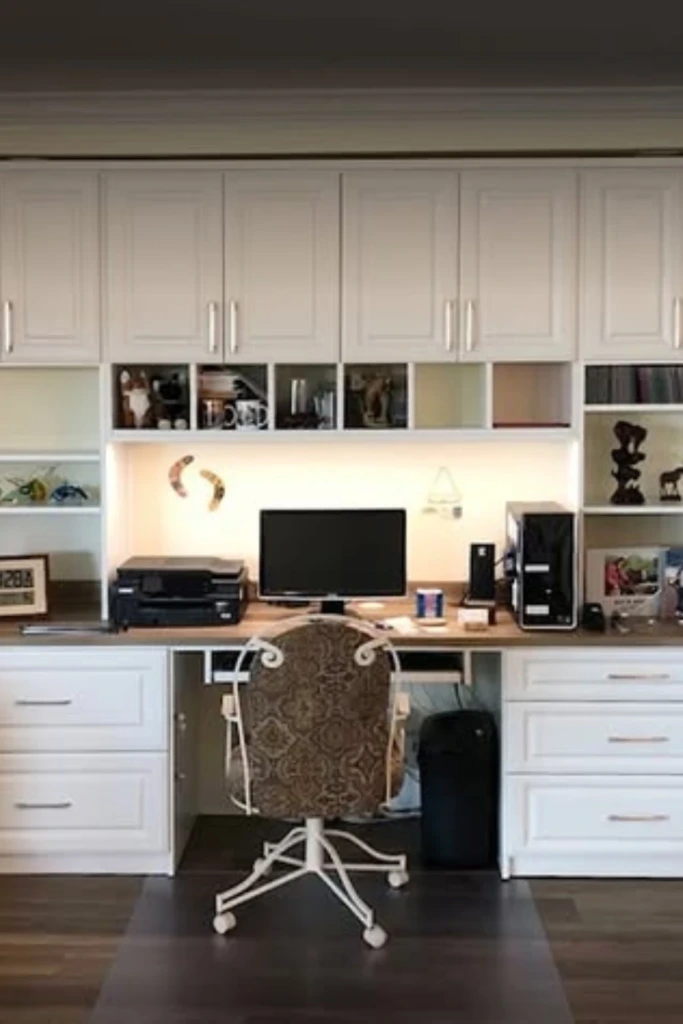
Loose paper can quickly take over an otherwise tidy office. A simple paper-management station helps prevent incoming mail, unfinished forms, printer paper, and notes from becoming one disorganized collection.
Use a divided tray for documents that require different actions. For example, one section can hold papers that need attention, another can contain items awaiting a response, and a third can store documents ready to be filed.
Keep unused printer paper in a clean, dry container to protect it from dust and moisture. Establish a regular time to process incoming paperwork so temporary piles do not become permanent fixtures.
Turn a Closet Into a Supply Station
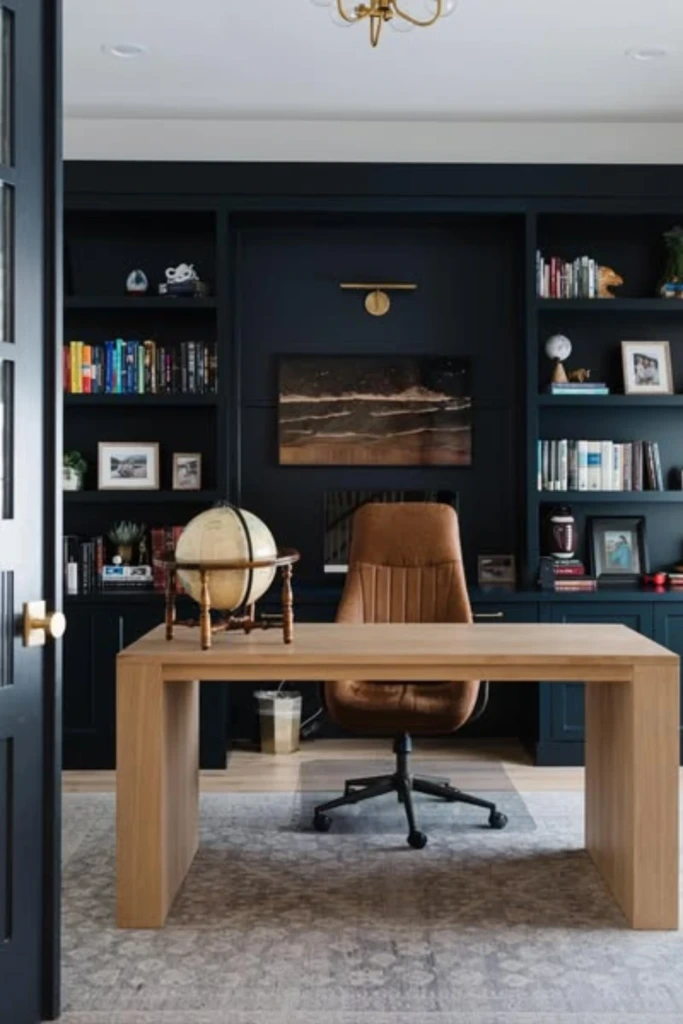
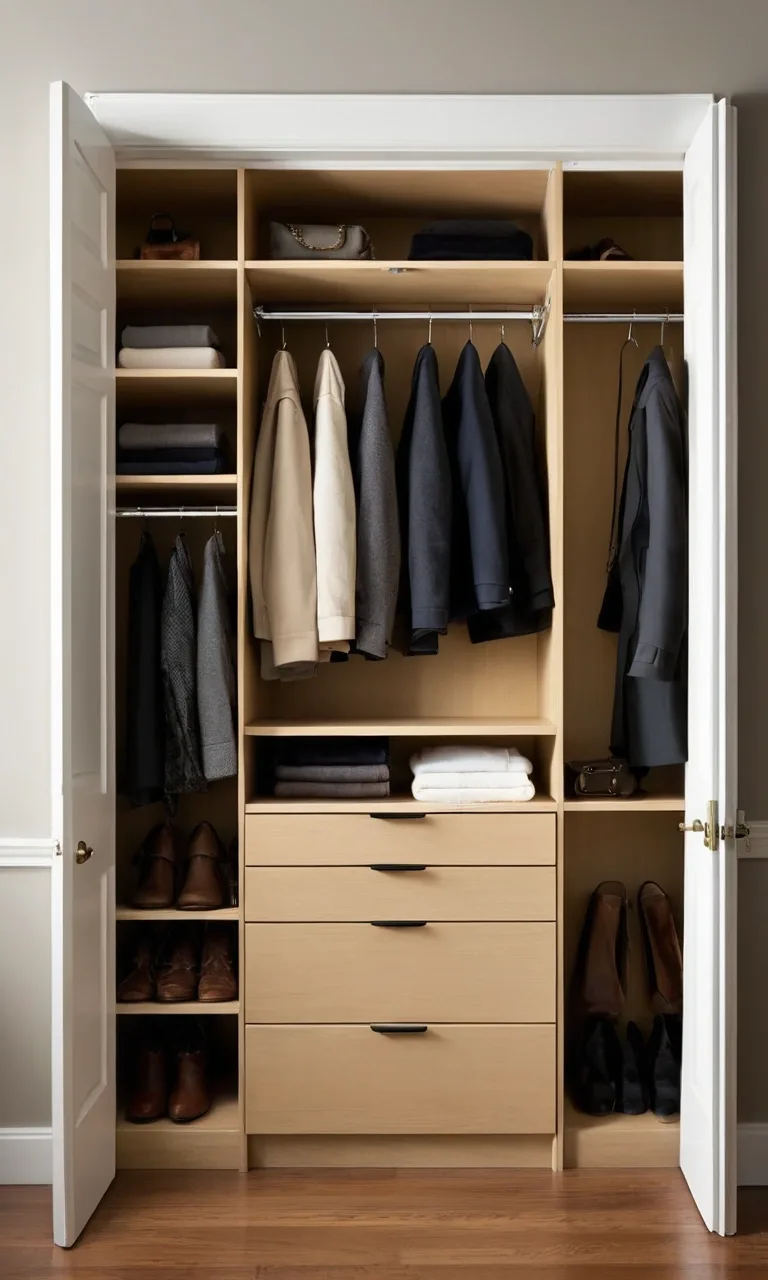
A spare closet can provide valuable storage when your office has limited floor space. Instead of filling your desk with extra stationery, archived files, printer supplies, and equipment, move these items into a dedicated storage area.
Install adjustable shelving to accommodate containers of different sizes. Store heavier boxes on lower shelves and frequently used materials at a comfortable height. Over-the-door organizers can hold lightweight accessories, cables, and smaller supplies.
Group related items together and label containers clearly. If the closet also stores household belongings, reserve specific shelves for work materials so they remain easy to locate.
Categorize Files by Topic
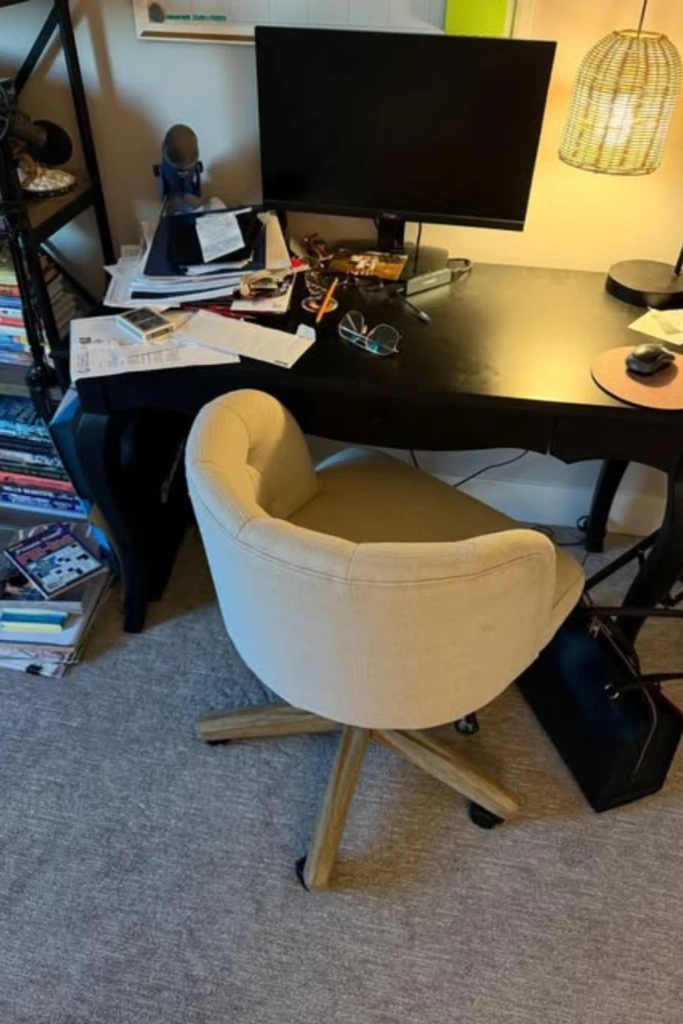
Sorting documents by subject creates a filing system that is easier to maintain than one based on when papers were received. It is especially helpful for people who manage personal administration, freelance projects, business records, or multiple ongoing assignments.
Choose categories that make sense for your routine. A freelancer might use separate folders for clients, invoices, contracts, and taxes, while a student could organize coursework by subject and semester.
Use consistent labels and keep the most frequently accessed files together. If a category becomes too large, divide it into smaller groups rather than allowing documents to become difficult to navigate.
Use Drawer Bins for Every Item
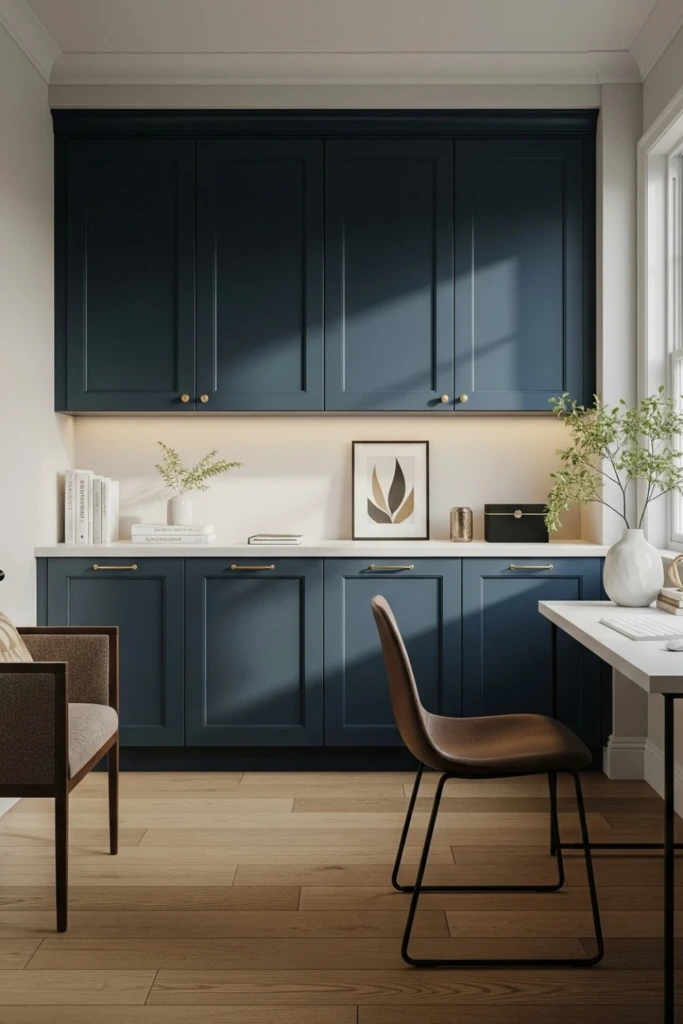
Desk drawers often become catch-all spaces for stationery, chargers, batteries, and miscellaneous objects. Small compartment bins create boundaries that help prevent these items from getting mixed together.
Measure the drawer before purchasing organizers, then select containers that fit without wasting too much space. Give each section a clear purpose, such as writing tools, adhesive products, paper clips, or electronic accessories.
Place the items you use most frequently near the front of the drawer. Less frequently needed supplies can go toward the back. A quick weekly check is usually enough to return misplaced objects to their assigned sections.
Store Tech Upright
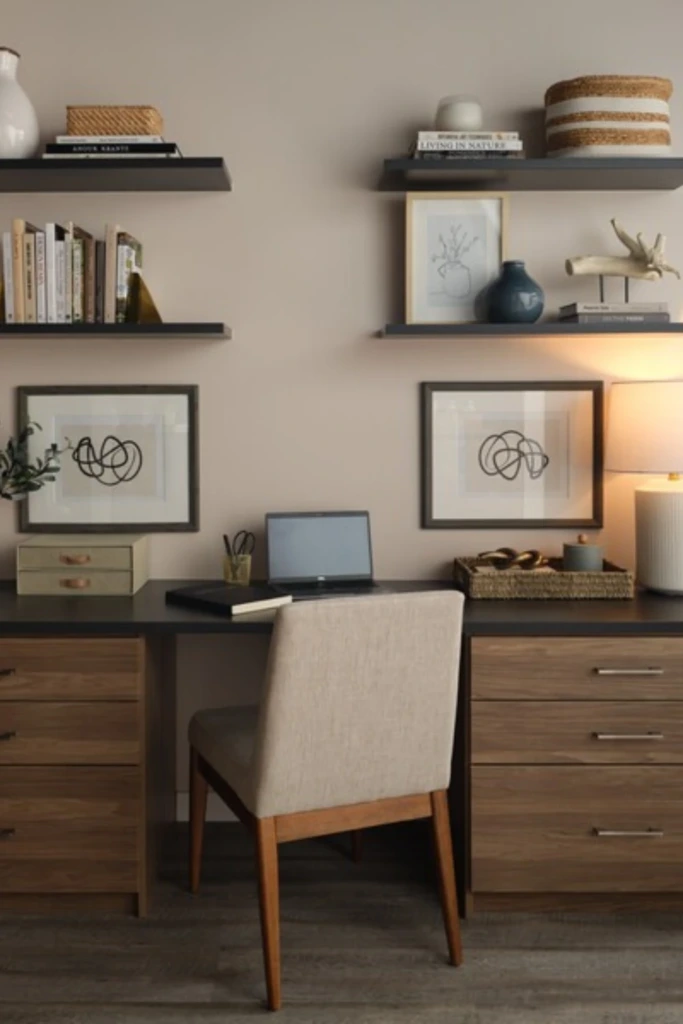
Laptops, tablets, and other portable devices can occupy a surprising amount of desk space when they are laid flat. Vertical storage helps keep these devices accessible while freeing room for daily tasks.
Use a purpose-built laptop stand, padded device organizer, or appropriately sized divider system to keep each device secure. Add soft protective separators where devices might rub against one another, and make sure the arrangement does not allow heavy equipment to tip over.
Keep chargers and accessories in a nearby labeled compartment. Avoid storing devices in a way that blocks ventilation or exposes them to pressure, moisture, or accidental falls.
Keep Drawers Clear With Grids
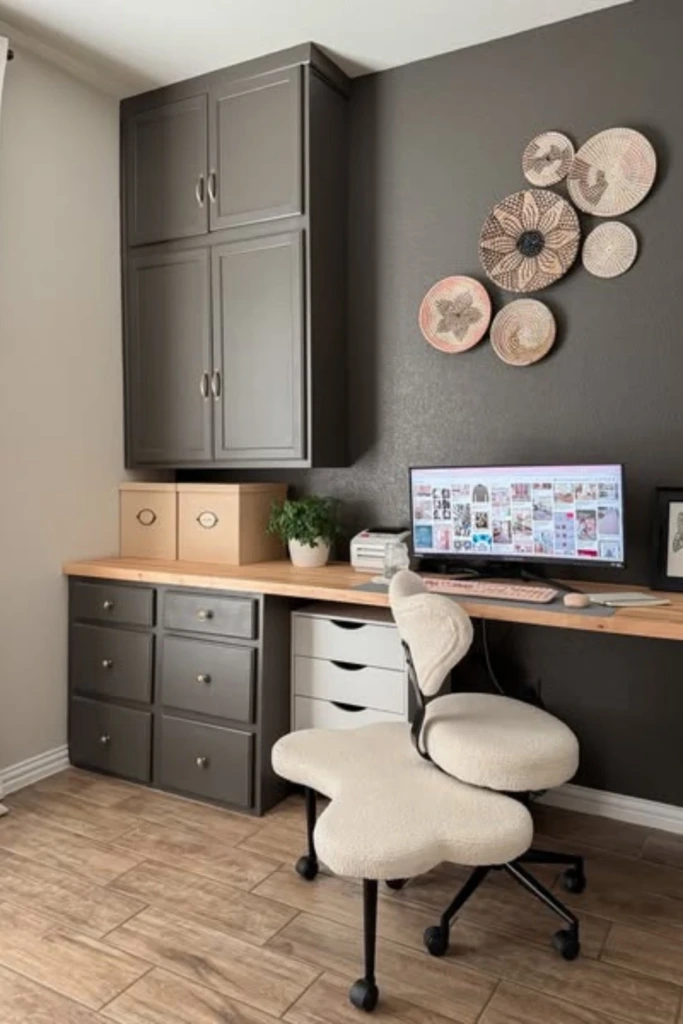
Grid-style drawer organizers are useful when you have many small office supplies that easily become tangled or scattered. Individual compartments keep similar items together and make it easier to notice when something is running low.
Use larger sections for pens, markers, and tape, then reserve smaller compartments for paper clips, thumbtacks, erasers, and other tiny accessories. Choose a layout that matches the items you actually own instead of filling every compartment simply because it is available.
Transparent organizers are convenient because you can see the contents immediately. Remove empty packaging and broken supplies during regular maintenance to preserve useful space.
Label Every Drawer Section
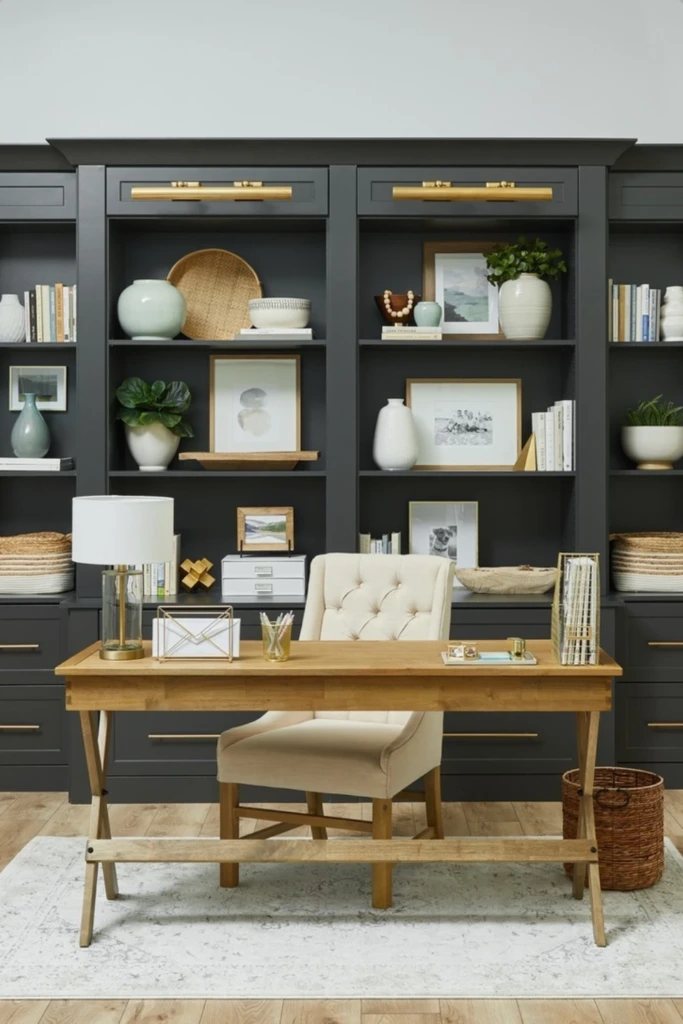
Labels make drawer organization easier to understand, particularly when several types of supplies share the same storage unit. They also help other household members return items to the correct places.
Separate the drawer into practical categories using removable dividers or small containers. Label sections according to their contents, such as “Charging Cables,” “Writing Tools,” “Batteries,” or “Paper Clips.”
Keep labels short and easy to read. If your storage needs change, use removable labels so you can update the system without replacing the entire organizer.
Build a Grid Organizer Wall
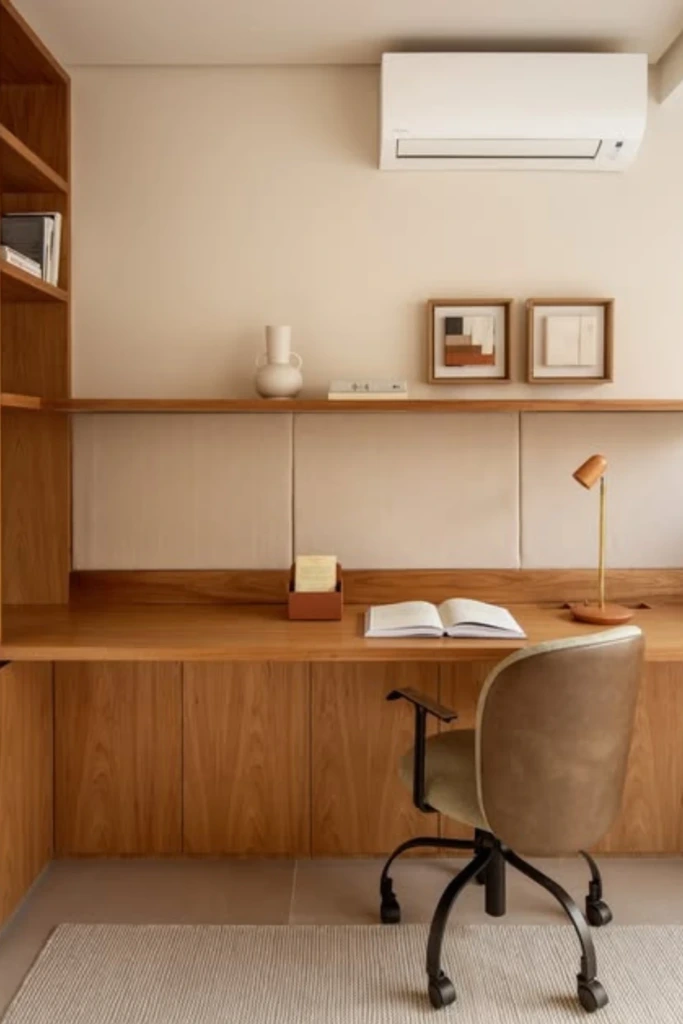
A modular grid wall provides extra storage when desk drawers and bookshelves are already full. It can hold lightweight baskets, frequently used tools, small accessories, and selected supplies without taking up additional floor space.
Plan the arrangement around your available wall area and the items you need to access regularly. Use compatible hooks, baskets, and shelves, and secure the system according to the manufacturer's instructions. Avoid overloading the grid or placing heavy objects above your workstation.
Keep everyday essentials within easy reach and reserve less accessible sections for occasional-use items. A well-planned wall organizer can make a compact office more functional without adding bulky furniture.
Keep Shelves Minimal
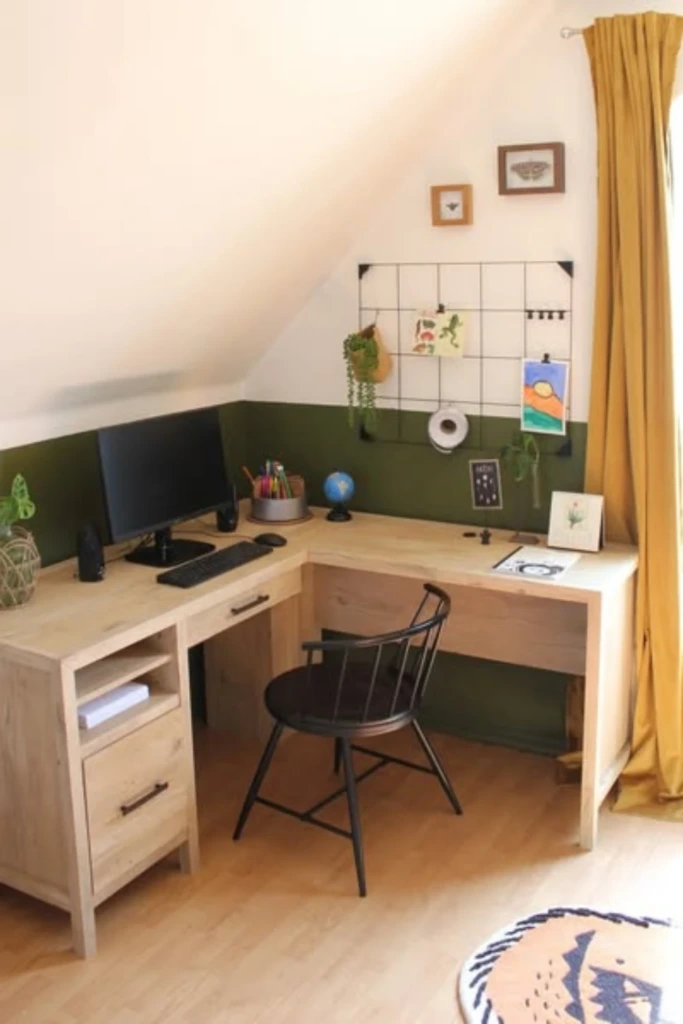
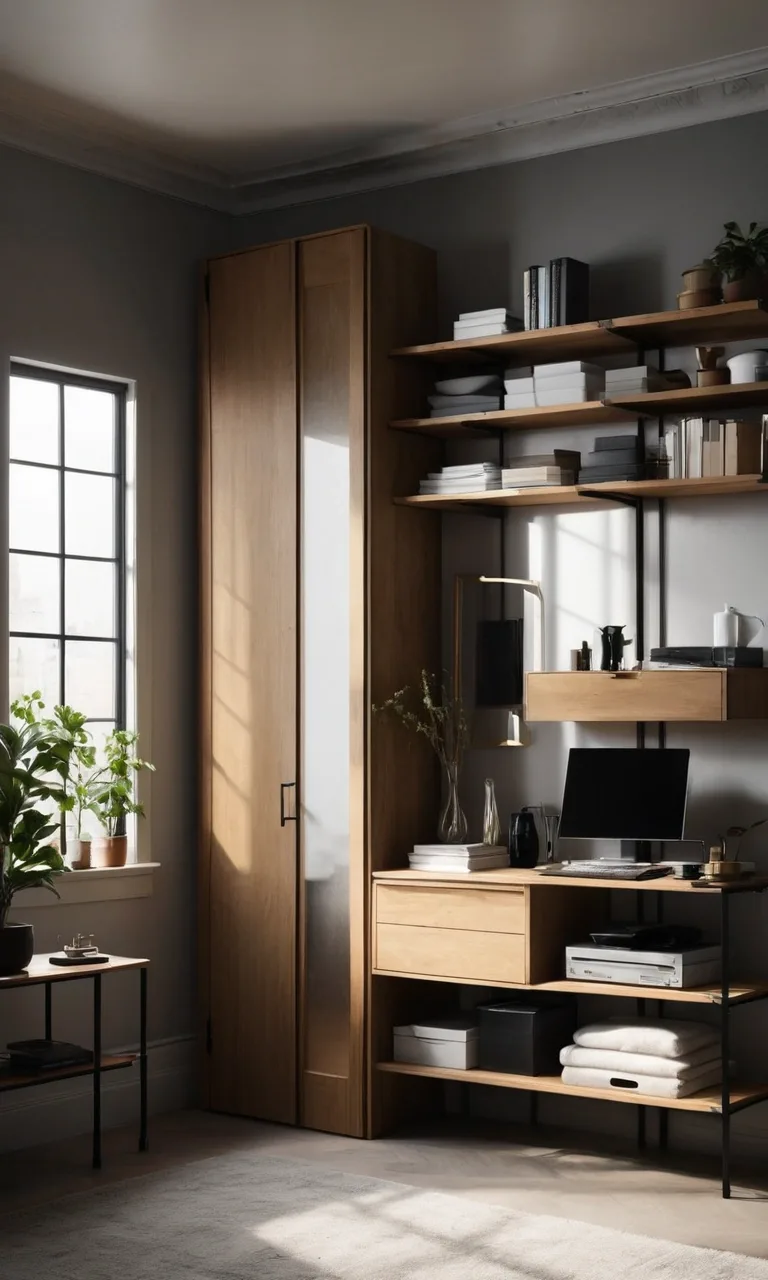
Overfilled shelves can make a small office feel crowded, even when everything is technically organized. Keeping the display simple creates a more open appearance and makes useful items easier to find.
Arrange books and reference materials in small groups, leaving enough room to remove them without disturbing everything nearby. Place miscellaneous supplies in closed boxes or cabinets rather than displaying every item.
You can also use a small plant, framed print, or subtle lighting to make the room feel welcoming. The goal is to balance visual appeal with practical storage instead of turning every shelf into a display area.
Balance Decor With Storage
A home office should feel pleasant to spend time in, but decorative objects can compete with essential supplies when storage is limited. Combining display pieces with practical containers helps maintain a personal style without sacrificing functionality.
Use closed boxes for small accessories, paperwork, and equipment you do not need constantly. Reserve open shelves for a few meaningful decorations, reference books, or objects that make the room feel inviting.
Place frequently used supplies on accessible shelves and keep delicate decorations away from areas where they might be knocked over. Choose colors and materials that complement your desk and existing furniture for a coordinated appearance.
Stick to a Matching Set
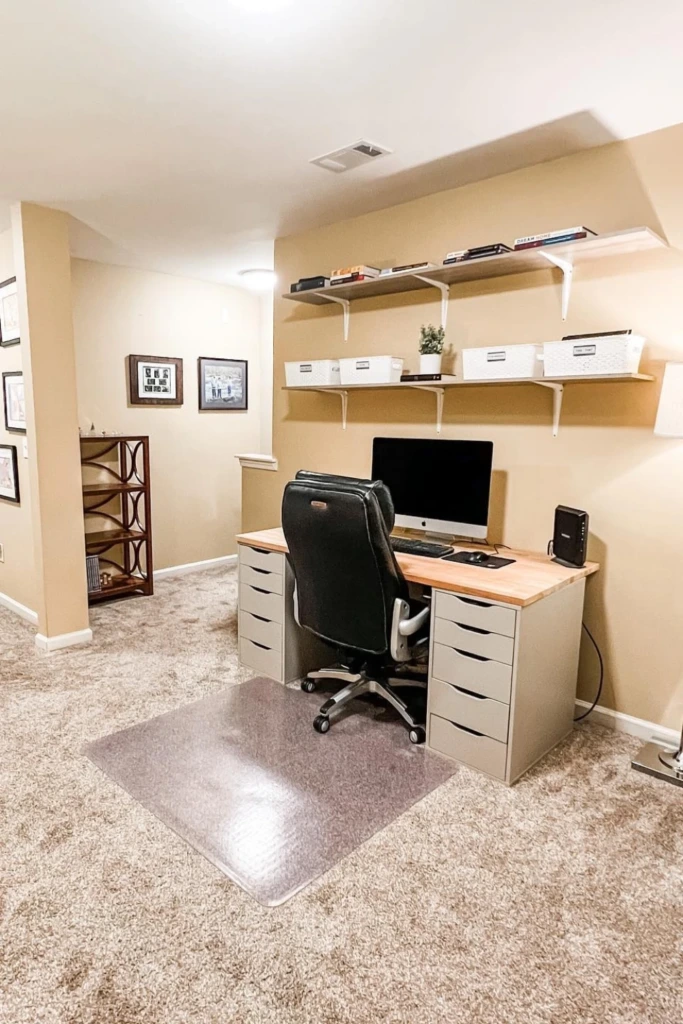
Matching storage containers can make an office look more cohesive, particularly when several organizers are visible on open shelves. A consistent color palette reduces visual variation and helps the space feel intentional.
Choose boxes, file holders, and drawer organizers that suit your available dimensions. They do not have to come from the same brand; similar colors, finishes, and proportions can create a unified look.
Give each container a distinct purpose and label it clearly. Matching storage is most useful when it improves both appearance and accessibility, rather than encouraging you to buy containers you do not actually need.
How do I keep my office organized long-term?
The most reliable approach is to build small organizational habits into your regular workday. At the end of each session, return supplies to their assigned locations, remove rubbish, and clear enough desk space for the next task.
Set aside a few minutes each week to review paperwork, empty unnecessary packaging, check supply levels, and straighten drawers or shelves. Handle important documents promptly instead of allowing them to accumulate in temporary piles.
It also helps to avoid bringing unnecessary items into the workspace. Before buying another organizer, check whether you can simplify your existing system or remove belongings you no longer use.
What’s the cheapest way to organize an office?
Start with the storage materials you already have at home. Shoeboxes, clean jars, small cardboard boxes, and reusable containers can hold stationery, cables, and other supplies without requiring a large purchase.
Repurpose sturdy containers by grouping similar items together and adding handwritten labels. Arrange existing shelves vertically, use wall space where appropriate, and move infrequently used belongings out of the main work area.
If you need additional organizers, buy only after measuring your drawers and shelves. A few inexpensive dividers or secondhand storage pieces can be more useful than a large collection of mismatched products.
The most important investment is a system that suits your work habits. When everything has a clear place and you can return items there easily, even a low-cost home office can remain functional and comfortable.