10 Smart Bedroom Organization Tips That Save Space
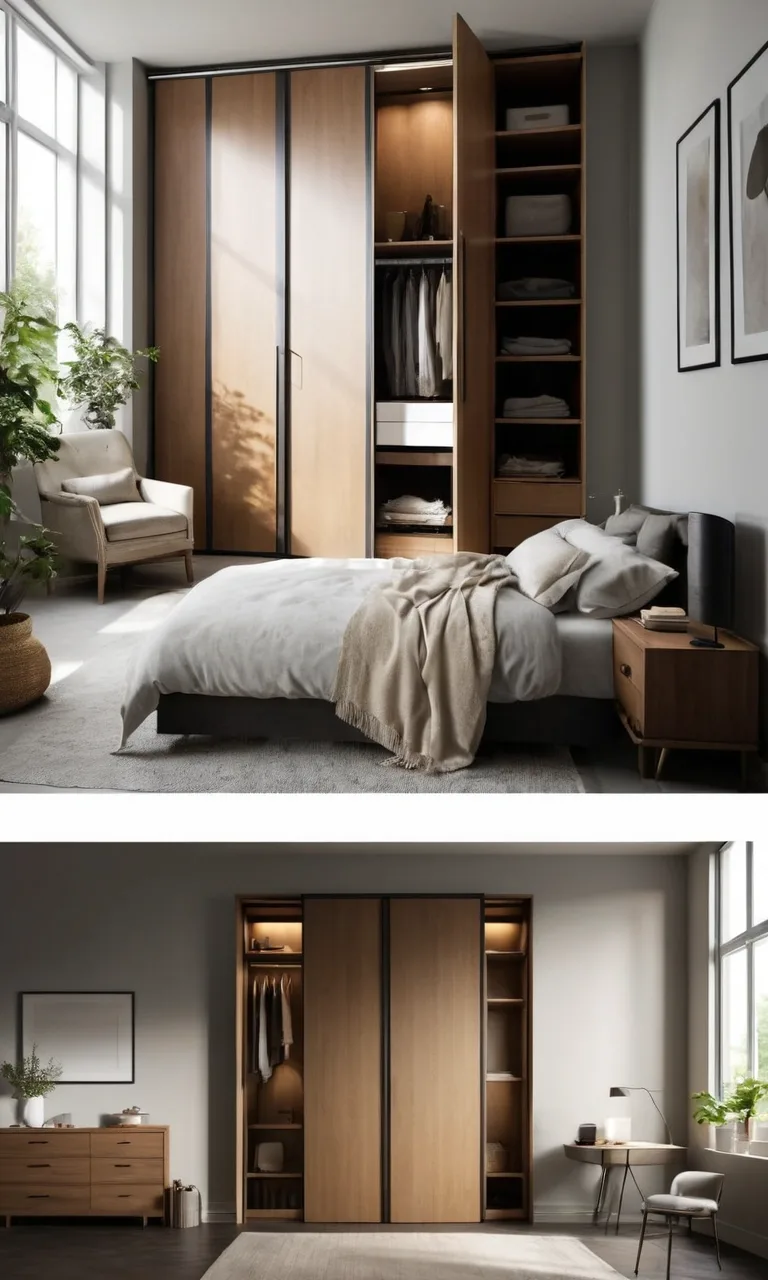
A well-organized bedroom can make everyday life feel easier, whether you have a spacious master bedroom or a small room where every inch matters. Clothes piled on chairs, crowded nightstands, and overflowing drawers can quickly make even a beautiful space feel uncomfortable.
The good news is that you don't need expensive furniture or a complete room makeover to create a more organized bedroom. With thoughtful storage choices, a few simple habits, and a clear plan for your belongings, you can make your room look cleaner and function better.
These practical bedroom organization ideas will help you use available space efficiently, reduce everyday clutter, and create a relaxing environment that is easier to maintain.
1. Why Bedroom Organization Matters
Your bedroom serves several purposes, from sleeping and getting dressed to reading, relaxing, and sometimes working. When unnecessary items take over the room, these everyday activities become less convenient.
Organizing your bedroom helps you find clothing quickly, keep frequently used belongings accessible, and make better use of closets, drawers, and overlooked spaces. A tidy environment can also make your room feel more comfortable and inviting.
The most effective approach is to create a designated place for everything you regularly use. Instead of moving clutter from one surface to another, decide what belongs in the bedroom, what needs to be stored elsewhere, and what you no longer need.
Start with one area at a time rather than trying to reorganize the entire room in a single day. This makes the process manageable and helps you build a system that suits your routine.
2. Make the Most of Under-Bed Storage
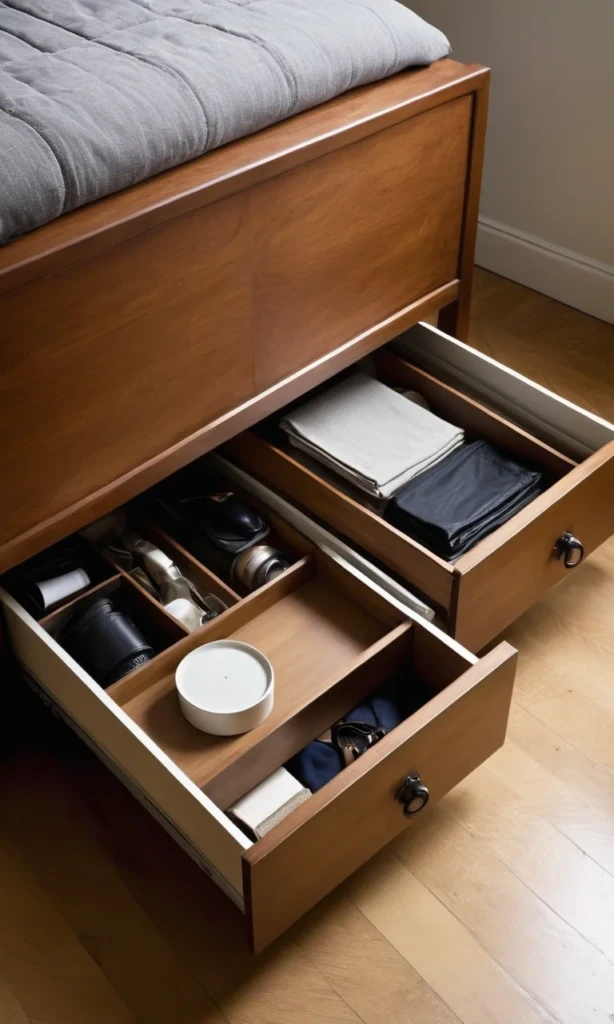
The space beneath your bed can provide valuable storage without taking up additional floor area. It's particularly useful in smaller bedrooms where closets and cabinets are limited.
Choose shallow containers that slide easily under the bed. Use them for seasonal clothing, spare bedding, extra pillows, or shoes that you don't wear regularly. Clear containers make it easier to identify their contents, while fabric organizers offer a softer option for linens and clothing.
If you're purchasing a new bed, consider a model with built-in drawers or a lift-up storage compartment. These designs keep belongings out of sight and can reduce the need for additional furniture.
Before storing anything, clean the area underneath the bed and measure the available clearance. Avoid placing items there that you need every day if accessing them requires moving several other containers.
3. Organize Your Closet by Category
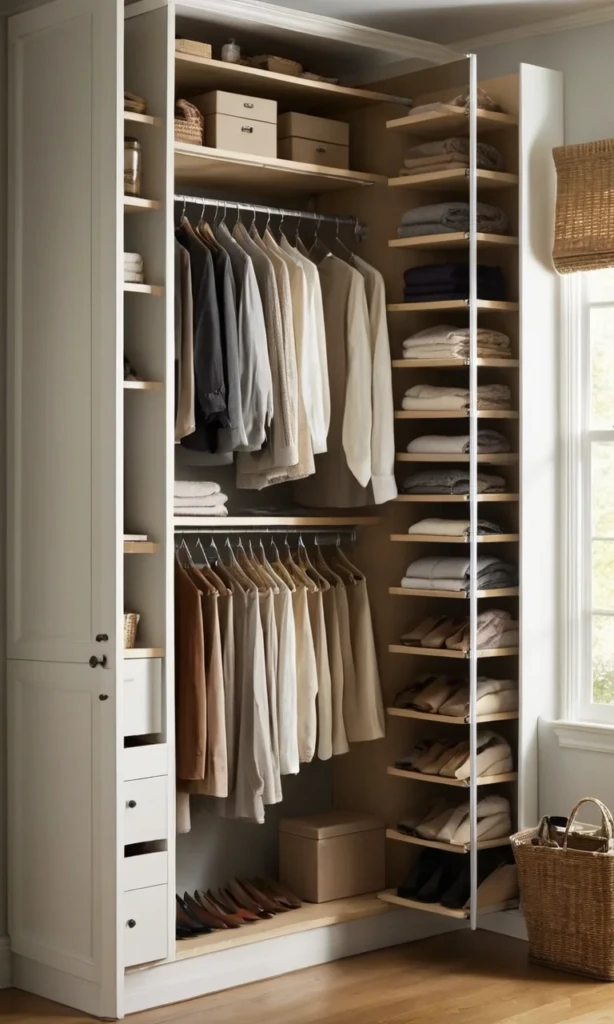
A crowded closet becomes much easier to manage when clothing has a clear arrangement. Instead of hanging everything randomly, group similar items together so you can quickly locate what you need.
Separate shirts, trousers, dresses, jackets, and other garments into individual sections. Within each category, you can organize clothing by color, season, or frequency of use. Choose whichever method makes getting dressed easiest for you.
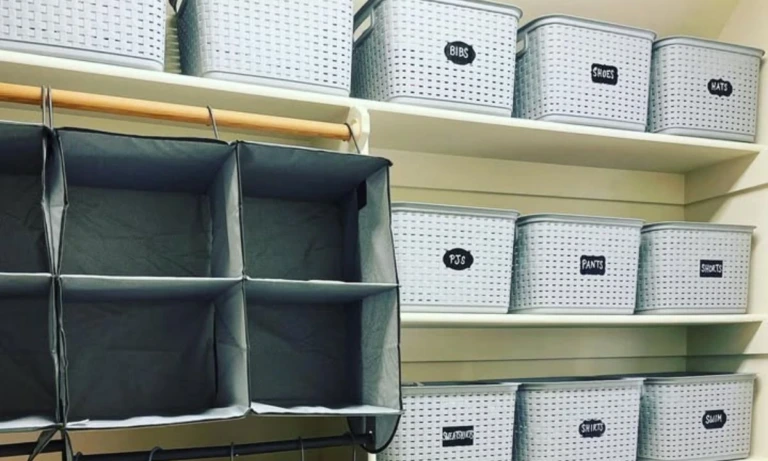
Use matching hangers where practical to create a more consistent appearance and make better use of the hanging rail. Shelf dividers can prevent folded clothing from toppling over, while small baskets can contain accessories, belts, scarves, and socks.
Move off-season garments to higher shelves or labeled storage containers if your closet is limited. Keep your most frequently worn clothing at eye level, where it is easy to reach.
Before buying more organizers, remove clothes that no longer fit, are damaged beyond repair, or haven't served a useful purpose in your life. Reducing the number of items is often more effective than adding extra storage.
4. Use Vertical Space Efficiently
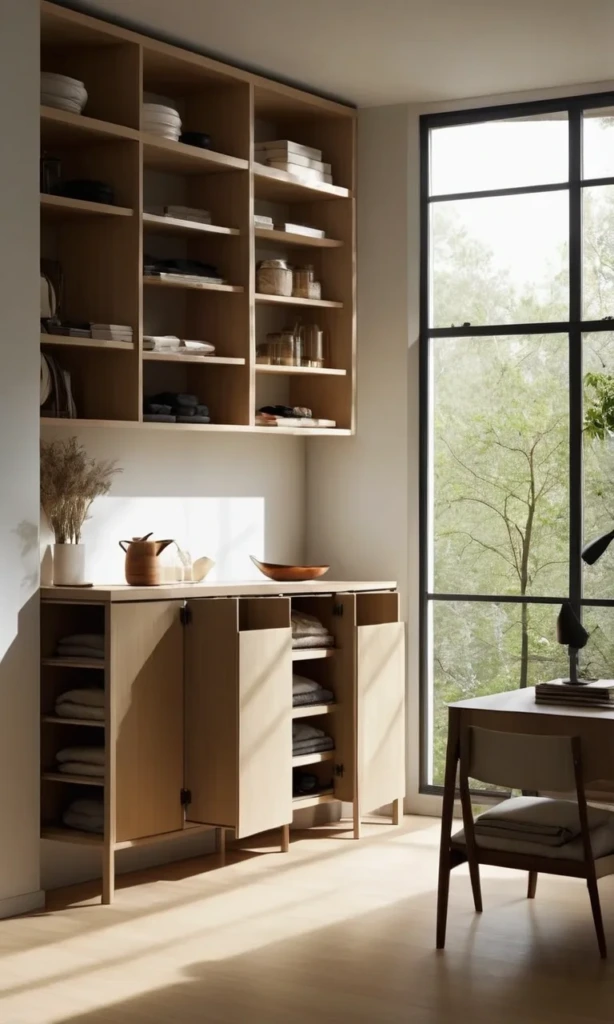
When bedroom floor space is limited, look upward. Walls, tall shelves, and the upper sections of closets can provide storage without making the room feel crowded.
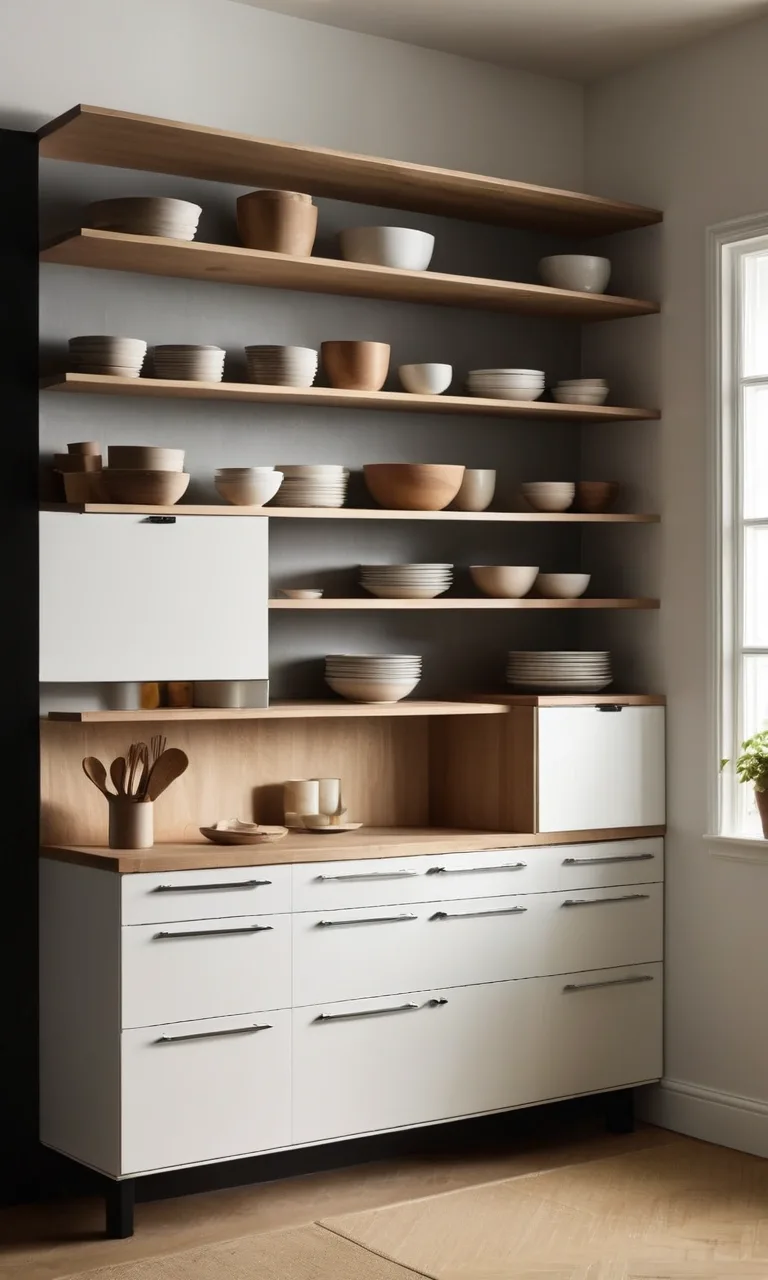
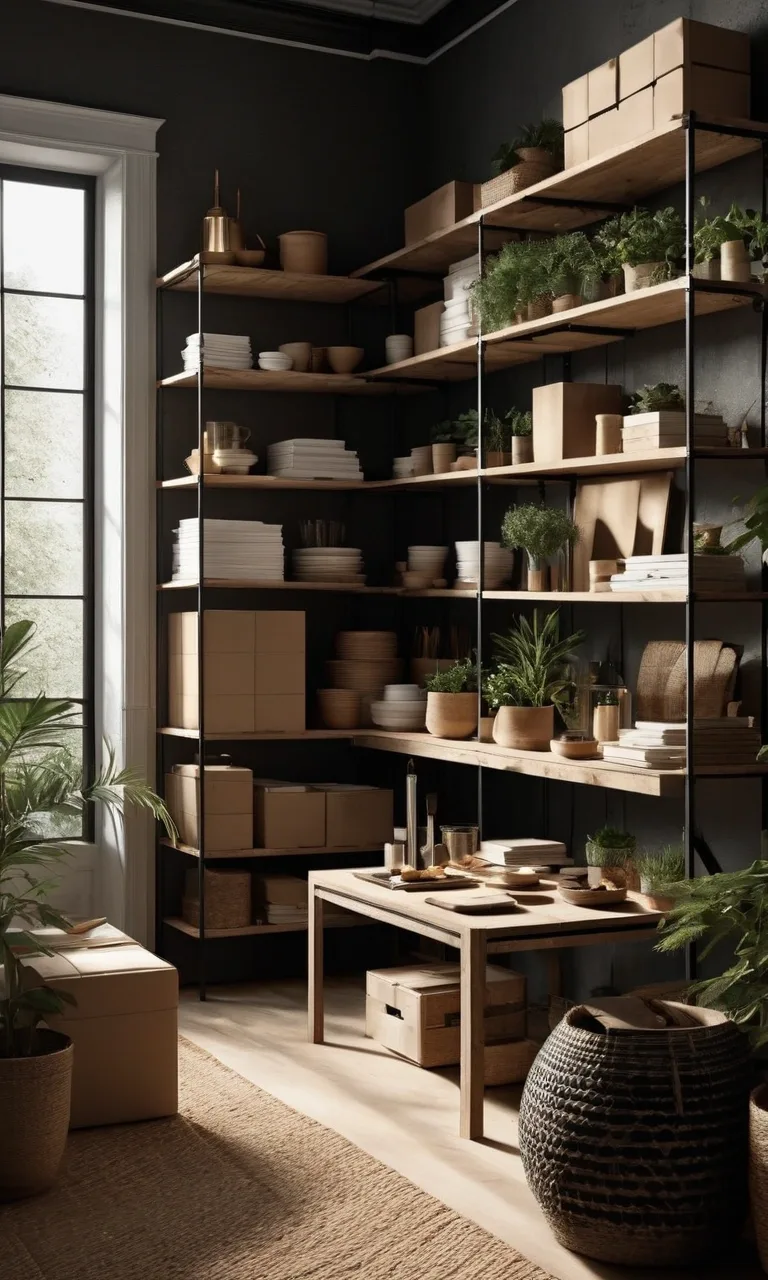
Install floating shelves for books, small decorative objects, or lightweight everyday essentials. Tall, narrow bookcases can hold folded accessories, storage boxes, and other belongings while occupying relatively little floor space.
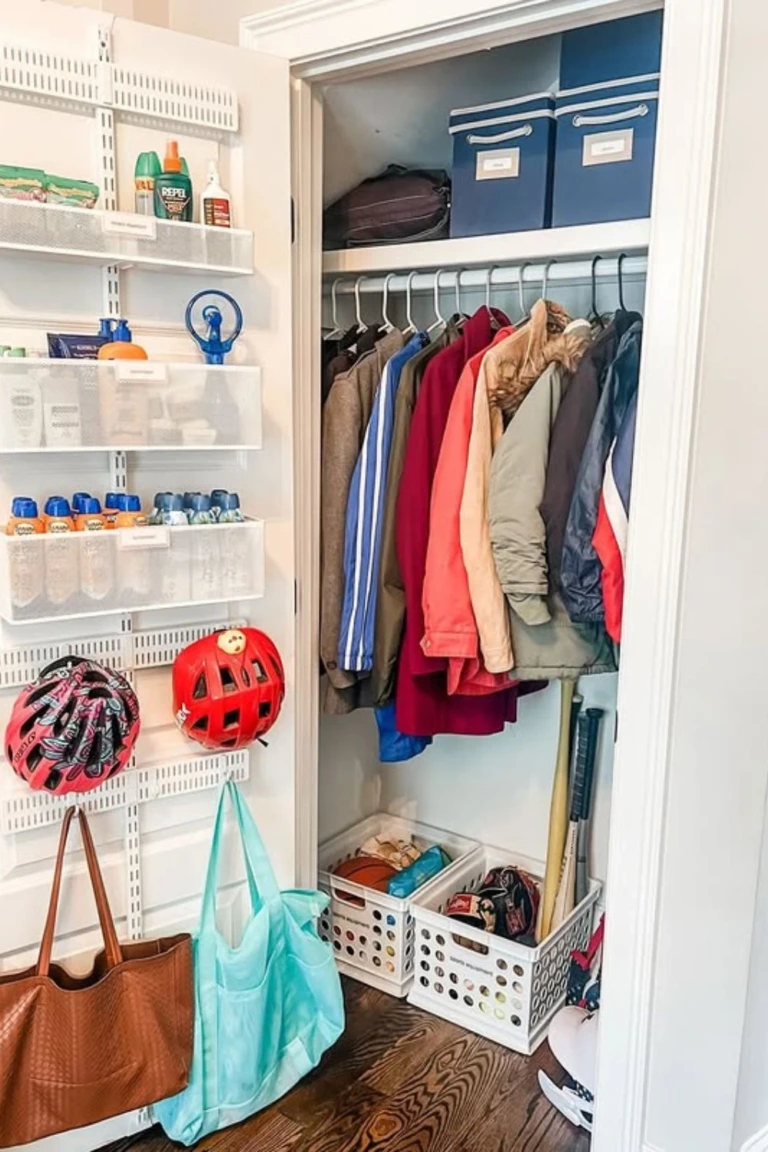
Hooks mounted behind a door or on an appropriate wall can hold robes, bags, hats, and frequently used clothing. Make sure they are securely installed and positioned where hanging items won't interfere with doors or walking paths.
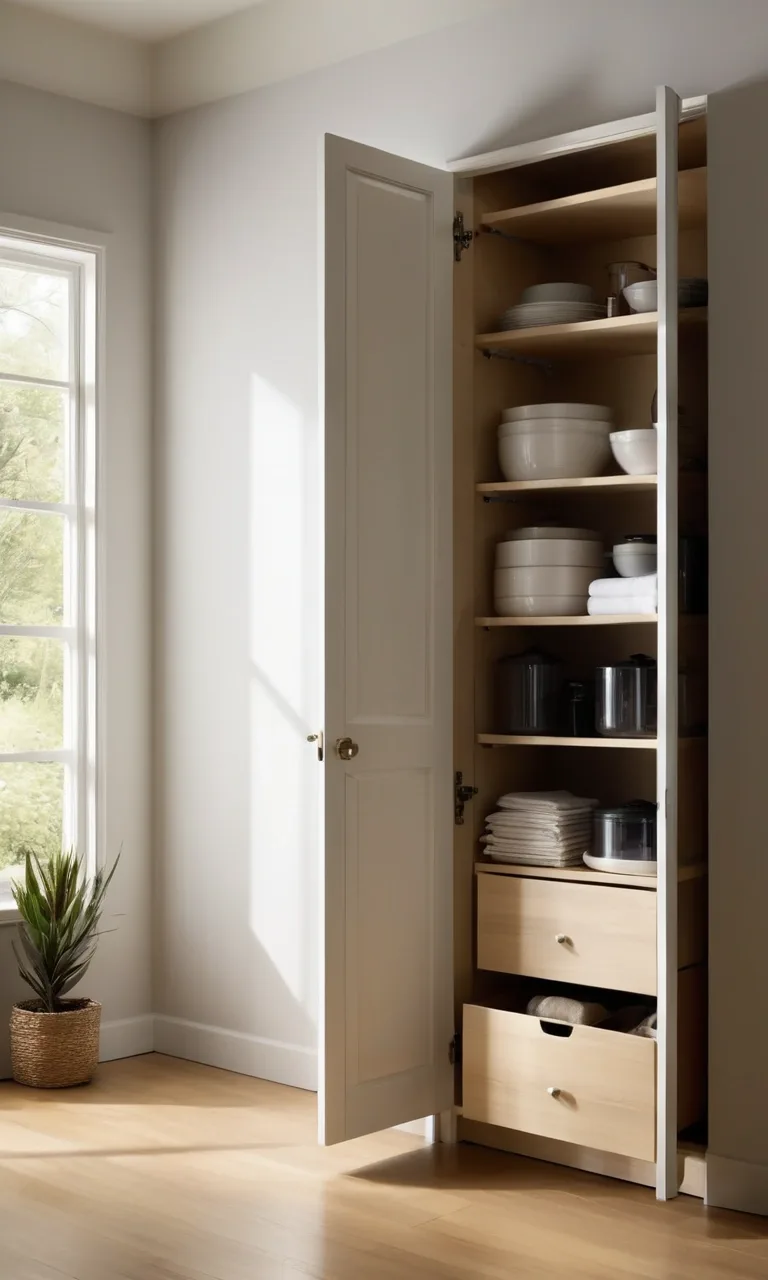
Closet organizers with multiple shelves can also help you take advantage of unused vertical space. Store lighter or less frequently used belongings on higher shelves and reserve lower, easily accessible areas for everyday necessities.
Keep the arrangement visually simple. Too many open shelves filled with unrelated objects can make a small bedroom appear busier, so use baskets or closed containers to conceal smaller items.
5. Choose Furniture With Built-In Storage
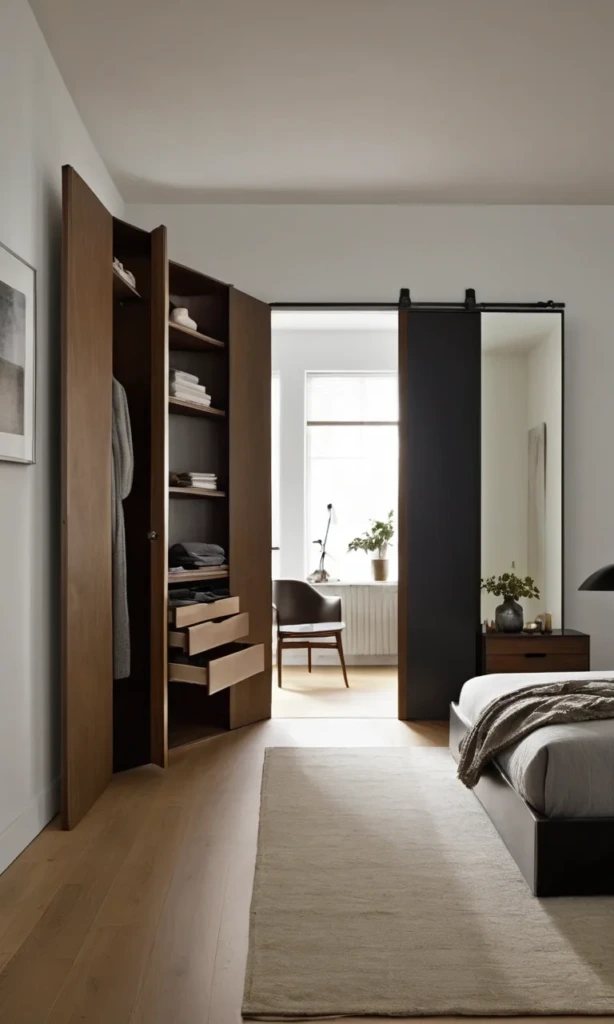
Furniture that serves more than one purpose can make a significant difference in a bedroom with limited space. Instead of filling the room with separate cabinets and boxes, choose pieces that combine everyday functionality with concealed storage.
A bed frame with drawers can accommodate spare sheets, blankets, or seasonal clothing. An ottoman with a lift-up lid can provide a place to sit while storing extra pillows or accessories. A bedside table with drawers keeps personal belongings close without leaving everything exposed.
Storage benches can work well at the foot of a bed, provided there is enough room to move around comfortably. In particularly small bedrooms, consider a narrow dresser or wall-mounted bedside shelf instead of bulky furniture.
Measure the room before purchasing anything new. Allow enough clearance for wardrobe doors, drawers, and walkways, and consider whether a new piece will make the space harder to navigate.
The goal isn't to add as much storage as possible. It's to choose furniture that meets your needs while keeping the bedroom open, comfortable, and easy to use.
6. Keep Nightstands and Dressers Clutter-Free
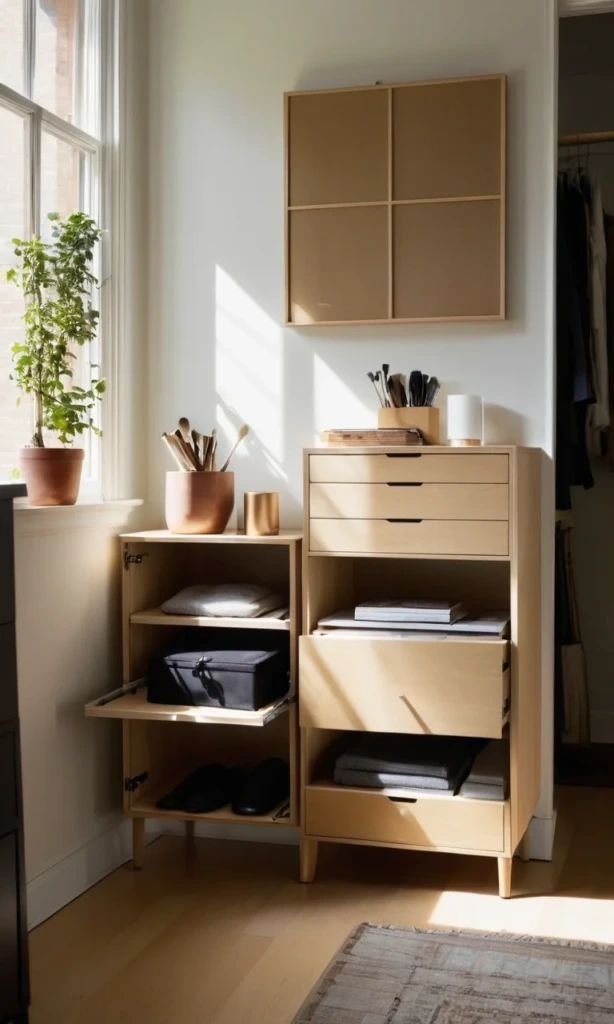
Bedside tables and dressers often become collection points for items that don't have a designated home. Receipts, chargers, cosmetics, books, and miscellaneous accessories can accumulate quickly if these surfaces aren't managed regularly.
Begin by removing everything from the surface and returning only the items you use frequently. Your nightstand might need a lamp, a book, a phone charger, and a glass of water. Other belongings can be stored in drawers or moved to a more suitable location.
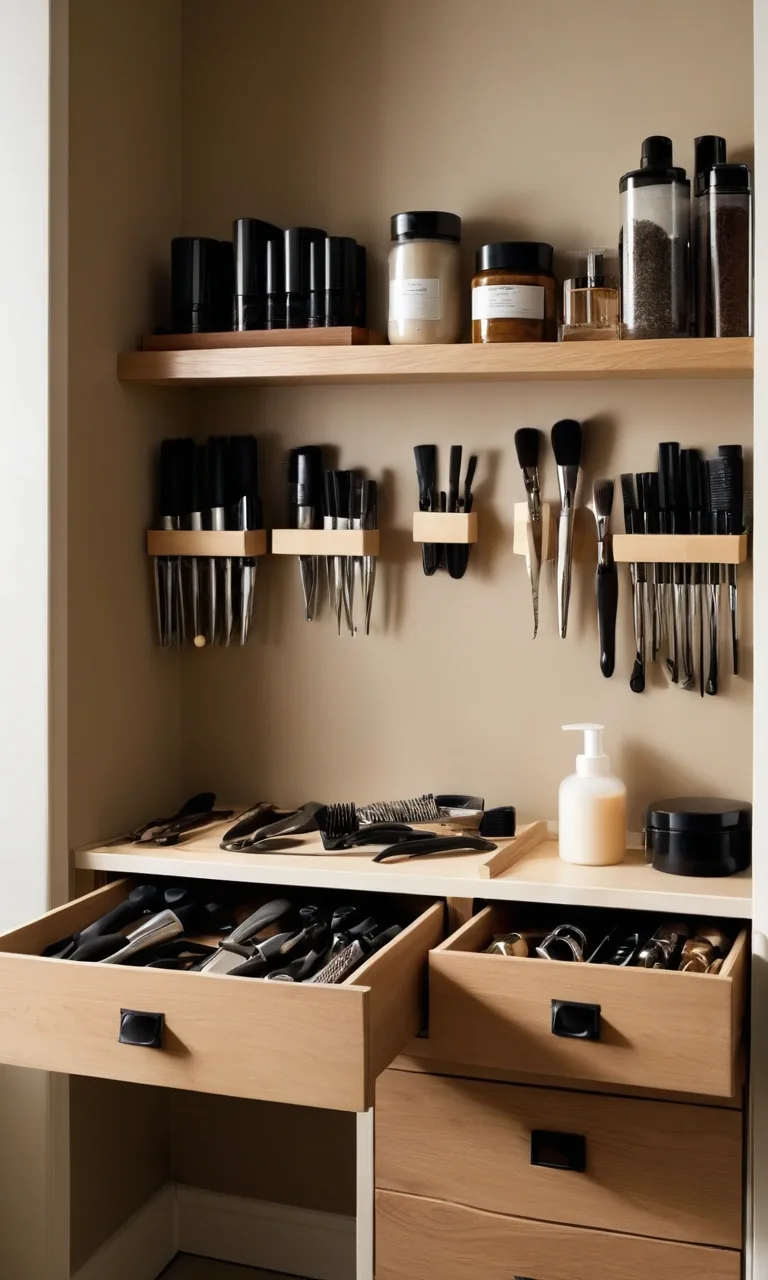
Use a small tray to group everyday essentials such as hand cream, glasses, or jewelry. Drawer dividers can separate smaller objects and prevent them from becoming tangled or mixed together.
For dressers, reserve the top for a few useful or decorative items rather than using it as overflow storage. If you have a large collection of cosmetics or accessories, designate a drawer or organizer specifically for those products.
A quick evening reset can help maintain these clear surfaces. Returning items to their proper places takes only a few minutes and prevents clutter from building up again.
7. Organize Clothing and Accessories With Dividers
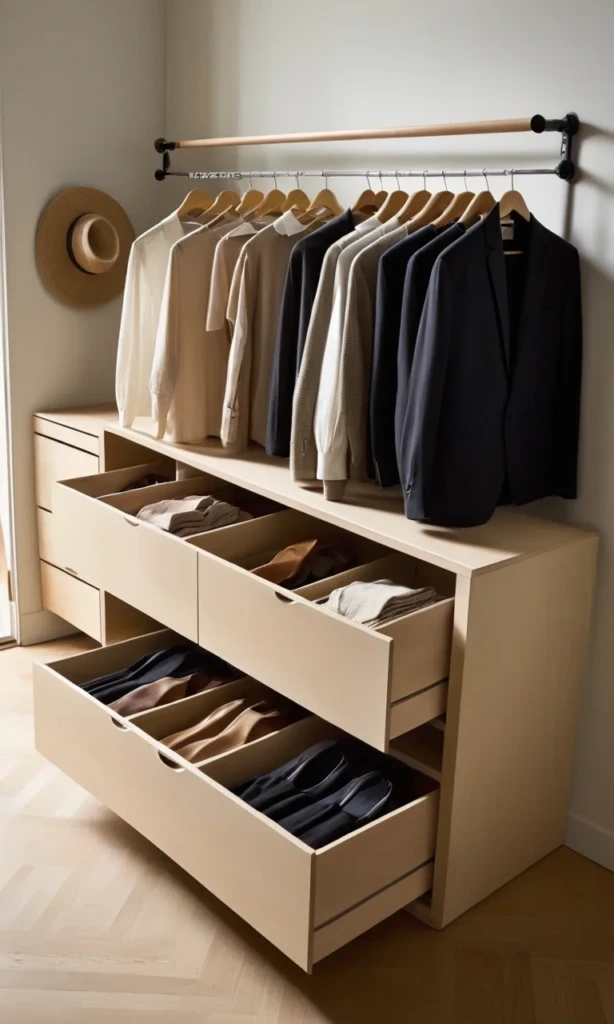
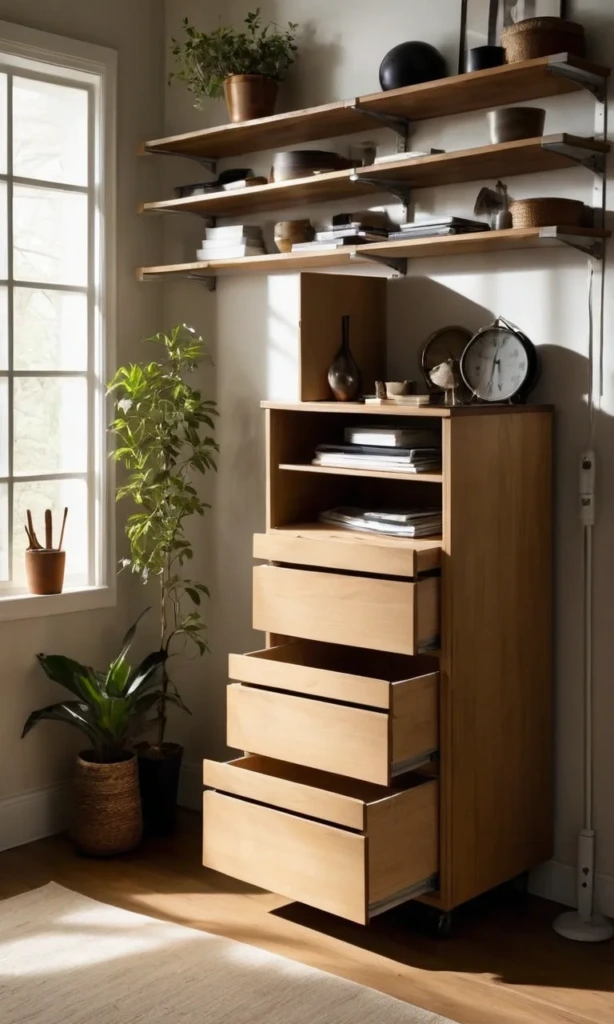
Drawers can hold far more than you might expect when their contents are arranged thoughtfully. Without a clear system, however, folded clothes become mixed together, small accessories disappear, and useful space goes to waste.
Drawer dividers create separate compartments for underwear, socks, T-shirts, sleepwear, and other small garments. Adjustable dividers are useful when drawer sizes or storage needs change.
Folding clothing into compact, upright bundles can make individual items easier to see, especially when several garments are stored in the same drawer. Avoid packing drawers so tightly that you have to remove everything to reach a single item.
Accessories benefit from their own storage solutions. Use small trays for jewelry, hooks for necklaces, and designated containers for watches, belts, or hair accessories. Store delicate items in a way that protects them from scratches and tangling.
You don't need a separate organizer for every category. Repurposed boxes or small containers can work well as long as they fit the drawer and allow you to access belongings comfortably.
Review the contents occasionally and return misplaced items to their assigned compartments. A simple, consistent arrangement is easier to maintain than an elaborate system that requires constant effort.
8. Create a Dedicated Laundry Area
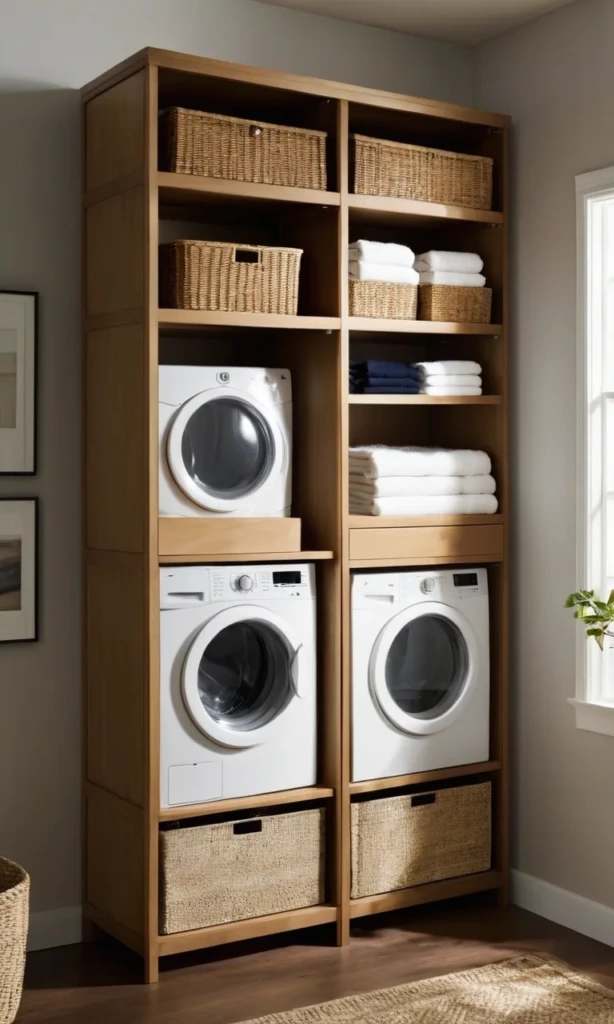
Laundry can quickly make a bedroom look untidy when worn clothing ends up on the floor, over furniture, or beside the bed. A designated laundry spot helps contain the mess and makes washing clothes more straightforward.
Choose a hamper that fits comfortably in a closet, beside a dresser, or in another convenient corner. If you separate laundry by color or fabric type, a divided hamper can save time when sorting a load.
For small bedrooms, look for a slim hamper, a collapsible fabric option, or a container that fits inside an existing cabinet. Make sure it remains accessible enough that using it becomes part of your normal routine.
Keep clean laundry separate from worn clothing, and avoid allowing freshly washed garments to sit in a basket for days. Folding and putting clothes away promptly prevents another pile from forming.
If space permits, designate a small basket for clothing that has been worn briefly but isn't ready for washing. This can be useful for items such as jeans or sweaters, provided they are kept separate from clean garments and allowed to air when necessary.
9. Make Use of Closet Doors and Hidden Spaces
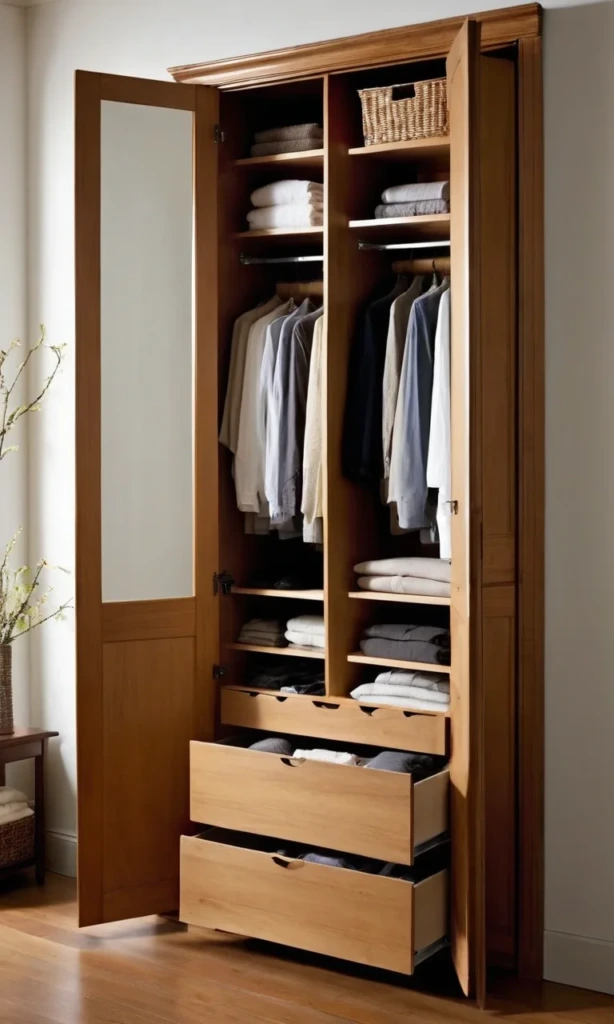
Some of the most useful storage opportunities are easy to overlook because they aren't part of the main furniture layout. The backs of closet doors, the inside of wardrobes, and narrow gaps between furniture can all provide additional organization options.
Over-door organizers can hold lightweight accessories, scarves, belts, or small personal-care products. Before installing one, check that the door can close properly and that the organizer won't damage the finish.
The inside of a wardrobe door may accommodate hooks for bags or frequently worn accessories. A slim rolling cart can fit into a suitable narrow gap and hold items such as hair products or other small essentials, depending on the space available.
Closet shelves can be improved with stackable bins, hanging organizers, or shelf dividers. These additions help separate categories and make use of space that would otherwise remain awkward or difficult to access.
Keep safety and practicality in mind. Don't overload door-mounted organizers, obstruct ventilation, or store heavy objects where they could fall. Use hidden spaces for belongings that genuinely need storage rather than filling every available gap with unnecessary items.
10. Maintain Your Bedroom With Simple Daily Habits
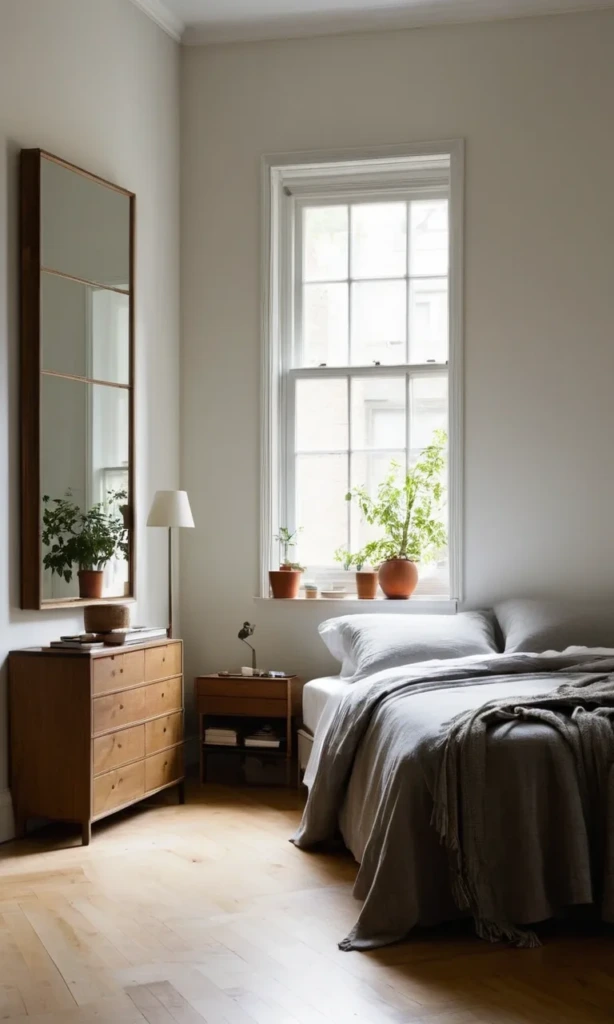
Even an efficiently organized bedroom can become cluttered again if everyday habits don't support the system. The easiest way to maintain order is to make small tasks part of your regular routine.
Make the bed in the morning if that helps you start the day with a tidier-looking room. Put worn clothing in the hamper, return accessories to their designated containers, and place books or electronics back where they belong.
Spend a few minutes each evening clearing the nightstand, dresser, and floor. Deal with small amounts of clutter before they become larger piles that require a substantial cleanup.
A weekly reset can include changing the bedding, checking laundry, putting away clean clothes, and removing items that don't belong in the bedroom. Every few months, review stored belongings and donate or discard things you no longer use, where appropriate.
If you share the room with someone else, agree on basic expectations for shared surfaces and storage areas. A system works best when everyone understands where things belong.
Remember that an organized bedroom doesn't need to look perfect at all times. The purpose is to make your space comfortable and functional, with an arrangement that fits your lifestyle and remains manageable on busy days.
Final Thoughts
Creating an organized bedroom doesn't require a large budget, custom furniture, or hours of daily cleaning. The biggest improvements often come from reducing unnecessary belongings, using existing storage more effectively, and giving everyday items a consistent place.
Start with one manageable project, such as clearing your nightstand, reorganizing a drawer, or making better use of the space beneath your bed. Once that area is working well, move on to the closet, laundry setup, and other parts of the room.
Choose storage solutions based on what you actually own and how you use your bedroom. Keep frequently needed items within easy reach, store occasional-use belongings out of the way, and leave enough open space to move around comfortably.
With a few practical adjustments and regular maintenance, your bedroom can become a calmer, more functional place to rest, get ready, and enjoy your daily routine.