32 Easy DIY Clothes Ideas for 2026
Giving old clothes a fresh look or creating a new outfit from scratch can be a rewarding way to express your personal style. With a little creativity, ordinary fabric, forgotten wardrobe pieces, and secondhand finds can become clothing you'll be excited to wear.
You don't need advanced sewing skills to get started. Some DIY clothing projects require only fabric paint, decorative trims, beads, or patches, while others introduce useful sewing techniques for making complete garments.
Whether you're looking for a weekend craft, a way to personalize your wardrobe, or inspiration for your next handmade outfit, these 26 easy DIY clothes ideas offer plenty of possibilities. Choose a project that suits your experience, available materials, and everyday style.
Why Try DIY Clothing?
DIY clothing gives you the freedom to create pieces that reflect your personality. Rather than searching for the perfect color, pattern, or fit in stores, you can customize garments to match your preferences.
It can also make better use of clothing and fabric you already own. Worn jeans can become colorful patchwork trousers, a plain shirt can feature original artwork, and leftover fabric can be transformed into skirts, tops, or accessories.
Another advantage is the opportunity to develop practical skills. Simple projects can help you learn hand stitching, fabric painting, crochet, embroidery, and basic garment construction without committing to an expensive hobby.
Making clothes yourself also encourages more thoughtful consumption. Repairing, redesigning, and reusing suitable textiles can extend the life of existing materials and reduce the need to discard wearable clothing.
1. Mustard Wrap Dress
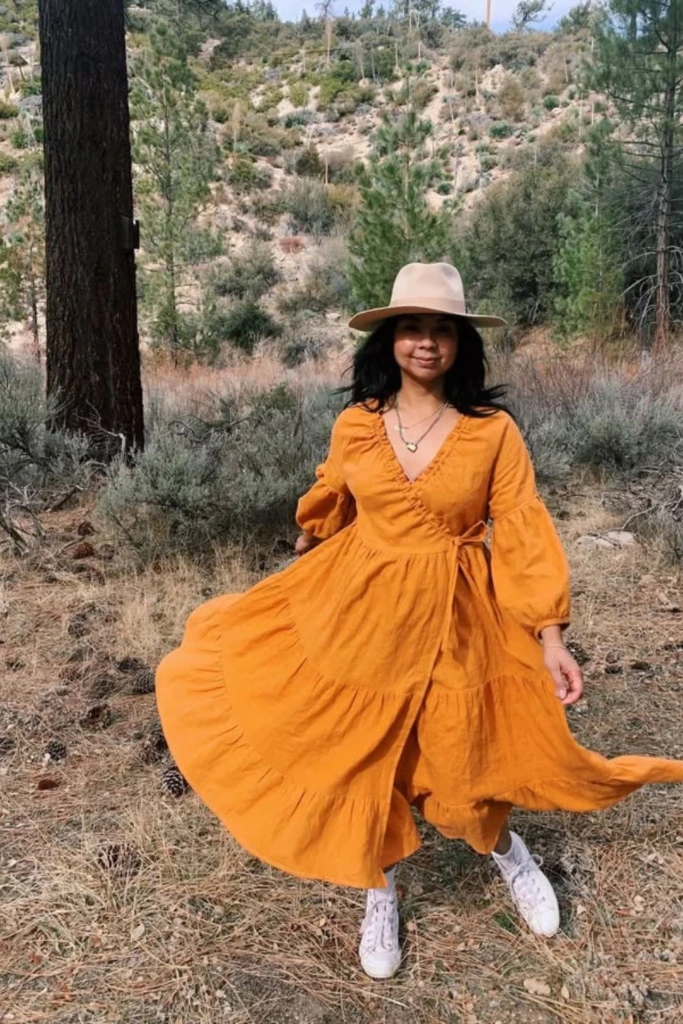
A mustard wrap dress is a stylish handmade project for anyone who enjoys relaxed, feminine clothing. The adjustable waist ties make the design versatile, while gathered or puffed sleeves and a flowing skirt add visual interest.
Choose lightweight cotton, linen blends, or rayon for a comfortable garment with plenty of movement. Before cutting your fabric, take accurate measurements and check that the pattern provides enough overlap across the front.
Wear your finished dress with simple sneakers for everyday errands or sandals and a sun hat for a summer outing. This project is best suited to someone familiar with basic sewing and garment assembly.
2. Crochet Wave Top
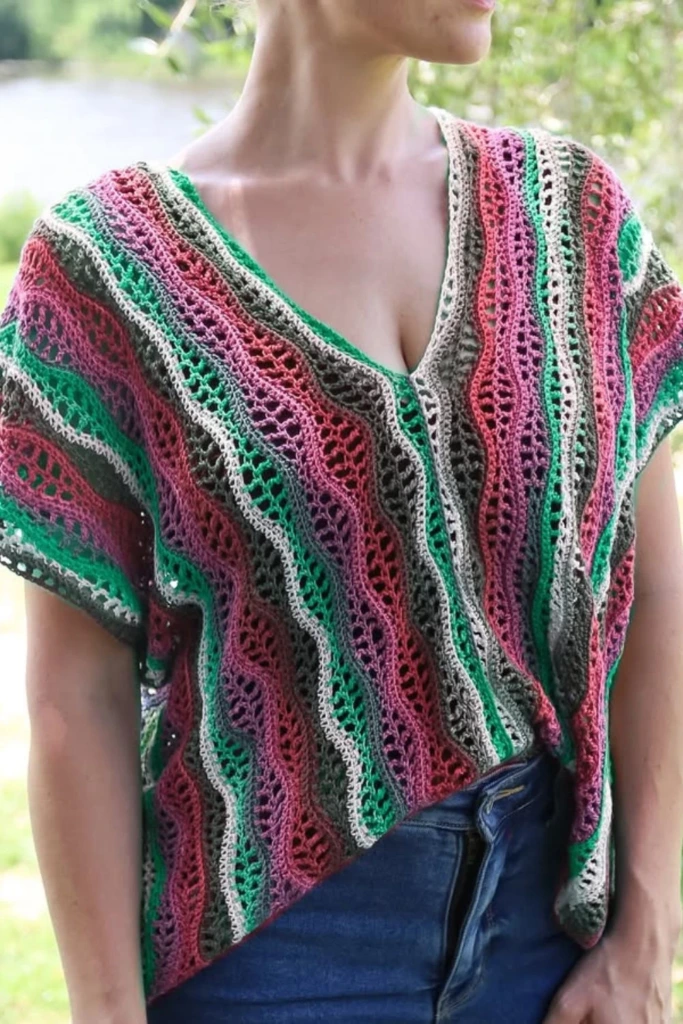
A crochet wave top is an excellent way to turn colorful yarn into a distinctive wardrobe piece. Alternating shades and wavy stitch patterns create a playful appearance that can feel retro, beach-inspired, or contemporary depending on your color choices.
Try combining cream and brown for a subtle design, or use bright contrasting colors for a more expressive finish. Select a yarn that feels comfortable against your skin, especially if the top will be worn during warm weather.
A crocheted top can be layered over a camisole, tank top, or fitted long-sleeve shirt. Beginners should practice the chosen stitch pattern with a small sample before making the full garment.
3. Fringe Bead Tee
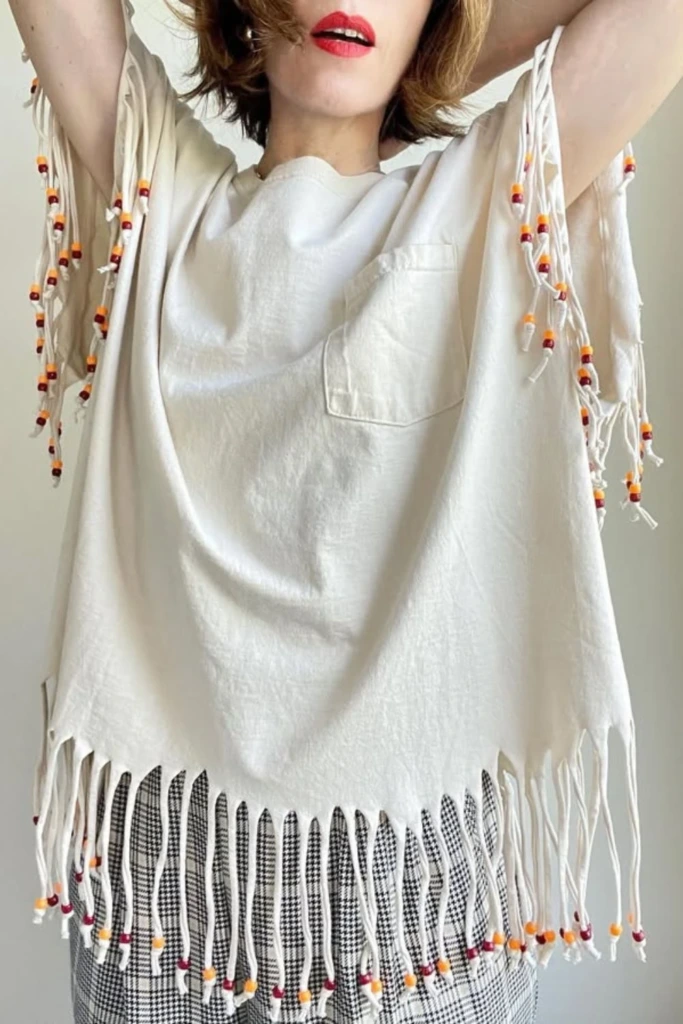
Transform a basic T-shirt into a fun statement piece by adding fringe and colorful beads. This project works well with an oversized tee, a plain fitted shirt, or a garment that needs a little personality.
Attach fringe along the lower hem, sleeve edges, or a section of the neckline. Add lightweight beads to selected strands for extra movement without making the shirt unnecessarily heavy.
You can keep the decoration minimal or use multiple colors to create a festival-inspired look. Secure the embellishments carefully and check that the finished shirt remains comfortable to wear and wash.
4. Gingham Wrap Dress
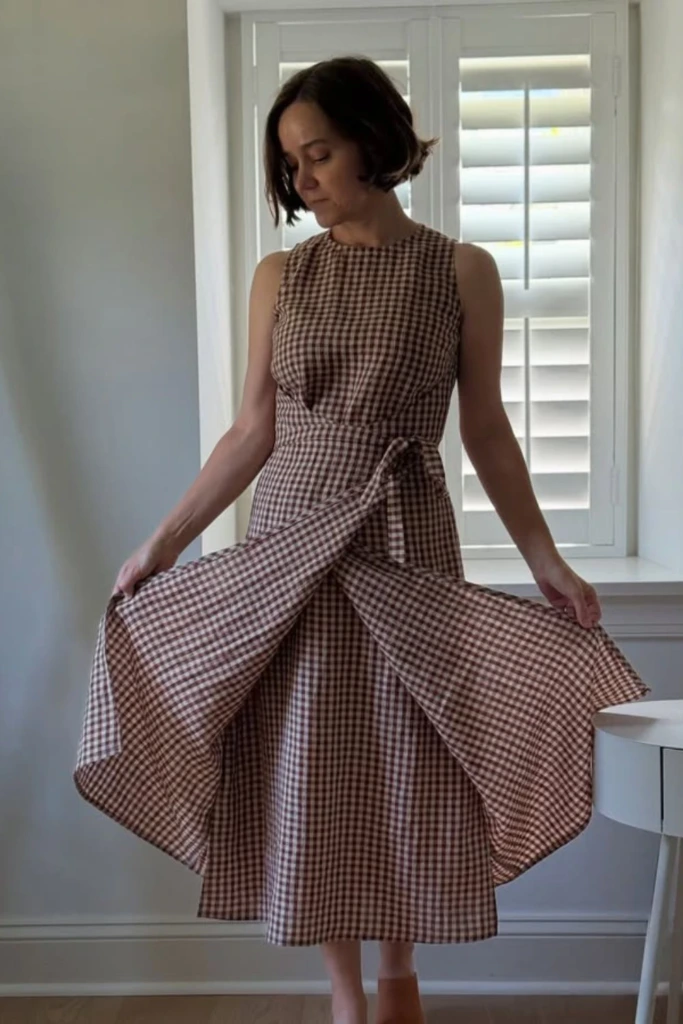
A gingham wrap dress combines a classic checkered pattern with an adjustable silhouette. Blue, red, green, or black checks can give the same basic design several different moods.
For a straightforward version, choose a sleeveless bodice, a defined waist, and a long wrap belt. Lightweight cotton is particularly suitable because it is breathable and relatively easy to handle during sewing.
Pay attention to matching the checks at important seams for a more professional appearance. The wrap design also allows some flexibility in fit, making it a practical option for a handmade summer wardrobe.
5. Tropical Kaftan Dress
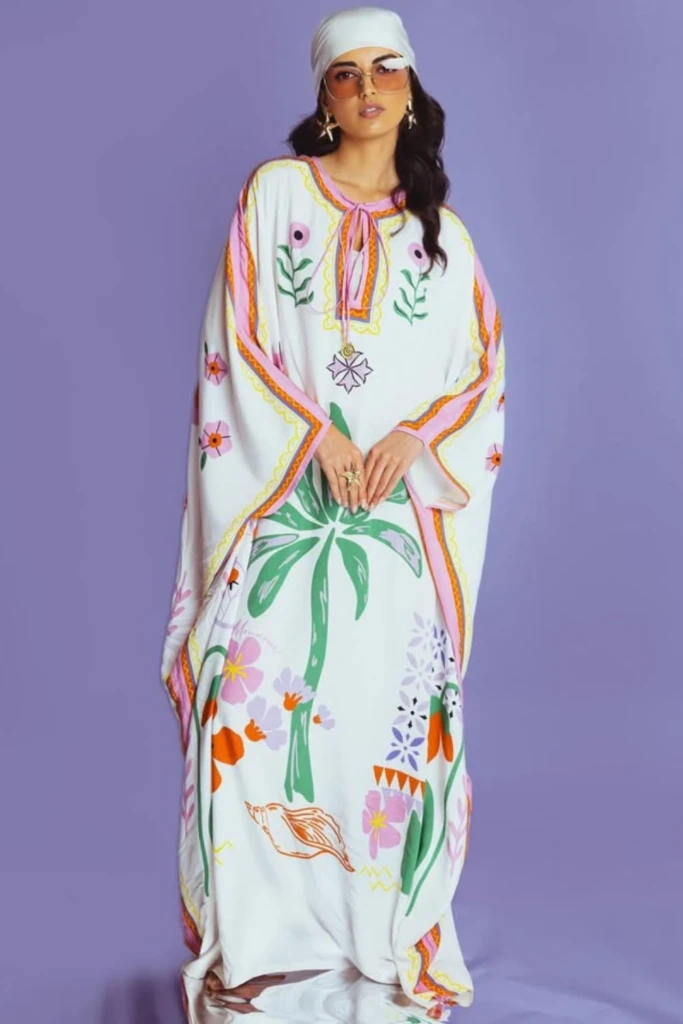
A tropical kaftan is a comfortable choice for holidays, beach days, and relaxed evenings at home. Its loose shape, wide sleeves, and flowing fabric create an easygoing silhouette that works especially well with bold prints.
Start with fabric featuring palm leaves, oversized flowers, or other tropical motifs. Alternatively, decorate plain fabric with textile paint before assembling the garment, following the paint manufacturer's instructions.
Keep the construction simple so the fabric remains the main attraction. Finish the edges neatly around the neckline, sleeves, and hem to help the kaftan hold up with regular use.
6. White Maxi Skirt
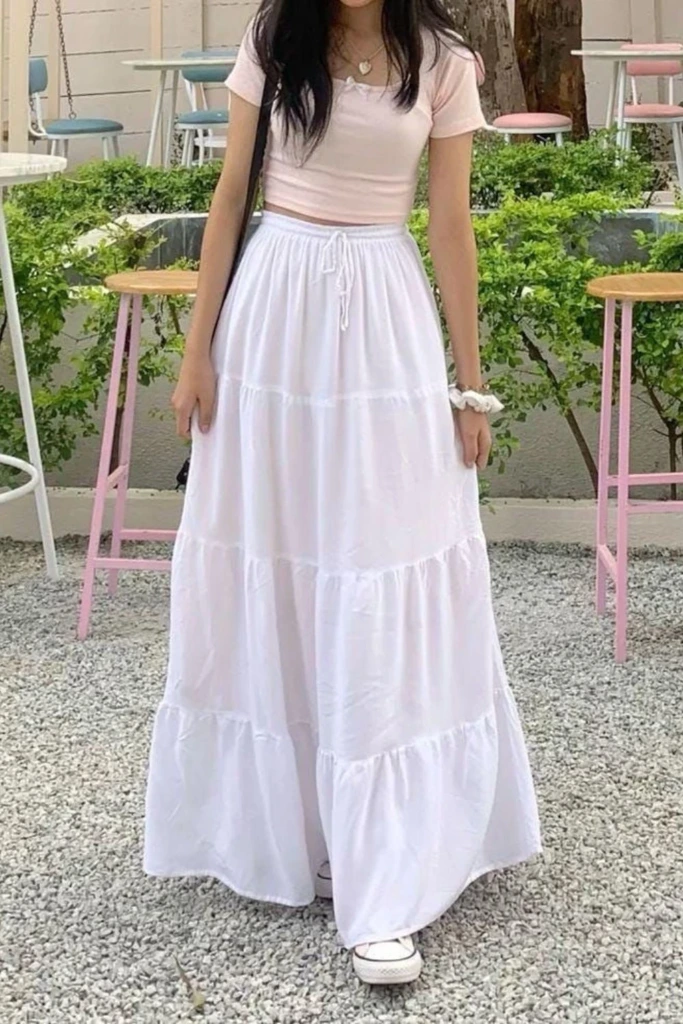
A white maxi skirt is a versatile addition to a handmade wardrobe. A tiered design creates movement and volume, while an elastic or drawstring waistband makes the garment more approachable for beginner sewists.
Lightweight cotton, voile, or another breathable fabric can work well. You may also be able to repurpose a clean, suitable bedsheet, provided it has enough usable fabric and the material is in good condition.
Measure the desired length before cutting, and consider whether you want a straight, gathered, or fuller silhouette. Pair the finished skirt with a fitted shirt, tank top, or cropped blouse for an easy warm-weather outfit.
For more beginner-friendly sewing inspiration, take a look at our 20 Sewing Easy DIY Ideas.
7. Leopard Slip Dress
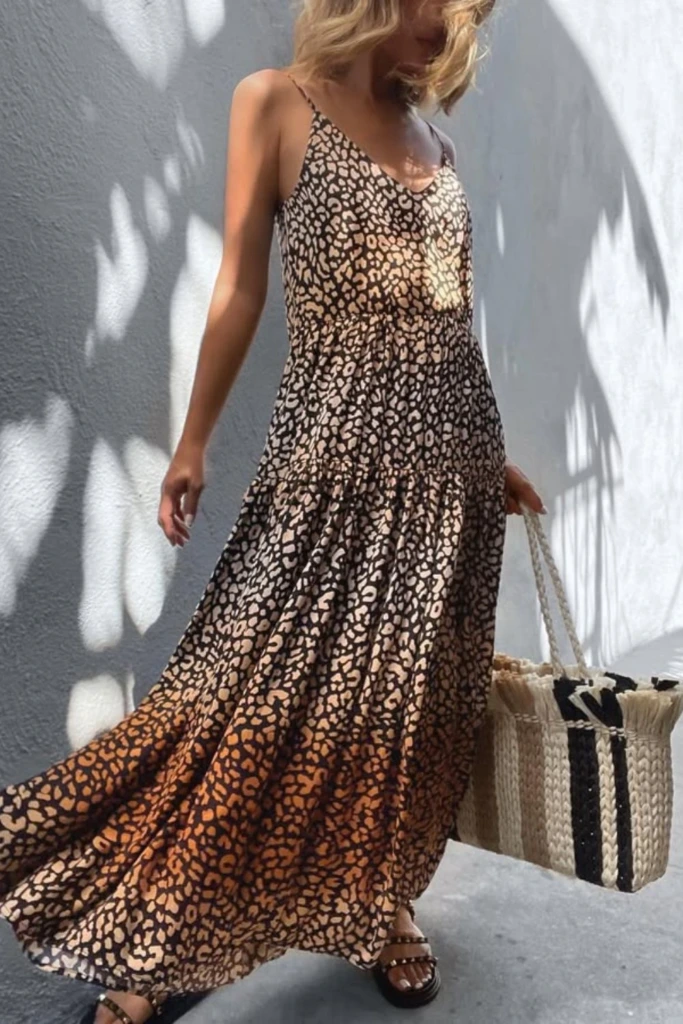
A leopard-print slip dress is a great project for anyone who appreciates bold patterns and uncomplicated silhouettes. Because the print already attracts attention, the garment can remain simple, with narrow straps and a softly draped shape.
Choose a lightweight woven fabric that falls smoothly without becoming difficult to handle. Satin or rayon can create an elegant finish, although slippery materials may require extra care while cutting and stitching.
Make a practice version with inexpensive fabric if you're unfamiliar with slip dress construction. Once finished, the dress can be styled with sneakers and a denim jacket or dressed up with sandals and understated jewelry.
8. Fringe Lace Cover-Up
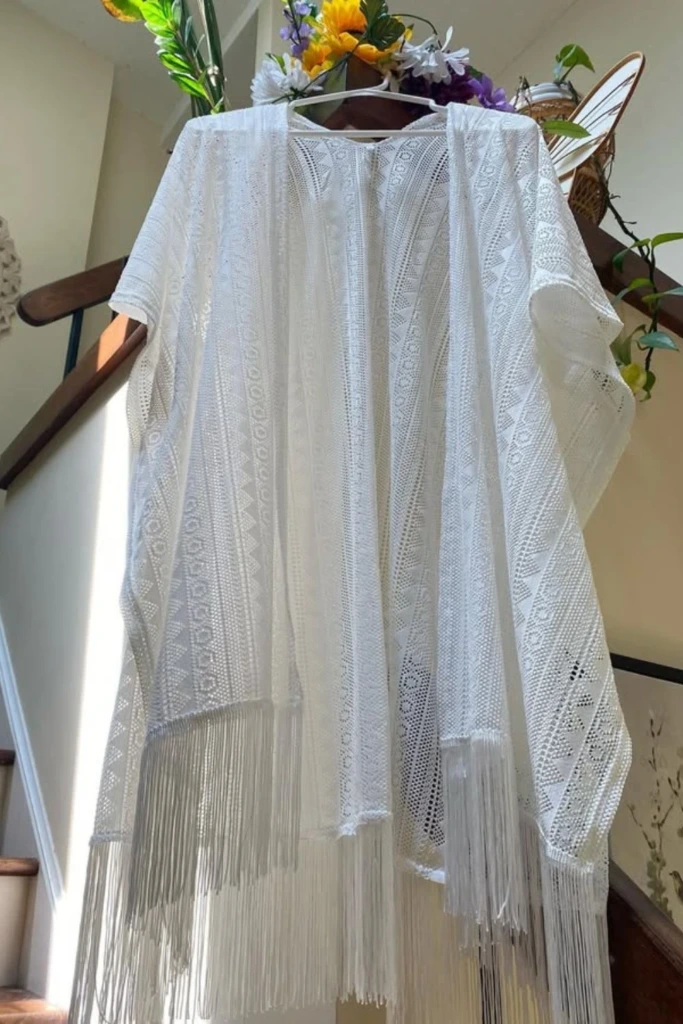
Give suitable lace fabric a second life by turning it into a loose, kimono-inspired cover-up. This project is ideal for creating a delicate outer layer without the complexity of a fitted jacket.
Use lace from a fabric remnant or a clean, undamaged curtain made from suitable material. Cut a relaxed body shape, add roomy sleeves if desired, and attach fringe along the bottom edge or sleeve openings.
Check that the lace is strong enough to support the trim before sewing. The completed cover-up can be worn over swimwear, a simple dress, or a tank top and jeans for a bohemian-inspired outfit.
9. Blue Ruffle Skirt
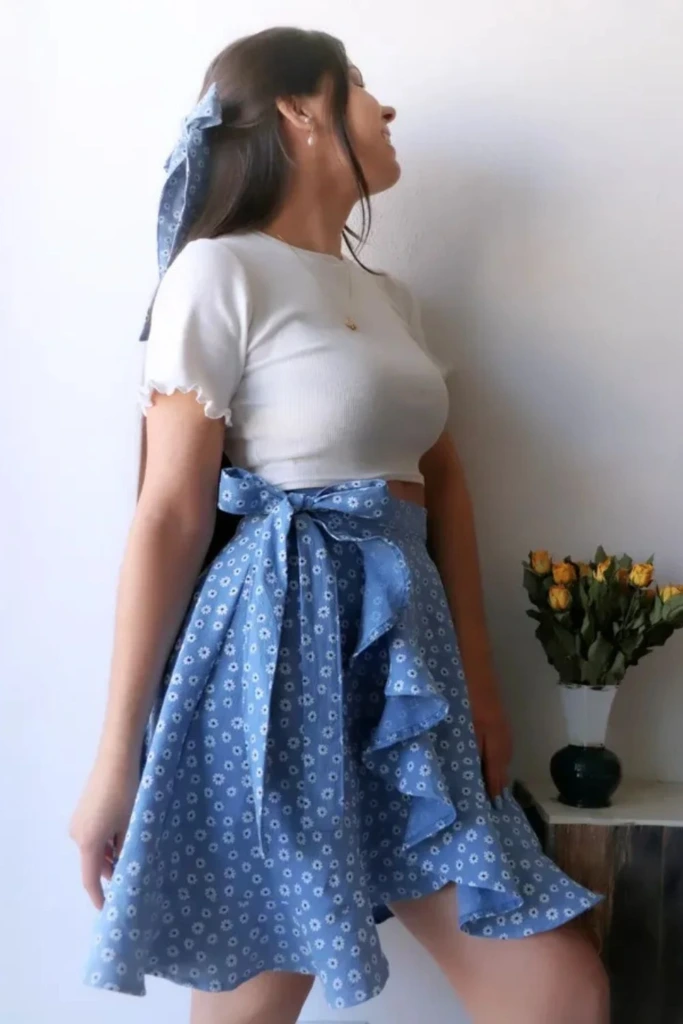
A blue ruffle skirt brings texture and movement to a simple outfit. Floral fabric, soft cotton, or a lightweight blend works well when you want the ruffles to drape rather than stand stiffly away from the body.
Consider a wrap-style waistband with long ties for adjustable sizing. Gathered fabric panels can be attached in layers to create a cascading effect, while a single ruffled hem offers a more understated result.
Because gathering adds volume, measure each fabric section carefully before attaching it. Keep the top half of your outfit relatively simple to let the skirt's shape and pattern stand out.
10. Gingham Wrap Skirt
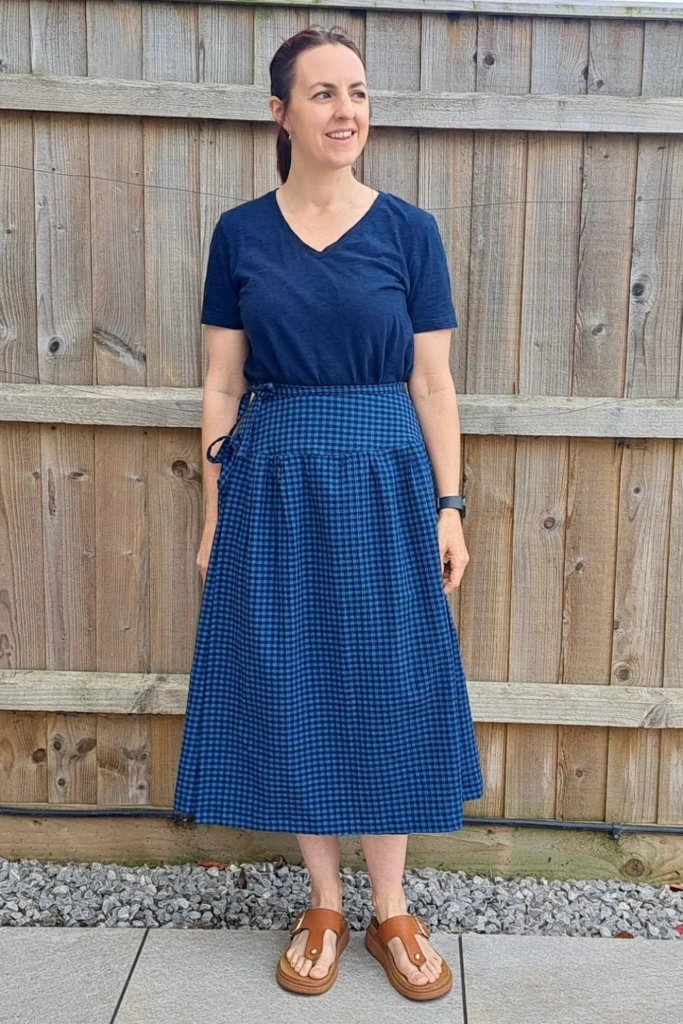
If a complete dress feels too ambitious, a gingham wrap skirt is a manageable alternative. Its adjustable side ties and straightforward shape make it useful for everyday outfits.
Choose blue-and-white checks for a traditional appearance or experiment with pink, green, or yellow for a more playful result. A midi-length version can be paired with T-shirts, lightweight sweaters, and button-down shirts throughout the year.
This is also a useful project for leftover cotton fabric. Before sewing, make sure the skirt provides sufficient overlap when wrapped around your waist, so it remains secure while walking and sitting.
11. Scarf Halter Top
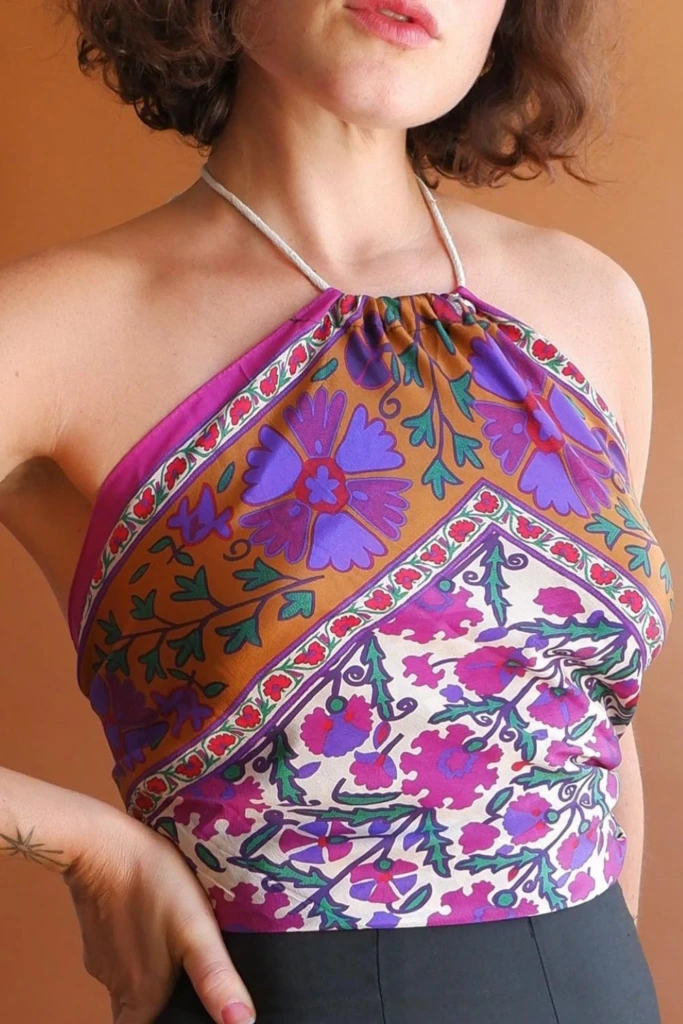
An unused scarf can become a distinctive halter top with relatively little sewing. Since the scarf already supplies its own colors and pattern, you can focus on creating a comfortable shape rather than decorating the fabric.
Choose a scarf with enough width and length to provide the coverage you want. A gathered neckline and secure neck ties can create the halter effect, while additional stitching may help shape the lower edge.
Silk-like and satin fabrics can be slippery, so pin carefully and use suitable needles. Check the stability of the ties and avoid relying on a delicate scarf alone for support if the material is not strong enough.
12. Checker Co-Ord Set
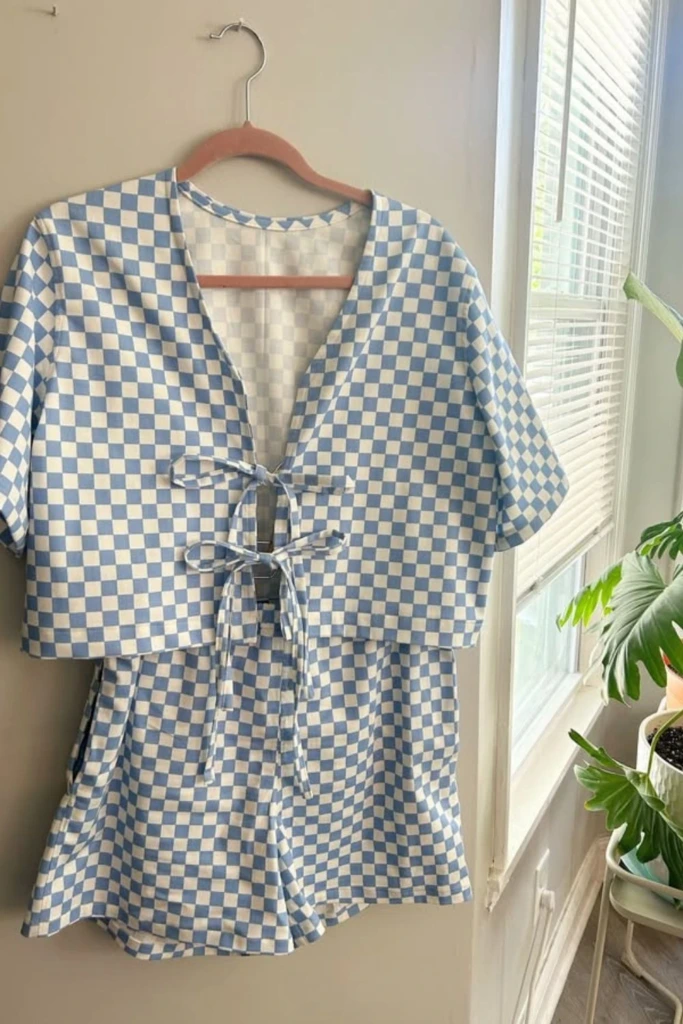
A matching checkerboard top and shorts set creates a coordinated outfit with a fun, retro feel. Blue-and-white cotton is a classic choice, but you can use any colors that suit your wardrobe.
For the top, consider a cropped shape with a front tie. Pair it with relaxed shorts featuring an elastic waistband or another simple fastening to keep the construction manageable.
Lightweight cotton is comfortable and generally beginner-friendly. You may also find enough material in a suitable old tablecloth or bedsheet, provided it is clean and large enough for both pieces.
Make each garment separately, checking the fit before assembling the final seams. Wearing the pieces together creates a matching set, while styling them separately gives you more outfit combinations.
13. Puff Sleeve Dress
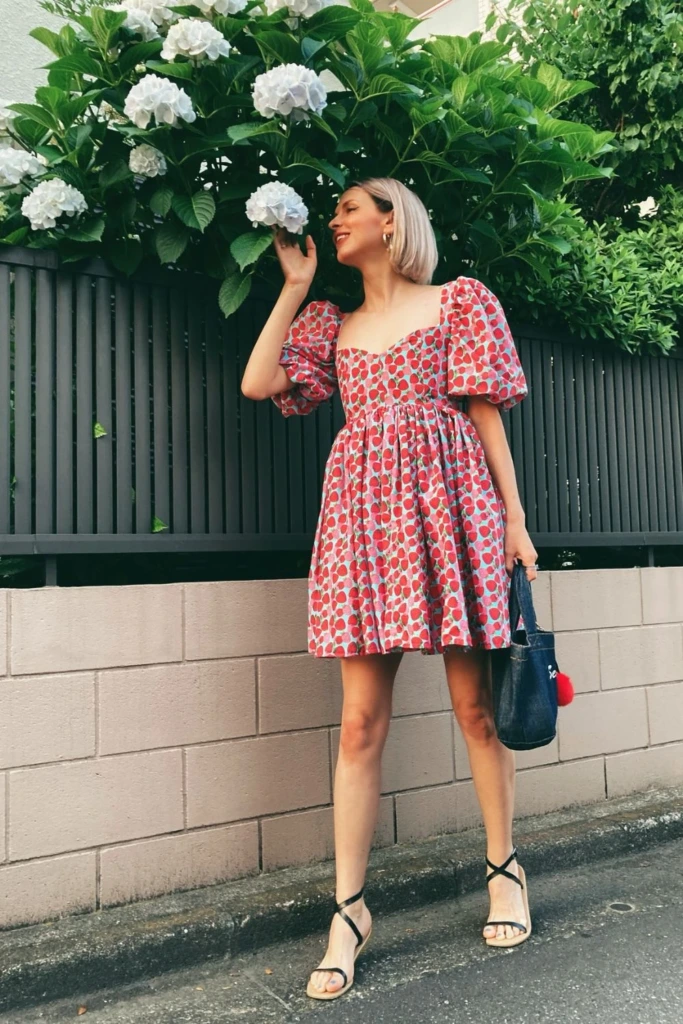
A puff sleeve dress is a beautiful project for sewists ready to explore more detailed garment construction. The gathered sleeves create volume, while a shaped bodice gives the overall design definition.
Select a printed cotton fabric for a cheerful daytime dress or a solid color for a more understated finish. You will need to work carefully with sleeve gathering, bodice shaping, and the placement of seams.
Make a toile or practice garment if the design includes darts or a fitted bodice. Test the sleeve volume and armhole fit before completing the final version to avoid uncomfortable pulling or restricted movement.
14. Modest Maxi Dress
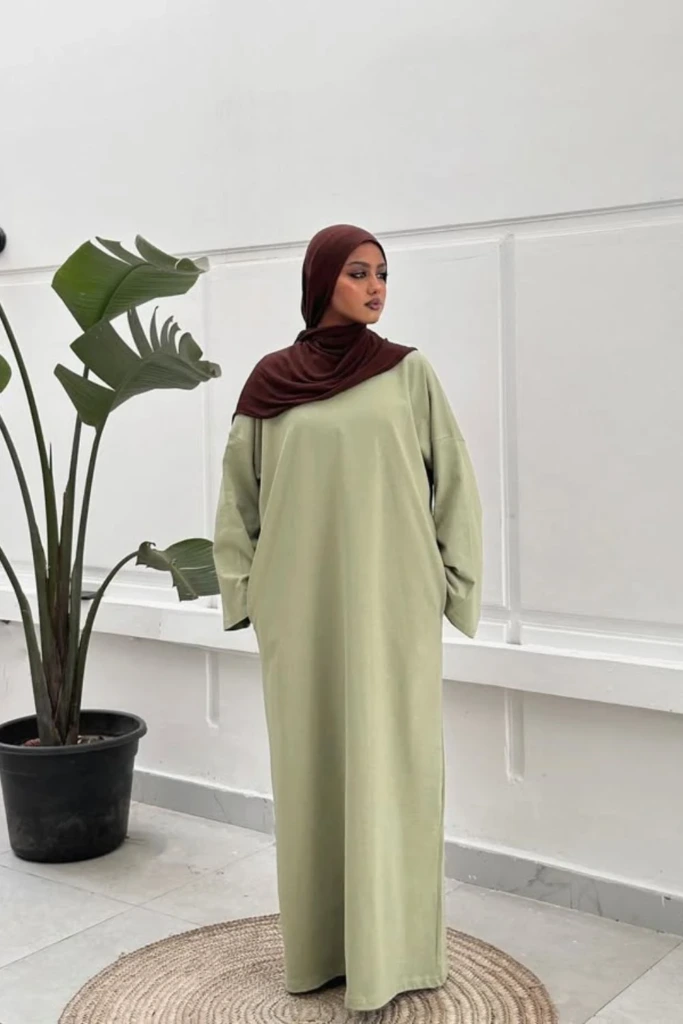
A relaxed maxi dress is an excellent option for anyone who prefers comfortable, full-length clothing. A loose body, longer sleeves, and a simple neckline can create an elegant design without excessive detailing.
Cotton, linen, and breathable blends are suitable choices, depending on the season and the amount of drape you prefer. Consider adding pockets, a removable belt, or button details if you want a little extra functionality.
Take care when determining the finished length, especially if you plan to wear the dress with different shoes. You can also personalize the look with a coordinating scarf, cardigan, or lightweight outer layer.
15. Cropped Kimono Jacket
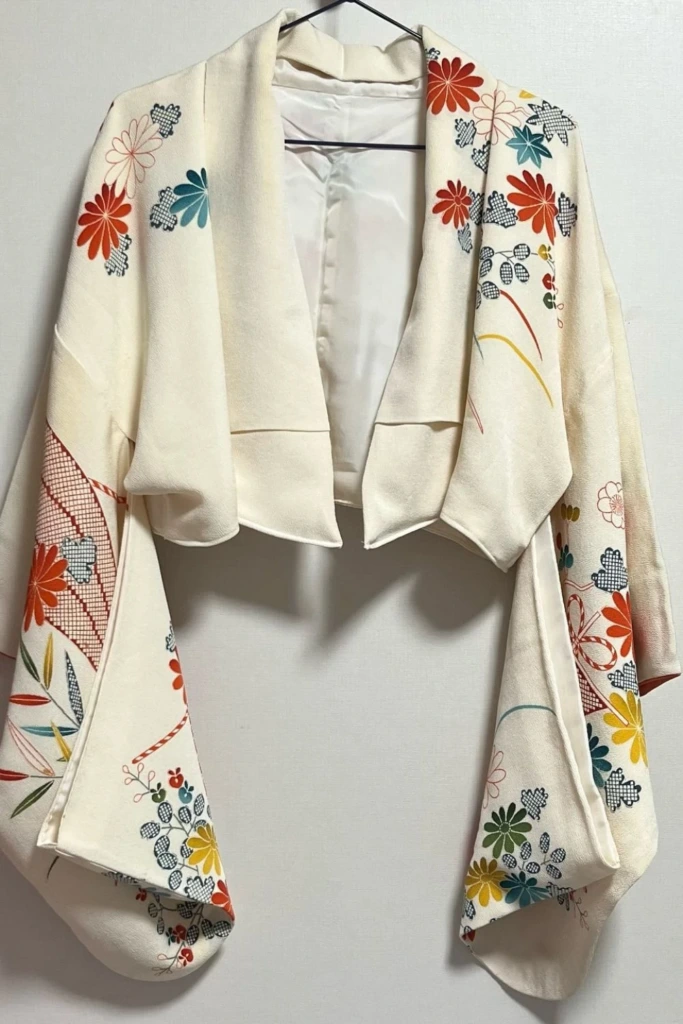
A cropped kimono-inspired jacket is a creative way to showcase a fabric with an interesting print. Its loose fit and broad sleeves give it a relaxed shape that can be worn over many different outfits.
Use a lightweight patterned fabric, vintage textile, or leftover material from another project. The construction can be kept simple with an open front, straight body panels, and neatly finished edges.
Measure the desired cropped length before cutting and check the sleeve width to ensure comfortable movement. This jacket works particularly well with high-waisted jeans, plain dresses, and simple tops.
If you enjoy combining different fabrics and textures, you may also like our DIY Patchwork Hoodie guide.
16. Lace Overlay Dress
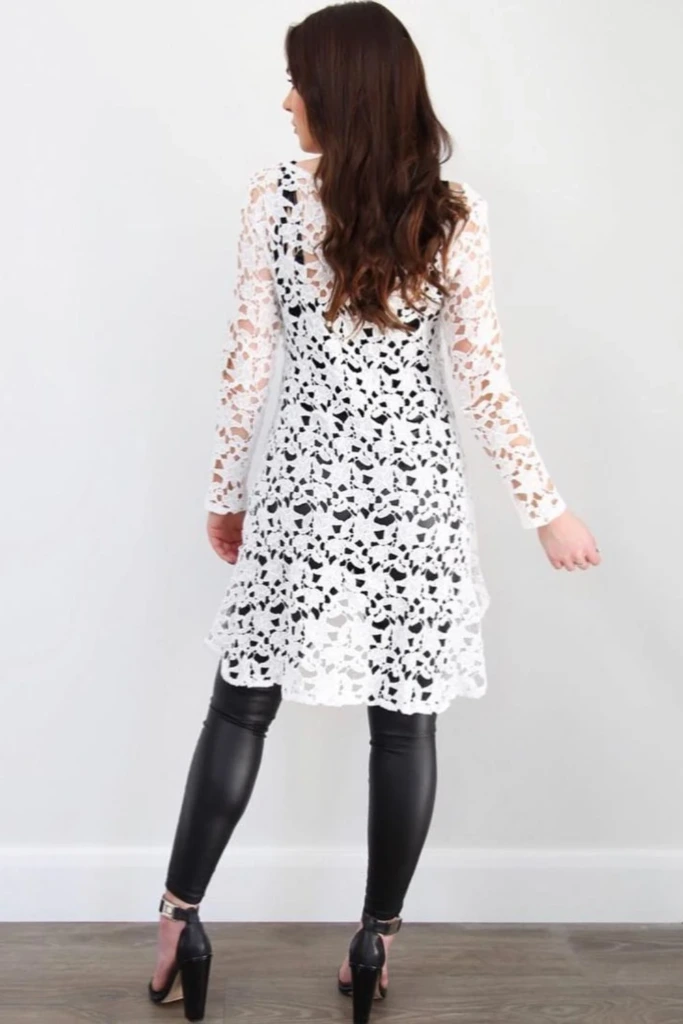
Create a romantic layered outfit with a lace overlay dress. Suitable lace fabric can be shaped into a loose outer garment that adds texture without requiring a heavily structured design.
You may be able to repurpose an old lace curtain or tablecloth, but inspect the material for tears, weak sections, and unsuitable finishes before using it. Cut the overlay to fit comfortably over a simple dress, camisole, or coordinated base layer.
Since lace is often transparent, plan the underlayer before assembling the garment. A neutral base creates a subtle effect, while a contrasting color can make the lace pattern more noticeable.
17. Ruffle Tie Blouse
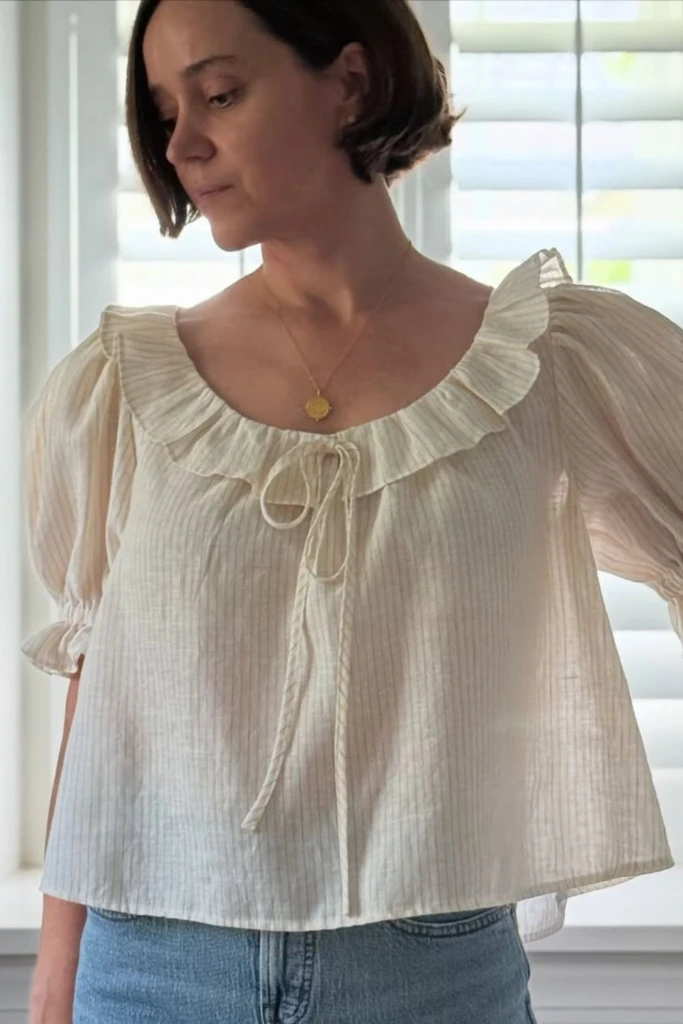
A ruffle tie blouse is a lovely handmade piece for anyone who enjoys soft, vintage-inspired fashion. Gathered details, fluttering sleeves, and a front tie can give an otherwise simple blouse plenty of character.
Lightweight cotton, muslin, or a suitable linen blend works well. You can use subtle stripes, small floral prints, or plain cream fabric, depending on whether you prefer a delicate or more colorful result.
Begin with a straightforward blouse pattern and add gathers where you want extra volume. Finish the neckline and sleeve edges neatly, then adjust the front ties so the blouse sits comfortably without pulling.
Pair it with denim, tailored trousers, or a plain skirt for a balanced outfit.
18. Navy Wide-Leg Co-Ord Set
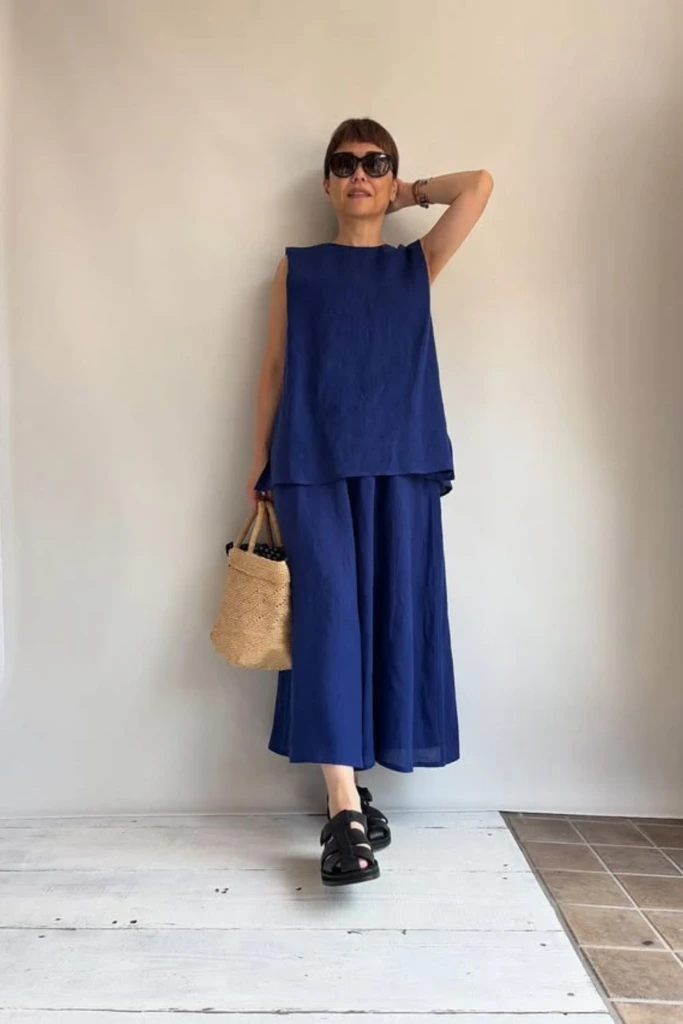
A navy matching set offers a polished look while remaining comfortable enough for everyday wear. Combining wide-leg trousers with a simple sleeveless top creates a coordinated outfit that can be dressed up or down.
Choose linen, cotton blends, or another fabric with enough drape to create a fluid trouser leg. A boxy top keeps the design modern, while a well-fitted waistband and properly adjusted trouser length make the overall result look more refined.
Since the color and silhouette provide most of the visual appeal, decorative additions are optional. Wear the set with sandals and delicate jewelry or add a lightweight jacket when the weather calls for another layer.
19. Sequin Crop Top
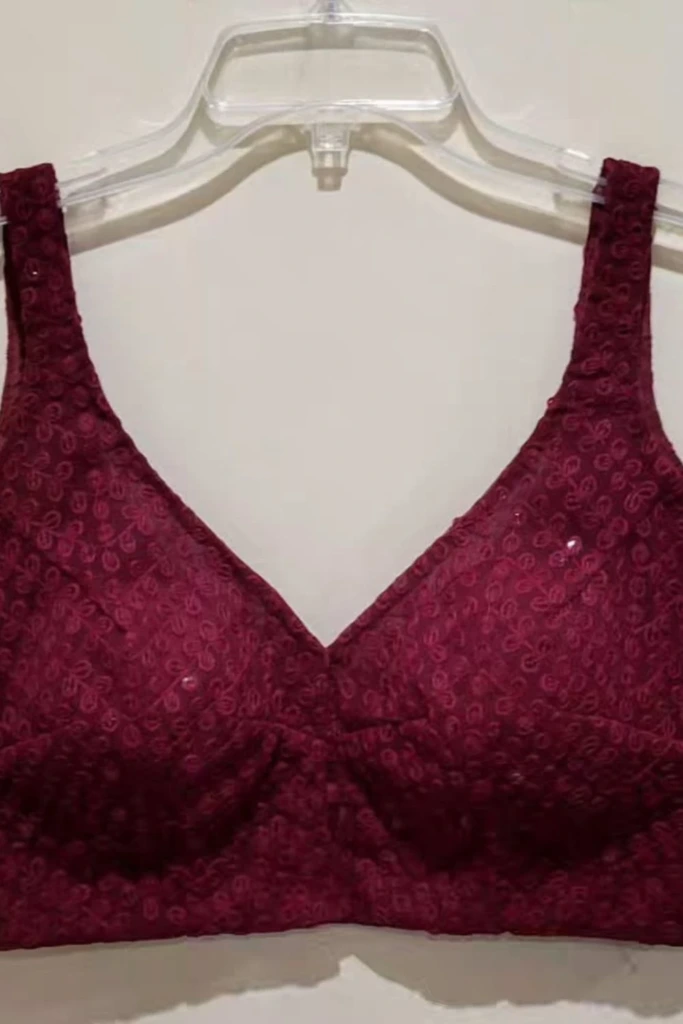
Turn leftover sequin fabric or a damaged party dress into a statement crop top. This is a practical way to reuse a small amount of decorative material that might otherwise remain unused.
Keep the shape uncomplicated so the sparkle takes center stage. Black, navy, burgundy, or another deep shade can create a more versatile result, while brighter colors make the top feel more playful.
Use a lining where needed to prevent scratchy embellishments from irritating your skin. Check the fabric's stretch and weight before choosing a pattern, and finish the seams carefully to keep loose sequins from catching on other clothing.
The finished top can be paired with high-waisted jeans, a simple skirt, or tailored trousers.
20. Pom-Pom Vest
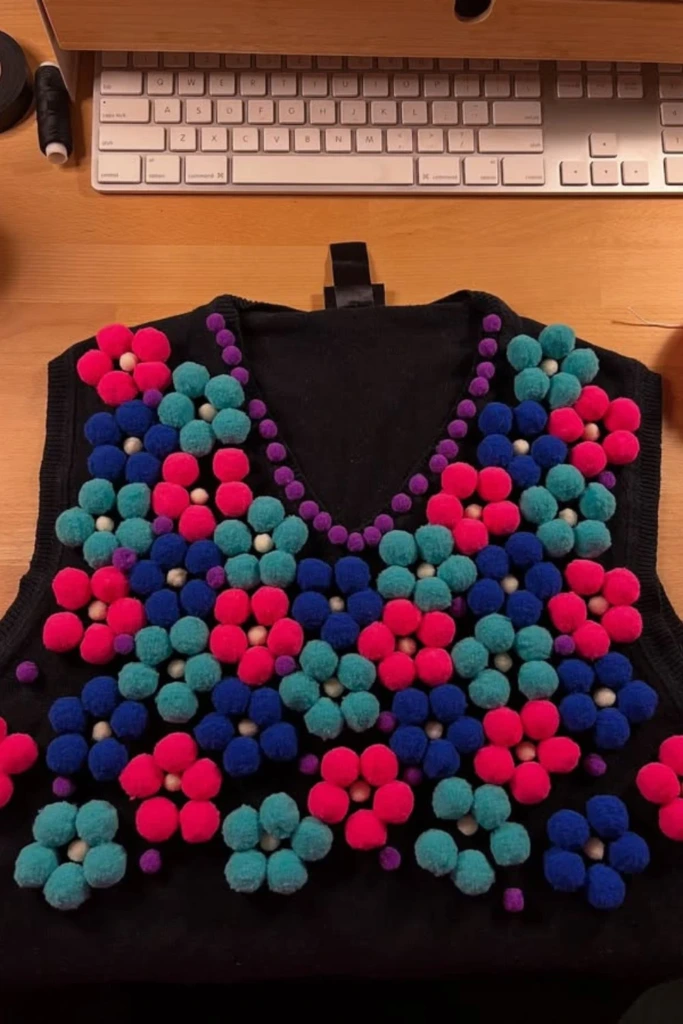
A plain vest can become a cheerful statement piece with the addition of colorful pom-poms. This project is especially useful when you want to customize an existing garment without cutting or reshaping it extensively.
Arrange the pom-poms into small floral clusters, place them along the neckline, or scatter them across the front in a playful pattern. Try laying out the design before attaching anything so you can check the spacing and color balance.
Hand stitching generally provides a secure attachment, while suitable fabric adhesive may work for lightweight decorations when used according to its instructions. Make sure the embellishments are firmly attached and that the vest remains comfortable during movement.
21. Patched Punk Pants
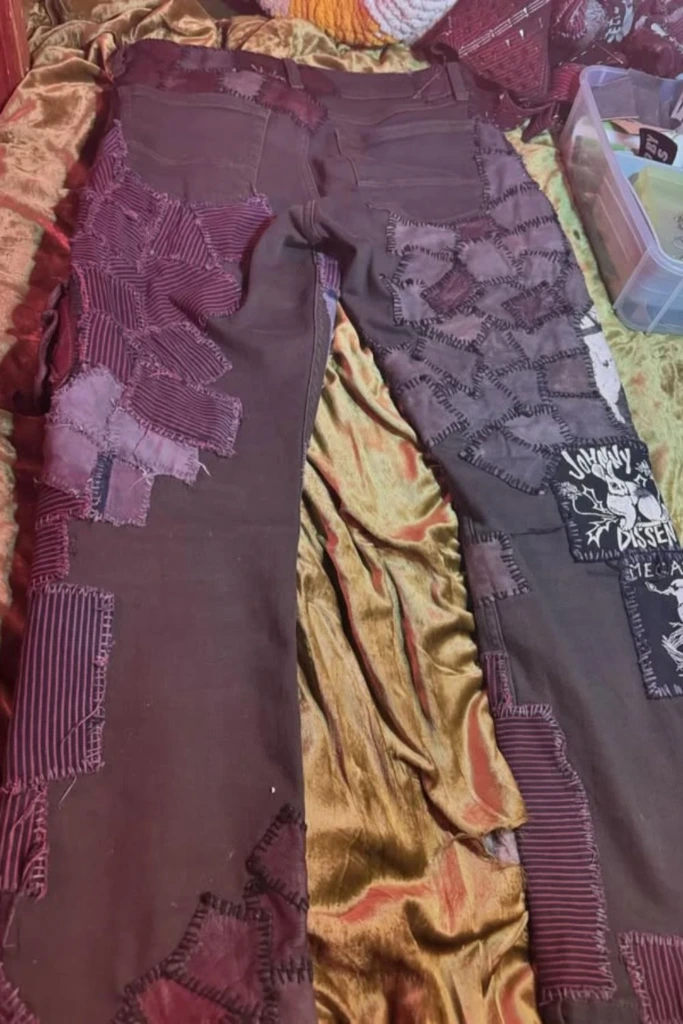
Give old jeans a new identity through visible mending and creative patchwork. Instead of hiding worn areas, turn repairs into decorative features with contrasting fabrics, colorful thread, and deliberate stitching.
Cut patches from fabric scraps, old shirts, or leftover sewing materials. Place them over thin sections or add them to areas that need no repair simply to create a more personalized design.
You can experiment with striped panels, irregular shapes, exposed seams, embroidered symbols, or carefully distressed details. Reinforce areas that experience frequent movement, such as the knees and inner thighs, to improve durability.
For more patchwork inspiration, see our 15 Patchwork Sweatshirt DIY Ideas.
22. Painted Tee Dress
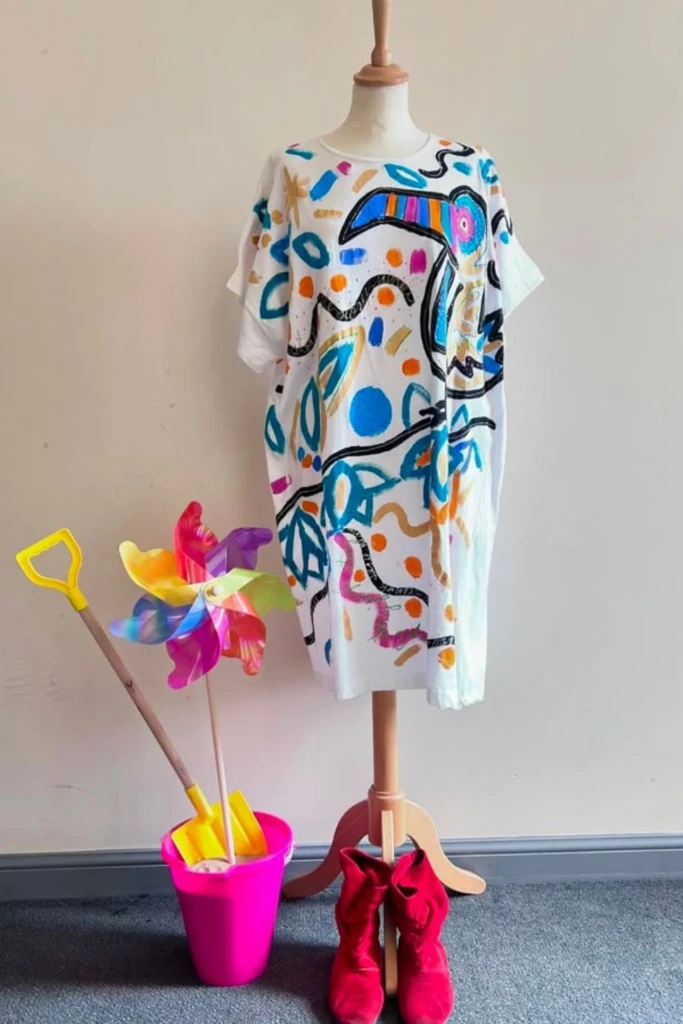
An oversized T-shirt can become a wearable art project with fabric paint or textile markers. This idea is perfect for anyone who wants to customize clothing without learning garment construction first.
Start with a plain shirt dress or an oversized tee that provides enough length for comfortable wear. Draw flowers, geometric shapes, abstract designs, or a large illustration that reflects your interests.
Place cardboard inside the shirt before painting to prevent color from reaching the opposite side. Allow the artwork to dry fully and follow the product instructions for setting the design and washing the garment.
For the best results, test the paint on a hidden section or spare fabric first. This helps you see how the color behaves on the material before decorating the entire shirt.
23. Denim Utility Vest
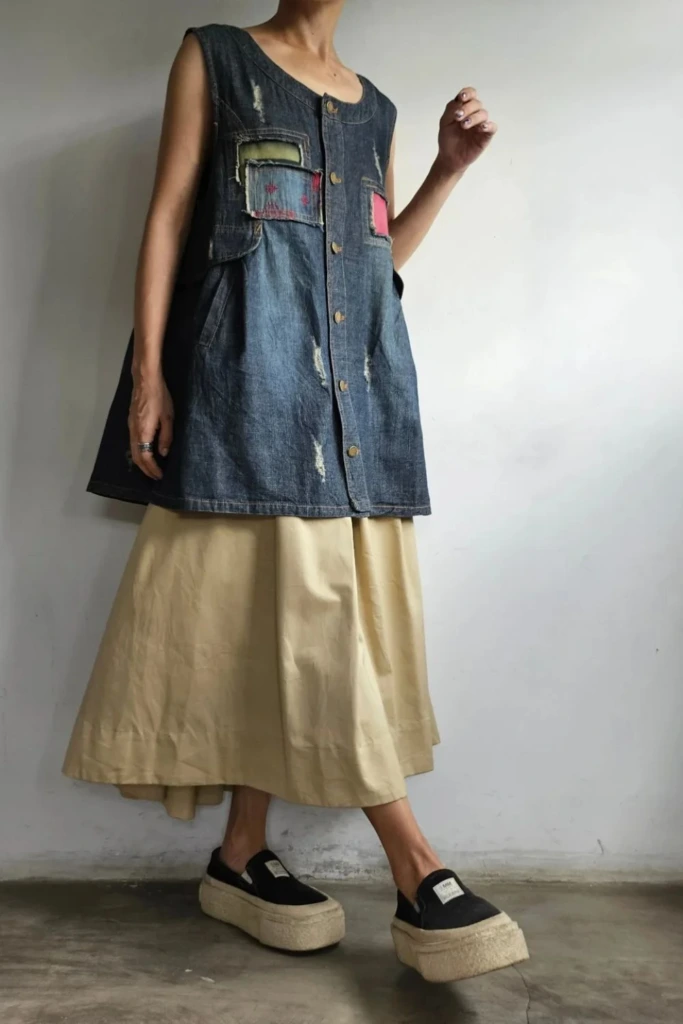
An old denim jacket can be transformed into a practical utility vest with a few careful alterations. Removing the sleeves changes the silhouette, while added pockets, patches, and decorative stitching give the garment a new purpose.
Inspect the jacket before cutting to make sure the denim is still sturdy. Remove the sleeves along the existing seams, then finish the raw armholes with binding or another suitable edge treatment.
You can add oversized pockets, contrast stitching, fabric patches, or small painted details to personalize the design. Keep the original buttons and collar if you want to preserve some of the jacket's character.
Wear the completed vest over dresses, hoodies, T-shirts, or lightweight sweaters for an extra layer.
24. Retro Tent Dress
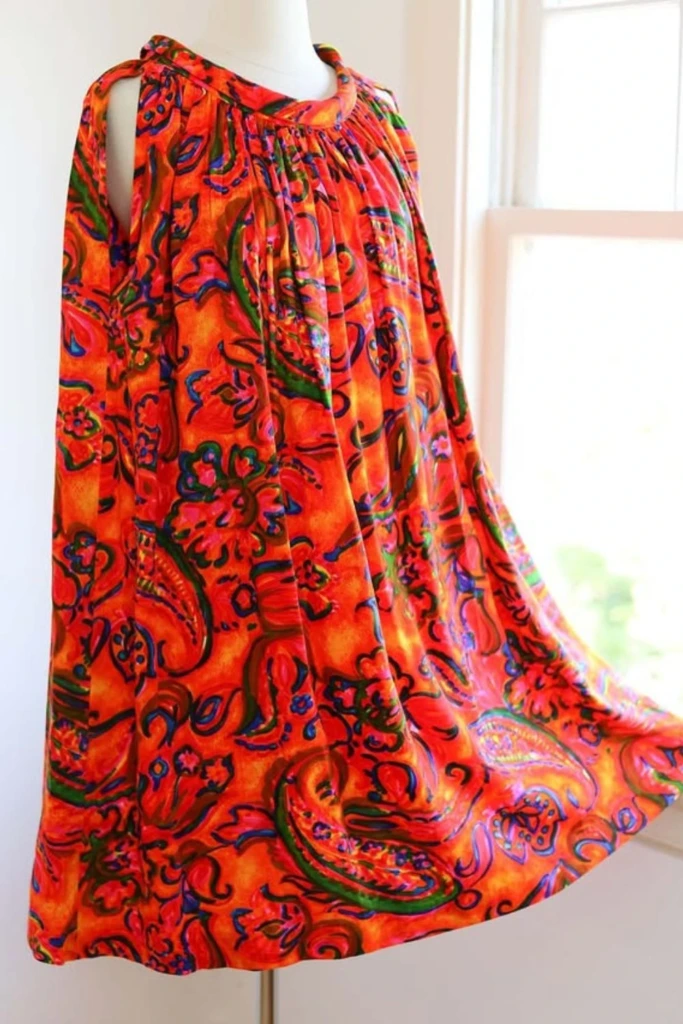
A retro tent dress is ideal for anyone who enjoys vintage-inspired shapes and eye-catching prints. Its loose, flowing silhouette provides comfort and makes it less dependent on precise waist shaping.
Choose lightweight fabric with a colorful geometric, floral, or psychedelic pattern. A gathered neckline and sleeveless design can create a breezy summer dress, while a simple lining may be useful if the fabric is sheer.
Because the shape is roomy, fitting can be more forgiving than with a tailored dress. However, check the neckline and armholes carefully so they sit securely and provide comfortable coverage.
Finish the hem evenly to help the garment hang properly. Add a belt if you prefer a more defined waist, or leave the dress loose for a classic vintage look.
25. Flowy Cream Pants
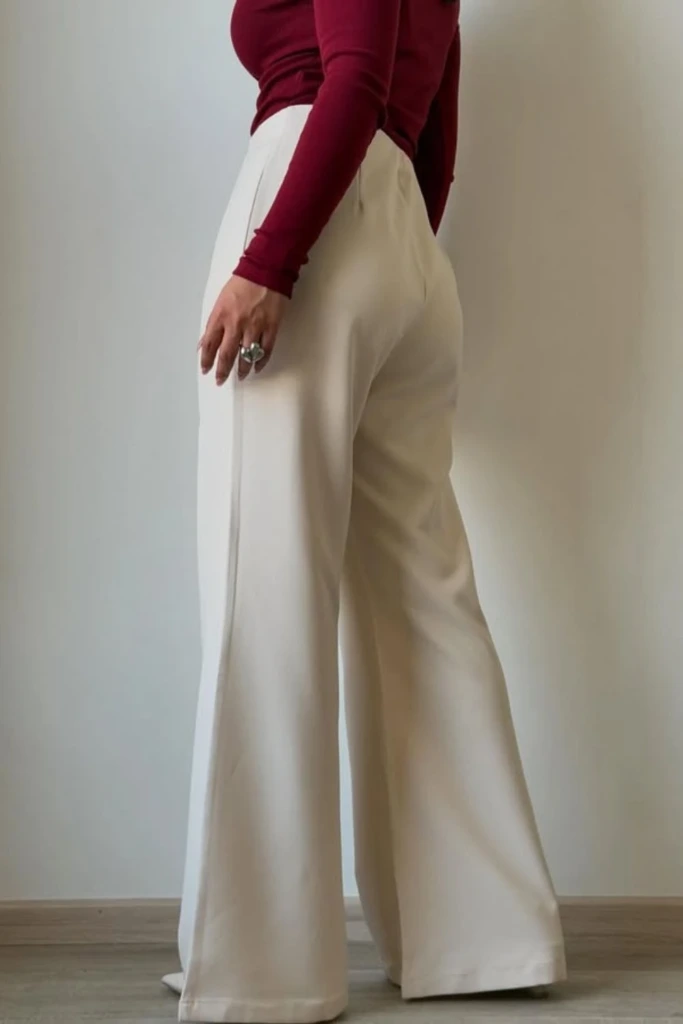
Cream wide-leg trousers are a useful handmade wardrobe staple that can work for casual outings and more polished occasions. The neutral color makes them easy to coordinate with printed tops, dark shirts, and colorful accessories.
Choose linen, rayon, twill, or another fabric that drapes well and feels comfortable against the skin. A high-rise waistband adds definition, while wide legs create an easy, relaxed silhouette.
Take accurate waist, hip, and inseam measurements before cutting. Make a test version if you're using an unfamiliar pattern, and check the length with the shoes you expect to wear most often.
Since pale trousers can reveal pockets and underwear through thin fabric, consider the material's opacity and add a suitable lining if necessary.
26. Ruffled Lace Blouse
A ruffled lace blouse is a creative way to reuse decorative fabric while making something delicate and distinctive. Lace scraps, suitable curtains, and other sheer textiles can provide material for layered sleeves, fluttering edges, and decorative panels.
Start with a basic blouse shape and add ruffles around the neckline, shoulders, sleeves, or hem. You can create a symmetrical design for a classic appearance or use an asymmetrical arrangement for a more contemporary style.
Because lace can stretch, fray, or tear depending on its construction, handle it carefully and choose stitching methods appropriate for the material. Add a camisole or another comfortable base layer beneath the finished blouse.
The result works beautifully with romantic, vintage-inspired, and whimsical wardrobes.
27. Easy DIY Clothes for Beginners
If you're new to making clothing, start with a project that lets you experiment without constructing an entire garment from scratch. Decorating something you already own is often the simplest way to build confidence.
A fringe-and-bead T-shirt, pom-pom vest, painted tee dress, denim utility vest, or patchwork jeans can introduce you to basic techniques while giving you plenty of room for creative choices.
Once you feel comfortable using fabric scissors, needles, thread, and textile decorations, try a simple wrap skirt or an uncomplicated top. These projects help you practice measuring, cutting, seams, and finishing edges.
Keep your first project manageable and allow yourself time to learn. Straight seams and carefully placed embellishments are more valuable at this stage than complicated designs. With practice, you can gradually take on fitted dresses, tailored trousers, and more detailed garments.
What Do You Need to Make DIY Clothes?
The supplies you need depend on the project, but you can begin with a small collection of basic tools rather than investing in a complete sewing setup.
For simple alterations and decoration, gather fabric scissors, measuring tape, pins or clips, a hand-sewing needle, thread, and the clothing item you want to customize. A seam ripper is also useful when removing unwanted stitching or correcting mistakes.
More advanced projects may require a sewing machine, suitable needles, a cutting surface, a pattern, and an iron for pressing seams. Decorative projects may instead use fabric paint, textile markers, beads, patches, yarn, fringe, or fabric adhesive.
Always choose supplies that are compatible with your fabric. For example, lightweight material may need a finer needle, while thicker denim usually requires sturdier tools and thread.
Before buying new supplies, look through your wardrobe and fabric collection. Old garments and suitable textile remnants may provide everything you need for your first project.
If your fabric collection is getting a little out of control, our How to Store Fabric guide has some simple ways to organize it.
28. Easy Ways to Upcycle Clothes You Already Own
Your next clothing project might begin with something you already have at home. Upcycling lets you refresh garments that no longer suit your style instead of automatically replacing them.
A plain T-shirt can become a hand-painted top, a fringe-decorated tee, or a relaxed shirt dress. Worn jeans can be reinforced with patches, while an old denim jacket can become a sleeveless utility vest.
You can also experiment with accessories and unconventional fabric sources. A large scarf might work as a halter top, and suitable curtains, tablecloths, or bedsheets may offer enough material for skirts and loose dresses.
Before cutting anything, inspect the fabric for stains, weak seams, holes, and areas of wear. Wash and dry reusable textiles according to their care requirements, then check that the available material is large enough for your intended design.
Think about what makes you avoid wearing the original garment. If the color feels dull, painting or embellishment might help. If the shape is the problem, shortening the hem or changing the silhouette could make a bigger difference.
Even a small alteration can give an overlooked item a useful place in your wardrobe again.
29. Make the Idea Your Own
DIY clothing is an opportunity to experiment, so there's no need to reproduce an inspiration photo exactly. Use an idea as a starting point and adjust it to suit your personal style, comfort, and sewing ability.
Change the colors, substitute materials you already own, remove decorative details that feel unnecessary, or add something meaningful to you. A simple project can become much more distinctive when you make thoughtful choices about its fit and finish.
Remember that practical details matter as much as appearance. Check that waistbands stay secure, seams feel comfortable, decorations are firmly attached, and fabrics suit the weather and intended use.
Start with one project, learn from the process, and keep experimenting as your skills develop. Whether you create a complete outfit or simply breathe new life into an old T-shirt, handmade clothing gives you a chance to build a wardrobe that feels more personal and makes better use of what you already have.
The most successful DIY piece isn't necessarily the most complicated one. It's the garment you enjoy wearing and feel proud to have created.
30. Love this idea? Save it for later.
Save your favorite DIY clothing projects so you can return to them when you're ready to start crafting. Keeping a small collection of ideas also makes it easier to plan your next project around the fabric, tools, and garments you already have.
31. Hi, I’m Jenny
I share practical ideas and creative inspiration for making everyday life easier, more organized, and more enjoyable. From simple DIY projects to useful home tips, the goal is to help you find approachable ways to bring more creativity into your routine.
32. More from DIY
Discover more hands-on projects and creative ideas to inspire your next weekend activity. Whether you enjoy sewing, decorating, upcycling, or crafting with everyday materials, trying something new can help you develop useful skills while creating something personal.