DIY Necktie Projects: Creative Ways to Repurpose Old Ties

Old neckties often hold sentimental value, feature beautiful patterns, or contain fabric that deserves a second life. Instead of letting them collect dust in a drawer, you can turn them into useful accessories, home decorations, and thoughtful handmade gifts.
Whether you have a collection of vintage ties, inherited a few from a family member, or simply enjoy working with fabric, these DIY necktie projects offer plenty of inspiration. Many ideas require only basic sewing supplies, while others can be completed with fabric glue and simple hand tools.
Why Repurpose Old Neckties?
Neckties come in a wide variety of colors, textures, and patterns, making them surprisingly versatile craft materials. Silk ties can add an elegant finish, while cotton and polyester ties work well for everyday accessories and decorative items.
Repurposing them also reduces textile waste and gives otherwise unused clothing a practical purpose. If a tie belonged to someone special, transforming it into a keepsake can preserve its memory in a meaningful way.
Before starting, inspect each tie for stains, worn areas, and loose stitching. Check the fabric label and care instructions, particularly when working with delicate silk or vintage materials.
Necktie Pillow
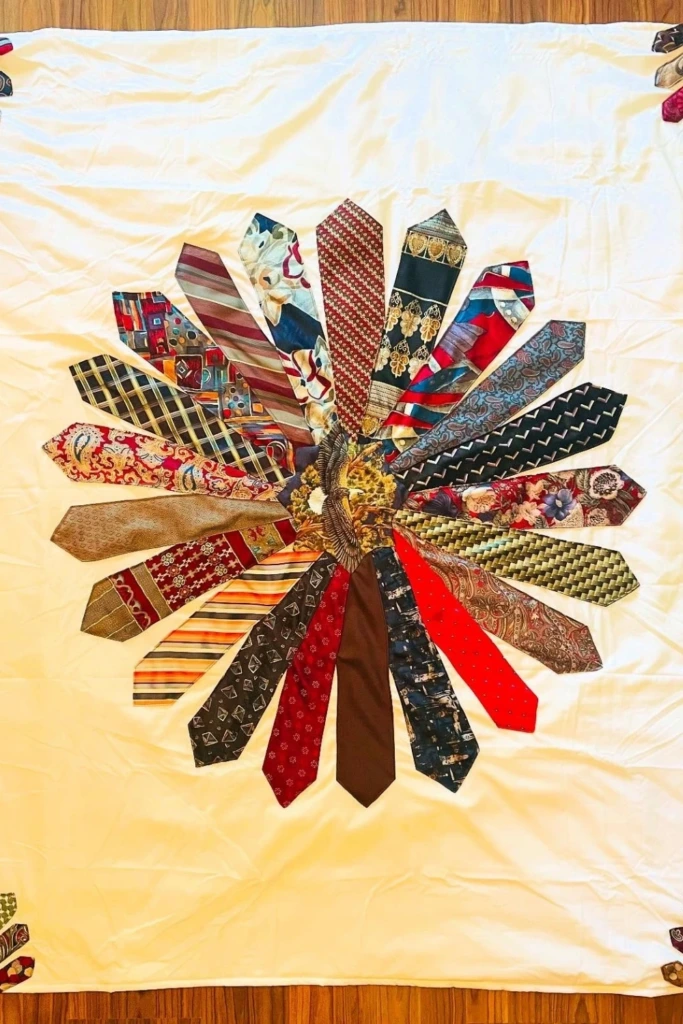
Create a distinctive cushion cover by arranging old ties into a patchwork design. The different colors and patterns can give a plain sofa or reading chair an eye-catching accent.
Remove the inner lining if necessary, then carefully open the ties and cut the fabric into suitable panels. Sew the pieces together, keeping the patterns balanced, and attach the finished panel to a backing fabric.
Add a cushion insert and close the cover with a zipper or envelope-style opening. Since silk can be delicate, use a fine needle and test your stitching on a small scrap first.
Necktie Headband
A fabric headband is an easy way to turn a patterned tie into a wearable accessory. Choose a design with colors that complement your wardrobe.
Cut a suitable section of fabric, fold the raw edges inward, and sew them neatly. Attach the fabric to a flexible headband base or create a soft band with elastic at the back.
For a polished finish, add a small bow or knot. Make sure the inside seams are smooth so the headband feels comfortable against your hair.
Necktie Tote Bag
A tote bag made from old neckties combines practical storage with a creative, one-of-a-kind appearance. The diagonal stripes and varied patterns create visual interest without requiring extra decoration.
Open several ties and arrange the fabric pieces into a rectangular front and back panel. Stitch them to a sturdy cotton lining, then add reinforced handles and a strong bottom panel.
Because tie fabric can be lightweight, avoid relying on it alone for heavy loads. A durable lining and secure seams will help the bag maintain its shape.
Necktie Wreath
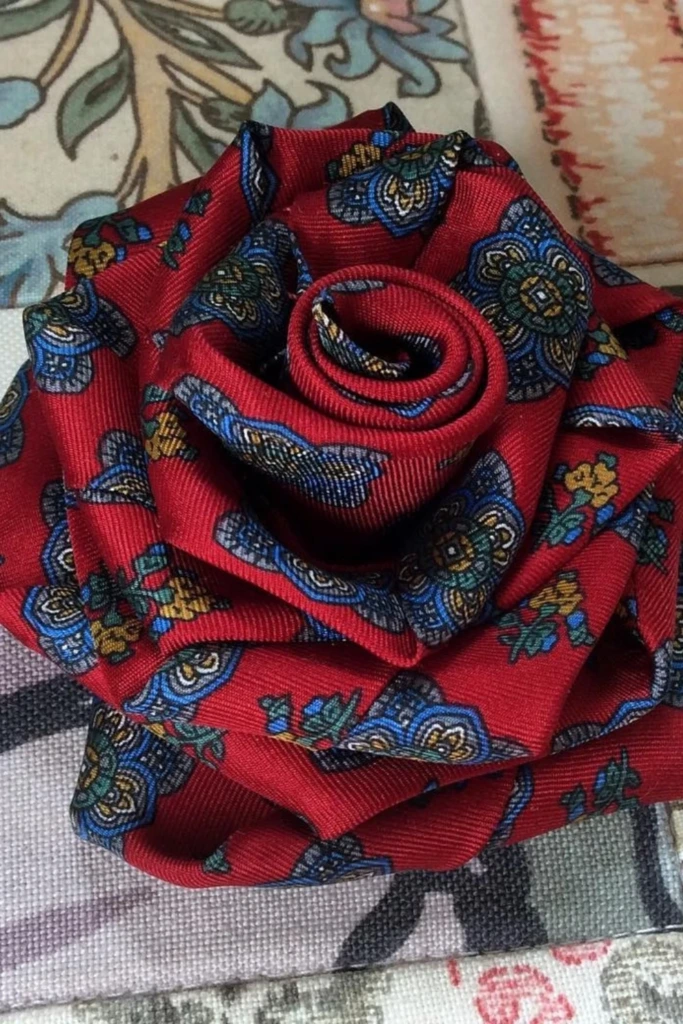
Turn unwanted ties into a decorative wreath for a home office, hallway, or craft room. This project works especially well with ties that share a color theme, such as navy and gold or red and green.
Wrap the ties around a foam wreath form, or fold them into loops and secure them with pins or stitches. Overlap the sections to hide the base and create a fuller appearance.
Finish with a fabric bow, a small ornament, or a seasonal decoration. Choose a lightweight form if you plan to hang the wreath on a door.
Necktie Bracelet
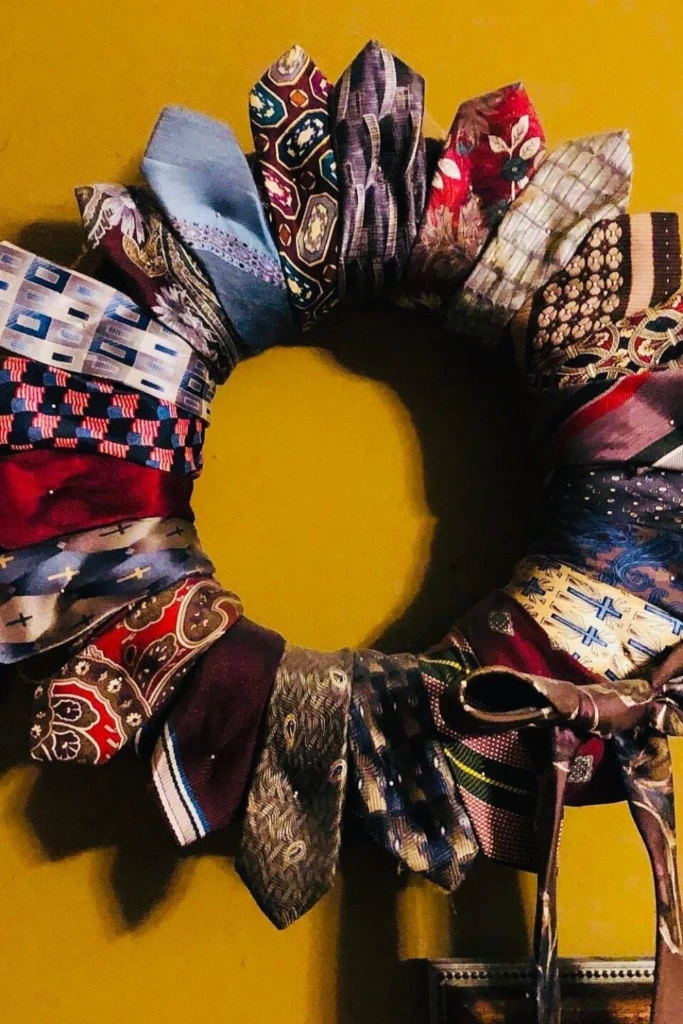
Small pieces of necktie fabric can become stylish fabric bracelets. This is an excellent project for using scraps left over from larger crafts.
Wrap a narrow strip of fabric around a bracelet blank or a flexible craft base. Secure the ends with stitching or a suitable fabric adhesive, keeping the edges tucked away for a neat finish.
You can combine two contrasting fabrics, add a decorative button, or incorporate a small charm. If the bracelet will be worn frequently, check that all attachments are secure and that the fabric does not fray.
Necktie Lampshade
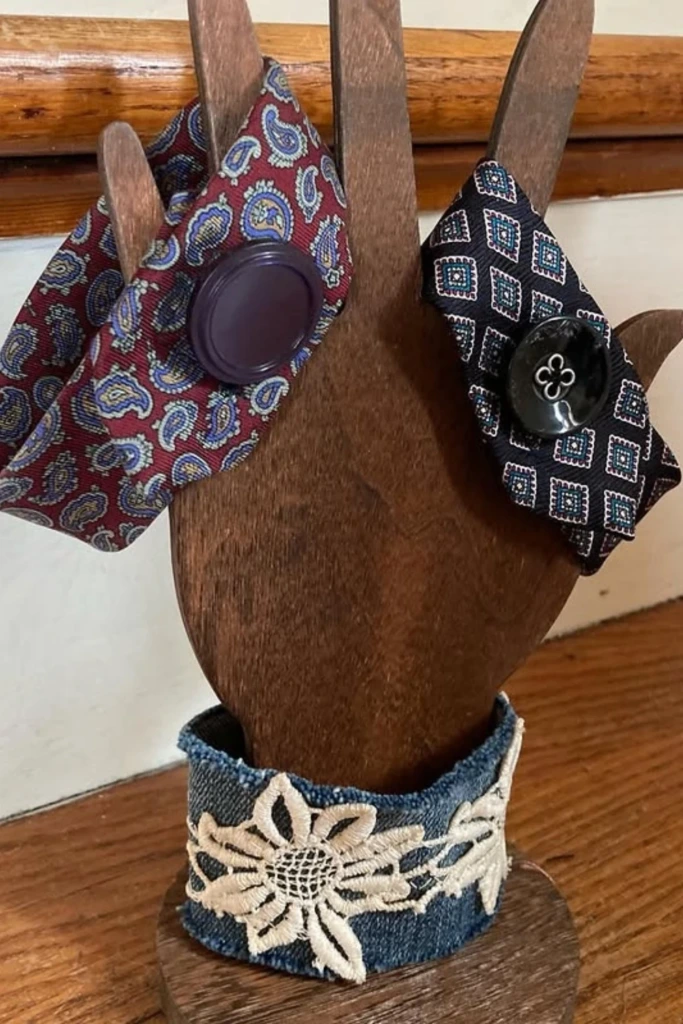
Patterned ties can bring color and personality to a plain lampshade. Choose a lampshade with a simple shape so the fabric can be arranged evenly.
Cut the tie fabric into sections that fit the shade, then attach them using an adhesive specifically suitable for the lampshade material and fabric. Smooth out wrinkles and keep the seams tidy.
Important safety note: Fabric-covered lampshades can create a fire hazard if the material gets too close to a hot bulb. Use only materials and shades designed for this type of modification, maintain the required clearance, and choose cool-running LED bulbs. Never allow fabric to touch the bulb or obstruct ventilation.
Necktie Hair Bow
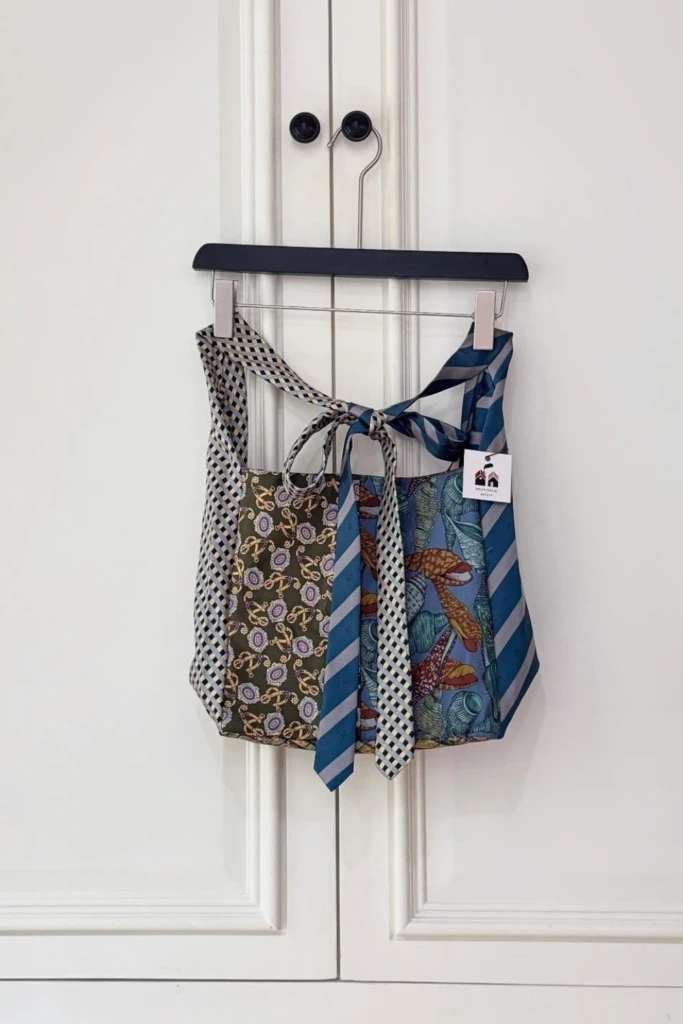
A necktie hair bow is a simple project that makes use of the fabric's natural pattern and shape. It can be styled as a classic bow, a small clip, or a decorative accent for a ponytail.
Cut a section of the tie, fold it into two loops, and pinch the center together. Wrap a narrow fabric strip around the middle and secure it with stitches. Attach the finished bow to a hair clip or barrette.
Lightweight silk works particularly well for a soft, elegant look, while thicker fabrics create a more structured bow.
Necktie Keychain
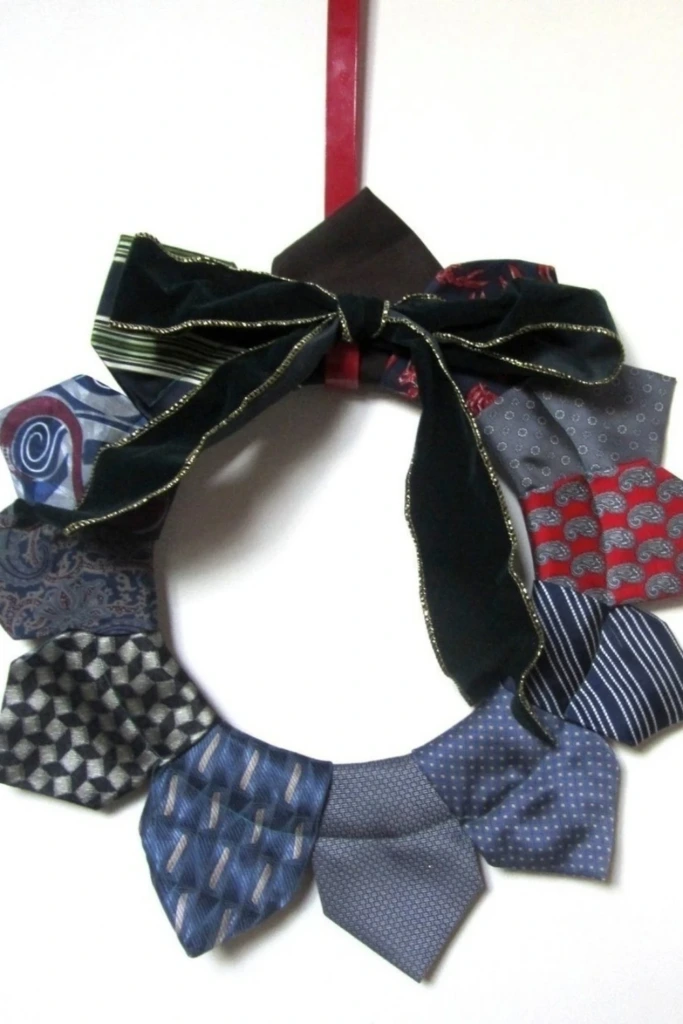
Make a practical keychain from a short piece of an old tie. It is a beginner-friendly craft that can also serve as a small handmade gift.
Cut a strip of fabric, fold it lengthwise with the raw edges tucked inside, and stitch it securely. Fold the finished strip around a metal key ring and reinforce the attachment with several rows of stitching.
For extra durability, add a layer of sturdy cotton webbing inside the fabric. This helps prevent the keychain from stretching or tearing during daily use.
Necktie Table Runner
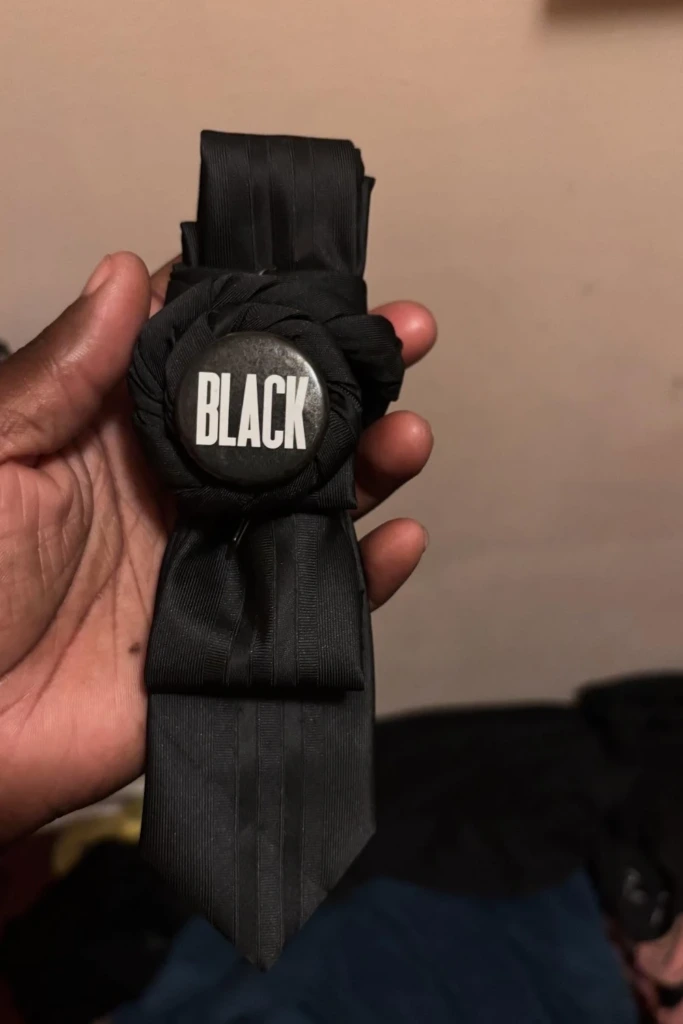
A table runner made from old ties can add an unusual decorative element to a dining table, sideboard, or console. It is particularly attractive when the ties have coordinated colors or complementary patterns.
Open the ties and arrange the fabric sections in alternating directions. Stitch the pieces together, add a cotton backing, and finish the edges with a narrow hem or binding.
Use a heat-resistant, washable backing if the runner will be used regularly. Delicate silk ties may be better suited to decorative displays than areas exposed to spills or frequent cleaning.
Necktie Bookmarks
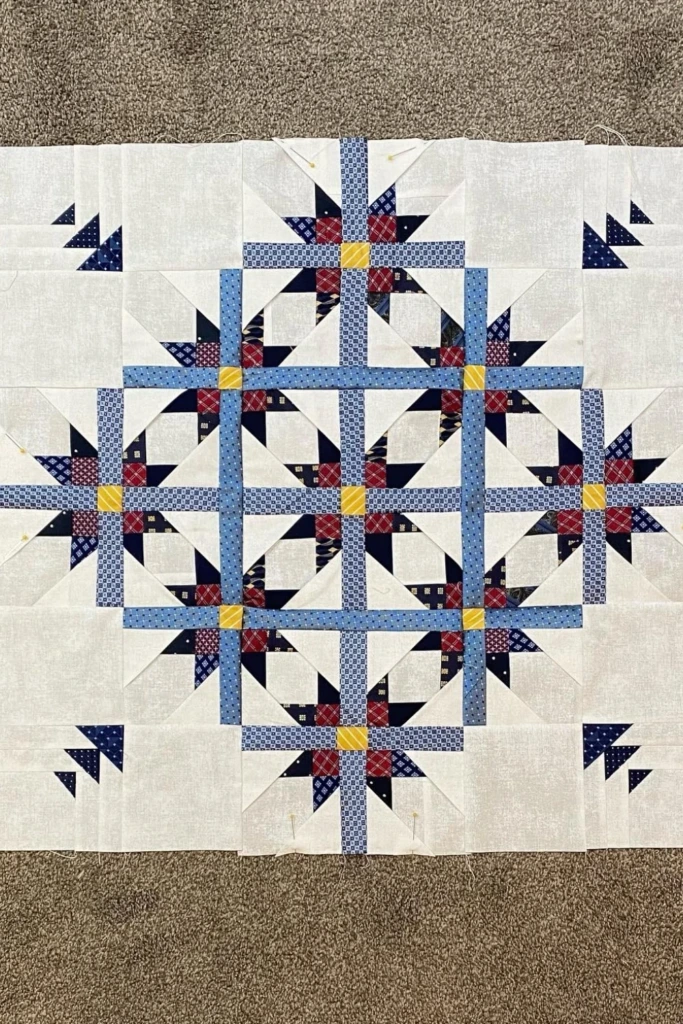
Fabric bookmarks are useful for readers and make thoughtful gifts for teachers, friends, and book lovers.
Cut a narrow, straight section of a tie and reinforce it with lightweight interfacing or sturdy cotton fabric. Fold the edges inward and stitch them in place to prevent fraying.
Add a small ribbon loop or decorative tassel at one end if desired. Keep the bookmark thin enough to sit comfortably between book pages without damaging the binding.
Necktie Glasses Case
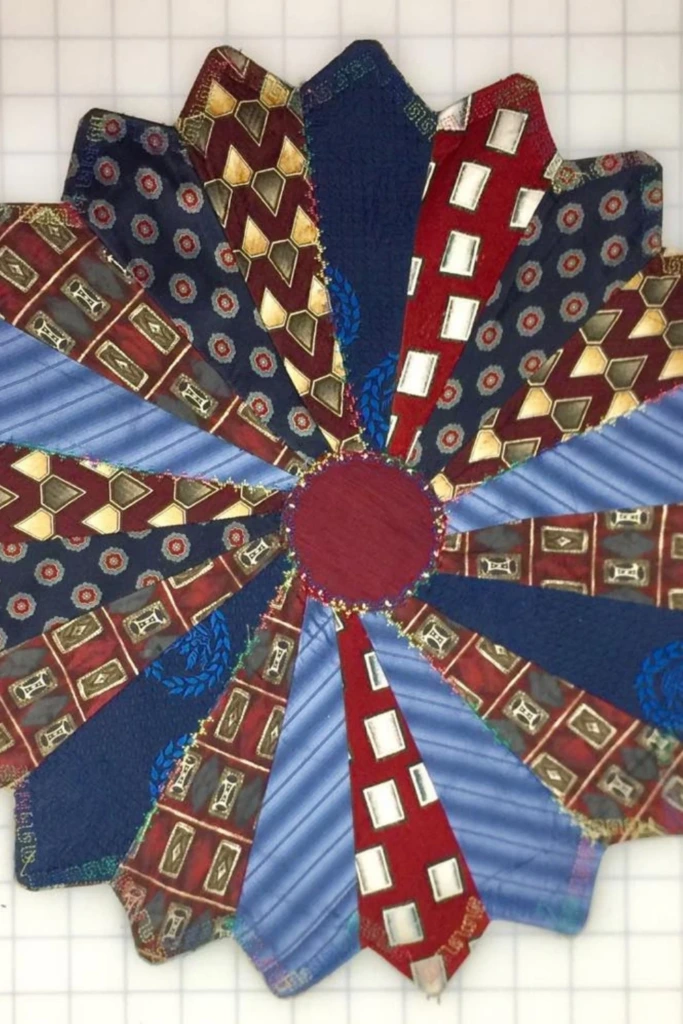
A glasses case gives an old tie a useful new purpose while protecting eyewear from everyday scratches.
Open the tie and cut a fabric panel large enough to accommodate the glasses. Sew it into a pouch shape and add a soft lining made from cotton flannel or another gentle material.
A small button, snap, or fabric flap can help keep the case closed. Ensure the seams are secure and the lining covers any exposed stitching that might scratch the lenses.
Necktie Wall Art
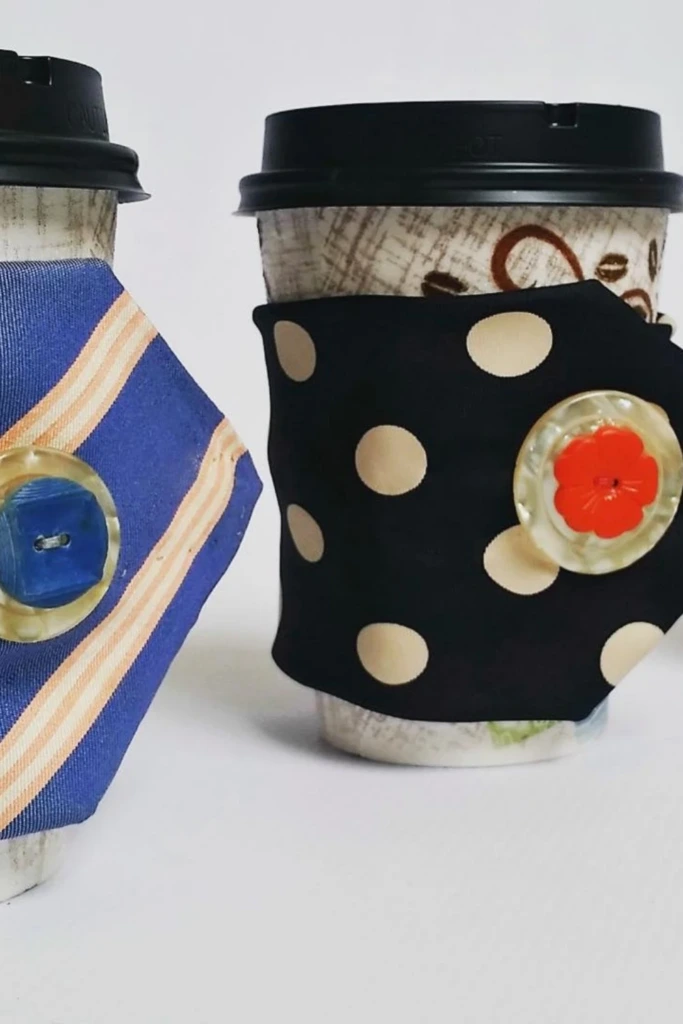
Turn distinctive ties into a piece of textile art that celebrates their patterns and colors. This idea is particularly meaningful when the ties have sentimental significance.
Arrange whole ties or fabric sections inside a shadow box or on a fabric-covered backing board. Experiment with diagonal stripes, alternating colors, or symmetrical layouts before attaching anything permanently.
Secure the material with stitches, fabric-safe adhesive, or mounting pins suitable for the backing. A frame with a protective front can help reduce dust accumulation and keep the fabric in place.
Necktie Purse
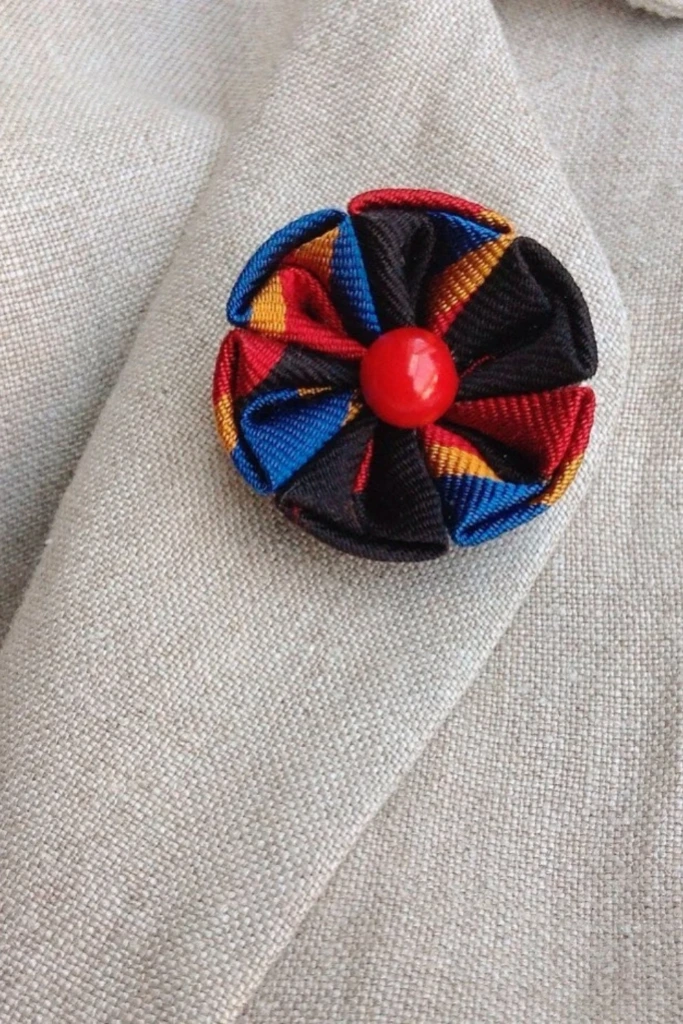
A small purse or evening clutch is a good choice for ties made from attractive silk or satin-like fabric. Combining several patterns can create a colorful accessory, while a single tie can provide a subtle decorative panel.
Construct a fabric outer layer, add a firm lining, and include interfacing if the purse needs more structure. Install a zipper or clasp before finishing the final seams.
For a durable result, reinforce the areas around the closure and any handle attachments. Use the finished purse for lightweight essentials rather than heavy objects.
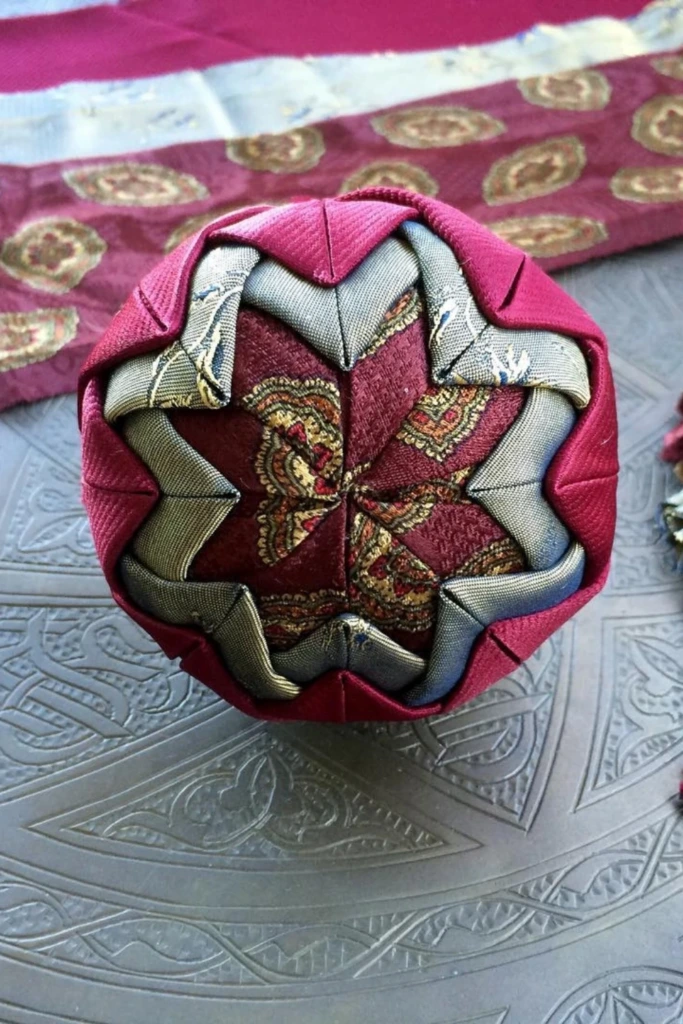
Necktie Christmas Ornaments
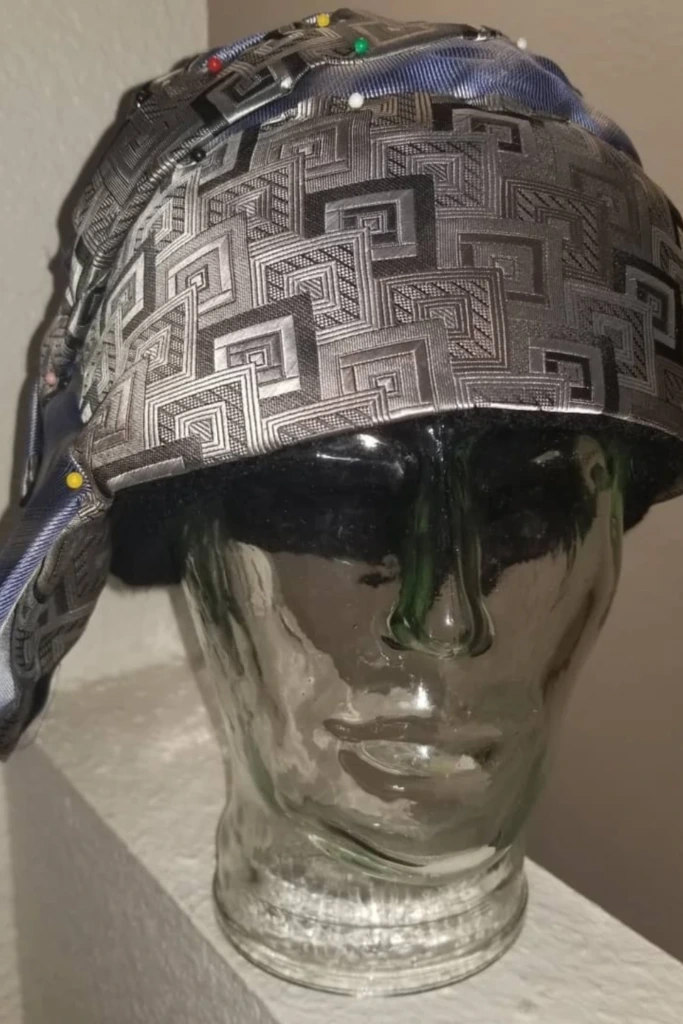
Old neckties can become unique decorations for a Christmas tree or seasonal display. Red, green, gold, and plaid fabrics are especially suitable, but any color can work with your decorating theme.
Wrap small foam shapes with tie fabric and secure the edges at the back. Alternatively, sew small fabric stars, hearts, or stuffed ornaments using tie scraps and cotton filling.
Attach a ribbon loop for hanging. If the ornaments are intended for a home with young children or pets, avoid small detachable embellishments that could become choking hazards.
Necktie Pincushion
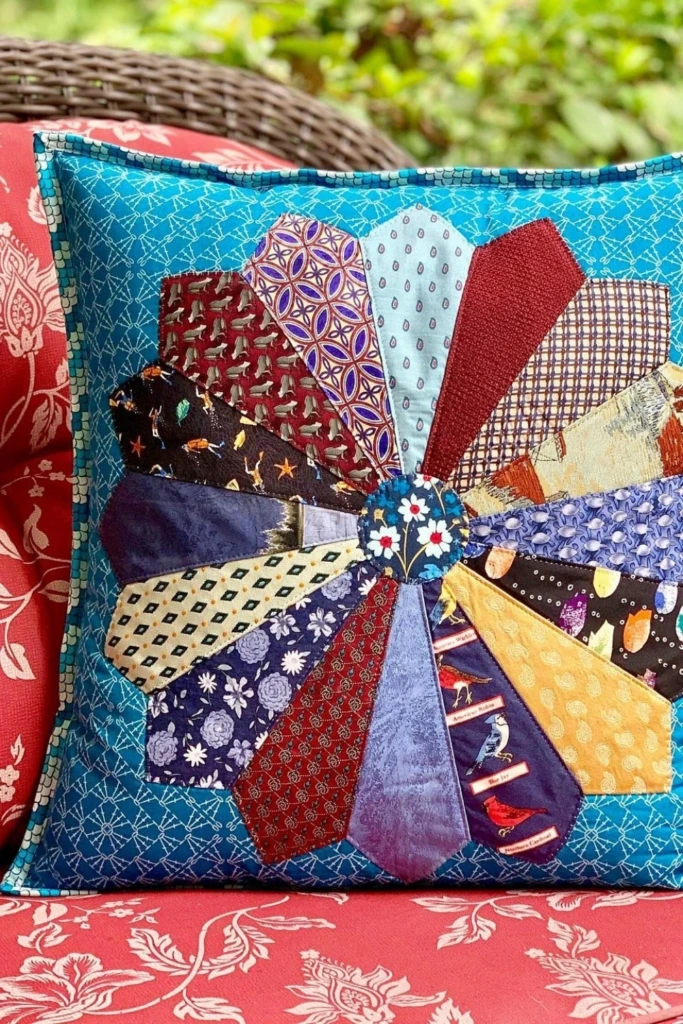
A pincushion is a useful project for anyone who enjoys sewing. Small pieces of tie fabric can create an attractive cover for a compact sewing accessory.
Cut two matching fabric pieces, sew around the edges while leaving a small opening, and turn the fabric right side out. Fill it with suitable stuffing and close the opening with a neat hand stitch.
You can make a square, heart-shaped, or round pincushion. Choose a durable fabric section and ensure the seams are tight enough to prevent the filling from escaping.
Necktie Fabric Flowers
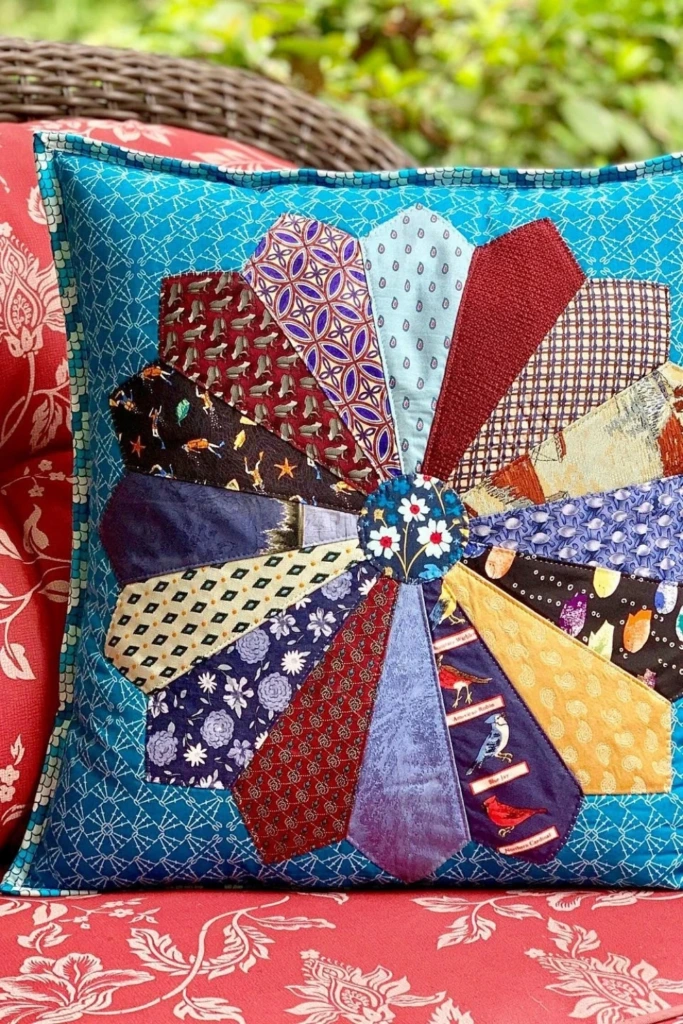
Fabric flowers are a creative way to use narrow scraps and unusual patterns. They can decorate headbands, brooches, gift wrapping, or home accessories.
Cut several fabric petals, arrange them in overlapping layers, and stitch them together at the center. Add a covered button or bead to complete the design, making sure it is securely attached.
For a fuller flower, vary the petal sizes and use a combination of colors. Since silk can fray, finish the edges carefully or use a construction method that conceals the raw fabric.
Necktie Quilt
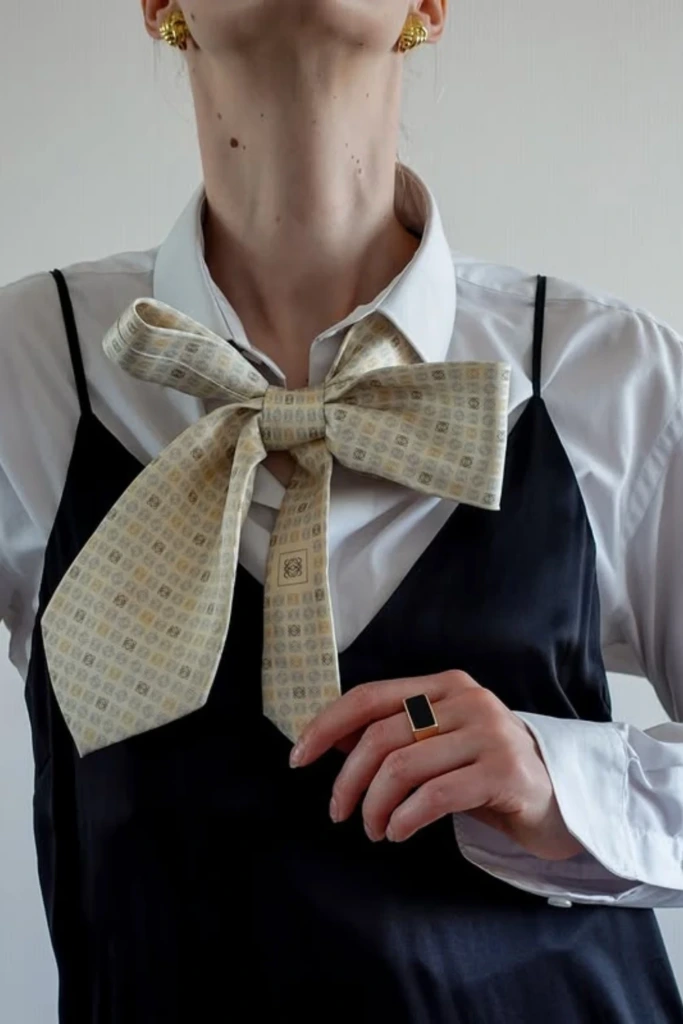
A quilt made with old ties can preserve family memories in a lasting form. It is particularly suitable for collections of ties that belonged to a parent, grandparent, or loved one.
Carefully open the ties and remove any bulky internal lining. Cut the fabric into consistent shapes, reinforce delicate silk with lightweight interfacing, and arrange the pieces into a planned pattern.
Join the pieces to a stable cotton backing, add batting, and finish the quilt with binding. Because necktie fabrics vary in thickness and stretch, test a small patchwork section before assembling the entire project.
Necktie Gift Wrap
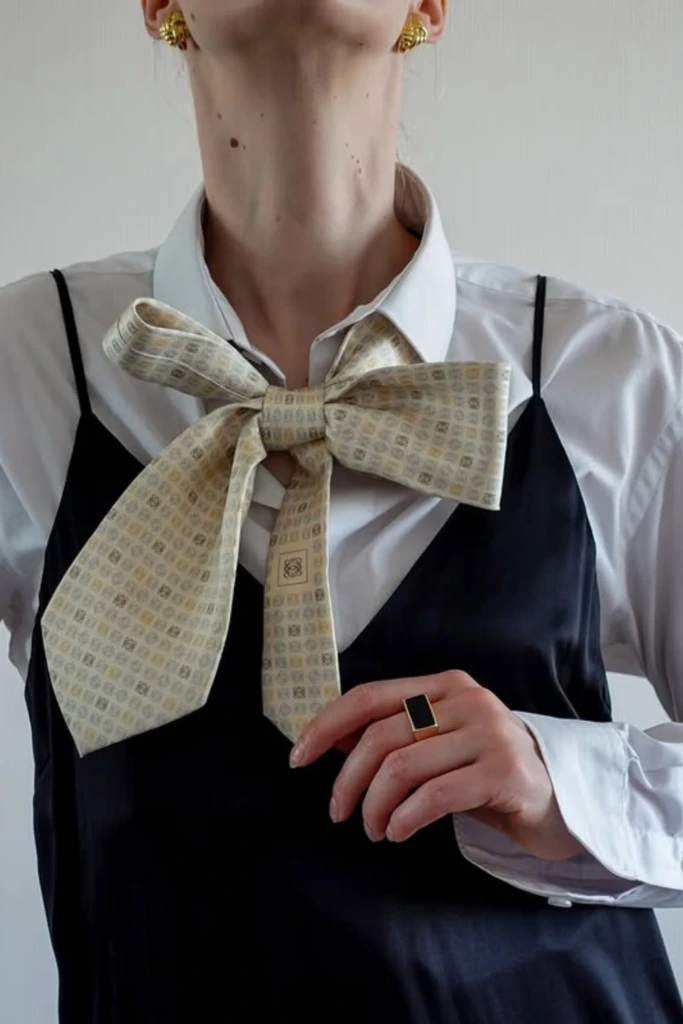
Use an old tie to give a gift a distinctive finishing touch. Its long shape makes it suitable for wrapping around boxes, tying decorative knots, or creating an elegant bow.
Choose a tie that complements the wrapping paper and secure it with a small stitch or a discreet piece of double-sided tape where appropriate.
For a more substantial presentation, pair the tie with plain kraft paper and a handwritten gift tag. This approach works especially well for Father's Day, birthdays, graduations, and retirement gifts.
Necktie Camera Strap

A patterned necktie can provide the decorative outer layer of a custom camera strap. However, camera equipment can be expensive, so strength and construction matter more than appearance.
Use the tie fabric over a sturdy strap made from suitable webbing. Sew the fabric securely around the webbing and attach it to compatible camera connectors using reinforced stitching and appropriate hardware.
Test the completed strap with a safe, lightweight object before attaching a camera. Do not rely on delicate tie fabric or ordinary fabric glue alone to support expensive equipment.
Necktie Belt
A necktie can become a decorative belt for a lightweight outfit. The original shape is already long and narrow, making it a convenient starting point.
Open the tie if you need to adjust its width, then reinforce it with strong cotton webbing or another suitable backing. Attach a compatible buckle or sew secure fabric loops to create a tie-style closure.
This accessory works best as a fashion detail rather than a heavy-duty belt. Reinforcing the fabric helps it maintain its shape during wear.
Necktie Journal Cover
Personalize a notebook or journal with fabric from an old tie. The finished cover can make a lovely gift for someone who enjoys writing, sketching, or keeping a diary.
Measure the notebook and cut a fabric panel large enough to wrap around its front and back covers. Add a sturdy cotton lining, then sew pockets or folded flaps that hold the cover in place.
Choose a fabric pattern that reflects the recipient's interests or personality. A matching ribbon bookmark can complete the design.
Necktie Coasters
Coasters are a practical way to use small pieces of tie fabric that remain after larger projects.
Cut matching fabric squares or circles and sandwich them around a thin, absorbent cotton layer. Stitch around the edges and add a second row of stitching for a clean finish.
Because many ties contain delicate or slippery fabrics, use a stable backing to prevent movement. These coasters are best for decorative use with cool or moderately warm drinks; do not assume ordinary fabric will protect surfaces from hot cookware.
Necktie Brooch
A fabric brooch can turn a small tie scrap into a wearable piece of art. It can be shaped into a flower, rosette, folded geometric design, or layered bow.
Fold the fabric into the desired shape and secure the layers with small stitches. Attach a brooch pin to a reinforced backing so the accessory stays in place on clothing.
Experiment with contrasting patterns or add a decorative button at the center. Keep the finished piece lightweight enough to sit comfortably on a shirt, jacket, or bag.
Necktie Storage Basket
Make a small basket for storing craft supplies, accessories, or other lightweight household items. Necktie fabric adds color to a simple fabric container.
Cut tie material into strips or panels and sew it onto a sturdy cotton outer layer. Construct the basket around a firm interfacing or a washable, fabric-compatible stabilizer, then add a lining to cover the seams.
Finish the top edge with binding or a folded hem. For a basket that holds its shape, use enough reinforcement to support the intended contents without making the container unnecessarily bulky.
Tips for Getting the Best Results from DIY Necktie Projects
A successful project begins with choosing the right tie for the job. Silk is attractive for decorative accessories, but it can be slippery and prone to fraying. Cotton ties are often easier to handle, while thicker polyester fabrics may need a stronger needle.
Keep these practical suggestions in mind:
Prepare the fabric: Inspect ties for damage and remove internal lining when necessary.
Test before cutting: Check how the fabric behaves when folded, pressed, or stitched. Use a low heat setting and a pressing cloth when the care label permits ironing.
Plan the pattern: Lay out several ties before sewing so stripes, colors, and prints work together.
Use suitable reinforcement: Add interfacing or sturdy backing when making bags, belts, cases, or other items that need structure.
Choose appropriate adhesives: Check that any glue is compatible with the fabric and intended use.
Preserve sentimental pieces: Photograph the original tie or save a small label or scrap before transforming it.
Work safely: Use sharp tools carefully, follow the instructions for hot glue and sewing equipment, and keep heat sources away from fabric.
What Can I Make with Old Neckties?
You can turn old neckties into accessories, home decorations, keepsakes, and practical household items. Popular options include pillows, headbands, tote bags, wreaths, bracelets, bookmarks, glasses cases, fabric flowers, and framed textile art.
The best project depends on the tie's material, condition, and available fabric length. Even a damaged tie may provide enough usable material for a small craft.
How Do You Take Apart a Necktie for Sewing?
Place the tie on a flat surface and carefully open the stitching along its back seam with a seam ripper. Remove the inner lining and gently separate the layers without cutting the outer fabric.
Press the fabric according to its care instructions, then inspect it for worn spots or holes. Once the material is flat, you can measure and cut the sections needed for your project.
Can You Make DIY Gifts from Old Neckties?
Yes. Old ties can become personalized gifts such as keychains, journal covers, glasses cases, bookmarks, hair bows, and framed keepsakes. A tie with personal significance can make the gift especially meaningful.
Choose a project that suits the recipient's interests and your sewing experience. A carefully finished small accessory can be just as thoughtful as a complicated handmade item.
What Is the Best Fabric from a Necktie for Crafts?
Silk is popular for decorative projects because of its texture, color, and elegant appearance. Cotton is generally easier for beginners to sew, while polyester can be durable and widely available in different patterns.
There is no single best material for every craft. Consider how much wear the finished item will receive, whether it needs reinforcement, and how the fabric should be cleaned.
Do You Need Sewing Skills to Repurpose Neckties?
No. Several projects, including gift wrapping, simple wreaths, and some decorative bows, require little or no sewing. Others, such as tote bags, quilts, and lined pouches, benefit from basic stitching skills.
If you are new to fabric crafts, begin with a small project and practice on a damaged tie before working with a valuable or sentimental one.
Final Thoughts
Old neckties offer an opportunity to create something useful, decorative, or deeply personal from fabric that might otherwise go unused. From simple keychains and bookmarks to patchwork bags and family keepsakes, there are options for a wide range of skills and budgets.
Start with a tie whose pattern you love, choose a project suited to its material, and take time to finish the details neatly. With thoughtful planning and a little creativity, an ordinary necktie can become a distinctive handmade item that is worth keeping.