DIY Water Fountain Ideas to Create a Relaxing Outdoor Space
A DIY water fountain can turn an ordinary backyard, patio, or garden corner into a peaceful retreat. The gentle sound of moving water adds a calming atmosphere, while a thoughtfully designed fountain brings texture, movement, and personality to your outdoor space.
You don't need expensive landscaping materials or professional installation to build one. With a small submersible pump, a suitable container, and a few basic supplies, you can create an attractive water feature that fits your space and budget.
Whether you prefer a rustic stone fountain, a modern ceramic design, or a compact tabletop feature, these DIY water fountain ideas offer practical inspiration for different garden styles.
Note: The reference page was inaccessible, so its exact headings and order could not be verified. The article below is an original treatment of the requested topic.
DIY Flower Pot Water Fountain
A flower pot fountain is an affordable way to introduce flowing water into a small garden or patio. Terracotta pots provide a natural, earthy appearance, while glazed ceramic containers can create a more colorful focal point.
Choose two or three pots of different sizes and arrange them so water flows from the upper container into the lower basin. A small submersible pump circulates the water through flexible tubing hidden inside the arrangement.
Seal drainage holes where necessary, and ensure the bottom container holds enough water to keep the pump submerged. Decorative pebbles can conceal the tubing and give the finished fountain a polished appearance.
DIY Bamboo Water Fountain
A bamboo fountain brings a peaceful, Japanese-inspired element to an outdoor setting. Its simple construction works especially well near ornamental grasses, smooth stones, and shaded garden beds.
Build a sturdy bamboo spout that directs water into a ceramic bowl or stone basin. Connect the spout to a small pump using flexible tubing, keeping the electrical components protected from moisture.
For a traditional appearance, use natural bamboo and surround the basin with river rocks. Bamboo exposed to constant moisture will eventually deteriorate, so inspect it regularly and replace damaged sections.
DIY Rock Water Fountain
A rock fountain blends naturally into garden landscaping and can look like a permanent feature even when built with inexpensive materials.
Start with a waterproof reservoir and place a submersible pump inside. Arrange stable, appropriately sized rocks around the water outlet so water trickles over the surfaces before returning to the reservoir.
For a bubbling fountain, use a predrilled fountain stone rather than attempting to drill a large, heavy rock without suitable equipment.
Choose stones with interesting shapes and textures, and avoid unstable stacks. A surrounding bed of gravel helps conceal the reservoir and creates a natural transition into nearby planting areas.
DIY Solar Water Fountain
A solar-powered fountain is an excellent option for areas without convenient access to an outdoor electrical outlet.
Many solar fountain kits include a small pump and a solar panel. Place the pump inside a water-filled basin and position the panel where it receives direct sunlight.
A wide ceramic bowl, shallow garden pond, or repurposed birdbath can serve as the reservoir. Add stones to provide visual interest and reduce the exposed water surface.
Basic direct-solar pumps generally operate best in strong sunlight and may slow down or stop when clouds pass overhead. A kit with battery storage offers more consistent operation.
DIY Tiered Water Fountain
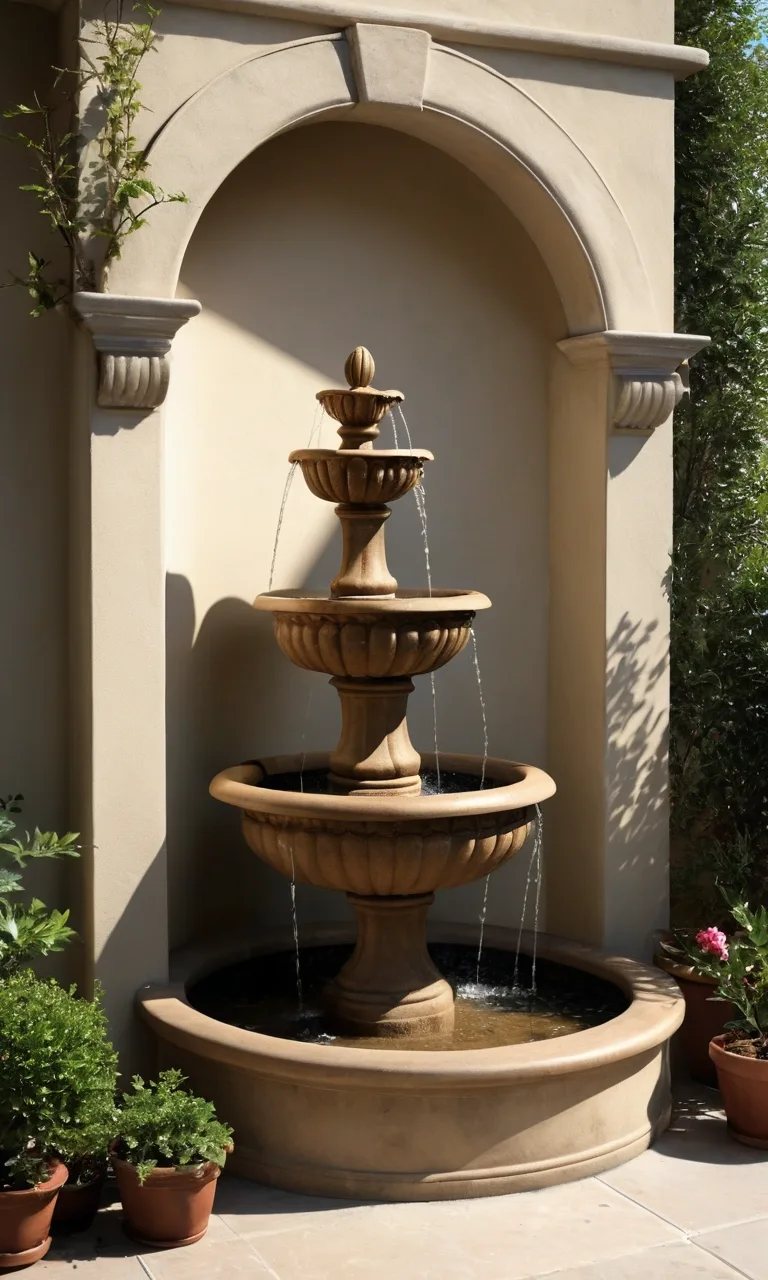
A tiered fountain creates an elegant centerpiece by allowing water to move between containers at different heights.
Use three weather-resistant bowls or planters, with the largest at the bottom. Secure each level to a stable support and position the upper containers so overflowing water falls into the basin below.
Install a pump powerful enough to lift water to the highest tier. Adjust the flow until the water travels smoothly without splashing outside the lower basin.
This design works particularly well in courtyard gardens, beside outdoor seating, or as a centerpiece in a circular flower bed.
DIY Watering Can Fountain
An old watering can can become a charming garden fountain with a little creativity.
Position the watering can above a waterproof tub, barrel, or decorative basin. Run tubing from a submerged pump into the can so water appears to pour naturally from its spout.
Secure the can to a sturdy post or metal support, and keep the tubing as discreet as possible.
Galvanized metal containers give the project a farmhouse appearance, while painted watering cans can introduce a playful accent. Inspect older containers for rust and leaks before using them.
DIY Barrel Water Fountain
A half-barrel fountain makes an attractive addition to rustic gardens and farmhouse-style patios.
Start with a clean wooden barrel or a barrel-shaped planter fitted with a waterproof liner. Place a small pump inside and add a bubbling nozzle or a raised spout.
You can surround the fountain with potted flowers, natural stones, and low-growing greenery to make it feel integrated into the landscape.
Use a liner suitable for continuous water exposure, particularly if the barrel has gaps between its wooden sections. Check for leaks before completing the surrounding decoration.
DIY Birdbath Water Fountain
A birdbath fountain combines garden decoration with a potential water source for visiting birds.
Choose a shallow, stable basin and install a low-flow pump that creates gentle movement rather than a strong spray. Add several smooth stones to provide secure perching spots.
Keep the water shallow, ideally around one to two inches in the areas birds can access. Position the fountain where birds have a clear view of their surroundings and nearby places to retreat.
Clean the basin frequently to remove algae and debris. Moving water can attract birds, but it doesn't replace the need for regular cleaning and fresh water.
DIY Tabletop Water Fountain
A tabletop fountain is perfect for balconies, covered patios, and indoor spaces where a larger feature would be impractical.
Choose a watertight decorative bowl and place a miniature submersible pump inside. Arrange polished stones around the pump, leaving enough space for water to circulate freely.
A short piece of tubing can direct the flow over a small rock or decorative ornament.
For indoor use, place the fountain on a waterproof tray and select a quiet pump rated for continuous operation. Keep electrical connections away from spills and splashes.
DIY Concrete Water Fountain
Concrete fountains offer a clean, modern appearance and can be customized to suit different outdoor designs.
Use a suitable mold to create a shallow concrete bowl or basin. Allow the concrete to cure according to the product instructions, then apply a compatible waterproof sealer if required.
Install a submersible pump and conceal it beneath decorative stones or a removable cover that allows maintenance access.
Concrete is heavy, so select a stable installation location before filling the basin. For larger fountains, a reinforced base may be necessary to prevent cracking or movement.
DIY Wall Water Fountain
A wall fountain provides the soothing sound of running water without taking up much ground space.
Mount a water-resistant panel, such as slate or an appropriate outdoor-rated decorative surface, above a collection basin. A pump sends water through tubing to a distribution outlet at the top.
The water then travels down the panel and returns to the reservoir.
Use a splash-resistant design and protect the wall behind the feature with proper waterproofing. Wall-mounted fountains should be securely anchored, particularly when using heavy stone materials.
DIY Pond Water Fountain
Adding a fountain to a small garden pond introduces movement and helps create a more engaging landscape feature.
Install a pond-rated pump with a compatible fountain nozzle. Choose a gentle spray that matches the pond's dimensions and minimizes water loss from wind.
Surround the pond with rocks and appropriate aquatic plants for a natural appearance.
If fish live in the pond, select equipment suited to their needs and avoid excessive water disturbance. Fountain circulation alone may not provide sufficient filtration or oxygenation for every pond.
DIY Pebble Water Fountain
A pebble fountain is a simple, low-profile design that works beautifully in modern and natural gardens.
Install a waterproof reservoir beneath a sturdy grate designed to support decorative stones. Position the pump inside and run the outlet tubing through the center.
Cover the grate with smooth pebbles, leaving the water outlet unobstructed. Water bubbles upward, flows over the stones, and drains back into the hidden reservoir.
This design keeps most of the standing water out of sight and is especially suitable for compact garden beds and entryway landscaping.
DIY Teapot Water Fountain
A teapot fountain adds personality to a cottage garden or outdoor seating area.
Mount an old metal teapot above a decorative bowl and route water through tubing into the teapot. The water exits through the spout and falls into the basin below.
Choose a secure mounting method that can support the teapot's weight when filled with water.
Vintage-style teapots, enamel containers, and colorful metal vessels are particularly attractive for this project. Avoid fragile ceramics in locations where they could be knocked over or exposed to freezing conditions.
DIY Stacked Stone Water Fountain
A stacked stone fountain creates a sculptural centerpiece using natural materials.
Select flat stones that can be arranged into a balanced vertical structure. For a fountain with water flowing through the center, use appropriately drilled stones threaded over a rigid support and water supply tube.
Position the assembly above a concealed reservoir with a submersible pump.
Make sure the stones are mechanically secured rather than relying on gravity alone. The finished feature can be surrounded by gravel, ornamental grasses, or low-growing ground cover.
DIY Recycled Container Water Fountain
Repurposing an unused container is one of the easiest ways to reduce the cost of a homemade fountain.
Old ceramic planters, metal wash tubs, and sturdy decorative bowls can all become fountain reservoirs if they are watertight and safe for the intended setting.
Clean the container thoroughly, seal any unwanted openings, and install a pump suited to its capacity.
Avoid containers that previously held hazardous chemicals or have coatings that may leach harmful substances. Add natural stones or a decorative spout to complete the design.
DIY Waterfall Fountain
A miniature waterfall fountain creates a more noticeable water sound than a gentle bubbling feature.
Build a short series of stable rock ledges above a lined basin or hidden reservoir. Install a pump that delivers water to the uppermost point, allowing it to cascade over each level.
Use a pond liner beneath the rocks to direct water back toward the collection area.
Before covering the liner, test the fountain at full operating flow. Adjust the rock placement to prevent water from escaping along the edges.
DIY Ceramic Bowl Water Fountain
A ceramic bowl fountain offers a straightforward project for beginners who want an attractive result without complicated construction.
Choose a deep, watertight bowl and install a compact submersible pump. Use a small fountain nozzle or direct the water over a decorative stone.
Glazed ceramic bowls are available in many colors and finishes, making it easy to coordinate the fountain with patio furniture and surrounding plants.
If the bowl will remain outdoors year-round, choose frost-resistant materials where freezing weather is possible.
How to Build a Simple DIY Water Fountain
Most small fountains use the same basic circulation system, regardless of their decorative style.
Materials You'll Need
A waterproof container or reservoir
A submersible fountain pump
Flexible tubing compatible with the pump
Decorative stones or pebbles
A suitable fountain nozzle or spout
Waterproof sealant, if needed
An outdoor-rated electrical supply or compatible solar power kit
Step 1: Choose the Location
Find a stable, level area where the fountain can be enjoyed without obstructing walkways. Consider access to electricity, sunlight, nearby plants, and how much splashing the location can tolerate.
Step 2: Prepare the Reservoir
Clean the container and check for leaks. Seal drainage holes where necessary, following the sealant manufacturer's curing instructions.
Step 3: Install the Pump
Place the pump on a stable surface inside the reservoir. Connect the tubing securely and route it toward the desired water outlet.
Step 4: Arrange the Decorative Materials
Position stones, containers, or other decorative elements around the pump and tubing. Leave access for cleaning and future maintenance.
Step 5: Add Water and Test
Fill the reservoir until the pump is submerged to the manufacturer's recommended depth. Switch it on and adjust the flow to minimize splashing.
Use a properly protected outdoor electrical connection with ground-fault circuit interrupter (GFCI) protection, and follow the pump manufacturer's safety instructions.
Tips for Maintaining Your DIY Water Fountain
Regular maintenance helps keep a homemade fountain attractive and functioning properly.
Check the water level frequently, especially during hot weather. Pumps can overheat or fail when operated without sufficient water.
Remove leaves, dirt, and algae from the basin, and clean the pump intake whenever water circulation begins to weaken. Replace water as needed to prevent unpleasant odors and buildup.
For outdoor fountains, inspect electrical cords and connections for damage. In freezing climates, drain and protect components that aren't designed for winter operation.
Avoid adding household bleach, soap, or other cleaning chemicals while the fountain is operating, particularly where birds, pets, or wildlife may drink from it.
Final Thoughts
A DIY water fountain is a practical way to make an outdoor space feel more inviting without investing in an elaborate landscaping project.
Simple flower pot fountains and ceramic bowl designs are ideal for beginners, while stacked stone features, waterfalls, and wall fountains offer more ambitious possibilities.
The most successful design is one that fits your available space, uses durable materials, and remains easy to maintain. With careful planning and a reliable pump, even a small homemade fountain can become a beautiful focal point in your garden or patio.