28 DIY Privacy Fence On A Budget for 2026
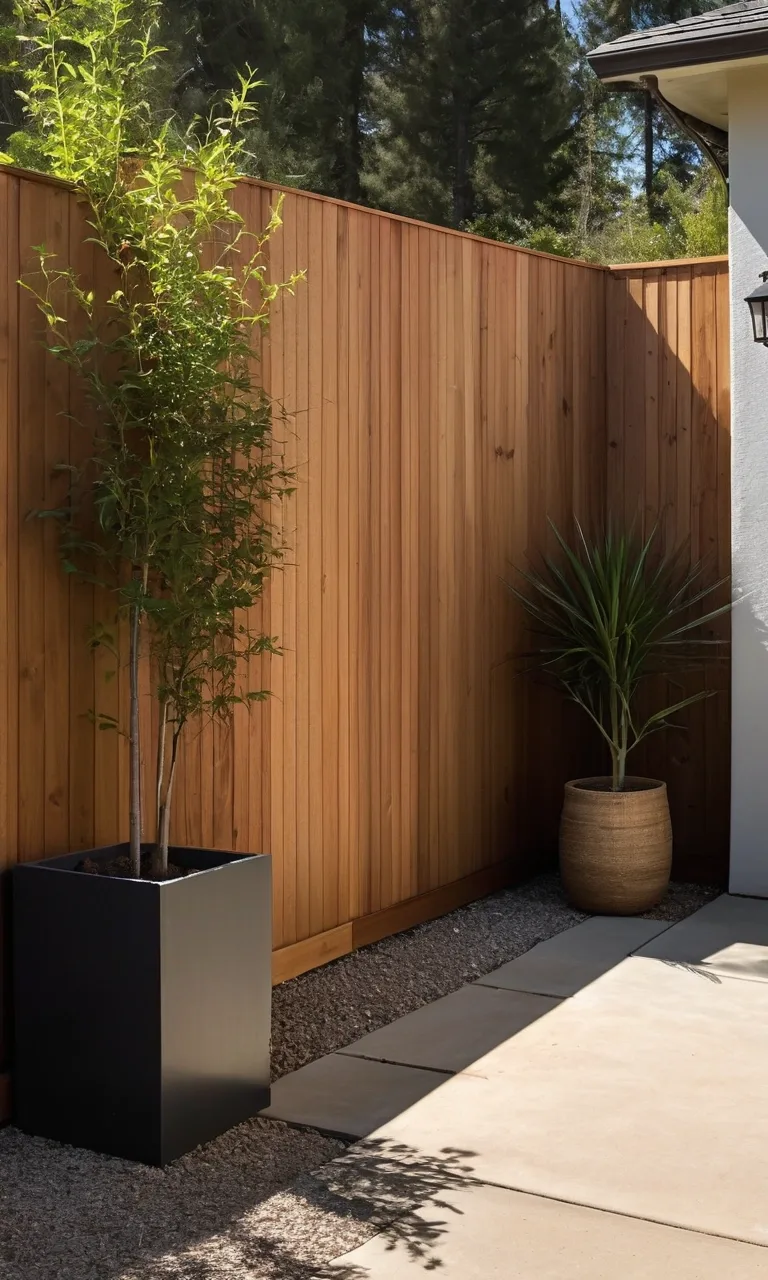
A comfortable backyard should feel like your own personal escape, whether you're enjoying your morning coffee, spending time with family, or relaxing after work. However, creating that privacy doesn't mean you need an expensive fence installation or a complete backyard renovation.
With affordable materials, practical designs, and a little creativity, you can build an attractive outdoor barrier that suits your space and budget. From wooden slat screens and decorative trellises to artificial greenery and modern metal panels, there are plenty of ways to make your yard feel more secluded.
These 27 DIY privacy fence ideas offer inspiration for different outdoor spaces, including patios, decks, gardens, and poolside areas. Each design combines visual appeal with practical features, helping you create a backyard that feels welcoming and comfortable.
1. Benefits of a DIY Privacy Fence
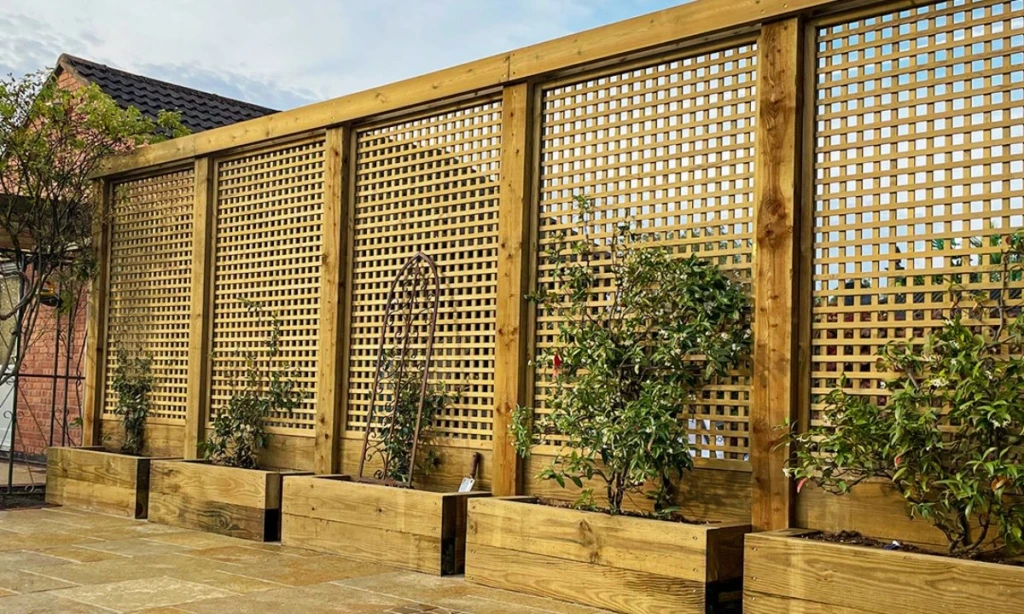
Building your own privacy fence gives you greater control over the appearance, materials, and overall cost of your outdoor project. Instead of paying for a complete professional installation, you can choose an affordable design and complete manageable sections yourself.
A DIY fence also allows you to customize the height, spacing, and finish to match your home's exterior. Wooden panels provide warmth, lattice screens support climbing plants, and metal designs can complement contemporary landscaping.
Another advantage is flexibility. You can install a small privacy screen around a seating area rather than enclosing the entire property. This approach reduces material expenses while providing privacy exactly where you need it.
Before starting, check local fencing regulations, property boundaries, underground utilities, and any required permits. Properly anchored posts and weather-resistant materials will help your project remain safe and attractive over time.
2. Minimalist Lounge Fence
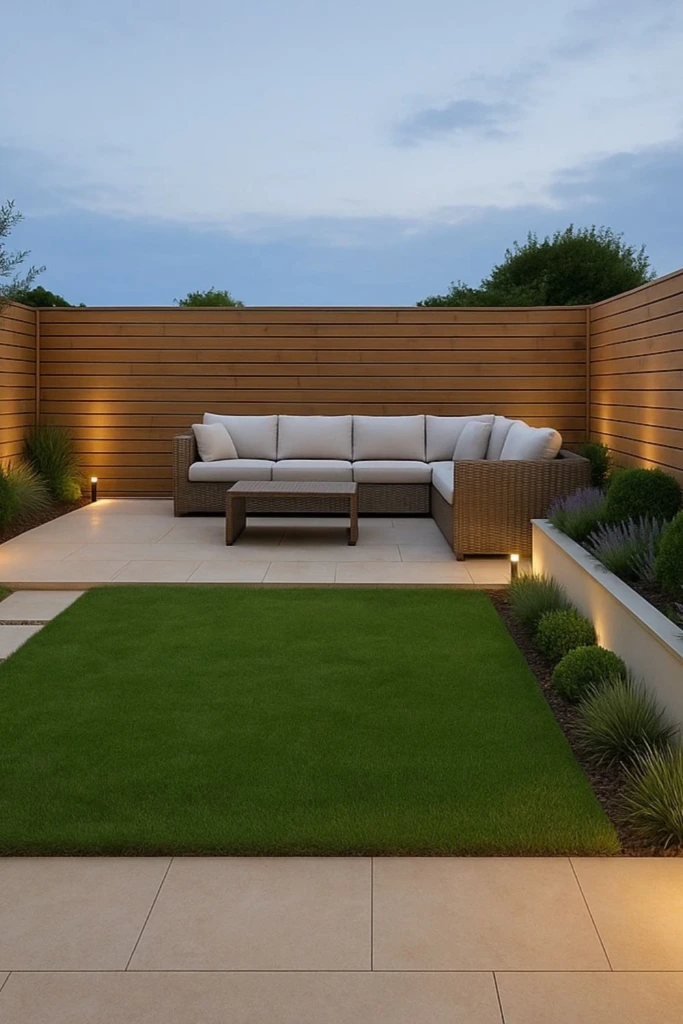
A minimalist wooden fence is an excellent choice for creating a private outdoor lounge without making the backyard feel crowded. Horizontal timber boards establish a streamlined appearance that complements modern furniture and simple landscaping.
For an economical build, consider pressure-treated lumber or locally available exterior-grade wood. Keeping the boards evenly spaced creates a consistent finish, while narrower gaps offer better screening.
Install outdoor-rated lighting along the fence to make the seating area inviting after sunset. A few potted plants, neutral cushions, and comfortable chairs can complete the setting without requiring expensive decorations.
3. Vertical Trellis Wall
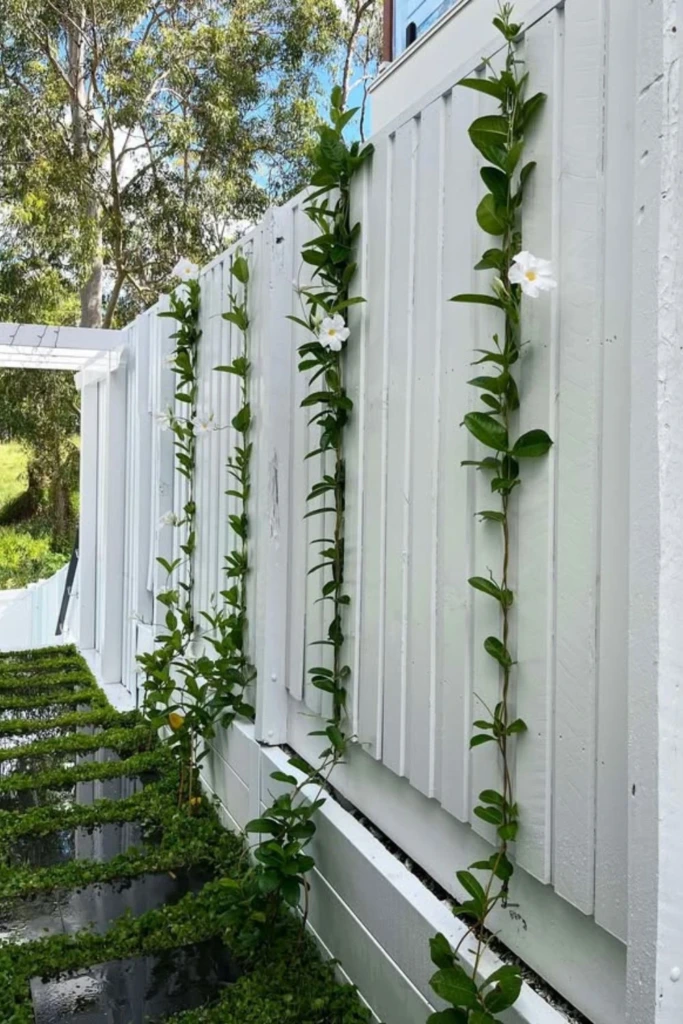
A vertical trellis wall offers an attractive way to introduce privacy while leaving room for flowers and climbing plants. Its open framework is especially useful in compact gardens where a solid fence might feel overwhelming.
Build the structure using wooden strips or purchase inexpensive prefabricated trellis panels. Painting the framework white can create a bright appearance that works beautifully with colorful flowers and green foliage.
Grow suitable climbing plants such as clematis, jasmine, or other noninvasive vines adapted to your climate. As they mature, the plants provide additional screening and make the fence feel like a natural extension of the garden.
4. Vinyl Lattice Top Fence
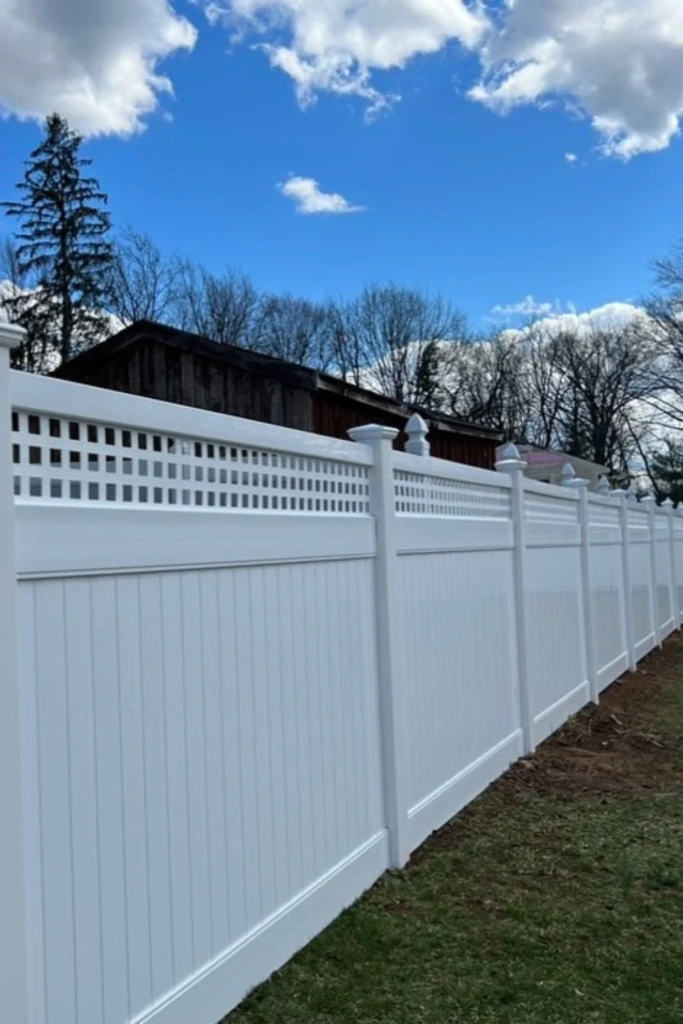
A vinyl fence with a decorative lattice top combines a solid privacy barrier with an attractive upper section. The lower panels block direct views, while the lattice introduces visual interest and allows some light through.
Although vinyl may cost more initially than basic timber, it generally requires less routine finishing. It does not need regular painting and can be cleaned using mild soap and water.
For a budget-conscious approach, install lattice extensions on a compatible existing vinyl fence instead of replacing the entire structure. Make sure the posts and connections can support the additional height and wind exposure.
5. Mixed Slat Contrast
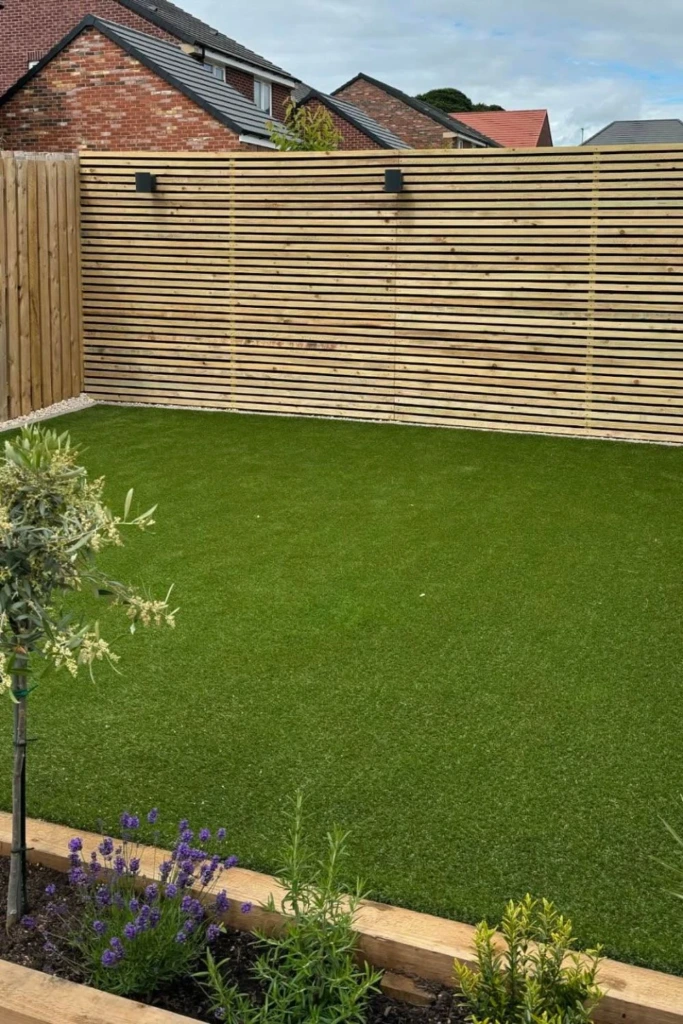
Combining horizontal and vertical wooden boards creates a distinctive privacy fence using straightforward materials. The different board directions add character without requiring elaborate woodworking techniques.
You might use vertical slats for the main boundary and horizontal boards around a patio corner. Keeping the same timber species or stain color helps the contrasting patterns look intentional.
This design works particularly well in smaller backyards because it introduces texture without relying on bulky decorations. Repeating standard board sizes also makes cutting and installation more economical.
6. White Pergola Screen
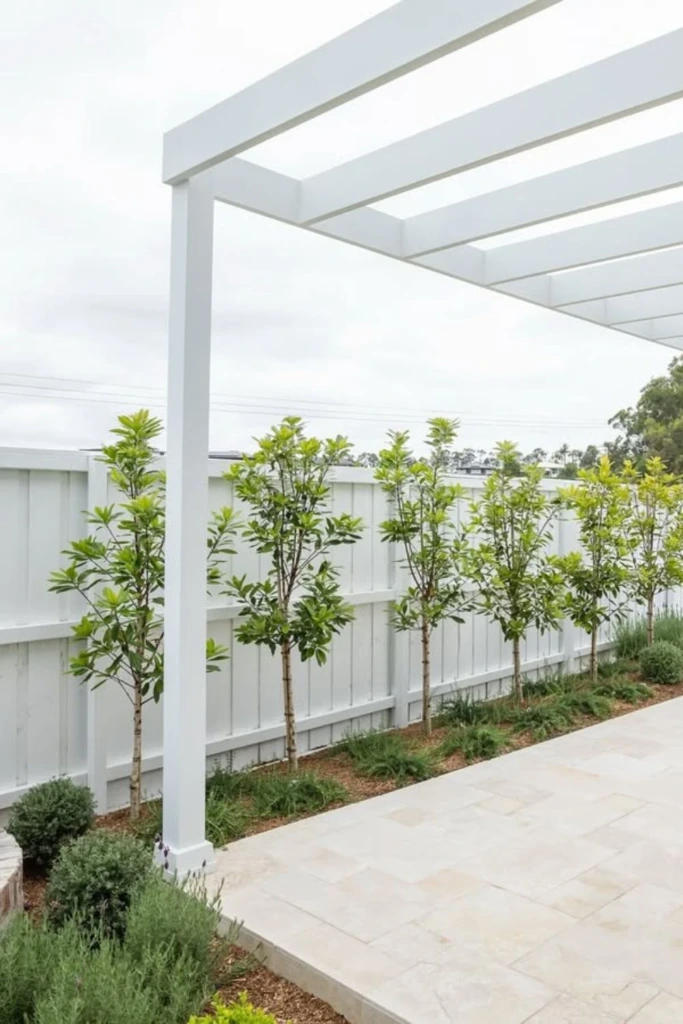
A white privacy screen installed beside a pergola can transform an ordinary patio into a relaxing outdoor retreat. The pale finish creates a fresh, airy appearance while helping the structure blend with light-colored outdoor furniture.
Use exterior-grade wooden boards to create a solid or partially open screen along the side facing neighboring properties. A weather-resistant white finish helps protect the material and maintain its appearance.
Plant ornamental grasses or compact shrubs near the base to soften the structure. If you already have a pergola, adding one strategically positioned screen can be much cheaper than constructing an entirely new fence.
7. Poolside Slat Fence
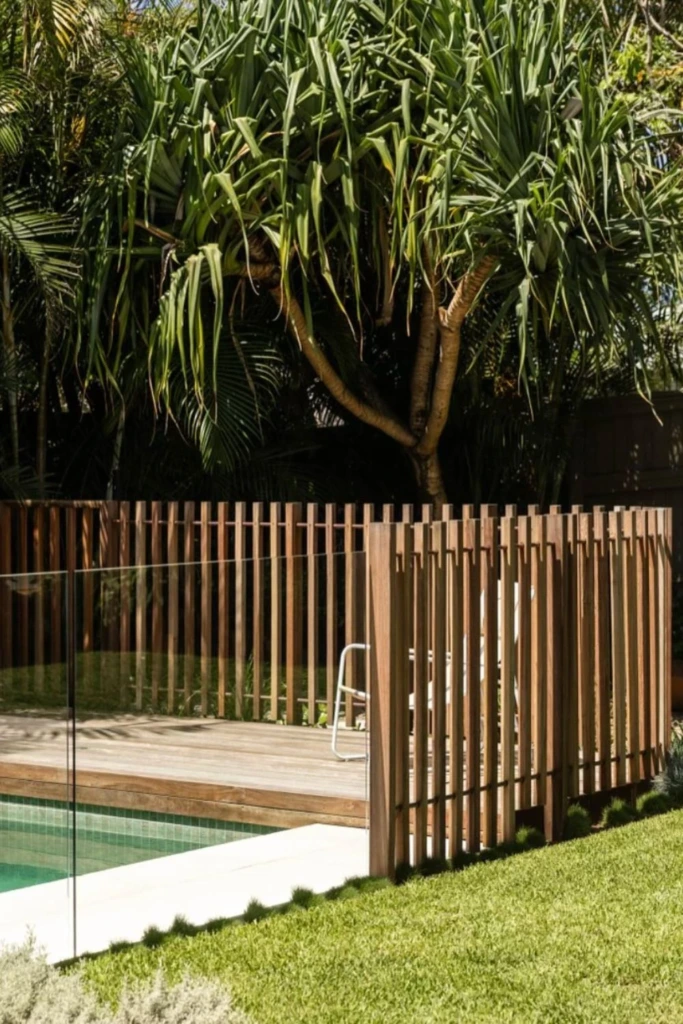
Vertical wooden slats can create an attractive backdrop around a swimming pool while complementing tropical or contemporary landscaping. Their simple shape makes them suitable for both large and compact pool areas.
Choose timber designed for outdoor exposure and use corrosion-resistant fasteners. A protective finish can help reduce moisture-related deterioration, particularly in areas exposed to frequent splashing.
You can surround the fence with large planters containing palms or other pool-friendly plants for a resort-inspired atmosphere.
Remember that decorative slat fencing is not automatically suitable as a required pool safety barrier. Pool enclosures must meet applicable height, gap, gate, and climb-resistance requirements.
8. Dual-Slat Deck Fence
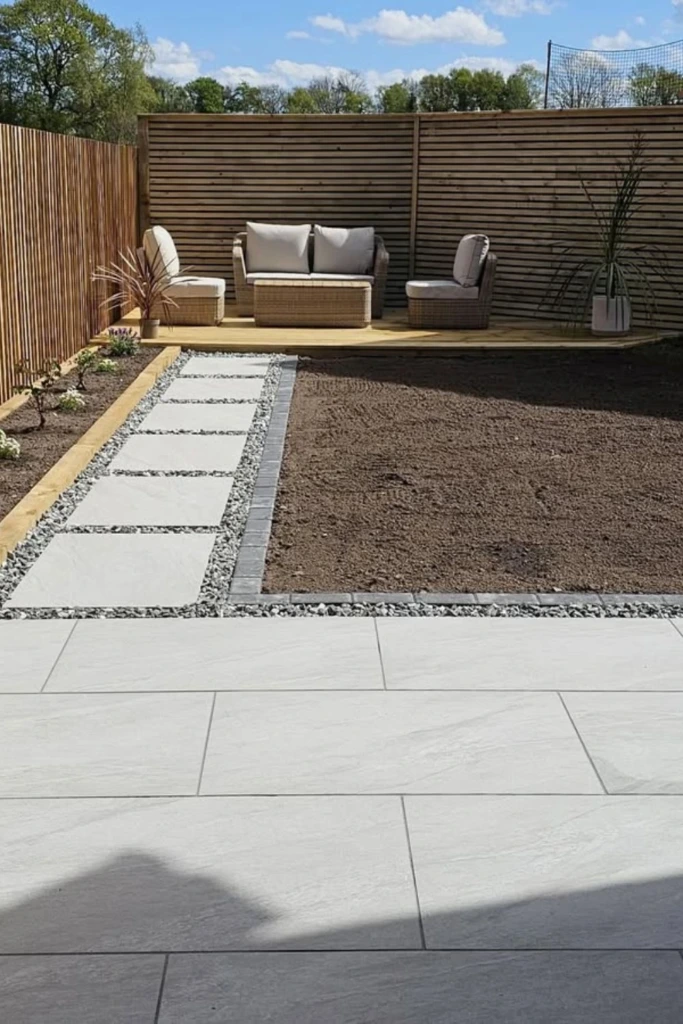
A dual-slat design creates visual separation around a deck by combining two different board orientations. Horizontal boards can define one side of the seating area, while vertical slats add variety along another.
This approach is useful when you want privacy without enclosing the deck with identical panels on every side. It also allows you to concentrate materials where neighboring windows or walkways overlook the space.
Use matching wood finishes to connect the two patterns visually. Before attaching screens to an elevated deck, verify that the framing and connections can safely resist wind loads.
9. Two-Tone Panel Fence
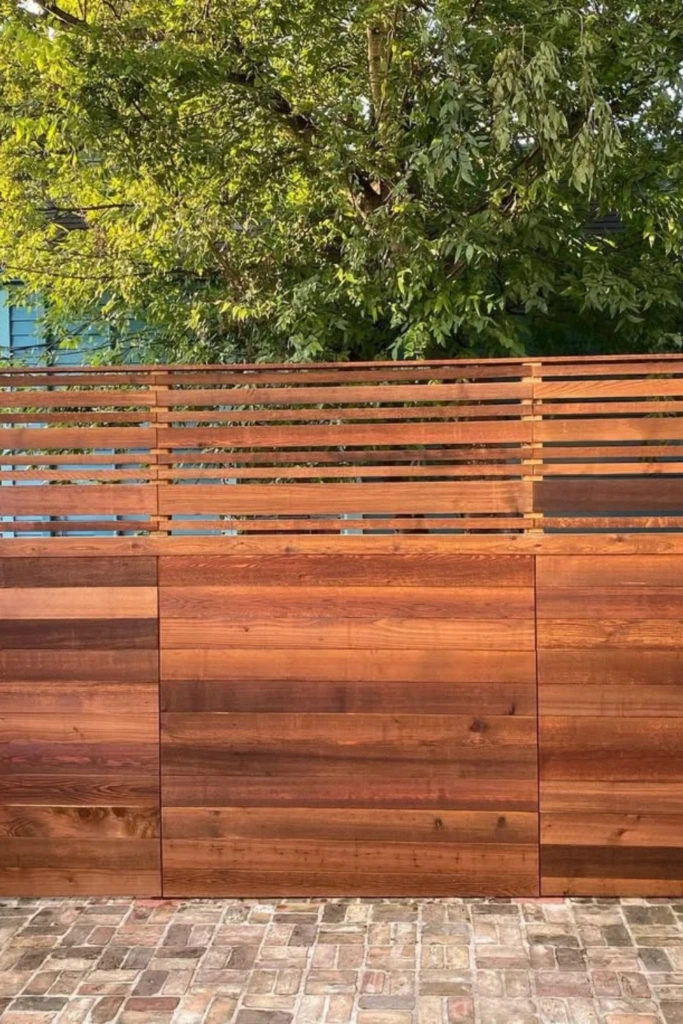
A two-tone panel fence adds depth to an outdoor boundary by combining contrasting finishes or board styles. Dark-stained lower panels paired with lighter upper slats can create a contemporary appearance.
Another option is to keep the main boards natural and paint the supporting frame charcoal gray or black. This simple contrast makes inexpensive lumber look more refined.
To control expenses, refresh an existing sound fence with a new stain and add a decorative upper section where permitted. Using exterior-rated finishes will help preserve the appearance through changing weather conditions.
10. Pergola Privacy Frame
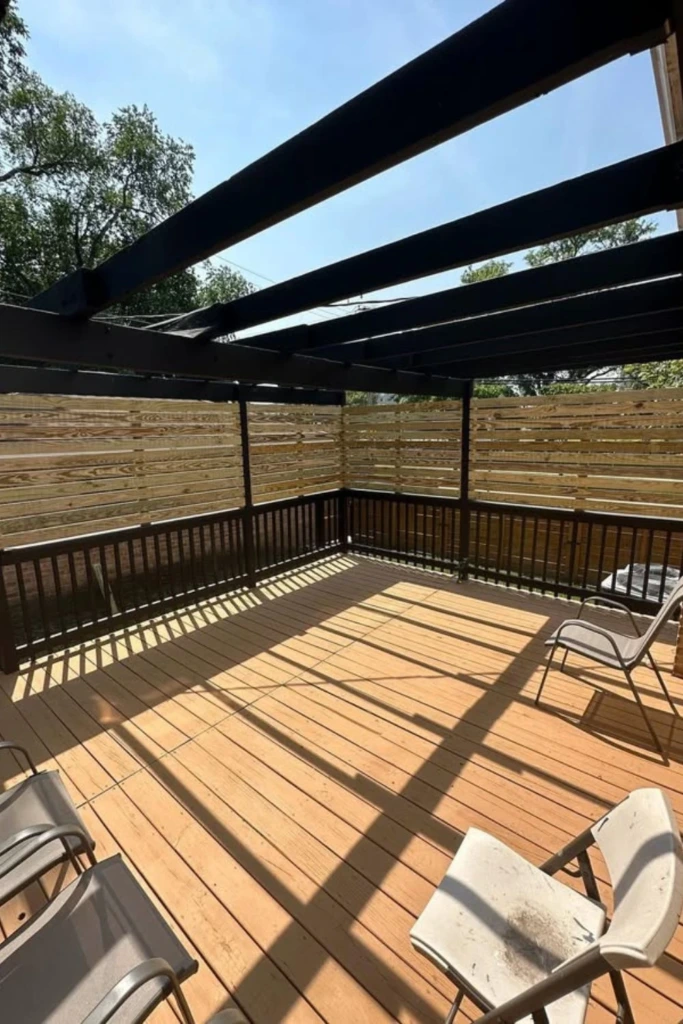
A pergola privacy frame combines overhead structure with a side screen to create a more defined outdoor living area. The combination works particularly well for dining spaces, outdoor sofas, and small garden lounges.
A dark-painted frame paired with natural timber slats creates an appealing contrast. You can adjust the spacing between boards depending on how much screening you need.
For an affordable upgrade, add a slatted panel to an existing pergola rather than constructing everything from scratch. Ensure the pergola is designed to support the screen and the extra wind pressure it creates.
11. Classic White Picket
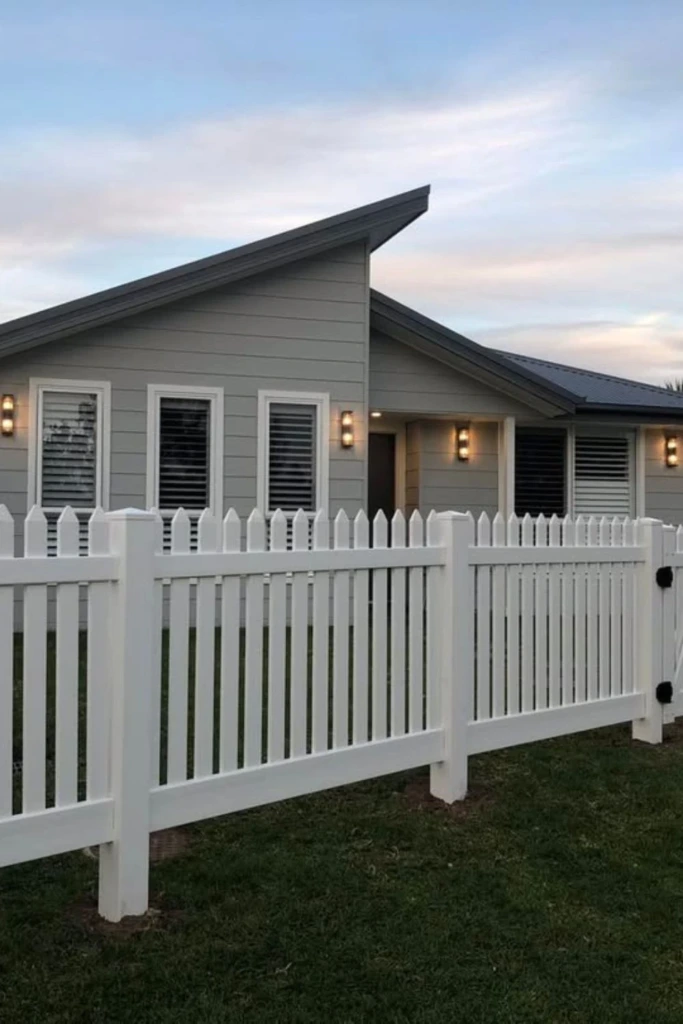
A traditional white picket fence brings a welcoming, cottage-inspired appearance to front gardens and landscaped pathways. Its simple construction makes it a manageable DIY project for homeowners comfortable with basic measuring and cutting.
You can build the fence using standard wooden pickets, horizontal rails, and properly installed posts. A durable exterior paint provides the familiar white finish.
Because picket fences usually have visible gaps, they are better for defining boundaries than creating complete privacy. Taller pickets, closer spacing where allowed, and nearby shrubs can provide additional screening while maintaining the classic look.
12. Lattice Privacy Screen
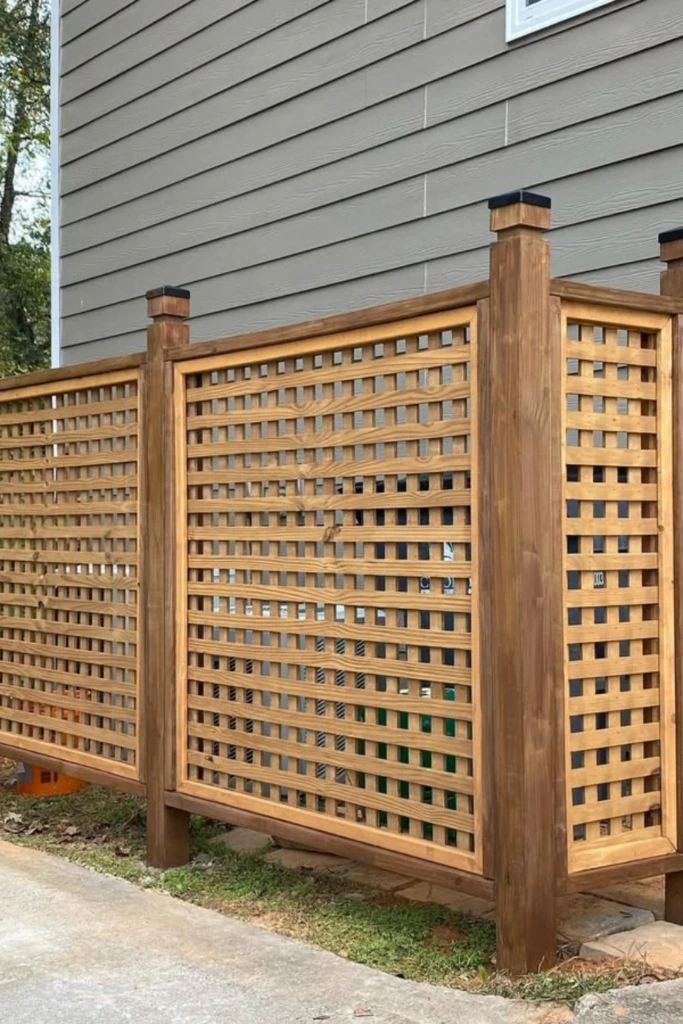
Wooden lattice panels are an affordable solution for dividing outdoor areas without constructing a heavy, continuous fence. They work well beside patios, around garden seating, or in front of utility equipment.
Build a simple rectangular frame and secure a lattice sheet inside it. Several matching sections can form a longer screen, while a single panel can conceal a specific area.
For additional privacy, choose lattice with smaller openings or encourage climbing plants to grow across it. Leave enough clearance around equipment that requires ventilation or maintenance access.
13. Brick and Slat Combo
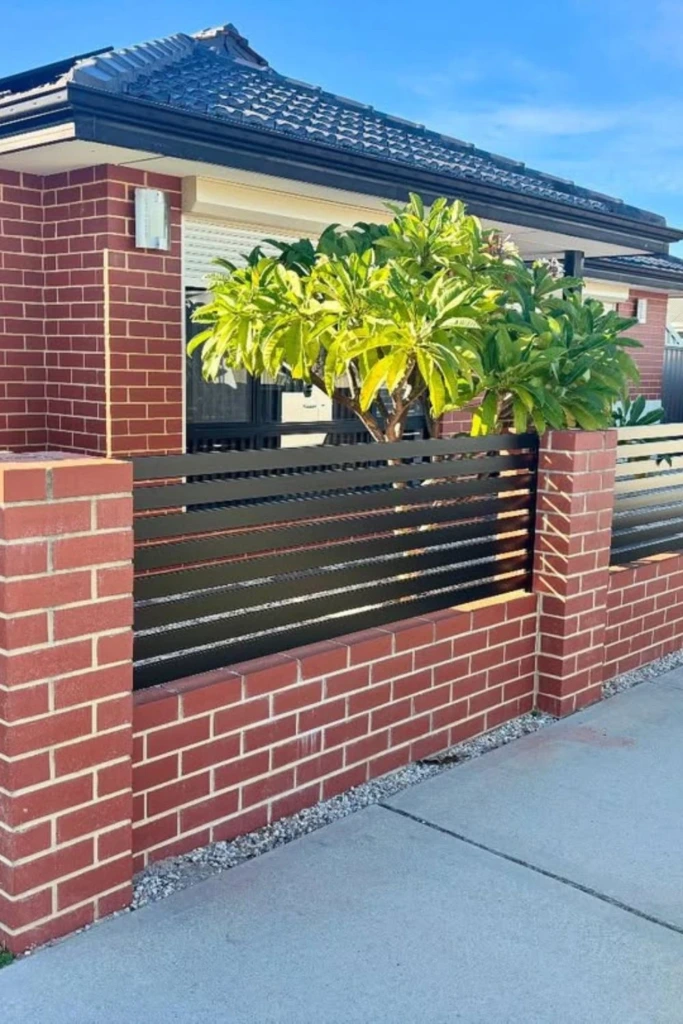
Combining brick supports with wooden slats creates a fence that feels substantial while retaining a contemporary appearance. The masonry adds texture, and the timber introduces a warmer, softer element.
If your property already has structurally sound brick pillars, installing wooden infill panels between them may be an economical improvement. Dark-stained slats can contrast beautifully with traditional red or brown brick.
New masonry columns require appropriate foundations and structural detailing, so they may not be the cheapest DIY option. Reusing existing supports is often the more practical way to achieve this design on a limited budget.
14. Faux Greenery Panels
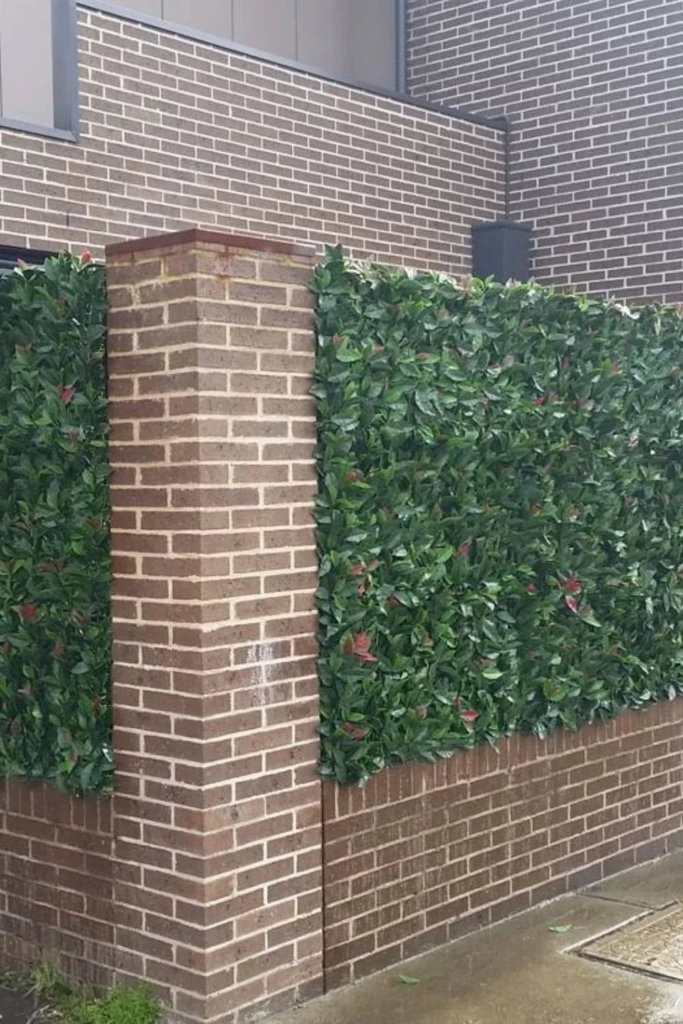
Artificial greenery panels provide immediate screening for outdoor walls, balconies, and small patios. They are particularly helpful when natural plants would struggle because of limited soil space or insufficient sunlight.
Attach outdoor-rated faux foliage panels to a secure framework using suitable clips or fasteners. Dense panels can conceal unattractive surfaces and create a garden-like background without waiting for plants to grow.
Look for products designed to resist UV exposure and outdoor weather. Keep in mind that artificial foliage can fade or become brittle over time, and local fire-safety rules may restrict its use in certain locations.
15. Modern Pool Rods
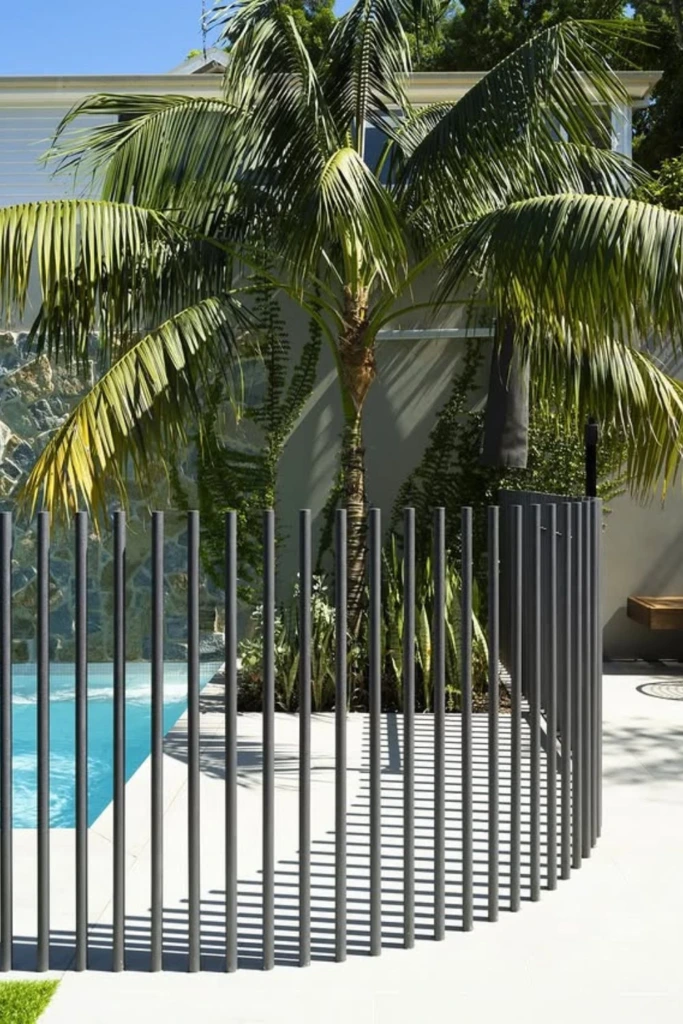
A fence made from slim vertical metal rods can give a pool area a clean architectural appearance. Powder-coated steel or aluminum works especially well with concrete paving, modern landscaping, and simple outdoor furniture.
Prefabricated metal sections can reduce installation time and eliminate the need for custom welding. Dark finishes provide a particularly striking contrast against light paving and green plants.
However, widely spaced rods offer limited visual privacy. They are better suited to boundary definition unless combined with an approved screening solution.
For swimming pools, select a system that satisfies local safety-barrier regulations rather than relying on appearance alone.
16. Vinyl With Lattice
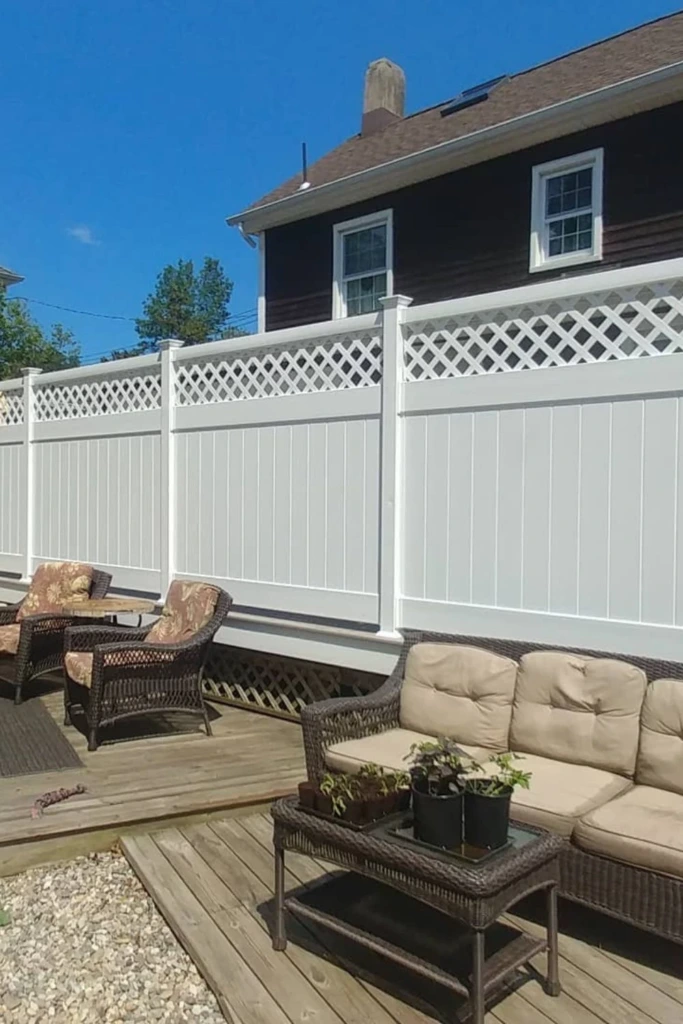
A solid vinyl privacy fence finished with an upper lattice section is a practical option for homeowners who prefer a neat appearance and minimal maintenance.
The solid portion can screen outdoor seating areas from neighboring views, while the lattice detail keeps the top from looking overly plain. White and neutral-colored panels work with many exterior styles.
To save money, compare modular fence systems that include compatible posts, rails, and lattice components. Installing standardized sections can be simpler than creating a fully customized structure.
Check the manufacturer's installation instructions, particularly for post depth, reinforcement, and wind resistance.
17. Garden Trellis Wall
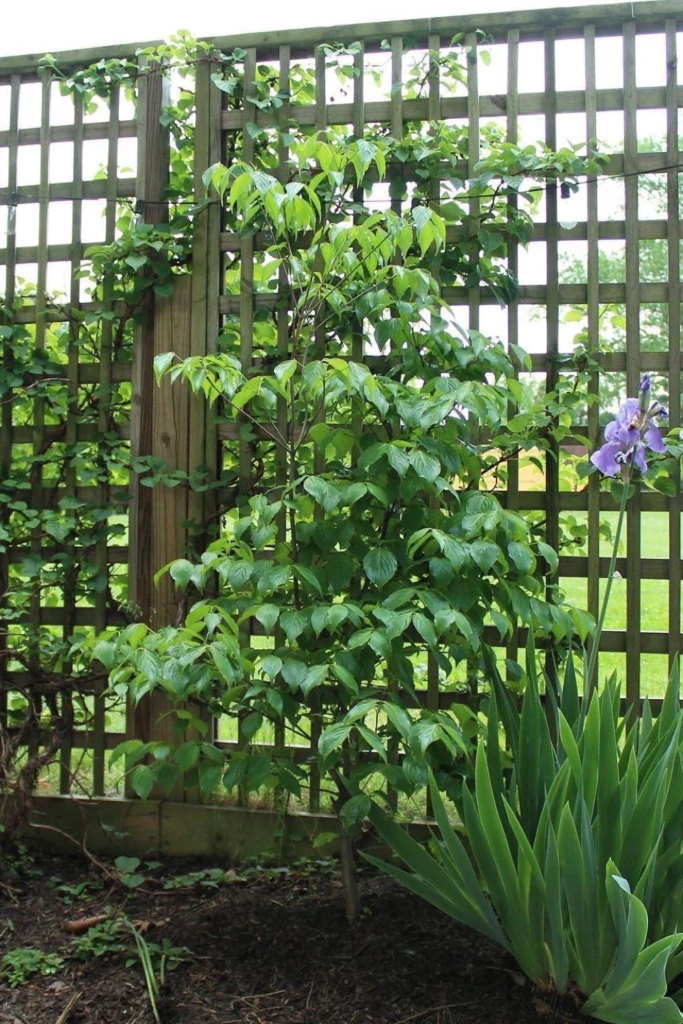
A garden trellis wall creates a gentle separation between different outdoor spaces while supporting climbing plants. It can frame a vegetable garden, surround a small bench, or divide a patio from a lawn.
Use affordable timber battens to construct a grid pattern, or mount a ready-made trellis panel between sturdy posts. The open design allows sunlight to reach nearby plants.
Fast-growing vines can gradually increase privacy, although coverage depends on the species and season. Select plants suited to your local growing conditions and provide enough support for their mature weight.
18. Concrete Breeze Wall
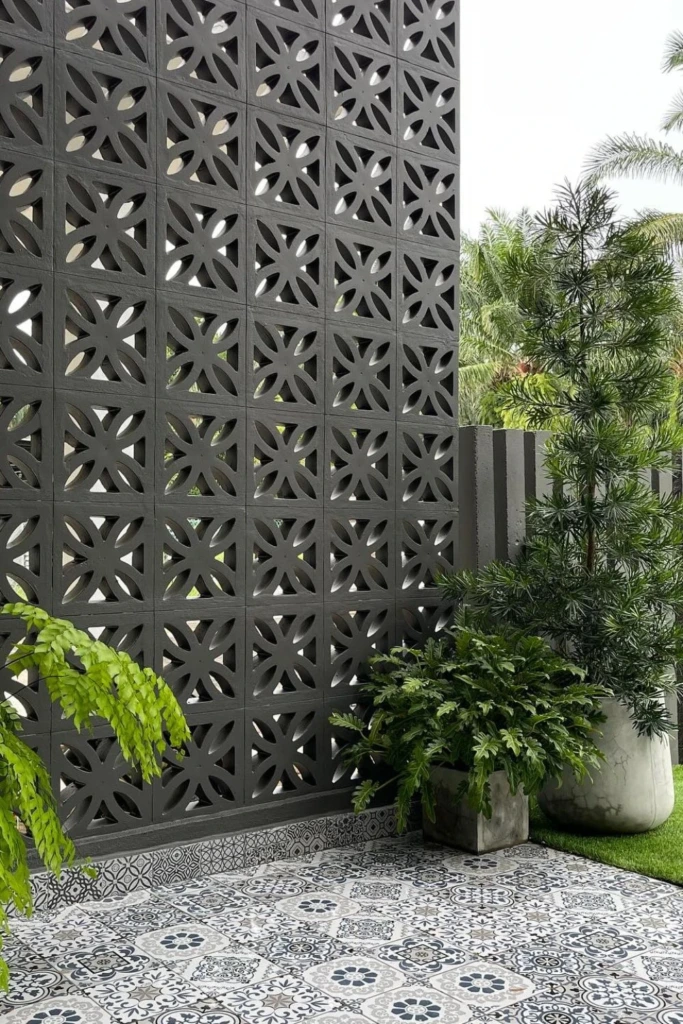
Concrete breeze blocks feature decorative openings that create interesting patterns of light and shadow. They can make a courtyard or patio feel more private without completely blocking ventilation.
Choose a simple geometric block pattern and repeat it consistently for a cohesive appearance. Natural concrete tones pair well with timber furniture, gravel, and leafy plants.
Breeze blocks can be cost-effective when sourced locally, but the wall must be properly supported and reinforced as required. Because masonry structures are heavy, professional guidance may be necessary for foundations and structural stability.
For a smaller DIY project, consider a short decorative screen rather than a tall freestanding wall.
19. Artificial Hedge Wall
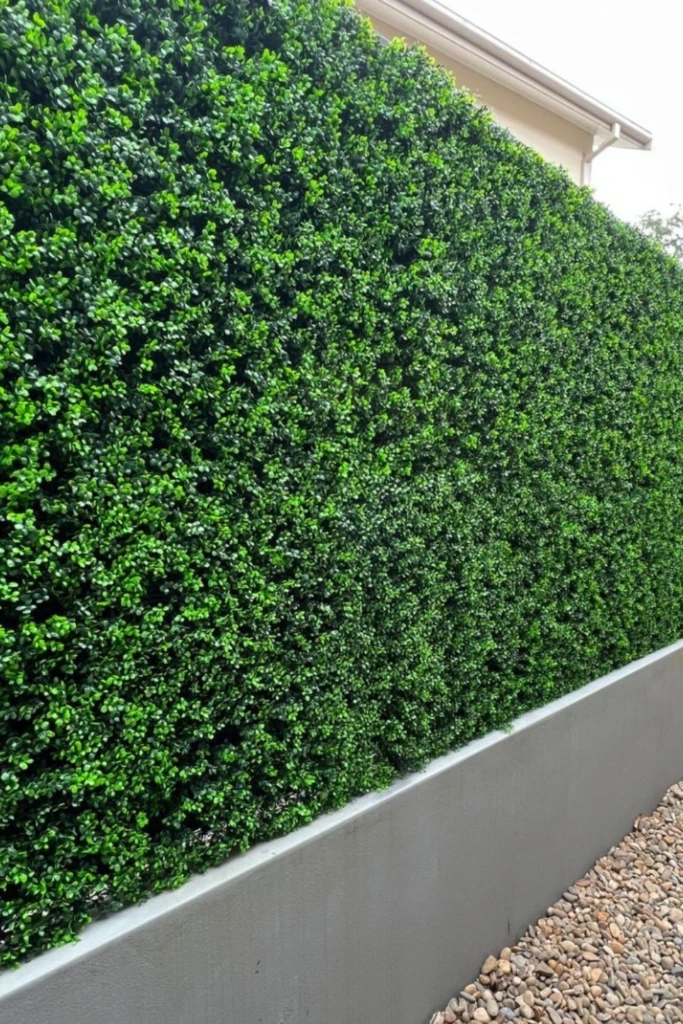
An artificial hedge wall creates the appearance of dense greenery in places where growing a natural hedge is impractical. It is a popular option for narrow patios, enclosed courtyards, and urban gardens.
Faux boxwood panels can be mounted onto a suitable existing wall or sturdy frame. Their uniform texture creates a tidy background for outdoor furniture and decorative lighting.
Unlike living hedges, artificial panels do not need watering, fertilizing, or pruning. However, occasional cleaning helps remove dust and debris.
Choose weather-resistant materials and secure every section carefully, especially in windy locations.
20. Cedar Trellis Line
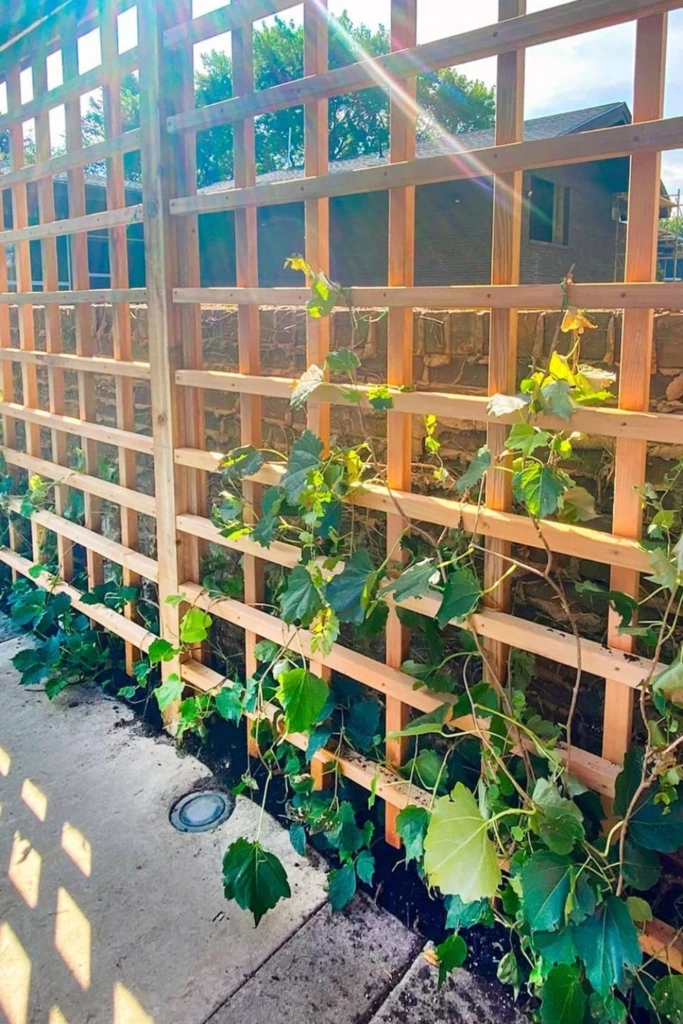
A row of cedar trellis panels provides an attractive garden boundary with a natural finish. Cedar is valued for its outdoor durability and warm coloring, although its price varies by region.
Install matching trellis sections between properly spaced posts to create a continuous garden feature. You can leave the wood unfinished to weather naturally or apply a suitable exterior stain.
Climbing roses, honeysuckle, and other locally appropriate vines can eventually provide additional coverage. Avoid aggressive species that may overwhelm the structure.
If cedar is expensive in your area, compare other outdoor-suitable woods to keep the project within budget.
21. Hanging Garden Fence
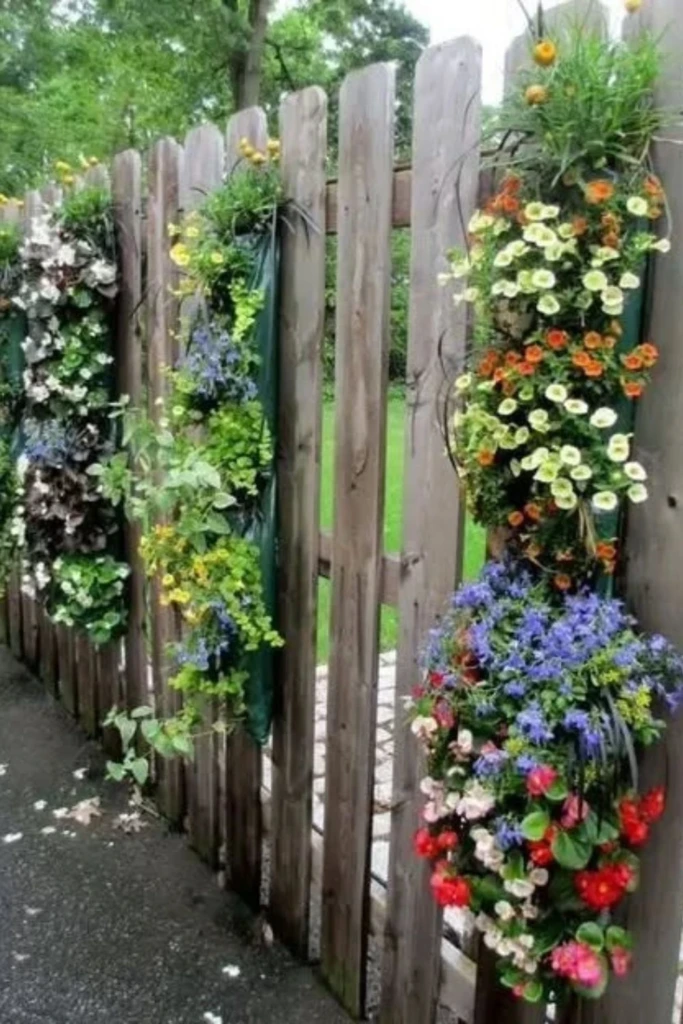
A hanging garden fence turns an ordinary wooden boundary into a colorful display of plants. It is an especially useful idea when you already have a sturdy fence but want to improve its appearance without rebuilding it.
Install planter brackets or hooks designed for outdoor use, then add lightweight pots filled with herbs, flowers, or trailing greenery.
Arrange the containers at different heights for a relaxed appearance, or keep them in straight rows for a more organized look. Consider using recycled containers with proper drainage to reduce expenses.
Check the fence's load capacity before adding heavy planters, particularly because wet soil can significantly increase their weight.
22. Wire and Wood Mix
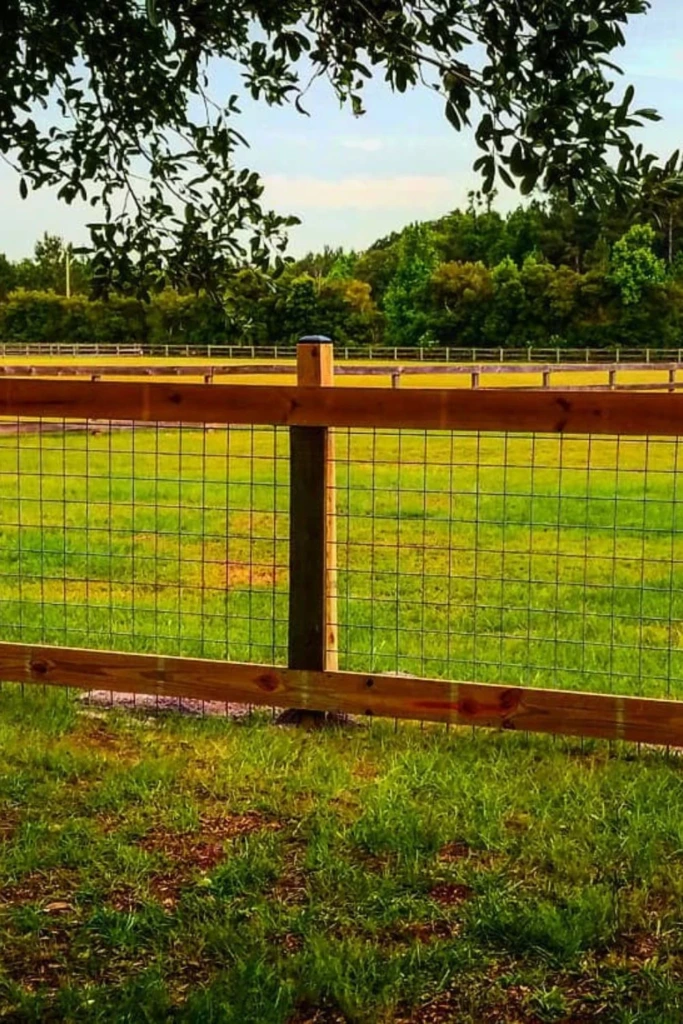
A wire-and-wood fence offers a rustic, practical boundary that works well in larger gardens and countryside settings. Timber posts and rails provide the framework, while welded wire mesh fills the openings.
This combination is often more affordable than a fully enclosed wooden fence, especially when covering a long distance. It also allows sunlight and views to pass through.
For improved privacy, you can add climbing plants or install a separate screen along selected sections.
Choose an appropriate mesh size and securely finished edges if children or pets use the area. Keep in mind that this design primarily provides containment and boundary definition rather than full visual screening.
23. Laser-Cut Panels
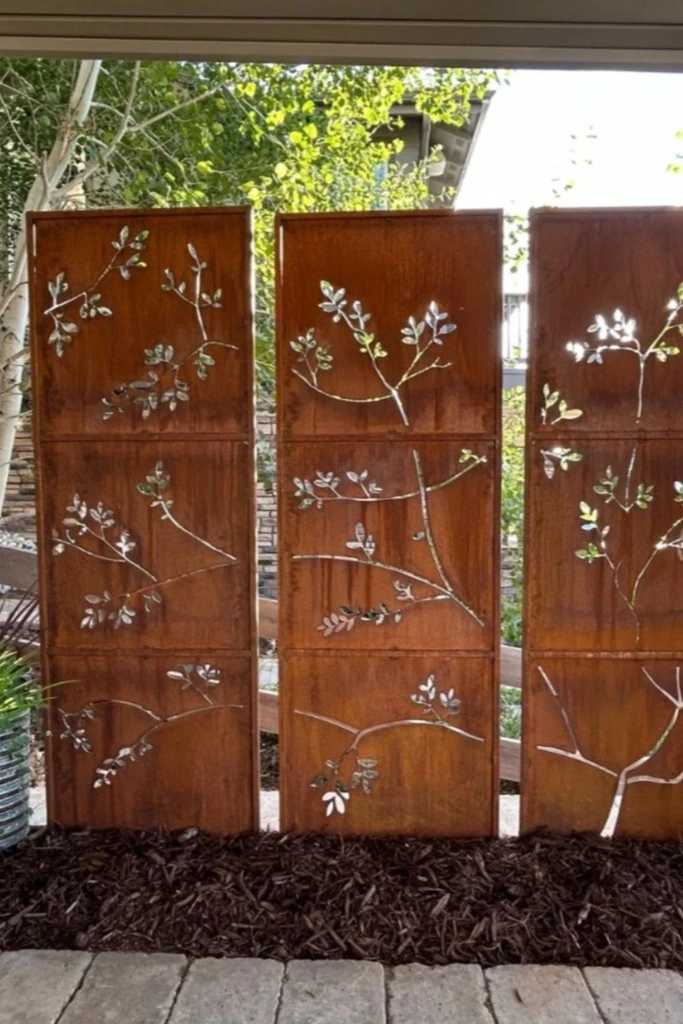
Decorative laser-cut metal panels bring artistic detail to patios, entryways, and garden seating areas. Patterns featuring leaves, branches, or geometric shapes can create a striking focal point.
Instead of covering an entire property with decorative metal, install one or two panels where privacy is most important. This approach can provide a distinctive feature while keeping material costs manageable.
Ready-made panels are often more economical than custom fabrication. Choose a finish suitable for outdoor conditions and secure the panels to posts or frames designed for their weight and wind exposure.
24. Night-Lit Slats
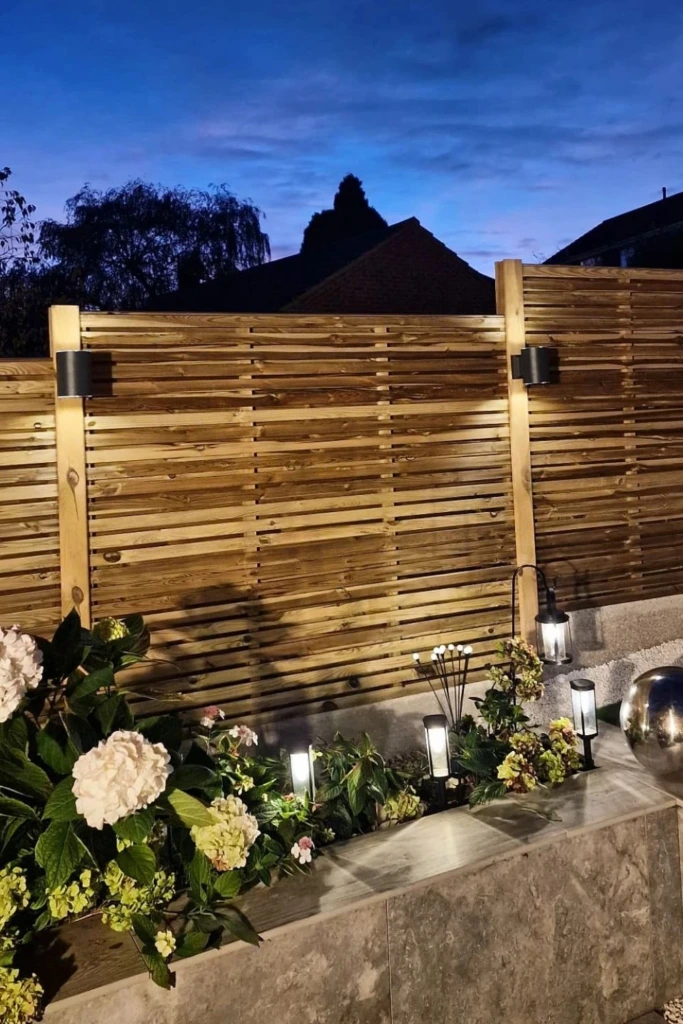
Adding lighting to a wooden slat fence can make a backyard feel more inviting during the evening. The combination of timber texture and gentle illumination works particularly well behind dining tables, benches, and lounge furniture.
Solar-powered fence lights offer an affordable option because they generally do not require electrical wiring. Position them where they receive sufficient daylight for charging.
Warm-white lights can create a relaxed atmosphere, while carefully placed downward-facing fixtures help illuminate pathways.
For a balanced appearance, space the lights consistently and avoid excessively bright fixtures that shine into neighboring properties.
25. Curved Brickwork Wall
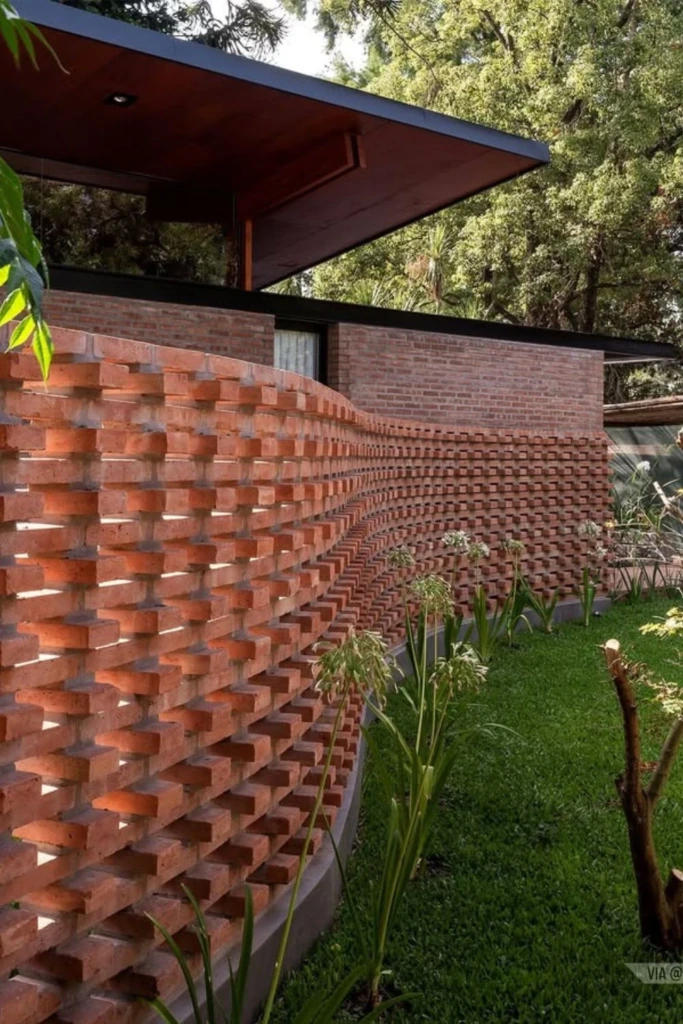
A curved brickwork wall introduces movement and texture into an outdoor boundary. Rather than following a completely straight line, the masonry forms a flowing shape that can complement garden beds and landscaped courtyards.
You can use traditional clay bricks to create a gently curved screen, with carefully designed openings where ventilation is desired.
Although standard bricks may be affordable, curved construction requires accurate layout and skilled masonry work. The foundation and wall reinforcement must be suitable for the design.
For budget-conscious homeowners, a small curved feature wall may be more realistic than a full-length brick enclosure.
26. Geometric Brick Screen
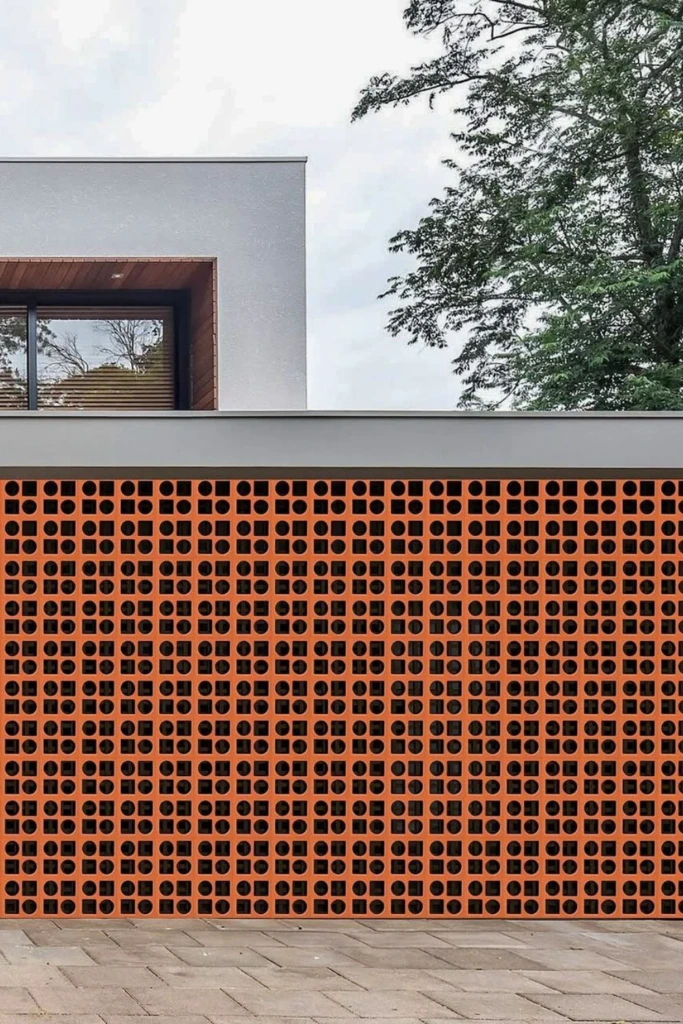
A geometric brick screen creates an eye-catching boundary using repeated decorative openings. The patterned surface adds character while allowing light and air to move through the structure.
Terracotta-colored bricks work beautifully with Mediterranean-inspired patios, tropical gardens, and contemporary outdoor spaces.
A compact screen beside a seating area can be more economical than installing decorative masonry around the entire yard. Pair it with simple plants and natural paving to let the brick pattern stand out.
Because the openings reduce visual coverage, position the screen carefully if privacy is your main goal. Use a structurally appropriate design and obtain professional assistance where required.
27. Steel Cable Fence
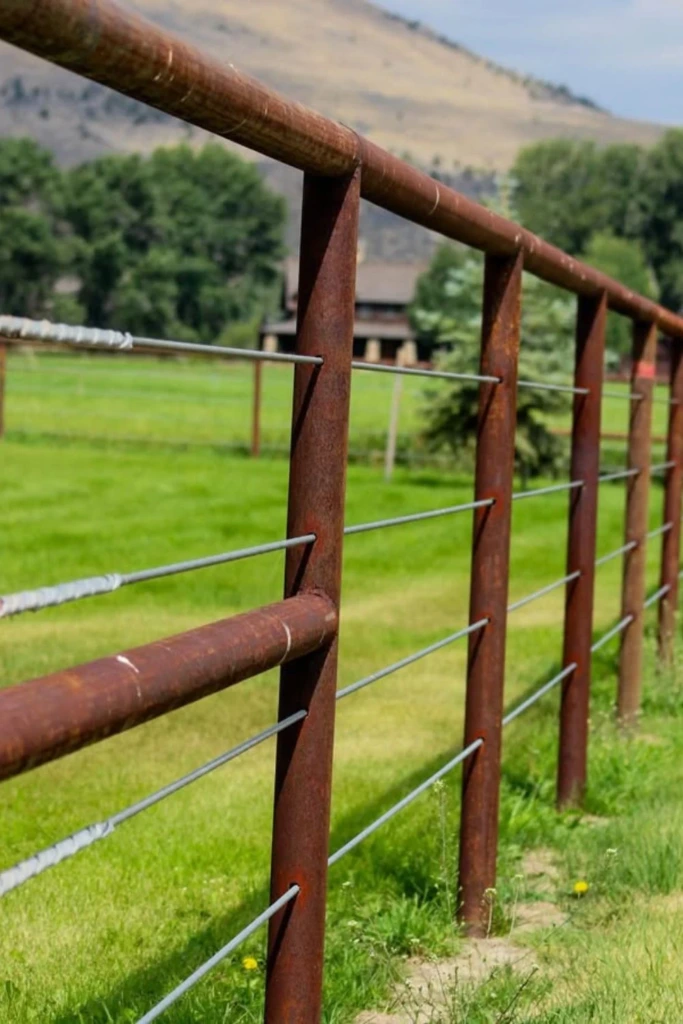
A steel cable fence provides a minimalist boundary that preserves open views. Horizontal cables stretched between sturdy posts create a streamlined appearance suited to modern homes, decks, and spacious properties.
The design can be relatively economical when compatible posts and cable hardware are already available. Stainless steel cables and properly rated fittings are useful for long-term outdoor exposure.
However, cable fences do not provide meaningful visual privacy on their own. They are primarily useful for defining an area while maintaining visibility.
If installing one around a raised deck, follow applicable guardrail requirements. Cable spacing, tension, post strength, and overall height are important safety considerations.
28. Shielded Metal Gate
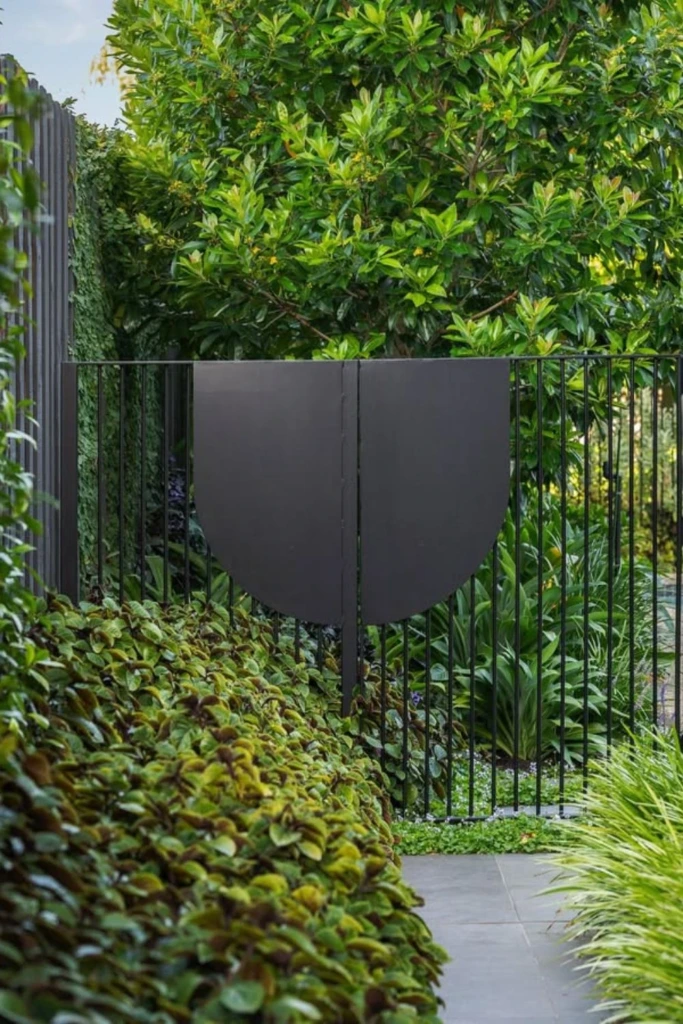
A shielded metal gate offers a stylish way to create a more secluded entrance to a garden, courtyard, or side passage. Combining a solid center panel with decorative metal bars provides visual screening without making the entrance appear overly heavy.
A black powder-coated finish can complement modern fencing, brick walls, and natural stone pathways.
For an affordable DIY upgrade, consider fitting a compatible solid privacy panel to an existing metal gate instead of replacing the entire assembly.
Use weather-resistant hardware, strong hinges, and a suitable latch. Make sure any added panels do not overload the gate frame or interfere with safe operation.
A carefully chosen gate design can improve the appearance of your outdoor entrance while providing privacy where it matters most.