28 Board Games Printable for 2026
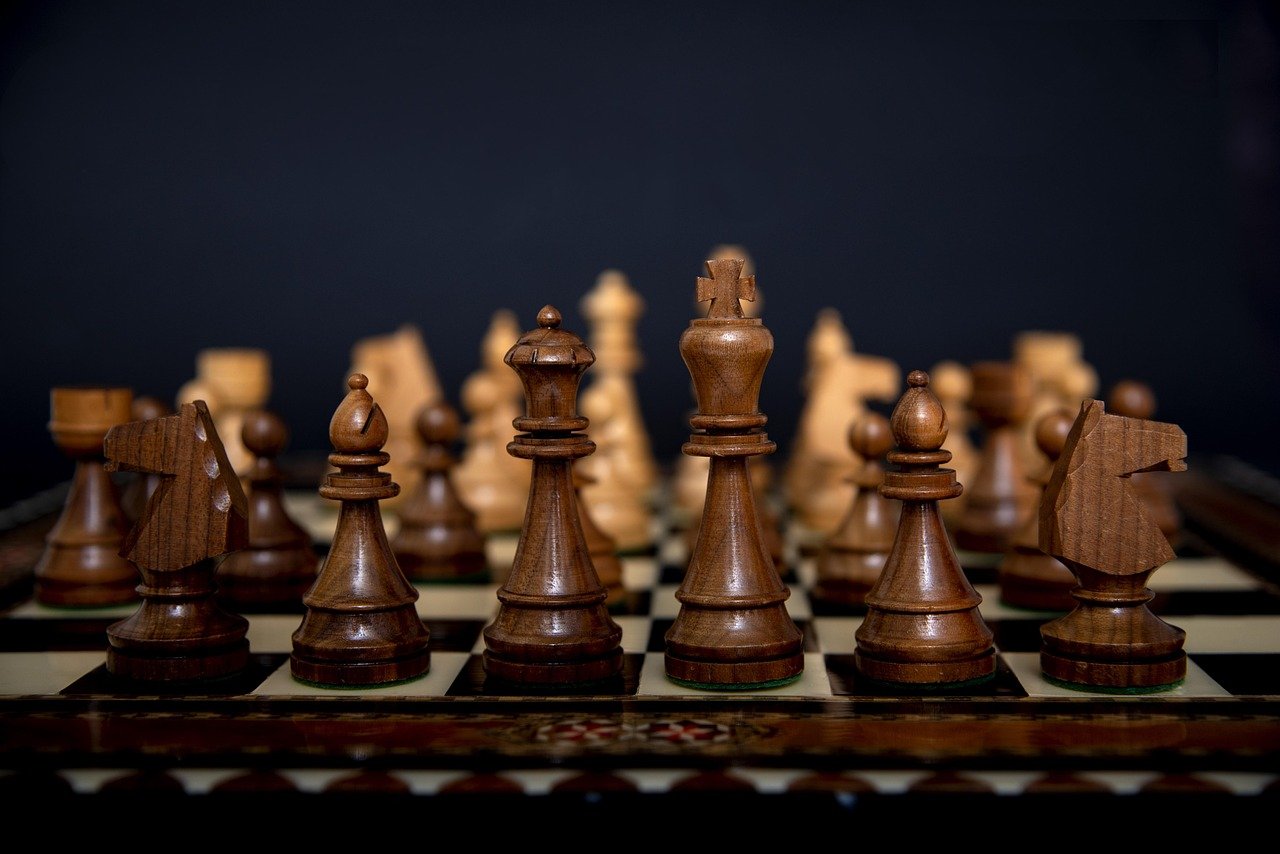
Printable board games offer an affordable and entertaining way to bring learning, creativity, and friendly competition into everyday activities. Whether you're planning a classroom lesson, organizing a family game night, or looking for screen-free entertainment, printable games provide plenty of options without requiring expensive supplies.
From colorful counting challenges and geography activities to vocabulary games and imaginative adventures, these 28 board games printable ideas for 2026 can help children and adults practice useful skills while having fun. Most require only a printer, paper, and a few everyday materials to get started.
28 Board Games Printable
Printable games are especially convenient because they can be adapted to different ages, learning abilities, and group sizes. Some encourage teamwork and communication, while others focus on memory, mathematics, language, or problem-solving. Explore these creative ideas to find activities that suit your next gathering, homeschool session, or classroom celebration.
1. Rain & Rainbow Board Game
A Rain & Rainbow Board Game introduces young children to weather concepts through a colorful, easy-to-follow activity. Players move along a pathway featuring clouds, raindrops, sunshine, and rainbows, completing simple challenges as they progress.
Create a printable board with weather-themed spaces and use a die to determine movement. Special spaces can ask players to identify weather symbols, name rainbow colors, or move forward when the sun appears.
This game works particularly well for preschoolers and kindergarten students developing counting, color recognition, and turn-taking skills. Laminating the board makes it suitable for repeated use during weather-themed lessons.
2. Sea Animals Matching Game
An underwater matching game transforms ocean exploration into an enjoyable memory-building activity. Printable cards featuring dolphins, turtles, octopuses, sharks, and other marine creatures encourage children to recognize animals and remember their locations.
Print two copies of each animal illustration, cut them into cards, and arrange them face down. Players take turns revealing two cards, keeping matching pairs and returning unmatched cards to their original positions.
For an educational variation, match animal pictures with their names or interesting facts instead of identical images. This activity strengthens visual memory, concentration, and early science vocabulary while introducing children to marine life.
3. Countries & Capitals Bingo
Countries & Capitals Bingo makes geography practice more interactive by turning memorization into a lively group competition. Instead of traditional numbers, printable bingo cards display country names or capital cities.
The caller announces a country, and players identify its capital on their cards. For example, hearing Japan would prompt players to locate Tokyo. The first participant to complete the required row, column, or pattern wins.
Adjust the difficulty by focusing on one continent or including countries from around the world. Providing a reference sheet helps beginners participate confidently, while advanced learners can play without additional clues.
4. Guess the Picture Book by the First Line
This literary guessing game encourages children to recognize familiar picture books through their opening sentences. It is an engaging activity for reading celebrations, library events, and classroom literacy lessons.
Prepare printable cards containing short opening lines from selected books, using appropriately licensed excerpts or text you have permission to reproduce. Players listen to or read each clue and identify the correct book title.
You can include multiple-choice answers for younger children or challenge experienced readers to respond without hints. Award bonus points when participants remember the author or describe a character.
The game promotes reading comprehension, literary recall, and enthusiasm for exploring new stories.
5. USA States, Capitals, and Flags
Learning American geography becomes more enjoyable with a printable game focused on states, capitals, and flags. Players match state names with their capital cities and corresponding state flag designs.
Design a board featuring different regions of the United States and create question cards for each location. Correct answers allow players to advance or collect points.
For example, a card might ask players to identify California's capital or recognize Texas from its flag. Younger learners can use a labeled map, while older students can complete the challenges independently.
This activity supports geographic knowledge, visual recognition, and memory while making social studies lessons more engaging.
6. Canada: Provinces, Capitals, and Flags
A Canada-themed geography game helps students become familiar with the country's ten provinces, three territories, their capitals, and their distinctive flags.
Create printable matching cards featuring provincial and territorial names, capitals, and flag illustrations. Participants can race to form accurate sets or travel across a map-based board by answering geography questions.
Include locations such as Ontario and Toronto, Alberta and Edmonton, and Nova Scotia and Halifax. Adding the territories makes the activity more comprehensive.
The game can also introduce discussions about Canada's regional landscapes, languages, and cultural diversity. It is a useful resource for geography lessons and Canadian-themed educational activities.
7. No Thank You, Evil!

No Thank You, Evil! is an imaginative storytelling game that invites children to create characters, explore fantasy settings, and solve unusual problems together.
For a printable companion activity, prepare character sheets, adventure maps, simple inventory cards, and storytelling prompts inspired by the idea of collaborative adventures. Use original artwork and scenarios rather than reproducing copyrighted game materials.
Children can choose a character, roll dice to resolve challenges, and work together to complete a fictional mission. An adult or older player can guide the story and adapt situations to the group's age.
This type of activity encourages creativity, cooperation, decision-making, and expressive communication.
8. How Am I Feeling? Charade Game
An emotion-themed charades game helps children understand feelings and recognize how emotions appear through facial expressions and body language.
Create printable cards displaying emotions such as excitement, frustration, sadness, surprise, nervousness, and happiness. One player selects a card and acts out the emotion without speaking while the others guess.
After each round, invite participants to discuss situations that might cause the feeling and healthy ways to respond.
This activity works well in classrooms, counseling sessions, and family settings. It encourages empathy, emotional awareness, and communication without requiring complicated equipment.
9. Taboo
A printable version of the word-description game Taboo challenges players to explain a target word without using a list of restricted clues.
Create original cards with one main word and several related words that cannot be spoken. For example, a card featuring "beach" might prohibit "sand," "ocean," "waves," and "summer."
Divide participants into teams and set a timer. Players earn points when teammates correctly identify their target words before time runs out.
Customize the vocabulary for science, history, language arts, or everyday conversation. The activity develops flexible thinking, descriptive language, and quick communication skills.
10. Pictionary

Pictionary-style printable games turn drawing into a fun guessing competition suitable for nearly any age group.
Prepare printable prompt cards containing objects, animals, activities, or familiar places. Players select a card and illustrate the assigned word while teammates attempt to guess the answer.
A printable score sheet and category chart can help organize the rounds. Include easy prompts such as "apple" or "bicycle" for children and more abstract concepts for experienced players.
Drawing ability is not essential, which often makes the activity even more entertaining. The game encourages visual expression, creative thinking, teamwork, and vocabulary recall.
11. Telestrations
Telestrations combines drawing and interpretation in a humorous activity where messages often change dramatically as they pass between players.
For a homemade printable version, prepare small booklets with alternating drawing and guessing pages. Each participant begins with a secret phrase, draws it, and passes the booklet to the next person.
The following player writes a guess based only on the illustration. Another participant then draws that guess, continuing the sequence until the booklet returns to its original owner.
At the end, everyone compares the first phrase with the final interpretation. The activity promotes creativity, observation, and social interaction while producing plenty of unexpected results.
12. Colour Crisis Escape Room Kit
A Colour Crisis Escape Room Kit offers an exciting way to combine printable puzzles with collaborative problem-solving.
Create a fictional scenario in which players must restore missing colors to a magical world, laboratory, or art studio. Prepare color-coded clues, matching challenges, number puzzles, and secret messages that lead to the final solution.
Arrange the activities in numbered envelopes or stations. Each completed puzzle reveals information needed for the next stage.
For younger children, use basic color recognition and pattern matching. Older players can solve more complicated sequences and logic challenges.
This printable escape-room concept encourages teamwork, attention to detail, and reasoning skills.
13. Guess Who Said It – Disney Edition
A Disney-themed quote guessing game brings familiar animated characters into a lighthearted trivia activity.
Prepare printable cards containing brief, recognizable quotations where permitted, or create original clues describing memorable character statements and scenes. Players identify the character or movie associated with each clue.
Include a mixture of classic and modern Disney films to accommodate different generations. Offer multiple-choice answers for younger participants and bonus questions for enthusiastic movie fans.
A themed scoreboard and colorful character-inspired decorations can make the experience more festive.
This game is especially enjoyable during family gatherings, movie nights, and character-themed birthday celebrations.
14. Scattergories
Scattergories-style printable games challenge participants to think quickly and generate words that match specific categories and starting letters.
Prepare worksheets with categories such as animals, foods, countries, occupations, and household objects. Choose a letter randomly, then give everyone a limited amount of time to complete their answers.
For example, with the letter B, a player might write "bear" for animals, "banana" for foods, and "Brazil" for countries.
Award points for valid answers, with extra credit for unique responses if your group prefers that rule.
This game supports vocabulary development, creative thinking, spelling practice, and rapid recall.
15. Dinosaur Counting Game
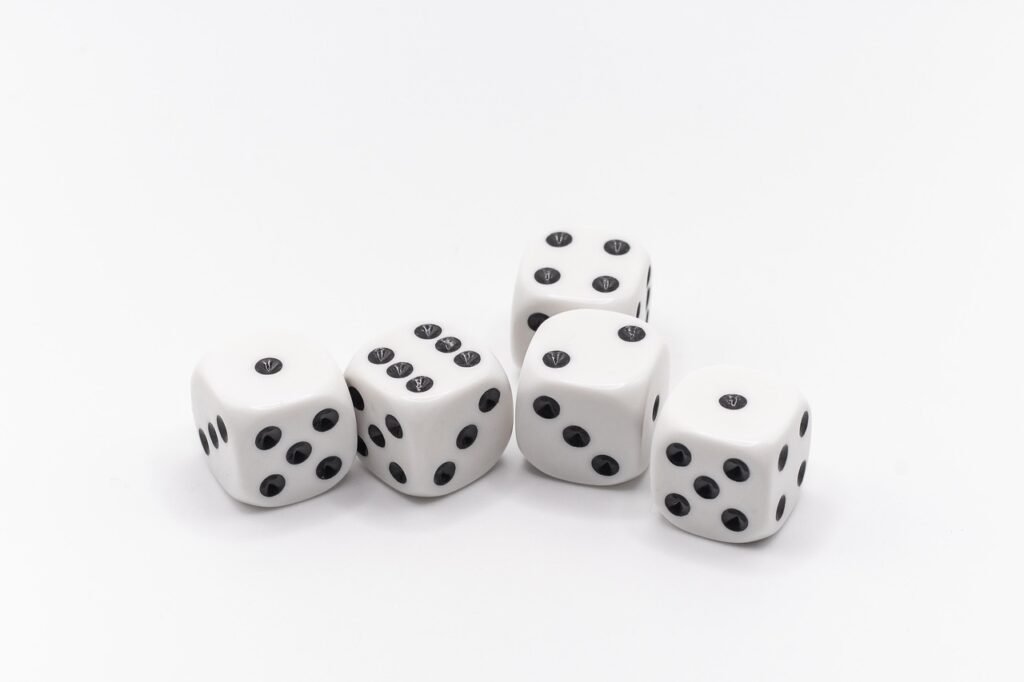
A Dinosaur Counting Game makes early mathematics more appealing by combining prehistoric creatures with simple number challenges.
Design a printable board featuring dinosaur footprints, eggs, fossils, and numbered spaces. Children roll a die, count the dots, and move their dinosaur tokens along the pathway.
Add counting cards that ask players to identify groups of dinosaur eggs or match numerals with illustrated quantities.
For older preschoolers, introduce basic addition and subtraction challenges. Younger children can focus on numbers from one to ten.
The colorful dinosaur theme keeps the activity playful while reinforcing number recognition, counting accuracy, and basic mathematical understanding.
16. Space Counting Game
A space-themed counting game takes young learners on an imaginary journey through planets, stars, rockets, and distant galaxies.
Create a printable pathway from Earth to a fictional space station. Players advance by rolling dice and completing counting challenges featuring stars, moons, or planets.
Some spaces might ask children to count five shooting stars, identify a number, or solve a simple addition problem before moving forward.
Use bottle caps, paper rockets, or small counters as playing pieces. A dark background with bright celestial illustrations makes the board visually appealing.
This activity combines early mathematics with imaginative play and can complement classroom lessons about space.
17. Pirate Board Game
A pirate-themed printable board game transforms a simple race to the finish into an exciting treasure-hunting adventure.
Design a map featuring islands, ships, hidden treasure, and winding sea routes. Players roll dice to move their pirate tokens toward a treasure chest.
Special spaces can introduce playful instructions such as "Find a secret shortcut," "Miss a turn during a storm," or "Move ahead after discovering a treasure map."
Add optional question cards involving numbers, vocabulary, or problem-solving to make the game educational.
Pirate adventures are particularly suitable for birthday parties, classroom rewards, and rainy-day entertainment.
18. Collecting Bugs Addition Game
Collecting Bugs Addition Game introduces basic arithmetic through a cheerful nature-inspired activity.
Prepare a printable board with illustrated insects, collection jars, and number spaces. Players collect bug tokens by rolling dice and adding the numbers shown.
For example, rolling a three and a four allows a player to collect seven bug points or move seven spaces, depending on the chosen rules.
You can also create addition cards featuring ladybugs, butterflies, beetles, and caterpillars.
Children practice mental addition, counting, and number combinations while enjoying a friendly competition. For easier play, use one die and smaller numbers.
19. Spelling Battleship
Spelling Battleship combines the strategy of a classic grid-based guessing game with word-building practice.
Provide each player with two printable grids labeled with letters and numbers. Participants secretly position selected spelling words horizontally or vertically on their own grids, following agreed placement rules.
Players take turns calling coordinates to locate their opponent's hidden words. Successful guesses reveal letters, while unsuccessful attempts are marked as misses.
Once enough letters are uncovered, players can attempt to identify the complete word.
Choose vocabulary appropriate for the participants' grade level. This game develops spelling awareness, strategic reasoning, concentration, and coordinate-reading skills.
20. Grammargories
Grammargories is a creative grammar activity inspired by category-based word games. Instead of naming ordinary objects, players generate words that fit grammatical categories.
Prepare printable worksheets with sections for nouns, verbs, adjectives, adverbs, pronouns, and other language elements.
Select a starting letter and challenge participants to complete as many categories as possible within the time limit. For example, with the letter S, players might write "sunflower" as a noun, "sing" as a verb, and "silent" as an adjective.
Review answers together and discuss any disputed classifications.
This activity helps students apply grammar knowledge rather than simply memorize definitions.
21. Parts of Speech Tic Tac Toe
Parts of Speech Tic Tac Toe adapts the familiar three-in-a-row game into an interactive grammar exercise.
Create printable tic-tac-toe boards with grammatical labels or example words in each square. Before placing an X or O, players must correctly identify the part of speech or provide an appropriate example.
A square labeled "adverb," for instance, might require the player to say "quickly" or "carefully."
The first participant to complete a horizontal, vertical, or diagonal line wins.
Teachers can customize the difficulty by introducing conjunctions, prepositions, or words that serve different grammatical functions depending on context.
22. Vocabulary Question Cube
A Vocabulary Question Cube turns word study into a hands-on activity using a printable paper cube.
Design a cube template with a different instruction on each face. Questions might ask players to define a word, use it in a sentence, identify a synonym, give an antonym, describe its meaning, or explain where they have encountered it.
After printing, cut, fold, and assemble the cube. Students roll it and respond to the prompt using a selected vocabulary word.
This flexible activity works with almost any reading passage or subject area.
It encourages deeper word understanding, verbal communication, and repeated exposure to unfamiliar vocabulary.
23. Vocab Bingo
Vocab Bingo transforms vocabulary review into an energetic classroom or family activity.
Create printable bingo cards filled with target words from a lesson, story, or study unit. Instead of announcing the words directly, read their definitions, synonyms, or contextual clues.
Players identify the matching vocabulary terms and mark them on their cards. The first person to complete the designated pattern announces bingo.
For added challenge, ask the winner to explain the meanings of the words in the completed line before confirming the result.
This game works especially well for language arts, science terminology, and second-language learning.
24. Word Family Uno
Word Family Uno uses matching-card gameplay to reinforce phonics and common spelling patterns.
Create an original printable deck featuring word families such as -at, -an, -ig, -op, and -ake. Use different colors to distinguish groups or difficulty levels.
Players take turns placing cards that match either the color or word family of the previously played card. For example, "cat" can be followed by "hat" because both share the -at ending.
Add special cards that ask players to pronounce a word, create a rhyme, or use a word in a sentence.
This game supports early reading fluency, phonological awareness, and spelling-pattern recognition.
25. Solve It! Parts of Speech
Solve It! Parts of Speech challenges students to examine sentences and determine how individual words function.
Prepare printable challenge cards containing sentences with one highlighted word. Players must identify whether the selected word acts as a noun, verb, adjective, adverb, or another part of speech.
Include sentences where the same word changes grammatical roles. For example, "light" functions differently in "Turn on the light" and "Carry the light bag."
Correct answers earn points or allow movement across a printable board.
The activity encourages students to use context and sentence structure rather than relying only on memorized word lists.
26. Talktastic
Talktastic is a conversation-based printable game designed to encourage speaking, listening, and social interaction.
Create a board featuring colorful spaces with conversation prompts. Questions might ask players to describe their favorite holiday, explain a personal achievement, invent a funny story, or share something they would like to learn.
Participants roll a die, move along the board, and answer the question associated with their landing space.
Include optional challenge spaces where players ask follow-up questions or describe a picture.
This game is useful for classroom icebreakers, language-learning sessions, and family gatherings because it encourages meaningful conversation in a relaxed setting.
27. The Lucky Star Game

The Lucky Star Game introduces an element of surprise through a star-themed printable board filled with rewards, challenges, and unexpected events.
Design a pathway of numbered stars and prepare a small deck of action cards. When players land on a special star, they draw a card that might allow them to advance, swap positions, answer a question, or take an extra turn.
For educational play, incorporate math problems, spelling challenges, or general knowledge questions.
Children can decorate their own star tokens before starting the game, adding a creative craft element.
The combination of chance and simple challenges makes this activity suitable for mixed-age groups.
28. Race Around The World
Race Around The World turns geography into an adventurous printable board game where players travel between countries and famous landmarks.
Create a world map with a connected route passing through different continents. Participants roll dice to move their travel tokens and answer location-based questions along the way.
Challenges might involve identifying national flags, naming capital cities, recognizing landmarks, or locating countries on a map.
Add travel cards with instructions such as "Take a shortcut by airplane" or "Wait one turn for your next connection."
The first player to complete the journey wins. Beyond competition, the game introduces children to global geography, cultural landmarks, and international awareness.
Related Ideas You Might Love
Printable board games make learning and entertainment accessible without requiring a large budget or complicated preparation. These 28 board games printable ideas for 2026 offer activities for preschoolers, school-age children, families, and educators, covering everything from counting and phonics to geography, creativity, and communication.
Choose games that match your group's interests and abilities, print the necessary materials, and customize the rules when needed. With a few simple supplies and a little imagination, printable games can turn ordinary afternoons, classroom lessons, and family gatherings into memorable experiences.