20 Potty Training Rewards Ideas for 2026
Potty training is a major milestone for young children, but learning to use the toilet can take time, patience, and plenty of encouragement. Small rewards can make the process feel exciting while helping children build confidence and develop healthy bathroom habits. The best rewards are simple, age-appropriate, and suited to your child's personality.
From creative sticker charts to fun family activities, these 20 potty training rewards ideas offer practical ways to celebrate progress without putting pressure on your little one. Remember that accidents are a normal part of learning, and every child develops at their own pace.
1. Sticker Chart
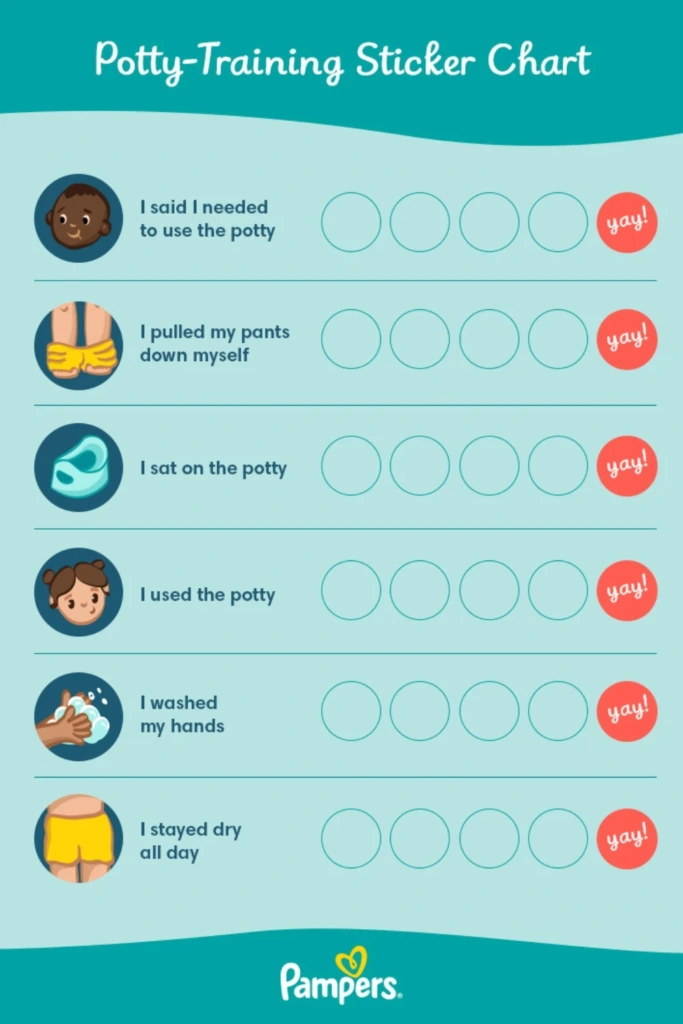
A sticker chart gives children a colorful way to see their progress. Create a chart with your child's name and a series of spaces where they can place stickers after trying to use the potty, sitting on the toilet, or completing another agreed-upon step.
Let your child choose stickers featuring animals, vehicles, stars, or favorite characters. You can offer a small reward after collecting a certain number, such as choosing a bedtime story or picking a family game.
Keep the goals realistic and celebrate effort as well as success. Avoid removing stickers for accidents, since the purpose is to encourage learning rather than make children feel they have failed.
2. Praise and Attention
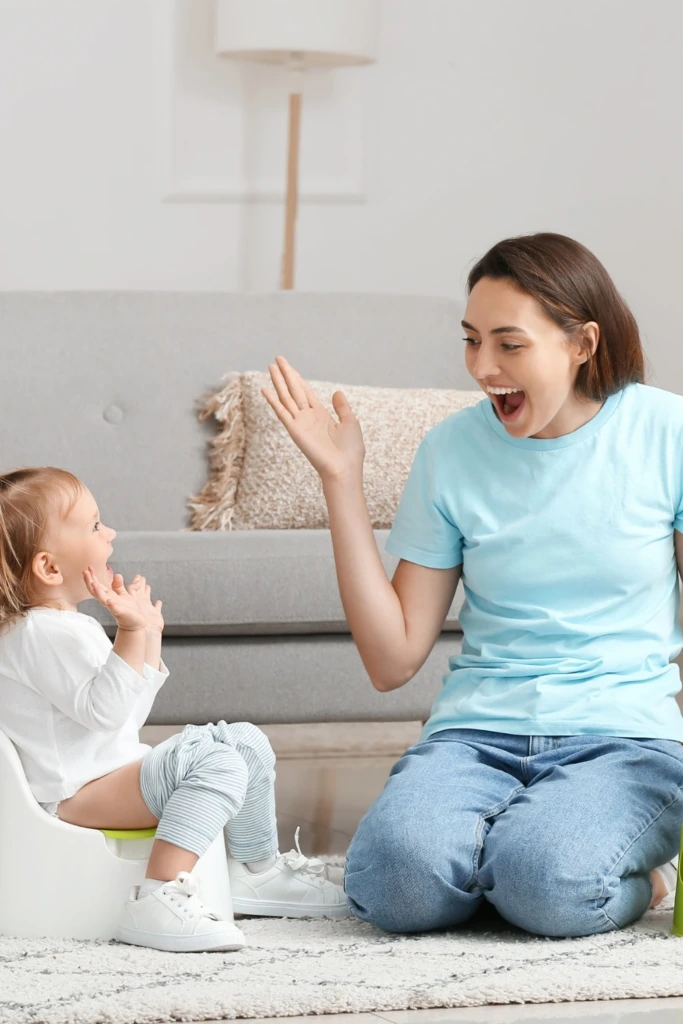
Sometimes the most meaningful reward is the attention and encouragement a child receives from a parent or caregiver. A warm smile, a high-five, a hug, or a few enthusiastic words can make a new bathroom routine feel positive.
Try specific praise, such as, "You listened to your body and told me you needed the potty!" This helps children understand which behavior you are celebrating. You can also acknowledge smaller steps, including asking to use the bathroom or remembering to wash their hands.
Keep your reactions calm and supportive when accidents happen. Children should feel safe asking for help, even when things do not go according to plan.
3. Treasure Chest
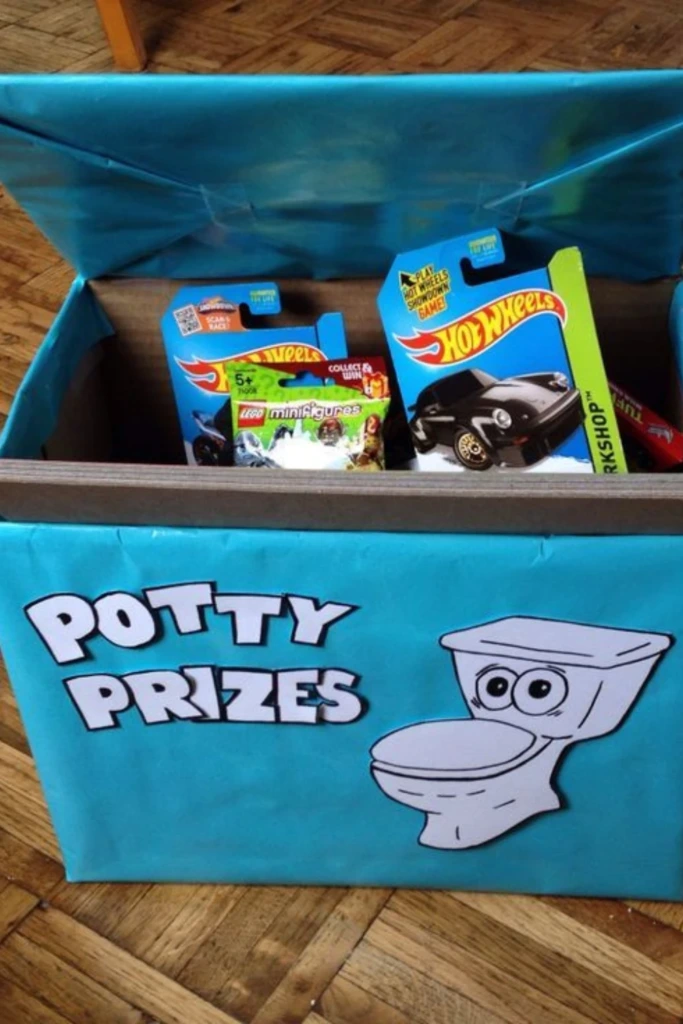
Turn potty training into a small adventure with a treasure chest filled with inexpensive surprises. Decorate a shoebox or storage container with colorful paper, ribbons, or your child's favorite pictures.
Fill it with age-appropriate items such as large washable crayons, small picture books, coloring pages, or simple toys without detachable choking hazards. Allow your child to choose one item after reaching a milestone you have agreed upon.
You do not need to provide a prize every time your child uses the toilet. Saving the treasure chest for occasional milestones can keep the experience exciting without making children dependent on a new toy for every bathroom visit.
4. Potty Books
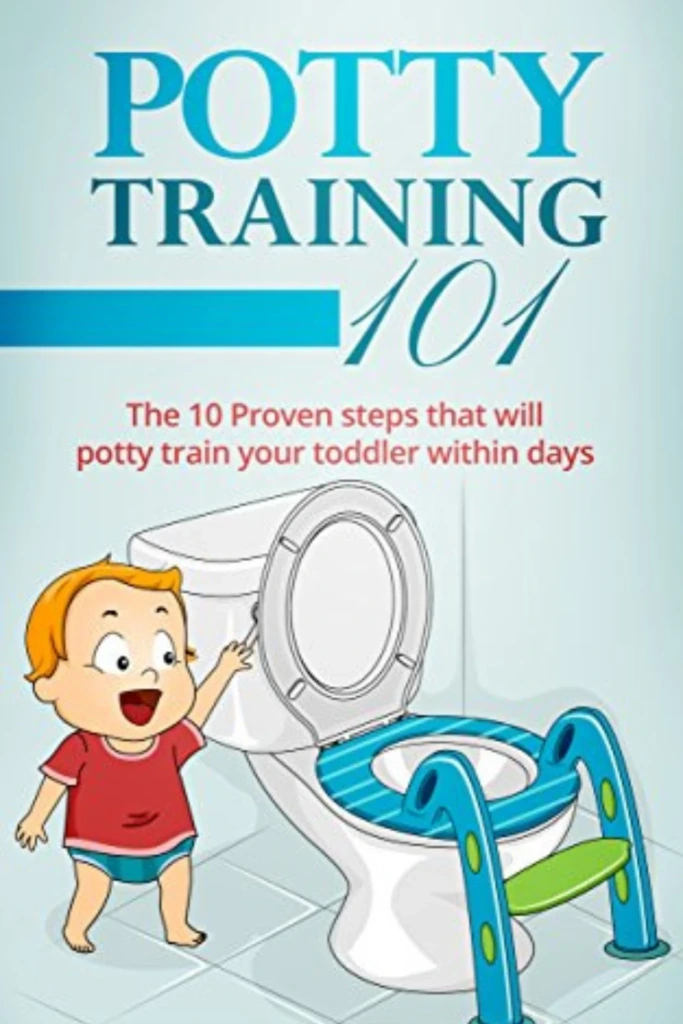
Books about using the toilet can help children understand what to expect and feel less uncertain about the experience. Choose engaging picture books that explain bathroom routines in a friendly, reassuring way.
Keep a few potty-themed books near the bathroom or in a comfortable reading area. Read together before trying the toilet, or revisit a favorite story when your child needs encouragement.
You can also make a book part of the reward itself. For example, let your child choose which story to read after completing a bathroom routine. Stories work especially well for children who enjoy quiet time, pictures, and familiar characters.
5. Bubbles
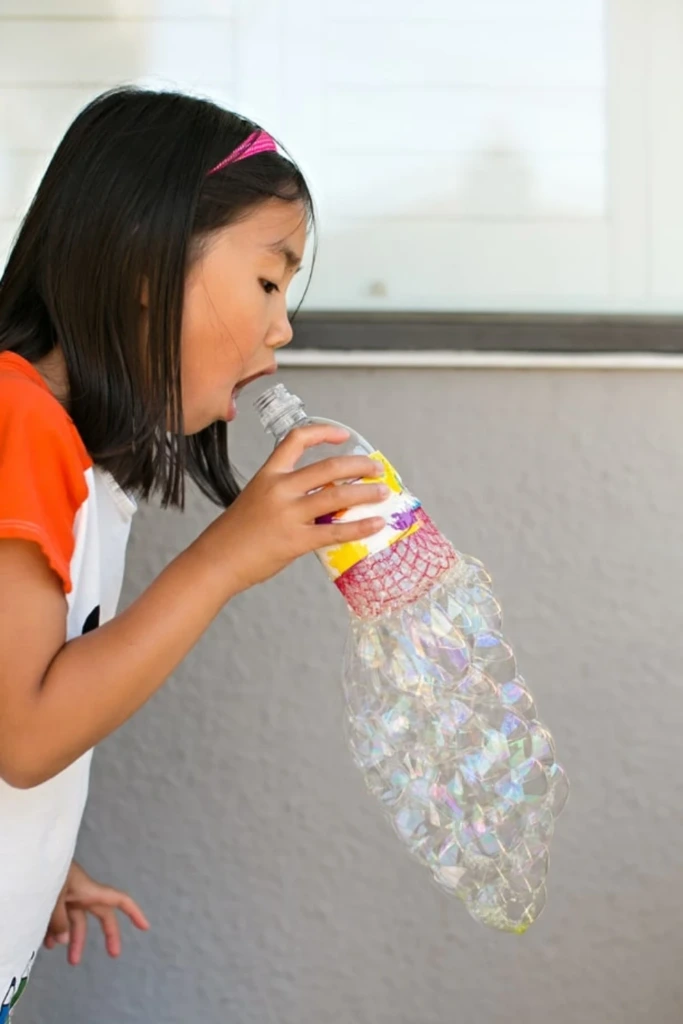
Bubbles can turn an ordinary potty break into a playful experience. Keep a bottle of child-safe bubble solution and a wand out of reach until it is time to use them, then offer a short bubble break after a successful step.
This reward is inexpensive, easy to set up, and particularly appealing to children who love watching bubbles float through the air. You might blow a few bubbles together after your child tries sitting on the potty or communicates that they need to go.
Always supervise bubble play, keep the solution away from your child's mouth and eyes, and clean up slippery spills promptly. If bubbles are distracting during bathroom time, save them for afterward.
6. Special Underwear

Letting children choose their own underwear can help them feel involved in potty training. Take them shopping or show them a few suitable options at home, featuring favorite colors, animals, patterns, or characters.
Explain that the underwear is part of learning to manage bathroom needs. Encourage your child to tell you when they feel they need to use the toilet, and make changing into clean underwear a normal, stress-free routine after accidents.
Avoid presenting special underwear as something children can keep only if they never have an accident. Accidents are expected during the learning process, and clean, comfortable clothing should always be available.
7. Reward Box
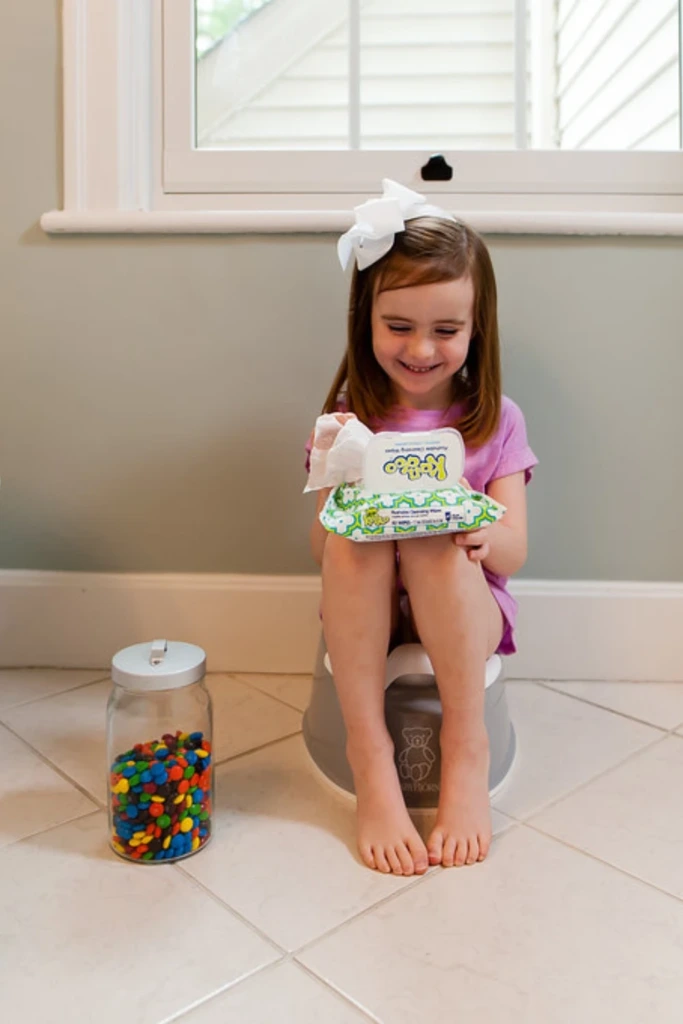
A reward box is similar to a treasure chest but can be organized around different levels of progress. Prepare a small container with inexpensive activities, surprises, or privileges that your child can choose from when reaching a goal.
Possible rewards include selecting the family movie, choosing a song for a dance break, picking a coloring activity, or enjoying extra time with a favorite toy. You can also include homemade coupons for activities you already enjoy together.
Let your child know what earns a reward before beginning a training session. Keeping the rules predictable makes the process easier to understand and prevents rewards from becoming a source of negotiation.
8. Personalized Potty
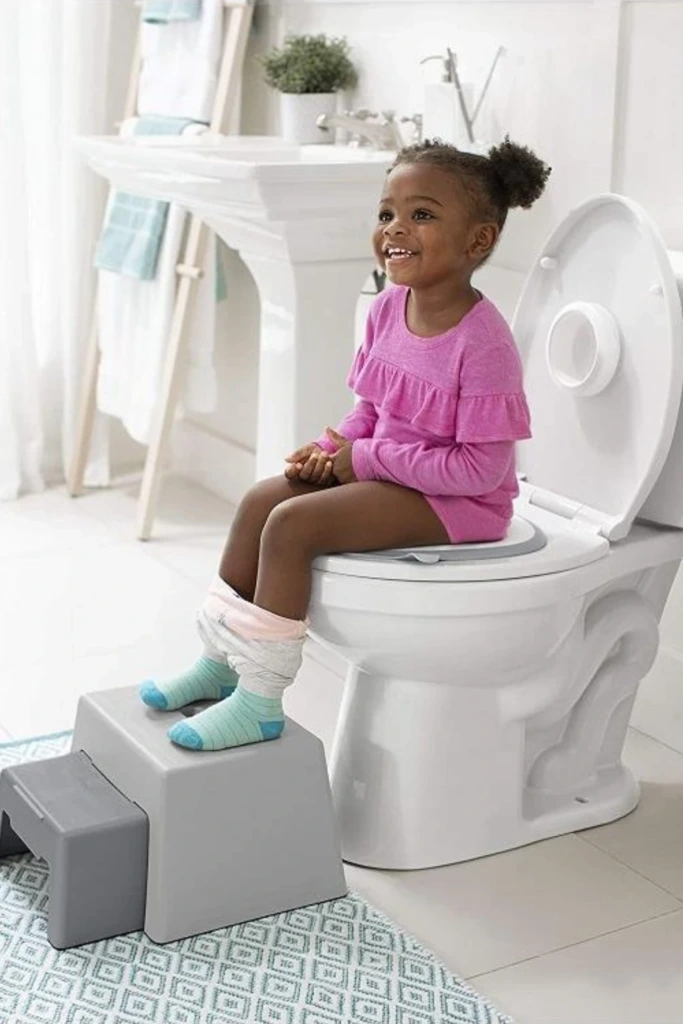
A personalized potty can make bathroom time feel more familiar and inviting. If your child is using a standalone potty, consider one in a preferred color or with a simple design that appeals to them. You can also personalize the bathroom area with their name on a removable sign.
For children who use the regular toilet, a properly fitted potty seat and a stable footstool can make the experience more comfortable and secure.
Involve your child in choosing the setup, but prioritize safety, stability, and easy cleaning over decoration. Avoid adding small accessories or loose decorations that could become choking hazards or interfere with safe use.
9. Colorful Potty Water
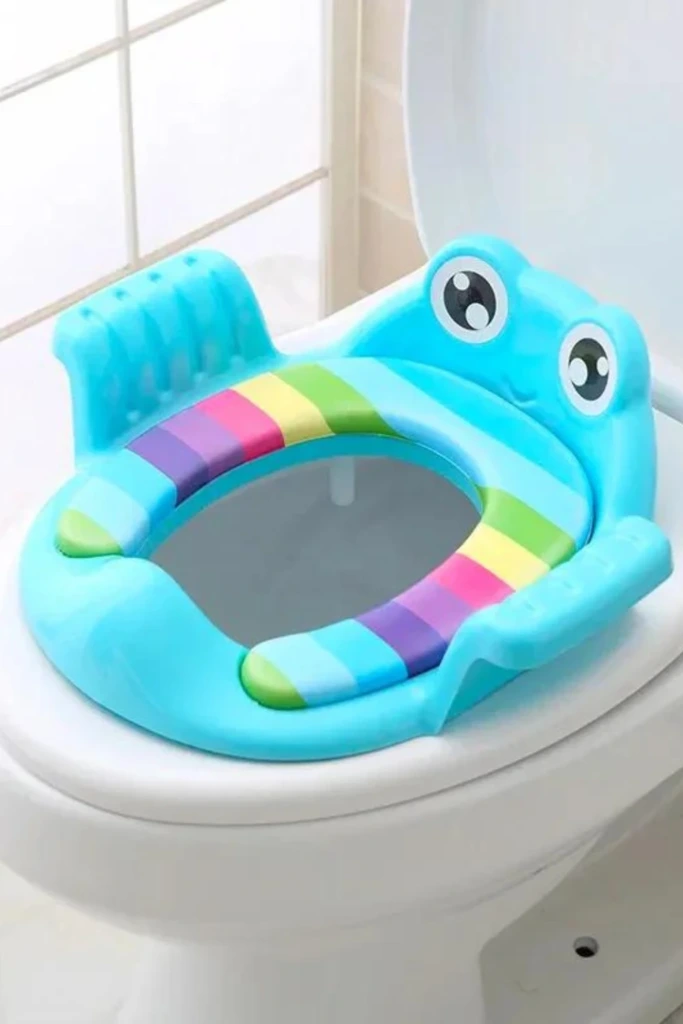
For children who are curious about colors, a little visual change in the toilet water can make bathroom routines more interesting. One option is to use a toilet-safe, child-appropriate product specifically designed to change water color, following the manufacturer's instructions.
However, this idea is best suited to older toddlers or preschoolers who can understand that the product is not for drinking or touching. Never use household dyes, cleaning chemicals, or other substances that are not intended for this purpose.
Keep all products securely stored and supervise bathroom use. If your child is still exploring objects with their mouth, skip this activity and choose a safer visual reward, such as colorful bathroom decorations or a sticker chart.
10. Celebratory Dance
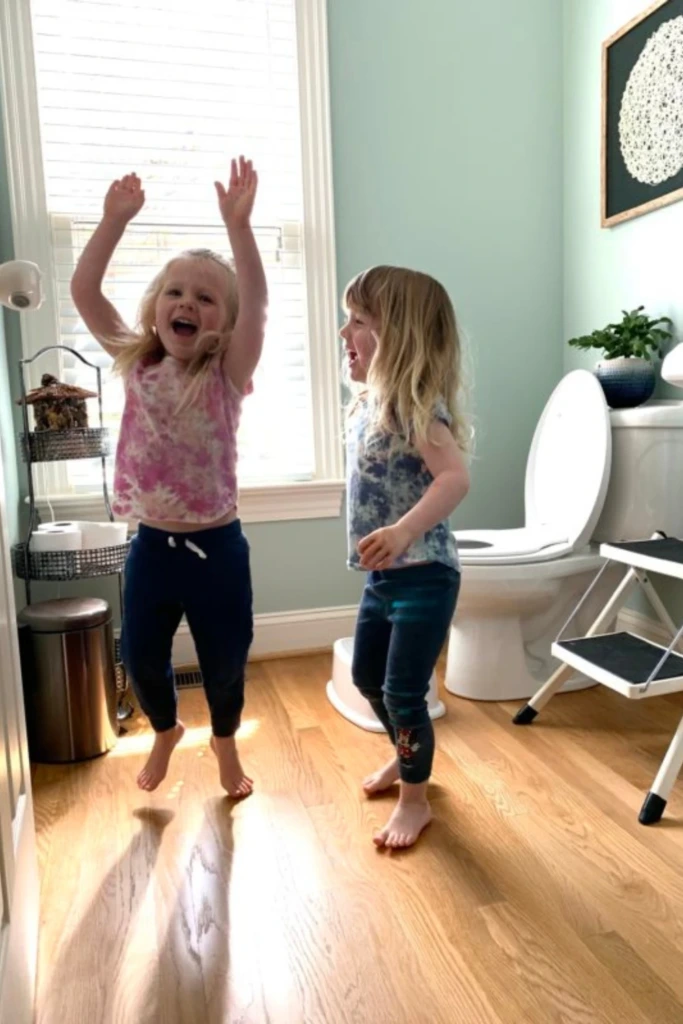
A silly dance can be a wonderful way to celebrate progress without spending money. Create a short family dance routine that happens after your child completes a potty-training milestone.
Choose a favorite song, clap together, or invent a special move that your child can perform. You could call it the "Potty Power Dance" or let your child make up the routine themselves.
Keep the celebration fun rather than overwhelming. Some children love energetic attention, while others prefer a quiet smile or a gentle high-five. Follow your child's cues and let them decide how much excitement feels comfortable.
11. Potty Training App
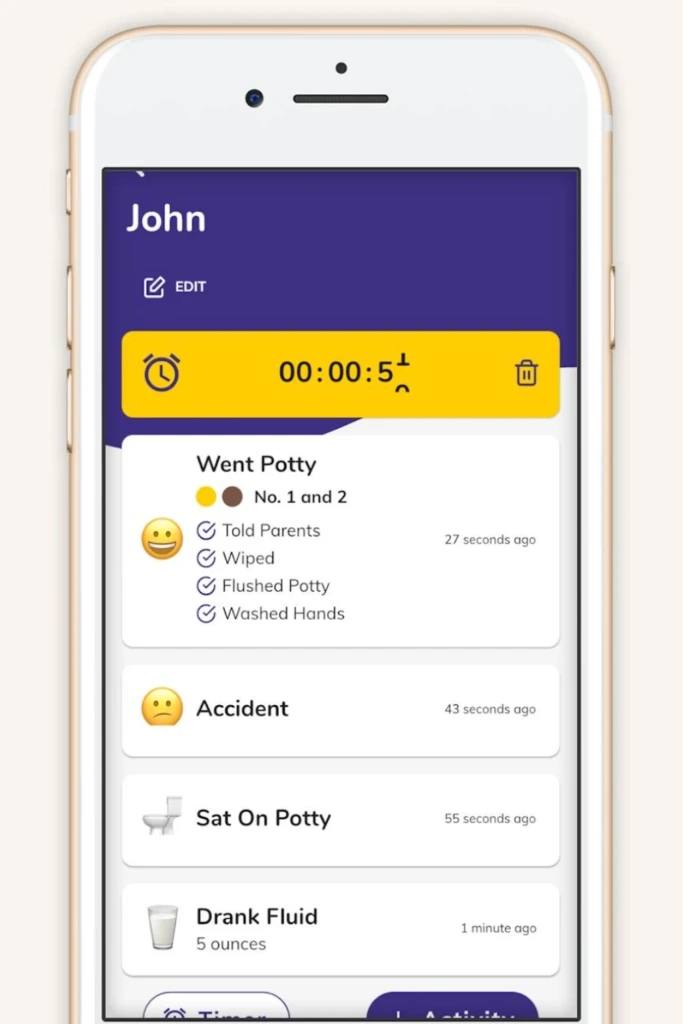
A potty training app can help caregivers organize bathroom routines, record progress, and remember regular toilet opportunities. Some apps offer reminders, sticker-style rewards, progress charts, or encouraging messages for children.
Choose an app that is easy to use and does not make your child feel monitored or judged. A simple tracker may be enough to help you notice patterns, such as times when your child often needs the bathroom.
Use digital tools as support rather than as a replacement for your attention. Avoid comparing your child's progress with other children, and do not treat app scores or streaks as measures of success. A paper chart or calendar can work just as well if you prefer to keep things screen-free.
12. Potty Training Certificates
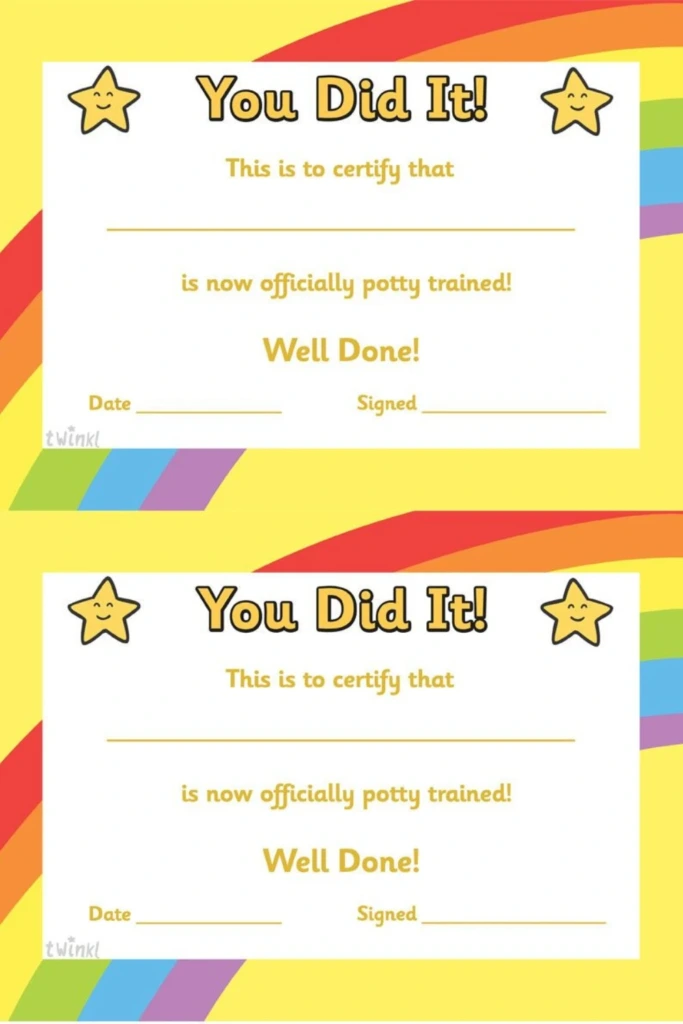
A potty training certificate gives children a tangible way to celebrate an important milestone. You can create one at home using paper, crayons, stickers, and your child's name.
Instead of requiring complete success before receiving a certificate, consider celebrating a meaningful achievement, such as learning to tell you when they need the toilet, becoming comfortable sitting on the potty, or following the bathroom routine more independently.
Display the certificate somewhere your child can see it, if they enjoy that kind of recognition. Keep the tone positive and remind them that learning continues even after the celebration.
13. Happiness Jar
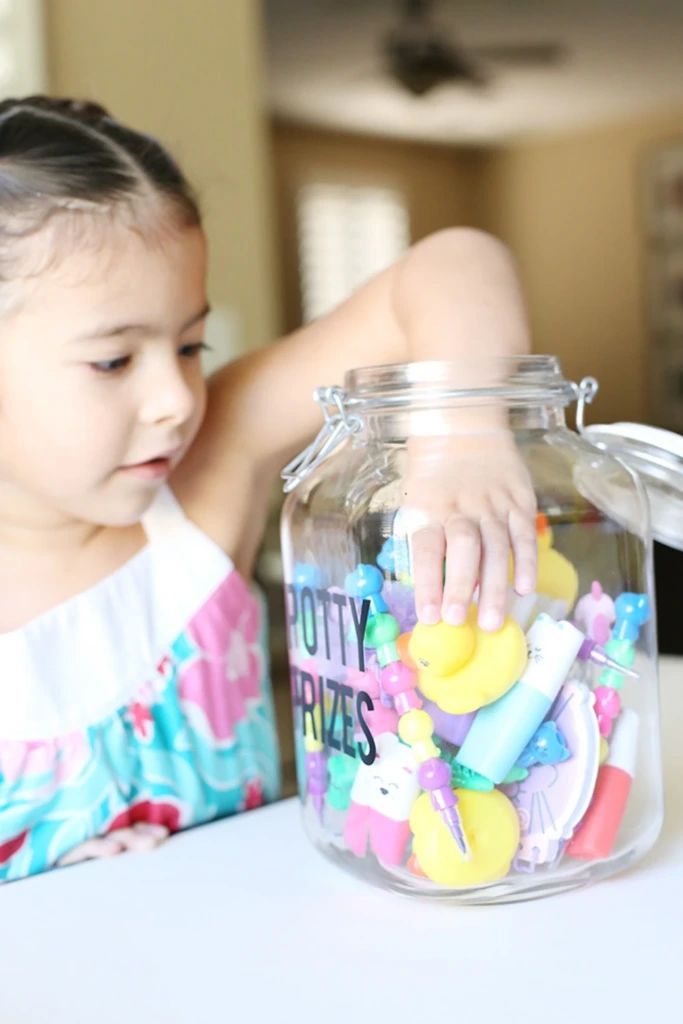
A happiness jar is a simple way to collect memories of progress and celebrate small achievements. Decorate a clear, sturdy container and prepare slips of paper with short notes about things your child has learned.
For example, you might write, "You remembered to wash your hands," "You told me you needed the bathroom," or "You tried something new today." Read a note together at the end of the day or whenever your child needs encouragement.
If your child is too young to read, add simple drawings or stickers to represent each achievement. Keep the jar out of reach if it is made of glass or contains small objects, and use a lightweight, child-safe container when possible.
14. Visual Representation
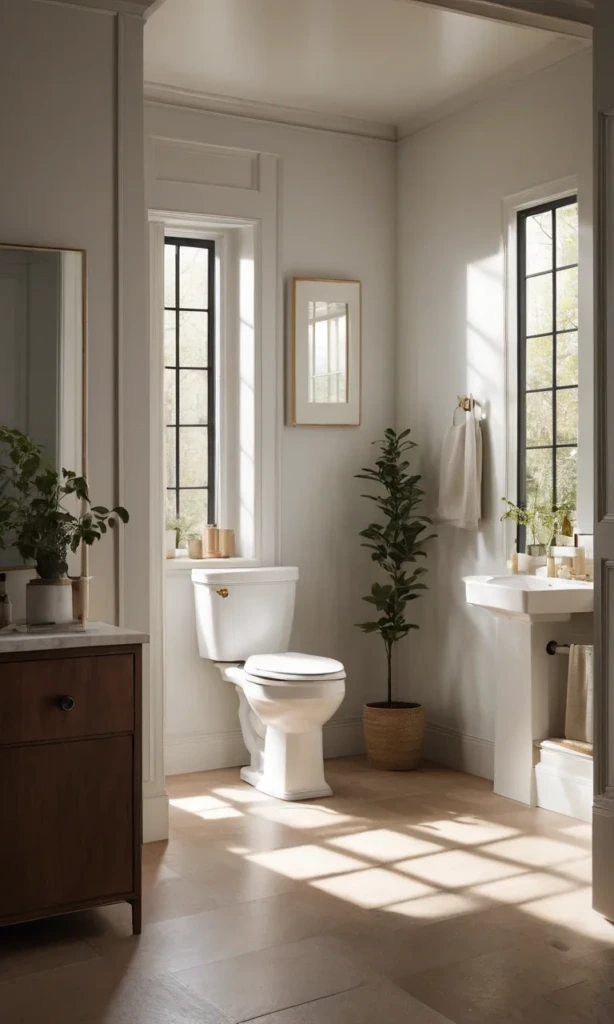
Some children respond well to visual reminders because they make routines easier to understand. Create a simple picture-based bathroom chart showing the steps involved in using the toilet.
Your chart might include pictures for going to the bathroom, pulling clothing down, sitting safely, wiping appropriately, flushing when suitable, and washing hands. Adapt the sequence to your child's age and abilities.
You can also use a progress path with pictures or symbols to mark milestones. Keep the chart encouraging and flexible, allowing your child to see what comes next without feeling pressured to complete every step perfectly.
Visual aids can be especially useful for children who benefit from predictable routines. Explain each picture as you introduce it, and update the chart as your child becomes more independent.
15. Special Outings
A special outing can celebrate a meaningful potty-training milestone while creating a happy memory. The reward does not have to be expensive or elaborate. A visit to a playground, a walk to feed ducks where permitted, library story time, or an afternoon at a favorite park may be enough.
Let your child help choose between two or three appropriate activities. This gives them a sense of involvement and makes the reward more personal.
Plan outings around your child's comfort and usual bathroom needs. Bring spare clothes, tissues, wipes, and other essentials so an accident does not spoil the experience. Make it clear that the outing is a celebration of learning rather than a privilege that disappears after an accident.
16. Potty Treats Jar
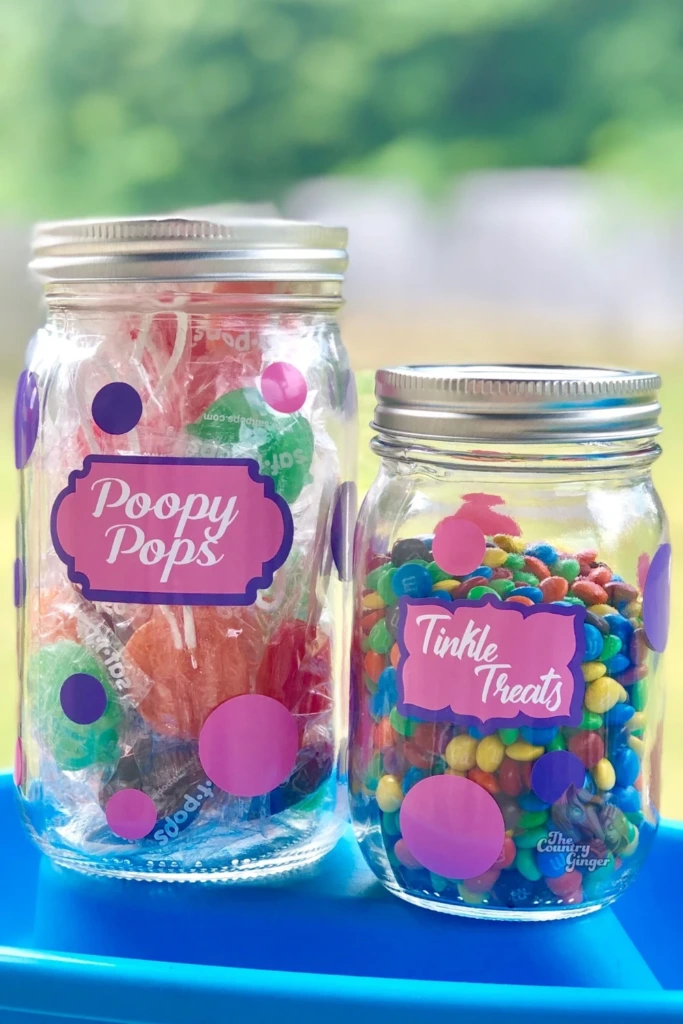
A potty treats jar can provide an occasional edible reward for children who respond well to small treats. Fill a container with individually portioned, age-appropriate options, such as a favorite fruit or another snack your child already enjoys and can safely eat.
Decide in advance which milestones earn a treat so the arrangement remains consistent. For instance, a treat might follow a successful attempt or a particularly brave effort to try the potty.
Food rewards are optional, and there is no need to use sweets to make potty training effective. If you choose this approach, avoid using food as punishment or making access to ordinary meals and snacks conditional on bathroom success. A sticker, kind words, or shared activity may be an equally effective alternative.
17. Customized Story
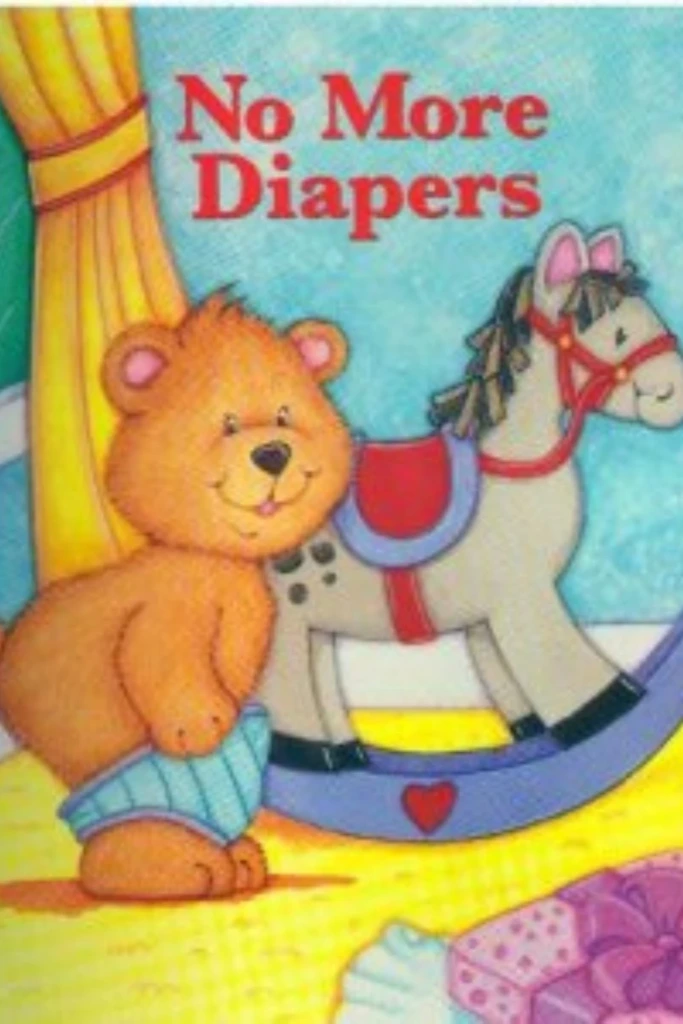
Create a personalized story in which your child becomes the main character of a potty-training adventure. You can write a few simple sentences about a character who learns to recognize bathroom signals, asks for help, and gradually becomes more comfortable using the toilet.
Include details your child loves, such as dinosaurs, space travel, animals, or magical forests. Add drawings together or let your child choose what happens next.
Keep the story realistic and reassuring. The character can experience setbacks, ask questions, and learn that accidents are a normal part of growing. Reading the story regularly may help your child become familiar with the process and feel more confident about trying it themselves.
18. Hand Stamps
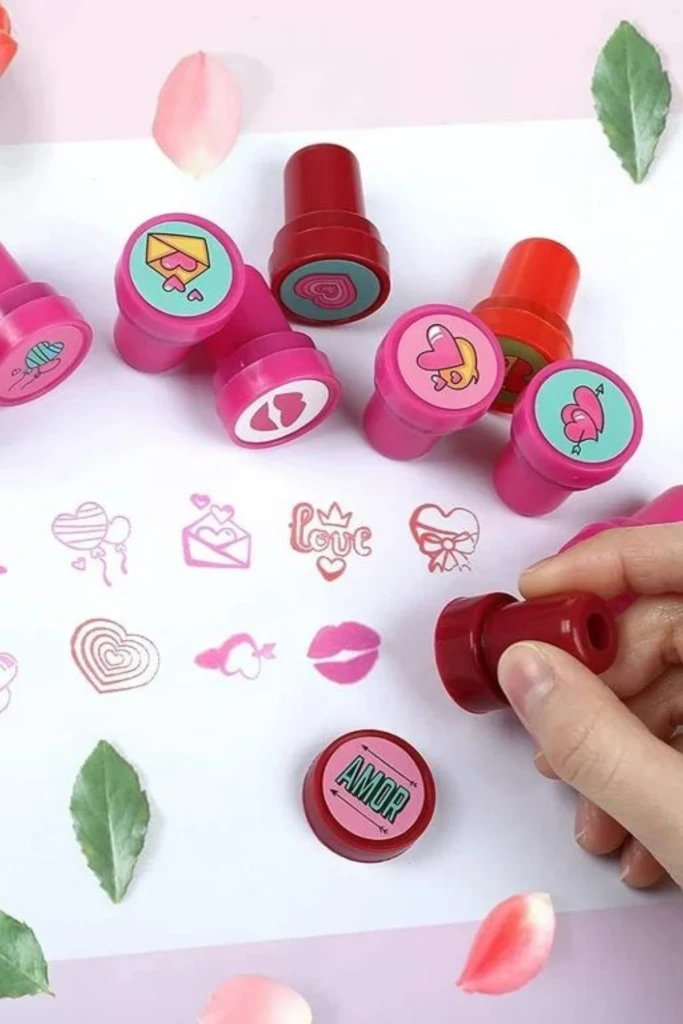
Washable hand stamps offer a quick, playful reward that children can enjoy without collecting toys or snacks. Choose a non-toxic stamp product intended for use on children's skin and let your child pick a design, such as a star, flower, or smiling face.
You might offer a stamp after your child tries the potty, communicates their needs, or completes the bathroom routine. Let them choose where the stamp goes, provided the product is suitable for that area.
Follow the product's age guidance, avoid sensitive skin areas, and discontinue use if irritation develops. If your child has sensitive skin or dislikes having their hands marked, use the same stamp on a paper chart instead.
19. Potty Training Doll
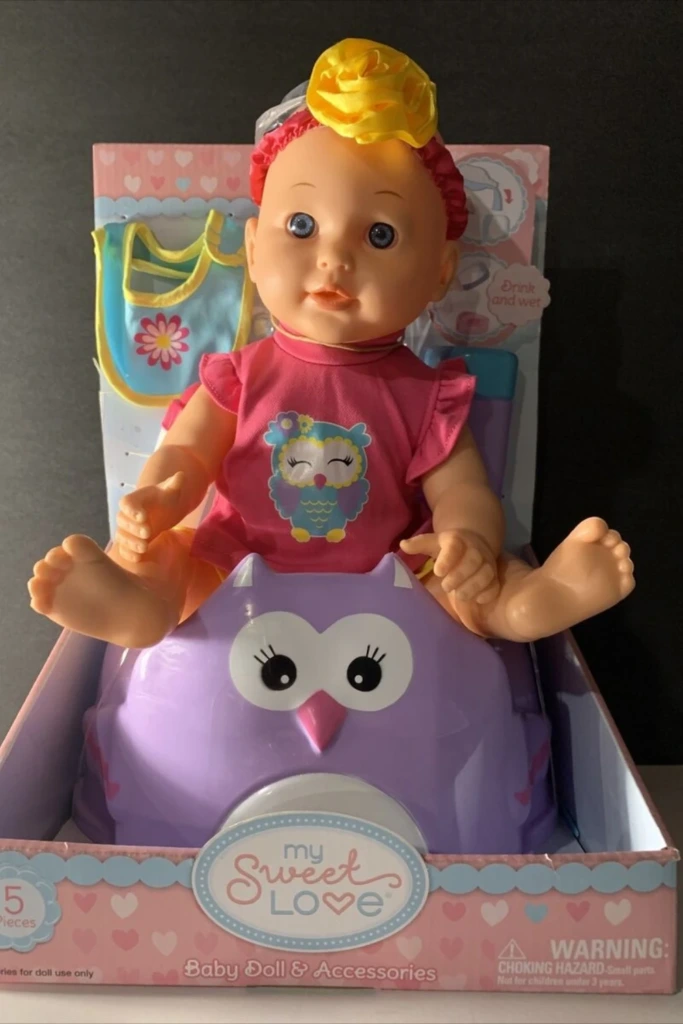
A potty training doll can help children understand the bathroom routine through imaginative play. Some dolls come with accessories that allow children to practice placing the doll on a toy potty, changing its clothes, or pretending to complete the steps involved in using the toilet.
Demonstrate the routine with the doll and invite your child to explain what happens next. This can give them a chance to ask questions and practice new skills in a low-pressure setting.
Choose a doll with age-appropriate features and avoid accessories that present choking risks. Remember that pretend play supports learning but does not guarantee readiness. Follow your child's cues and introduce real bathroom practice gradually.
20. Potty Tickets
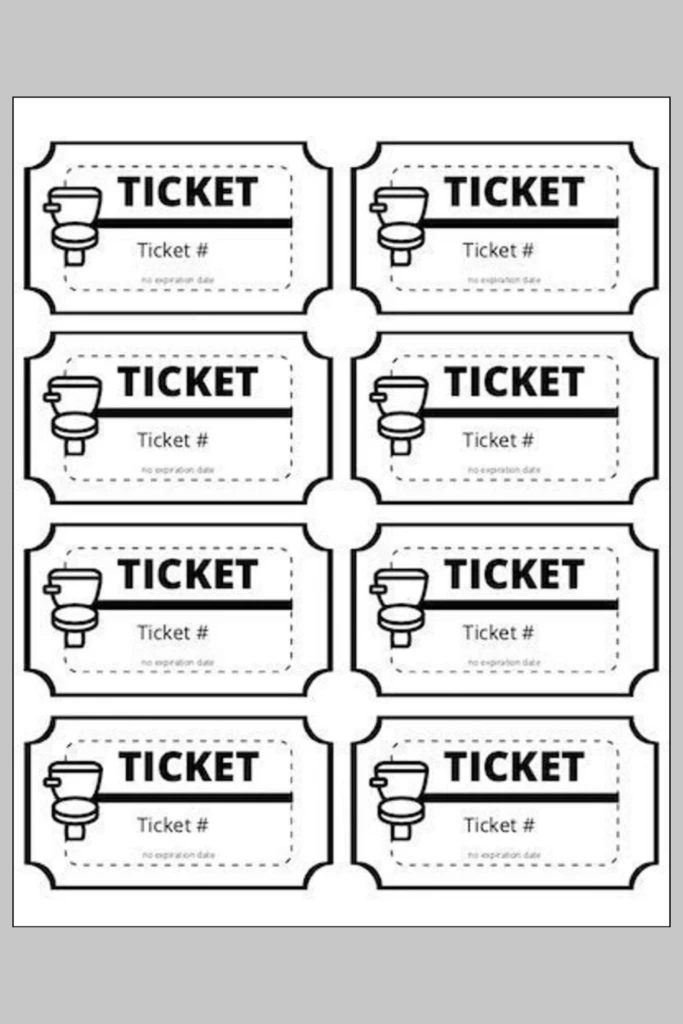
Potty tickets are homemade coupons that children can exchange for small activities or privileges. Create colorful tickets from cardstock or ordinary paper, using pictures or simple words to explain each reward.
Ideas include choosing a bedtime story, picking a family song, helping prepare a snack, selecting a game, or enjoying a few extra minutes of a favorite activity. Let your child help decorate the tickets so they feel special.
Decide how tickets are earned and when they can be used. Keep the system simple enough for a young child to understand, and avoid making essential needs or affection dependent on collecting tickets. If your child loses interest, you can stop using them and try another reward system.
Final Thoughts
The most effective potty training rewards are the ones that help your child feel supported, capable, and comfortable learning a new skill. Sticker charts, personalized stories, special outings, and simple words of encouragement can all make the experience more positive when used consistently.
Choose one or two ideas that suit your child's interests instead of introducing every reward at once. Celebrate effort, keep bathroom routines predictable, and respond to accidents with patience. With time, encouragement, and a flexible approach, your child can gradually build confidence and become more independent with toileting.