20 Patchwork Sweatshirt DIY Ideas for 2026
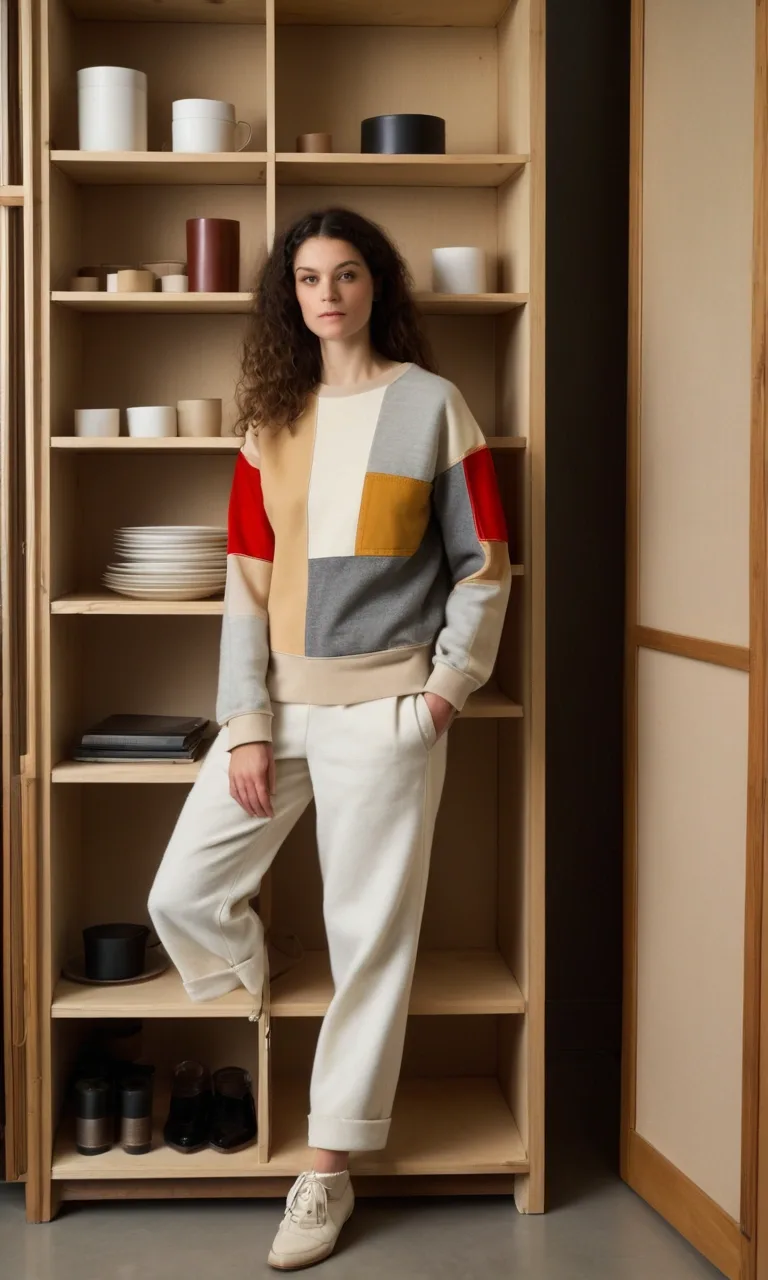
Transforming an ordinary sweatshirt into a unique fashion piece doesn't require advanced sewing skills or expensive supplies. With leftover fabric, a few basic tools, and some creativity, you can give an old sweatshirt a completely new personality.
Patchwork sweatshirts combine comfort with individual style. Whether you prefer colorful quilt patterns, playful shapes, personalized lettering, or minimalist fabric accents, there are plenty of ways to customize your clothing.
The secret to a successful project is choosing compatible materials and attaching them without stretching or distorting the sweatshirt. These 15 patchwork sweatshirt DIY ideas offer inspiration for beginners and experienced crafters alike.
1. Before You Start a Patchwork Sweatshirt
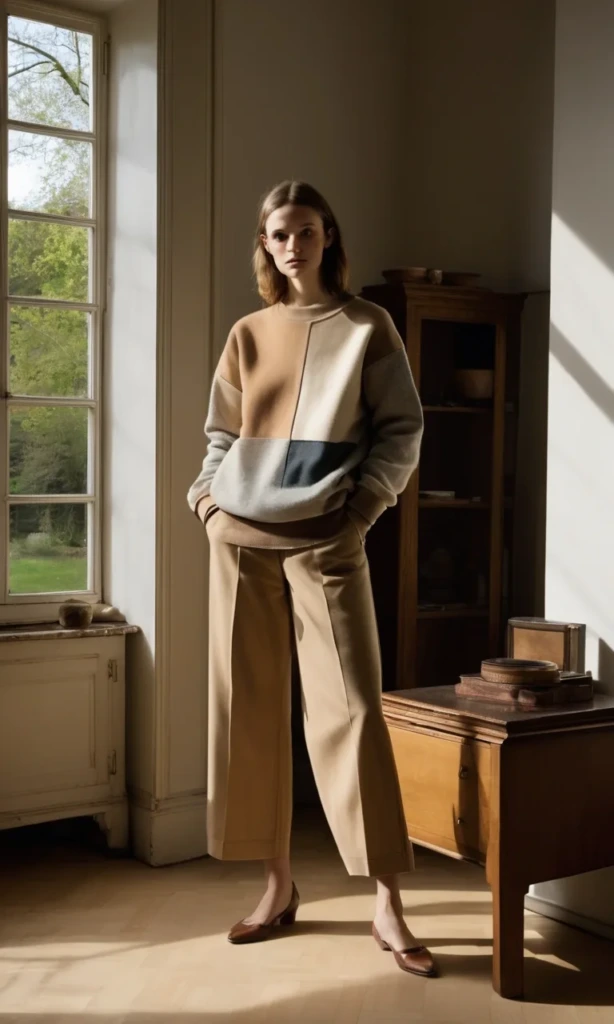
Preparing your materials properly makes the sewing process smoother and helps your finished design last longer.
Begin with a clean sweatshirt that fits comfortably. Wash your sweatshirt and fabric scraps beforehand to reduce the risk of uneven shrinkage later.
Gather basic supplies such as fabric scissors, matching thread, sewing pins, an iron, and your preferred patchwork materials. A sewing machine makes the process faster, although smaller designs can be completed by hand.
Before attaching anything, arrange your fabric pieces on a flat surface to experiment with colors, patterns, and placement.
For complicated designs, assemble the individual fabric pieces separately before sewing the completed patch onto your sweatshirt. This approach provides greater control and reduces unnecessary stretching.
What Stabilizer Should You Use on a Sweatshirt?
A suitable stabilizer helps prevent unwanted stretching when adding embroidery, decorative stitching, or fabric appliqués.
Cut-away stabilizer is particularly effective for sweatshirts because it provides lasting support beneath the stitching. Unlike temporary alternatives, it remains attached to the garment after the project is finished.
Choose a lightweight or medium-weight cut-away stabilizer depending on the thickness and elasticity of your sweatshirt.
For larger designs, ensure the stabilizer extends beyond the stitching area. This provides consistent support and helps prevent puckering around the edges.
Avoid adding excessive layers, as they can make the decorated section uncomfortable or unusually stiff.
2. Cut-Away vs Tear-Away Stabilizer
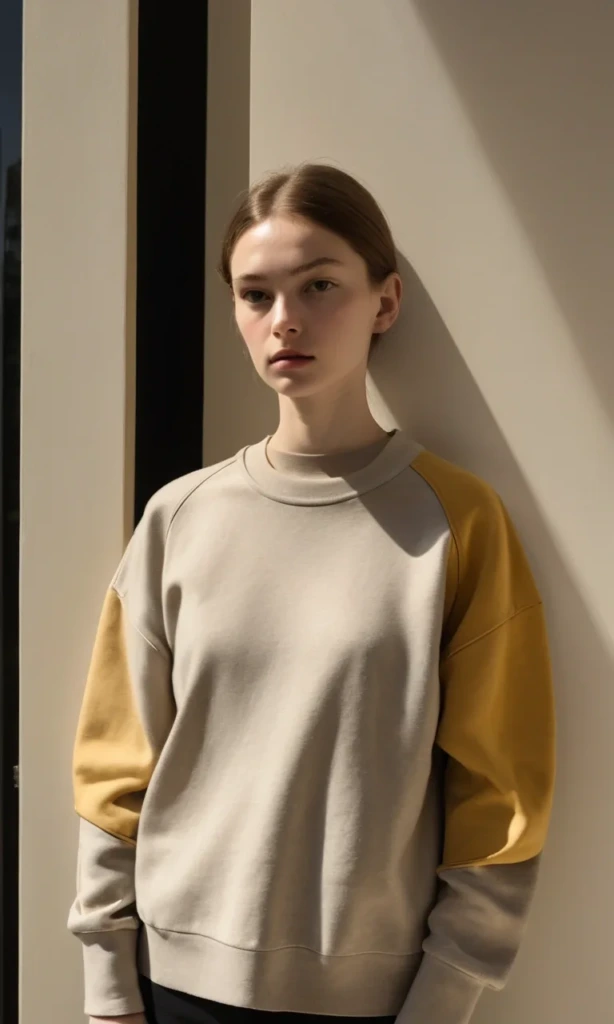
Cut-away and tear-away stabilizers serve different purposes, and understanding their differences can improve your results.
Cut-away stabilizer works well with stretchy fabrics because it continues supporting the stitches during regular wear. It is especially useful for large designs, embroidered details, and dense appliqué stitching.
Tear-away stabilizer is generally better suited to fabrics that naturally hold their shape. After sewing, the excess material is removed, leaving little additional reinforcement.
Because sweatshirt material often stretches during movement, cut-away stabilizer is usually the more dependable choice.
For small, lightly stitched decorations on stable sweatshirt fabric, tear-away may be sufficient, but testing it on a similar fabric sample is worthwhile.
Should You Use Fusible Web Too?
Fusible web is a useful addition when working with fabric shapes that need to stay in a precise position.
This adhesive material bonds fabric pieces together when activated with an iron, making it easier to sew around detailed outlines.
It works particularly well for letters, hearts, stars, flowers, and other decorative patches.
Unlike stabilizer, fusible web primarily holds the appliqué in place rather than supporting the sweatshirt during stitching. Using both materials can provide better control.
Always follow the manufacturer's ironing instructions, especially when working with polyester sweatshirts that may be sensitive to high temperatures.
3. Appliqué Back Motif
A decorative appliqué across the back of a sweatshirt creates an eye-catching design without requiring major garment alterations.
Choose a recognizable shape such as a butterfly, oversized flower, bow, or abstract illustration. Sketch the design on paper before selecting fabric pieces.
Combine coordinating scraps to fill the shape, using contrasting patterns to add visual interest.
Once the design is assembled, position it across the upper or middle back of the sweatshirt.
Secure the fabric with fusible web or temporary basting stitches, then sew around the outline using a straight or zigzag stitch.
For a balanced appearance, choose a design size that complements the sweatshirt rather than extending too close to the side seams.
4. Patchwork Character Panel
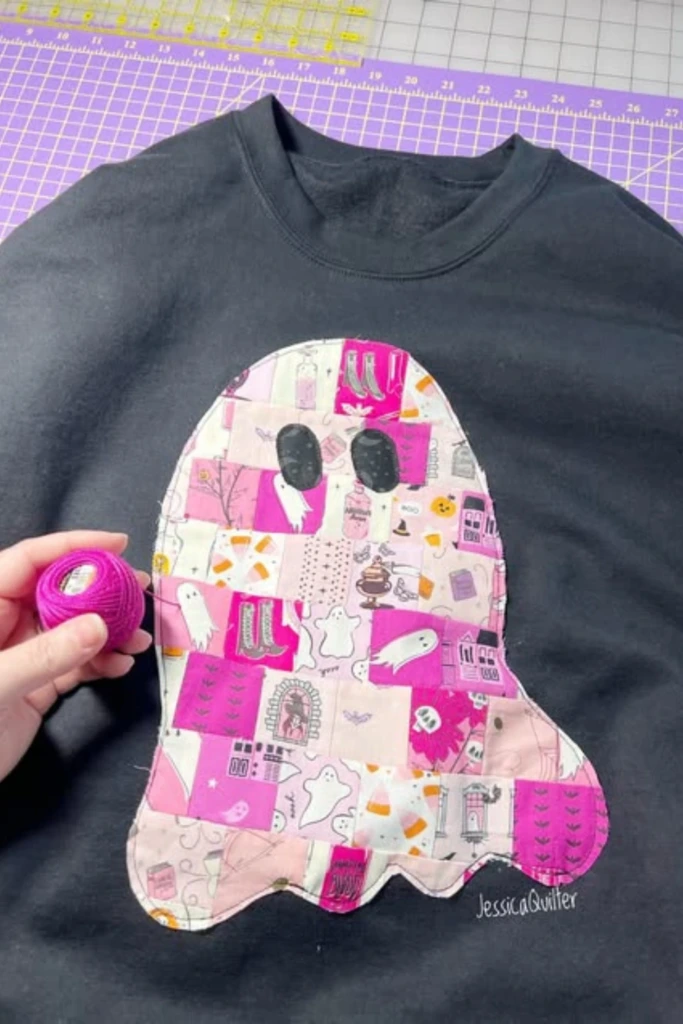
A character-inspired patchwork panel is a fun way to create personalized clothing with a playful appearance.
Start with a simple character silhouette, such as a teddy bear, cartoon-style animal, or cheerful face.
Join several fabric scraps into a panel large enough to accommodate your chosen design. Mixing small prints with solid colors can create an interesting texture without overwhelming the shape.
Place your paper template over the completed panel and cut along the outline.
Attach the character to the sweatshirt using fusible web and secure the edges with stitching.
Additional details, including eyes, ears, or decorative features, can be added with embroidery or smaller fabric pieces.
This project works especially well for children's sweatshirts, personalized gifts, and casual weekend outfits.
5. Quilted Heart Patch
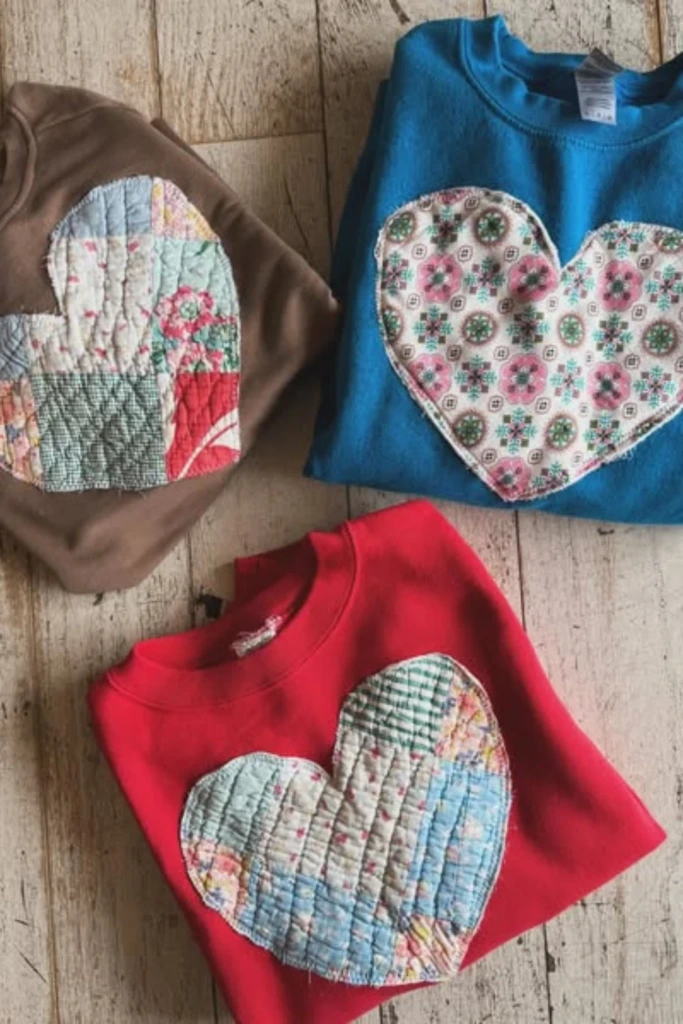
A quilted heart adds warmth, texture, and a handmade feel to an otherwise simple sweatshirt.
Select several coordinating fabric scraps and join them into a small patchwork panel.
Place a thin layer of quilt batting underneath the fabric and add quilting stitches to create a lightly padded surface.
After quilting, trace a heart template onto the panel and carefully cut out the shape.
Position the heart on the front of your sweatshirt, either in the center or slightly toward one side.
Secure the edges with stitching, making sure the patch remains flat against the garment.
Soft floral prints, pastel shades, and vintage-inspired cotton fabrics work particularly well for this design.
6. Colorblock Statement Hoodie
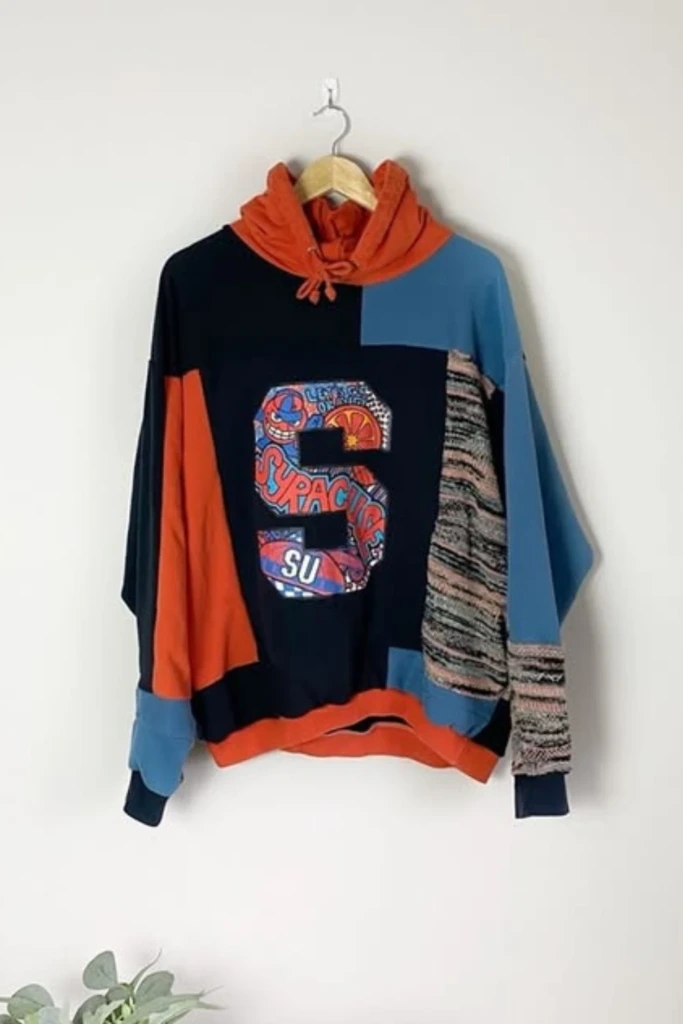
A colorblock hoodie offers a modern approach to patchwork by combining larger sections of contrasting fabric.
Instead of using small decorative patches, this project focuses on bold areas of color across the sleeves, hood, pockets, or body.
Choose two to four complementary fabrics that have similar stretch and thickness.
For an easier version, attach contrasting panels over selected areas of an existing hoodie.
More experienced sewists can replace individual garment sections by carefully opening seams and inserting new fabric panels.
Using compatible knit fabrics is important when reconstructing a hoodie because the new sections should move comfortably with the original garment.
Neutral shades paired with one bright accent color can create a clean, contemporary appearance.
7. Raw-Edge Heart
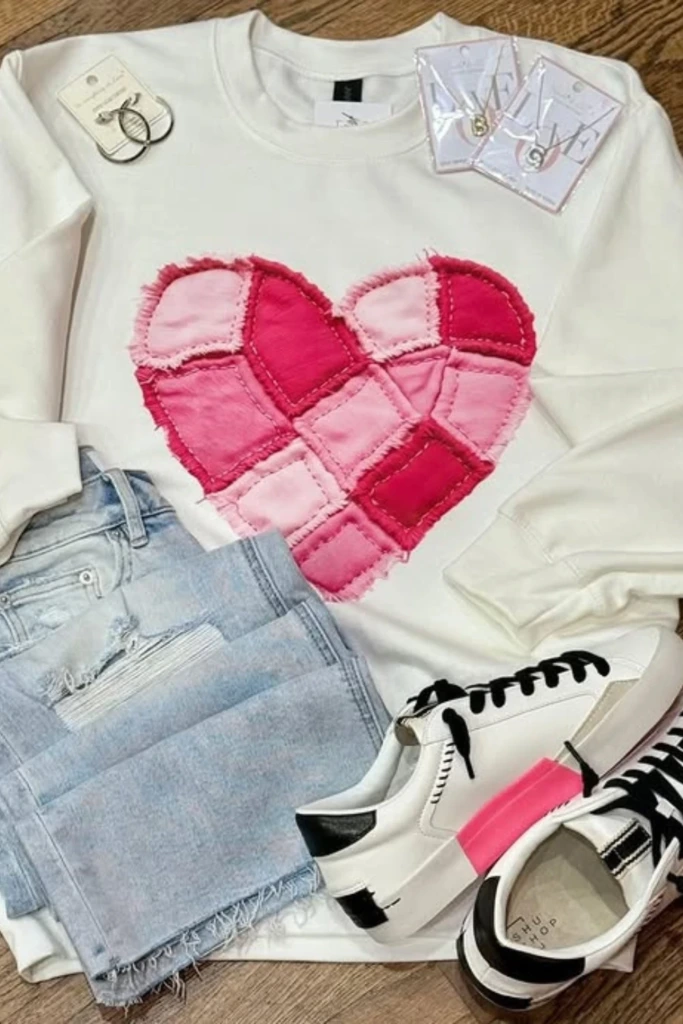
A raw-edge heart patch is ideal for anyone who enjoys relaxed, vintage-inspired clothing.
This technique intentionally leaves the fabric edges exposed, allowing them to develop a slightly frayed appearance over time.
Create a patchwork panel using several cotton scraps, then cut it into a heart shape.
Place the heart on the sweatshirt and secure it with pins or temporary adhesive.
Sew a straight line around the heart, leaving a small border of exposed fabric outside the stitching.
After laundering, woven cotton edges may develop a soft, textured finish.
For additional durability, add a second row of stitching around the shape.
This design pairs beautifully with oversized sweatshirts, faded colors, and casual everyday outfits.
8. Wreath Patch Layout
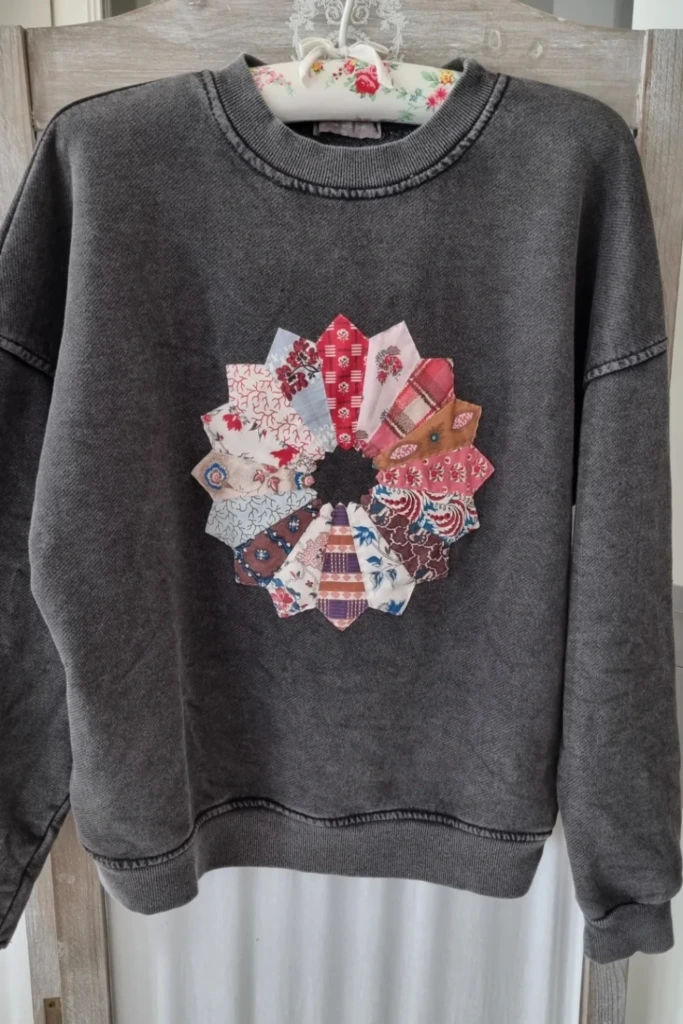
A wreath-style patchwork design creates a decorative circular arrangement that looks attractive on the front or back of a sweatshirt.
Begin by cutting small fabric shapes such as leaves, petals, diamonds, or curved segments.
Arrange the pieces in a circle, leaving an open space in the middle.
Experiment with different color combinations before attaching the pieces. Repeating a few shades throughout the circle creates a more cohesive appearance.
Once the arrangement is complete, secure each piece individually.
Stitch around the edges carefully, especially where the fabric shapes overlap.
A floral wreath works beautifully for spring, while autumn colors and leaf patterns can create a seasonal version.
9. Geometric Quilt Star
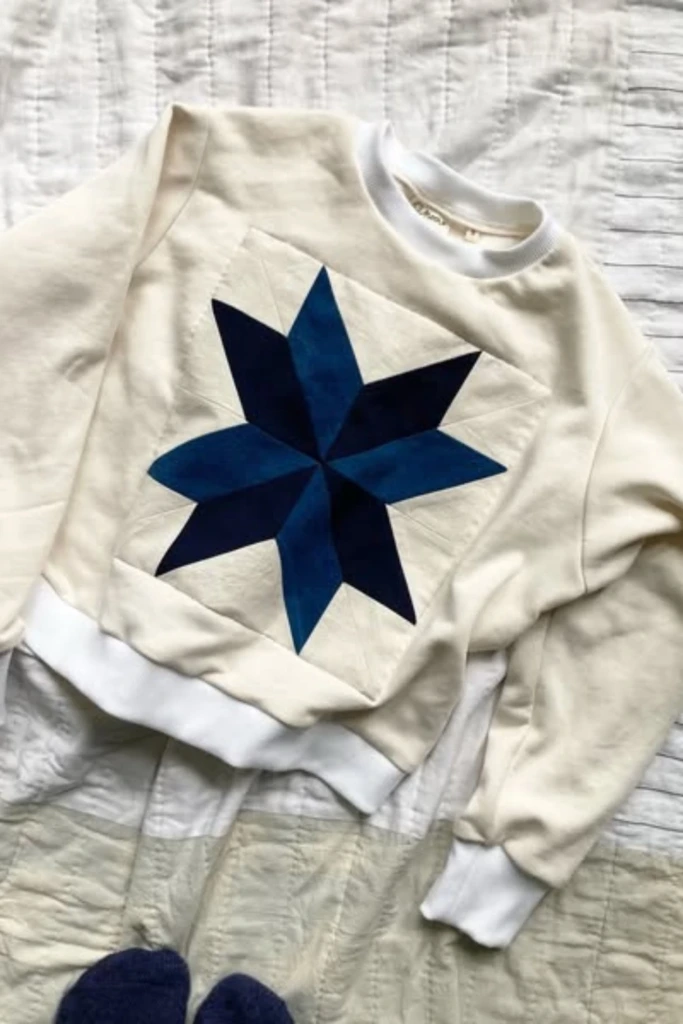
A geometric quilt star combines traditional patchwork techniques with modern sweatshirt styling.
This design is created using carefully arranged fabric triangles, squares, or diamond shapes.
Choose contrasting colors to emphasize the star's points and geometric structure.
Cut your fabric accurately and sew the pieces together into a complete quilt block.
Press each seam as you work to prevent unnecessary bulk and maintain sharp corners.
After assembling the star, trim the surrounding fabric and attach the finished design to your sweatshirt.
Positioning the star at the center of the chest creates a bold focal point, while a smaller version near the shoulder offers a more subtle look.
Beginners can start with a simple four-point star before attempting more detailed patterns.
10. Patchwork Name Letters
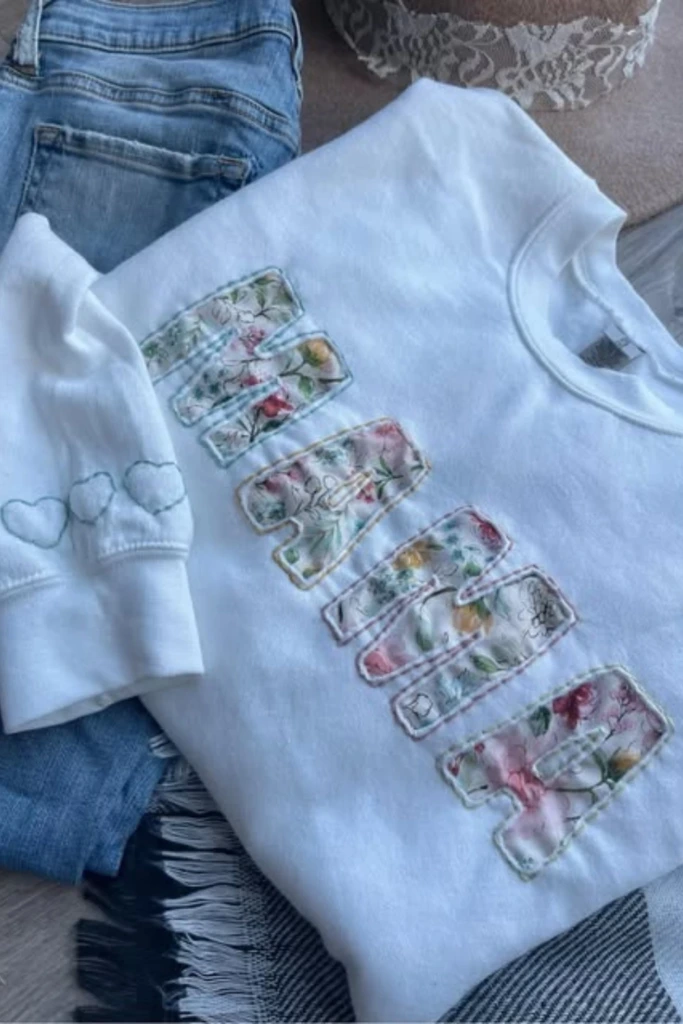
Personalized patchwork lettering turns a basic sweatshirt into a meaningful piece of clothing.
You can create a design featuring your name, initials, nickname, or another short word.
Begin by choosing a bold lettering style with wide shapes that are easy to cut and sew.
Prepare small patchwork panels by joining fabric scraps in complementary colors.
Trace each letter onto the finished fabric and cut it out carefully.
Arrange the letters across the sweatshirt, checking that the spacing looks even.
Attach them with fusible web and stitch around each outline.
For a coordinated design, repeat similar fabric colors throughout the lettering rather than using completely unrelated patterns.
This idea is especially suitable for birthday gifts, matching family sweatshirts, and custom casual wear.
11. Layered Star Patches
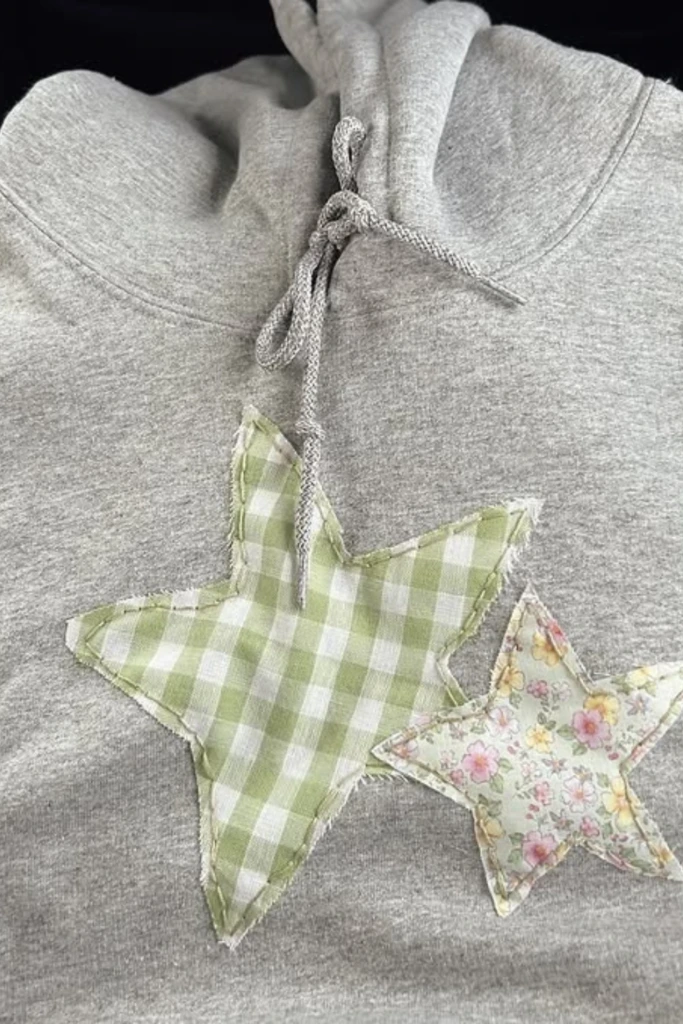
Layered star patches are a simple way to decorate a sweatshirt without covering large areas of fabric.
Cut several stars from different materials, including printed cotton, lightweight denim, or colorful fabric scraps.
Use a combination of small and medium-sized stars to create variation.
Arrange the stars around one shoulder, along a sleeve, or across the upper chest.
For a layered effect, place a smaller star over a larger one, allowing the lower fabric to remain visible around the edges.
Secure the pieces with stitching, working from the bottom layer upward.
You can also add decorative embroidery around selected stars for extra detail.
A limited color palette helps the arrangement feel coordinated rather than crowded.
12. Phrase Patch Letters
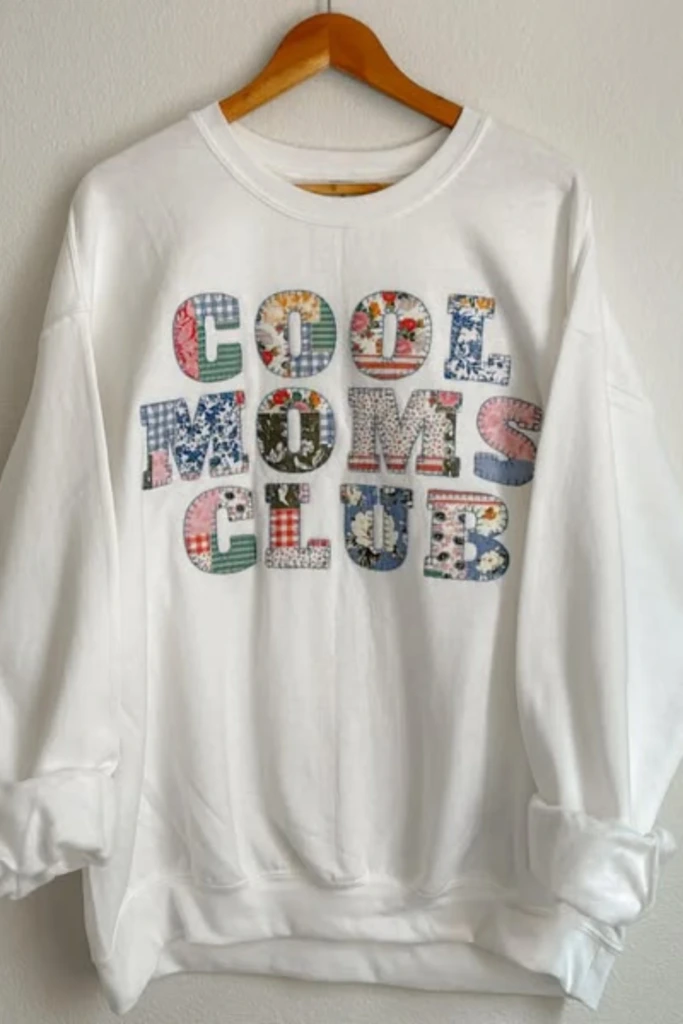
A short phrase made from fabric letters can give your sweatshirt a cheerful, expressive appearance.
Choose a message that reflects your personality, such as "Stay Cozy," "Good Vibes," or "Be Kind."
Select a simple font with clear letter shapes.
Cut each letter from your chosen fabric, using contrasting prints or alternating colors to create visual interest.
Before sewing, lay the entire phrase across the sweatshirt and adjust the spacing.
Use removable fabric markings or a straight guideline to keep the letters aligned.
Secure each letter individually, then stitch around its edges.
Short phrases generally work best because they allow you to use larger letters that are easier to read and sew.
13. Scrappy Heart Block
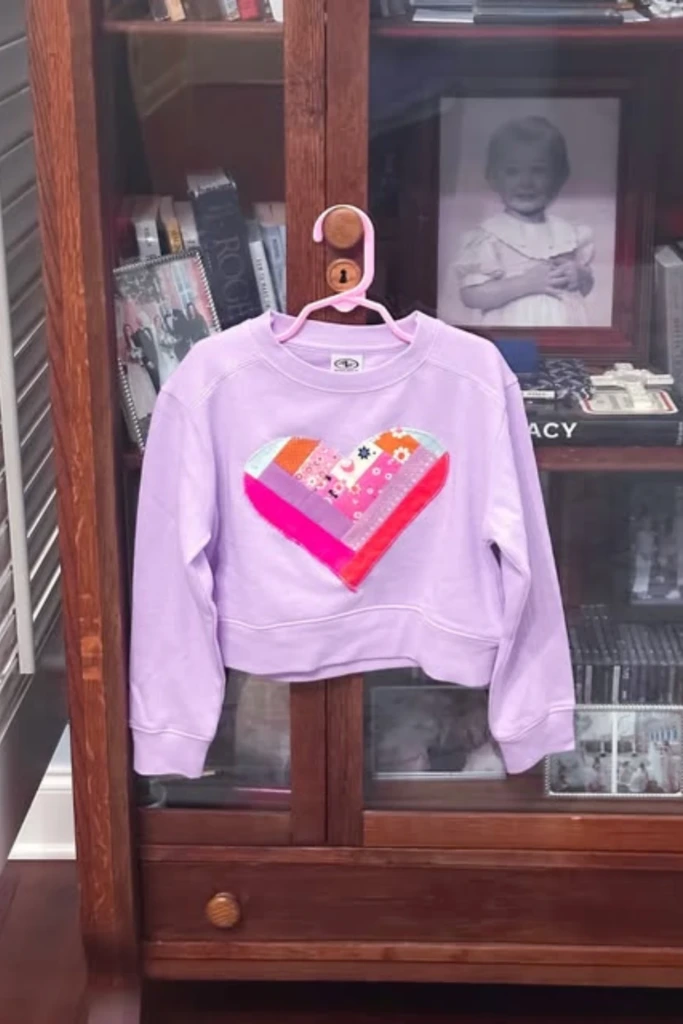
A scrappy heart block is an excellent project for using small fabric leftovers from previous sewing projects.
Gather narrow strips, small squares, and irregular cotton scraps in colors that complement each other.
Sew the pieces together until you have a fabric panel slightly larger than your heart template.
Press the seams flat and trim away excess material.
Trace the heart shape onto the patchwork panel and cut it out.
Attach the finished heart to the sweatshirt using your preferred appliqué technique.
A small heart looks charming near the chest pocket area, while a larger version can become the main decorative feature.
For a softer appearance, combine muted colors and delicate prints. Bright contrasting scraps create a more playful result.
14. Mixed Logo Patch
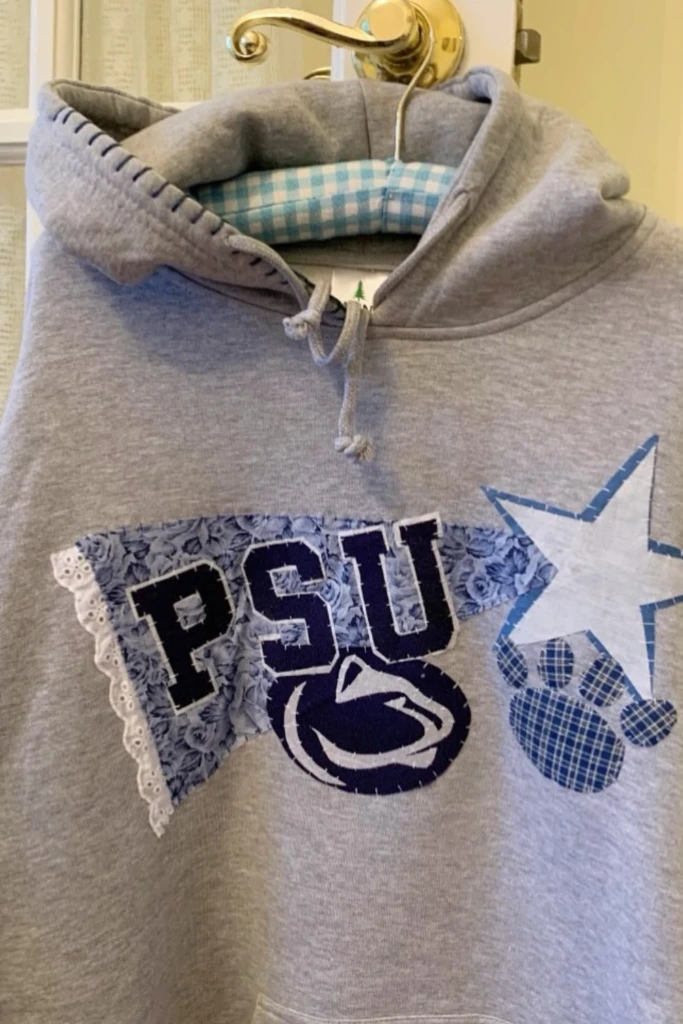
A mixed logo patch allows you to refresh an existing graphic sweatshirt without completely hiding its original design.
This technique works well for sweatshirts featuring printed lettering, symbols, or simple illustrations.
Choose fabric scraps that coordinate with the colors already present in the graphic.
Add small patches around the design, create a fabric border, or incorporate a contrasting background shape.
Keep the main logo visible so the overall design remains easy to recognize.
If the original print is thick or rubbery, avoid unnecessary stitching directly through it, as this can damage the finish or cause skipped stitches.
Instead, attach the fabric patches around the printed area whenever possible.
This is also a creative option for updating secondhand sweatshirts or covering minor imperfections near an existing graphic.
15. Mixed Fabric Letters
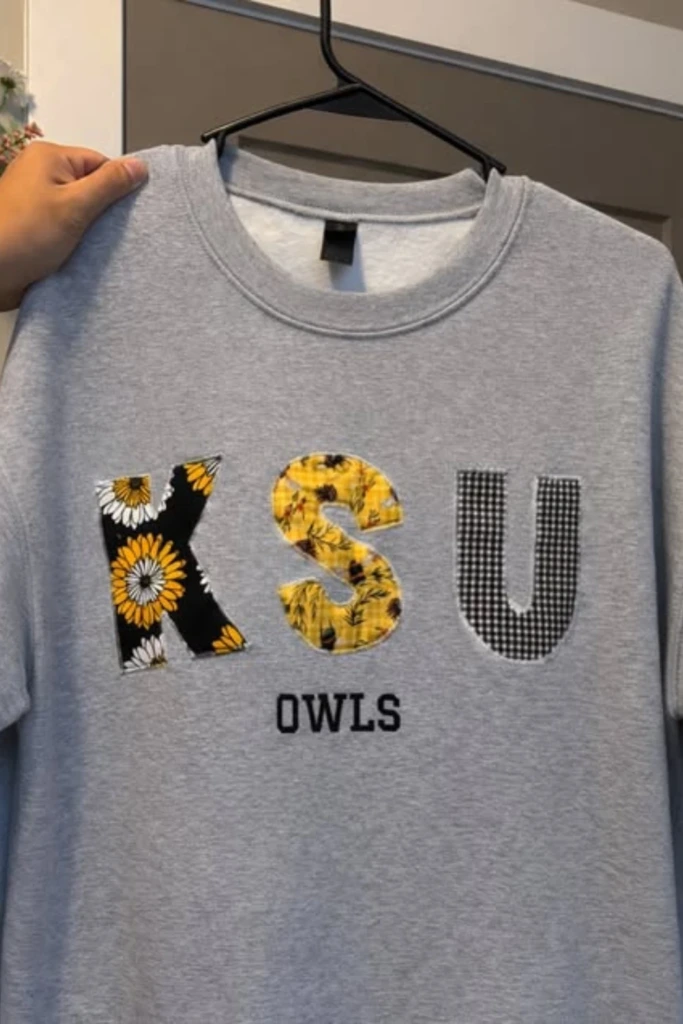
Mixed fabric lettering creates a colorful patchwork effect without requiring you to sew numerous scraps into panels first.
Each letter is cut from a separate piece of fabric, making the process straightforward and beginner-friendly.
Choose fabrics with different patterns but a shared color theme.
For example, combine gingham, florals, stripes, and solid cotton in complementary shades.
Trace large letters onto the fabrics and cut them out with sharp scissors.
Position the letters across the sweatshirt and secure them with fusible web or basting stitches.
Sew around each letter using a straight or narrow zigzag stitch.
The finished design offers the charm of patchwork while requiring less preparation than traditional pieced appliqué.
16. Center Patch Panel
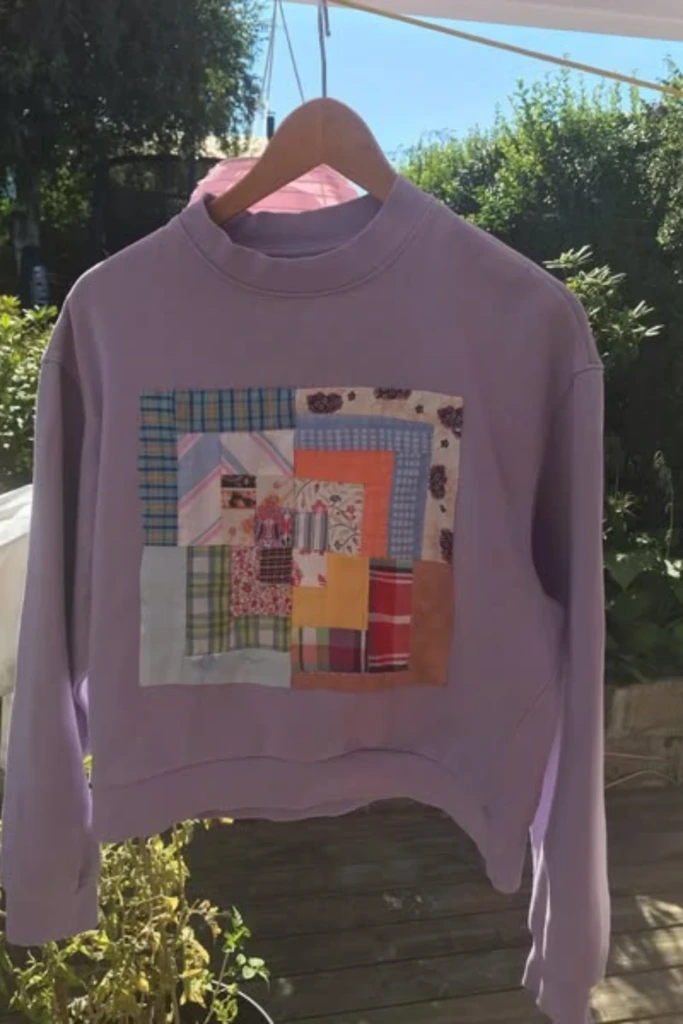
A center patch panel is a versatile choice for creating a bold decorative feature.
Start by gathering fabric scraps in a selection of coordinating colors and patterns.
Sew the pieces into a rectangular or square panel, using strips, blocks, or an irregular patchwork arrangement.
Press the completed panel carefully to flatten the seams.
Place it at the center of the sweatshirt and check its alignment with the neckline and hem.
Secure the panel before stitching around its perimeter.
For extra detail, add decorative quilting lines across the fabric.
This design looks particularly effective on loose-fitting sweatshirts because the larger front surface provides plenty of room for the patchwork.
17. Patchwork Tree Shape
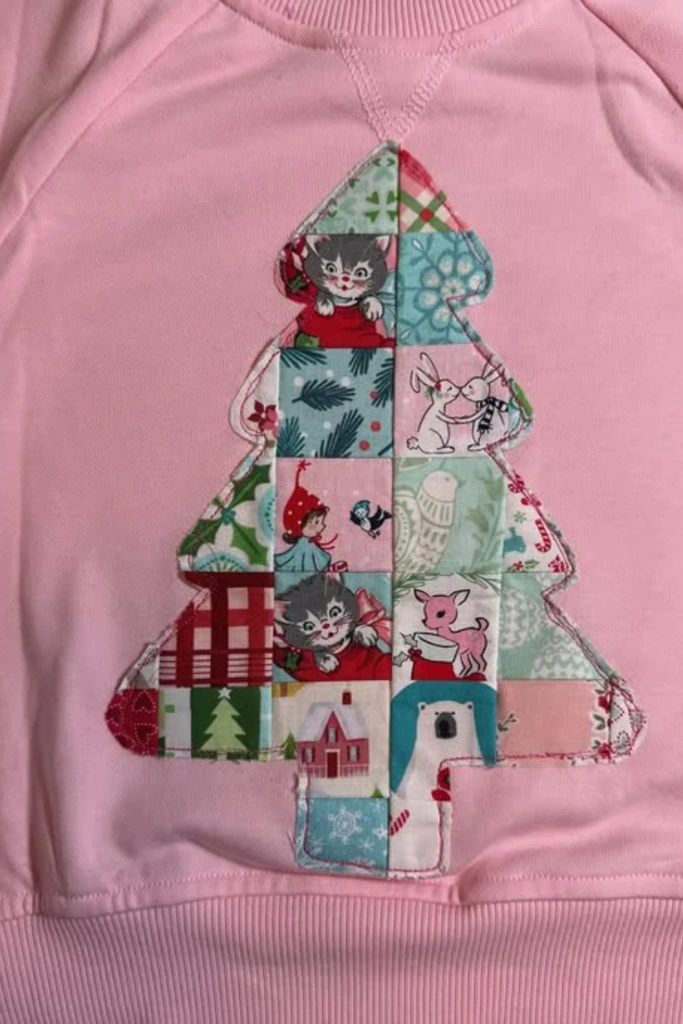
A patchwork tree design offers a charming way to create seasonal or nature-inspired clothing.
Begin by selecting fabric scraps in your preferred color scheme.
Green prints can create a traditional tree, while colorful patterned fabrics give the design a whimsical appearance.
Join the scraps into a panel and cut out a tree silhouette.
A simple triangular tree with a separate trunk is ideal for beginners, while more detailed designs can feature layered branches.
Attach the finished shape to the sweatshirt using fusible web and secure the edges with stitching.
Small embroidered details, fabric ornaments, or decorative buttons can add personality. Avoid loose buttons on clothing intended for very young children.
Although this design is particularly popular for holiday projects, it can also be adapted into other nature-inspired motifs for year-round wear.
18. How to Keep Patchwork Flat on a Sweatshirt
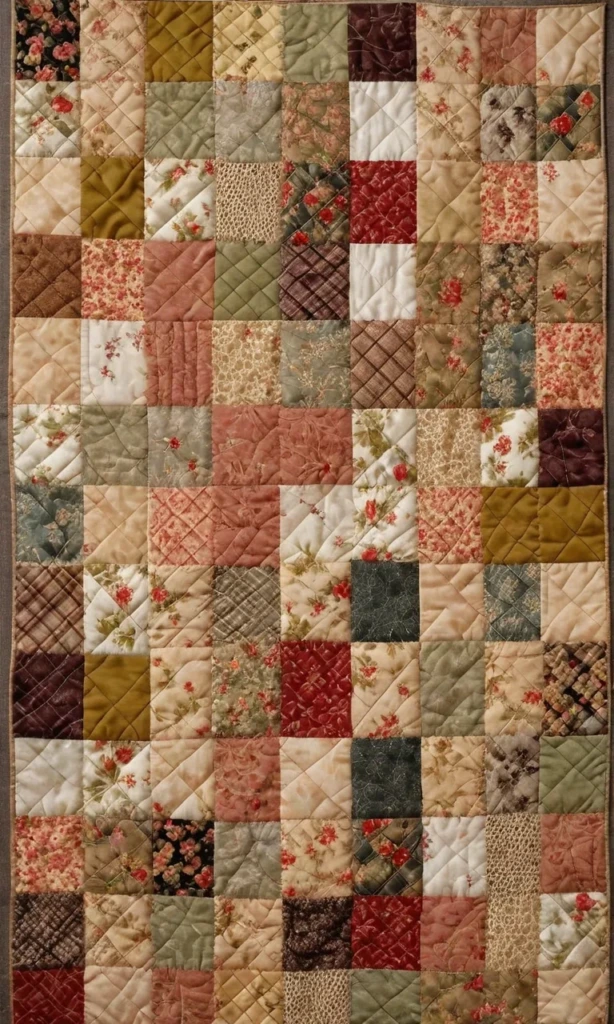
One of the biggest challenges when sewing patches onto sweatshirts is preventing the surrounding fabric from stretching.
Sweatshirt material often contains elastic fibers or knitted loops that move differently from woven cotton patches.
To minimize distortion, place the sweatshirt on a flat surface and secure the appliqué before stitching.
Use an appropriate stabilizer underneath the design to support the fabric.
While sewing, avoid pulling or pushing the sweatshirt through the machine. Allow the feed mechanism to move the material naturally.
A walking foot can also help feed multiple fabric layers more evenly.
If you notice puckering, check the presser-foot pressure, thread tension, and stitch length on a test sample.
Press the finished design gently with a pressing cloth, using a temperature suitable for all the fabrics involved.
What Fabric Works Best for Sweatshirt Patchwork?
Choosing the right fabric can make a noticeable difference in the appearance and durability of your project.
Quilting cotton is a popular option because it is easy to cut, press, and sew. It is especially useful for decorative shapes and detailed appliqués.
Lightweight denim offers a sturdier appearance and works well for casual or vintage-inspired designs.
Flannel provides a soft texture, making it suitable for cozy sweatshirts and autumn-themed projects.
Cotton jersey can also be used, particularly when you want a patch that stretches with the sweatshirt. However, it may require additional care during cutting and stitching.
Avoid combining extremely thick fabrics with delicate materials in the same patchwork panel.
Whenever possible, prewash your scraps and choose materials with similar laundering requirements.
How Should You Finish the Edges?
The finishing technique you choose determines whether your patchwork looks polished, textured, or intentionally rustic.
A straight stitch placed slightly inside the fabric edge creates a casual finish. This method works well for raw-edge appliqué designs.
A zigzag stitch provides more edge coverage and helps reduce fraying.
For a cleaner decorative finish, use a close satin stitch around the patch. This technique creates a defined border but may add stiffness to larger designs.
Another option is to fold the fabric edges underneath before attaching the patch, although curved shapes and small details can make this more challenging.
Choose the technique based on the fabric type and the appearance you want.
Testing different stitches on leftover fabric will help you find a finish that suits your project.
19. How to Wash a Patchwork Sweatshirt
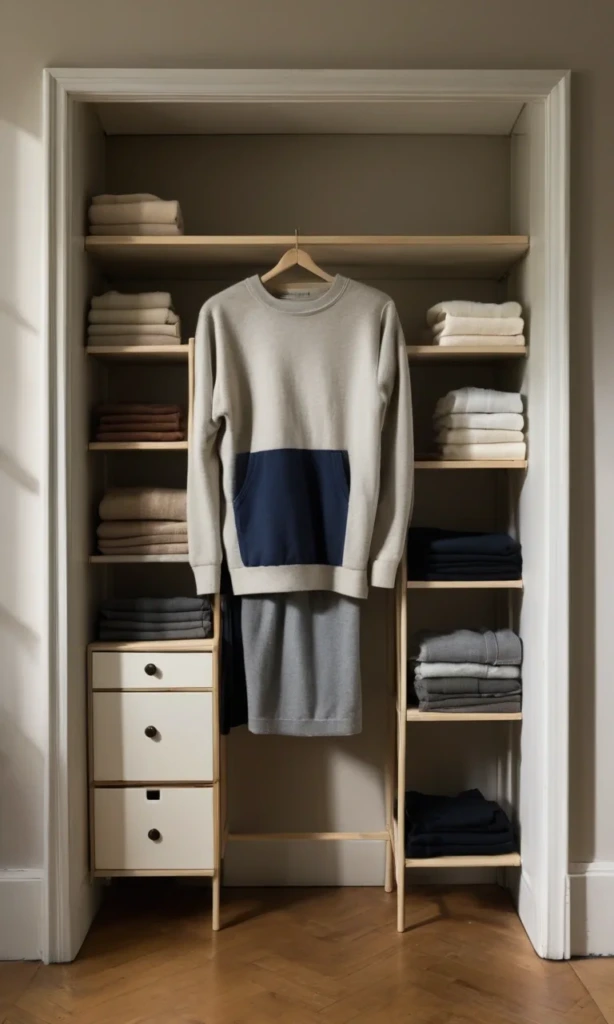
Proper washing helps preserve the colors, stitching, and shape of your handmade sweatshirt.
Turn the garment inside out before placing it in the washing machine. This reduces friction against the decorative fabric pieces.
Use a gentle cycle with cool water and a mild detergent suitable for the materials.
Avoid harsh bleaching products that may fade colorful patches or damage decorative stitching.
Air-drying is often a good choice, particularly when your design includes delicate appliqué or multiple fabric types.
If machine drying is necessary, use a low-temperature setting when permitted by the care labels.
Inspect the patchwork occasionally for loose threads or lifting edges.
Repairing small areas promptly can prevent larger sections from becoming detached.
Can I embroider a sweatshirt without stabilizer?
Small, simple embroidery designs can sometimes be stitched without stabilizer, but the results may be less consistent.
Because sweatshirt fabric stretches, embroidery stitches can pull the surrounding material and create wrinkles.
Using cut-away stabilizer helps maintain the shape of the design and reduces distortion.
For larger embroidery projects or dense stitching, stabilizer is strongly recommended.
Should I hoop the sweatshirt or float it?
Both techniques are useful, depending on the thickness and stretch of your sweatshirt.
Hooping involves securing the fabric and stabilizer together inside an embroidery hoop. This works best when the material fits comfortably without being stretched.
Floating involves hooping the stabilizer and positioning the sweatshirt on top, securing it with temporary adhesive or basting stitches.
Floating is often convenient for thick fleece or bulky garments that are difficult to hoop evenly.
Whichever method you choose, ensure the fabric remains smooth and unstretched before stitching.
Do I Need Fusible Web for Patchwork Appliqué?
Fusible web is optional, but it can make attaching appliqué shapes much easier.
It holds fabric pieces in position while you sew, reducing movement and helping maintain accurate outlines.
For simple patches, sewing pins or temporary basting stitches can provide enough support.
If you use fusible web, select a product appropriate for your fabric and follow its heat-setting instructions.
Remember that many fusible web products are designed to assist with placement rather than replace permanent stitching.
Can I Make a Patchwork Sweatshirt Without an Embroidery Machine?
Yes, you can create attractive patchwork sweatshirts without specialized embroidery equipment.
A standard sewing machine can handle most appliqué projects using straight, zigzag, or decorative stitches.
Hand sewing is another practical option for smaller patches and simple shapes.
Use a suitable needle, strong thread, and evenly spaced stitches to secure the fabric.
Although hand stitching takes longer, it provides excellent control over small details and irregular shapes.
20. Start With One Small Patch
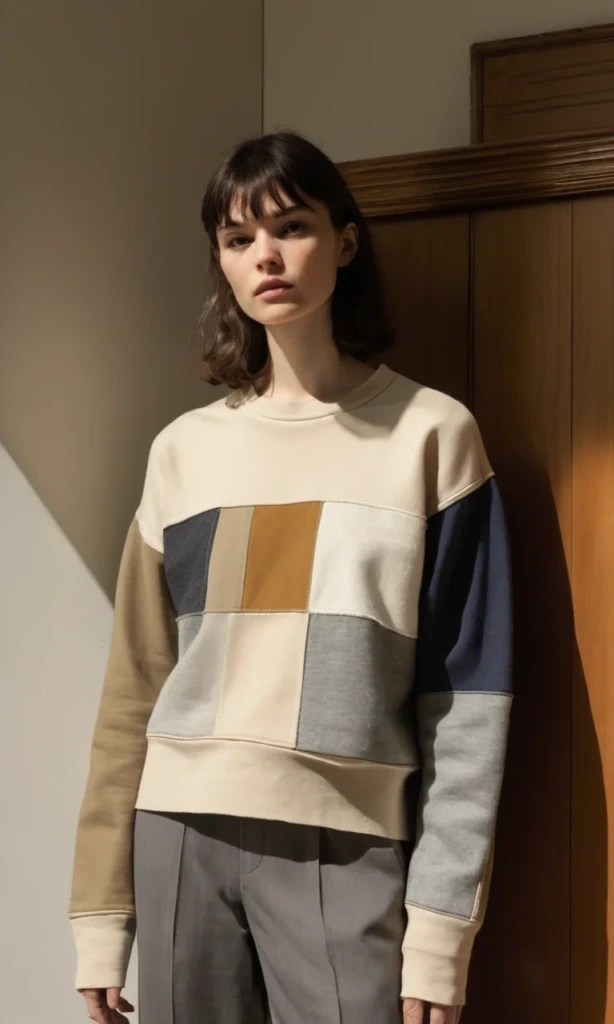
Creating a patchwork sweatshirt is an enjoyable way to refresh your wardrobe, reuse leftover fabric, and experiment with personalized clothing designs.
You don't need to begin with a complicated quilt pattern or an oversized decorative panel.
A small heart, simple star, or single fabric letter is enough to practice cutting, positioning, stabilizing, and stitching.
As your confidence grows, you can explore larger designs, layered appliqués, and more intricate patchwork arrangements.
The best part is that every project can be different. By combining fabrics you already love with a sweatshirt you enjoy wearing, you can create a comfortable, one-of-a-kind piece that reflects your personal style.