16 Genius Baby Closet Organization Ideas 2026
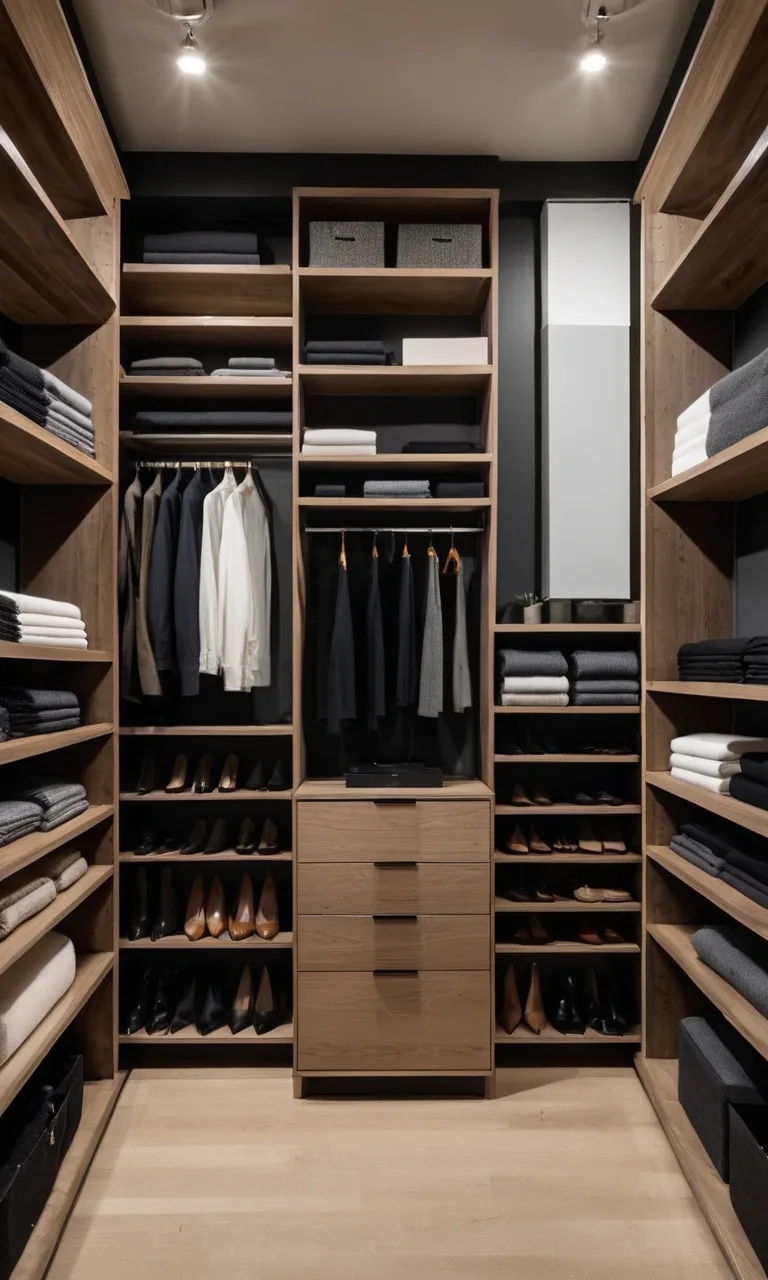
A baby’s closet can become crowded surprisingly quickly. Between tiny outfits, blankets, diapers, shoes, and changing essentials, even a spacious wardrobe can feel disorganized when everything lacks a proper place.
The key to an organized baby closet is creating a setup that makes everyday tasks easier. You should be able to find a clean onesie, grab a fresh blanket, or put away newly washed clothes without searching through piles.
You don't need an expensive custom wardrobe to achieve this. A few practical storage solutions, thoughtful categories, and easy-to-maintain habits can make a significant difference.
These baby closet organization ideas will help you use available space more effectively, keep essentials accessible, and create a functional storage system that adapts as your little one grows.
1. Create a Closet System With Multiple Storage Zones
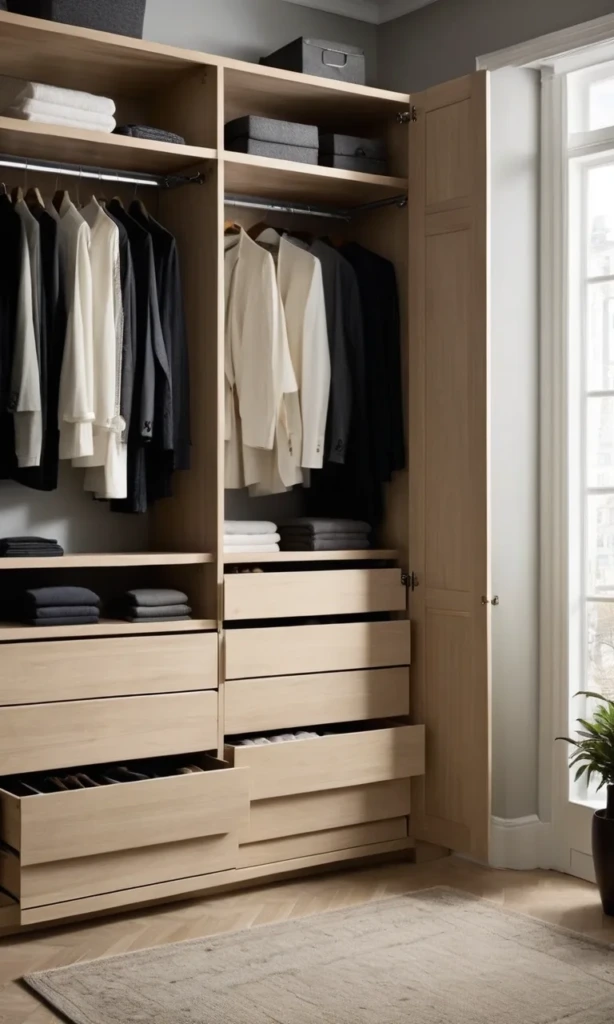
Start by dividing the closet into specific areas for different belongings. Instead of placing everything wherever space is available, assign separate zones for hanging outfits, folded clothing, accessories, blankets, and diapers.
Keep frequently used items in the most accessible locations. Reserve upper shelves for spare bedding, seasonal clothing, and other supplies you don't need every day.
This arrangement makes it easier to locate what you need, particularly during busy mornings and nighttime changes. It also prevents small items from disappearing behind larger piles.
2. Use Matching Storage Baskets
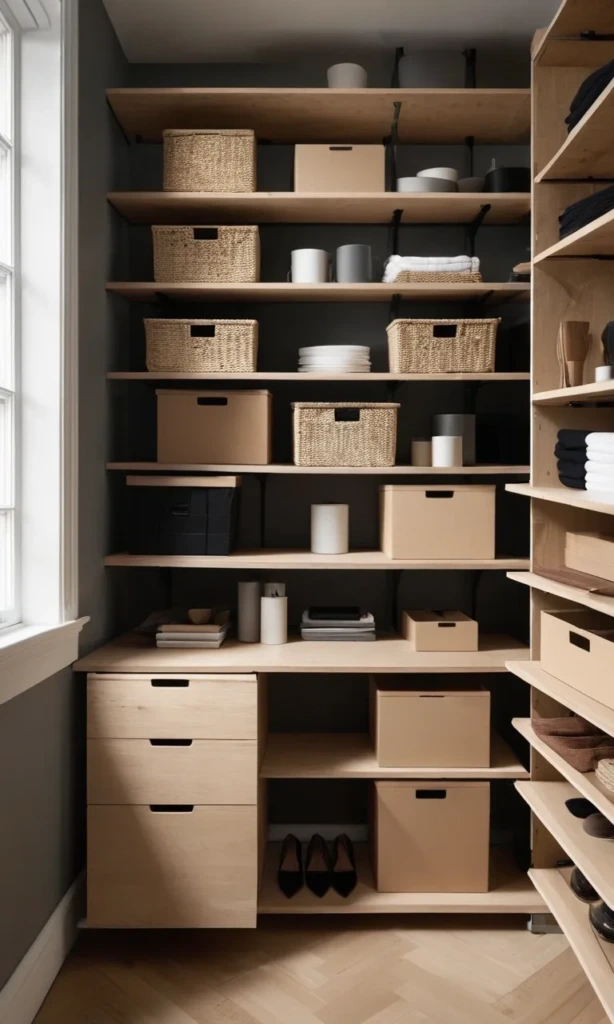
Storage baskets are an easy way to bring order to open closet shelves. Choose a few baskets that fit your available space and use each one for a specific category.
For example, one basket can hold bibs, another can store burp cloths, and a third can contain lightweight blankets. Fabric bins work well for soft baby accessories, while washable containers are useful for frequently handled items.
Add simple labels to identify each category. If several caregivers share baby duties, labels help everyone return belongings to the correct place.
Avoid filling baskets too deeply, since small items can become difficult to find when everything is stacked together.
3. Organize Baby Clothes by Size
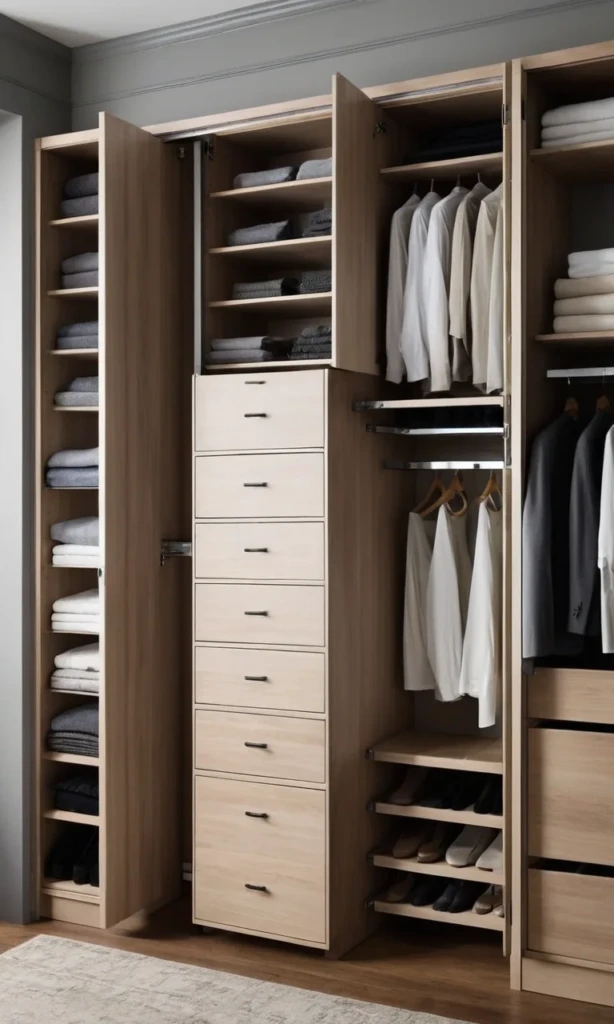
Babies outgrow clothing quickly, so organizing outfits by size can save considerable time. Separate newborn clothing from larger sizes and keep the clothes your baby currently wears in the easiest-to-reach section.
Closet rod dividers make it simple to distinguish between sizes. You can also use labeled drawers or bins for clothes that aren't needed yet.
Keep an eye on your baby's growth and move outgrown pieces into a separate container. Wash and store items you plan to keep for a future child, or donate clean clothing that is still in good condition.
A size-based system prevents you from sorting through unsuitable outfits every time you get your baby dressed.
4. Add Drawer Dividers for Tiny Accessories
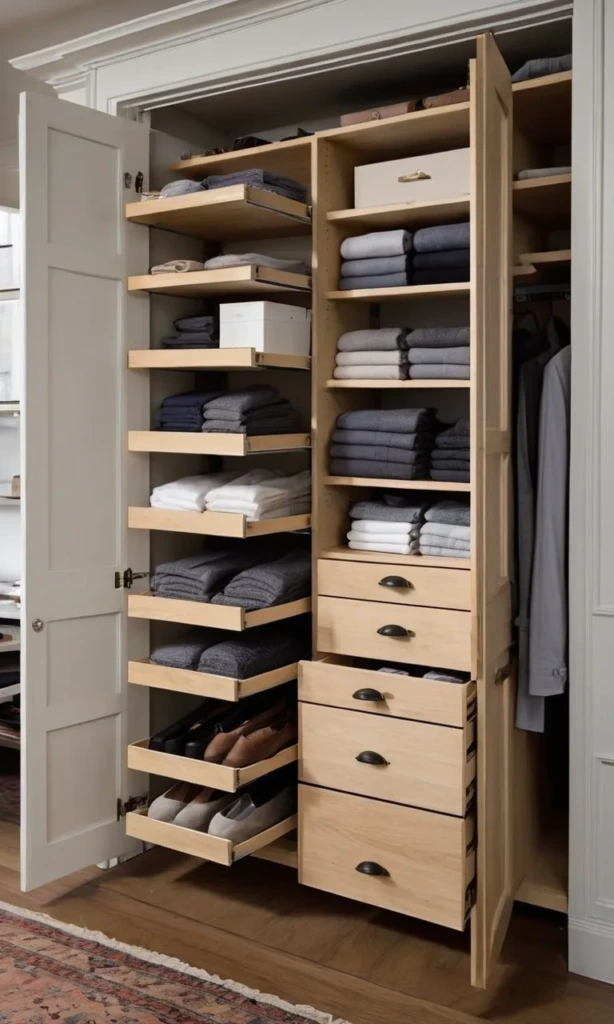
Small accessories can easily turn a drawer into a jumble. Socks, mittens, hats, and hair accessories are much easier to manage when they have individual compartments.
Adjustable drawer dividers allow you to customize the space according to the items you own. Small fabric organizers are another practical choice, particularly for shallow drawers.
Group similar belongings together and place the items you use most frequently toward the front.
For socks, pair them before storing them. For accessories that come in sets, keep the matching pieces together so you don't have to search for missing items later.
5. Make the Most of Vertical Closet Space
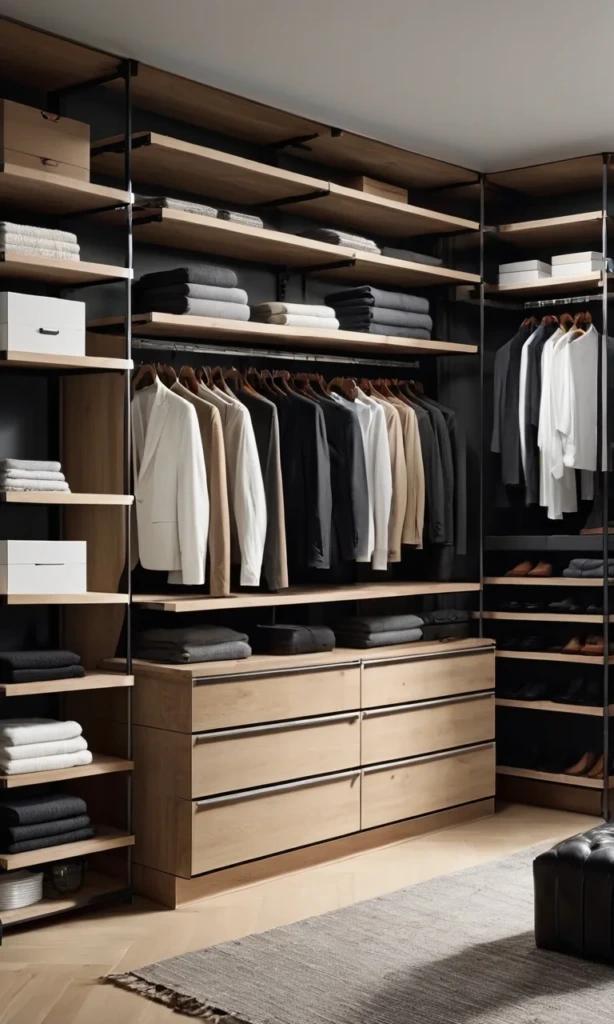
When floor space is limited, look upward. The area above a hanging rail or between existing shelves can provide useful storage without expanding the closet.
Consider adding suitable shelving, hanging fabric organizers, or stackable bins to accommodate folded clothes and lightweight accessories.
Use the uppermost shelves for infrequently needed belongings, such as spare blankets and out-of-season outfits. Keep everyday essentials lower down so you can reach them comfortably.
Before installing additional shelves or storage hardware, check the closet's dimensions and weight limits. Secure heavy storage units properly and avoid placing anything unstable above the baby's sleeping or changing area.
6. Install a Second Hanging Rod
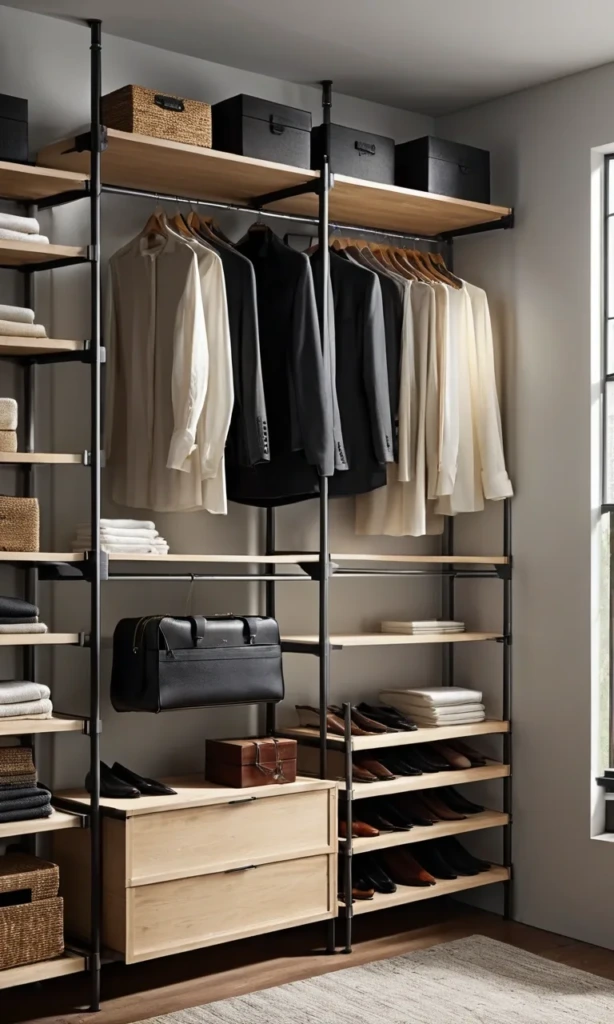
Baby clothing is small enough that a single full-height hanging section can leave considerable unused space underneath. A second hanging rod can turn that empty area into additional storage.
Use the upper rod for less frequently worn outfits and the lower rod for everyday clothing, provided both sections remain easy for adults to access.
This arrangement works particularly well for onesies, shirts, lightweight dresses, and small jackets.
Check the closet's construction before adding another rod, and ensure the hardware is securely installed. If the closet is too narrow or already has limited hanging space, a small shelf or drawer unit may be a better alternative.
7. Use Clear Containers for Small Essentials
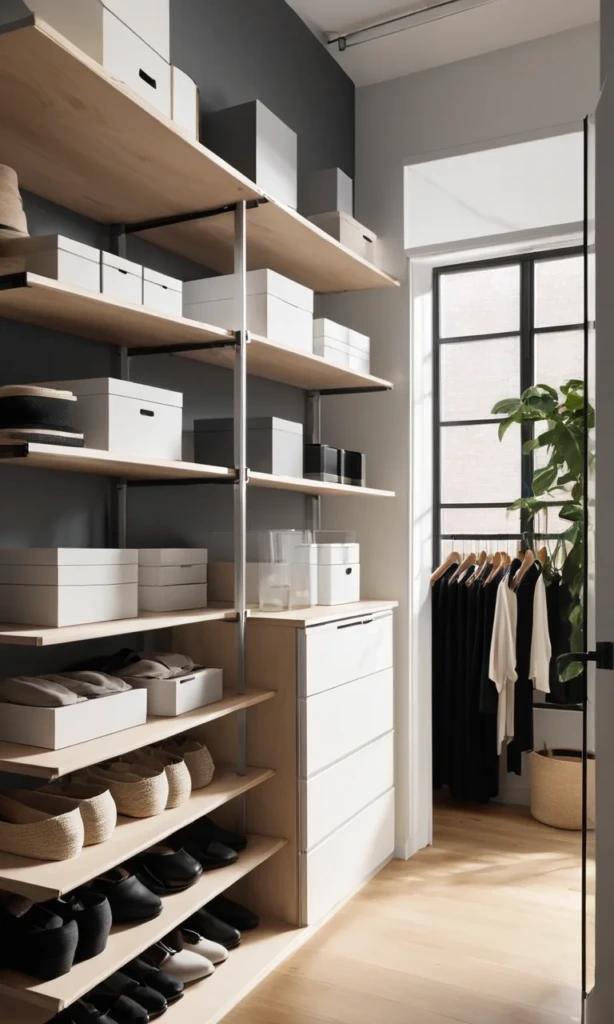
Transparent containers make it easier to see what you have without opening every box. They're especially helpful for organizing spare pacifier cases, socks, seasonal accessories, and clothing that your baby will wear later.
Choose containers that fit your shelves and have smooth edges. Smaller boxes can be grouped together to prevent loose items from spreading across the closet.
Labels are still useful because clear containers can look similar when several are stored side by side.
Keep containers containing small items securely out of your baby's reach. Once your child becomes mobile, reassess the storage arrangement to prevent access to choking hazards or other unsafe objects.
8. Create a Dedicated Diaper and Changing Station
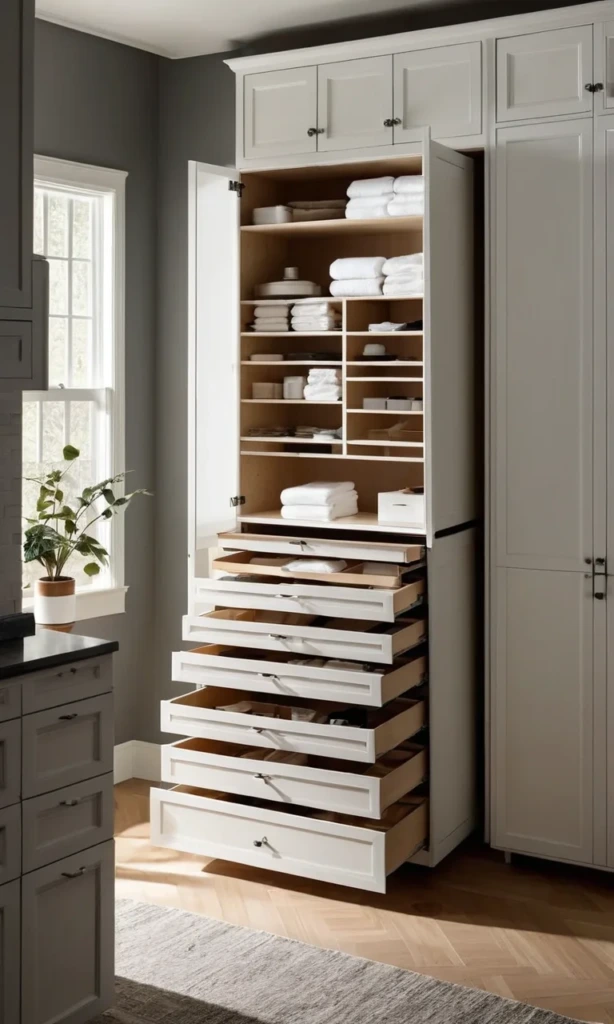
Keeping changing supplies together can simplify one of the most frequent tasks in a baby's daily routine.
Designate a shelf or suitable storage unit for diapers, wipes, clean changing covers, and spare clothing. A shallow basket or divided organizer can keep these supplies together instead of scattered across several shelves.
Store backups separately from the items you use throughout the day. This allows you to replenish the changing area without disrupting its arrangement.
Place everyday essentials within convenient reach of the changing station, but never leave a baby unattended on an elevated changing surface. Keep creams, medications, and other potentially harmful products secured away from children.
9. Organize Blankets and Swaddles Separately
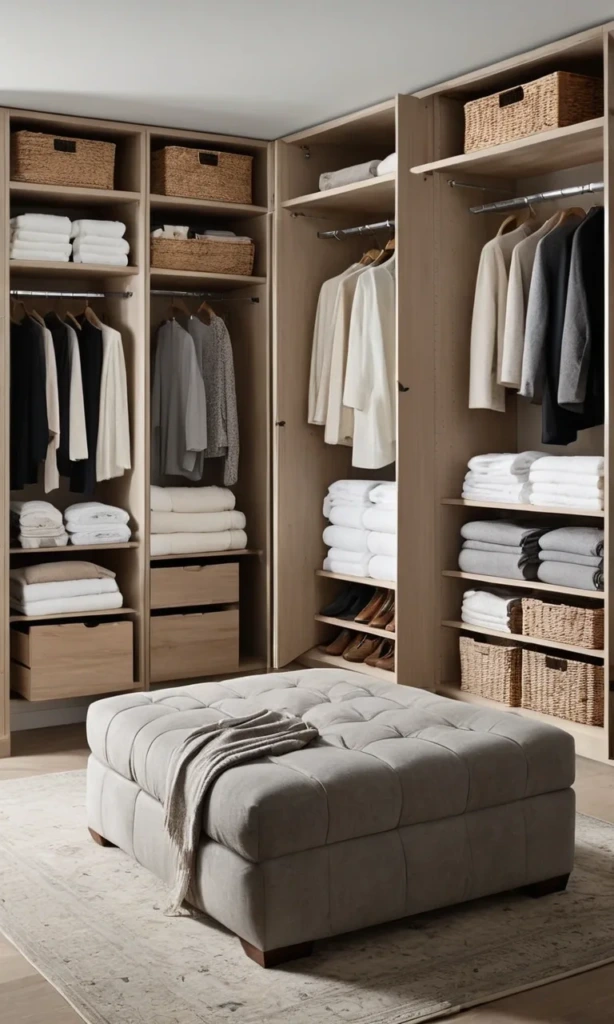
Blankets, swaddles, and muslin cloths can occupy a surprising amount of closet space. Giving each category its own shelf or basket helps prevent them from mixing with clothing and smaller accessories.
Fold blankets into consistent sizes so they stack neatly. Store lightweight wraps together and place extra bedding in a separate container.
Keep the items you use regularly toward the front, with spare pieces behind them.
For safe sleep, keep loose blankets, pillows, and other soft items out of an infant's sleep space. Organized closet storage makes these belongings easier to manage without leaving them in the crib.
10. Add Labels to Shelves and Bins
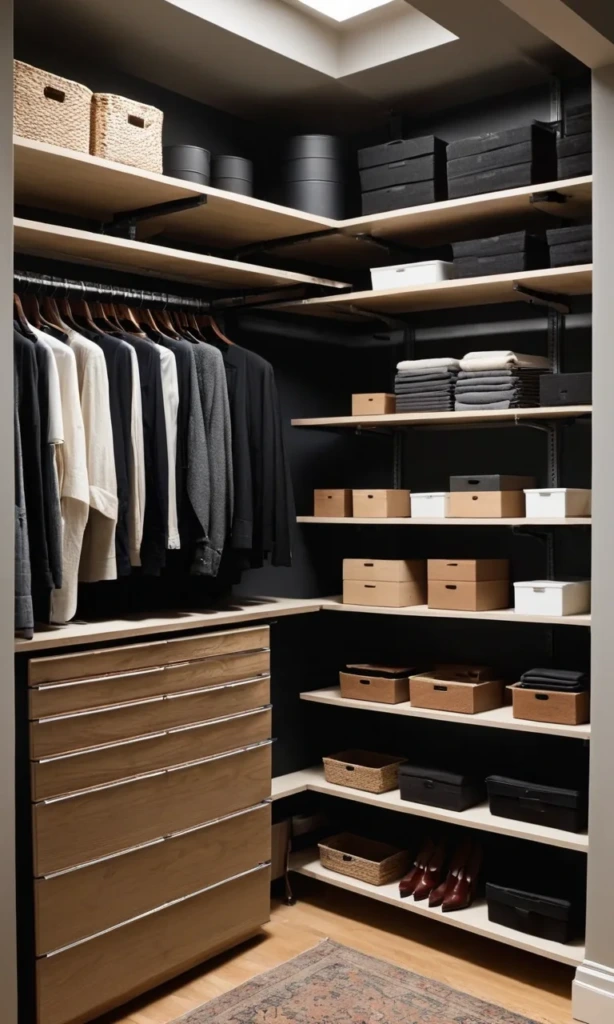
Labels make an organizational system easier to maintain. Without them, even carefully arranged containers can become mixed up as different family members put things away.
Use straightforward descriptions such as “Socks,” “Bibs,” “Blankets,” “Next Size,” and “Extra Supplies.” Labels on the front of baskets are especially helpful when containers sit on deep shelves.
If you prefer a softer visual appearance, choose simple matching labels rather than large decorative signs.
As your baby grows, update the labels to reflect changing needs. A flexible system will continue to work even when newborn accessories are replaced by toddler clothing and toys.
11. Store Outgrown Clothes in a Separate Bin
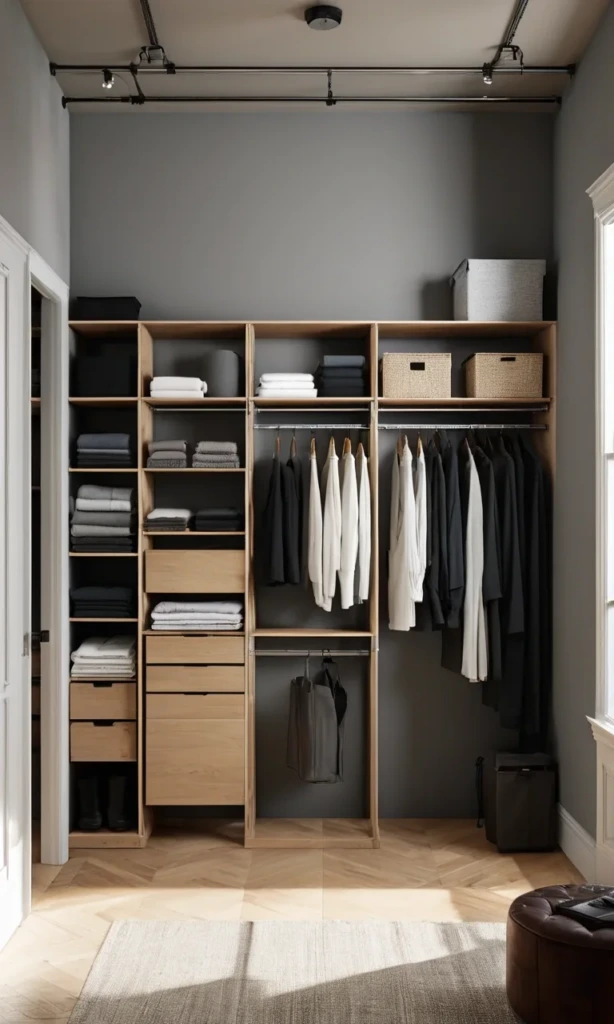
Outgrown clothing can gradually take over the space intended for everyday outfits. A dedicated storage bin helps you remove items from the active wardrobe as soon as they no longer fit.
Keep a container labeled by size, and check clothing periodically for fit. Place clean, dry garments into suitable storage bags or boxes if you intend to save them.
If you're keeping clothes for another child, note the size and season on the container. This makes it easier to find suitable outfits later without unpacking everything.
Donate or pass along usable clothing you no longer need. Removing unwanted items regularly helps preserve space for the things your family actually uses.
12. Use Hanging Organizers for Everyday Essentials
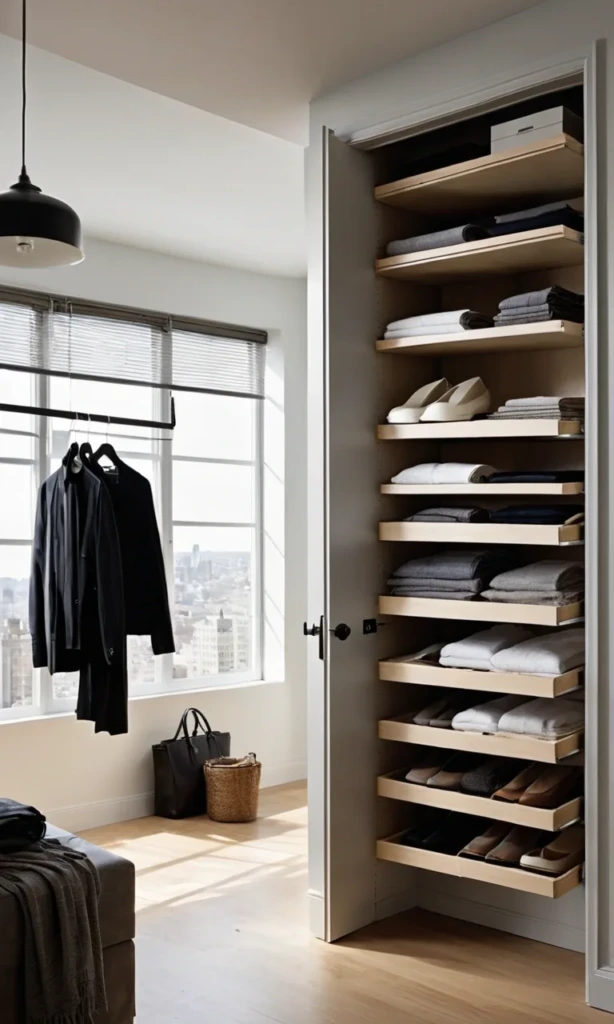
A hanging organizer can add storage to a closet without requiring additional furniture. Its compartments are useful for folded outfits, bibs, hats, and other lightweight belongings.
Choose an organizer that fits comfortably beneath the hanging rail and doesn't interfere with the closet door.
Assign one compartment to each category instead of mixing unrelated items together. This keeps the contents easy to identify and reduces the need to rearrange everything whenever you remove an outfit.
Check that the organizer is securely attached and doesn't carry more weight than its manufacturer recommends.
13. Set Up a Small Shoe Storage Area
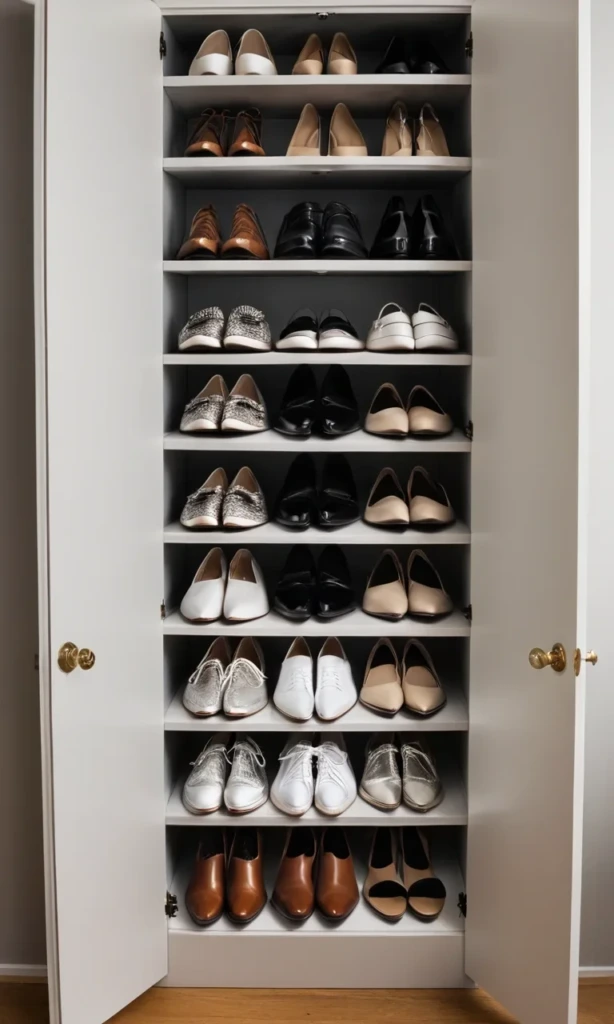
Baby shoes and booties are small, but they can quickly become scattered among clothing and accessories. A dedicated shelf, divided box, or shallow basket gives them a consistent home.
Keep pairs together and arrange footwear by size or type. Everyday booties can stay near the front, while larger sizes can be stored separately until needed.
For a compact closet, a small divided organizer may be more practical than a full shoe rack.
Store shoes only when they are clean and dry, and periodically remove pairs that no longer fit. This prevents the collection from growing beyond the space available.
14. Make the Closet Easy to Update as Your Baby Grows
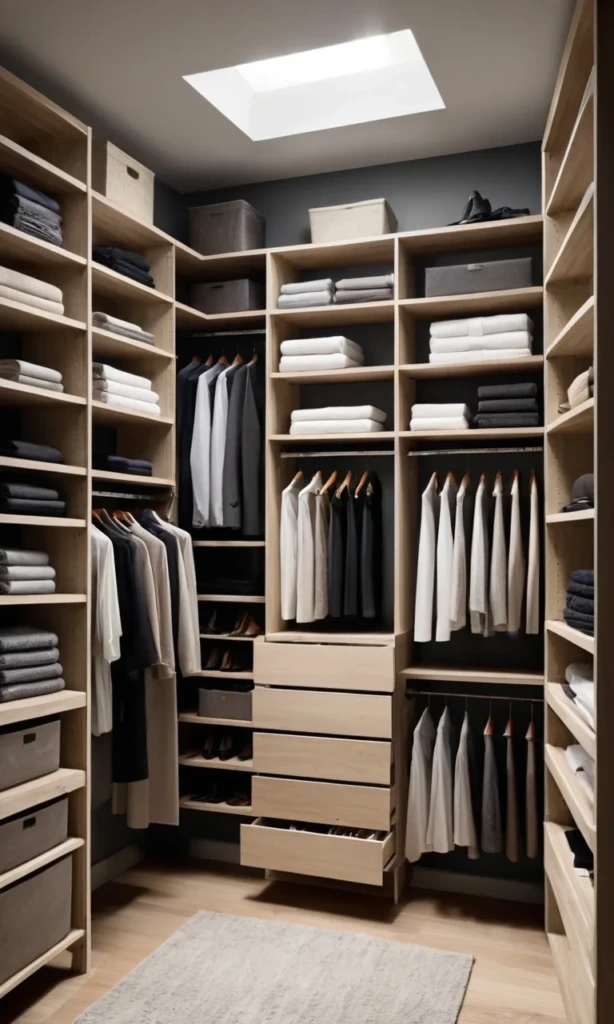
A baby's storage needs change quickly, so avoid building a system that only works for the newborn stage.
Adjustable shelves, movable dividers, stackable bins, and flexible hanging organizers make it easier to accommodate larger clothes and new accessories later.
Keep the layout simple enough that you can change it without replacing every storage component. For example, a basket that currently holds bibs might eventually be used for toddler accessories.
Review the arrangement every few months and remove items that no longer belong in the active closet.
Planning for change from the beginning can save money and make future reorganizing much easier.
15. Use the Back of the Closet Door
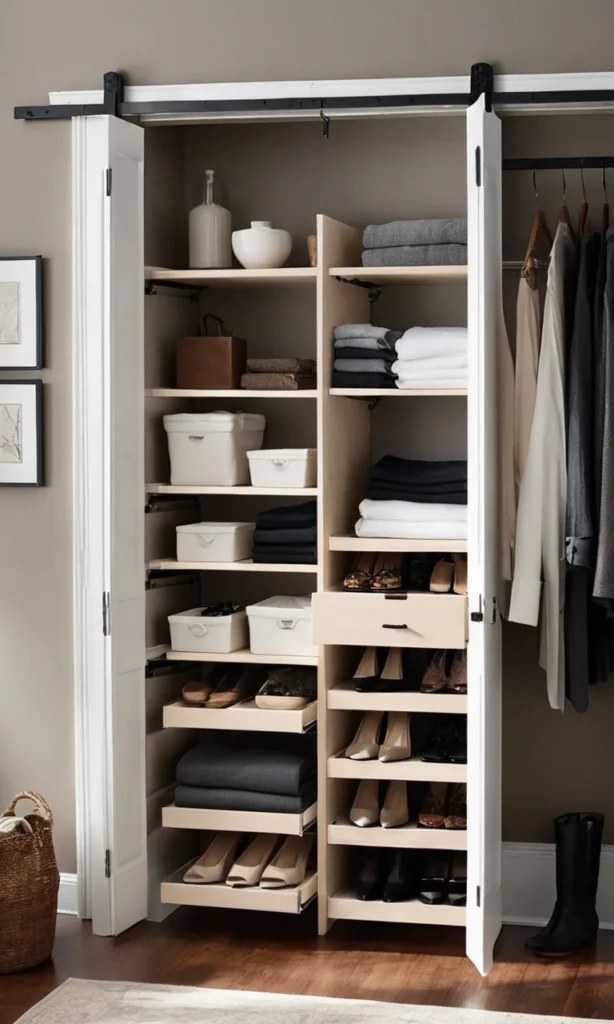
The back of a closet door can provide extra storage when shelves and drawers are already full. Depending on the door's design, you may be able to use a suitable hanging organizer or securely installed hooks.
This space works well for lightweight items such as empty storage pouches, fabric accessories, or small bags containing non-hazardous supplies.
Before choosing an organizer, make sure the door can close properly and that the hardware won't damage the surface.
Keep anything dangerous, sharp, breakable, or small enough to pose a choking risk securely beyond your child's reach. Avoid hanging heavy objects that could fall when the door moves.
16. Maintain a Simple Weekly Closet Reset
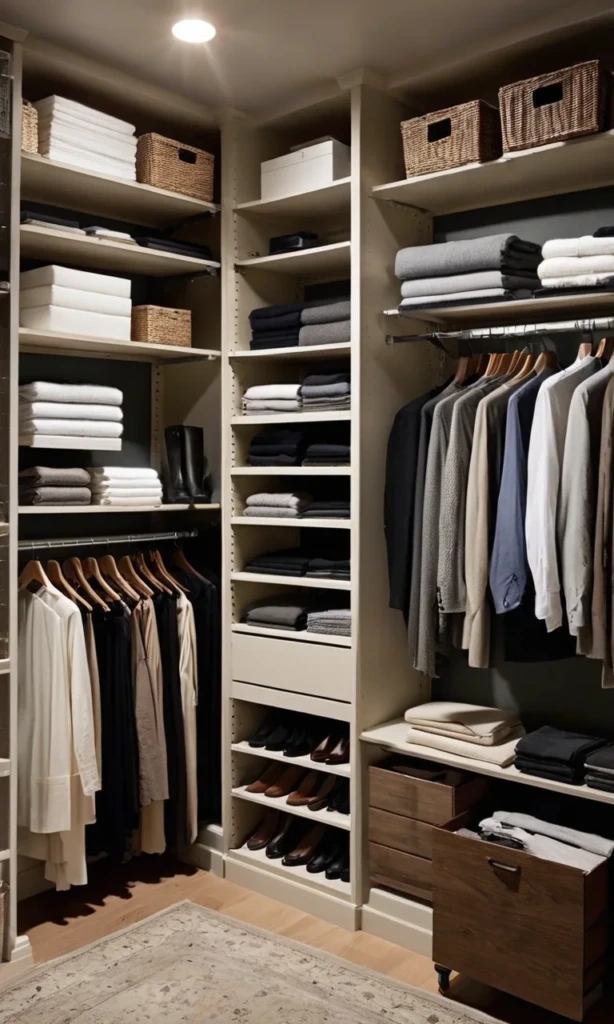
Even the most thoughtfully organized closet needs occasional maintenance. A short weekly reset can prevent small messes from becoming a major sorting project.
Return misplaced items to their designated containers, pair loose socks, fold displaced clothes, and check whether frequently used supplies need replenishing.
You can also review clothing sizes and move outgrown pieces into the appropriate storage bin.
Try to keep the routine manageable rather than aiming for perfection. A few minutes of regular upkeep is often easier than reorganizing the entire closet after it becomes overcrowded.
The best system is one that works with your family's schedule and remains practical during busy days.
How do I organize a small baby closet?
Begin by sorting your baby's belongings into categories and removing anything that is no longer needed. Use the available height with suitable shelving, hanging organizers, and stackable containers.
Keep everyday clothing and changing supplies within easy reach, while reserving upper shelves for spare bedding and future clothing sizes. Clear bins and labels can also help you make better use of limited space.
What should I keep in my baby's closet?
A baby closet can hold everyday clothing, pajamas, socks, hats, blankets, swaddles, and other appropriate fabric accessories. Depending on the available space, you may also store spare bedding, diapers, and changing supplies.
Keep hazardous products, medications, and small objects secured away from children. Avoid overcrowding shelves, and store items according to how frequently you need them.
How can I organize baby clothes before birth?
Start by washing the clothes you plan to use and separating them by size. Arrange newborn and early-month outfits in the most accessible section, then store larger sizes in clearly labeled containers.
Prepare a small area for socks, bibs, and other accessories. You don't need to unpack every item before your baby arrives; keeping future sizes organized in storage bins leaves more room for essentials.
How often should I reorganize a baby closet?
A quick weekly tidy is usually enough to keep the system functional. Check clothing fit regularly, since babies can outgrow outfits quickly, and review the overall arrangement every few months.
Adjust the setup whenever your baby's needs change or the existing storage becomes difficult to use. Regular small updates help prevent clutter from accumulating.
What are the best storage containers for baby clothes?
Fabric bins, clear plastic containers, divided boxes, and labeled baskets can all work well. The best option depends on your shelf dimensions, the type of items you're storing, and how often you need to access them.
Choose containers that are easy to clean and appropriately sized for their contents. Make sure heavy bins are stored securely and small accessories remain inaccessible to young children.