Hallway Organization: Smart Ideas for a Tidy and Functional Entryway
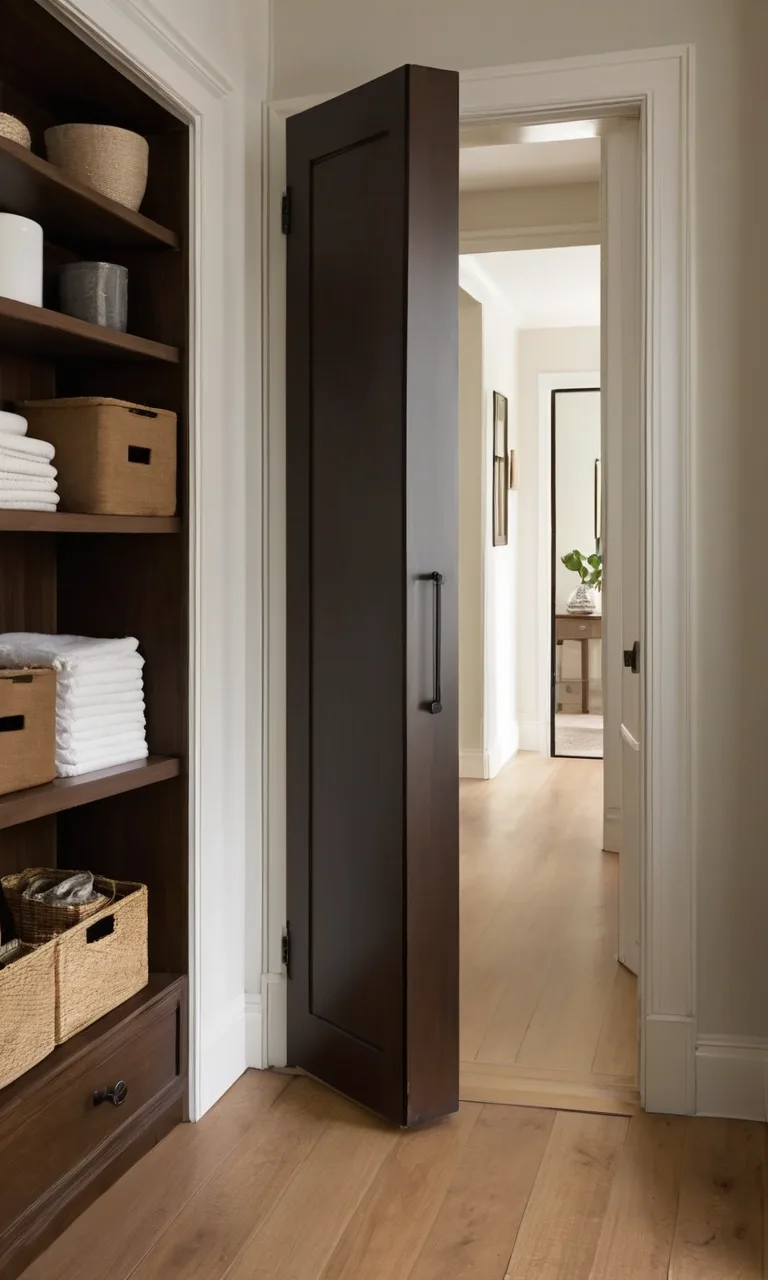
Your hallway is one of the busiest areas of your home. It welcomes guests, connects rooms, and often becomes the default spot for shoes, coats, bags, keys, and everyday essentials. Without a practical system, even a spacious hallway can quickly feel cluttered.
The good news is that you don't need a large entryway or expensive furniture to keep this space organized. A few thoughtful storage solutions, suitable furniture, and simple daily habits can make your hallway more attractive and easier to use. The key is to choose ideas that fit your available space and support your household's routines.
Why is it Difficult to Keep Your Hallway Organized?
Hallways often collect clutter because people pass through them repeatedly throughout the day. Shoes come off near the door, jackets get removed in a hurry, and bags land wherever there is room. Without designated storage, these everyday items gradually take over the available space.
The layout creates another challenge. Unlike a bedroom or living room, a hallway must remain open enough for people to move comfortably between rooms. Bulky cabinets and oversized furniture can make the passage feel cramped, particularly in apartments and older homes.
Renters may also have restrictions on drilling holes or installing permanent fixtures. Fortunately, organization doesn't require major changes. Understanding which items cause the most clutter and choosing storage that suits your hallway's dimensions can make the space much easier to maintain.
How to Maximize Hallway Space?
Making the most of a hallway starts with using its available space efficiently. Instead of filling the floor with furniture, look for opportunities to organize vertically and keep frequently used belongings close to the entrance.
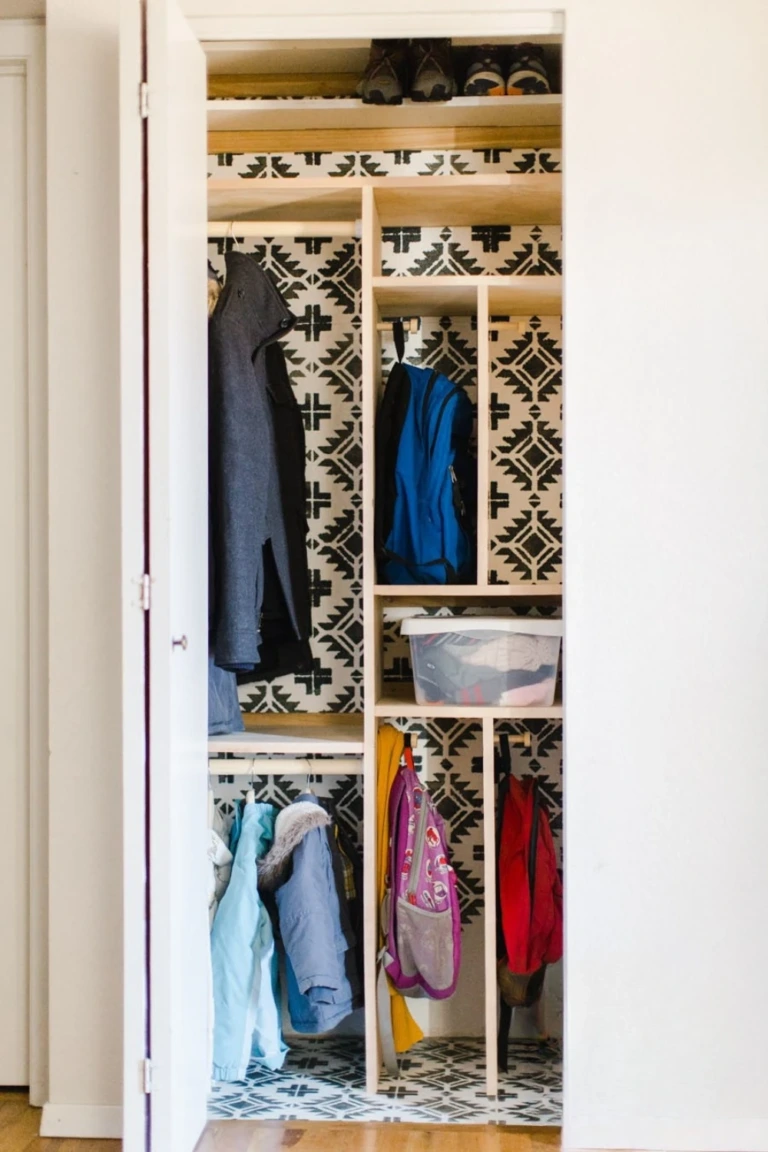
Wall hooks, peg rails, and shallow shelves can accommodate coats, bags, and small essentials without taking up much room. If shoes are the main problem, consider a slim shoe cabinet or a compact rack that fits against an unused wall.
Measure the hallway before purchasing anything. Include door swings, corners, and the space needed for comfortable movement. A storage unit that looks compact in a showroom might feel oversized in a narrow passage.
Keeping the floor as open as possible also improves the overall appearance. When furniture is limited to what you genuinely need, the hallway feels less crowded and becomes easier to clean.
Smart Storage Ideas
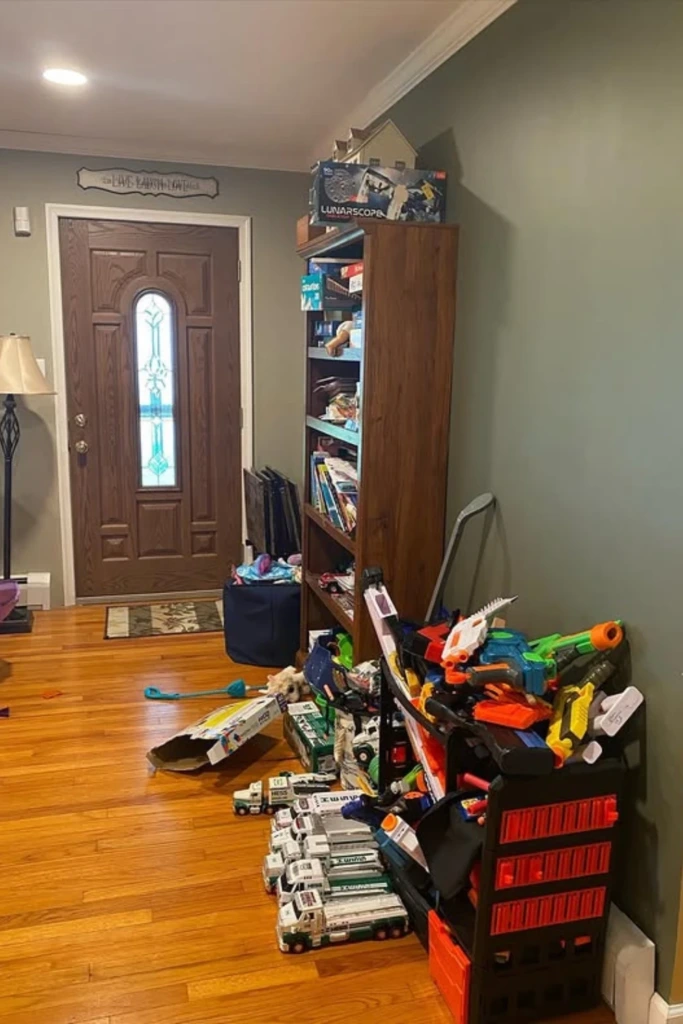
The best hallway storage provides a place for everyday belongings without obstructing movement. Choose pieces according to the items you need to store rather than buying furniture simply because it looks attractive.
A wall-mounted shelf with hooks can serve several purposes. Keep keys, sunglasses, and incoming mail on the shelf while hanging lightweight jackets and bags underneath. A small tray helps prevent loose items from spreading across the surface.
For footwear, a narrow shoe cabinet offers a tidy alternative to an open pile. Look for a design with compartments that match the types of shoes your household wears most often. Wall-mounted shoe organizers can be especially useful when floor space is limited.
Other practical options include over-the-door organizers, vertical storage towers, and compact benches with shelves or baskets underneath. A bench is particularly useful if you need somewhere to sit while putting on shoes.
Before adding a new organizer, consider whether it solves an existing problem. Every item should have a clear purpose, and the arrangement should leave enough room for people to pass safely.
What to Do With Shoes, Coats, and Bags
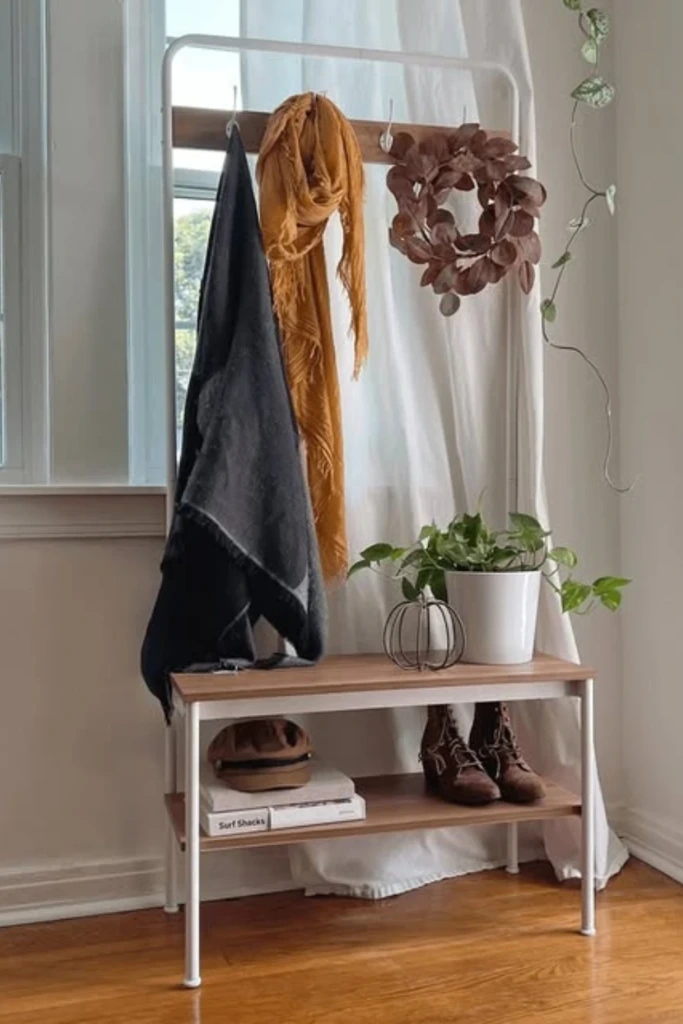
Shoes, coats, and bags are among the most common sources of entryway clutter because they are used frequently and need to remain accessible. Assigning each category a dedicated storage area makes the daily routine more manageable.
Shoes: Keep everyday footwear in a shoe cabinet, a compact rack, or baskets beneath a bench. Store occasional and seasonal pairs elsewhere to prevent the entryway from becoming overcrowded. Allow wet shoes to dry before placing them in enclosed storage.
Coats: Install sturdy hooks at a convenient height or use a slim freestanding coat rack if space allows. Give household members their own hooks so jackets don't end up in a single tangled pile. Store bulky winter coats outside the hallway when they are not needed.
Bags: Use separate hooks for handbags, backpacks, and reusable shopping bags. A designated basket can hold smaller totes, provided it doesn't block the walking path. Position children's bag hooks low enough for them to reach independently.
Think about how your household enters and leaves the home. Items used every day should be easiest to reach, while belongings needed only occasionally can go into higher shelves or another storage area.
A quick evening reset helps maintain the system. Return shoes to their assigned spots, hang up outerwear, and remove items that don't belong in the hallway.
Create a Drop Zone That Works for Everyone
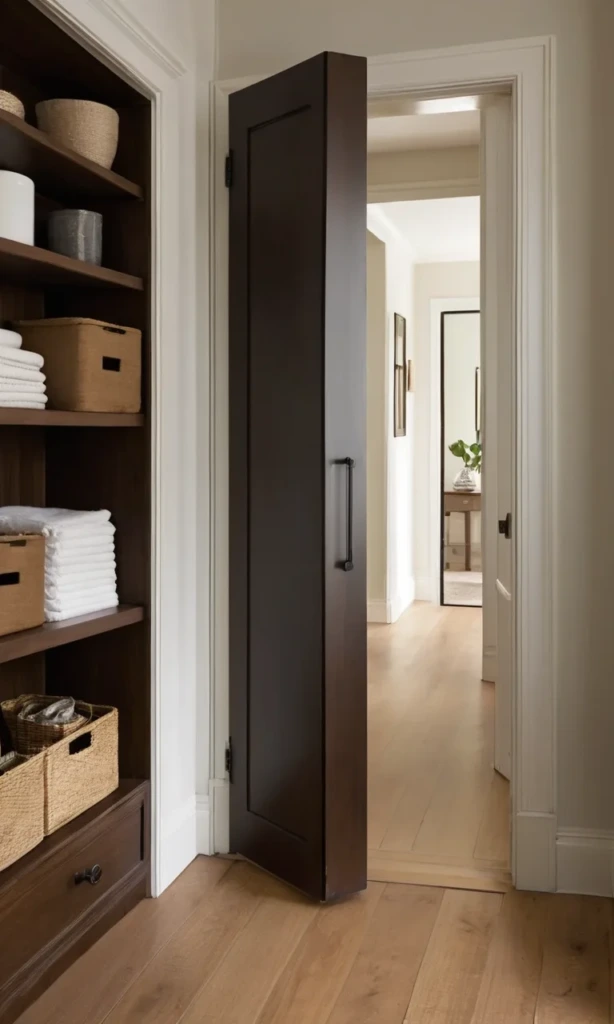
A well-designed drop zone gives everyone a predictable place to put their belongings when they arrive home. It doesn't need to occupy an entire wall or require expensive furniture.
Start with a small console table, a narrow bench, or a wall-mounted shelf, depending on the available space. Add hooks for coats and bags, then use baskets or containers to organize smaller belongings.
In a shared household, assign each person a specific basket, shelf, or hook. This makes it easier to find personal items and encourages everyone to take responsibility for keeping the entrance tidy.
A small tray near the door can hold keys, sunglasses, and other pocket-sized essentials. If you receive paper mail regularly, use a separate organizer for incoming documents and sort them frequently rather than allowing them to accumulate.
Labels can be helpful for families with children or several people sharing the same entryway. Choose containers that are easy to open and return to their places without extra effort.
Keep the arrangement simple enough to use when you're tired or in a hurry. The most effective drop zone is one that fits naturally into your routine, not one that requires constant rearranging. Choose durable, easy-to-clean materials, particularly if the area regularly collects dirt from shoes and outdoor equipment.
Style Your Hallway Without Losing Function
An organized hallway can be practical and attractive at the same time. The key is to introduce decorative elements without sacrificing the clear passage needed for everyday movement.
Use a Mirror to Open Up Space
A mirror can make a narrow hallway feel brighter by reflecting available light. Position it where it can catch daylight from a nearby window or reflect a well-lit part of the home.
A full-length mirror is useful for checking your appearance before leaving, while a smaller decorative mirror works well above a console shelf. Secure wall-mounted mirrors properly and avoid placing them where doors or passing people might knock into them.
Create a Simple Gallery Wall
Framed photographs, illustrations, or artwork can give a plain hallway more personality. A coordinated collection of prints creates visual interest without requiring additional furniture.
For a narrow passage, arrange frames neatly along one wall and keep their depth modest. Use consistent frame finishes or a shared color theme if you prefer a more unified appearance.
Make sure frames are securely mounted and positioned so they won't interfere with movement or catch on bags and clothing.
Stick to a Clean Color Palette
Light shades such as cream, soft white, and pale gray can help a hallway feel open, particularly when natural light is limited. Matching storage furniture to the wall color can also make larger pieces appear less visually prominent.
If you prefer stronger colors, introduce them through a feature wall, framed prints, or small accessories. Repeating one or two accent colors throughout the space helps create a deliberate look without overwhelming the narrow layout.
Choose finishes that suit the amount of natural light and the rest of your home's decor rather than relying on a particular color scheme alone.
Pick Double-Duty Pieces
Furniture that serves more than one purpose is especially valuable in a small hallway. A bench with shoe storage provides seating and a place for footwear, while a shelf with hooks combines a display surface with hanging space.
Decorative baskets can conceal smaller belongings, and a console with drawers can keep keys, stationery, and other essentials out of sight. Select pieces with dimensions appropriate for your hallway so their extra functionality doesn't come at the expense of accessibility.
Add Soft Touches
A few carefully chosen details can make the entrance feel welcoming. Consider a small plant, a compact lamp on a suitable surface, or a simple decorative bowl.
A hallway runner can add warmth and help define the space, provided it lies flat and has a nonslip backing. Choose a washable option if the entrance regularly receives outdoor dirt.
If you use a diffuser or scented accessory, keep it away from children's reach and areas where it could be knocked over. Decorative elements should complement the storage system rather than compete with it.
Keep It Minimal
A hallway doesn't need to display every decorative item you own. Too many accessories, oversized frames, and unnecessary furniture can make the area feel crowded even when the floor is clear.
Choose a few useful or meaningful pieces and leave enough visual space around them. Regularly remove items that have accumulated without serving a purpose.
A restrained arrangement is also easier to dust and maintain. When the hallway has a clear function and a simple appearance, it becomes a more pleasant part of the home.
Quick Tips If You are Renter
Renting doesn't mean you have to live with a cluttered entrance. Portable organizers and removable storage solutions can help you improve the space without making permanent alterations.
Removable adhesive hooks are useful for lightweight items when the product is suitable for your wall finish and the manufacturer's weight limits are followed. Test compatibility with the surface, and avoid hanging heavy bags or coats on fixtures that aren't designed to support them.
Over-the-door organizers can provide additional room for shoes, scarves, umbrellas, and other small belongings. Check that the organizer fits properly and doesn't prevent the door from closing.
For footwear and everyday essentials, consider freestanding racks, narrow storage benches, or small cubes that can be moved when necessary. Foldable seating is another option if you occasionally need a place to sit but don't want furniture permanently occupying the passage.
A lightweight rolling cart may work in a sufficiently wide hallway, especially if you need flexible storage for household items. Keep it parked out of the walking route and use it only if its wheels won't create a tripping hazard.
You can also improve organization without buying anything. Reuse sturdy boxes or baskets, relocate rarely used belongings to a closet, and reserve the entrance for items needed regularly.
Before installing anything, check your rental agreement and any applicable property rules. Choose reversible changes whenever possible, and measure carefully before bringing furniture into a tight space.
Final Thoughts
A tidy hallway begins with a simple principle: every frequently used item needs a practical place to go. Wall hooks, compact shoe storage, multipurpose furniture, and a well-planned drop zone can make a noticeable difference without requiring an expensive makeover.
Start by identifying the belongings that create the most clutter, then introduce storage solutions that fit your hallway's dimensions and your household's habits. Keep the walkway clear, remove unnecessary items, and spend a few minutes each day returning belongings to their proper places.
Whether you live in a spacious house, a small apartment, or a rental property, thoughtful organization can make your hallway more functional and inviting. With a system that works for your daily routine, maintaining a neat entrance becomes much easier.