21 Freezer Drawer Organization Ideas for a Neater, More Functional Freezer
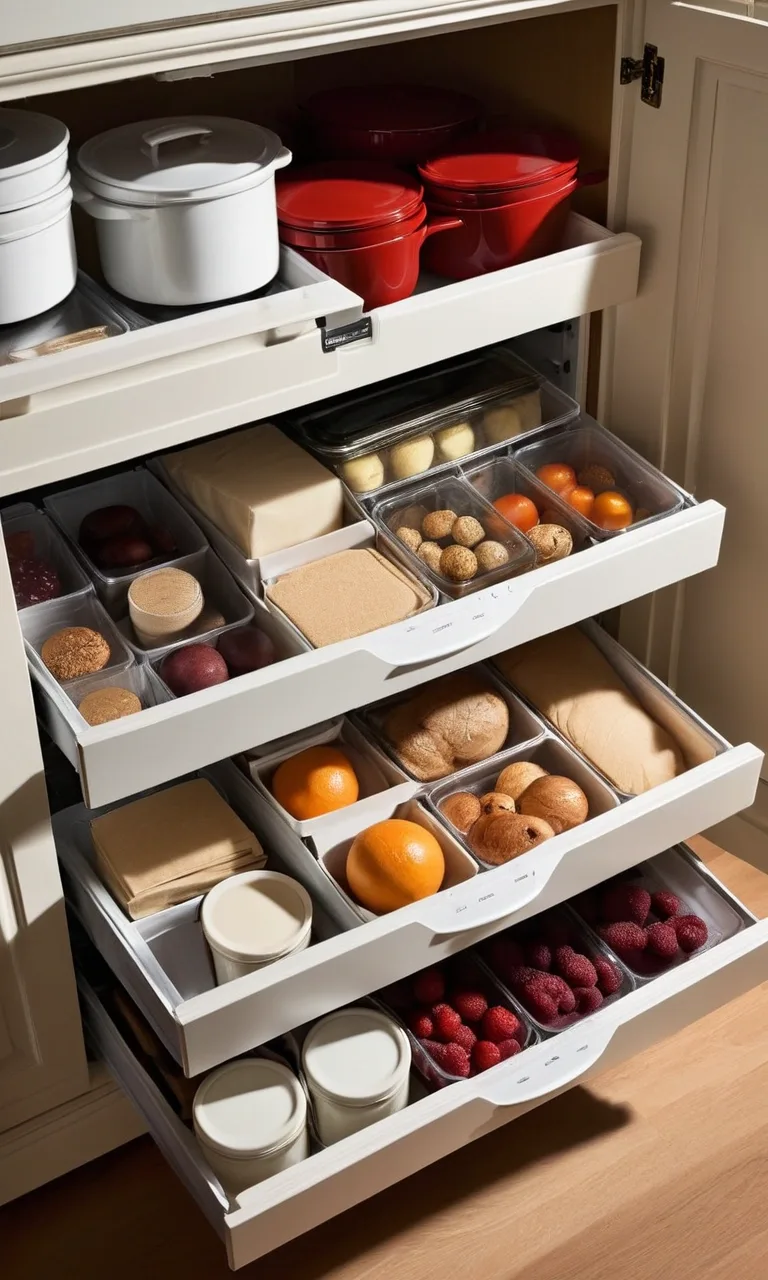
A messy freezer drawer can make everyday cooking more frustrating than it needs to be. Frozen vegetables disappear beneath bags of meat, leftovers get forgotten, and finding a single ingredient sometimes means moving everything around.
The good news is that you don't need a new freezer to solve the problem. A few practical storage methods, clear containers, and a simple organization routine can help you use the space you already have more effectively.
Whether you have a bottom-freezer refrigerator or a deep freezer drawer, these ideas can make frozen food easier to find, keep track of, and access. The key is to give different food categories their own designated spaces and arrange frequently used items where you can reach them quickly.
1. Use Clear Storage Bins
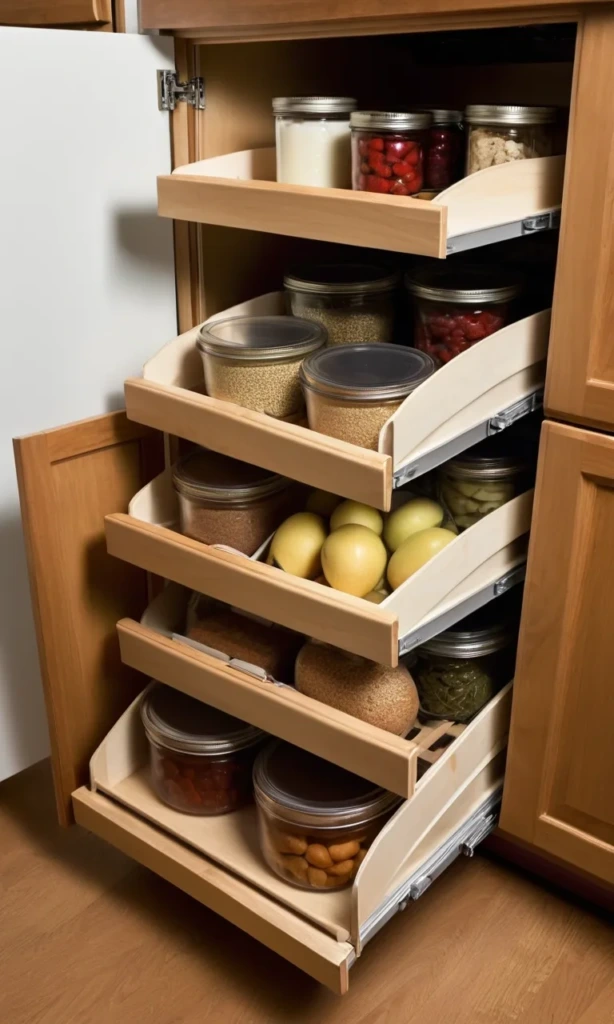
Clear storage bins make freezer organization much easier because you can see what's inside without pulling out every package. Use separate containers for frozen vegetables, fruit, meat, seafood, and prepared foods.
Choose sturdy, freezer-safe bins that fit the dimensions of your drawer. Low-sided containers work particularly well because they keep packages together without hiding everything underneath.
For the best results, measure your freezer before purchasing organizers. Leave enough room for the drawer to close properly and for cold air to circulate around the food.
2. Organize Food by Category
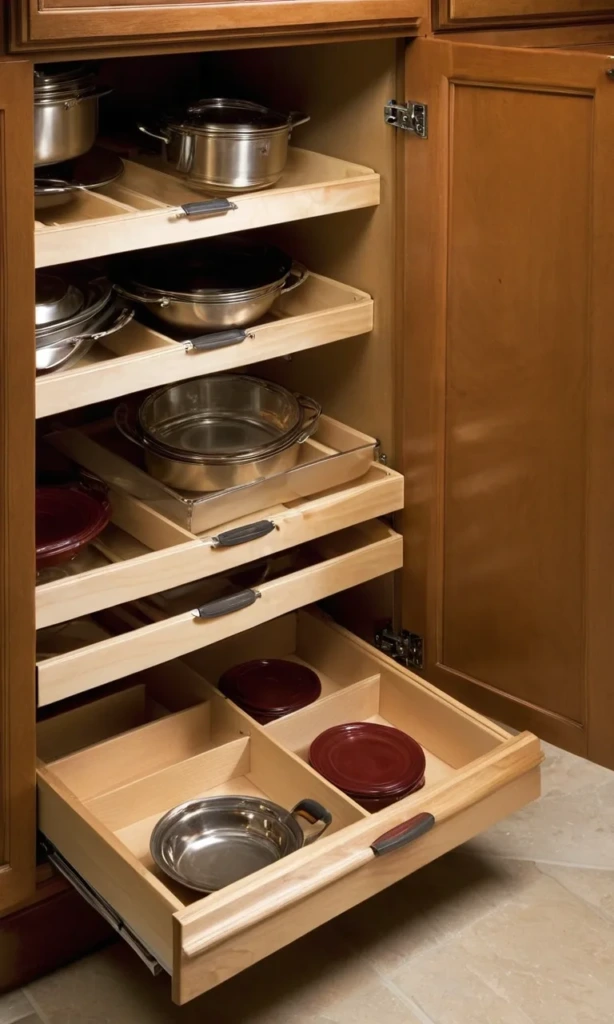
Grouping similar foods together creates a freezer that's easier to navigate. Instead of placing groceries wherever they fit, establish a specific location for each category.
For example, keep frozen vegetables in one section, meats in another, and ready-to-heat meals in a separate area. Dedicate a smaller space to ice packs, frozen fruit, or frequently used ingredients.
This system makes meal preparation quicker and helps prevent duplicate purchases. Once every category has a home, returning groceries to the freezer becomes much more straightforward.
3. Label Everything Clearly
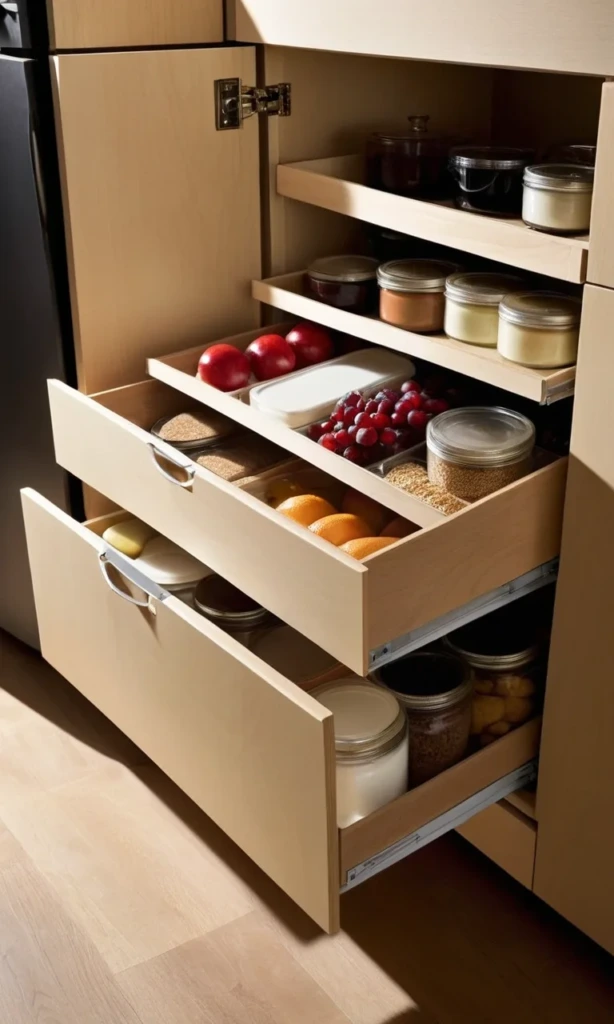
Labels help you identify frozen food without opening every bag or container. Write the food name and freezing date on each package before putting it away.
Use freezer-safe labels or masking tape with a permanent marker. Place the label where it's easy to read, even when several packages are stacked together.
For homemade soups, sauces, and leftovers, include portion sizes when helpful. Clear labeling also makes it easier to use older food first and avoid keeping unidentified packages for months.
4. Store Food in Flat Freezer Bags
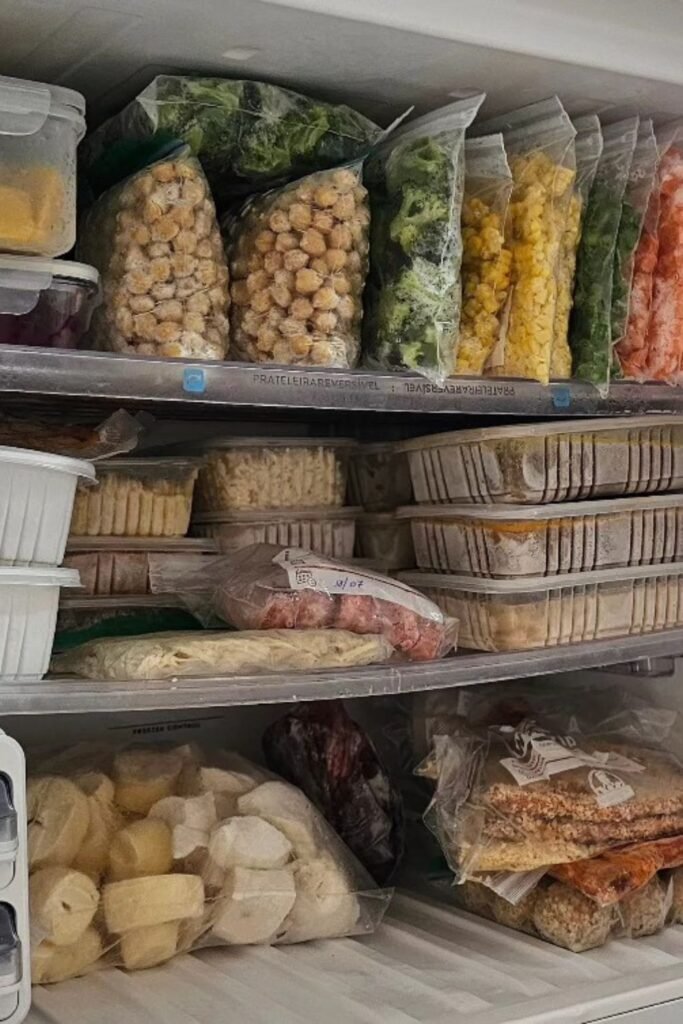
Bulky containers can waste valuable space in a freezer drawer. Freezer bags offer a compact alternative for suitable foods, especially soups, sauces, cooked grains, and prepared meals.
Remove excess air from the bags, seal them securely, and lay them flat while freezing. Once the contents are solid, stack the bags vertically or arrange them in rows like files.
Always use bags designed for freezing, and allow hot food to cool safely before packaging it. Flat packages are easier to organize, take up less room, and can be quicker to thaw when you're ready to cook.
5. Create a Dedicated Meat Section
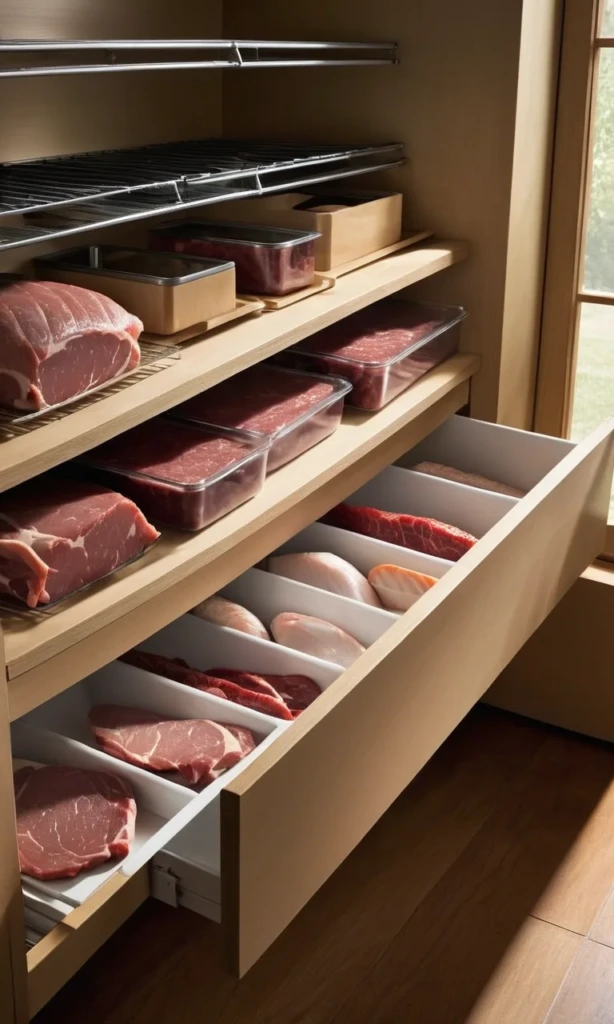
Raw meat deserves a clearly defined space in your freezer. Keeping poultry, beef, pork, and seafood together in a designated section makes meal planning easier and reduces the chance of packages getting lost.
Place raw meat in leakproof packaging and use a separate bin to contain any potential leaks during storage and handling. Keep raw products away from uncovered or ready-to-eat foods.
If you buy meat in bulk, divide it into meal-sized portions before freezing. Label each package with the type of meat and freezing date so you can select the right amount without opening several packages.
6. Use Stackable Containers
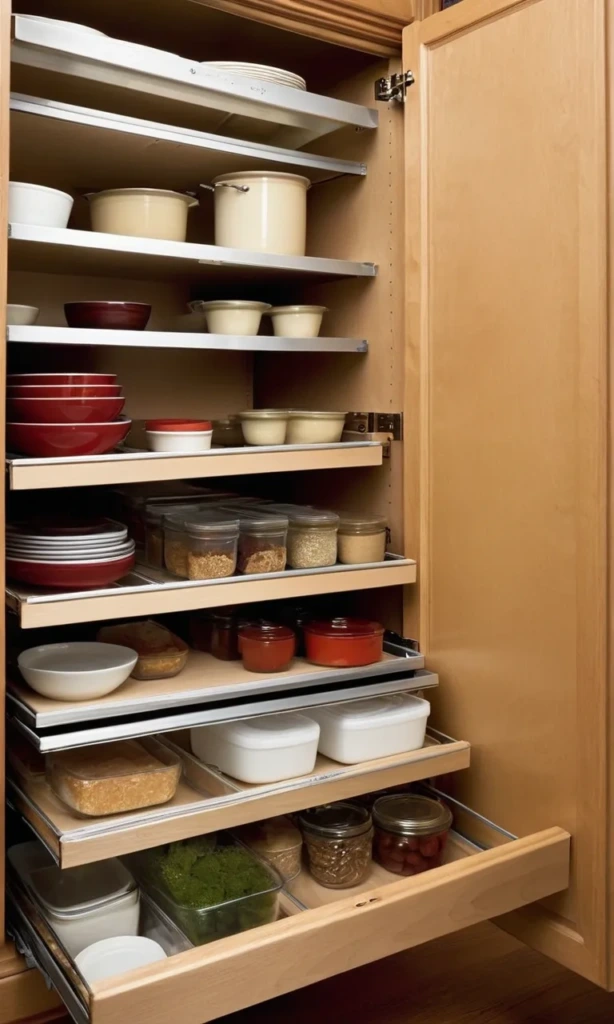
Stackable containers help you take advantage of vertical space without creating unstable piles. They're particularly useful for leftovers, frozen fruit, chopped vegetables, and homemade meal portions.
Choose containers with flat lids and similar dimensions so they fit together neatly. Rectangular containers generally make better use of drawer space than rounded ones.
Avoid stacking containers so high that you can't remove the bottom one easily. Keeping stacks manageable allows you to reach food without disturbing the entire drawer.
7. Arrange Food Vertically
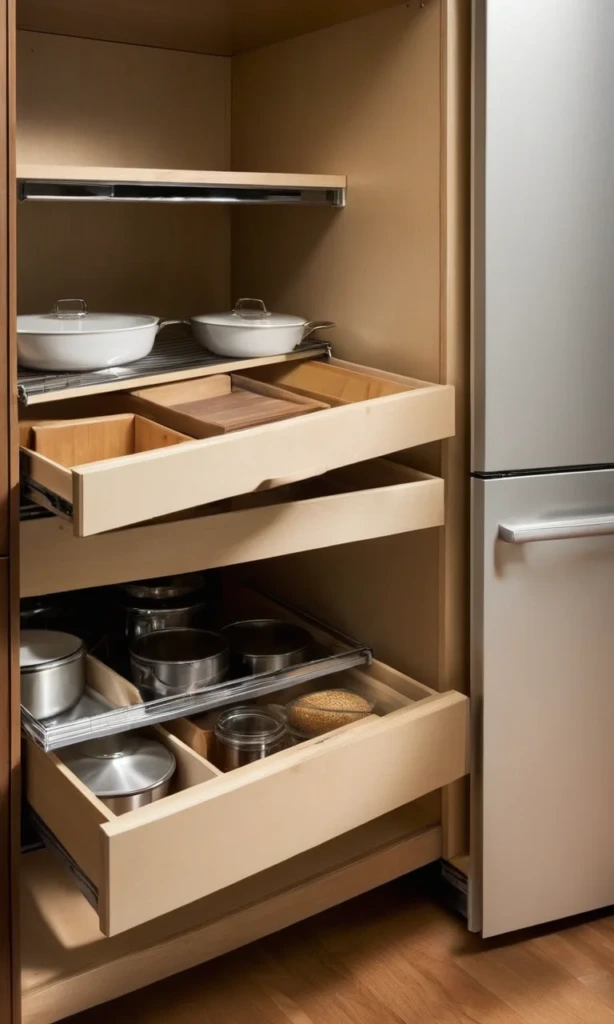
Laying every package flat can make the bottom of a freezer drawer difficult to access. Vertical storage offers a useful alternative for flat bags and suitably sized packages.
Stand frozen meals, vegetables, and other flat items upright in bins, arranging them so their labels face forward. This creates a file-like system that makes it easier to browse your options.
Use dividers or containers to keep the packages standing. If a package is too bulky or unstable, store it horizontally instead. The goal is to improve visibility without making the drawer difficult to close.
8. Keep Frequently Used Foods at the Front
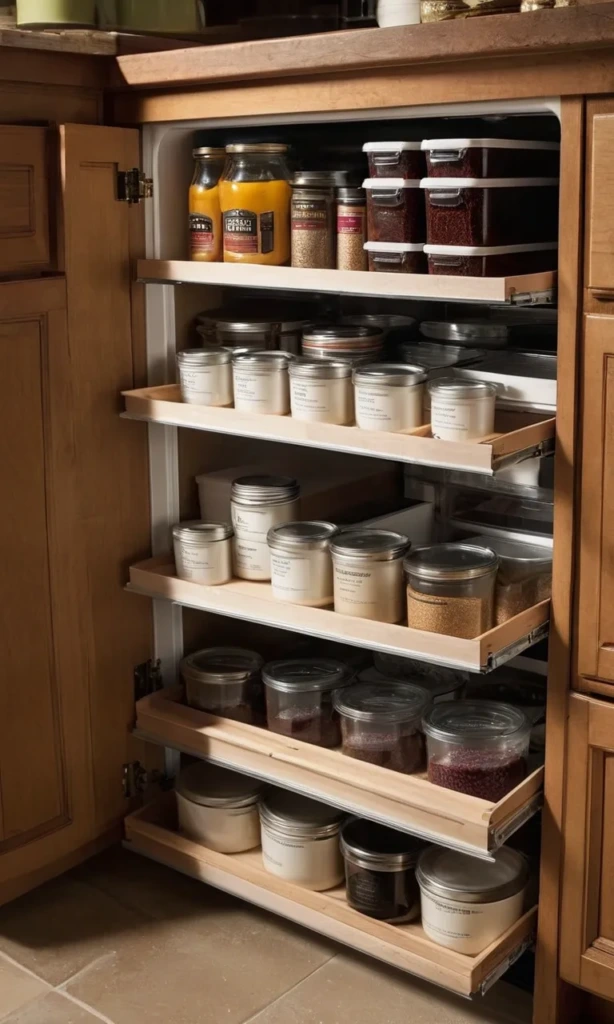
Your freezer should reflect how you actually cook. Foods you reach for several times a week belong near the front or in the easiest-to-access section.
Keep everyday vegetables, breakfast items, frozen bread, and commonly used ingredients within reach. Less frequently used specialty ingredients can go toward the back or in a lower-priority section.
This small adjustment saves time and reduces the amount of time the freezer remains open while you search. It also makes it easier for other household members to find and return food to the correct place.
9. Use Drawer Dividers
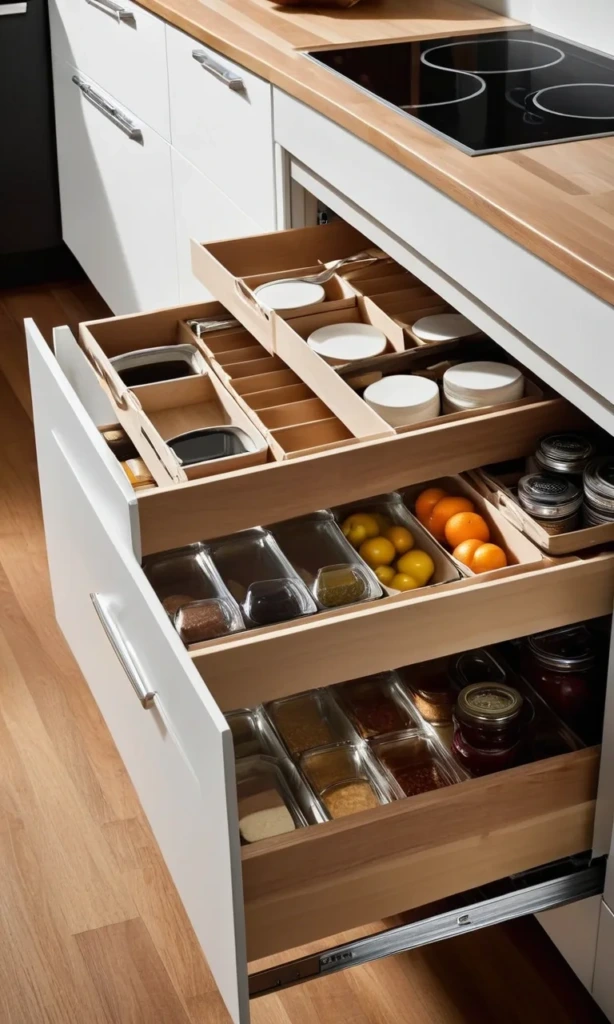
Drawer dividers prevent food packages from sliding into one another whenever the drawer opens or closes. They also create boundaries between categories without requiring a complicated storage system.
Adjustable dividers are particularly helpful when your grocery purchases change from week to week. You can make one section larger for bulk vegetables or shrink another when you have fewer frozen meals.
Select dividers that can tolerate freezer temperatures and fit securely. Avoid overcrowding each compartment, since tightly packed food can make individual packages difficult to remove.
10. Store Frozen Vegetables Together
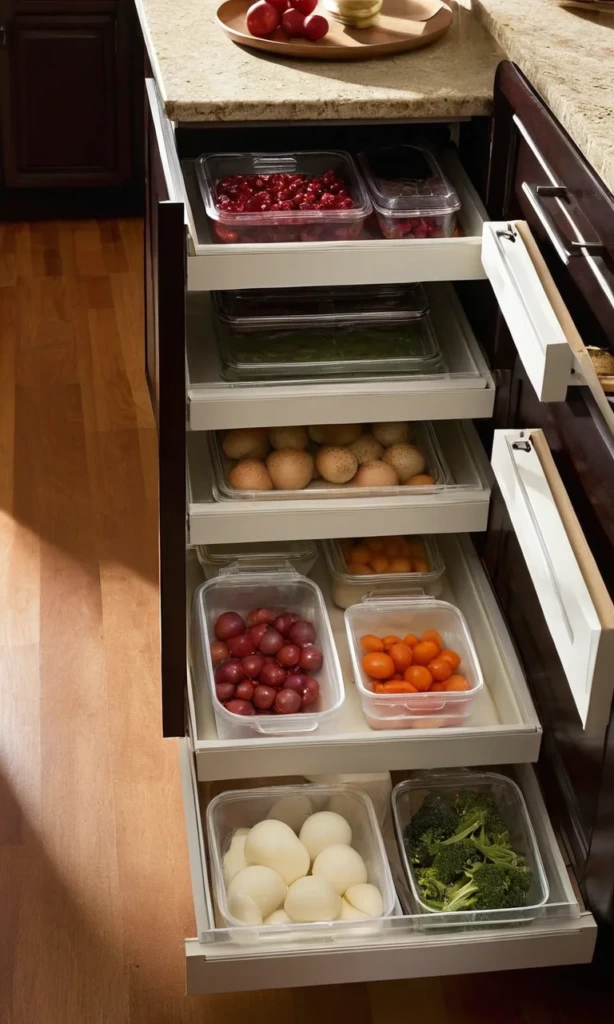
Frozen vegetables are easy to lose track of when bags are scattered throughout the freezer. Giving them their own bin or section keeps everything visible and makes choosing ingredients for dinner faster.
Arrange frequently used vegetables toward the front and less common varieties behind them. If you buy several bags of the same vegetable, place older packages where you'll notice them first.
Use a separate small container for opened bags, sealing each one tightly before storage. This helps protect the vegetables from exposure to air and makes it easier to keep track of partially used packages.
11. Make a Space for Frozen Fruit
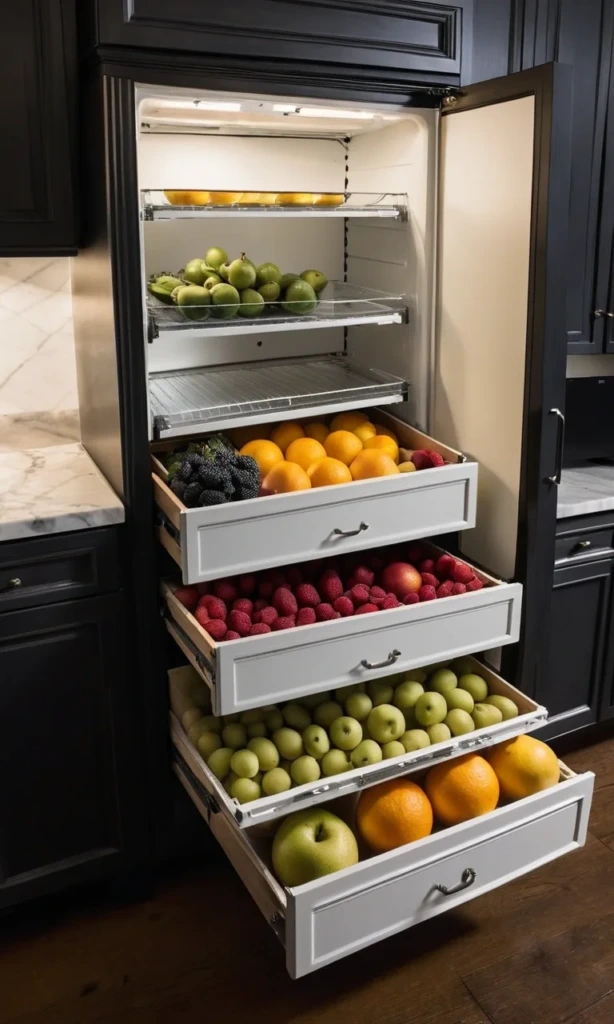
Frozen fruit can easily become buried beneath heavier packages, especially if you use it for smoothies, desserts, or breakfast bowls. A dedicated fruit section keeps different varieties easy to find.
Store berries, mango, pineapple, and other frozen fruit in sealed bags or suitable containers. Smaller portions are useful because you can take out what you need without repeatedly opening a large package.
If you freeze fresh fruit at home, freeze pieces in a single layer first when appropriate, then transfer them to labeled storage bags. This helps keep individual pieces from freezing into one large clump.
12. Organize Leftovers by Meal Type
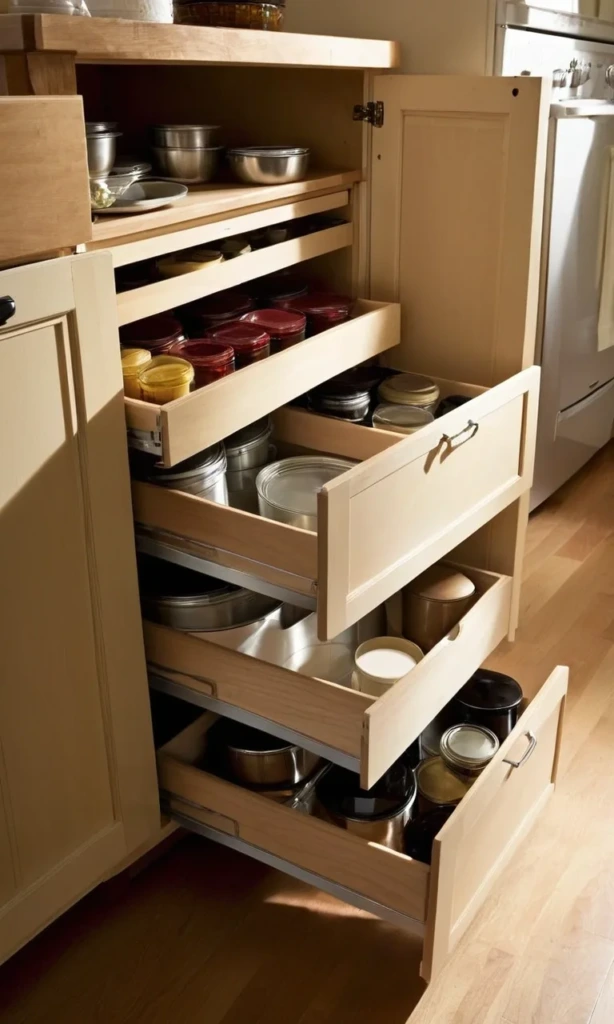
Leftovers are more useful when you can identify them quickly. Create a separate area for homemade meals, soups, sauces, and individual portions prepared for busy days.
Use containers of consistent sizes whenever possible, and label each one with the dish name and date. For meals that need a little extra planning, include reheating instructions or the number of servings.
Freeze leftovers in practical portions rather than one oversized container. That way, you can thaw what you need without having to defrost an entire batch for a single meal.
13. Use Small Bins for Loose Items
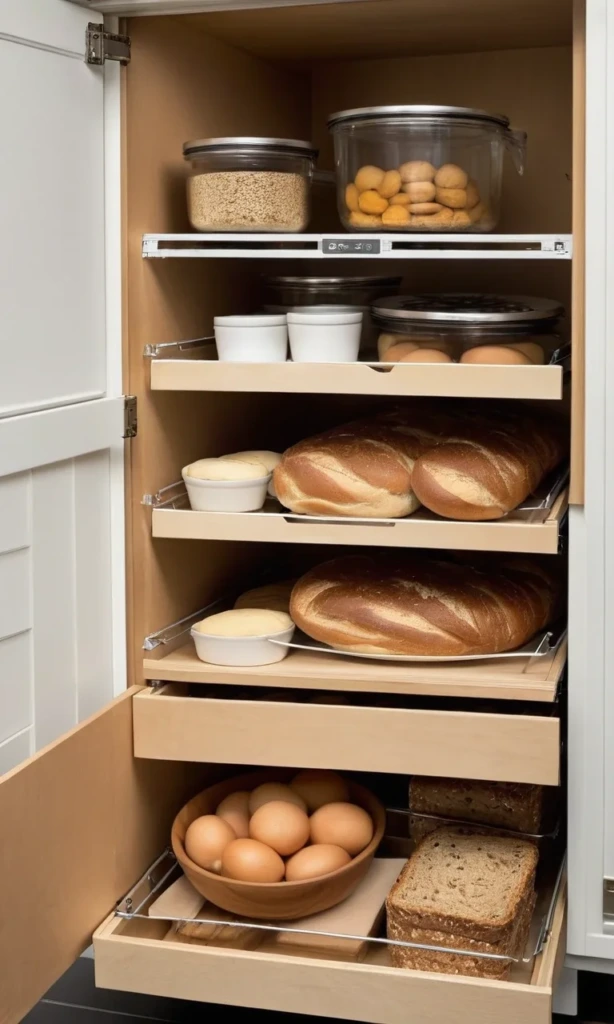
Small packages and loose items can make a freezer drawer look cluttered even when larger foods are neatly arranged. Small bins provide a simple way to collect these items in one place.
Use them for frozen herbs, small fruit packets, butter, ice packs, or other compact products that might otherwise slide beneath larger packages.
Choose bins with low sides so you can see their contents. Avoid creating too many tiny categories, though. A few well-planned containers are easier to maintain than a drawer full of small compartments.
14. Keep an Inventory of Frozen Food
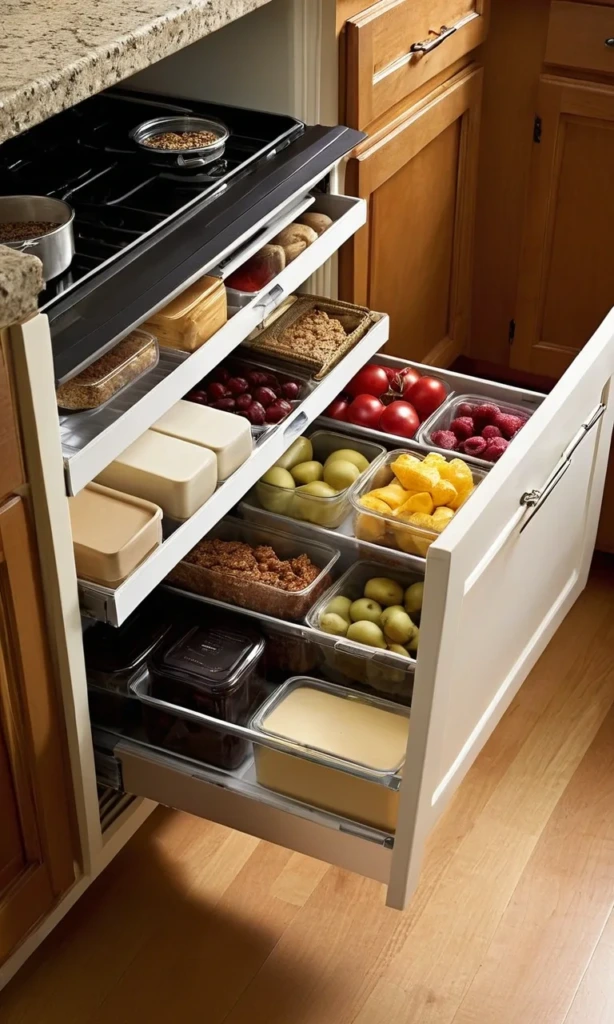
An inventory helps you remember what's already in the freezer before you shop or plan meals. Without one, perfectly good food can remain hidden until you eventually discover it months later.
Keep a simple list on your refrigerator, in a notebook, or in a digital notes app. Record the item, quantity, and freezing date for foods you want to track closely.
Update the list whenever you add or remove something. You don't need to document every ice cube or individual vegetable; focus on bulk purchases, prepared meals, and ingredients you frequently forget about.
15. Rotate Older Food to the Front
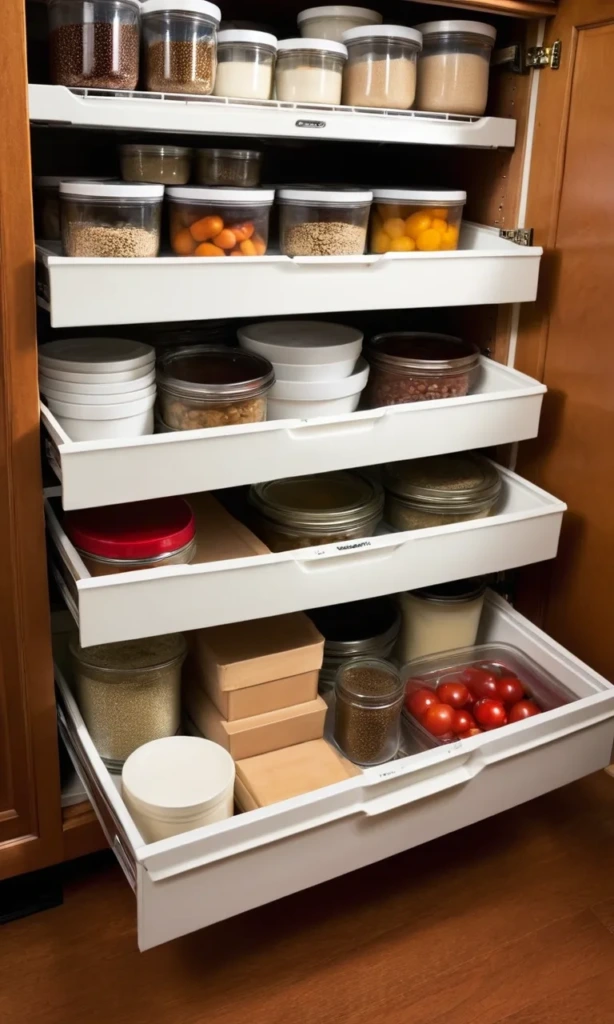
A first-in, first-out system helps you use older packages before newer purchases. Whenever you bring home groceries, place newer items behind existing stock when practical.
Check dates on packages and move older food into an easy-to-see position. This simple habit reduces the likelihood of forgotten ingredients accumulating at the bottom of the drawer.
Remember that freezing preserves food but doesn't improve its quality indefinitely. Proper packaging, consistent freezer temperatures, and sensible storage times all help maintain quality. Follow reliable food-storage guidance for individual foods rather than assuming every frozen item lasts equally long.
16. Create a Meal Prep Section
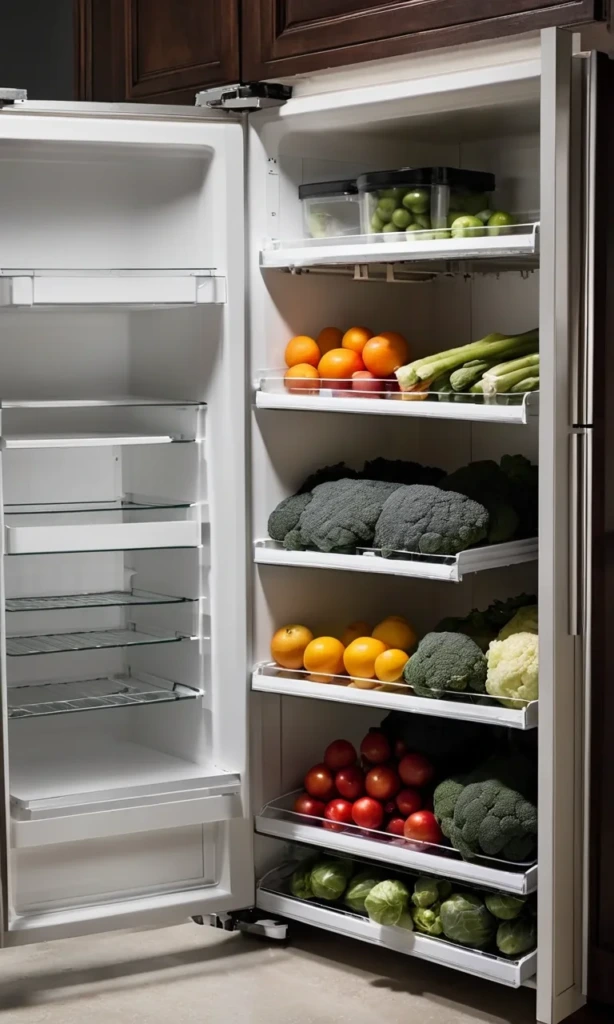
A dedicated meal-prep section makes busy weekdays easier. Keep prepared breakfasts, lunch portions, cooked proteins, and ready-to-heat dinners together so you can quickly see what's available.
Freeze meals in appropriately sized, freezer-safe containers. Let hot food cool safely before freezing, and avoid leaving perishable food at room temperature for extended periods.
Label each portion with its contents and date. If you plan meals for the entire week, group the portions you intend to use soon near the front. This makes it easier to turn your freezer into a practical extension of your meal-planning routine.
17. Store Bread and Breakfast Items Separately
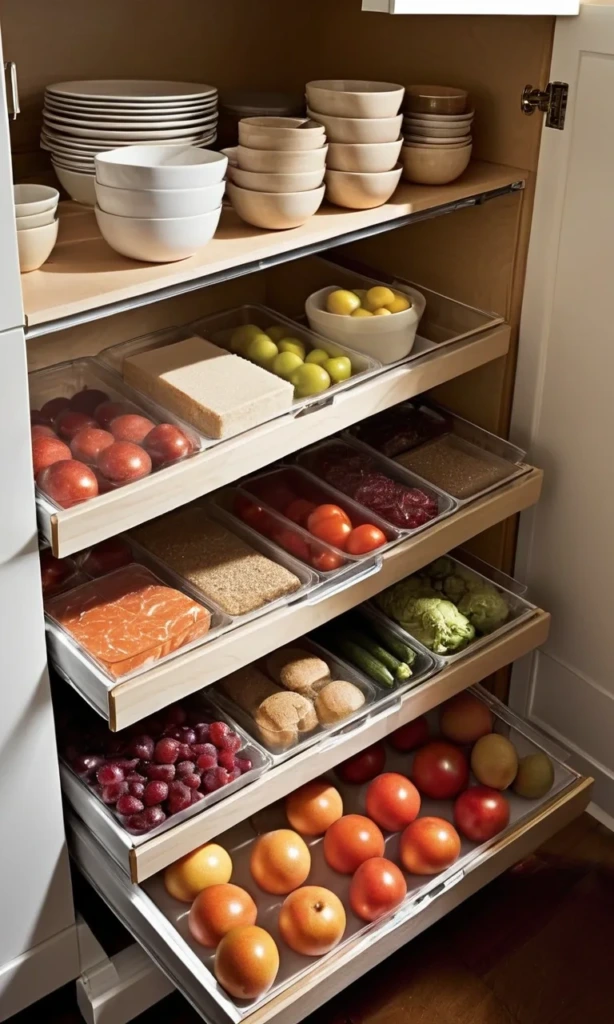
Bread, bagels, waffles, and other breakfast staples can occupy a surprising amount of freezer space. Keeping them together prevents them from getting mixed with meat, vegetables, and prepared dinners.
Use a designated bin or drawer section for breakfast foods. Separate smaller packages from larger loaves so you can find individual servings quickly.
Freeze bread in portions that suit your household, and seal it well to protect its texture. If breakfast foods are part of your daily routine, keep them toward the front for easier access.
18. Make Use of Removable Baskets
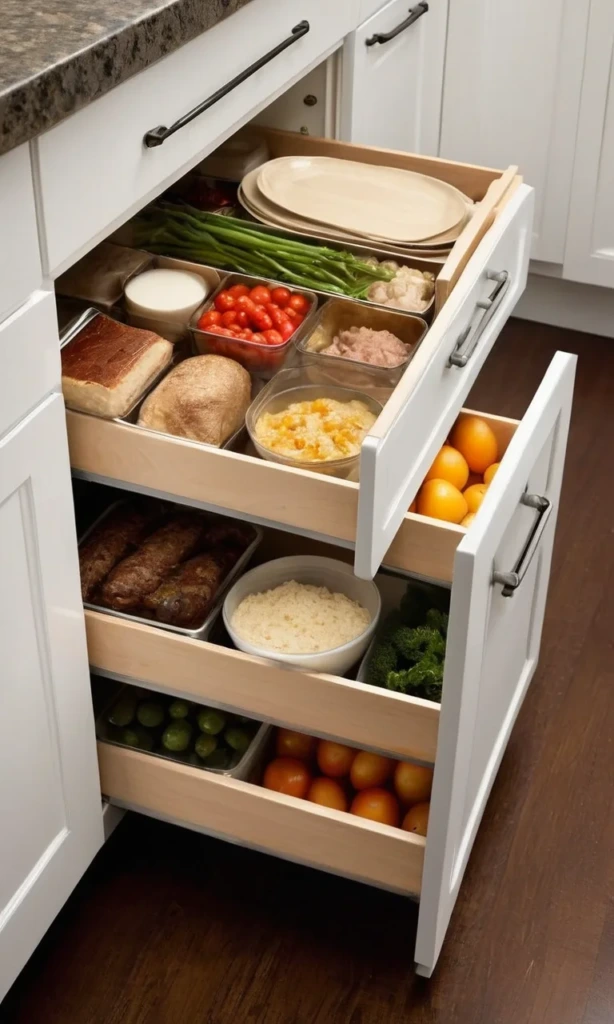
Removable baskets are useful when your freezer drawer contains many different types of food. Instead of lifting individual packages out one at a time, you can pull out a basket to reach what's underneath.
Choose freezer-compatible baskets that fit the drawer without blocking its movement. Use each one for a broad category, such as frozen vegetables, meat packages, or ready-made meals.
Before buying baskets, check the drawer's interior dimensions and account for any existing rails or dividers. The best organizers make food easier to reach without interfering with the freezer's normal operation.
19. Avoid Overfilling the Freezer Drawer
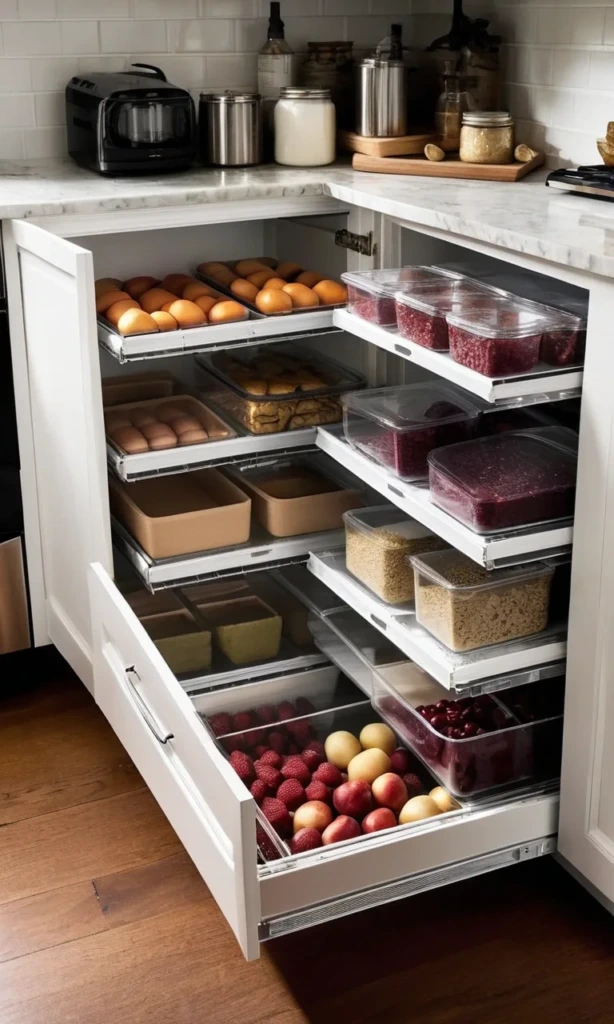
It's tempting to fill every available gap when stocking up on groceries, but an overloaded drawer quickly becomes difficult to use. Packages get wedged together, labels become hidden, and food is more likely to be forgotten.
Leave enough room for the drawer to open and close smoothly. Arrange packages so you can remove one without pulling out an entire stack.
A reasonably full freezer generally maintains its temperature efficiently, but food shouldn't obstruct vents or prevent the door from sealing properly. If the drawer is consistently overcrowded, use up existing supplies before buying more.
20. Clean and Declutter Your Freezer Regularly
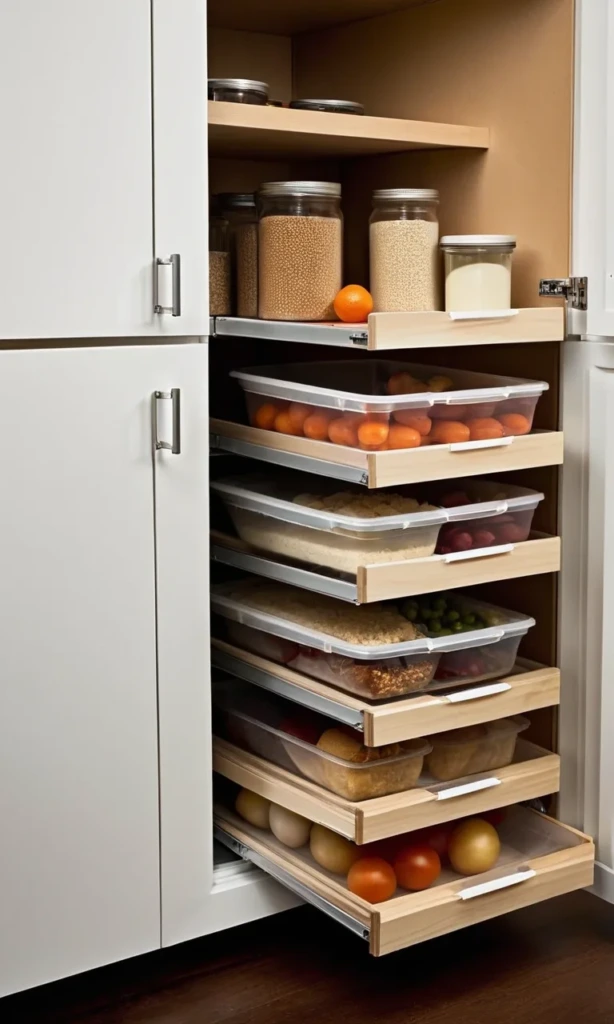
Even a well-organized freezer needs occasional maintenance. Spills, loose crumbs, frost, and forgotten packages can gradually undermine your system.
Every few weeks, review what's inside and identify foods that need to be used soon. Check packaging for damage and look for signs of freezer burn, which can affect texture and flavor.
When cleaning, follow the refrigerator manufacturer's instructions. Transfer food to another properly cold storage location while necessary, use suitable cleaning products, and dry surfaces before replacing the food. If you notice excessive frost or persistent temperature problems, consult the appliance manual.
21. Maintain a Simple Freezer Organization Routine
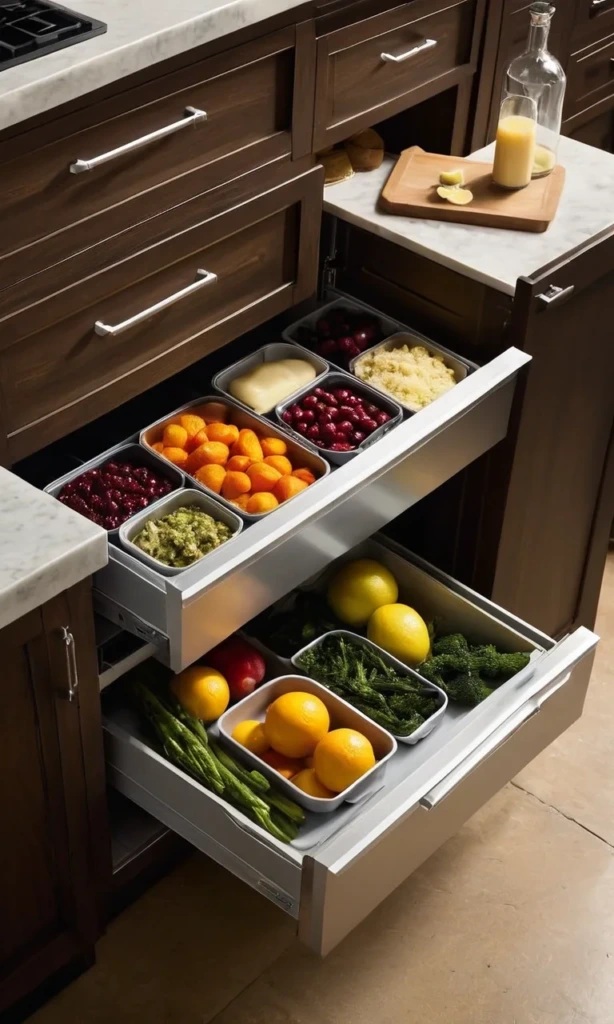
The easiest freezer organization system is one you can maintain without spending hours rearranging food. Once everything has a designated place, a few small habits will help keep the drawer functional.
After grocery shopping, label new packages, group them by category, and put older items where they're easy to reach. When taking out food, return the remaining packages to their proper sections instead of placing them wherever there's room.
Set aside a few minutes each month to check your inventory and plan meals around what you already have. Consistency matters more than having perfectly matching containers or an elaborate labeling system.
A freezer drawer that stays organized saves time, makes meal preparation less stressful, and helps you make better use of the food you buy.
How do I organize a deep freezer drawer?
Start by removing the food and grouping it into categories such as meat, vegetables, fruit, and prepared meals. Measure the drawer, add appropriately sized bins or dividers, and return the food with labels facing upward or forward. Place frequently used items near the front and less frequently used products farther back.
What containers are best for freezer drawer organization?
Freezer-safe plastic containers, suitable stackable boxes, and durable storage bins are practical choices. Freezer bags are especially useful for flat portions of food, while rigid containers work well for leftovers and items that need protection from crushing. Choose organizers that fit your drawer and can tolerate low temperatures without becoming brittle.
How can I prevent food from getting lost in the freezer?
Keep similar foods together, label packages with their contents and dates, and avoid placing new purchases in front of older items. Clear bins and a simple inventory can also help you identify what you have before buying more groceries.
How often should I reorganize my freezer drawer?
A quick review every few weeks is usually enough to keep things manageable. Check the inventory, move older packages forward, clean up spills, and remove items you plan to use soon. A more thorough cleaning can be done as needed or according to your appliance manufacturer's recommendations.
How do I keep frozen food fresh for longer?
Maintain the freezer at 0°F (-18°C) or below, use packaging designed for freezer storage, remove excess air from suitable bags, and seal containers securely. Label food with freezing dates and follow recommended storage periods for each type of food. Freezer burn can reduce quality, but food that has remained continuously frozen at a safe temperature can often remain safe even when its quality declines.
Can I organize a freezer drawer without buying organizers?
Absolutely. Reuse suitable freezer-safe containers you already own, group similar packages together, stack flat bags, and label everything clearly. Cardboard boxes and other materials that can become damp or deteriorate aren't ideal for long-term freezer storage. Start with the simplest changes and purchase organizers only if you discover a specific storage problem.